



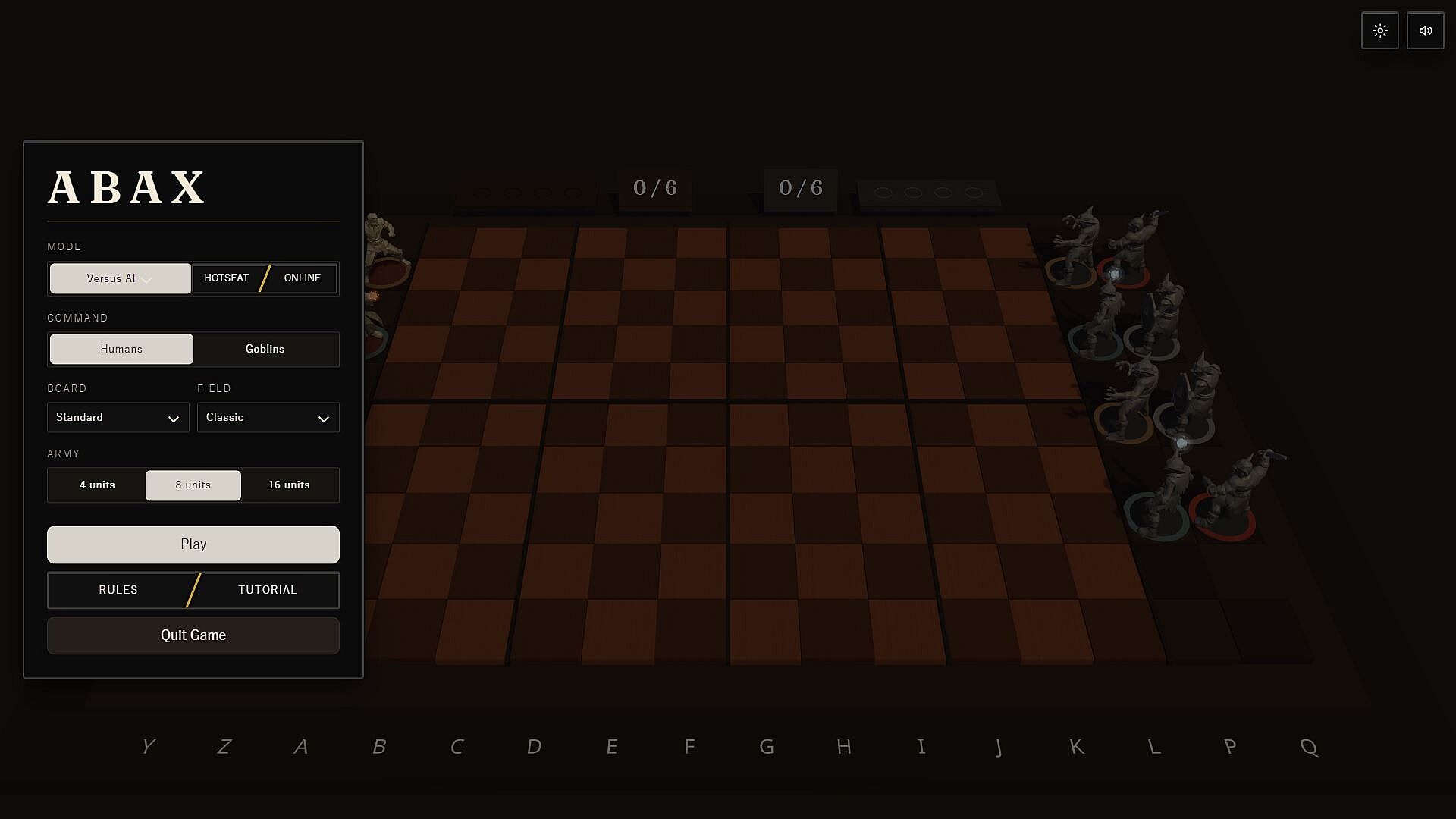
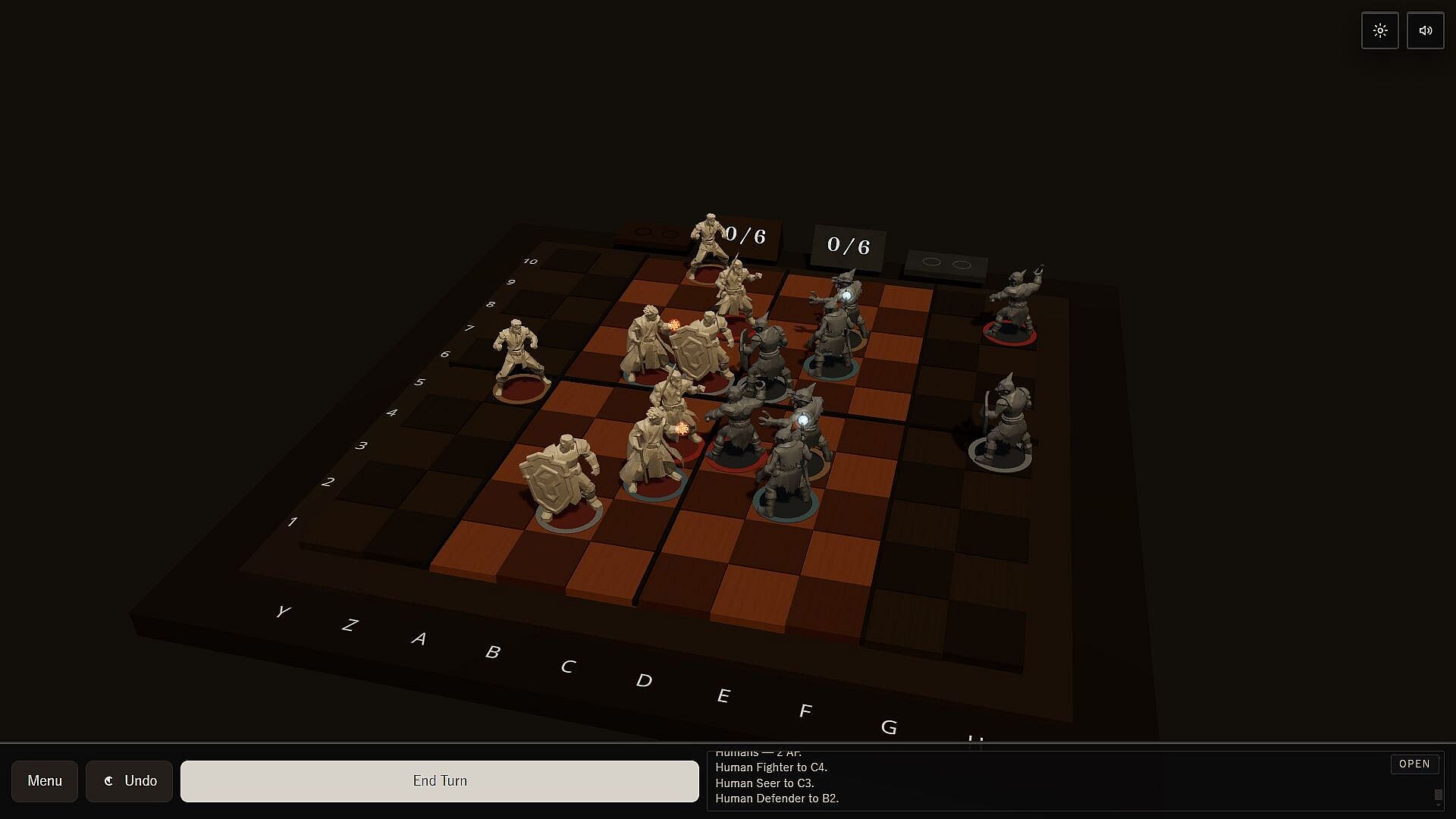
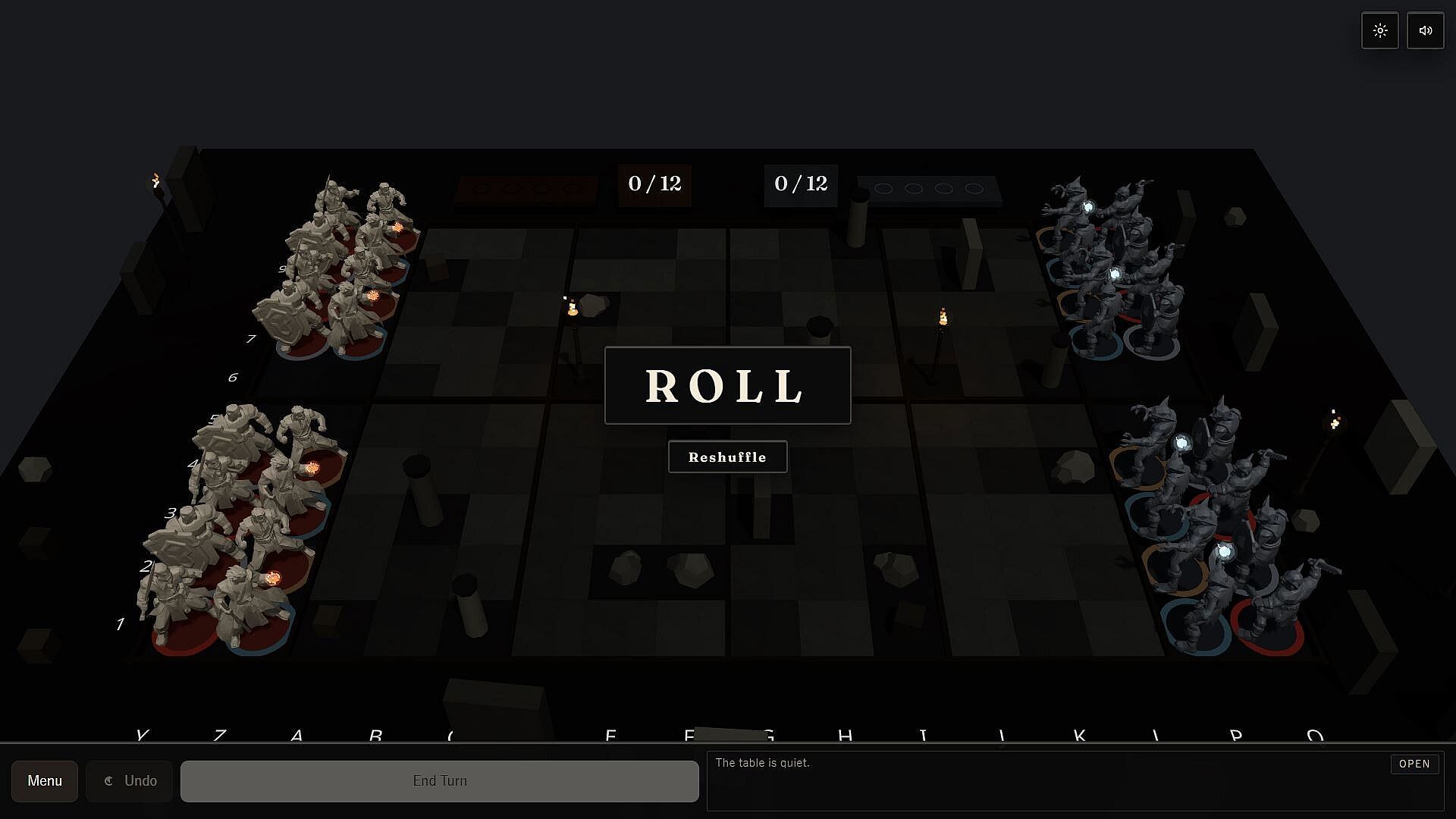
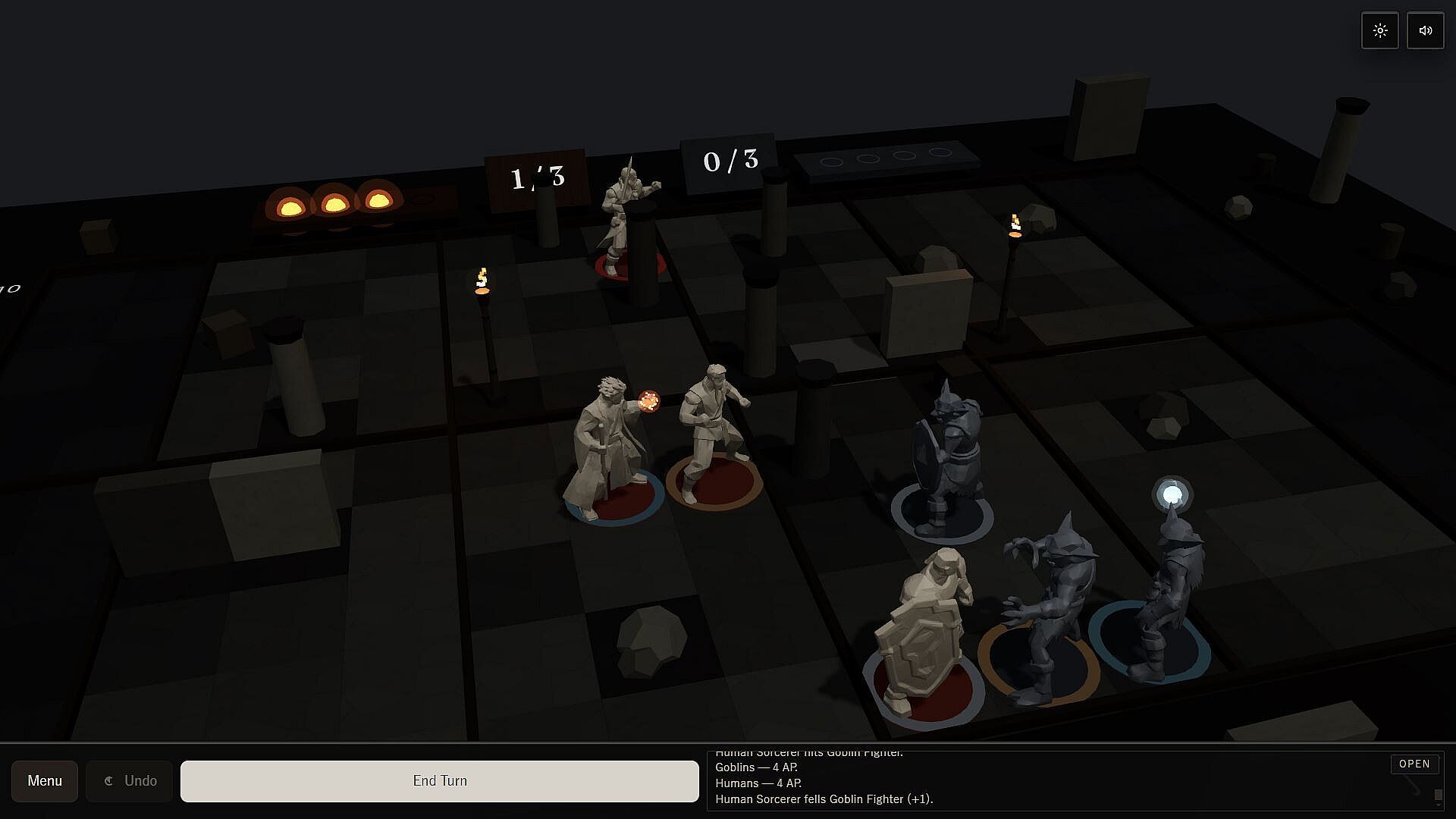


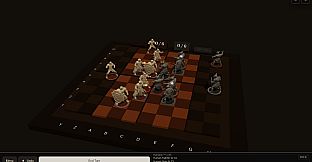
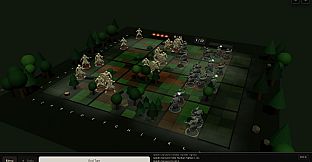
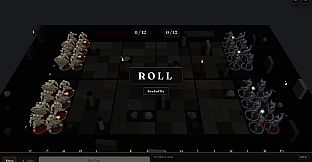

ABAX is a strategy board game developed for PC that brings two opposing factions into direct conflict on customizable playing surfaces. Players select either the Humans or the Goblins and engage in matches that blend traditional board game structure with elements of chance and fresh layouts each time.
Gameplay
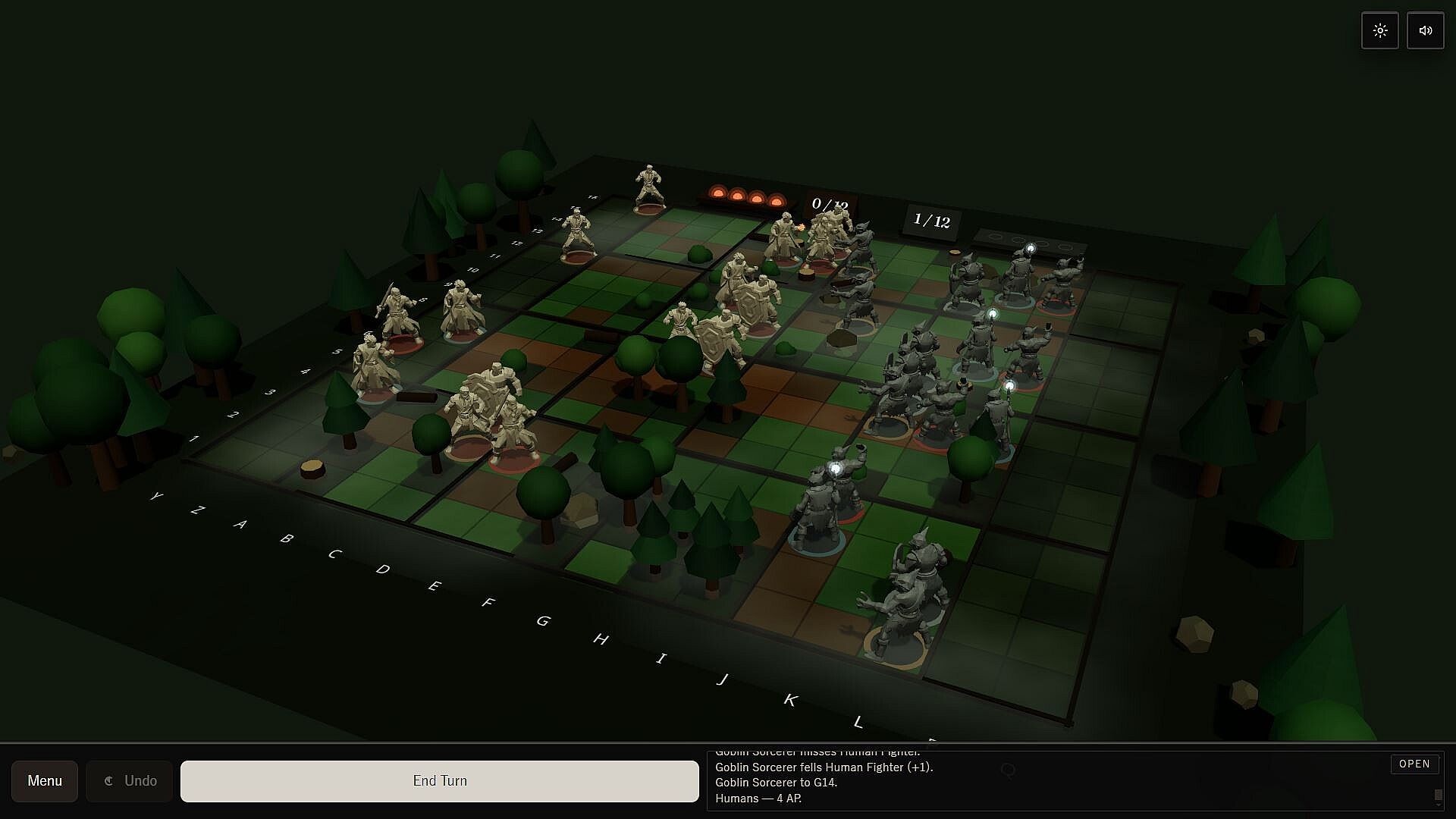
The core loop centers on turn-based decisions where every action resolves through a dice roll mechanic. This introduces variability, meaning even carefully laid plans can shift based on the outcome of the rolls. Matches unfold on either a classic fixed board or a procedurally generated live board that creates a new configuration at the start of every session. The procedural boards add replayability by altering terrain and positioning opportunities without requiring manual setup.
Strategy emerges from positioning units, managing resources implied by the faction choices, and responding to the random results of dice rolls. The system rewards adaptability rather than pure foresight, as the dice can disrupt optimal lines of play. Players learn the flow through repeated matches against the built-in AI, which serves as a consistent opponent for mastering rules and tactics before moving to other formats.
Game Modes
Single-player mode pits the user against a challenging AI opponent designed to teach the fundamentals and provide ongoing practice. This mode supports both the classic board and the procedural live board options, allowing focused sessions without external dependencies.
Multiplayer mode enables online competition against other players. The feature remains in beta testing at launch, with the potential for occasional instability during early use, though it is expected to stabilize over time. Local shared or split-screen play is also supported for direct head-to-head matches on the same device.
The Factions
Humans and Goblins represent the two playable sides, each carrying distinct thematic identities within the board game framework. Selection occurs at the start of a match and influences available strategies and unit behaviors. The contrast between the factions encourages experimentation across multiple games to discover preferred playstyles.
Both sides operate under the same dice-driven ruleset, ensuring balance while allowing unique approaches to board control and objective pursuit. The design keeps the experience accessible yet layered for those familiar with classic board game conventions.
Board Variations
The classic standard board provides a consistent, familiar layout that emphasizes pure tactical execution. In contrast, the procedural generated live board introduces new arrangements with each match, changing lines of sight, movement paths, and engagement zones. This variety prevents repetition and rewards players who adapt quickly to unfamiliar configurations.
Switching between the two board types within the same mode options lets users tailor sessions to their preference for predictability or novelty. The procedural element stands out as a key differentiator from static board games, delivering fresh challenges without additional content requirements.
Is It Worth Playing?
ABAX targets enthusiasts of strategy board games who appreciate dice-based uncertainty combined with procedural variety on PC. The single-player AI offers a reliable way to learn and refine tactics, while the online multiplayer, though still in beta, extends the experience to competitive human opponents. Local shared-screen support broadens accessibility for in-person play.
With its upcoming release and emphasis on core mechanics rather than extensive additional features, the game suits those seeking a focused digital adaptation of tabletop conflict. Players drawn to faction asymmetry and board reconfiguration will find the most immediate appeal, particularly if they value adaptability over rigid planning. The absence of prior player reviews leaves reception open, but the described systems align with established interests in the genre.