


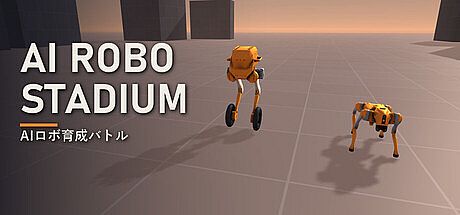


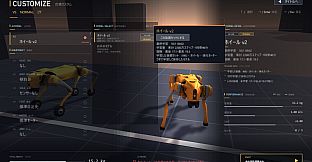
AI ROBO STADIUM is an indie simulation game for PC in which players train artificial intelligence models to control robotic legs through reinforcement learning before entering those models into direct competitions. The experience centers on defining rewards and penalties that guide how the AI learns to operate 16 motors in each robot's legs, allowing the system to discover movement patterns independently rather than following preset instructions.
Gameplay
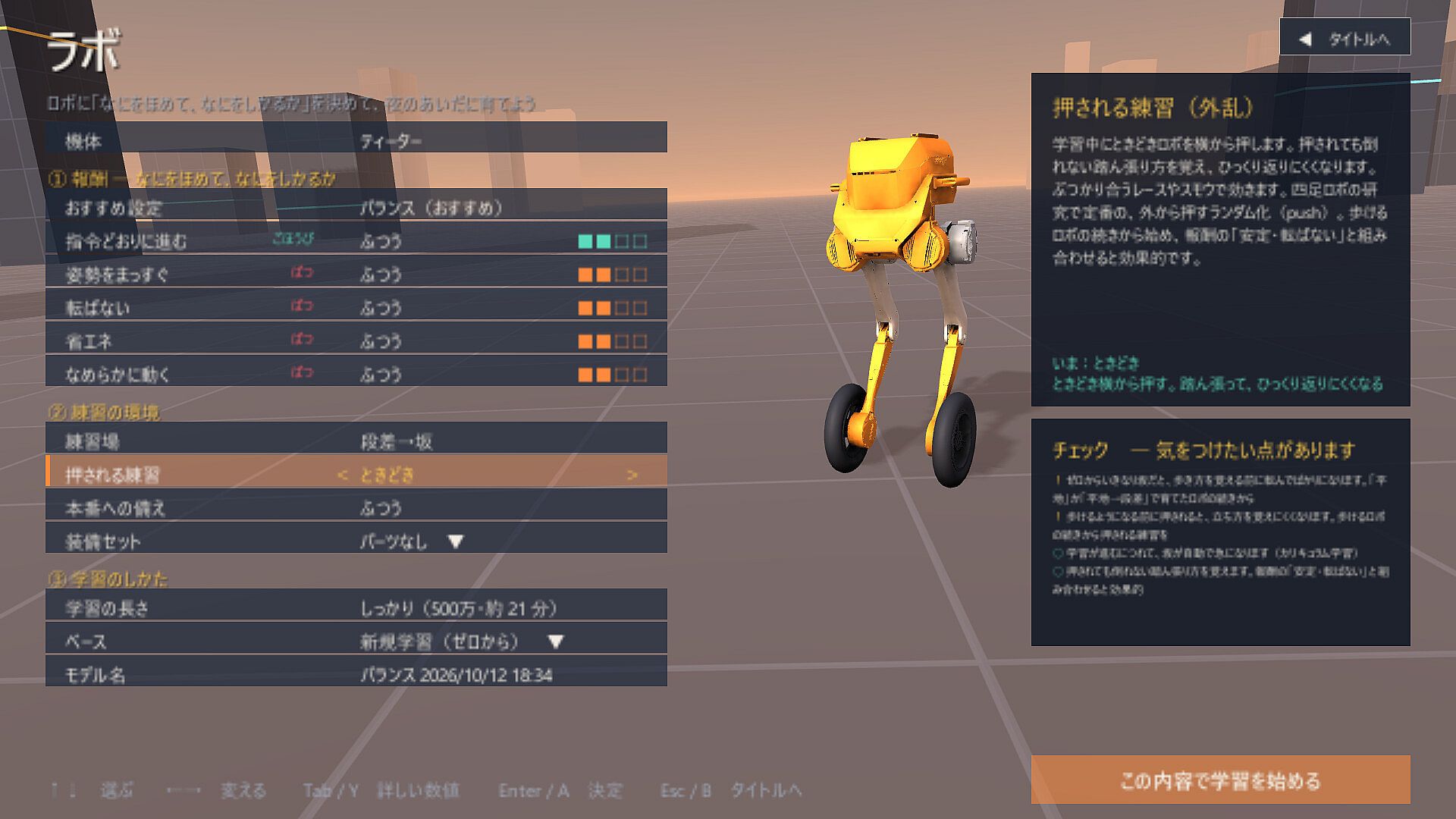
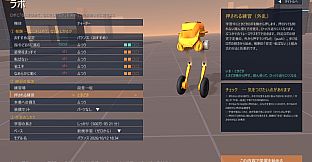
Training takes place in a dedicated lab environment where players adjust levers that influence behavior. These include incentives for following commands, maintaining body level, avoiding falls, conserving energy, and achieving smooth motion. Practice occurs across varied surfaces such as flat floors, steps, and slopes, with added external forces like pushes and randomized physics parameters to build robustness for competition.
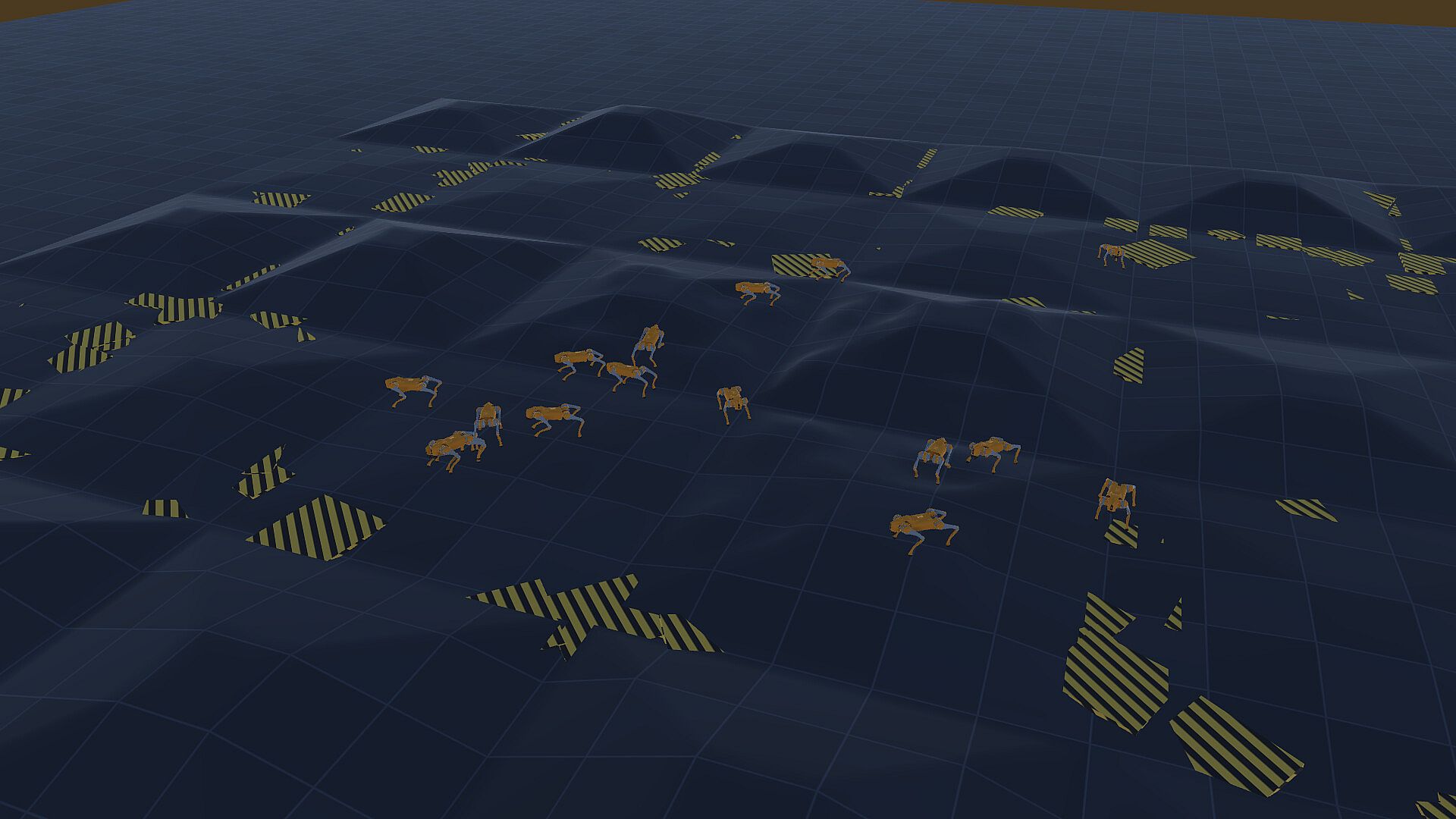
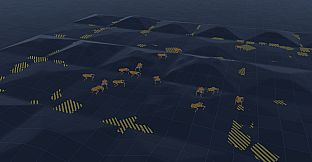
Up to 16 robots can train simultaneously, displaying the learning progress in real time. Players can pause a model mid-training to take direct control and test its current capabilities on the spot. Completed models save under custom names and remain available for further refinement at any time, supporting iterative development across multiple sessions.
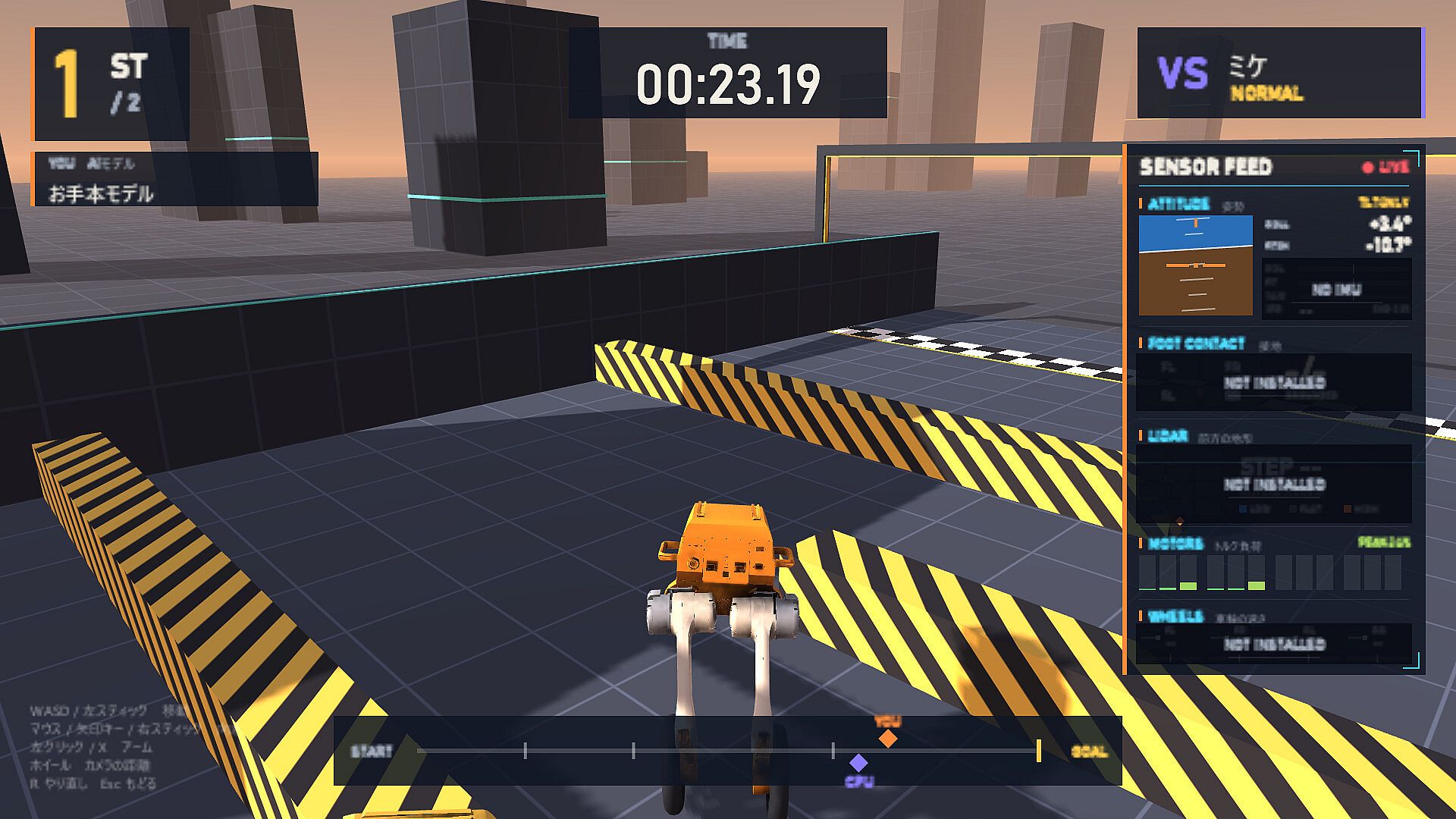
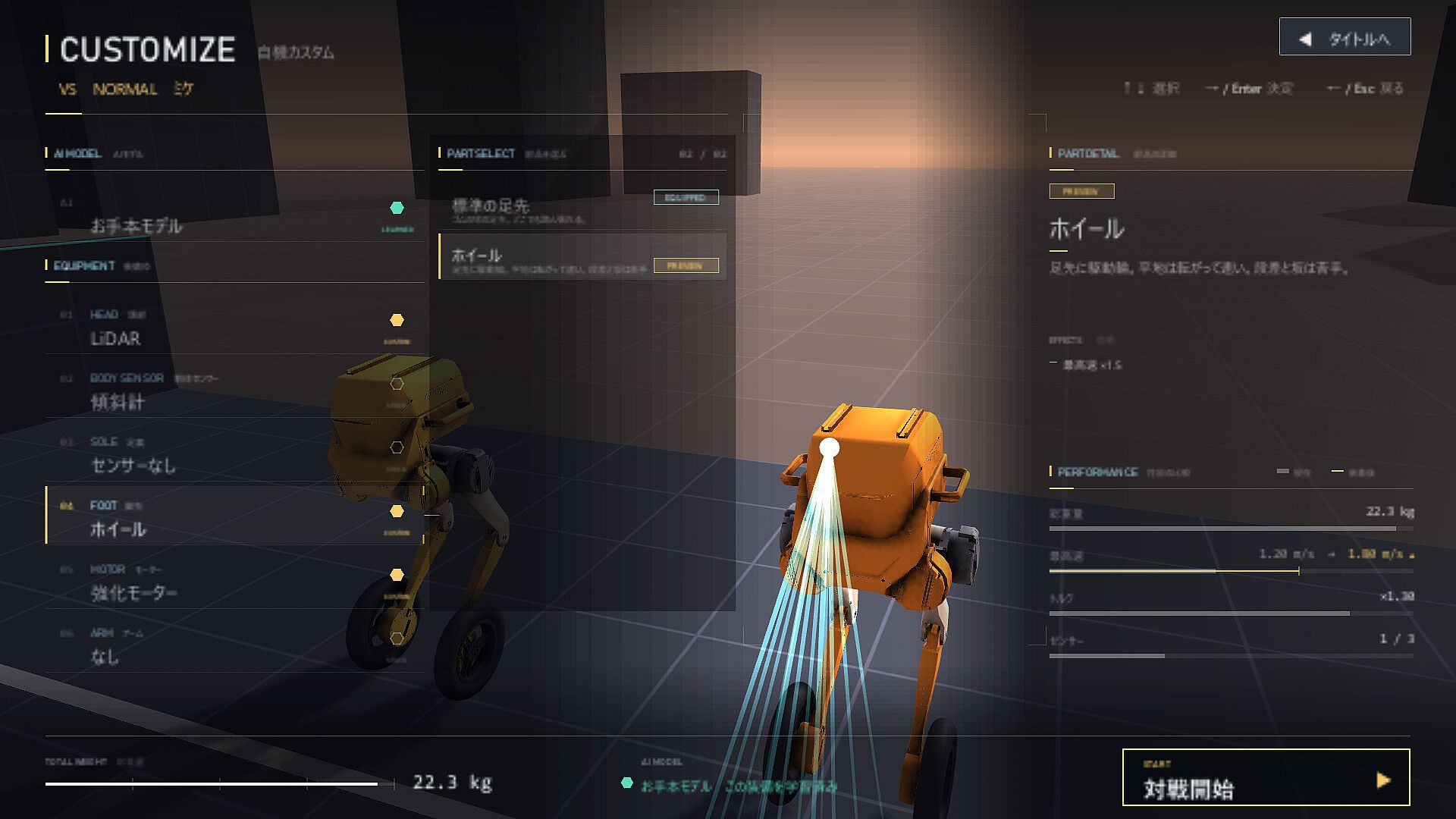
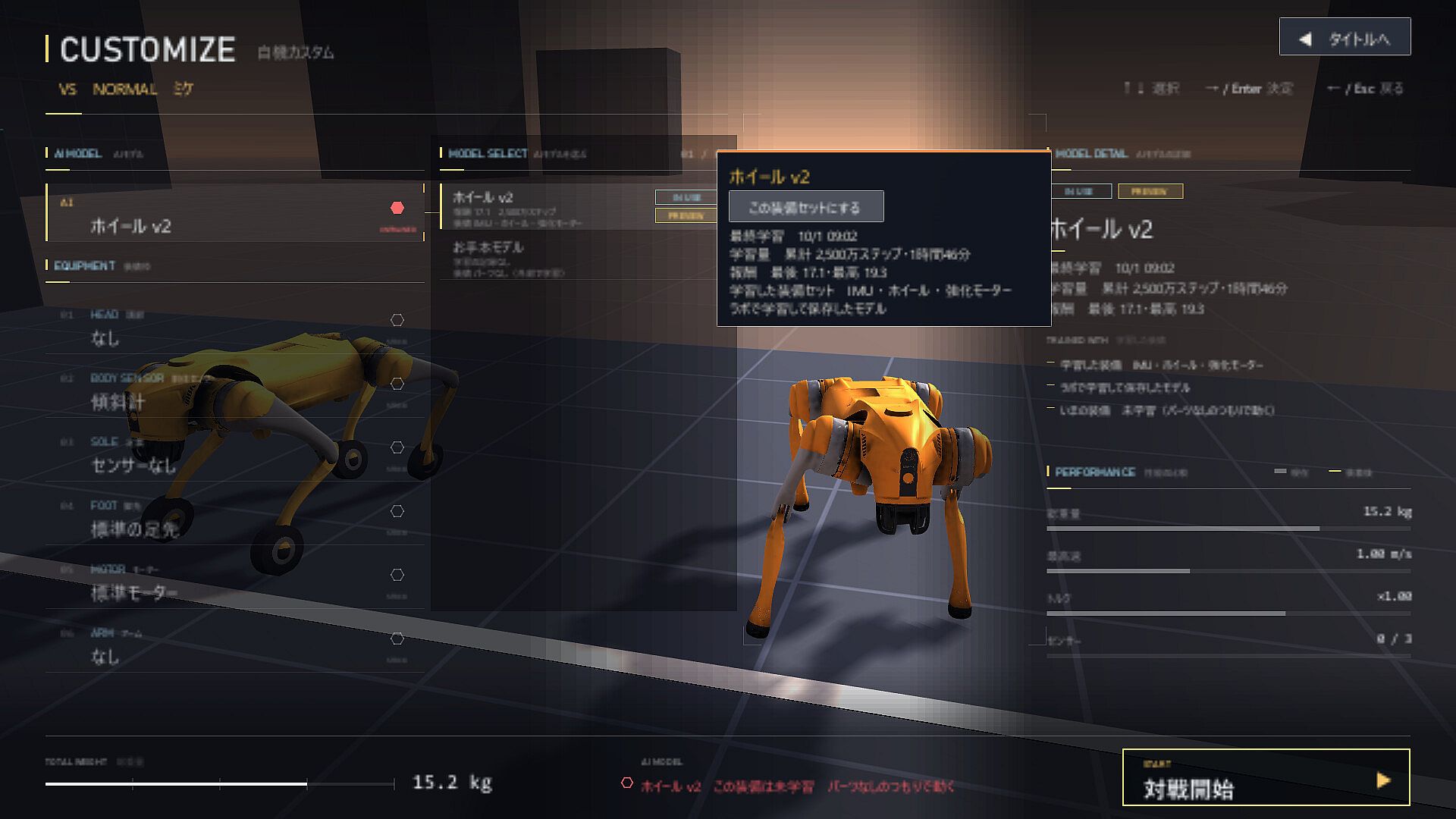
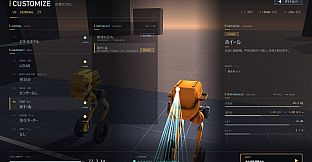
Hardware modifications expand options but require additional training. Swapping components such as LiDAR sensors, IMU units, foot contact sensors, wheels, or upgraded motors changes the robot's physical loadout. The AI must then learn to integrate the new elements effectively, as simply attaching parts does not automatically improve performance.
All training runs locally on the PC's CPU without requiring a dedicated graphics card or external software installations. Sessions continue in the background even when the game window closes, allowing players to switch between training new models and testing existing ones without interruption.
Game Modes
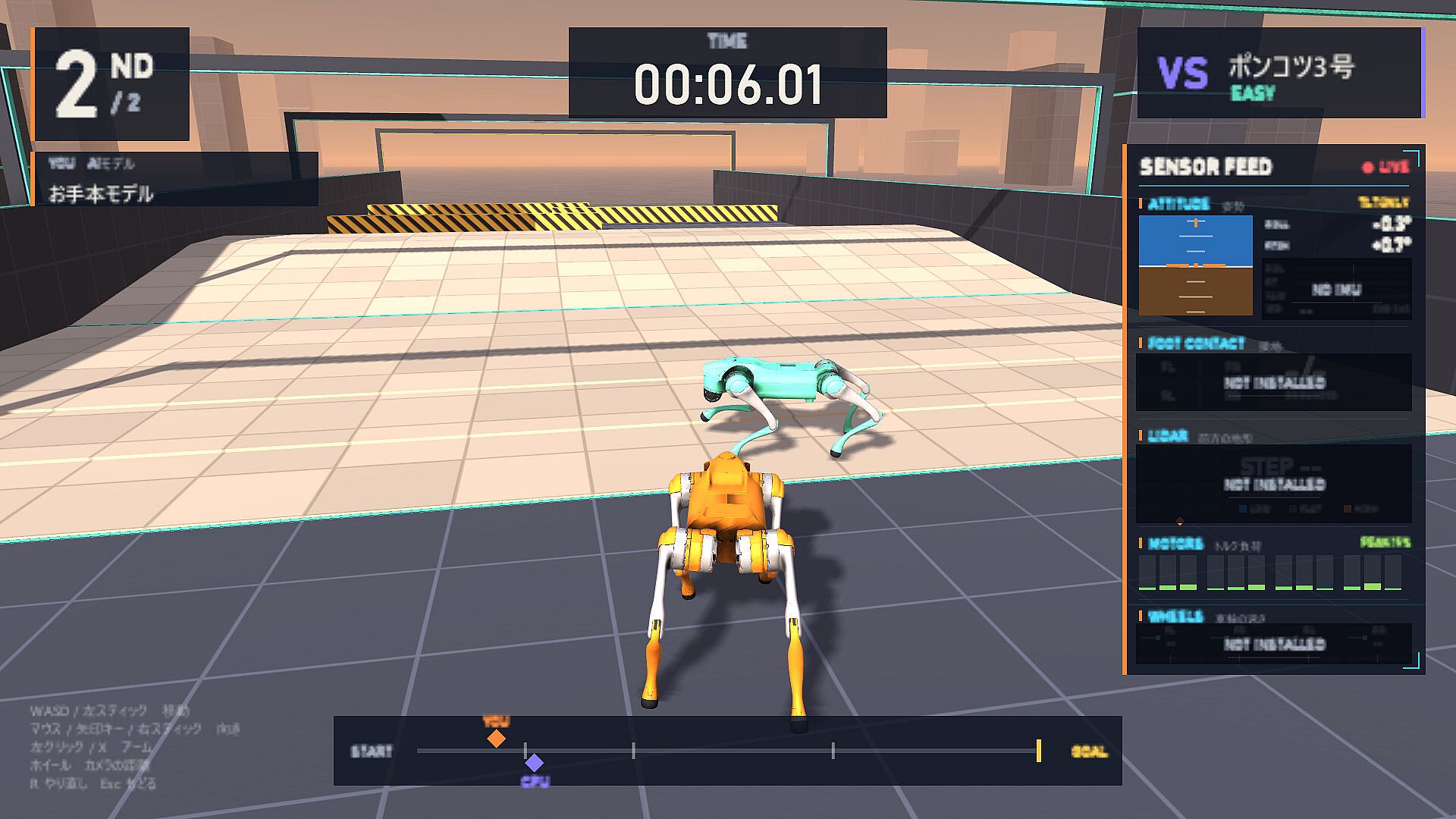
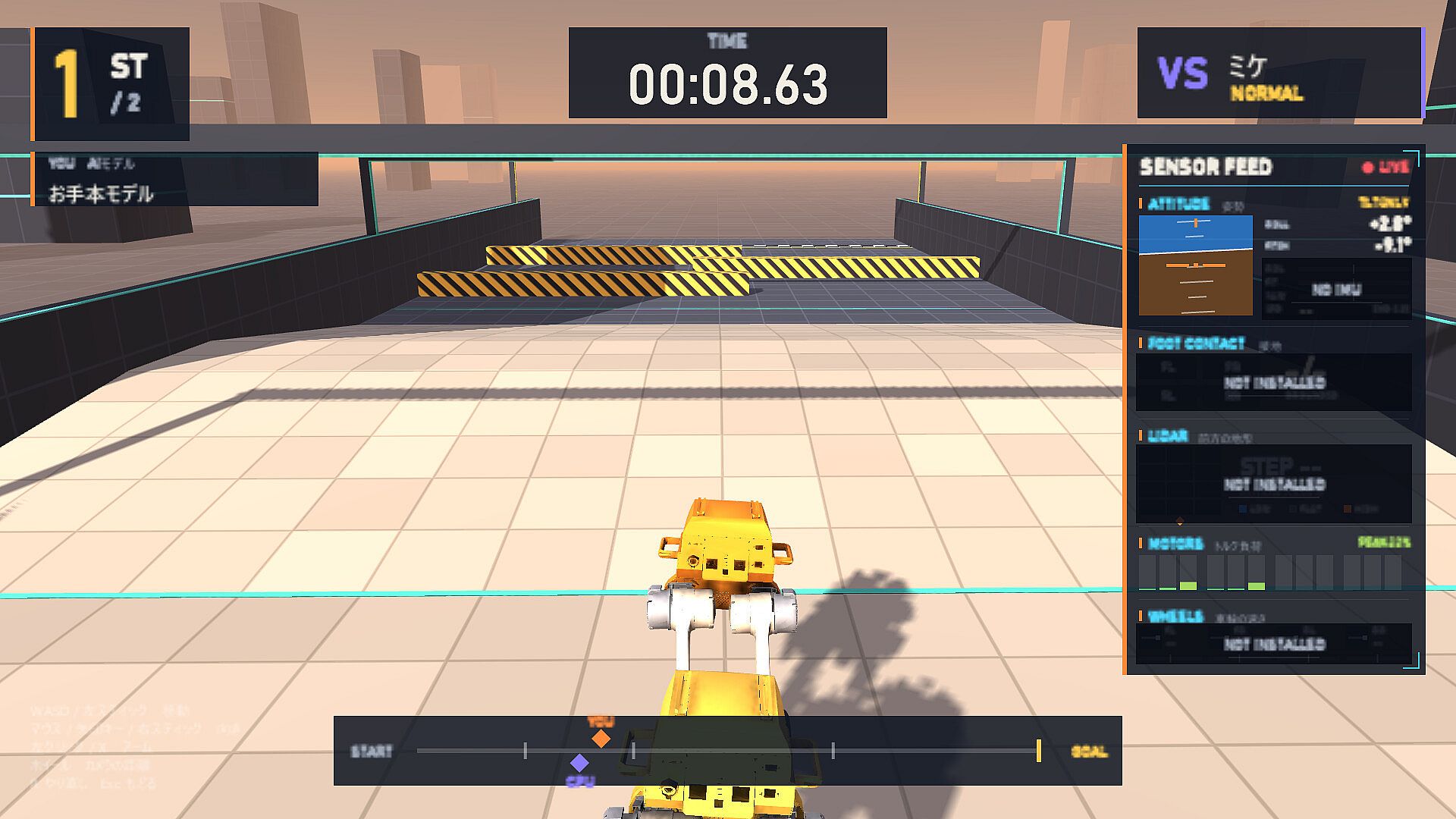
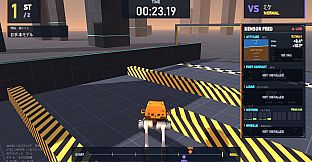
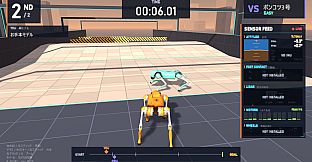
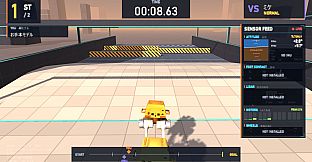
Two primary competition formats test the trained models. In Race, a robot navigates an obstacle course featuring steps, slopes, and a slalom section while sharing a single lane with a rival. Contact between robots is permitted, and any model that fails to recover within three seconds after falling is eliminated.
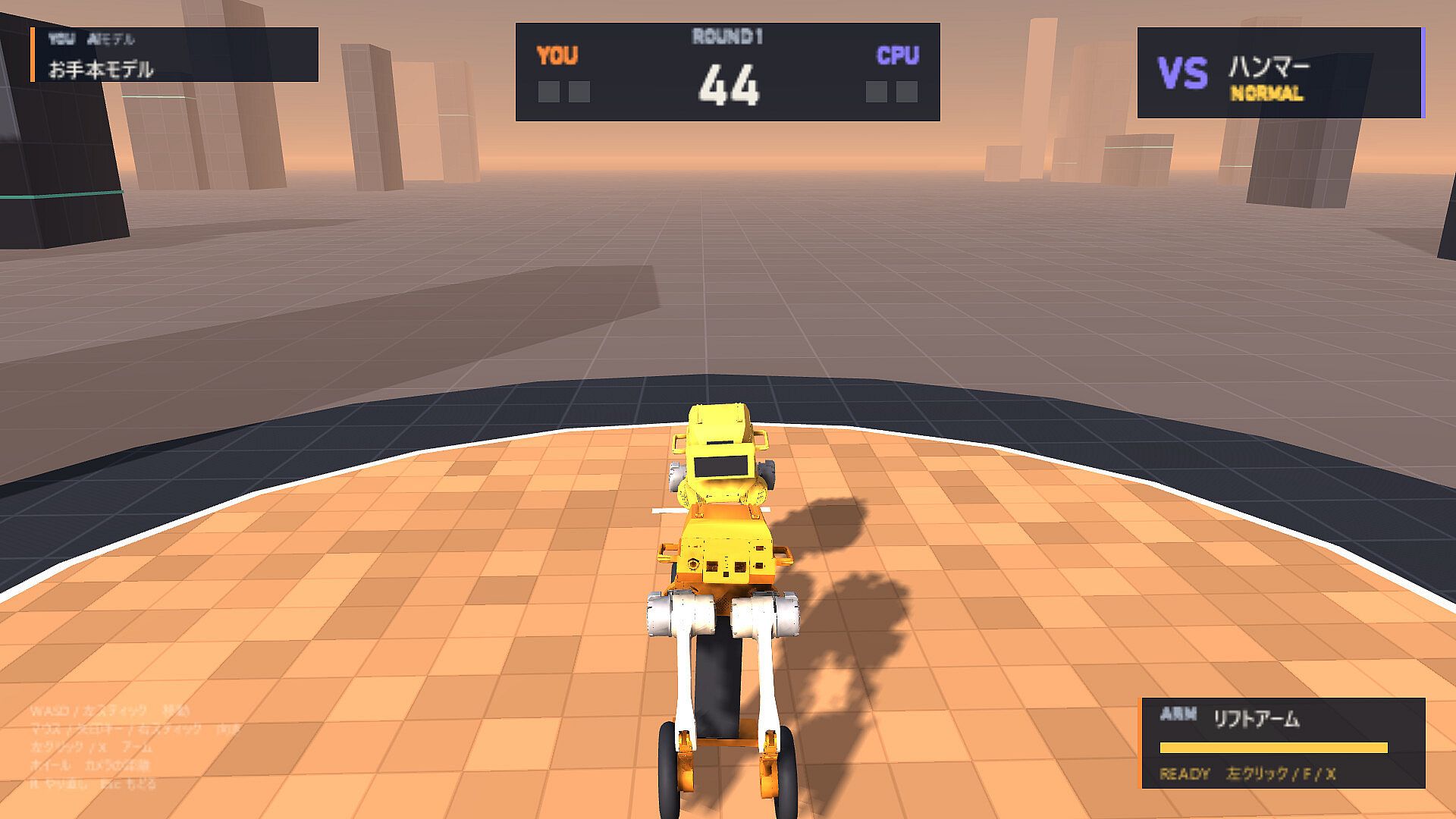
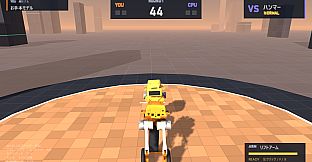
Sumo pits two robots against each other in a ring where the objective is to push the opponent out of balance or off the edge. Additional arm attachments enable specialized maneuvers such as punches, lifts, and wedges to disrupt the rival's stability during the match.
In both modes, the player issues high-level commands for forward movement and turning while the trained AI model translates those inputs into precise leg motor control. This separation keeps the focus on the quality of the learned walking behavior rather than manual operation of every joint.
Robots and Customization
Two base robot designs are available for training and competition. Gazelle functions as a quadruped with four legs, while Teeter uses a biped configuration that incorporates wheels at the ends of its legs. Each design responds differently to the same training parameters and hardware changes, encouraging players to develop specialized models for particular challenges.
Model management supports long-term progression. Saved versions can be reloaded for continued training, compared against new variants, or deployed directly into matches. This system allows gradual refinement of walking gaits tailored to specific course elements or opponent behaviors.
Is It Worth Playing?
AI ROBO STADIUM appeals to players interested in simulation mechanics and hands-on AI experimentation. The core loop of setting reward signals, observing emergent behavior, and refining models through repeated practice and competition provides a focused experience distinct from traditional action or strategy titles. Training runs independently on standard PC hardware, making the game accessible without specialized equipment.
Those who enjoy iterative problem-solving and watching systems improve over time will find the most value here. The Japanese-only interface currently limits broader accessibility, but the underlying systems remain straightforward once players begin adjusting the available levers and observing results. The game suits single-player sessions centered on model development rather than fast-paced multiplayer action.












