





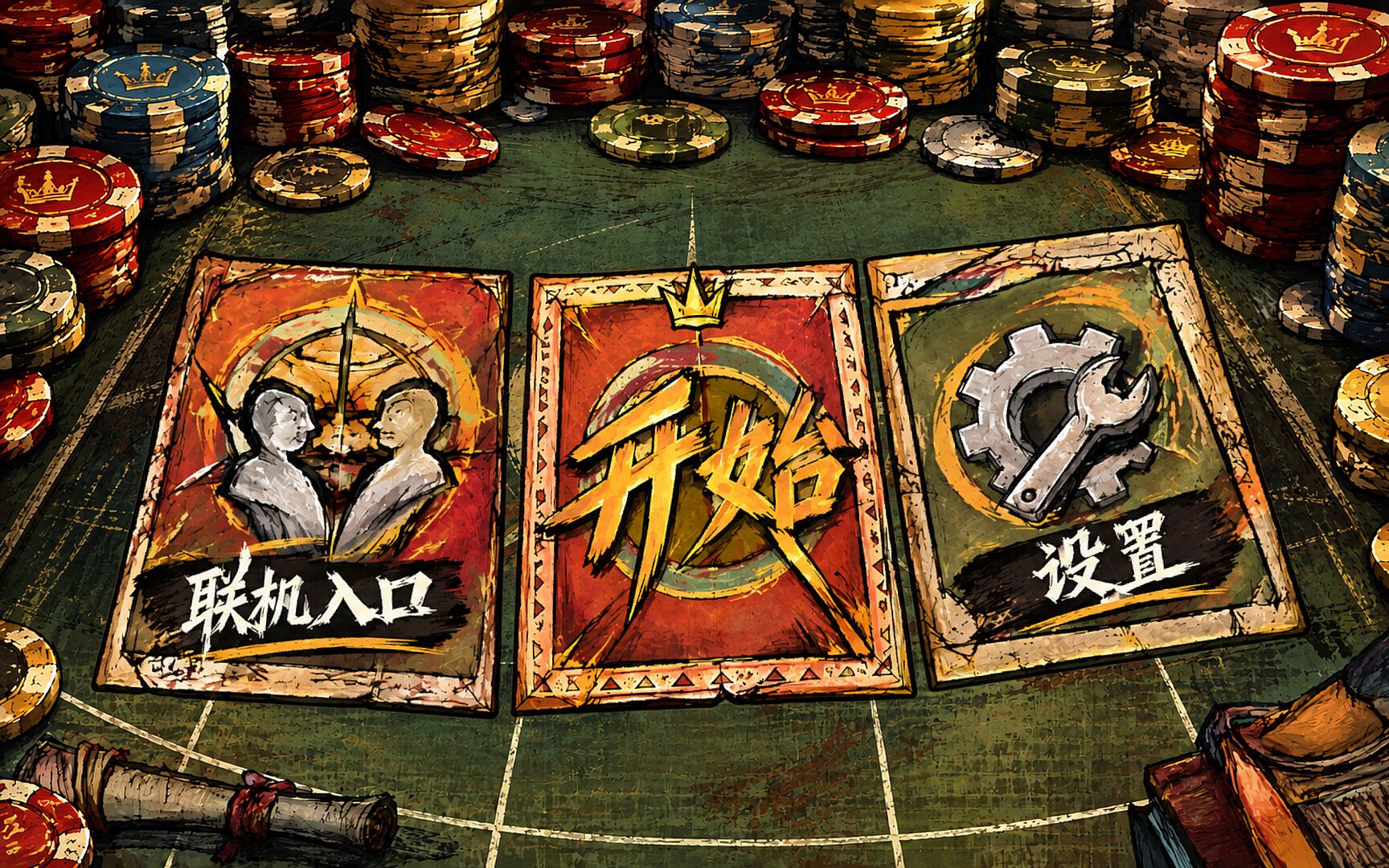









All In: Reckoning is a turn-based strategy card game with indie and RPG elements, built around deduction and hidden information on PC. Players step into the role of Silas, a character returning to the city that once cast him out, as he pursues answers about an old betrayal while navigating layers of self-interest, guilt, and deception among those who remember events from three years prior.
Gameplay
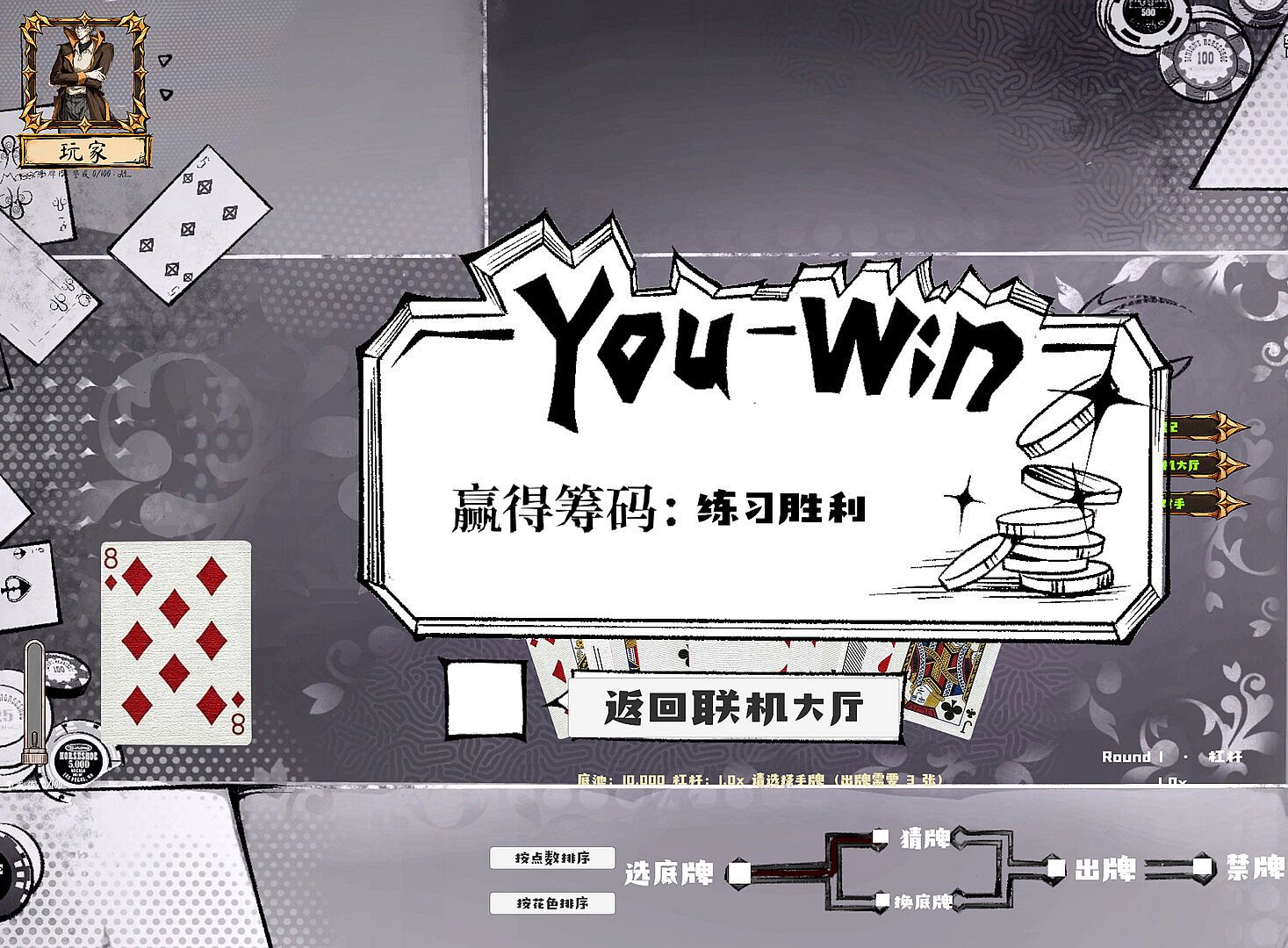
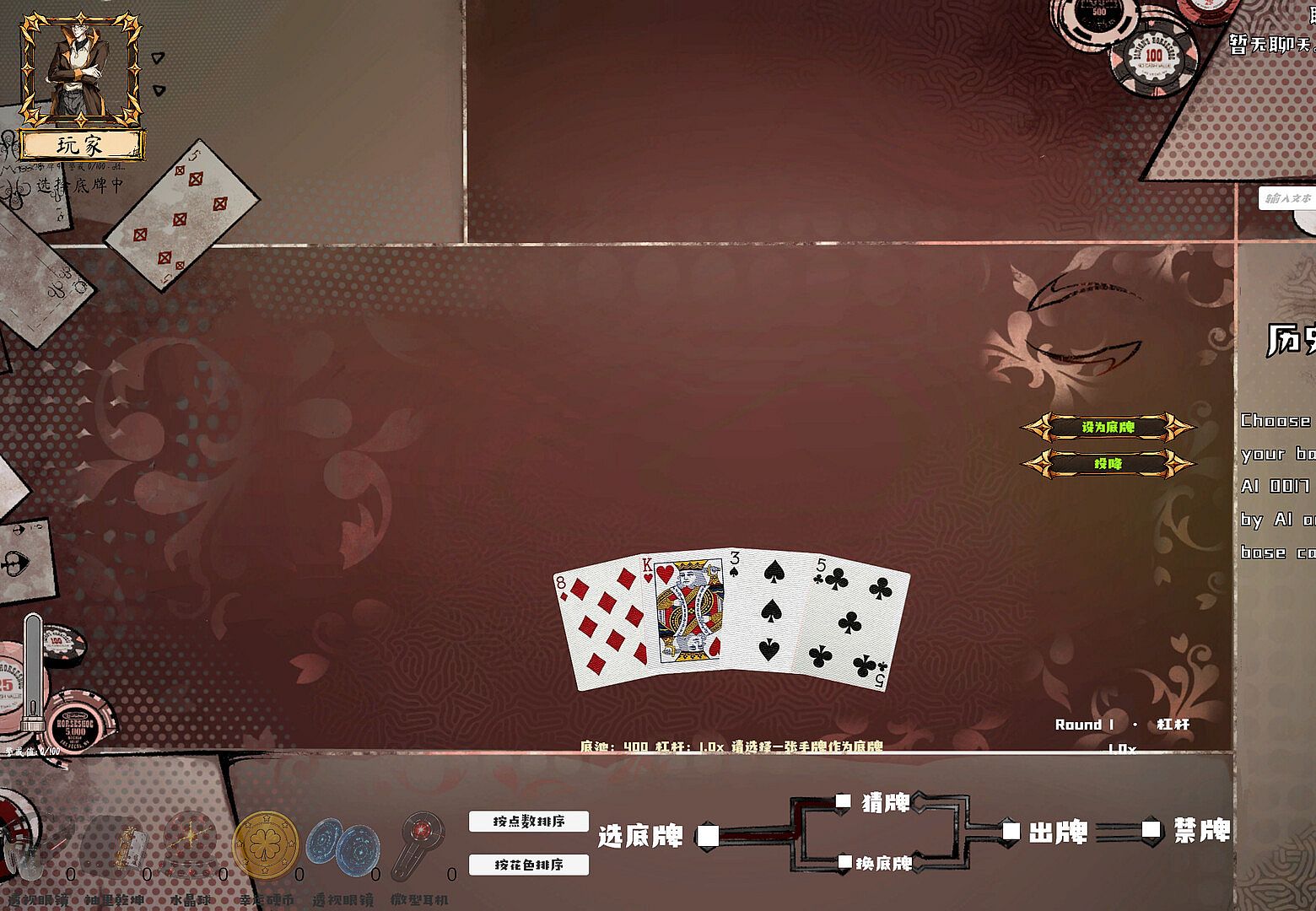
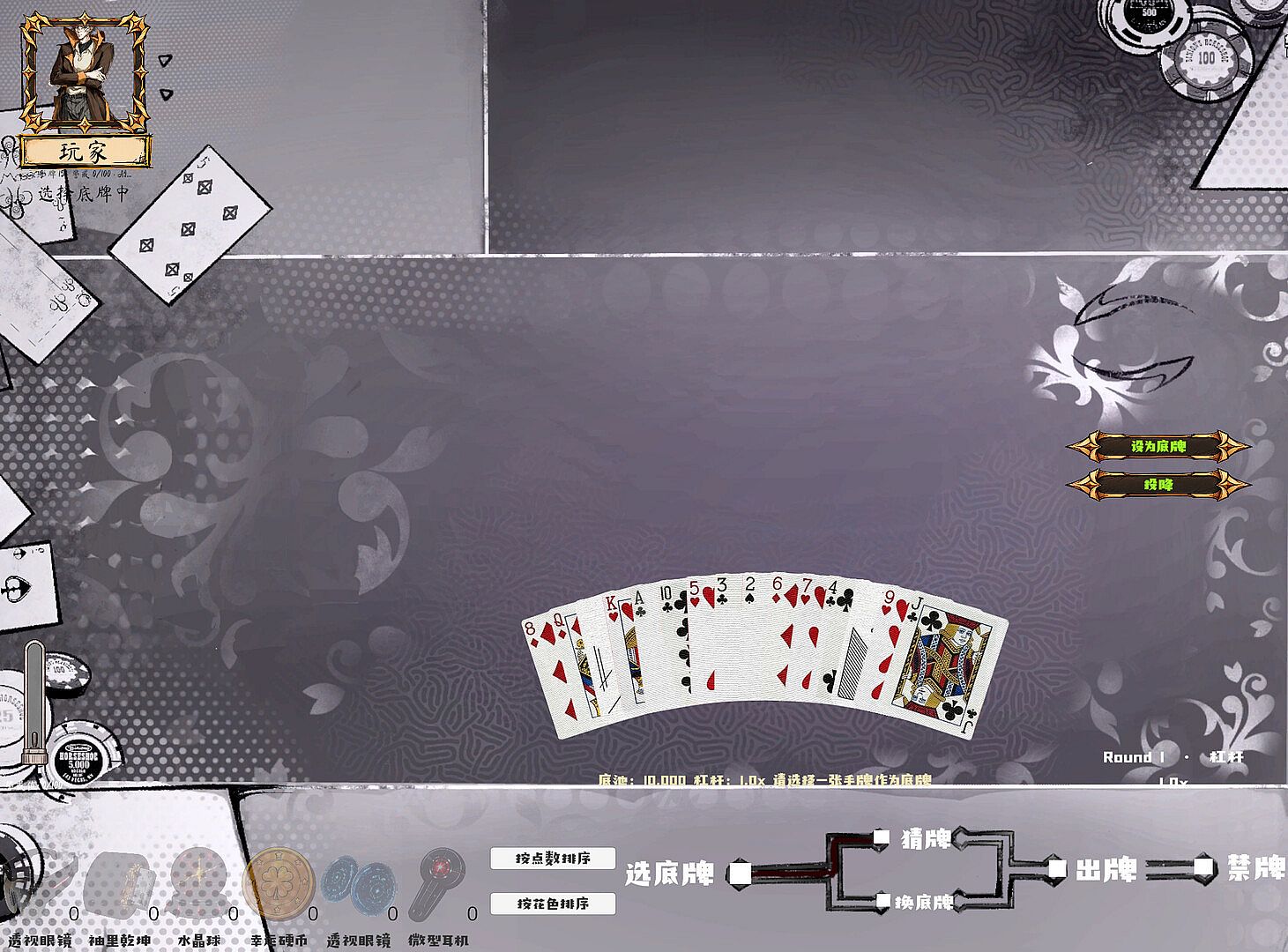
The core loop centers on reading opponents through their card plays while managing what information your own moves reveal. Each turn involves studying the cards an opponent has shown, separating genuine clues from deliberate misdirection, and deciding when to commit to guessing their hidden card. Suits, number ranges, and card bans add distinct layers to the deduction process, forcing constant reassessment as options narrow.
Every play shifts the possibilities on the table. Players weigh cautious moves that preserve options against decisive guesses that could resolve the current situation. The system rewards careful observation and timing rather than raw power, with the narrative backdrop of shadowed alleys and neon lights providing context for encounters that tie back to past debts and unresolved questions.
Silas seeks more than simple victory in each exchange. The story unfolds through these card confrontations, revealing details about the city and its inhabitants as the deduction game progresses. Concealing parts of your own hand becomes as important as interpreting what others show, creating a back-and-forth where information control drives progress.
Game Modes
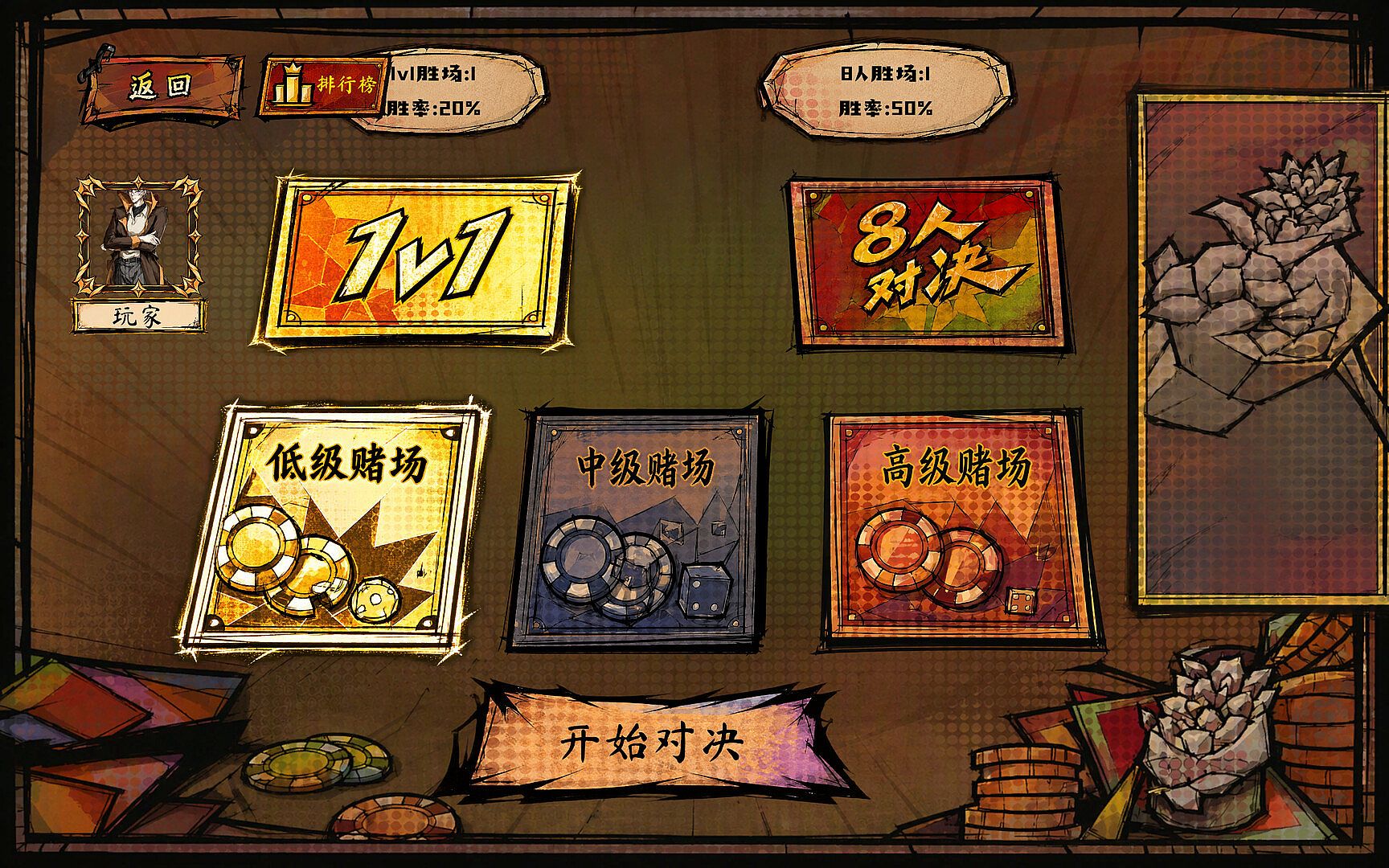
The experience unfolds as a single-player narrative campaign focused on Silas's return and investigation. The deduction mechanics form the central activity, with each encounter building on the previous through the evolving story of revenge and truth-seeking. No separate competitive or cooperative variants appear in the design, keeping the emphasis on personal progression through the card-based confrontations and the city's lingering tensions.
Progression ties directly to uncovering clues and managing the layers of information in each session. The structure encourages repeated playthroughs to refine deduction skills and explore different approaches to concealing and revealing cards within the fixed story framework.
Story and Setting
The city serves as more than a backdrop. Its residents carry memories of the events from three years earlier, and interactions through the card system expose motivations and lies that advance Silas's search. The contrast between darkened alleys and neon illumination reinforces the themes of hidden truths and surface deceptions.
Betrayal and revenge drive the overall arc. Each deduction encounter peels back another layer of the old incident, with the card mechanics mirroring the social maneuvering Silas must perform. The result is an integrated experience where gameplay choices influence how the narrative details emerge.
Is It Worth Playing?
All In: Reckoning suits players who enjoy turn-based strategy games that prioritize deduction and information management over direct confrontation. The blend of card play with a revenge-driven story offers a focused indie experience on PC for those drawn to thoughtful, observational gameplay rather than fast action or large-scale systems.
The mechanics reward patience and pattern recognition as the available choices shrink and new evidence must be weighed against prior assumptions. If the combination of hidden-card guessing, suit and number deduction, and a compact narrative of returning to confront the past appeals, the game delivers a consistent loop without unnecessary expansion.












