




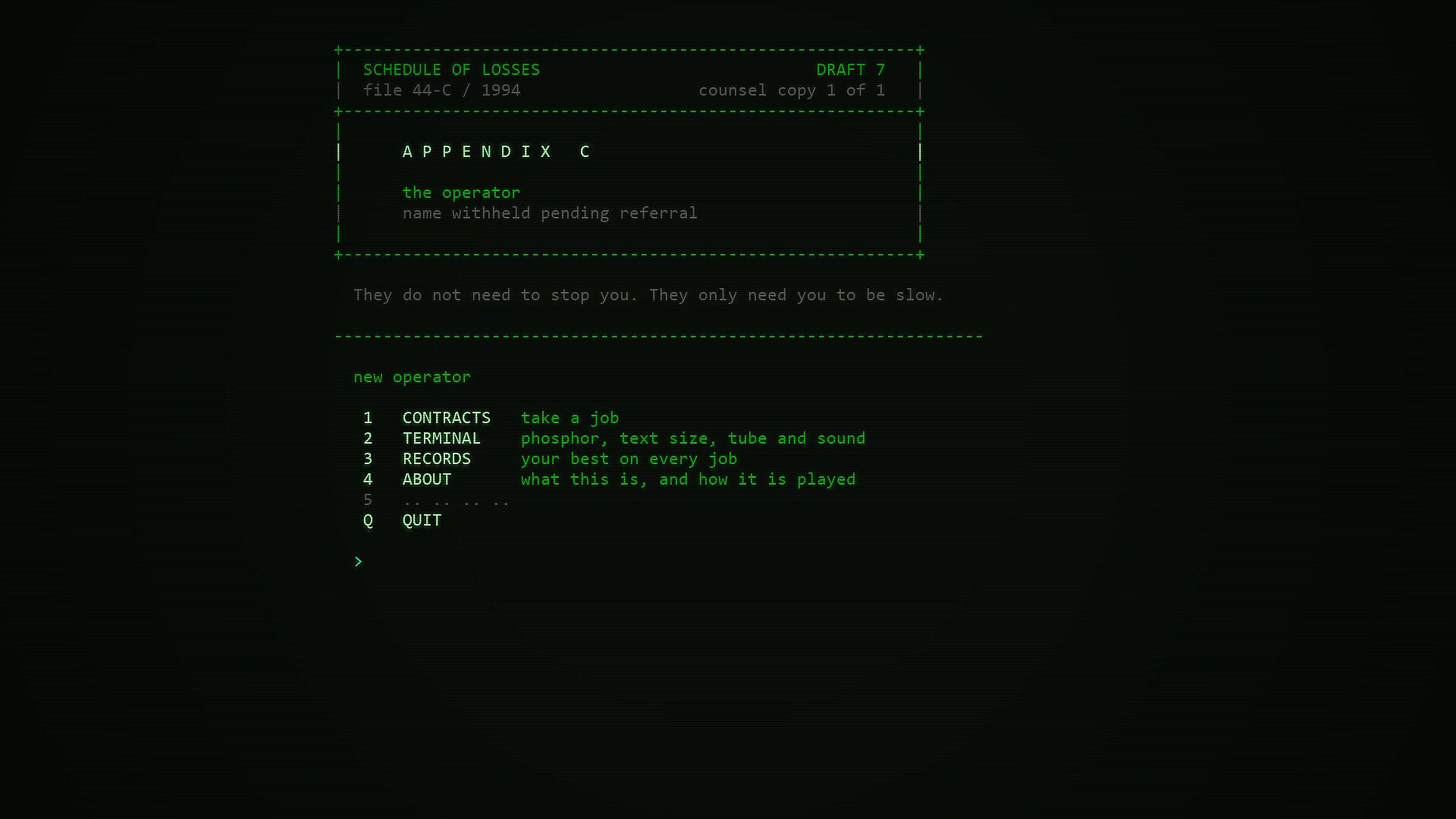
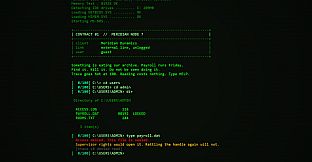
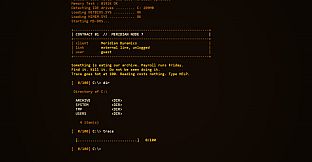
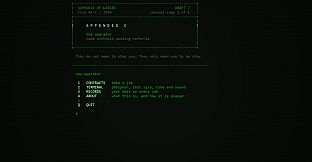
APPENDIX C is an indie simulation game for PC that places players in the role of a 1993 hacker completing paid jobs on remote systems. The experience centers on authentic command line interaction with period accurate machines, where every action carries the risk of detection through a climbing trace meter.
Gameplay
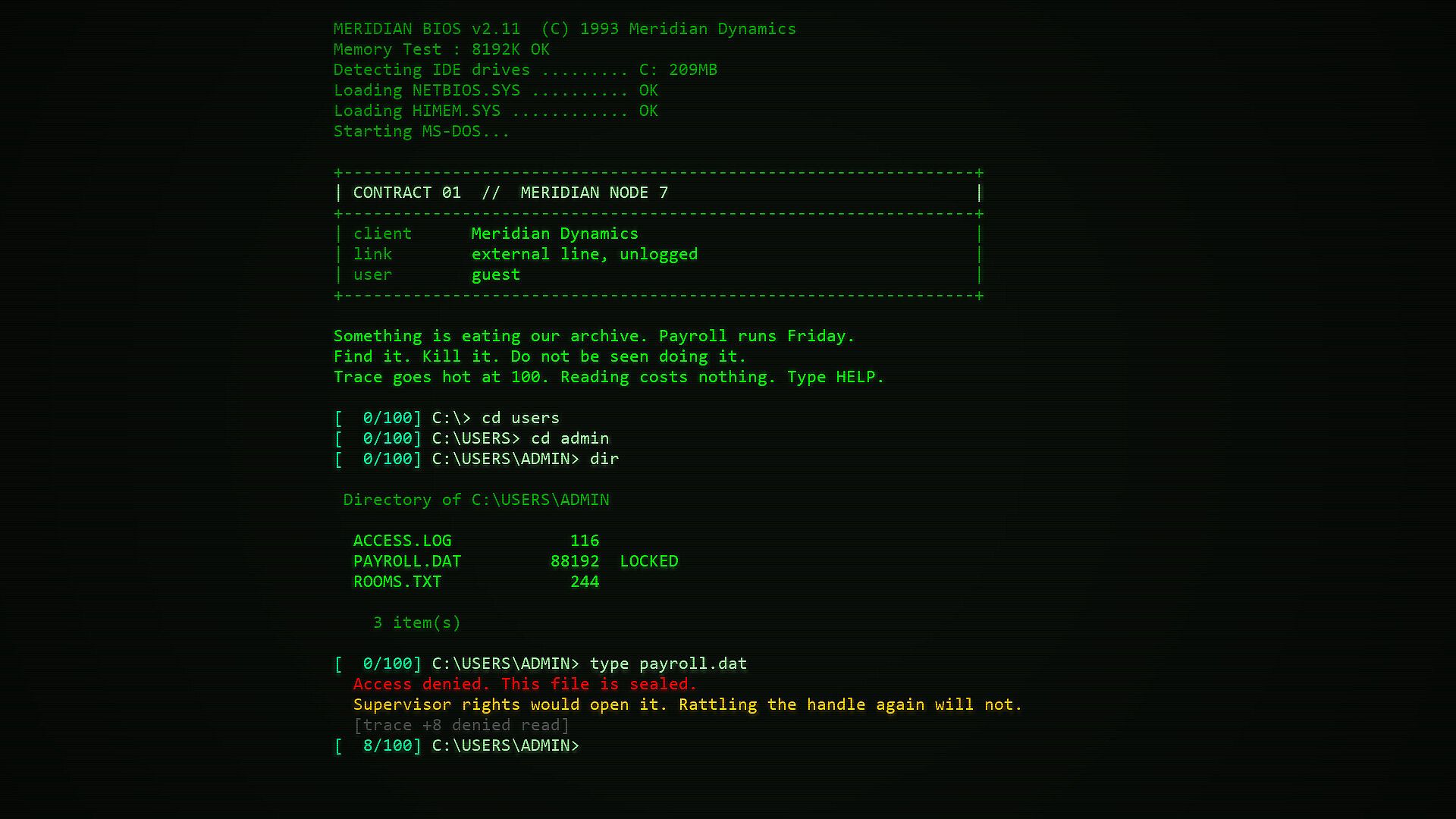
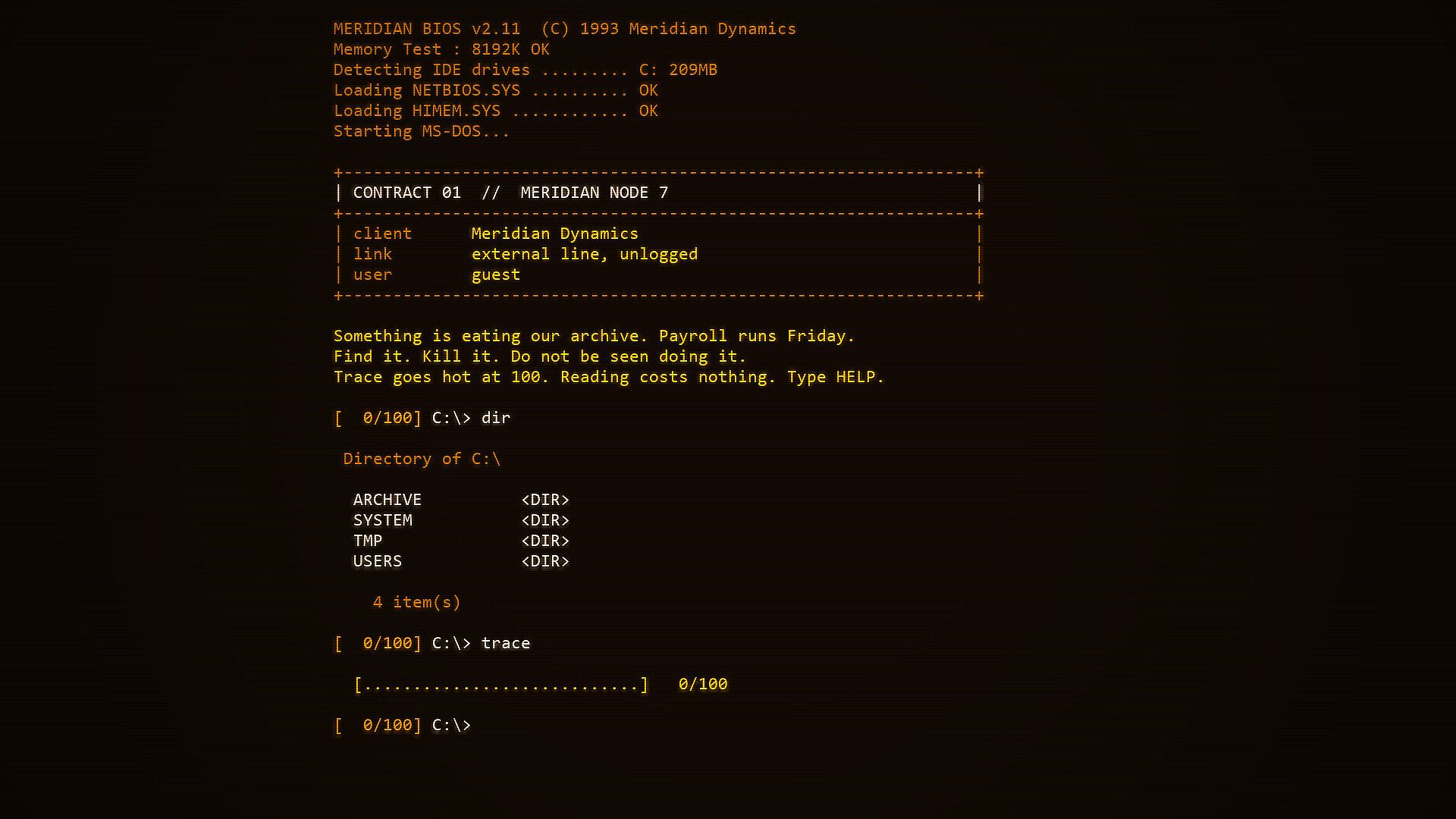
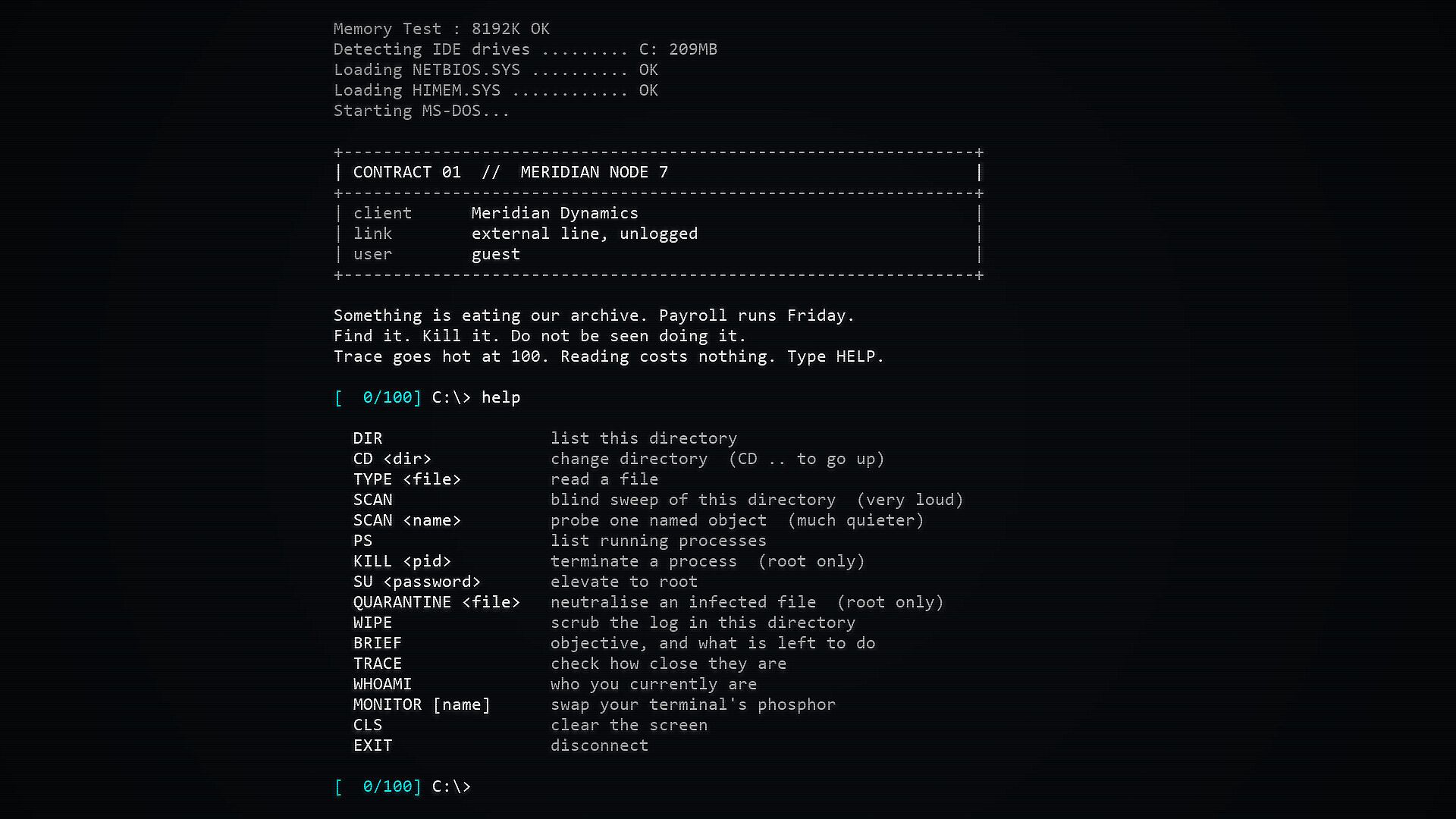
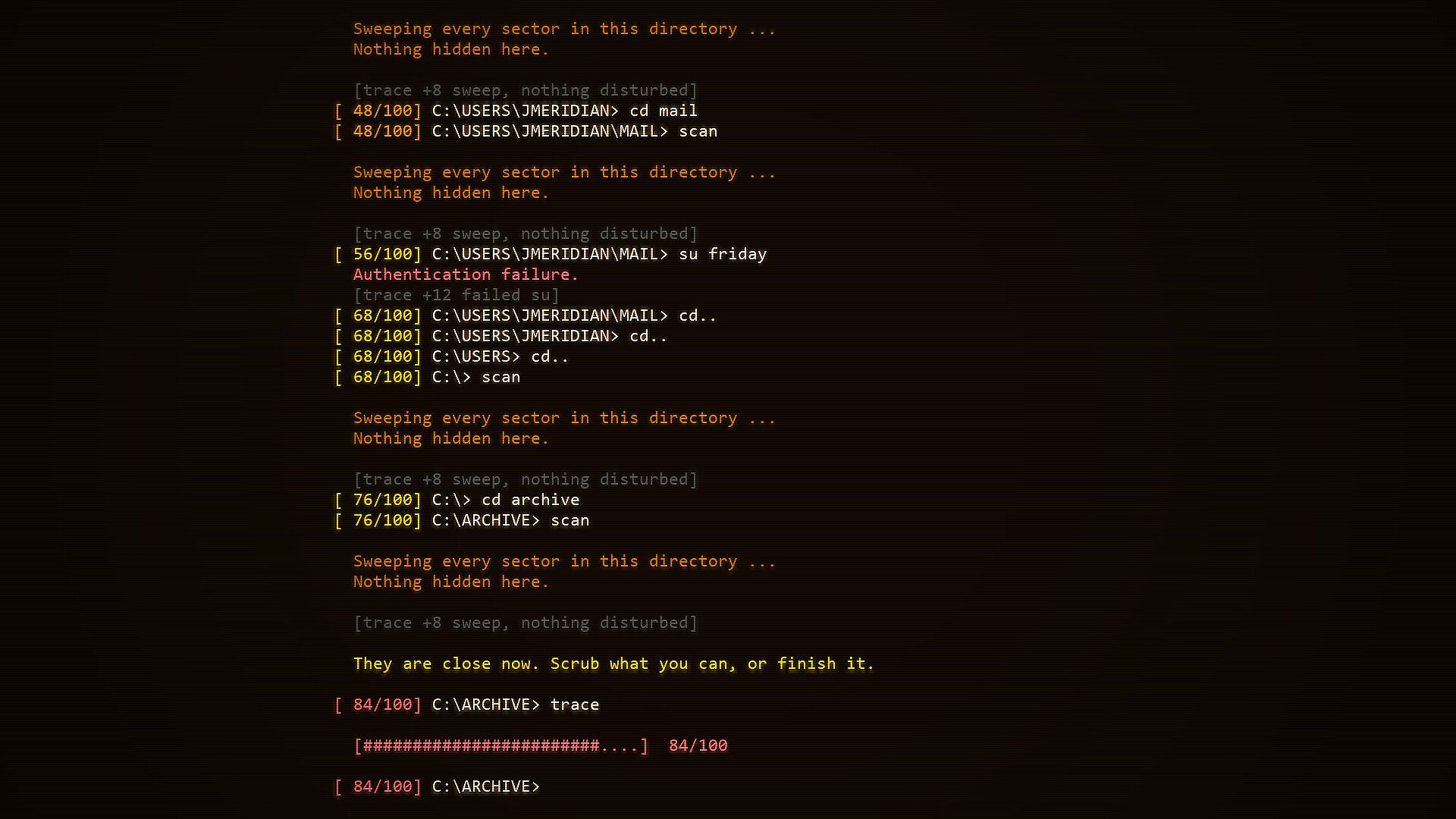
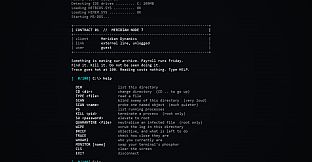
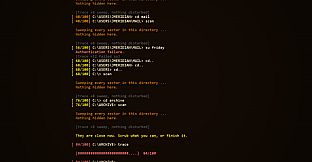
The core loop involves dialing into unfamiliar systems and extracting specific files without triggering alerts. Players issue real DOS style commands such as DIR to list contents, CD to change directories, TYPE to view files, and others that respond exactly as hardware from that era would. Mistakes in syntax, incorrect paths, or failed password attempts produce the same errors and behaviors found on original equipment.
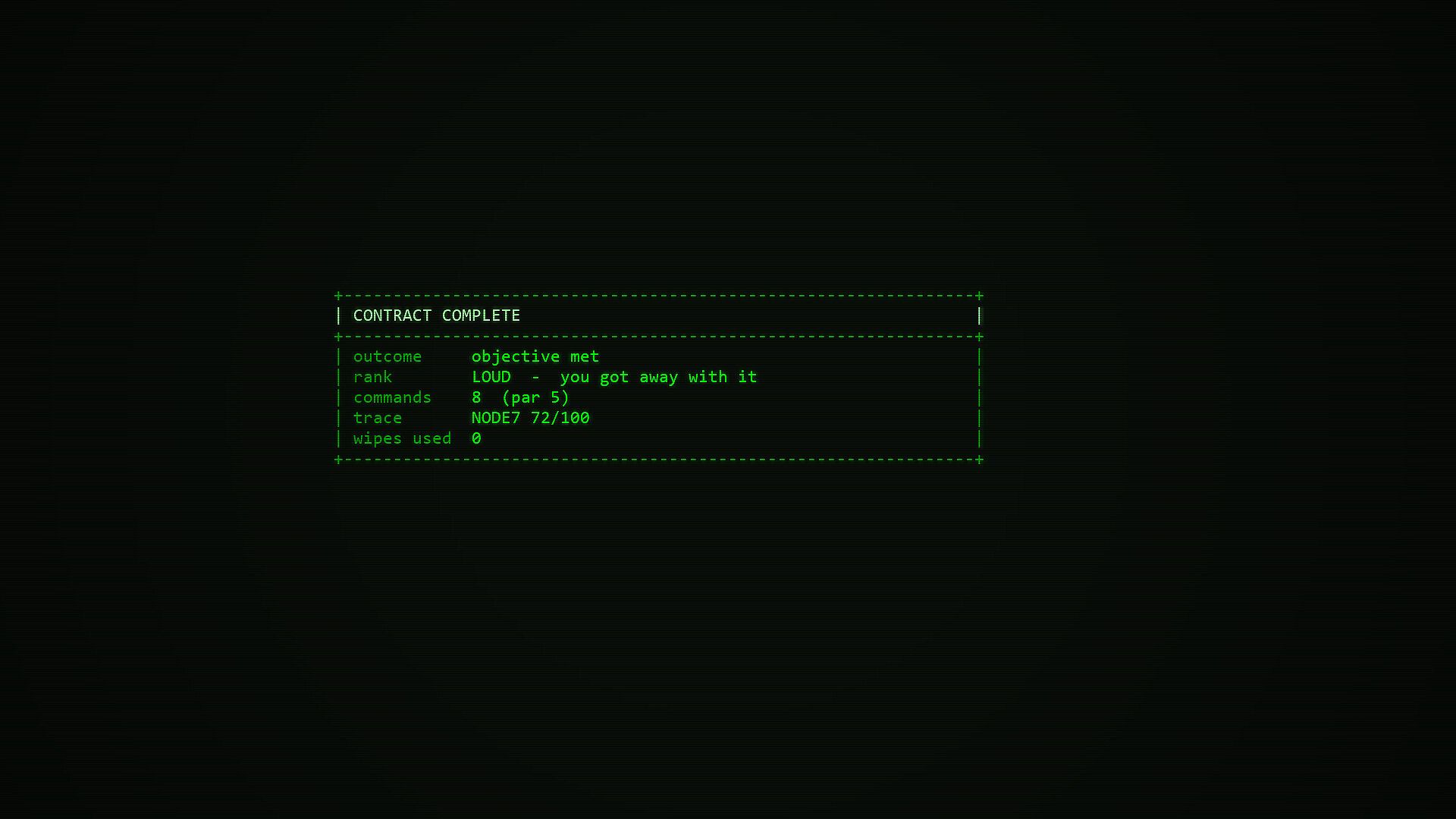
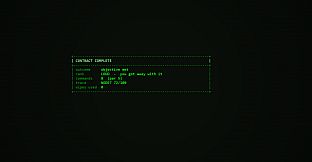
A trace meter rises only during active commands, creating tension around when and how much to interact with the system. Reading files carries no penalty, yet copying or removing data immediately increases the risk of detection. Commands like BRIEF provide status on remaining objectives while TRACE reports proximity to discovery. Each session ends with a rank based on the noise generated, and the highest achievement is GHOST status where no trace remains of the intrusion.
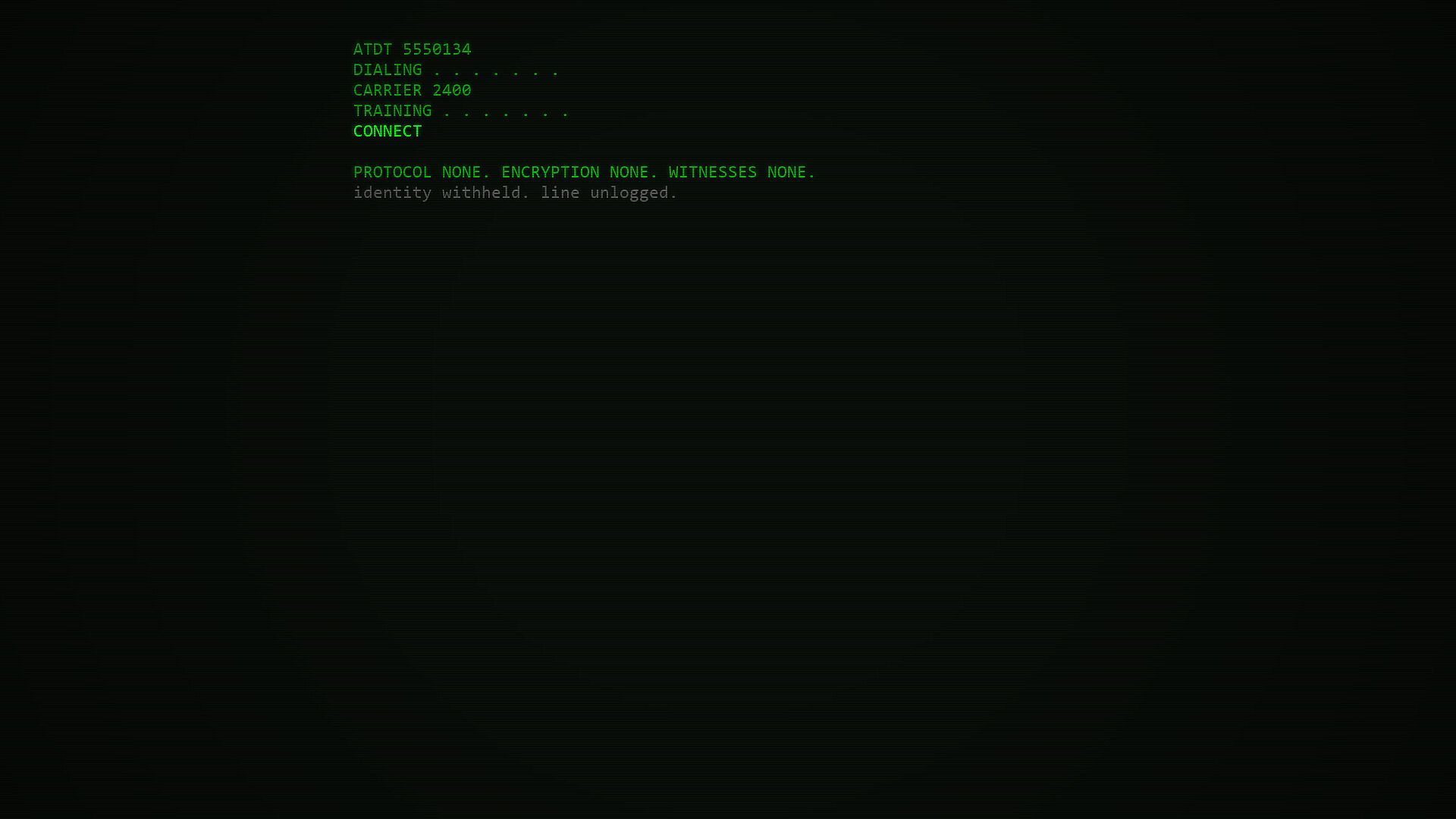
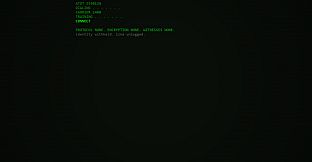
Visual presentation uses amber, green, or ice phosphor displays complete with scanlines, bloom, and vignette effects. Audio consists of actual period recordings quantized to 8 bit quality, and every launch begins with a full dial up handshake sequence to establish the connection.
Game Modes
The game structures its content around five distinct contracts. Each contract involves a separate machine belonging to a different client and presents unique rules or security behaviors. Knowledge gained from one job does not transfer directly to the next, forcing players to experiment and adapt their approach each time.
Progression requires learning the specific quirks of every system through trial and direct interaction. The contracts share no common playbook, so completing them quietly demands careful observation and restraint rather than repetition of prior tactics.
Atmosphere and Presentation
Everything in APPENDIX C stays grounded in 1993 technology and sound design. The interface avoids modern conveniences or menus disguised as terminals, delivering a genuine command prompt where only the machine's own responses guide the player. No additional overlays or hints appear beyond the built in BRIEF and TRACE functions.
Session length fits an evening for a standard playthrough, though achieving the cleanest possible results across all contracts extends the time considerably. The focus remains on precision and minimal interference rather than speed or volume of actions.
Is It Worth Playing?
APPENDIX C appeals to players who enjoy methodical single player simulation experiences built around historical computing constraints. Those drawn to command line interfaces, puzzle solving through experimentation, and the satisfaction of leaving no evidence behind will find the structure rewarding. The game remains in a coming soon state with no released version or player reviews available yet, so anyone interested should follow updates from the developer for the eventual launch.












