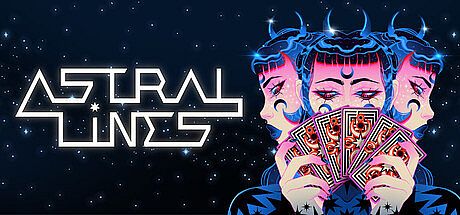



Astral Lines is a strategy indie game that combines tactical roguelite deckbuilding with support for both traditional PC play and PCVR. Players take on the roles of the mythic figures Orpheus and Eurydice in a setting drawn from Greek mythology and Tarot imagery. The core experience centers on high-stakes duels where deck construction and battlefield positioning determine success against opponents tied to Olympus.
Gameplay
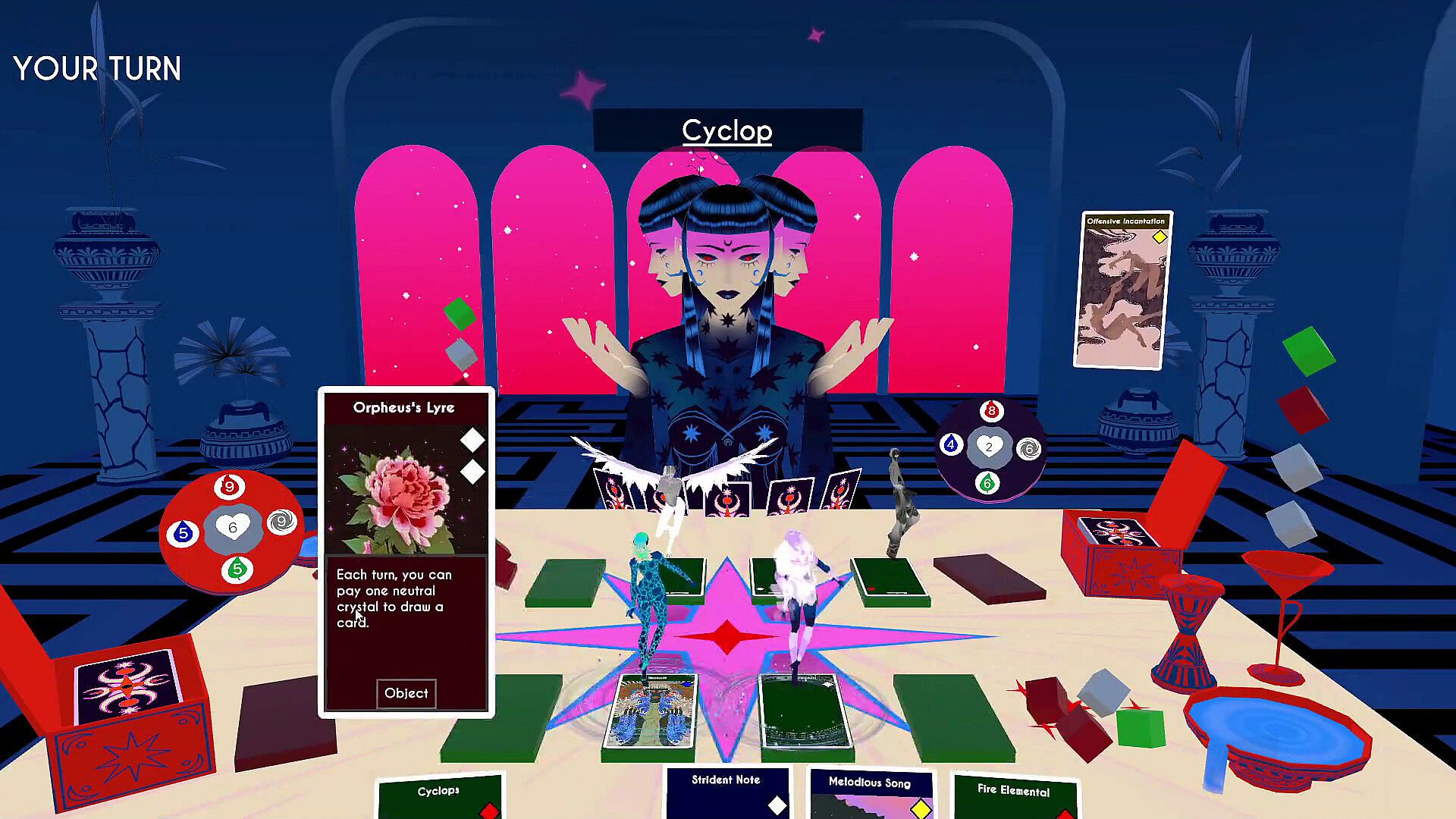
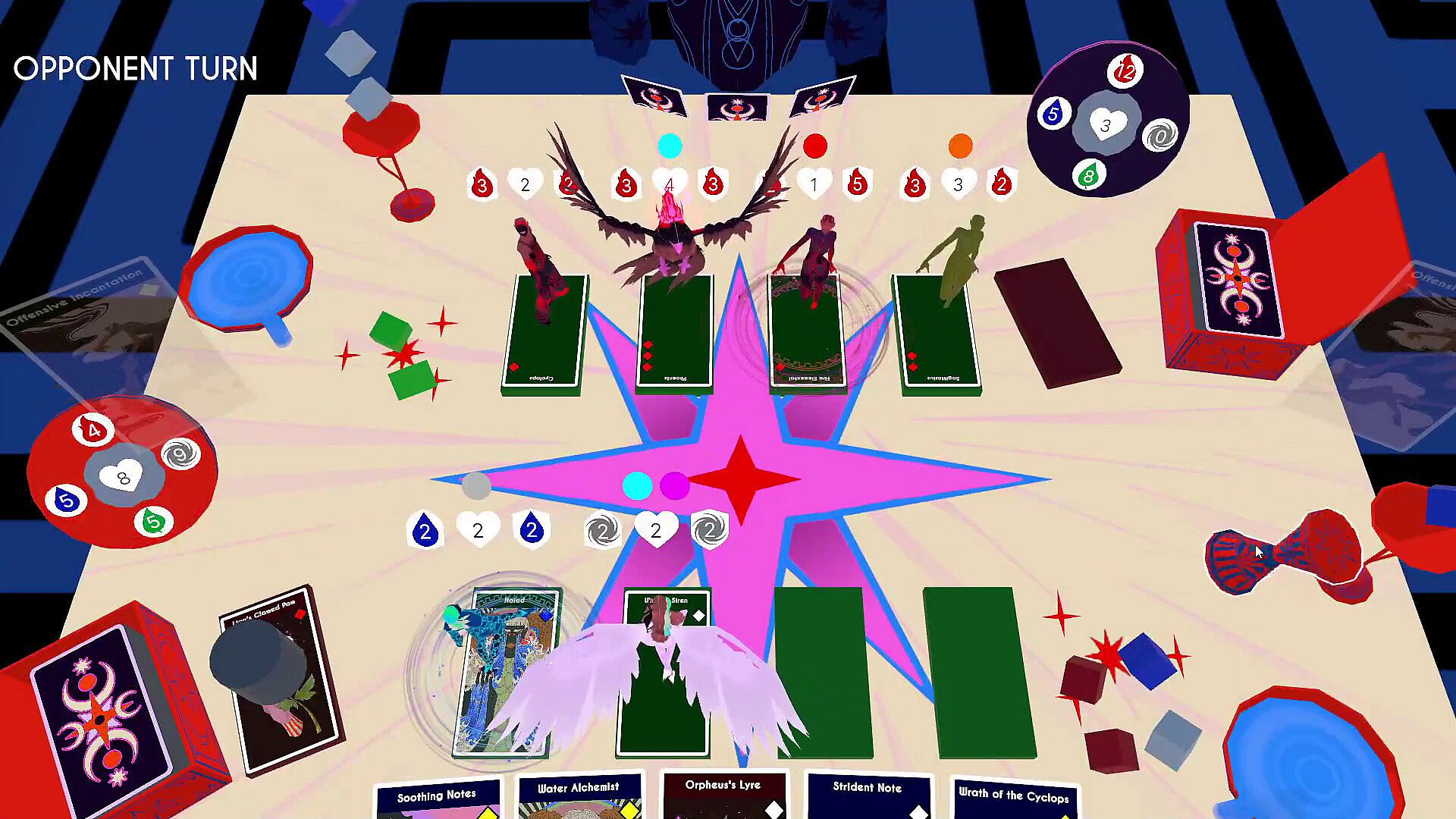
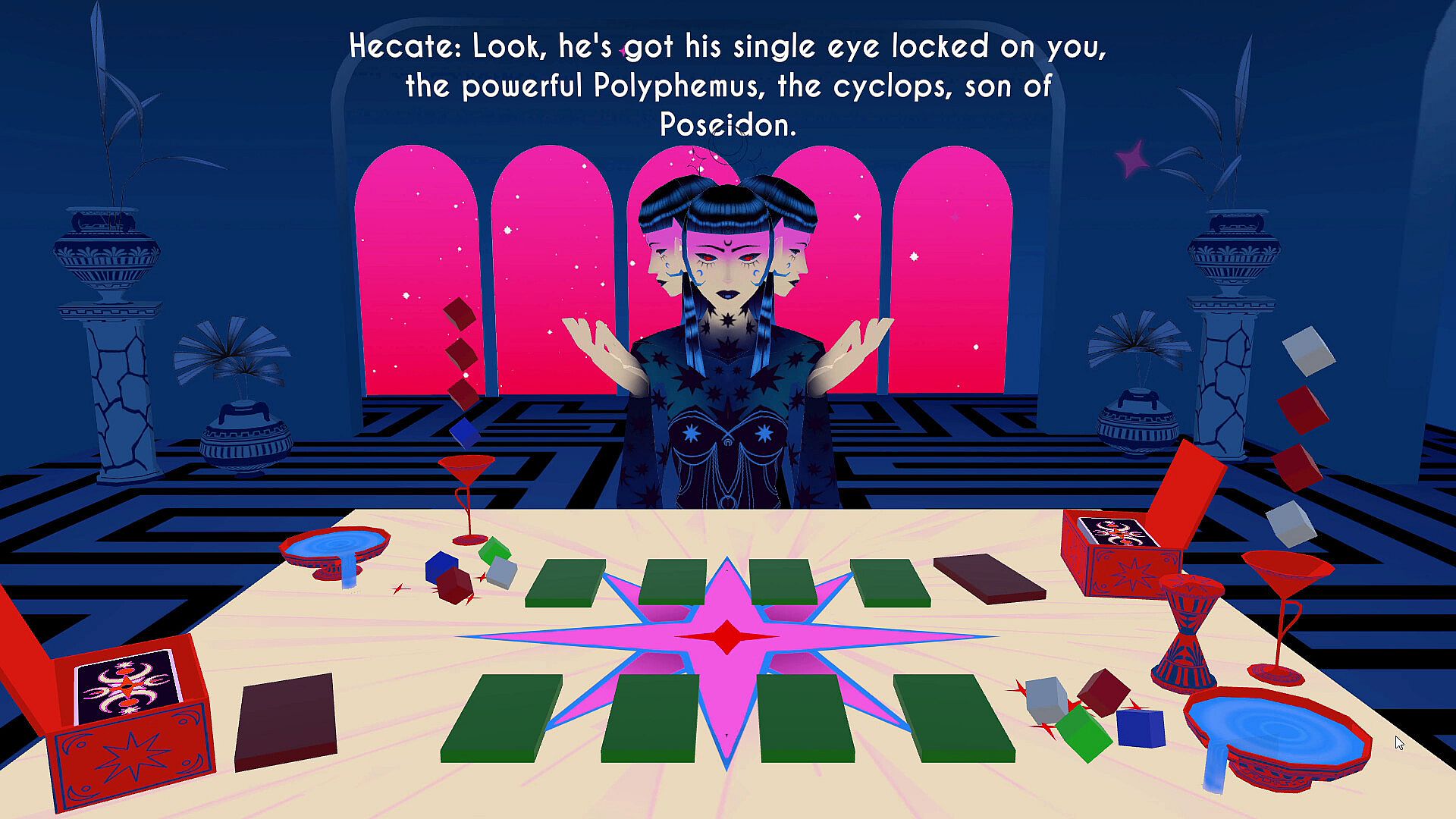
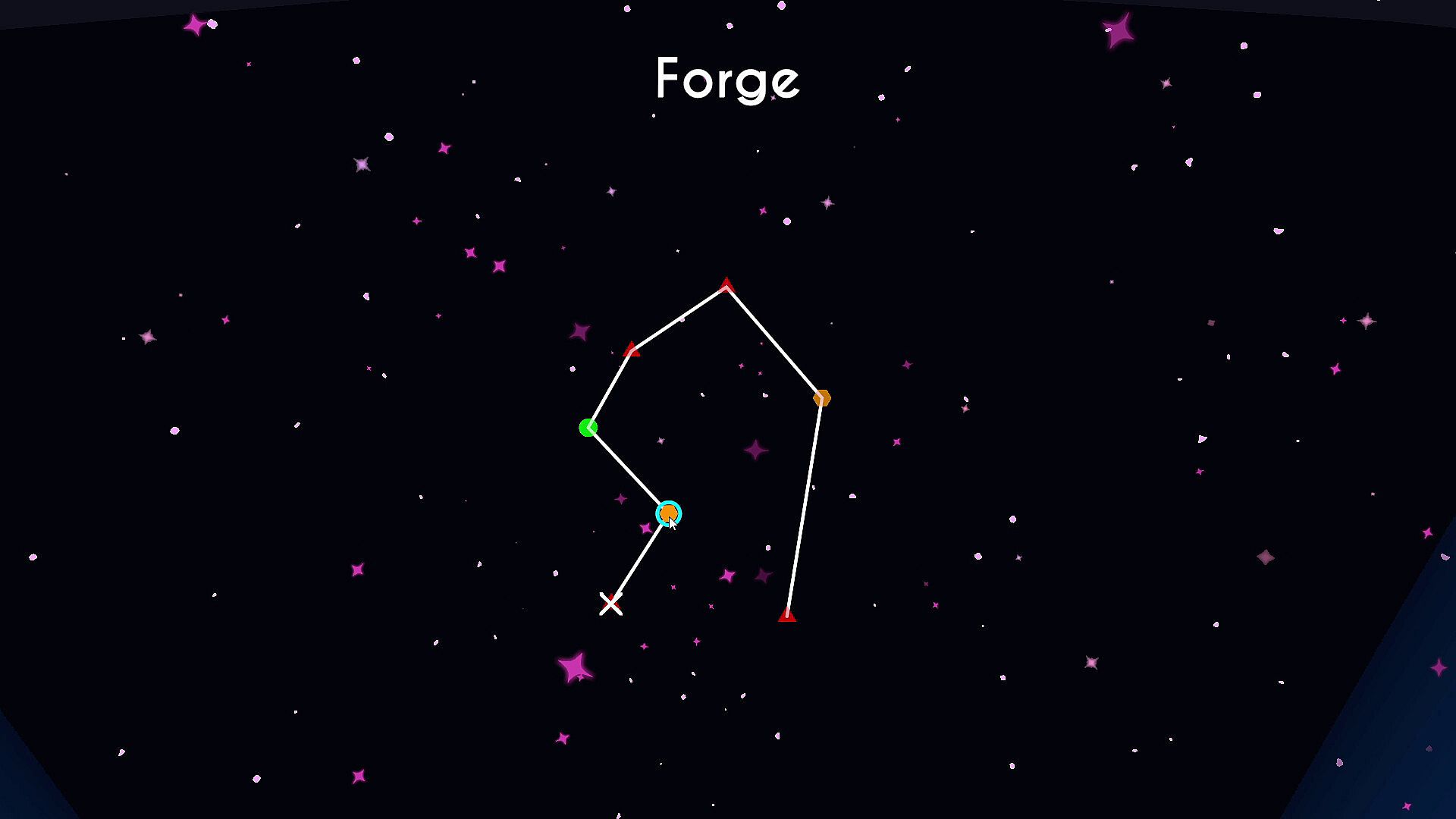
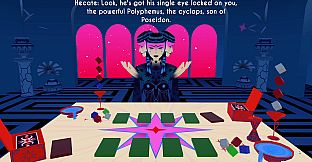
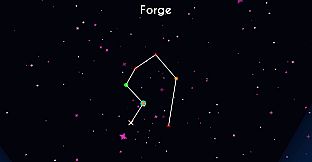
The gameplay loop revolves around drafting and refining a deck while navigating procedural paths. Each run begins with a compact 10-card deck that expands through choices at stellar forges and other encounters. Players select from hundreds of spell and creature options to build toward a focused 24-card setup optimized for specific synergies. Combat occurs in tactical lanes where mythic beasts and defensive spells occupy designated slots directly ahead of the player.
Mana comes from a dynamic system of elemental crystals representing Earth, Water, Fire, and Air. These resources flow in real time across the play area, allowing immediate access without traditional management steps. Duels emphasize direct confrontation: the goal is to reduce the opponent's health before they can do the same. The design supports seated play exclusively, with no artificial movement required in either flat-screen or VR modes.
Controls adapt to the platform. Keyboard and mouse deliver precise, rapid inputs on a monitor, while Quest Touch controllers enable physical manipulation of cards and crystals in VR. The interface remains responsive across both, preserving the same tactical depth without requiring locomotion or standing.
Game Modes
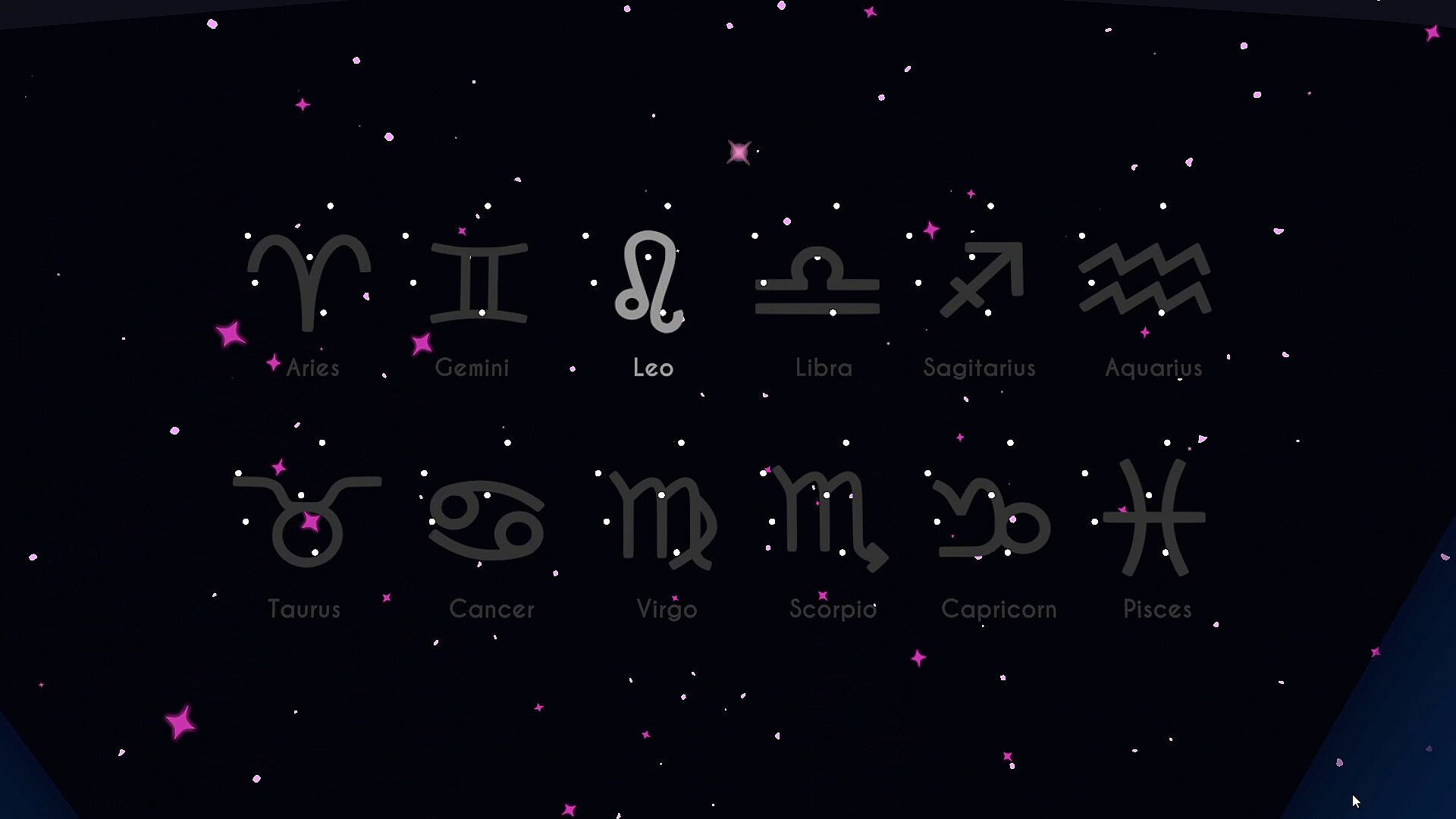
Astral Lines operates as a single-player roguelite experience built around repeated runs through 12 celestial routes. At each crossroads, players choose the next segment of a procedurally generated path, deciding between combat encounters, upgrade opportunities at forges, or restorative stops at shrines. This structure creates branching progression where outcomes influence the available card pool and overall run viability.
Meta-progression carries forward between runs in an accessible format that avoids heavy penalties on failure. Unlocks and refinements accumulate steadily, supporting continued experimentation with different deck archetypes and route selections. All activity stays within this roguelite framework, with no separate competitive or multiplayer modes present.
Story and Setting
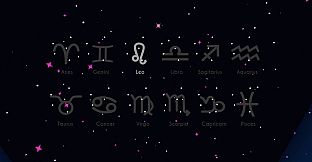
The narrative follows Orpheus and Eurydice as they seek reunion by challenging the gods of Olympus. Procedural constellations form the backdrop for travel and decision-making, with events tied to mythic themes. The visual style draws from Tarot symbolism and divination practices, rendered in a pop-mystical aesthetic that emphasizes dreamlike colors and symbolic card designs.
Artist Lucie Louxor contributes the card artwork, bringing experience from major trading card projects to the esoteric atmosphere. This visual approach reinforces the tactical choices, as each spell and creature carries distinct thematic weight within the mythological conflict.
VR and Flat-Screen Experience
The game maintains full parity between platforms. Flat-screen play uses an optimized desktop interface suited for quick calculations and mouse-driven selections. VR mode translates the same systems into physical interactions, with crystals and cards responding to natural hand movements via Quest controllers. Both versions prioritize comfort through seated positioning and eliminate motion-sickness risks.
Hardware requirements focus on Windows PC performance, with VR limited to Meta Quest headsets linked through standard connection methods. The design ensures that tactical decisions remain identical regardless of input method, allowing players to switch based on preference or session length.
Is It Worth Playing?
Astral Lines targets fans of roguelite deckbuilders who value precise resource systems and positional combat. Its emphasis on elemental crystals and lane deployment sets it apart from more abstract card games, while the VR option adds physical engagement for those with compatible hardware. The accessible meta-progression and seated comfort focus make it suitable for extended sessions without fatigue.
Since the game remains unreleased with no user reviews available, its appeal rests on the described mechanics and cross-platform consistency. Players interested in mythology-themed strategy or hybrid flat-VR experiences may find the tactical depth and replay structure compelling once it launches. Those seeking established multiplayer or high-volume content libraries should monitor updates for confirmation of final scope.