


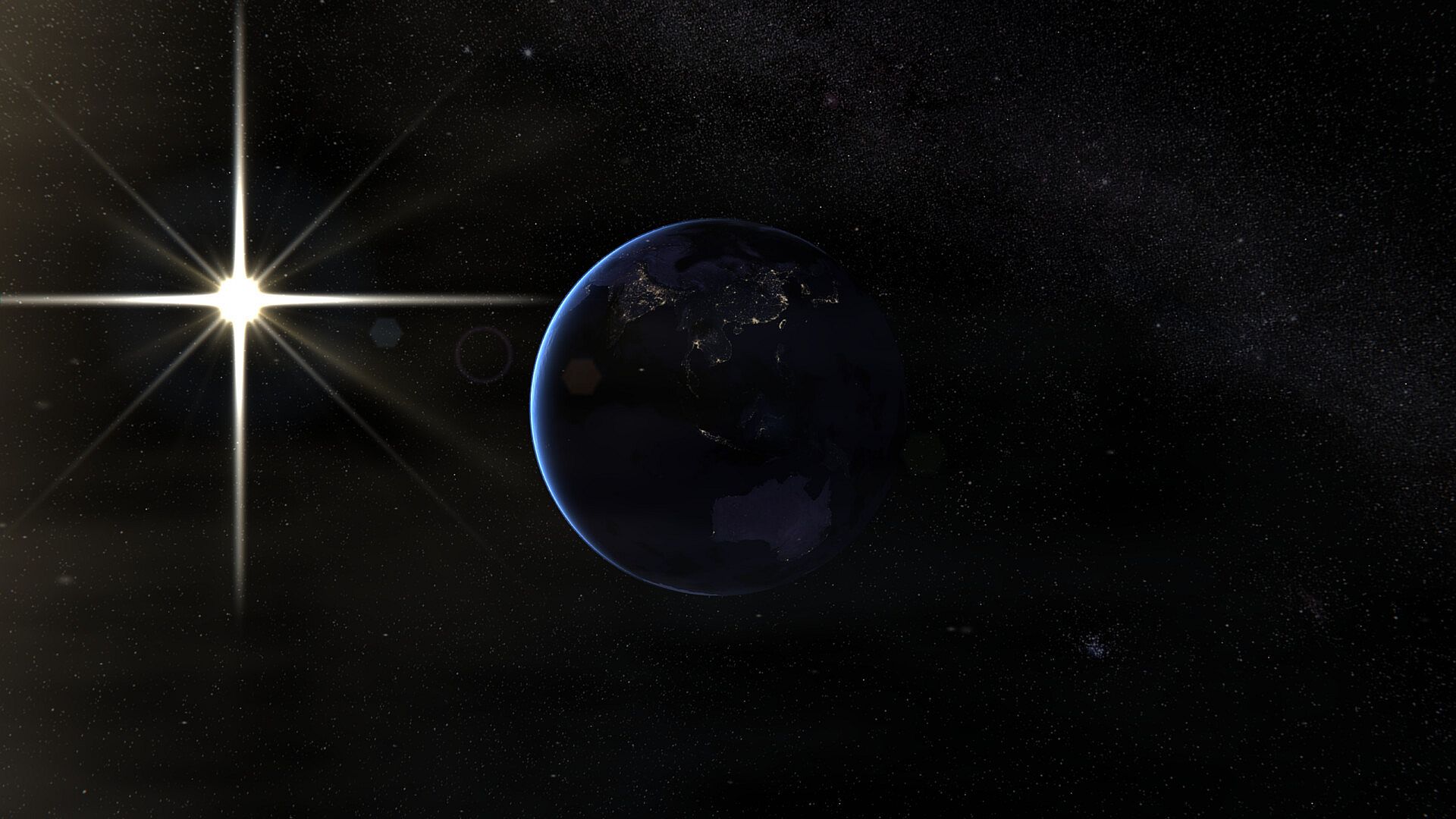
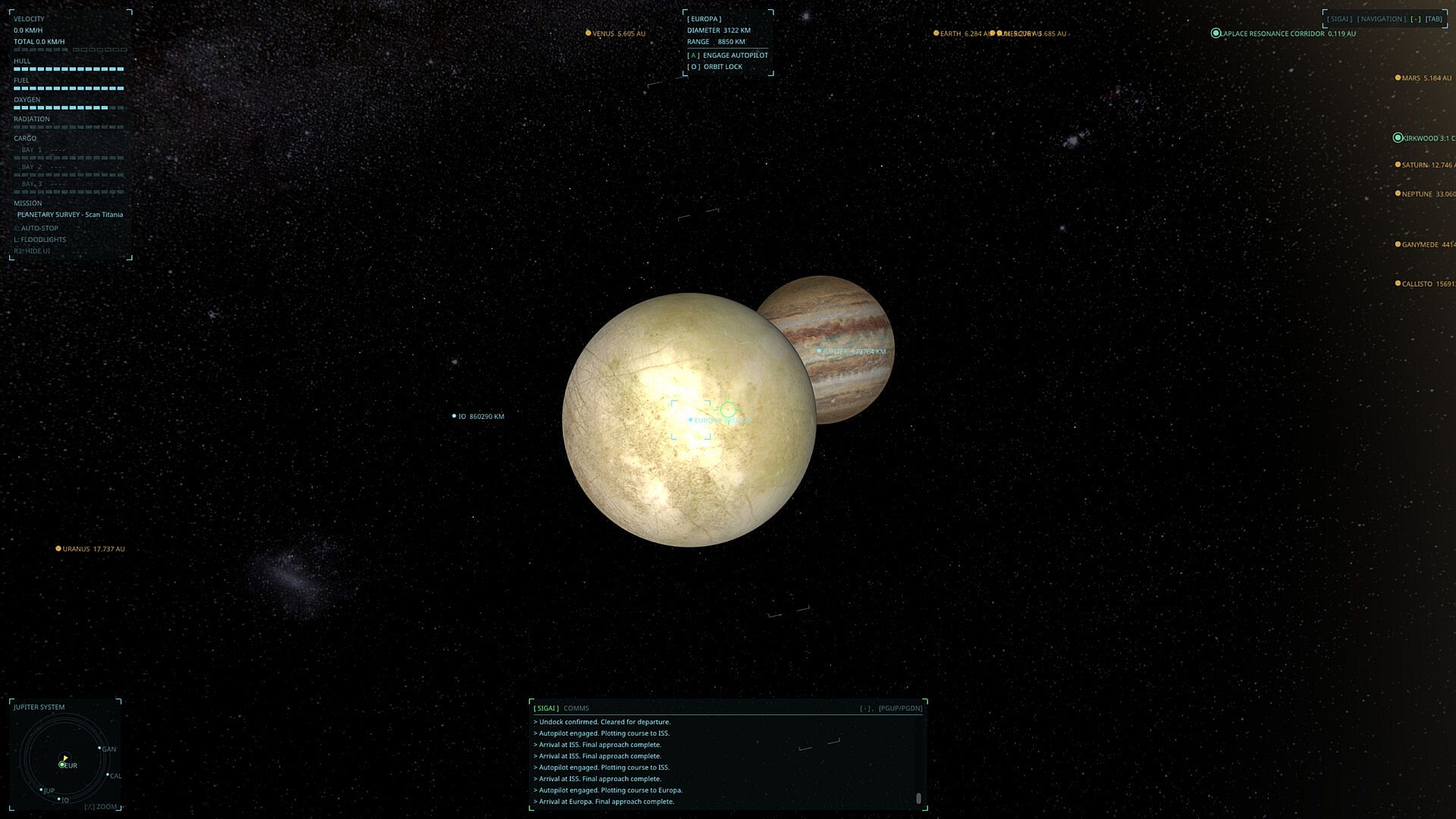
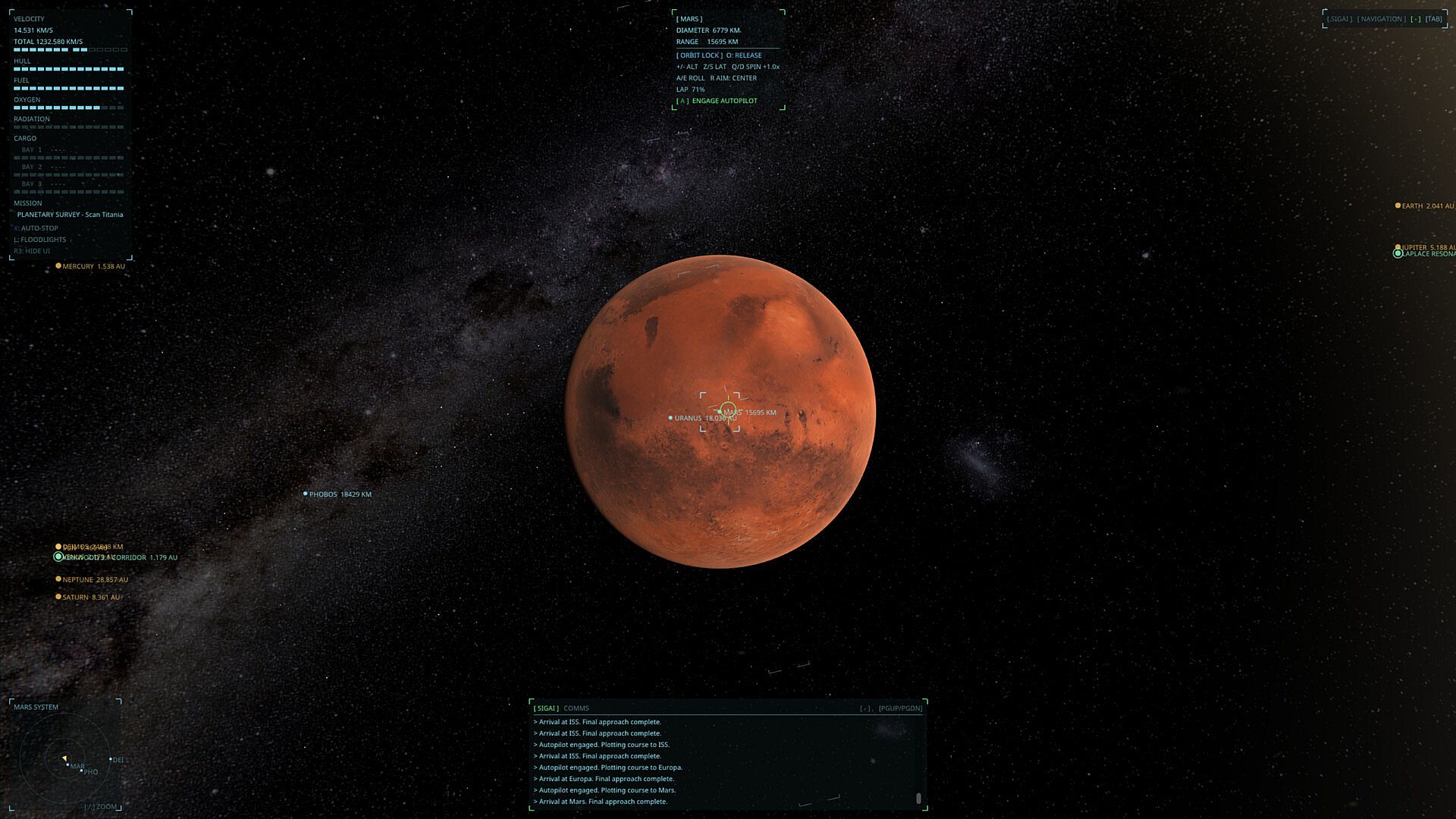
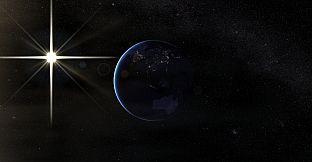
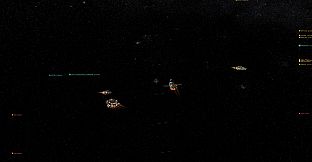
Baryum is a first-person space simulation game for PC that places players in an astronomically accurate model of the solar system. The title places the Sun at the origin point, with planets positioned at real astronomical units and orbital paths calculated from actual elements, so that locations like Jupiter match their real-world positions at any given time.
Gameplay
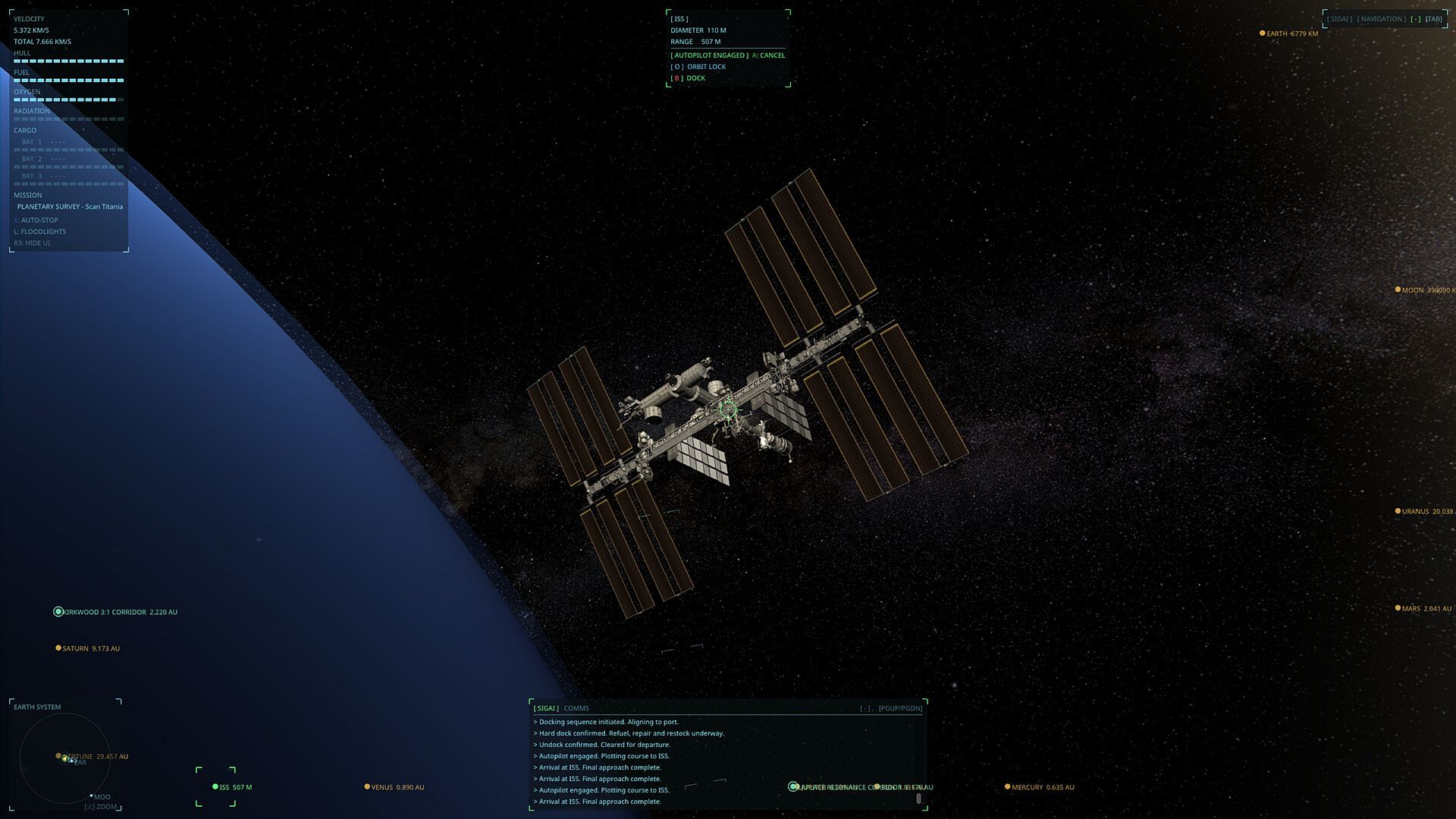
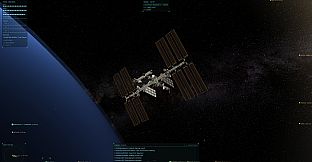
Players start as a cadet docked at the International Space Station, which orbits Earth at its true altitude. The core loop centers on managing a small ship with an empty cargo hold and a responsive flight computer. Resource management covers hull integrity, fuel, oxygen, and radiation levels, all of which deplete over time and require careful planning during long transits. A time-warp drive shortens extended journeys while preserving the sense of vast distances between bodies.
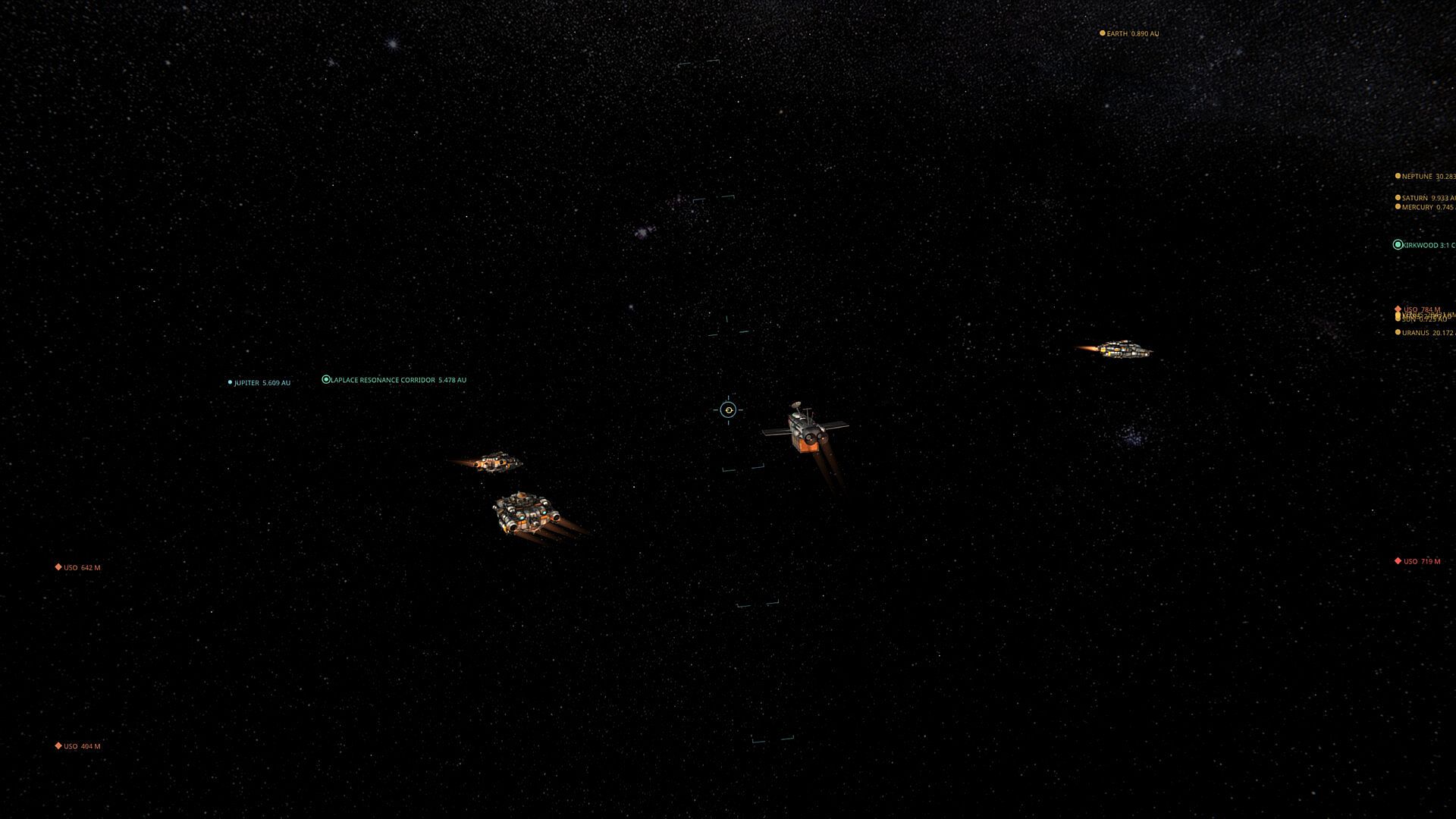
Ship customization forms a key part of progression. Bays can be converted into fuel tanks, oxygen reserves, additional weapon mounts, cloaking units, or automatic hull patchers. Sixteen distinct hulls range from basic cadet trainers to specialized vessels such as the Prospector and the Fortress. Weapons include cannons, homing missiles, and an electromagnetic disruptor that temporarily disables enemy systems, though heat management adds a tactical layer to combat. Two opposing groups, pirate wings and Aurum Syndicate interceptors, patrol trade routes and target ships carrying bounties. Larger threats, including a dreadnought with multiple turret hardpoints, appear as contract difficulty increases.
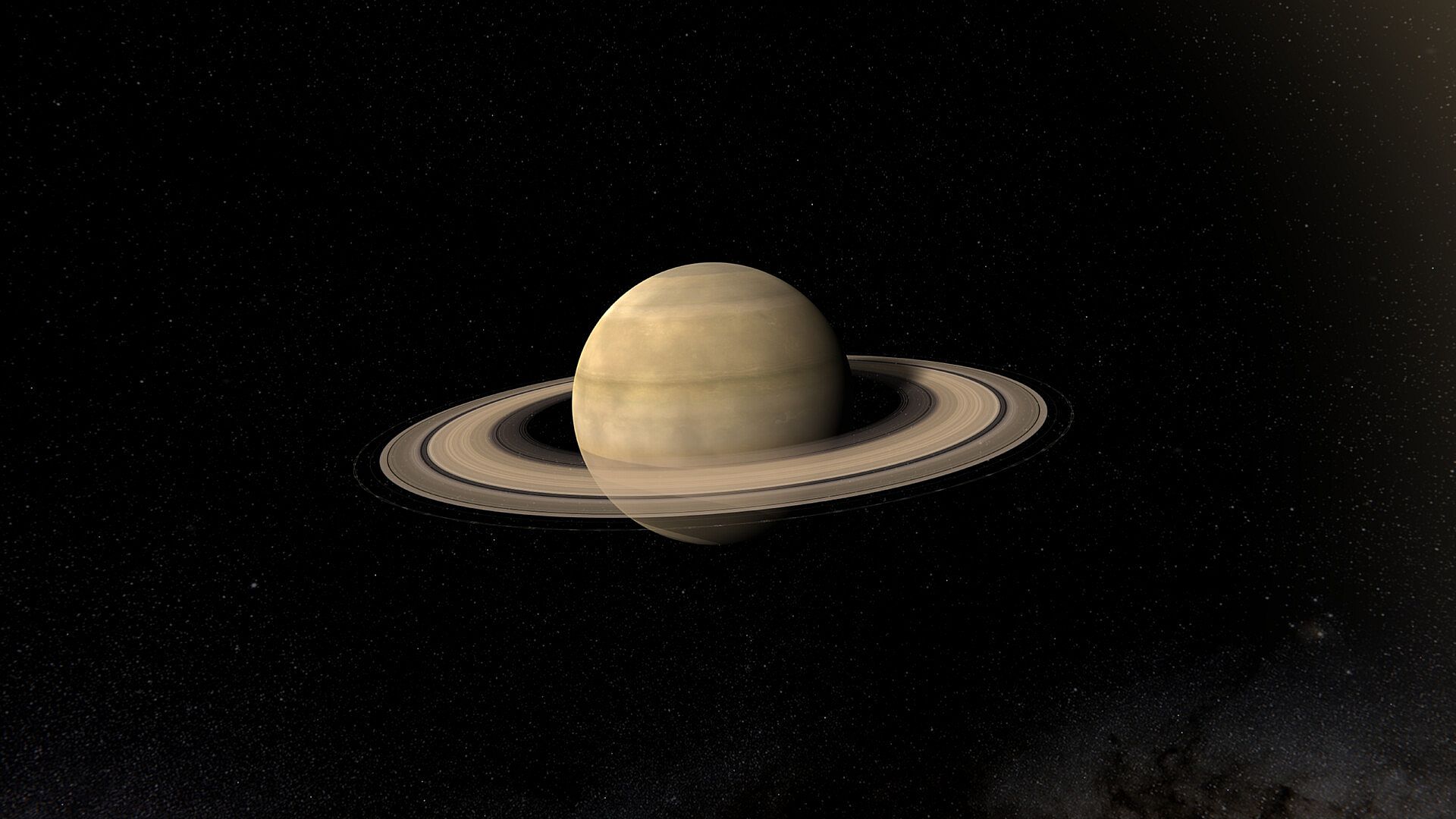
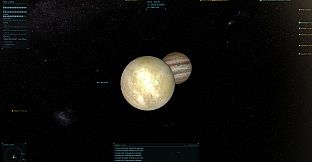
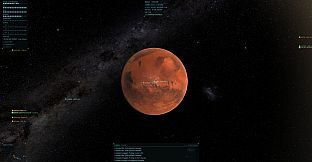
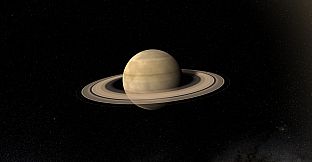
Planetary surfaces draw from real NASA color and elevation data for bodies like Mars and the Moon, allowing close inspection of crater details. Procedural turbulence renders Jupiter's atmospheric bands, while Saturn's rings and its full set of moons from Titan to Mimas appear with accurate scale. Mining occurs by holding position over icy moons to collect ice, gas, or ore before returning to sell at stations.
Game Modes
Contracts serve as the primary activities and divide into nine distinct types. Planetary surveys require detailed scanning of surfaces. Resource runs focus on hauling mined materials back to the station. Reconnaissance missions gather intelligence on distant locations. Bounty warrants involve tracking and engaging specific targets. Tourist charters transport passengers on scenic or scheduled routes. Convoy escort duties protect groups of ships during transit. Derelict salvage operations recover valuable parts from abandoned vessels. Fleet interdiction tasks disrupt enemy formations. Anomaly investigations advance the central narrative thread, beginning with an unexplained phenomenon near Neptune that leads players outward.
These contract types integrate with a rank system that advances players through five officer grades, from cadet to major. Each promotion requires passing an Academy examination. The structure encourages repeated engagement with different contract categories while building credits to upgrade ships and equipment. A story campaign unfolds across the outer system as anomaly work progresses.
Progression and Survival Systems
Survival elements tie directly into contract performance and travel. Running low on fuel or oxygen far from the station leaves the ship drifting until a rescue arrives, which is not guaranteed. Excessive hull damage forces a self-destruct as the final option. Radiation exposure adds another timer that must be monitored during outer-system travel. The combination of realistic distances, resource limits, and combat encounters creates a steady pressure to balance exploration, trading, and defensive actions.
Full gamepad support with remappable controls accommodates different play styles. The game runs entirely offline with no runtime content generation, though some development assets received AI assistance that was reviewed and integrated by the developer.
Is It Worth Playing?
Baryum targets players who value precise astronomical modeling and methodical space simulation over fast-paced action. The single-player experience emphasizes contract variety, ship fitting, and careful navigation across genuine interplanetary scales. With a planned release on September 8, 2026, and no user reviews available yet, prospective buyers can assess the detailed feature list against their interest in realistic orbital mechanics, resource logistics, and incremental rank advancement. Those drawn to indie space simulations that incorporate mining, trading, passenger transport, and ship-to-ship combat against named factions will find the described systems align closely with that preference. The inclusion of an Academy examination gate for each rank and a narrative thread tied to outer-system anomalies adds structure beyond open-ended flying. Availability on PC with support for multiple languages further broadens accessibility for interested audiences.