


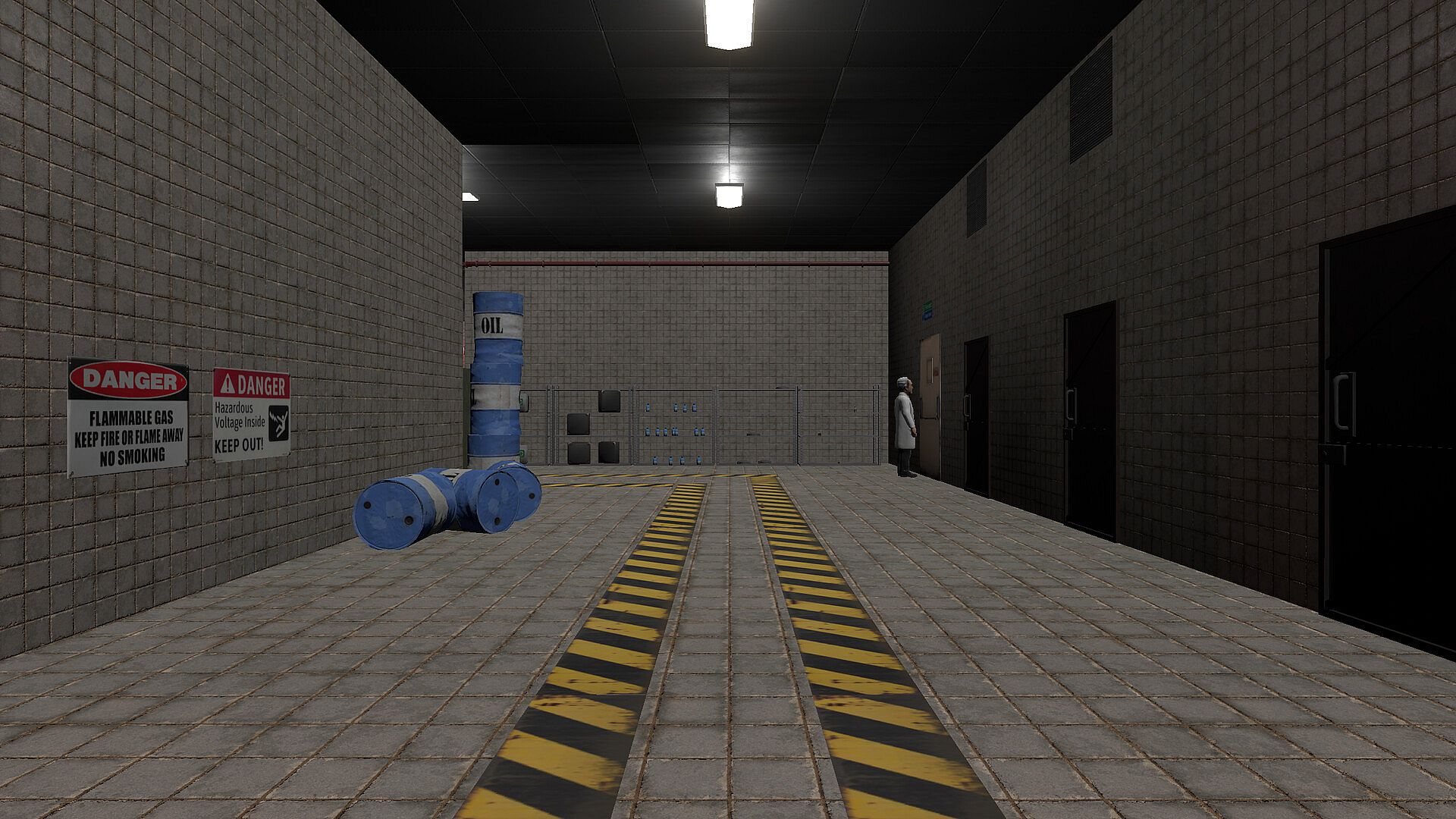
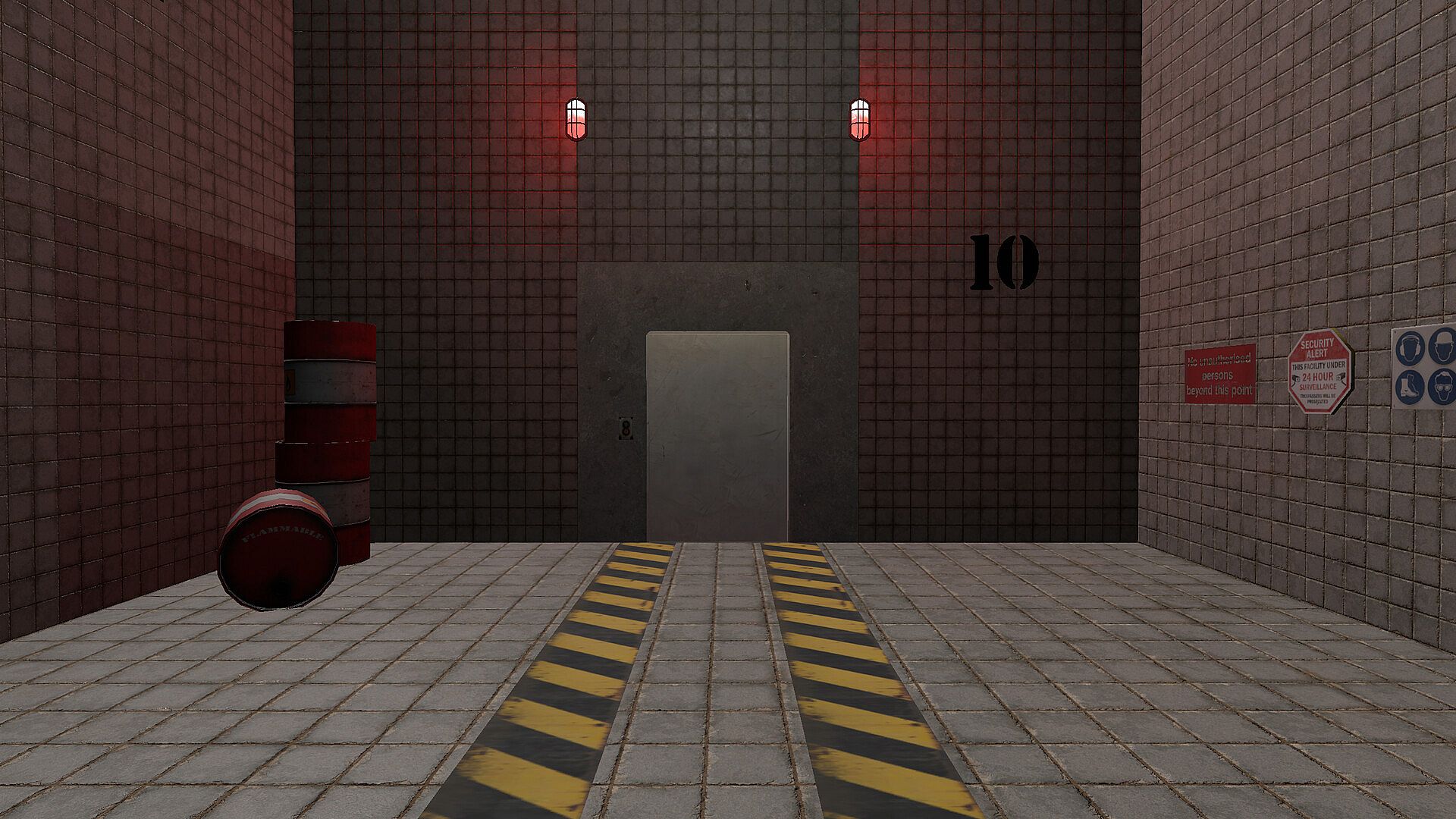
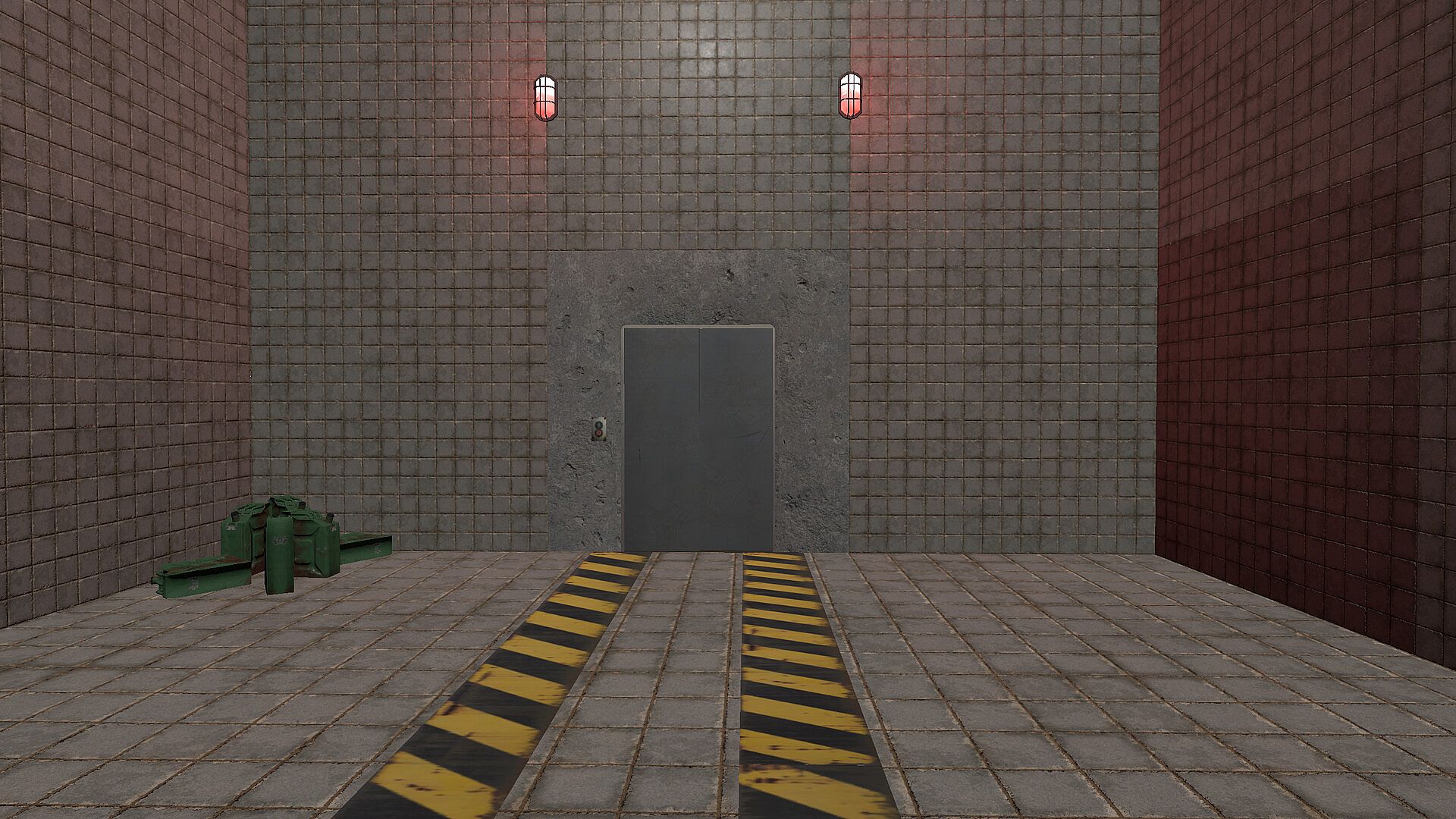
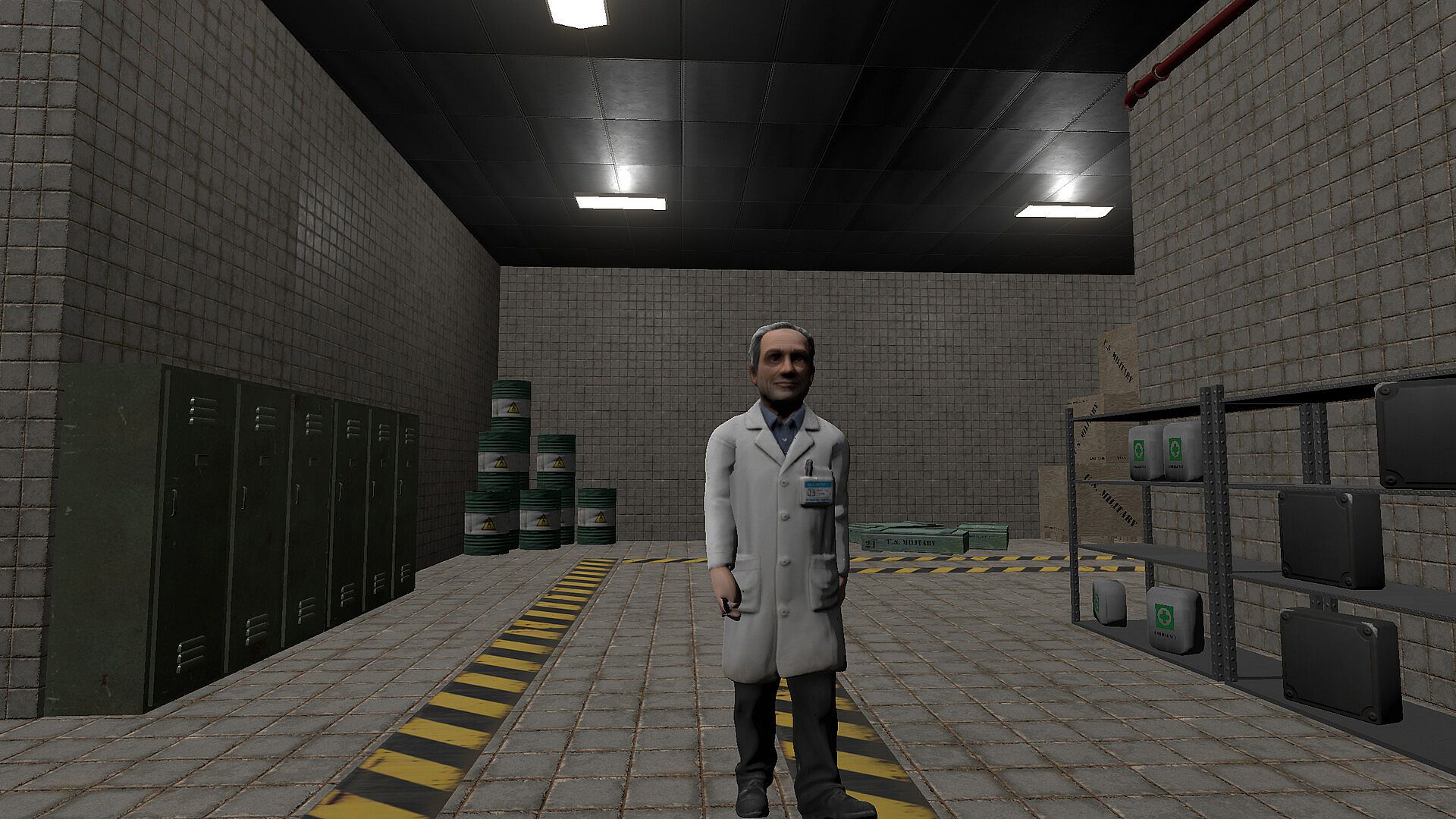
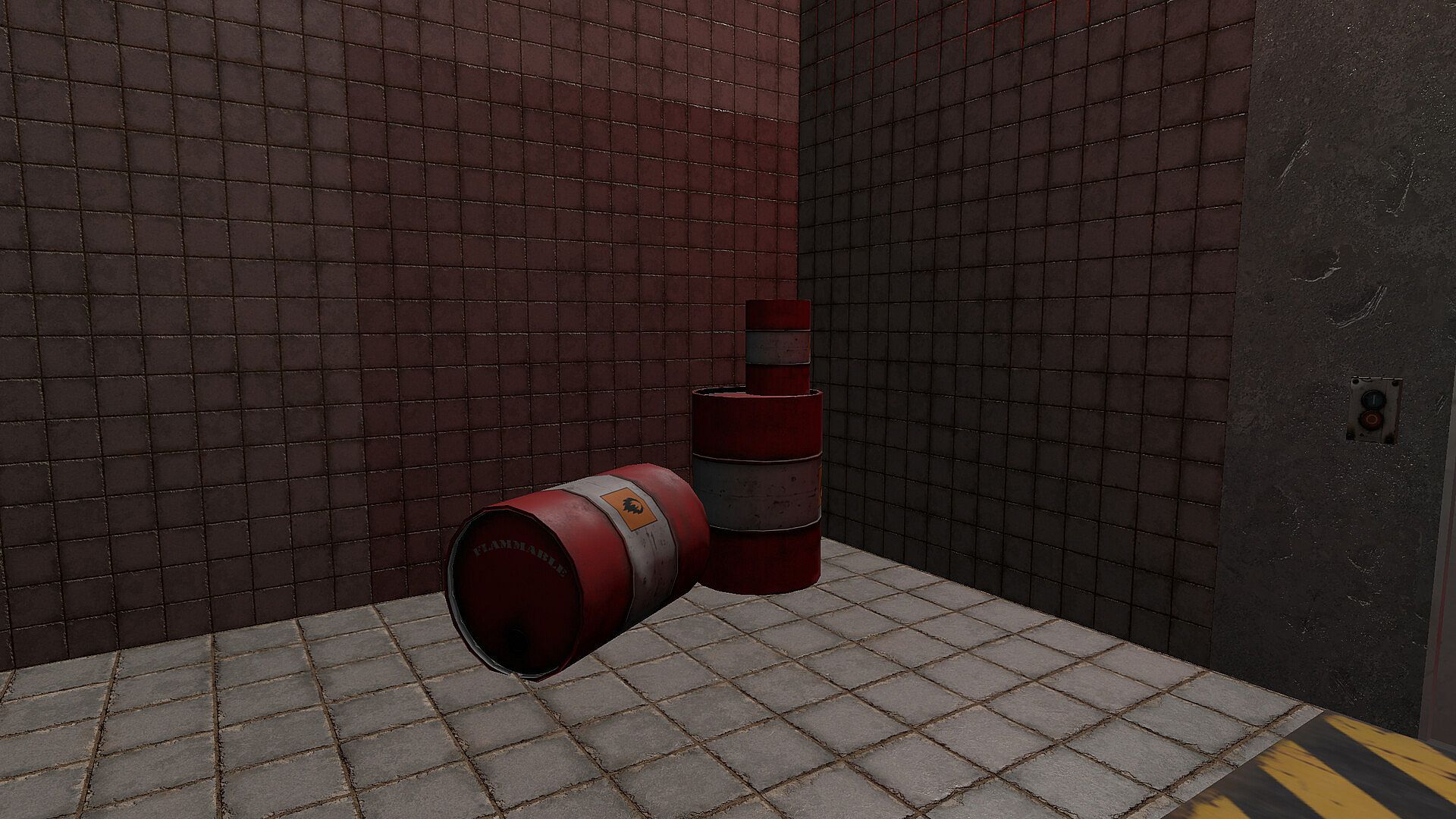
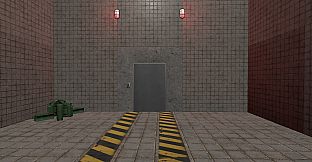
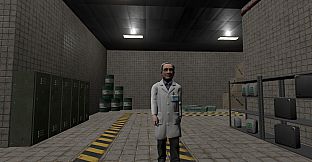
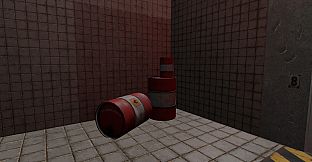
Basement10 is an indie simulation game for PC that places players in a first-person perspective as they attempt to climb from the basement to the surface. The experience centers on careful observation and split-second decisions at each elevator junction. Players must determine whether an anomaly is present in the environment before choosing the correct elevator path. Spotting something unusual requires taking the elevator going back, while seeing nothing calls for the elevator straight ahead. A single incorrect choice resets progress to the beginning, making sustained attention the central challenge throughout the roughly 60-minute playtime.
Gameplay
The core loop revolves around walking through corridors, examining surroundings for any irregularities, and committing to an elevator selection. Observation serves as the sole tool available, with no combat, inventory management, or additional systems layered on top. Each ascent builds tension through repeated scrutiny of the same types of spaces, where subtle differences signal whether the path ahead remains safe. The first-person viewpoint keeps focus narrow on visual details that might otherwise go unnoticed during a hurried climb. Language support includes English, Korean, Japanese, and Simplified Chinese, allowing a broad audience to engage with the minimal text prompts that guide decisions.
Progress depends entirely on consistent accuracy across multiple elevator stops. Wrong calls force a full restart, encouraging methodical pacing rather than speed. The simulation elements emphasize routine movement and repeated visual checks, turning what could be a simple traversal into a test of sustained focus. Short overall length keeps the experience contained, with the mechanics designed to reward patience and repeated attempts at the same sections until patterns become clear.
Game Modes
Basement10 operates as a single-player experience with no separate modes or variations beyond the main ascent. The structure remains consistent from start to finish, relying on the same observation and elevator choice system at every stage. There are no branching campaigns, cooperative options, or alternate scenarios to unlock. The design keeps all activity within one continuous climb, where the challenge stems from maintaining accuracy across successive decisions rather than switching between different rule sets or objectives.
This unified approach suits players seeking a focused session without menu navigation or mode selection. The single-player format aligns with the indie simulation genre by stripping away extraneous features and concentrating on the core decision loop. Estimated completion time stays around 60 minutes for those who navigate the elevators correctly on their attempts.
Core Mechanics and Player Experience
Mechanics stay minimal by design, limited to forward movement, head turning for inspection, and binary elevator choices. No upgrades, collectibles, or progression systems interrupt the flow. The emphasis falls on environmental awareness, where anomalies appear as deviations from expected surroundings. Players learn to scan each new area methodically before committing to a direction. Restarts reinforce the importance of precision, turning early mistakes into opportunities to refine observation habits on subsequent runs.
The simulation aspect emerges from the repetitive yet tense routine of ascending floor by floor. Each segment tests the same skills in slightly altered contexts, building familiarity while maintaining uncertainty. Short play sessions fit the overall length, allowing completion in one sitting or across a few focused attempts. The absence of complex controls keeps attention on visual judgment rather than mechanical execution.
Is It Worth Playing?
Basement10 appeals to players who enjoy short, observation-driven experiences in the indie simulation category. The 60-minute estimated length makes it accessible for those with limited time, while the restart mechanic provides replay value through improved decision accuracy. Single-player focus and straightforward controls lower the barrier for entry, suiting individuals interested in puzzle-like judgment calls without additional layers of management or combat. Those who value precise visual scrutiny over expansive worlds or varied objectives will find the core loop engaging. The game suits a targeted audience seeking a concise test of attention rather than long-term engagement or multiplayer interaction.