


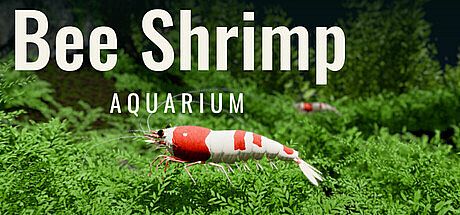


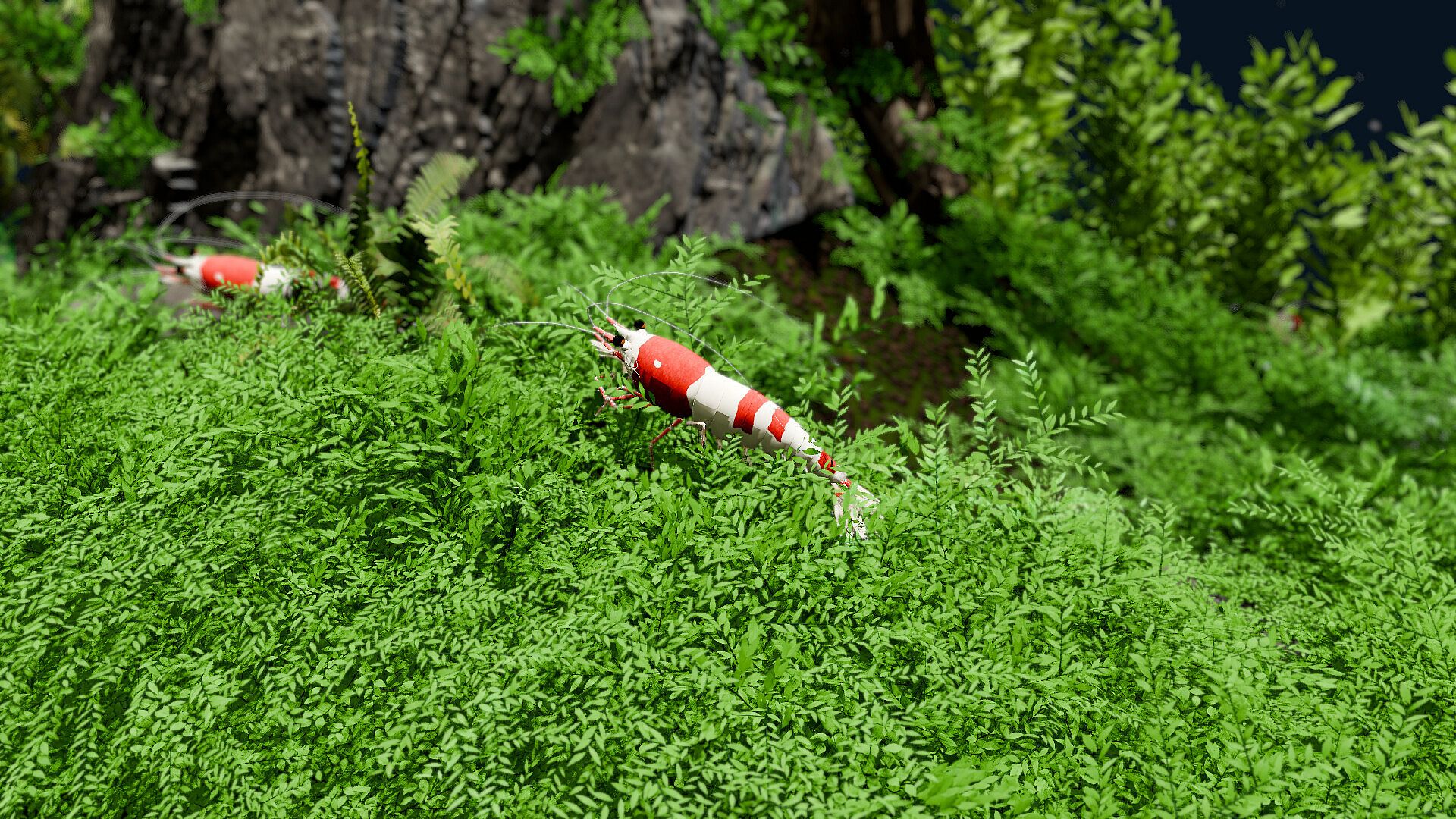
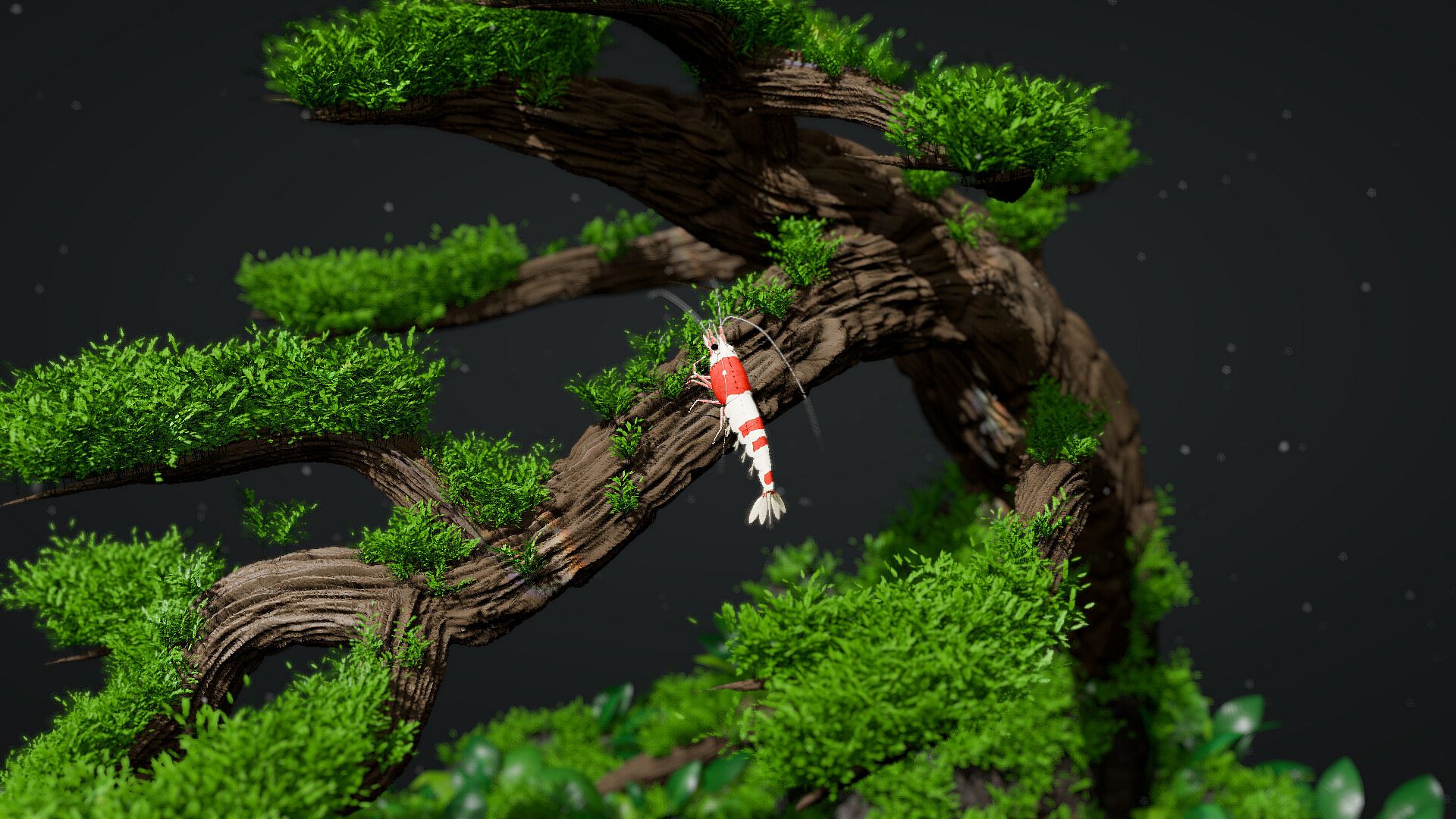
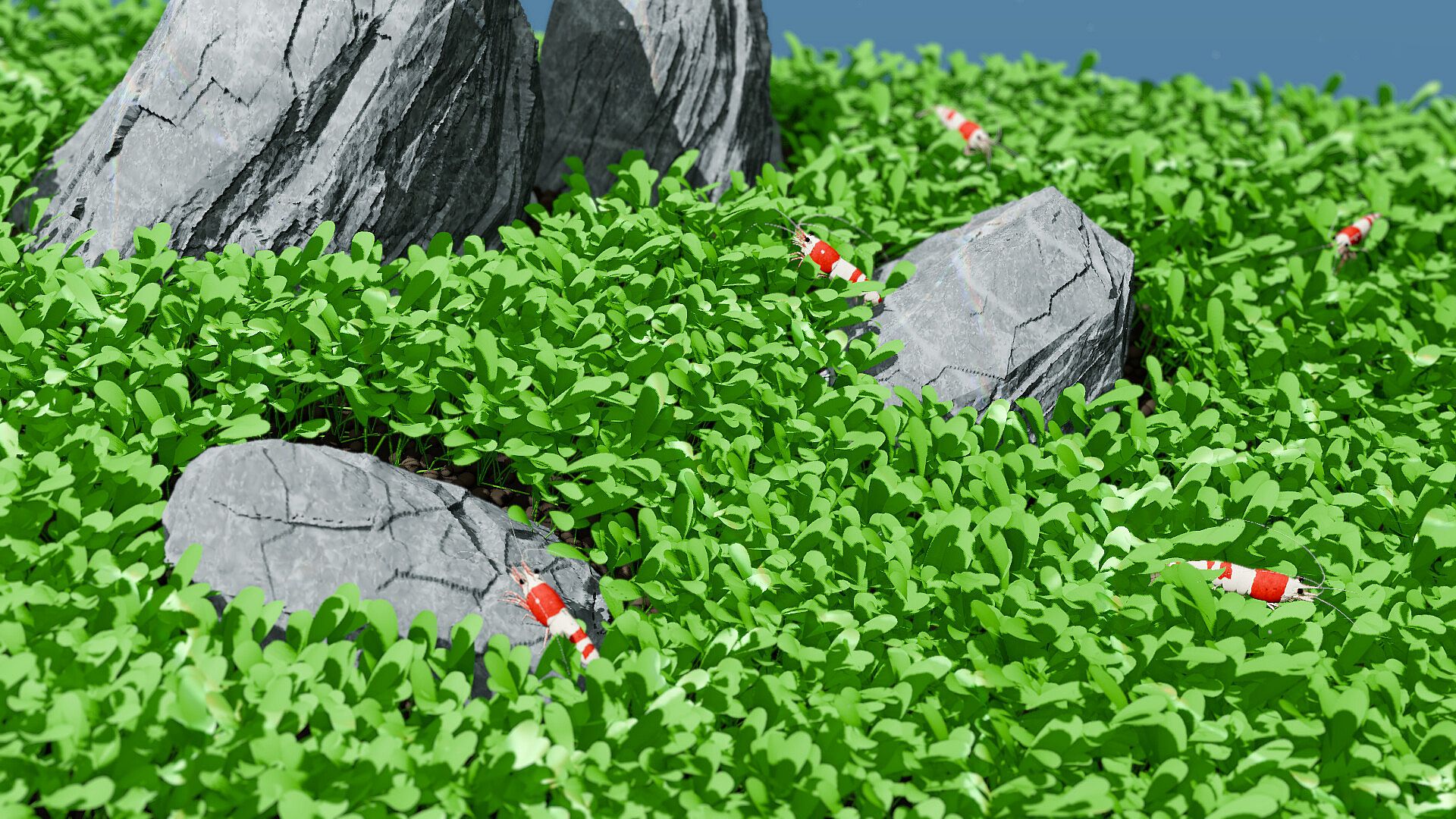
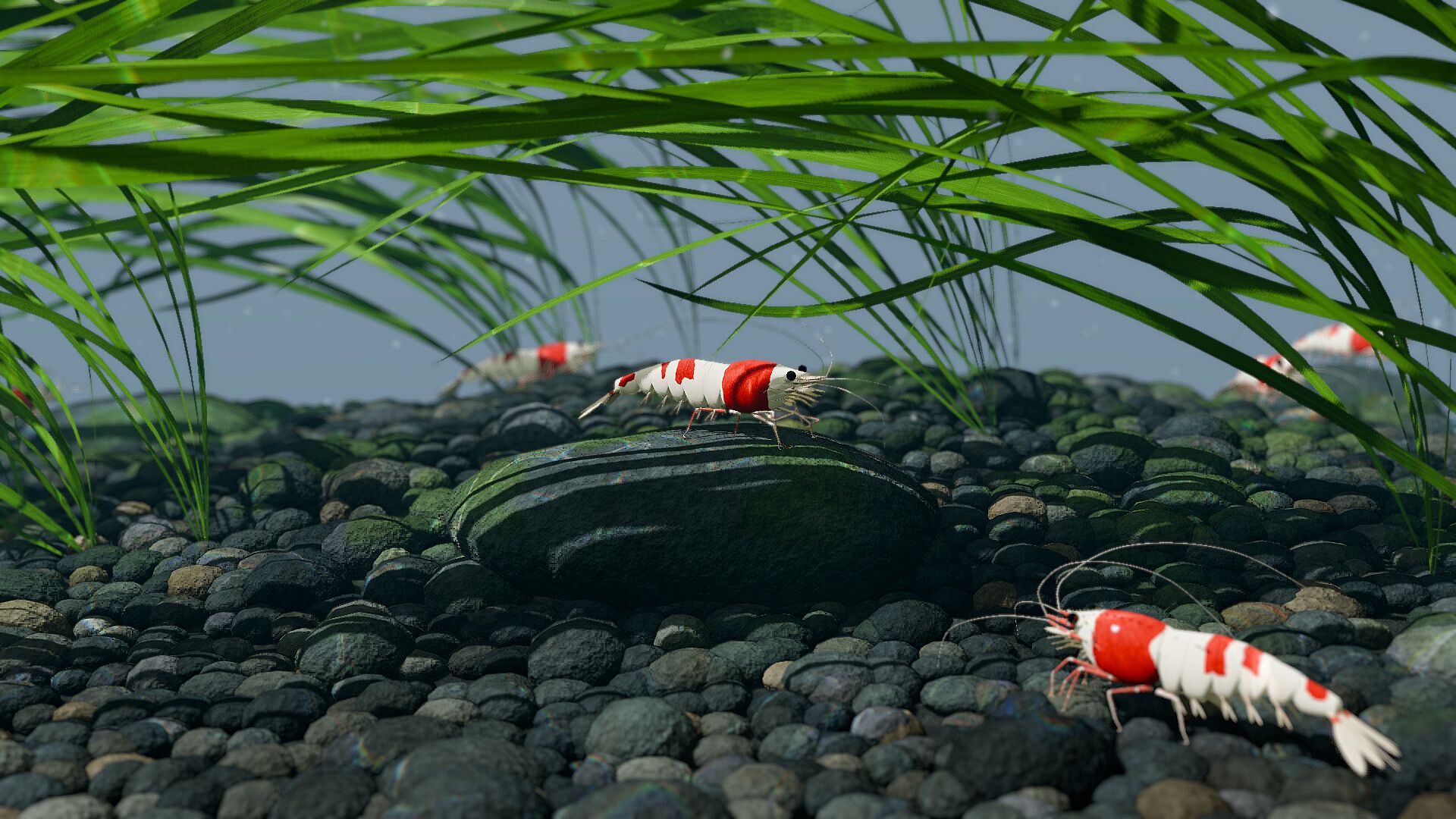
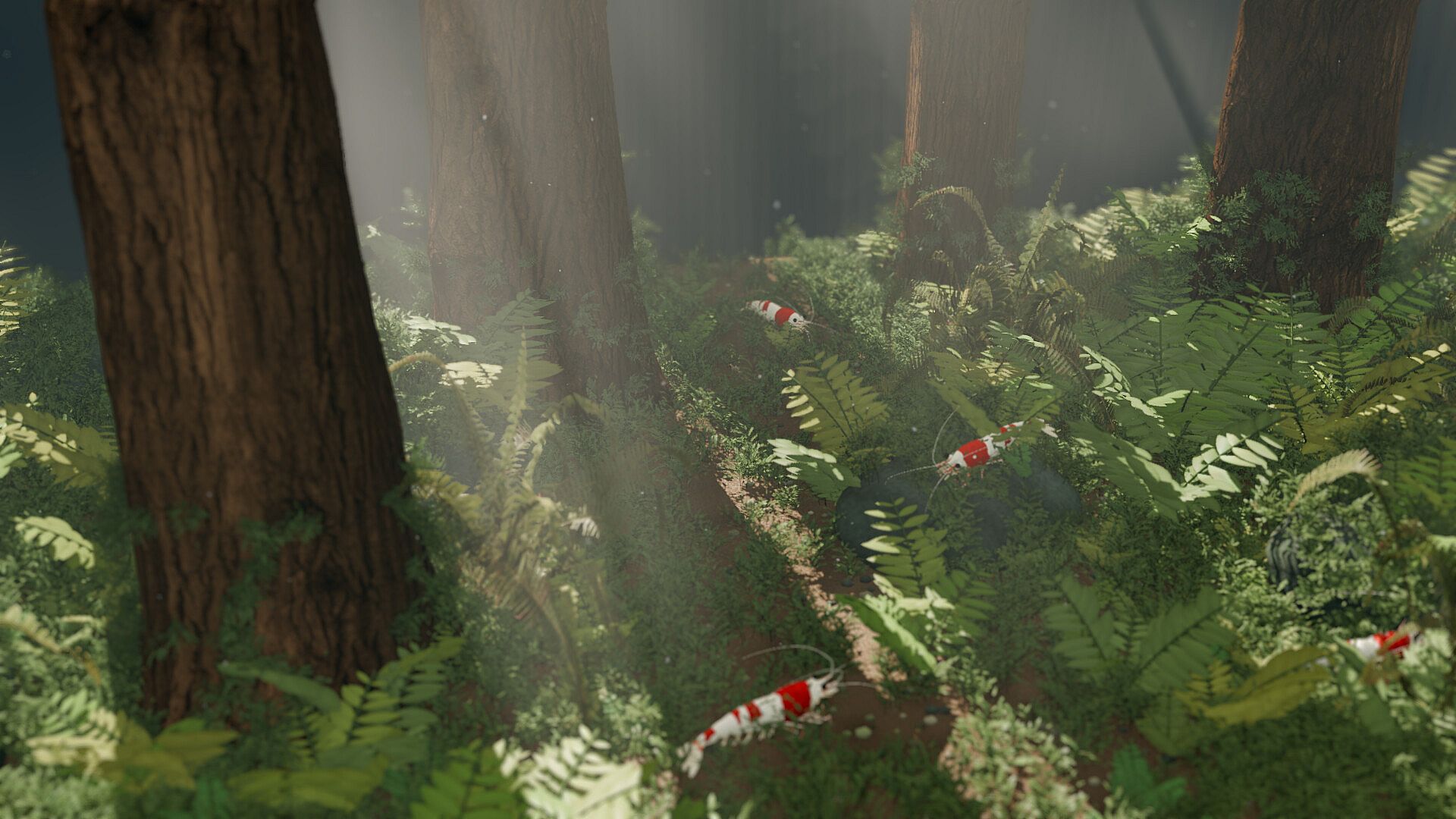


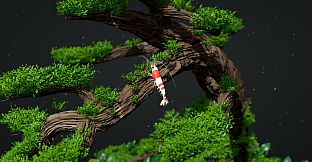

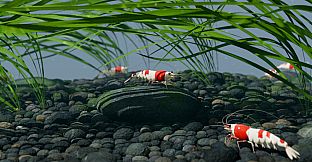
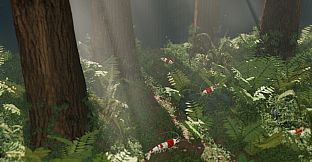

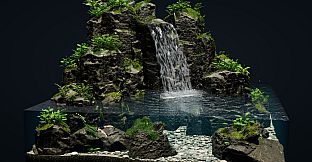
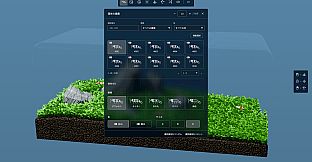
Bee Shrimp Aquarium is a single-player 3D aquarium simulation game centered on the quiet observation of bee shrimp in carefully arranged environments. Players select from a collection of preset aquascapes and adjust the camera to follow the subtle actions of these small creatures as they interact with plants, moss, and water surfaces. The experience emphasizes relaxation through visual detail rather than active management or progression systems.
Gameplay
The core loop involves choosing an aquascape and positioning the camera to capture the shrimp in motion. Viewers can rotate, pan, and zoom freely to examine details such as shrimp using their claws to pick at moss and leaves, walking along surfaces, swimming through the water, or grooming themselves. Additional interactions include dropping food to draw the shrimp together or tapping the water surface to generate ripples that prompt reactions from the inhabitants.
Lighting plays a significant role in the presentation. Each aquascape supports multiple lighting conditions, including bright daylight, sunset tones, and moonlight, which alter the appearance of plants, water clarity, and overall atmosphere. Players can switch between these settings to highlight different aspects of the scene, from broad overviews of the full layout to intimate close-ups of individual elements.
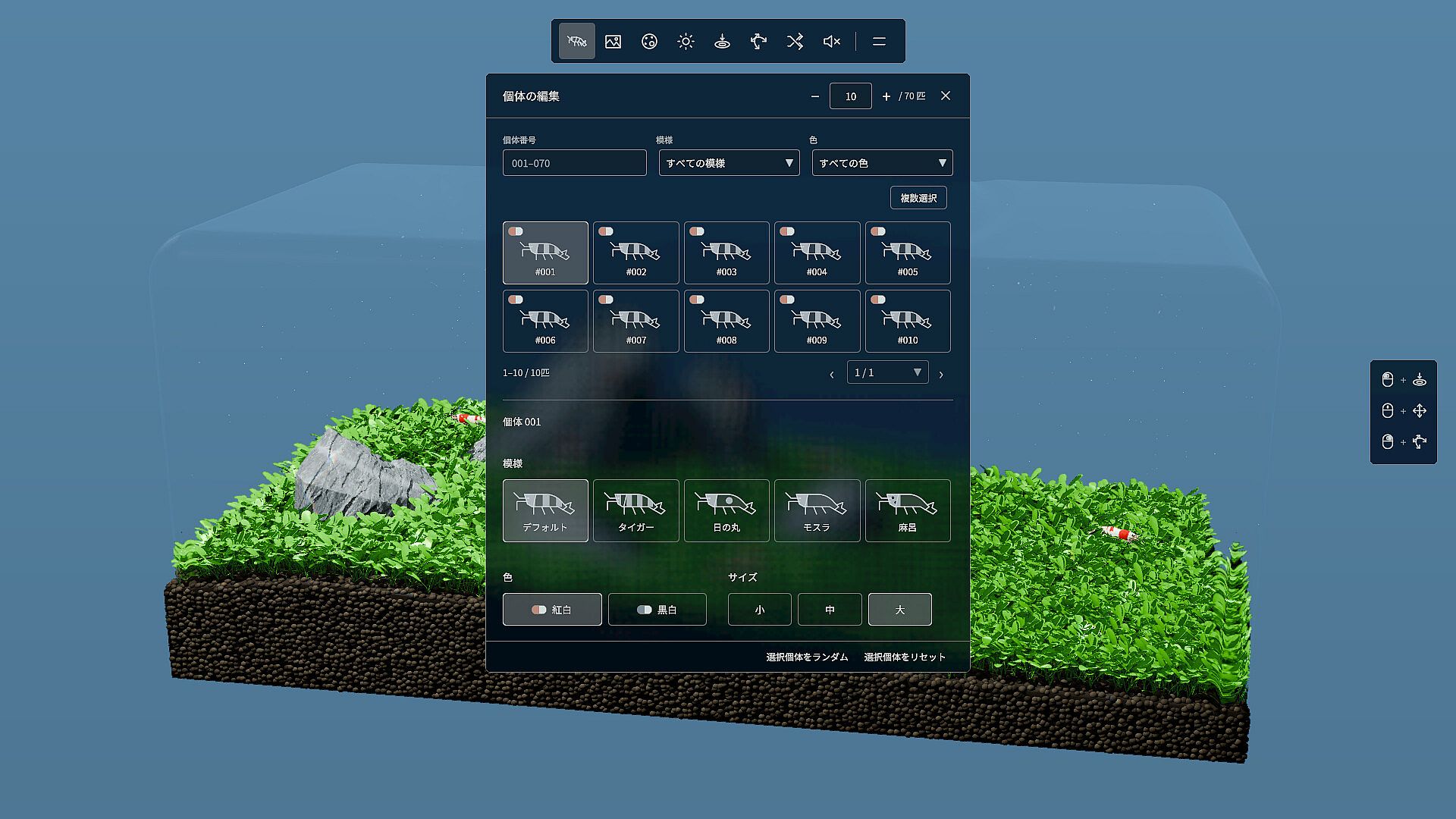
Customization options focus on the shrimp population itself. The number of shrimp can be adjusted within limits that vary by aquascape, and five patterns, two colors, and three sizes are available for selection. Background color choices and water sound volume provide further tweaks to the sensory experience. An automatic camera rotation feature allows the view to shift gradually across angles without manual input, while a cycling mode randomly transitions between aquascapes, lighting setups, and viewpoints at user-defined intervals.
Game Modes
The game operates entirely in a single-player format with no competitive or cooperative elements. All activity centers on passive viewing and minor interactive prompts within fixed aquascapes. There are no separate modes for building, breeding, or resource management, keeping the focus narrow on observation and atmosphere.
Within this framework, players can engage through manual camera control for directed viewing sessions or enable automated features for hands-free exploration. These options allow the same aquascapes to feel fresh across repeated sessions by varying the presentation without altering the underlying environments.
Visual and Audio Presentation
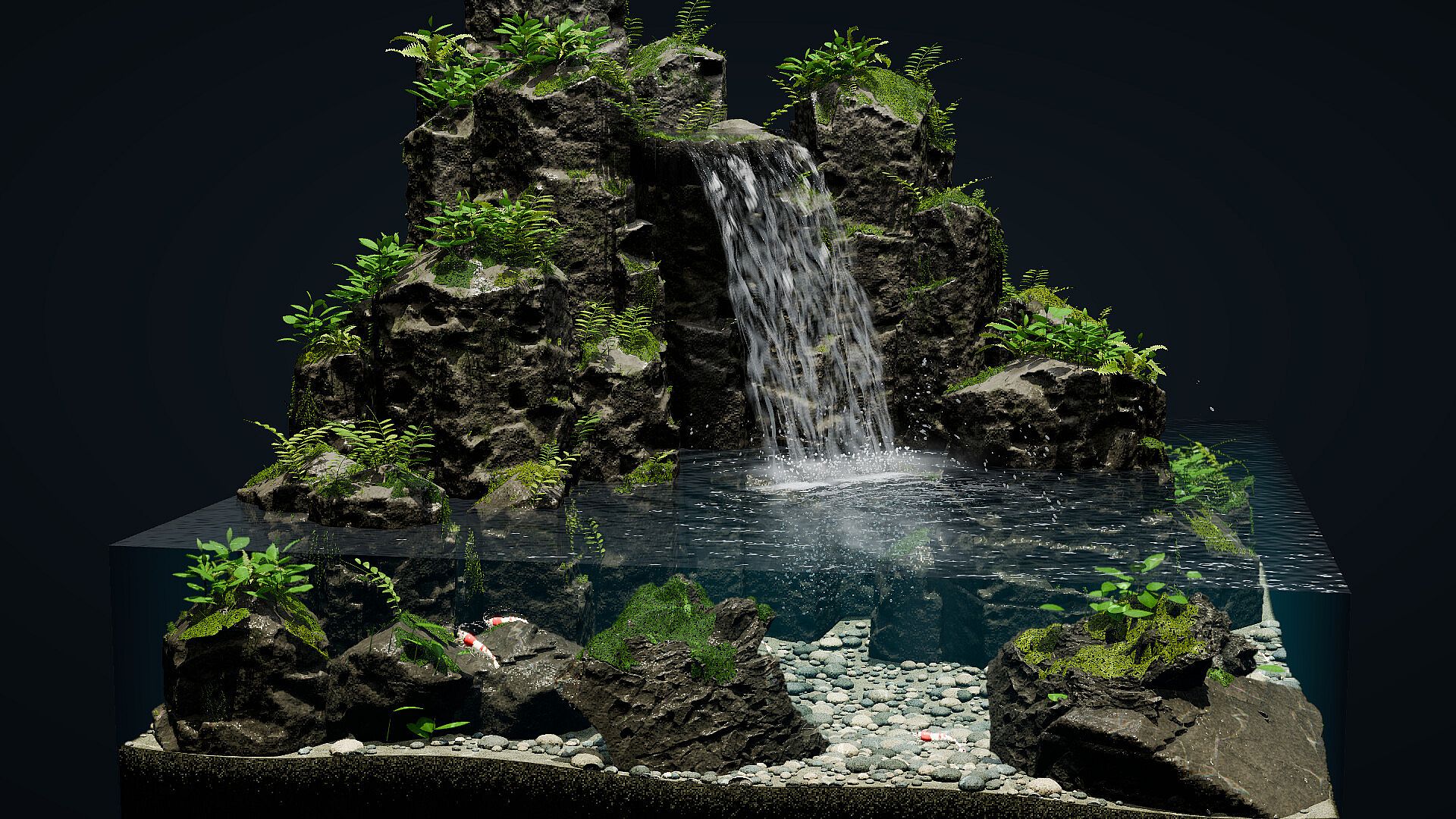
Twelve or more distinct aquascapes form the foundation of the visuals, ranging from moss-covered driftwood arrangements and bonsai-inspired setups to marimo balls, scattered fallen leaves, and scenes featuring a flowing waterfall. Each location includes swaying plants and shifting light effects that respond to camera movement and lighting changes. The water simulation supports ripple effects and surface interactions that add subtle dynamism to otherwise still scenes.
Audio consists primarily of adjustable water sounds that complement the visual calm. These elements combine to create a consistent, low-key atmosphere suited to extended viewing periods rather than intense engagement.
Is It Worth Playing?
Bee Shrimp Aquarium suits players seeking a low-pressure simulation experience focused on detailed creature observation in static, artistic environments. Its appeal lies in the ability to linger on small animations and environmental details without the demands of simulation management or creative building tools. Those who enjoy similar relaxing titles centered on nature watching or aquarium viewing will find the preset variety and camera flexibility sufficient for repeated short or long sessions.
The absence of breeding mechanics, water chemistry systems, or free-form placement keeps the scope intentionally narrow, which may limit interest for players expecting deeper simulation layers. For the intended audience, the game delivers a consistent, meditative loop based on its described features. Availability on PC positions it as an accessible option for anyone interested in this specific style of casual observation gameplay.












