

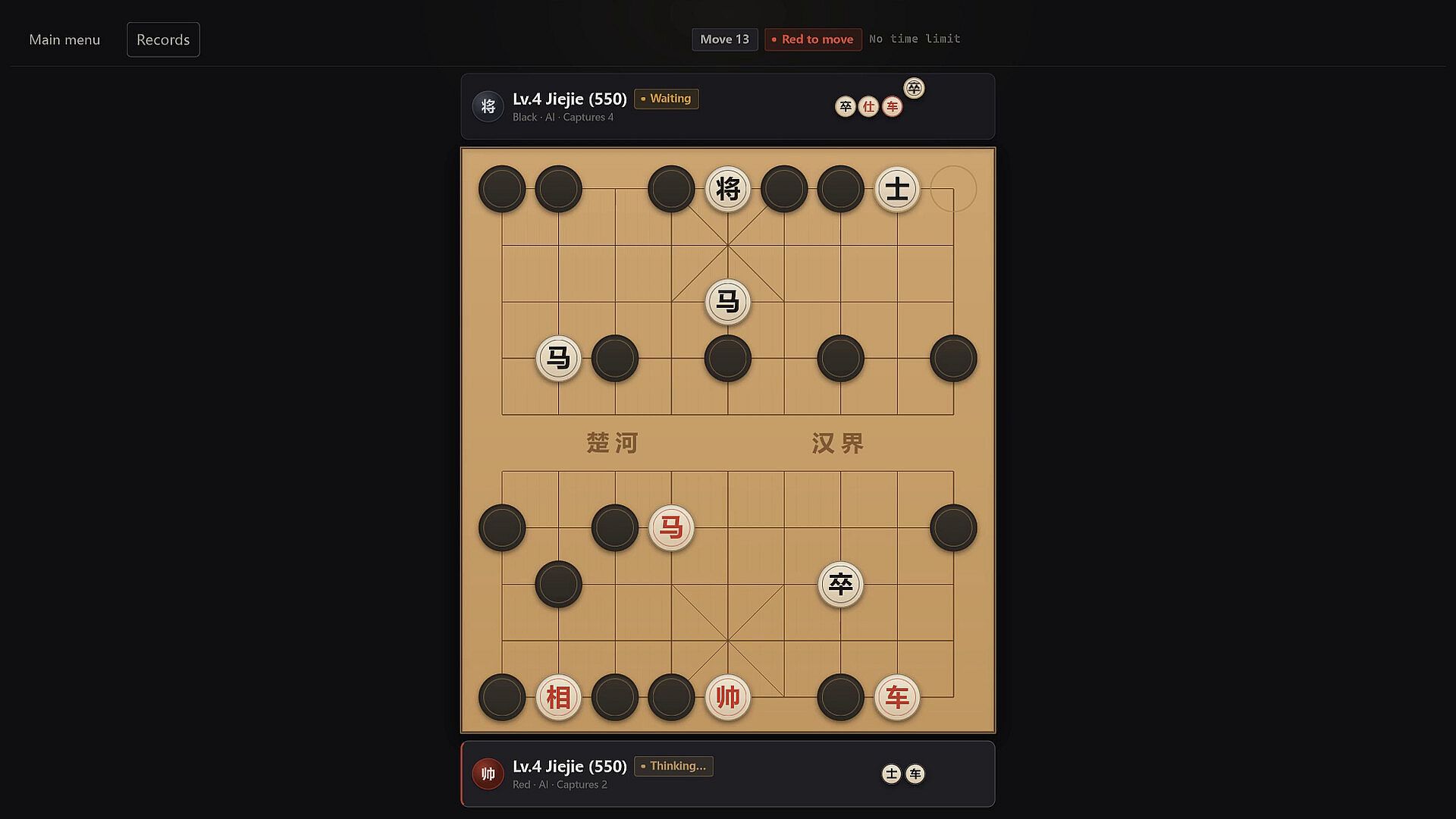
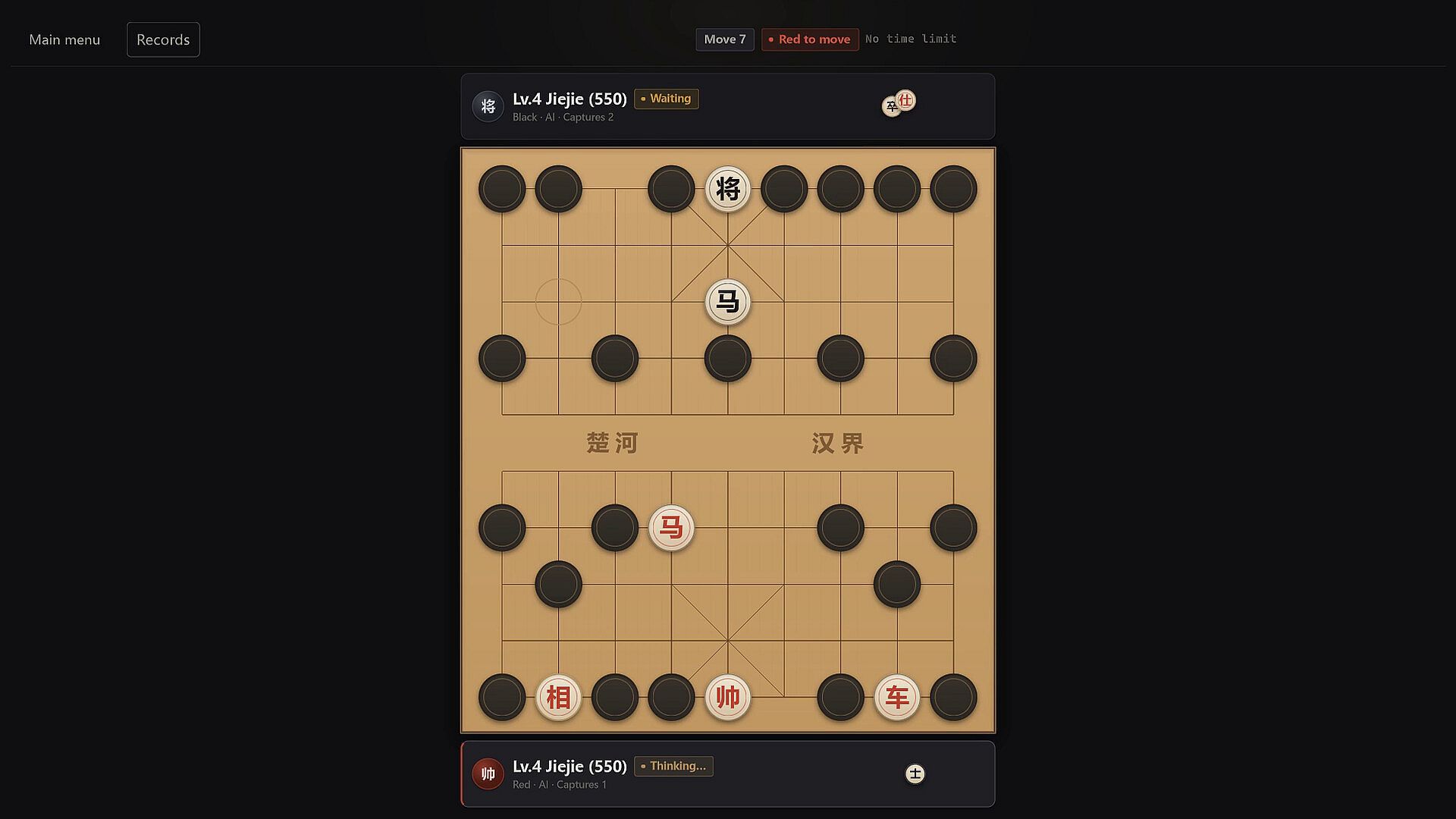
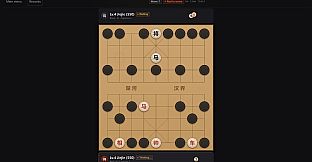
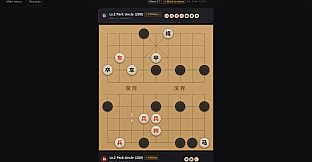


Blind Chess is a strategy game that reimagines xiangqi through incomplete information. Players face a board where only the two generals remain visible while the remaining thirty pieces start shuffled and face down across their opening positions. This setup turns every move into a test of deduction and risk assessment rather than straightforward calculation.
Gameplay
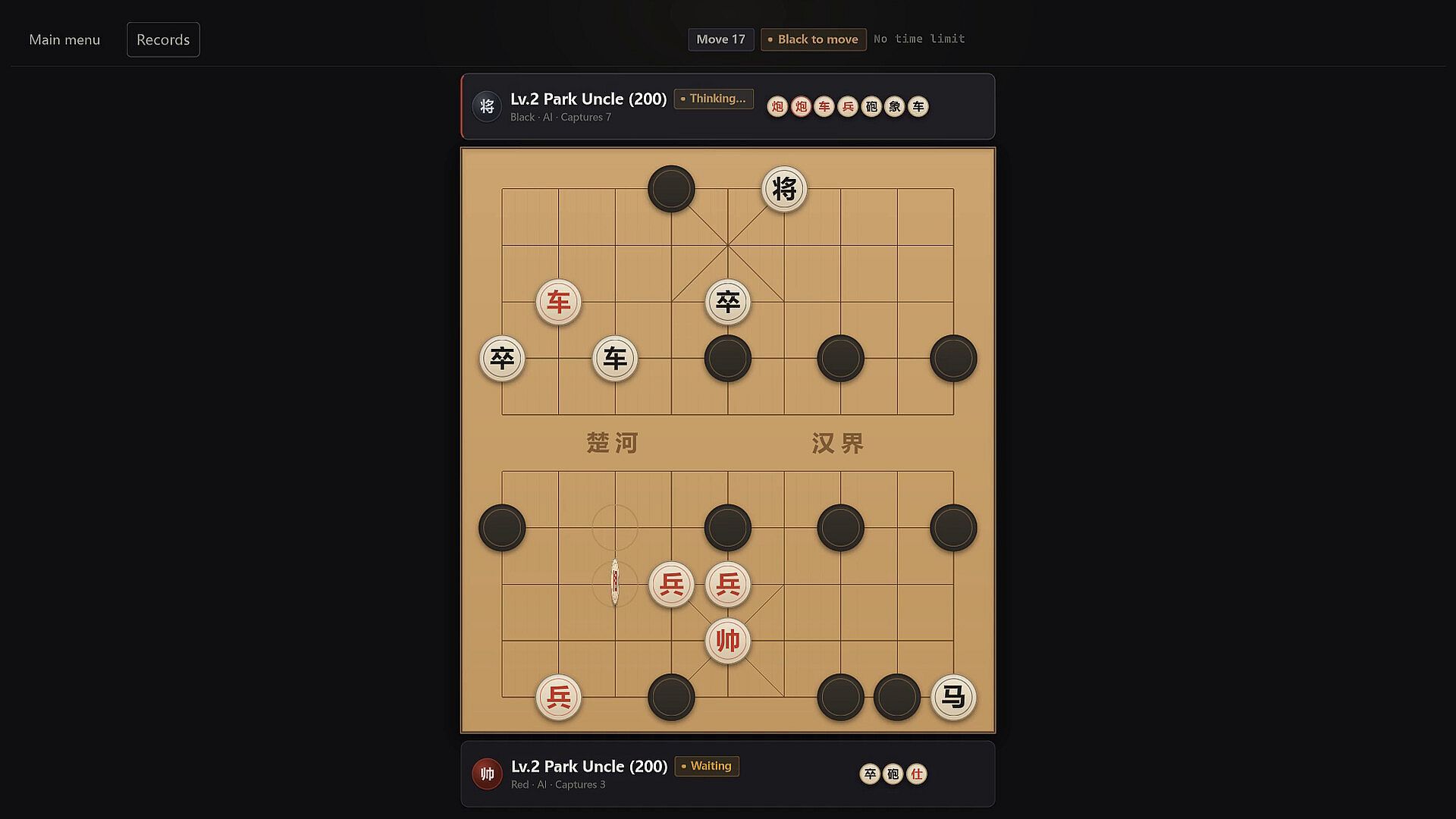
The core loop centers on hidden identities. A face-down piece occupies a square and therefore moves according to the piece type that normally begins there. A chariot square grants chariot movement until the piece flips. Revealing happens through movement or capture, at which point the true identity and ownership become known to both players. An opponent piece uncovered inside your lines immediately joins their side and can attack from within your formation.
Generals stay face up at all times and serve as the sole reliable anchors. All other pieces carry uncertainty until interaction occurs. Captures can backfire when a supposed enemy turns out to belong to you, or a minor sacrifice can expose a powerful opponent unit already embedded in your position. Movement rules follow standard xiangqi once a piece reveals itself, preserving the original game structure while adding layers of bluff and misdirection.
Game Modes
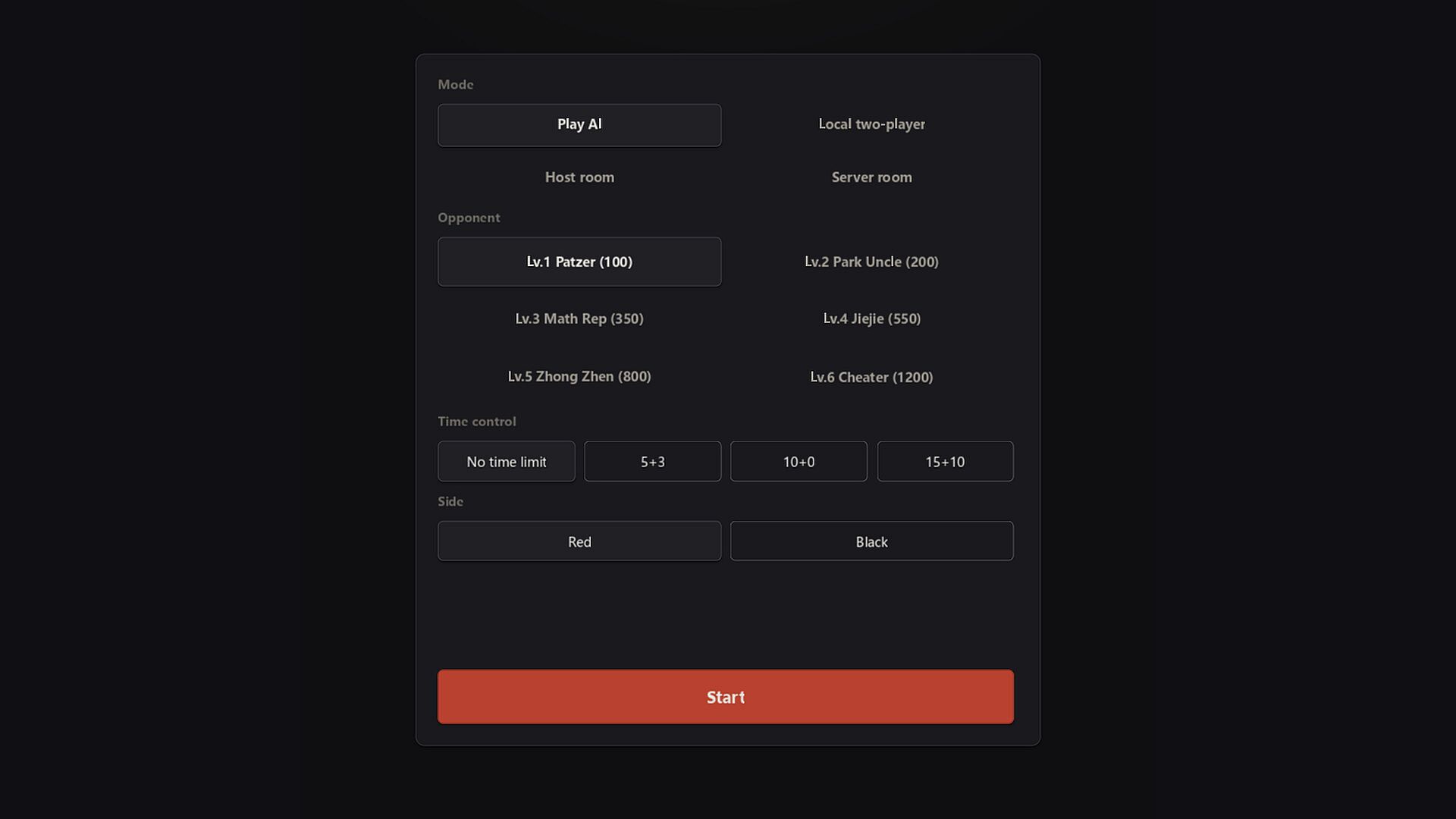
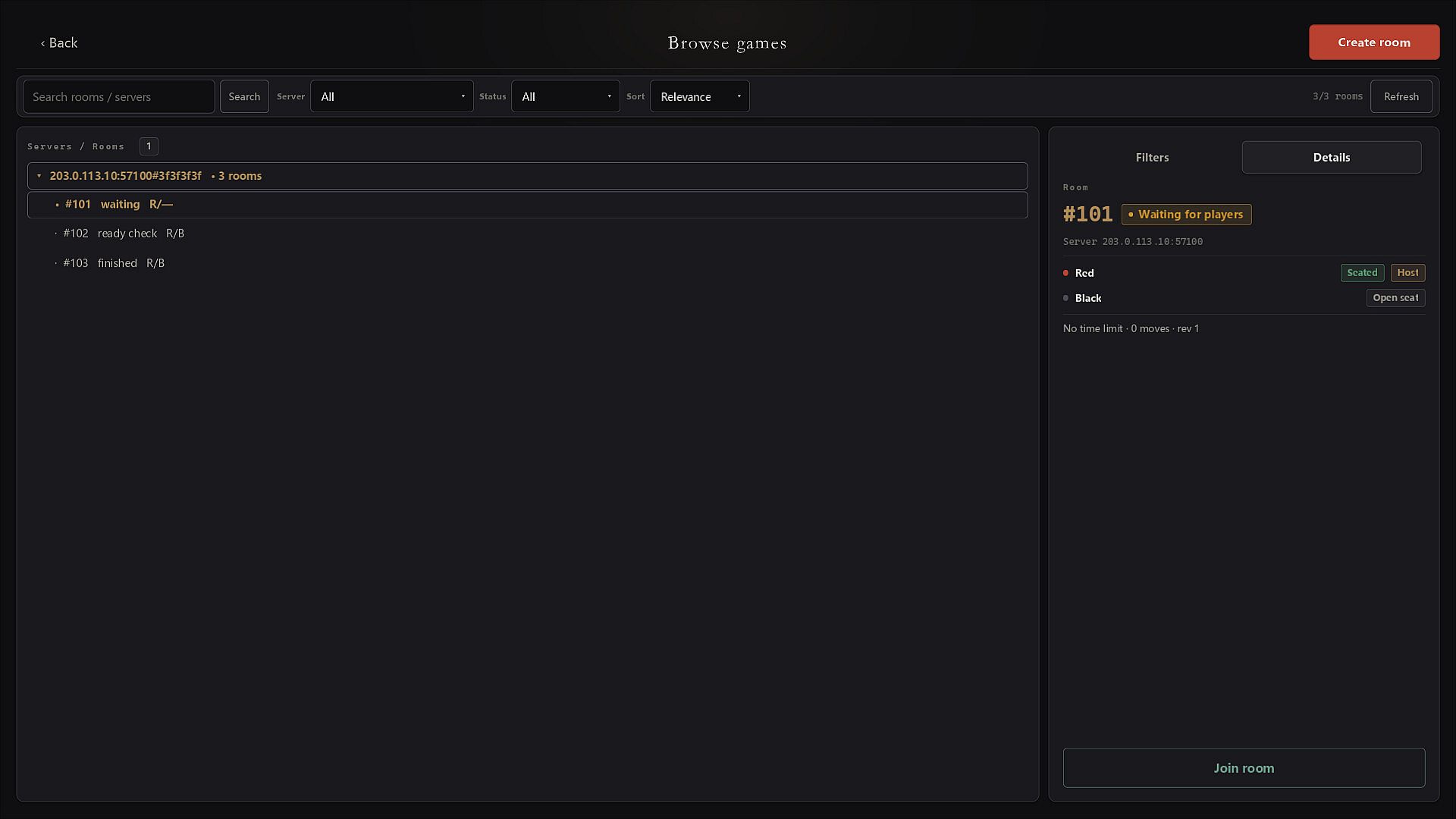
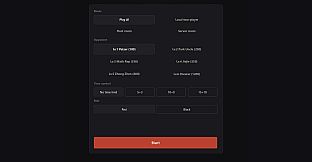
Several options support different play styles. Six AI personalities range from beginner level to advanced calculation, each presenting distinct decision patterns. Online 1v1 allows creation of private rooms or joining community servers for rated matches that feed into an Elo system and global leaderboard. Local pass-and-play supports two players sharing one screen and one copy of the game.
An optional command-line interface lets external programs connect for AI versus AI observation or custom agent testing, though this feature remains separate from standard play. All modes share the same hidden-piece rules and xiangqi movement foundation.
Features and Accessibility
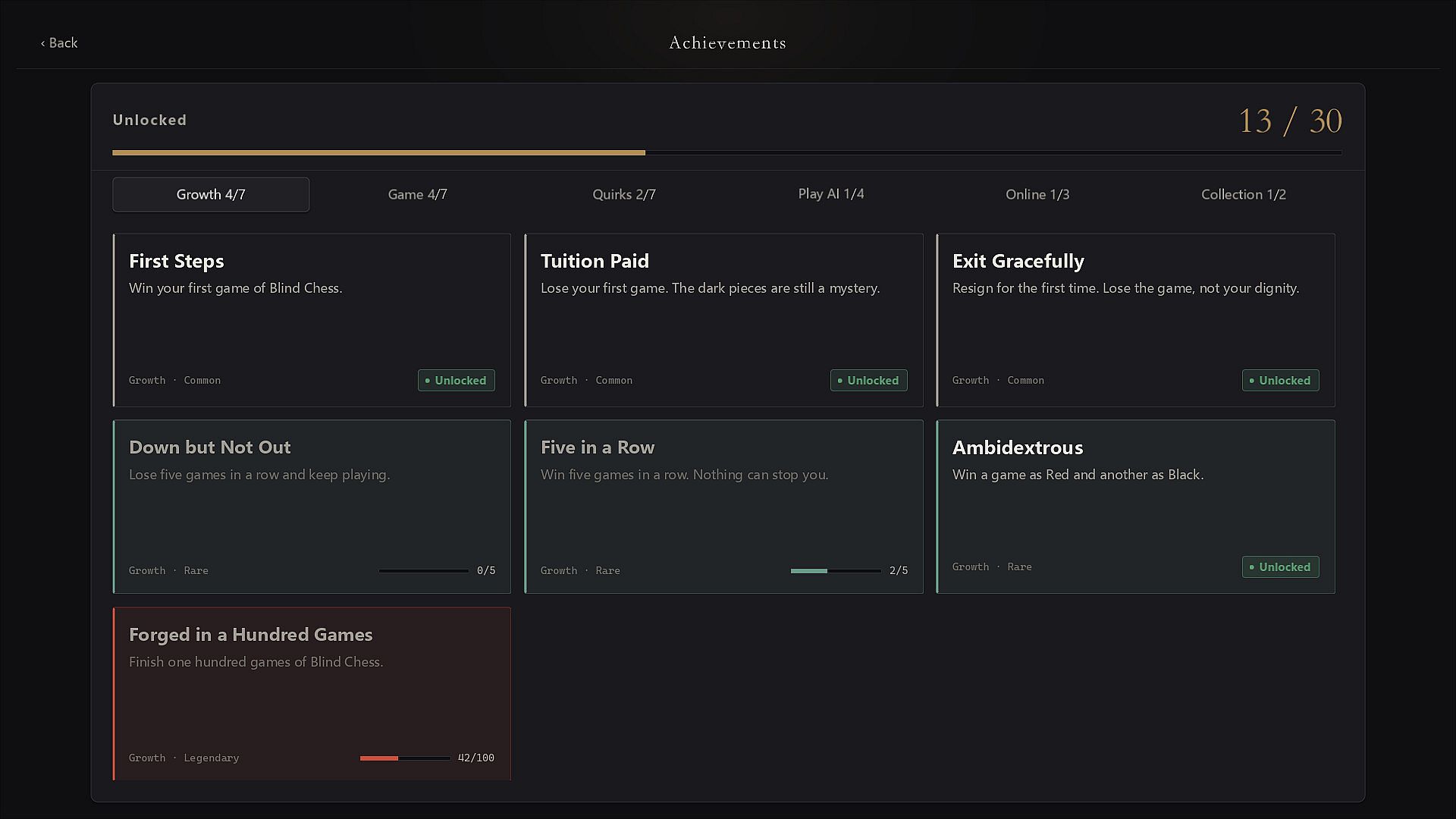
The game includes thirty achievements distributed across six categories with varying rarity. The full interface supports twenty-nine languages. A single purchase grants access to every mode, AI personality, and achievement without additional costs or advertisements.
Progression relies on the Elo rating system for competitive play, encouraging repeated matches to climb rankings. The design emphasizes pure mind games with no random elements beyond the initial shuffle.
Is It Worth Playing?
Blind Chess suits players who enjoy xiangqi or strategy titles built on imperfect information. The hidden-piece mechanic creates constant tension because every capture or advance carries the possibility of handing strength to the opponent. Those who prefer complete board knowledge or traditional open-information games may find the uncertainty frustrating rather than engaging.
The variety of AI opponents and the combination of online and local modes provide flexible ways to engage. With all content included upfront and no ongoing monetization, the experience remains focused on the core ruleset. Players seeking a fresh twist on xiangqi without added complexity beyond the hidden layer will find the systems consistent and the mind-game emphasis intact.