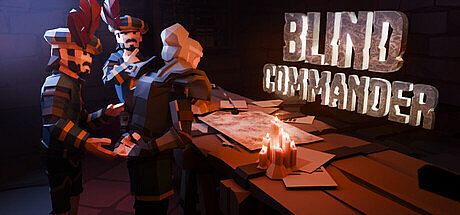


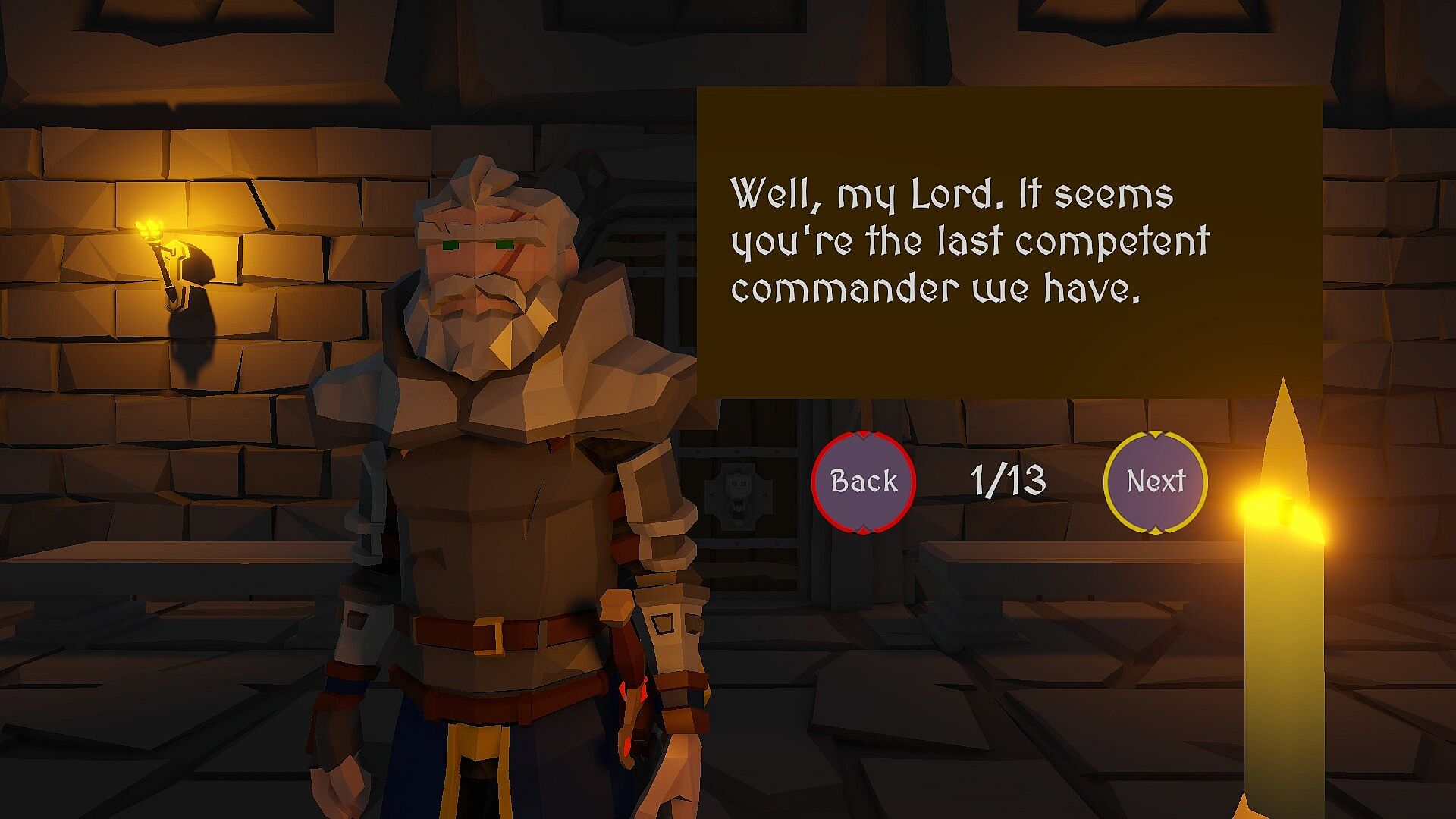
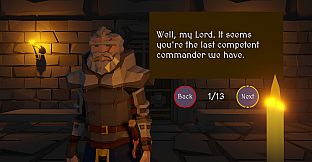
Blind Commander is a strategy indie game developed for PC that challenges players to lead a small castle's forces toward victory despite operating with almost no direct view of the battlefield. The long chain of command has broken down after top officers fell in duty, leaving the player as the last viable candidate for the role. Success depends entirely on careful planning and indirect communication rather than clear oversight of enemy positions or terrain.
Gameplay
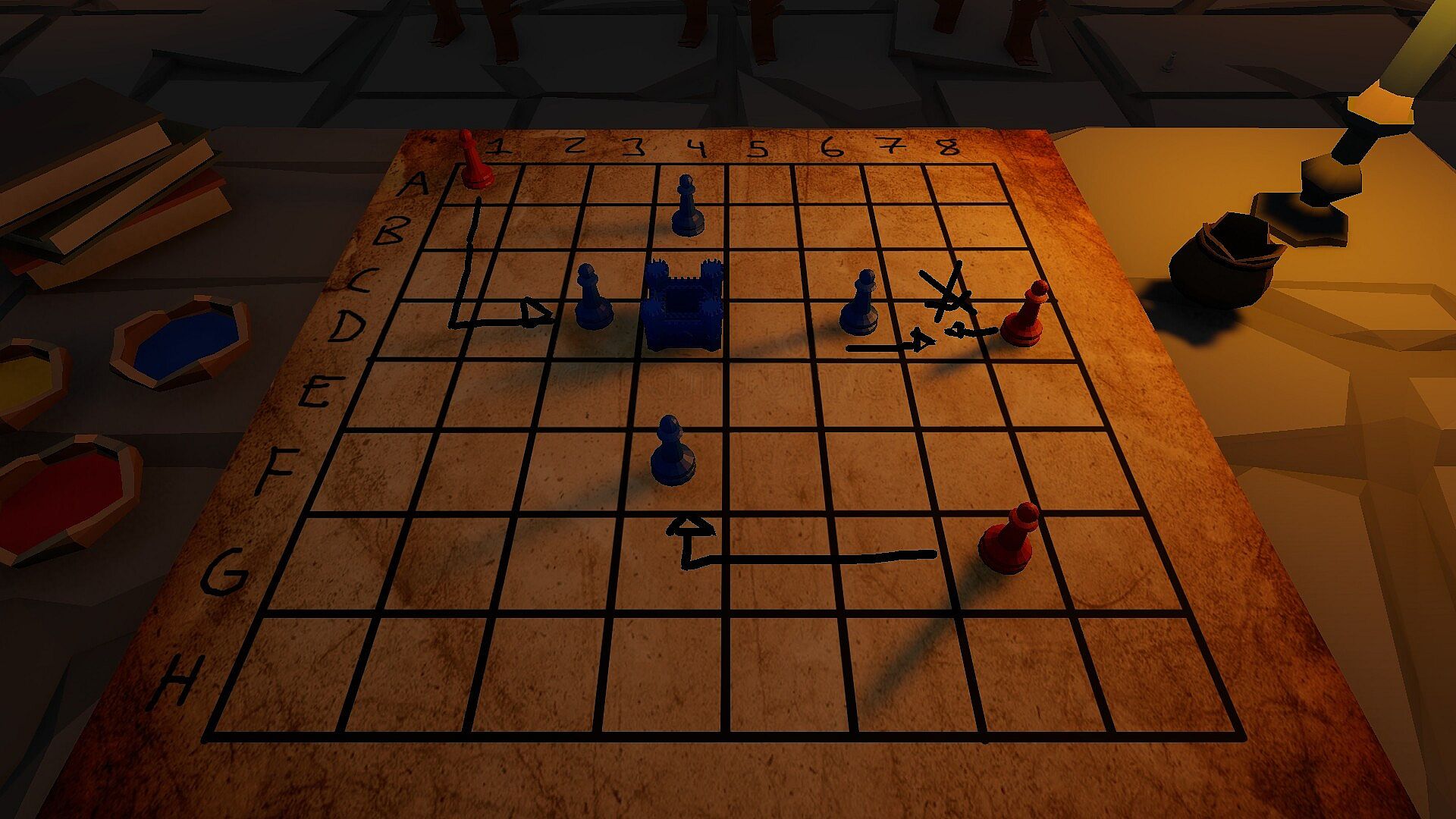
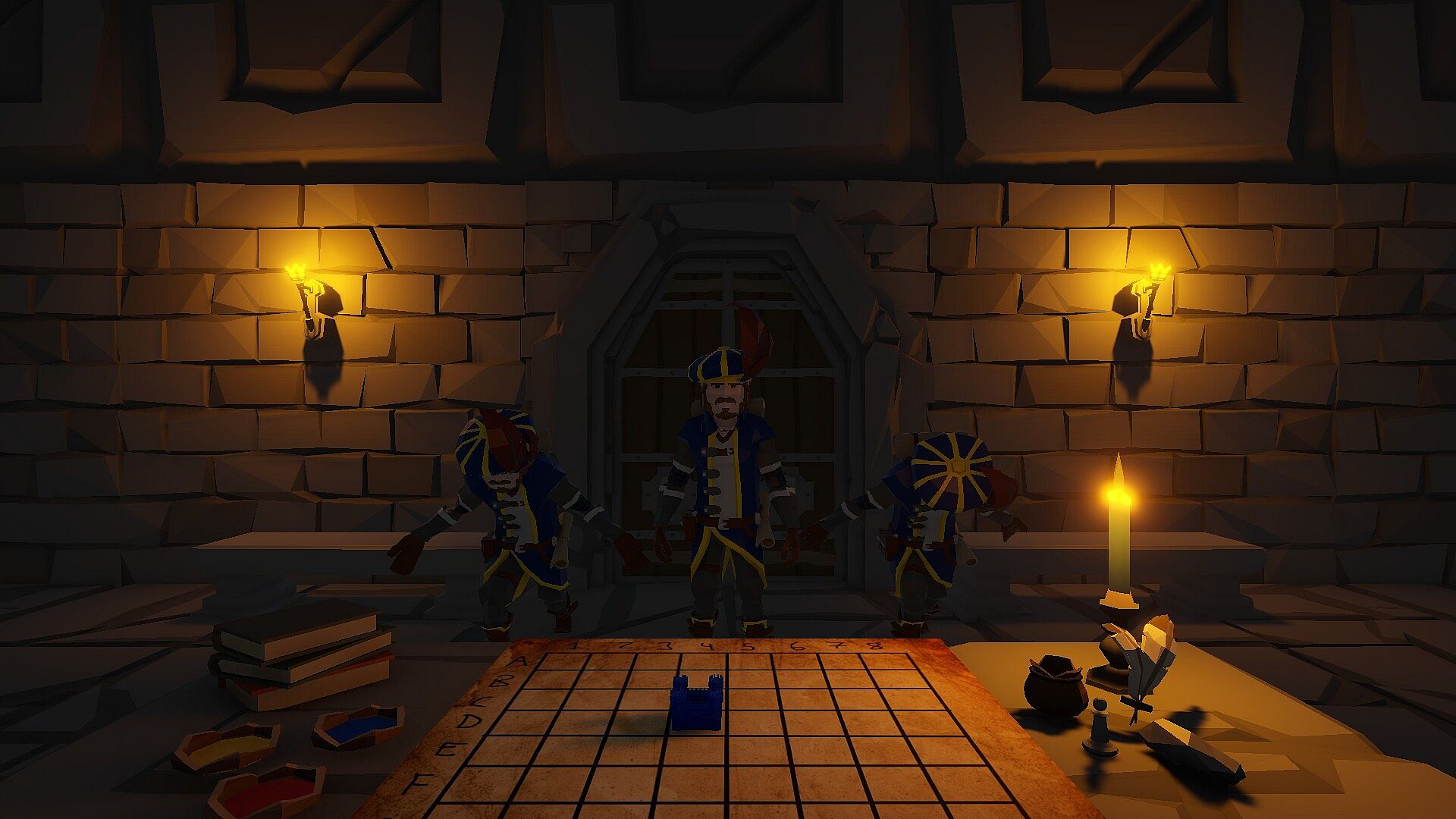
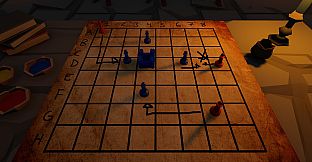
Most strategy titles provide a full overview of units and the map, but Blind Commander removes that advantage. Players receive only a basic map and game pieces to represent forces and movements. This setup forces reliance on deduction and anticipation instead of visual confirmation. The first-person perspective reinforces the table-top theme, placing the commander at a desk with physical tools rather than hovering above the action.
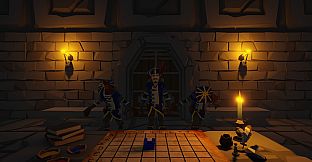
Orders reach the troops exclusively through royal messengers who travel between the command post and the field. These couriers handle requests for zone reports, unit deployments from the barracks, or execution of specific maneuvers such as cavalry charges. Every decision carries risk because feedback arrives delayed and incomplete, mirroring the uncertainty of real command under fog of war conditions.
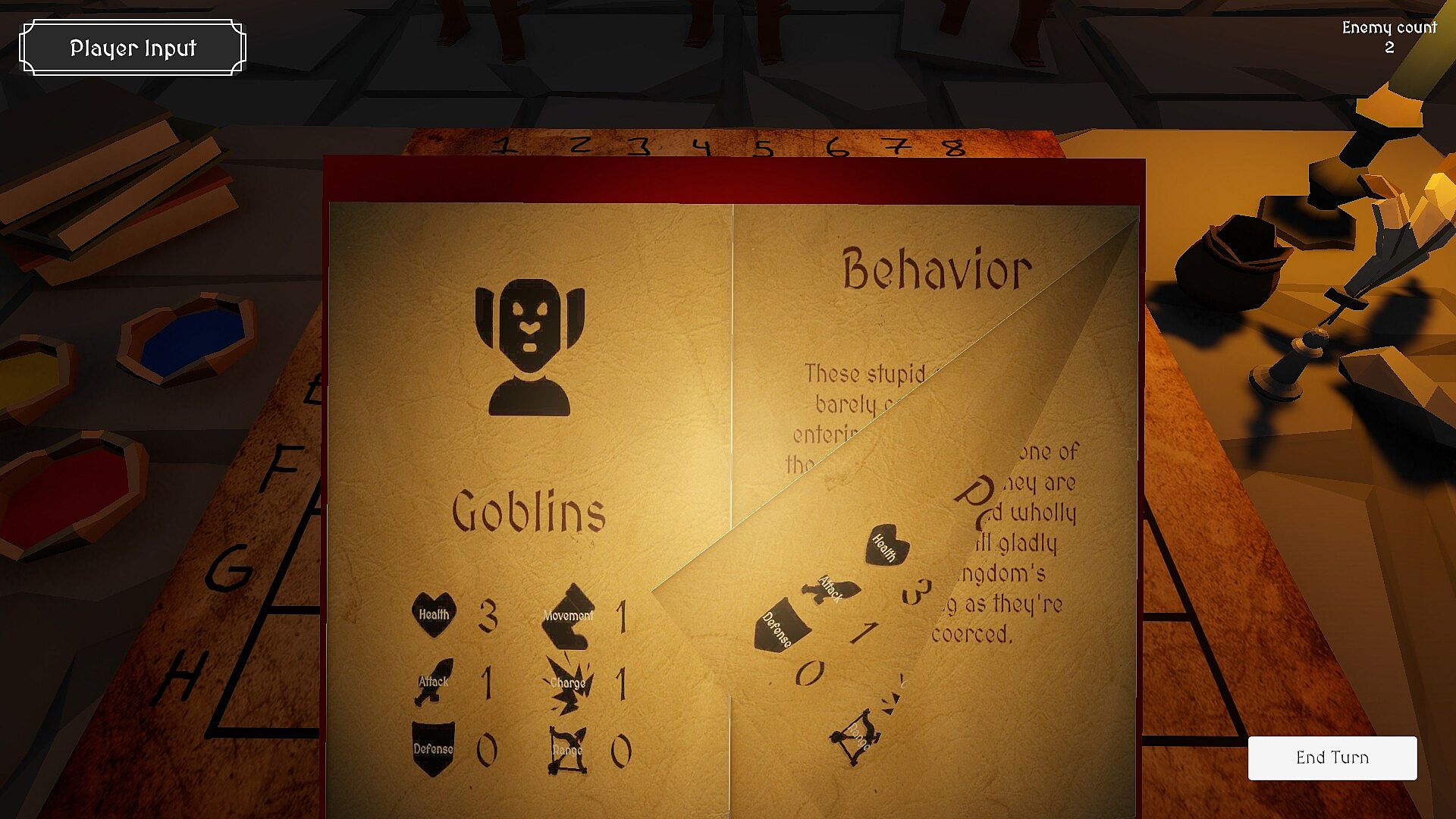
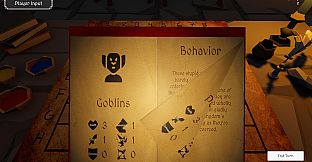
Additional layers come from the kingdom's compendium, which players consult for historical tactics and unit details. Combined with the ability to mark the map and position pieces to simulate possible enemy actions, these elements create a loop centered on preparation and hypothesis testing before committing resources.
Game Modes
The core experience focuses on singleplayer scenarios that test strategic thinking in isolated engagements. Each session emphasizes building and refining plans with restricted battlefield data, encouraging repeated attempts to improve outcomes through better use of available tools. No large-scale campaigns or competitive ladders appear in the design, keeping attention on individual tactical depth.
Players progress by mastering the messenger system and map-based prediction methods across different defensive or offensive situations. The absence of full information means every playthrough rewards careful observation of messenger reports and creative interpretation of limited intelligence.
Strategic Tools
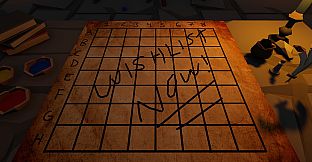
Several aids support deeper play without granting complete visibility. Scribbling notes directly on the map allows tracking of suspected enemy routes or friendly unit paths. Game pieces serve as physical markers for forecasting opponent decisions, turning the table into an active planning surface. The compendium provides reference material on kingdom forces and past battles to inform choices about unit composition and timing.
These tools integrate into the first-person view, requiring players to shift attention between the map, messengers, and reference texts. Effective use separates successful defenses from defeats, as raw unit strength matters less than accurate anticipation of threats.
Is It Worth Playing?
Blind Commander suits players who enjoy deliberate, information-scarce strategy over fast-paced action or complete battlefield awareness. The messenger relay and prediction mechanics deliver a distinctive loop that rewards patience and logical deduction. Those seeking traditional real-time strategy with full maps or multiplayer skirmishes will find the limited perspective restrictive rather than engaging.
The indie presentation and focused singleplayer structure keep sessions concise yet replayable through improved planning. Availability on PC makes it accessible for anyone interested in experimenting with command under uncertainty, provided they accept the core constraint of operating blind to most battlefield events.