




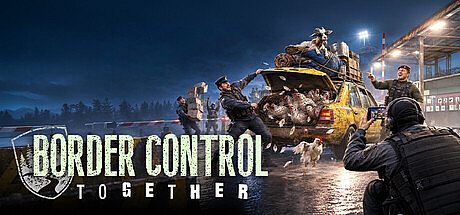


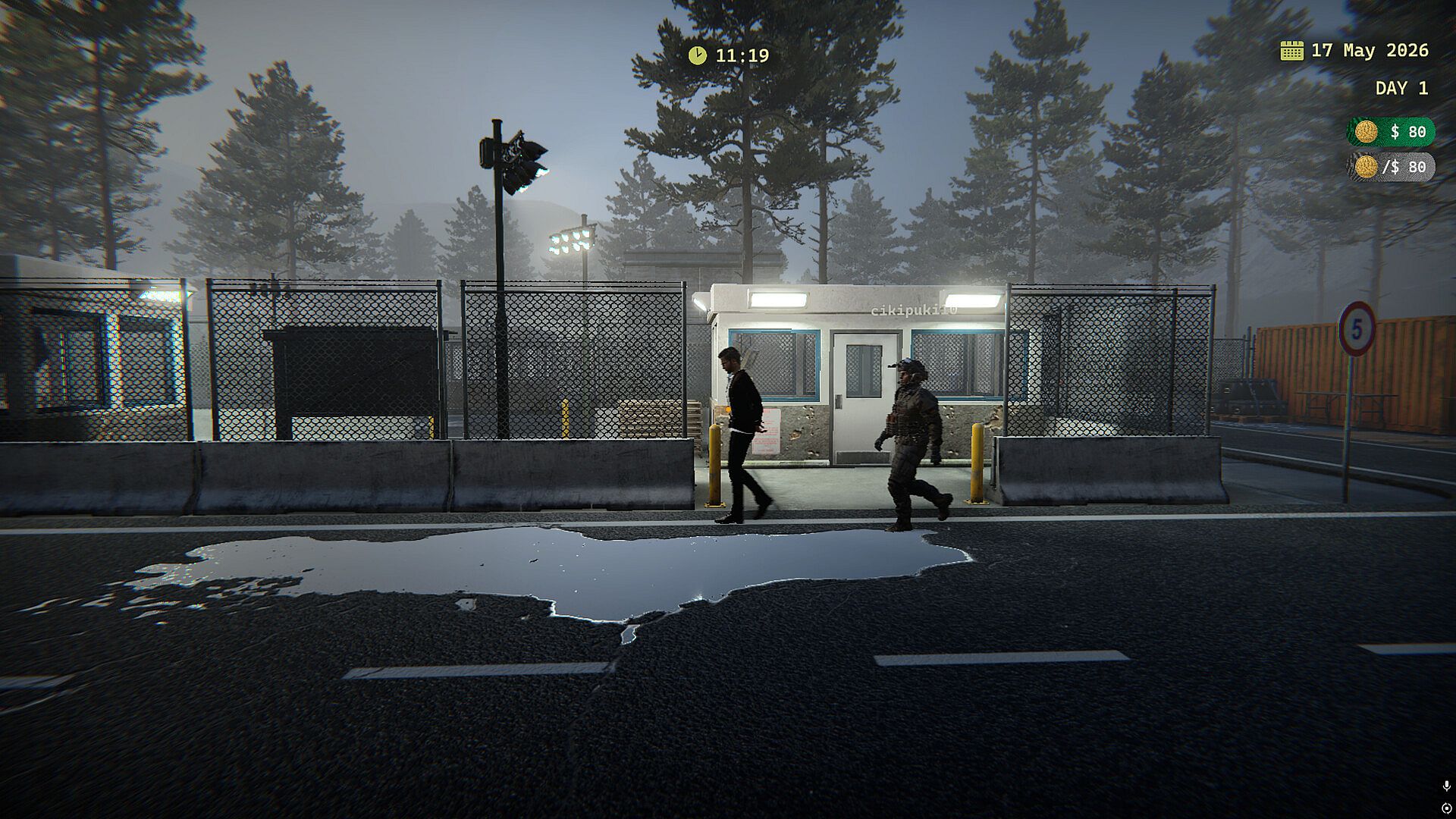
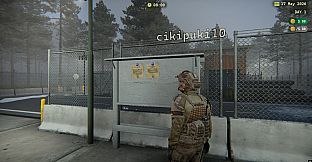
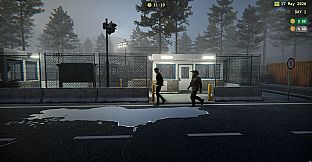

Border Control Together is a first-person border checkpoint simulator set in a harsh authoritarian state. Players take on the role of officers managing daily operations at a checkpoint, handling document verification, vehicle inspections, and contraband searches while balancing official duties against opportunities for personal gain.
Gameplay
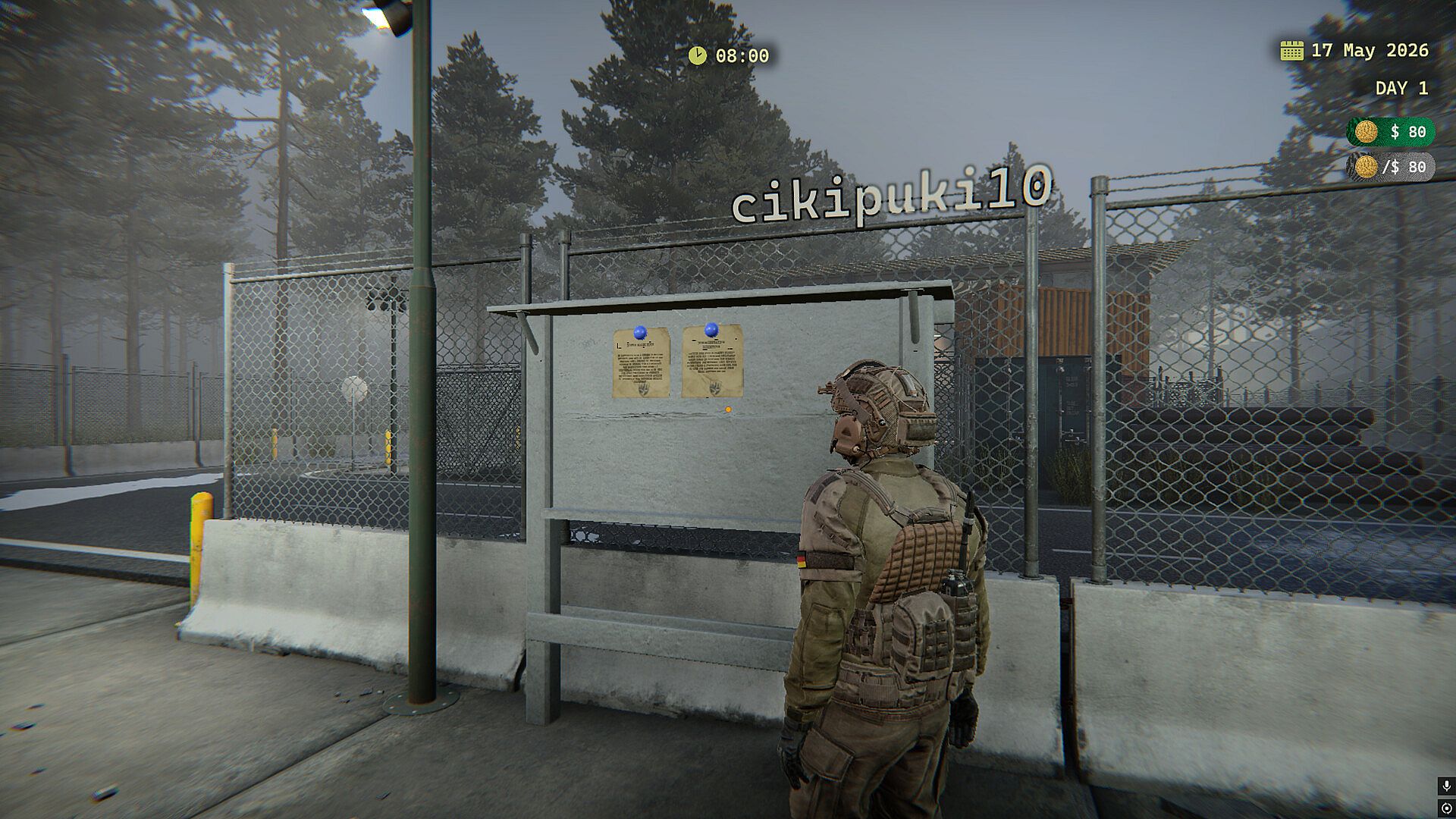
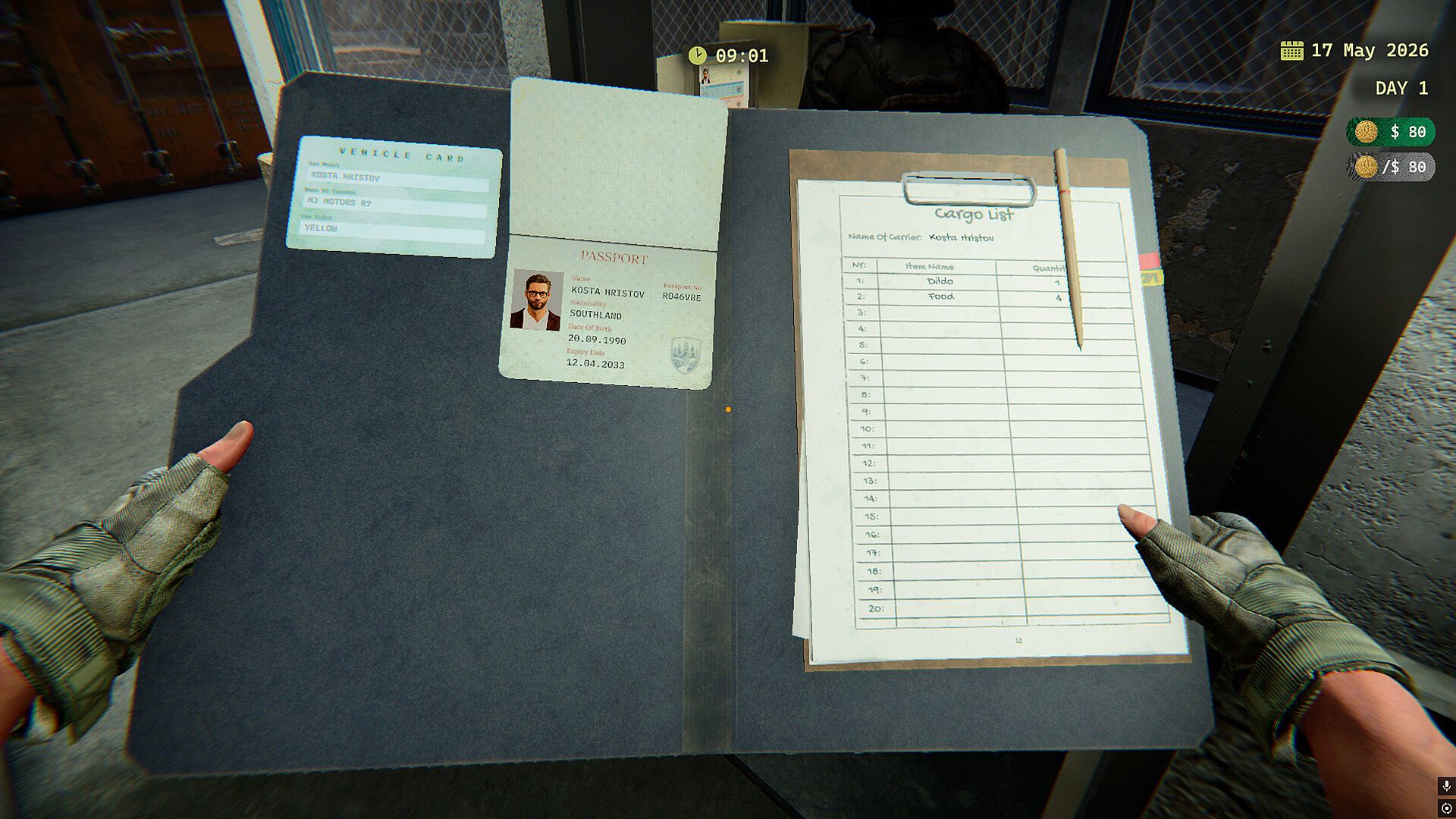
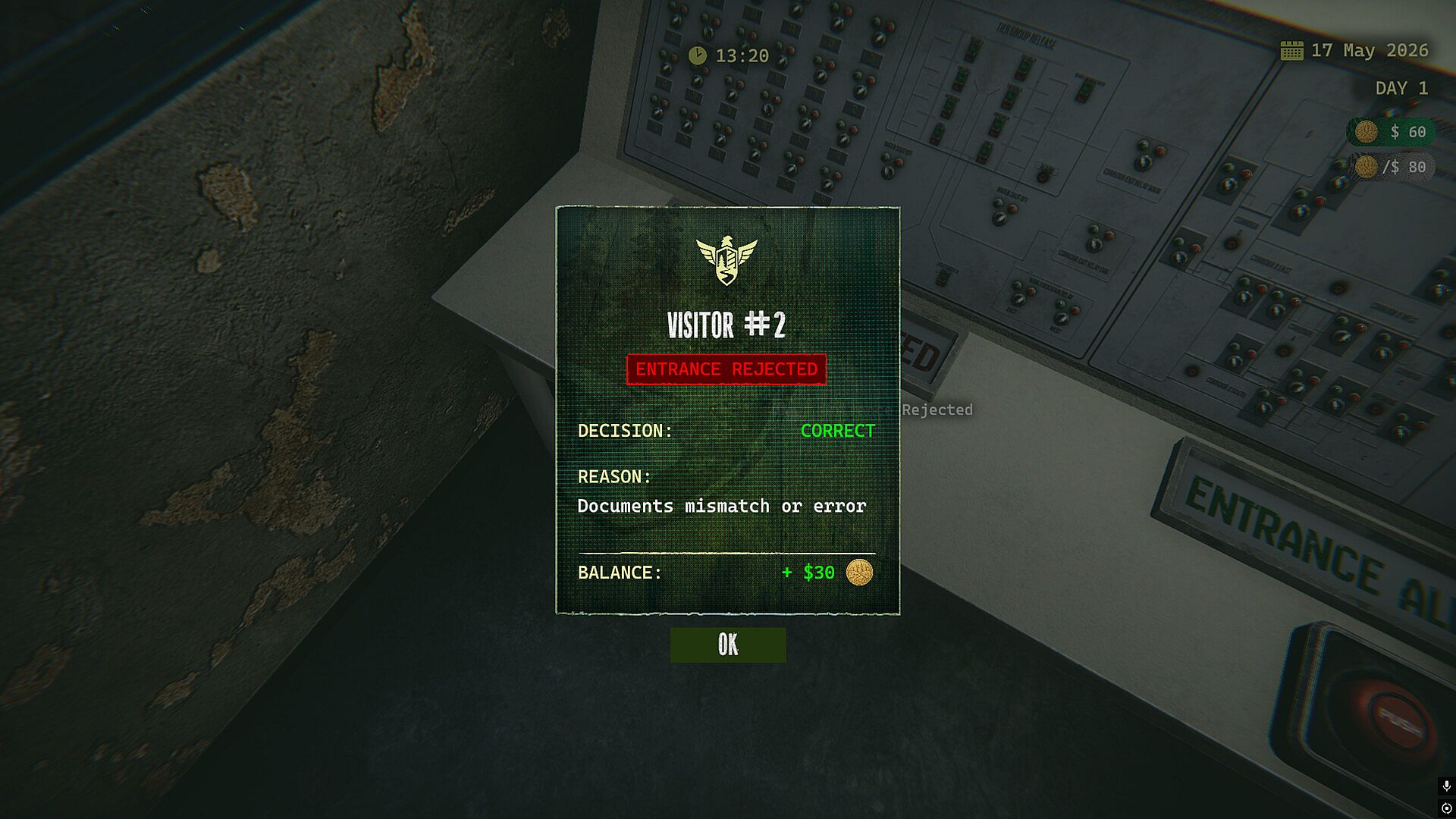
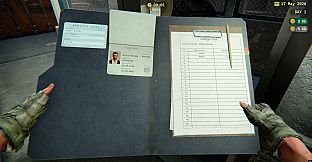
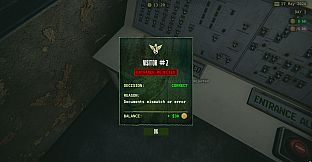
The core loop centers on processing vehicles and travelers during shifts that introduce changing entry restrictions, regulations, and wanted notices. Officers call vehicles forward, examine passports and supporting documents, and cross-reference details against government records on a registration computer. Inspections occur at the main checkpoint or in a secondary area, with documents checked for inconsistencies that might indicate forgery or prohibited status.
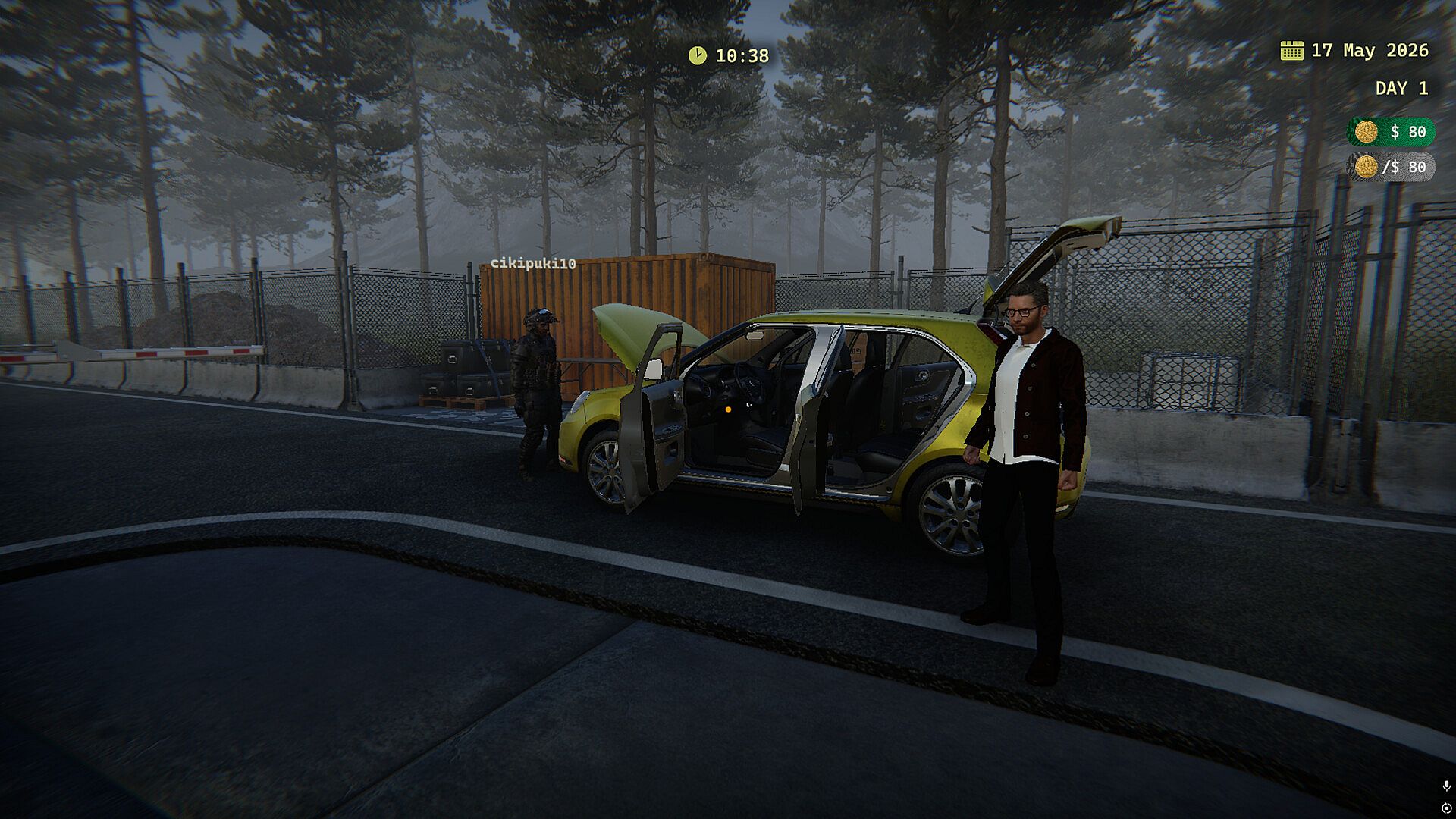
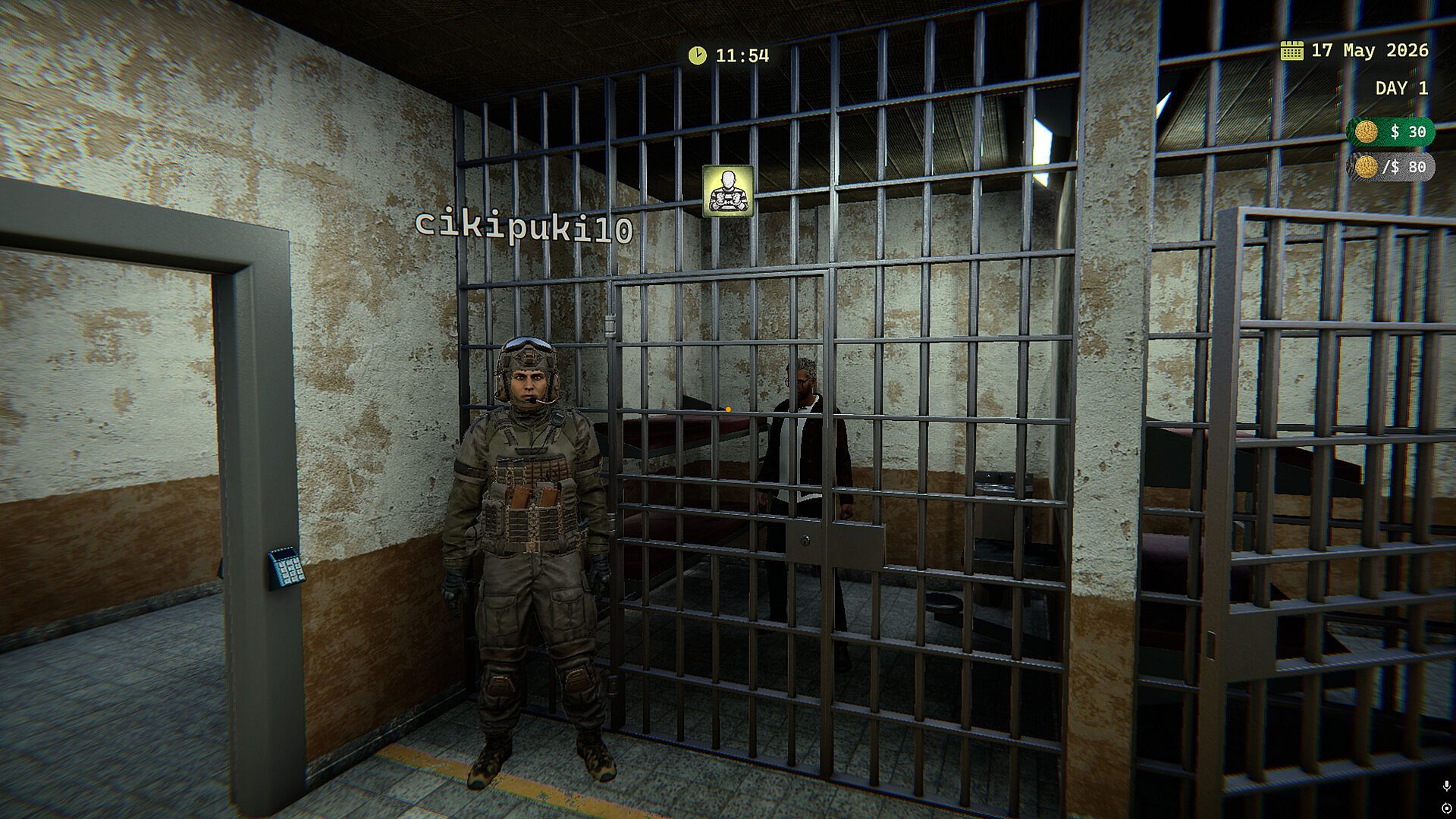
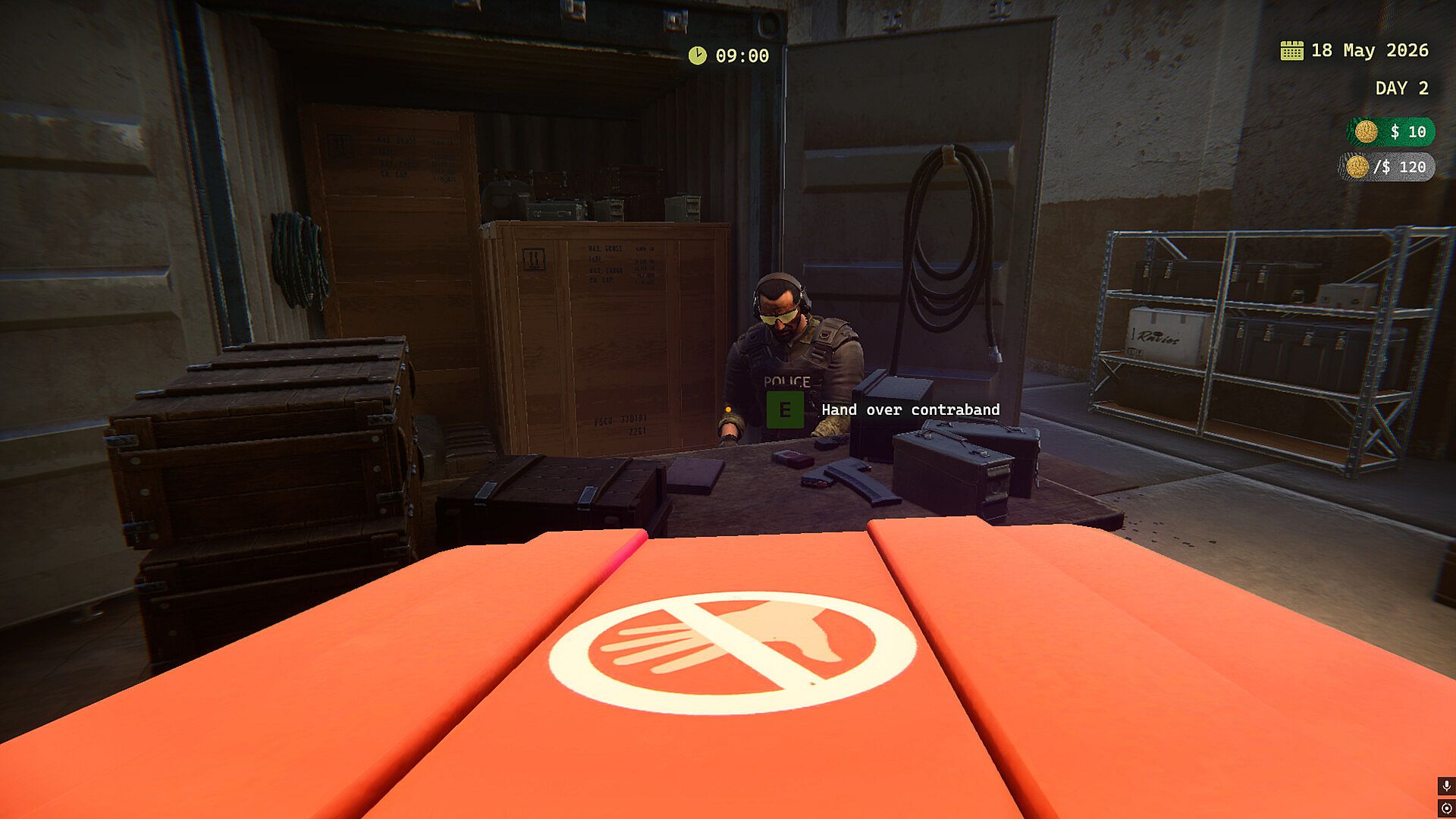
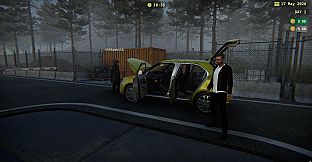
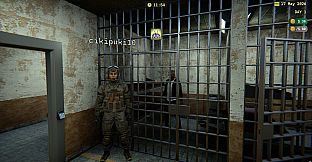
Vehicle and cargo searches form another key element. Officers examine shipping documents, trunks, and hidden compartments for undeclared items such as drugs, cash, cigarettes, or alcohol. Wanted notices and specialized tools like UV flashlights help identify smugglers and concealed goods. Discovery of contraband leads to arrests, with suspects moved to a detention area and vehicles cleared from the checkpoint. Clean inspections result in approval for entry and the next vehicle being summoned.
Economy management adds depth through earnings from successful entries, arrests, and surrendered contraband. Officers spend these funds on upgrades that improve efficiency, such as extended-range UV lights or remote access to daily notices. Consumables like knives and flashlight charges also require purchases, while stationary equipment increases operational quotas through electricity use. Communication upgrades expand radio range to support coordination over larger areas.
Game Modes
The game supports solo play and online co-op for up to four players. In co-op sessions, officers divide tasks such as document review and database checks, requiring clear communication to complete inspections efficiently. Voice chat operates with distance-based volume that fades at longer ranges, encouraging players to stay close or invest in radio upgrades for better team coverage across the checkpoint.
Shifts progress through evolving restrictions that force adaptation in real time. Both modes emphasize the same inspection and search mechanics, though co-op introduces coordination challenges that alter pacing and decision flow compared to solo runs.
Checkpoint Upgrades and Economy
Progression revolves around earnings spent on equipment and facility improvements. Individual tools like UV flashlights receive range boosts, while team-wide purchases such as stationary UV lights reveal marked contraband without handheld devices. These permanent additions raise the checkpoint quota due to power demands. Remote access terminals allow officers to view restrictions and notices without returning to a central board, streamlining workflow during busy periods.
Financial decisions involve trade-offs between legal rewards for confiscated goods and higher-value bribes from smugglers. Accepting bribes risks detection and fines that exceed the illicit gains. Players track overall performance to avoid scrutiny from higher authorities while keeping the checkpoint operational through balanced spending on efficiency tools and necessary consumables.
Is It Worth Playing?
Border Control Together suits players interested in simulation experiences focused on procedural inspection tasks, moral choices, and cooperative coordination. The emphasis on document comparison, vehicle searches, and economic management creates a deliberate pace suited to those who enjoy methodical gameplay rather than fast action. Co-op adds layers of teamwork through divided responsibilities and distance-affected communication, appealing to groups seeking shared problem-solving.
As an Early Access title, the game continues to receive development attention that may expand available systems over time. Those drawn to indie simulation titles with multiplayer elements will find the checkpoint operations and upgrade loops provide consistent engagement through repeated shifts and decision points.











