







Bossa Burger is an indie simulation game that blends burger assembly with rhythmic music creation on PC. Players build burgers in a roguelite structure where each ingredient contributes to an evolving soundtrack, creating a distinctive loop of timing, recipe knowledge, and customer service.
Gameplay
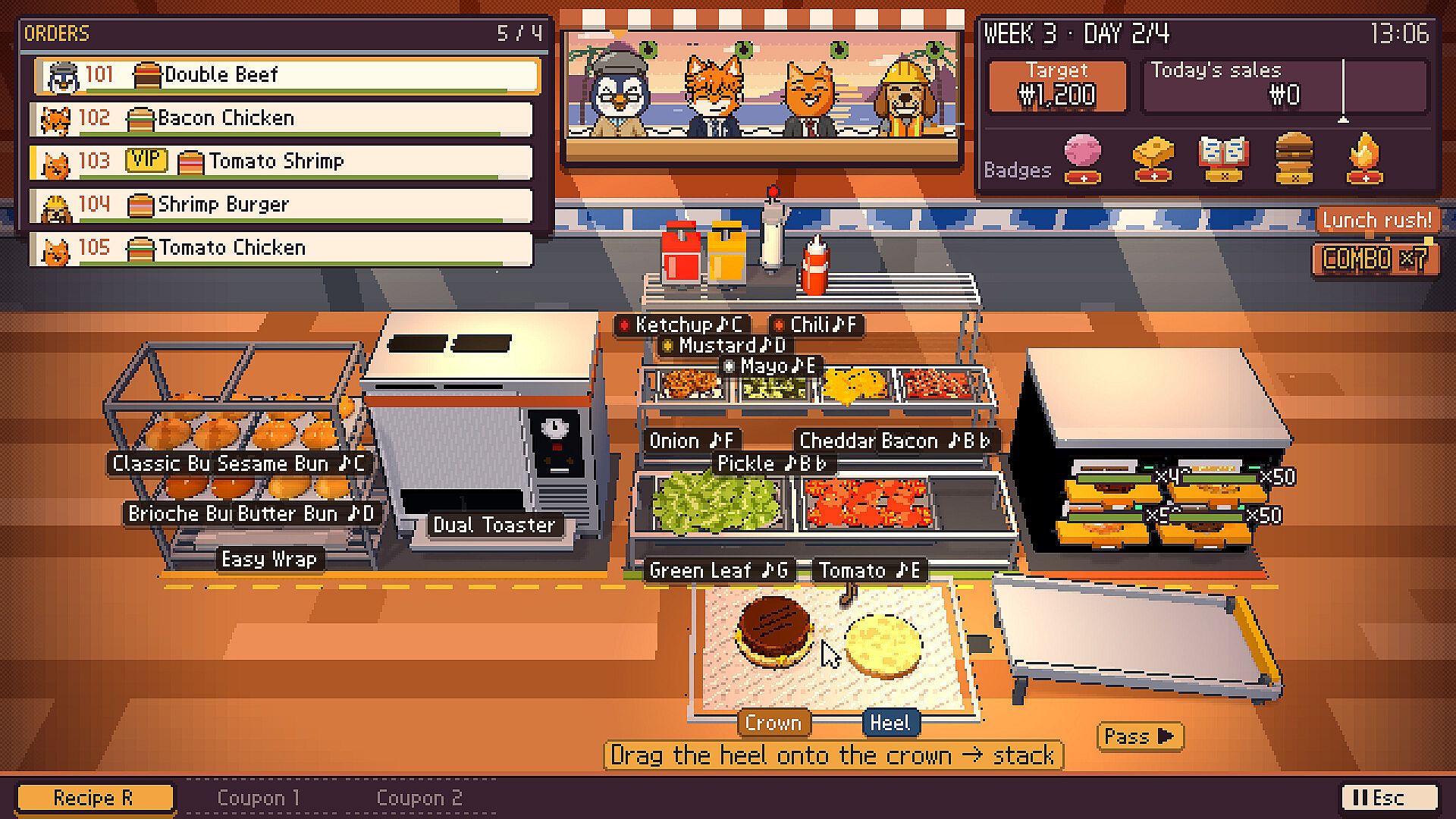
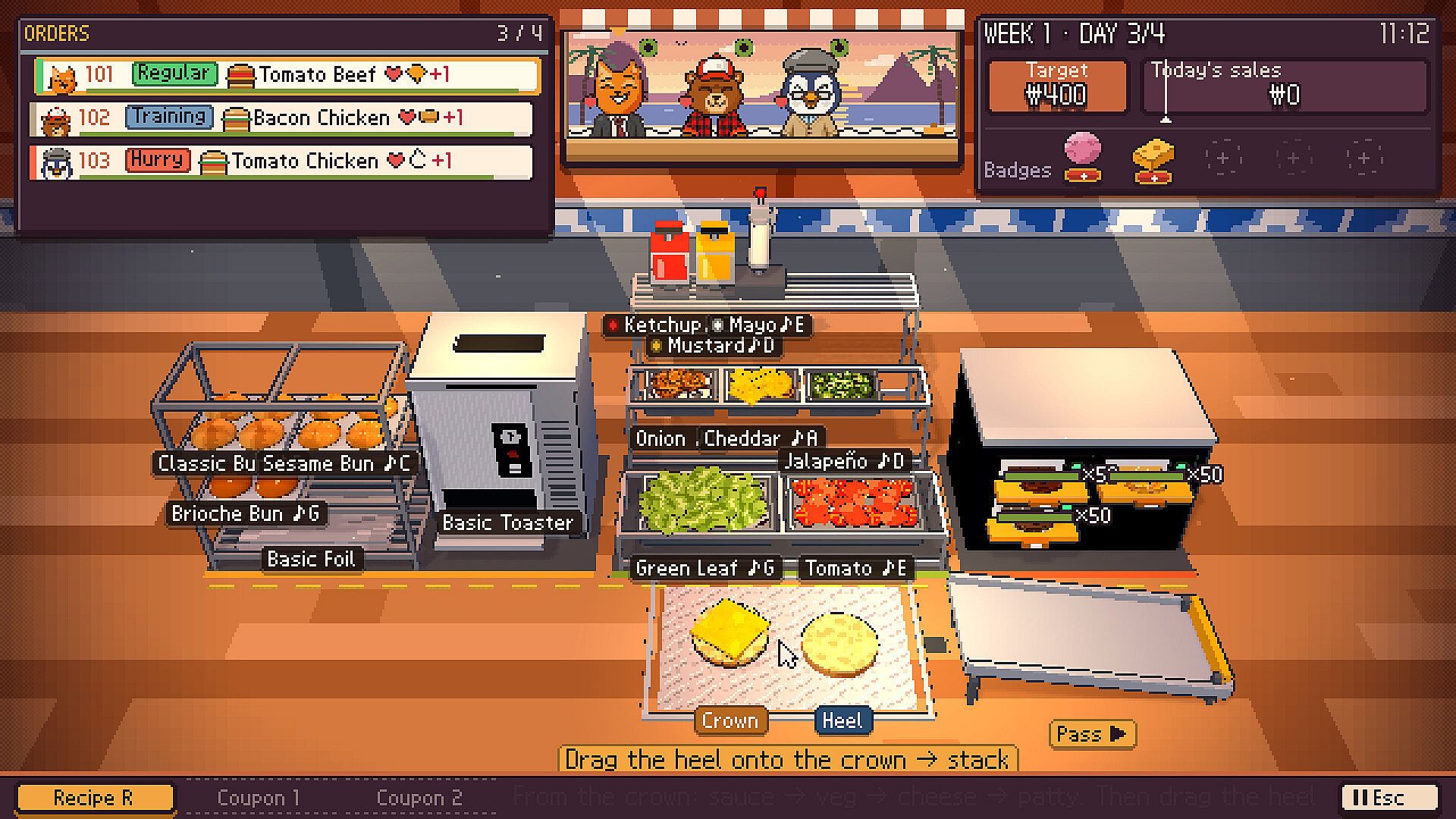
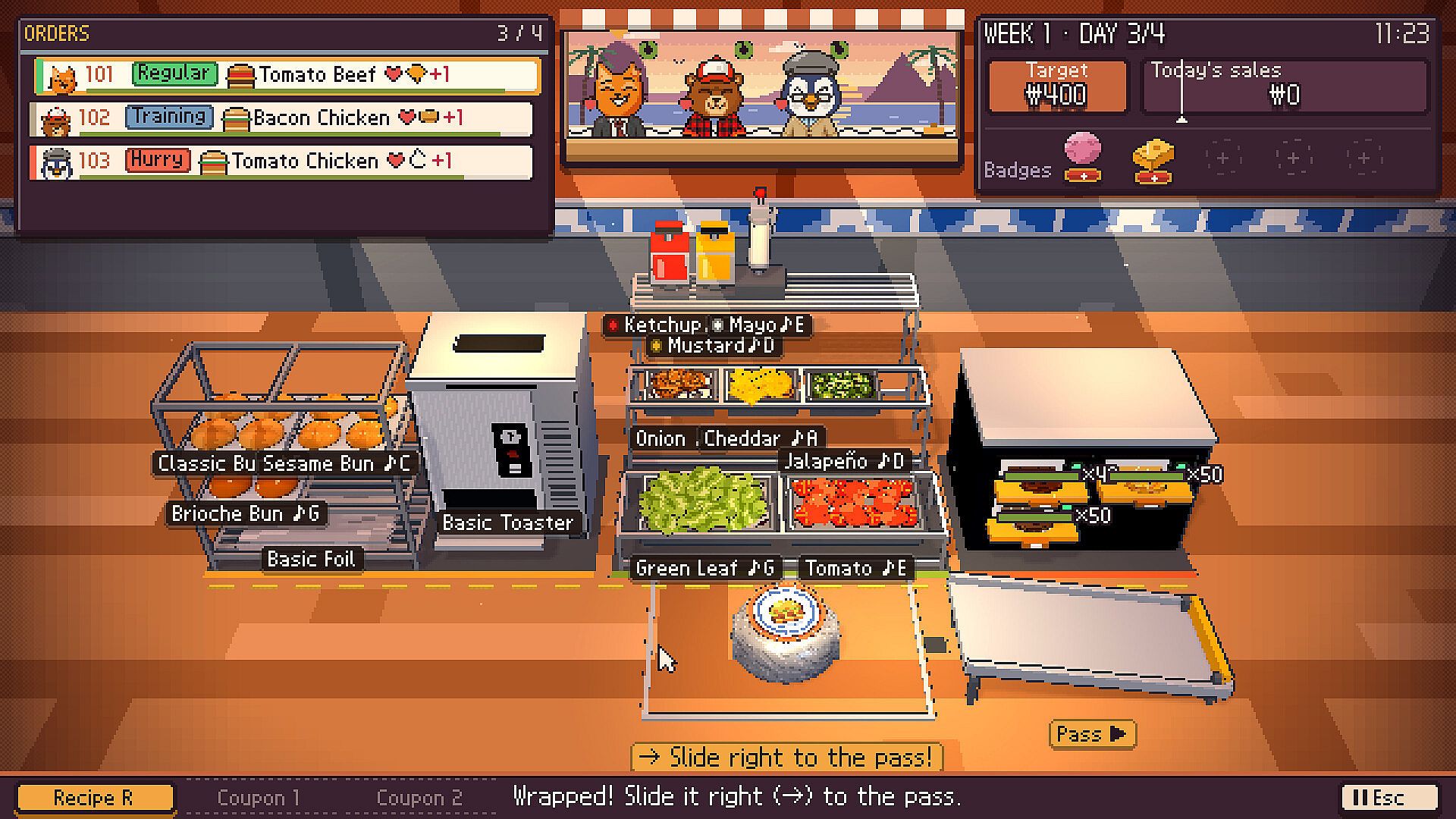
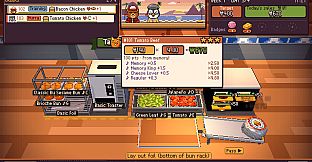
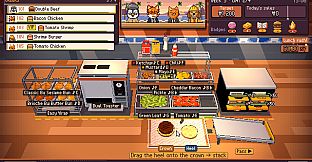
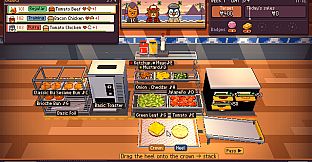
The core loop centers on constructing burgers while syncing ingredients to a musical theme. Dropping a bun introduces the bass line, a patty adds guitar comping, cheese brings vibraphone, and vegetables or sauces layer in melody notes. Landing each addition on the beat triggers a visual and audio cue. Four bun types correspond to specific chords that form the progression on the menu board. Serving a completed burger plays it back as an arpeggio from top to bottom.
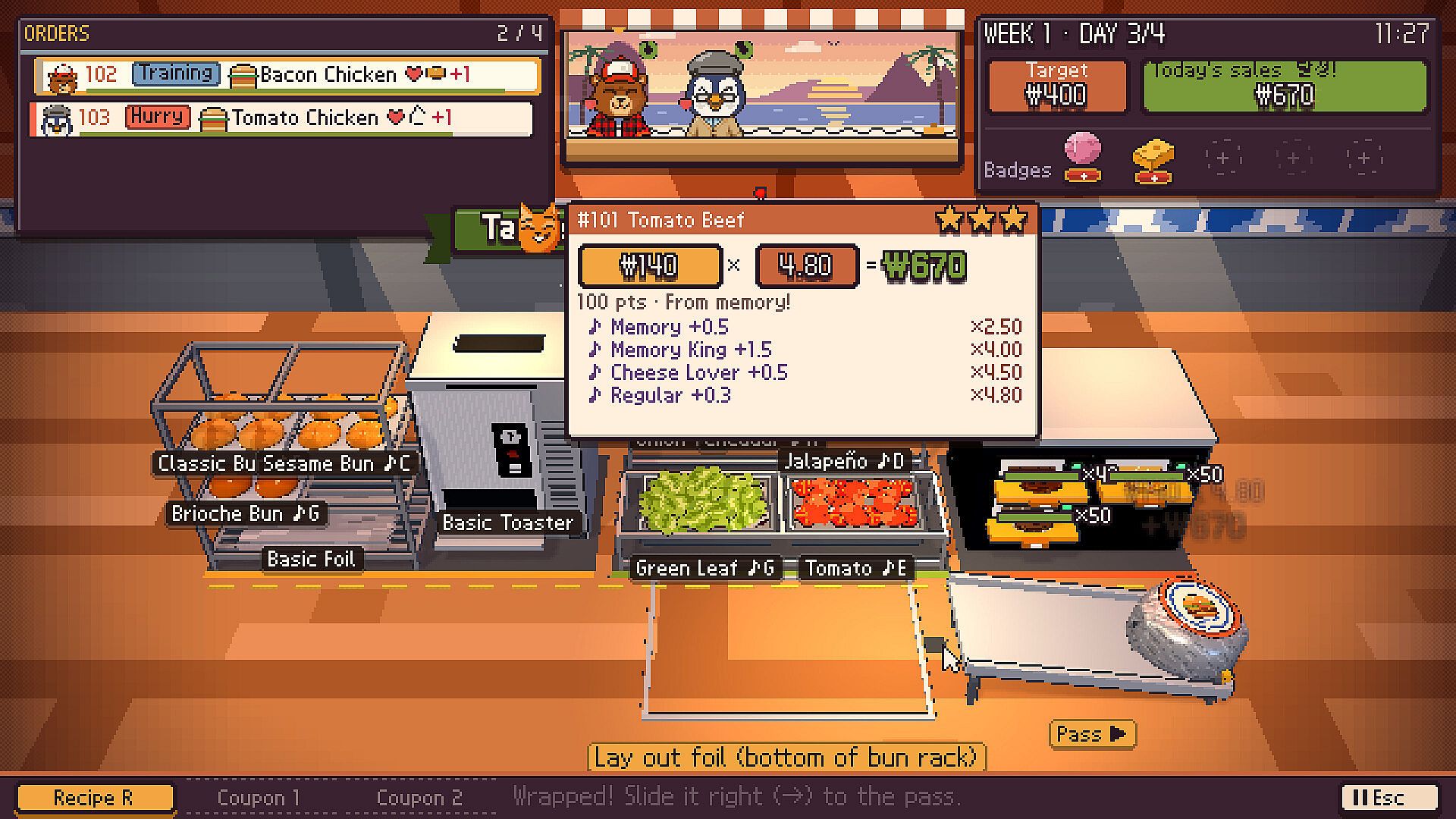
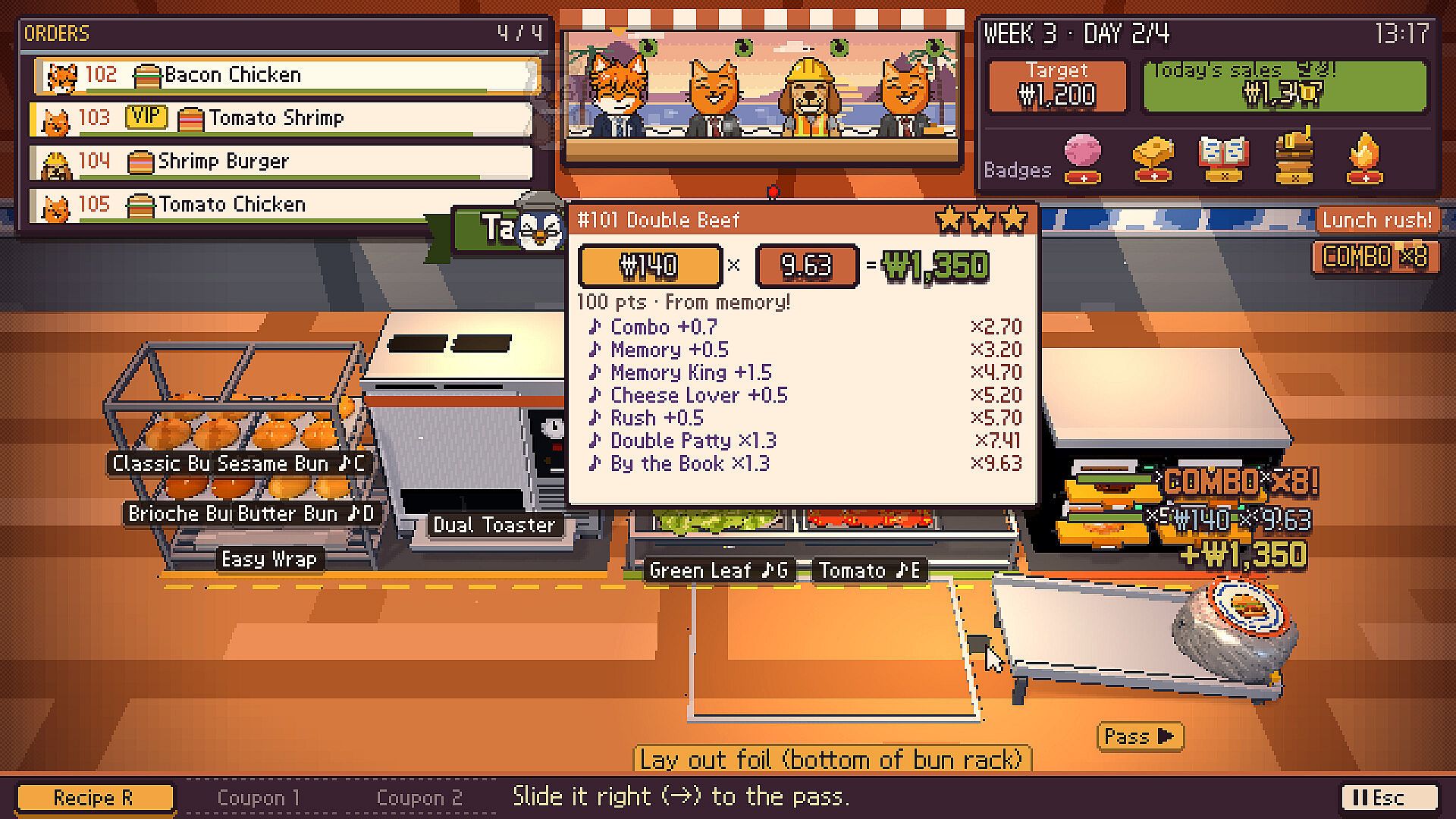
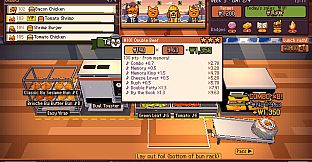
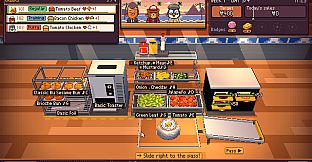
Mistakes produce sour notes or clashes that players can hear immediately. Additional elements like order bells, foil crinkling, and coins are tuned to the current chord for consistent audio feedback. Wrapping involves precise dragging and tucking of thin foil around the burger shape before sending it down the chute. Pricing multiplies based on stars, combos, memory bonuses, customer favorites, and crew badges earned during the shift.
Each shift runs for two minutes during the lunch rush from 11:00 to 14:00. Up to eight customers arrive with favorite ingredients that grant bonuses when added correctly. Regulars, hurried patrons, picky eaters, and VIPs appear alongside special requests such as no pickles or extra cheese. Preparation includes toasting buns, pre-cooking patties in a holding cabinet without letting them stale, and controlled dispensing of items like lettuce or sauce. Rush orders provide a multiplier boost, and chaining successful burgers builds combos.
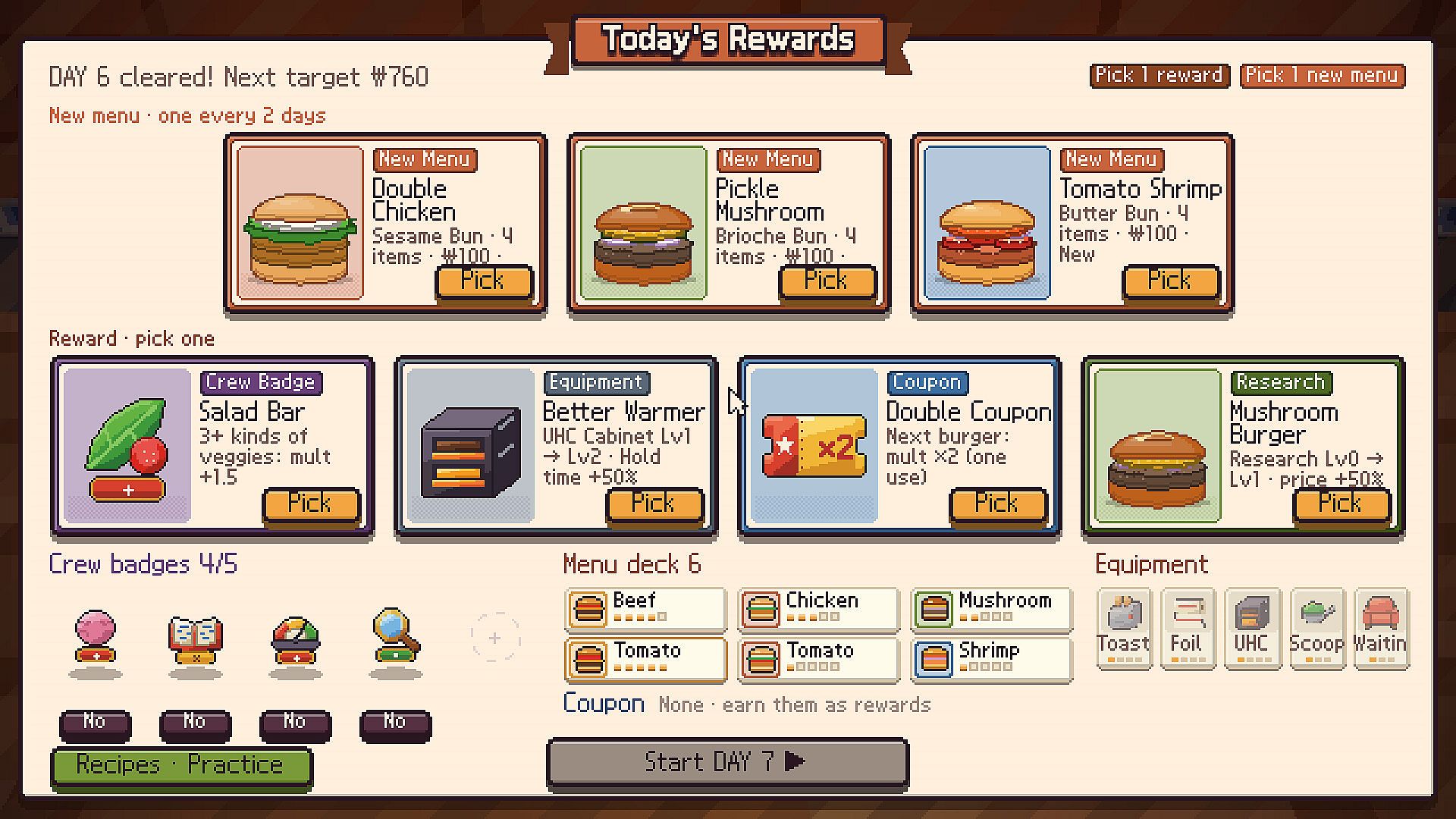
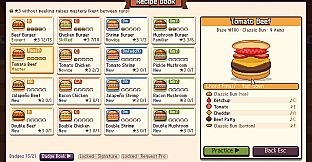
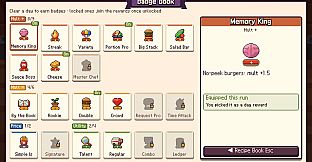
Recipe mastery grows through repeated perfect orders without peeking at the card. The kitchen expands alongside the menu, which updates every two days. Rewards after each day include crew badges, equipment upgrades, coupons, or recipe research. A full run spans 16 days across four weeks, with daily sales targets determining whether the shop stays open.
Game Modes
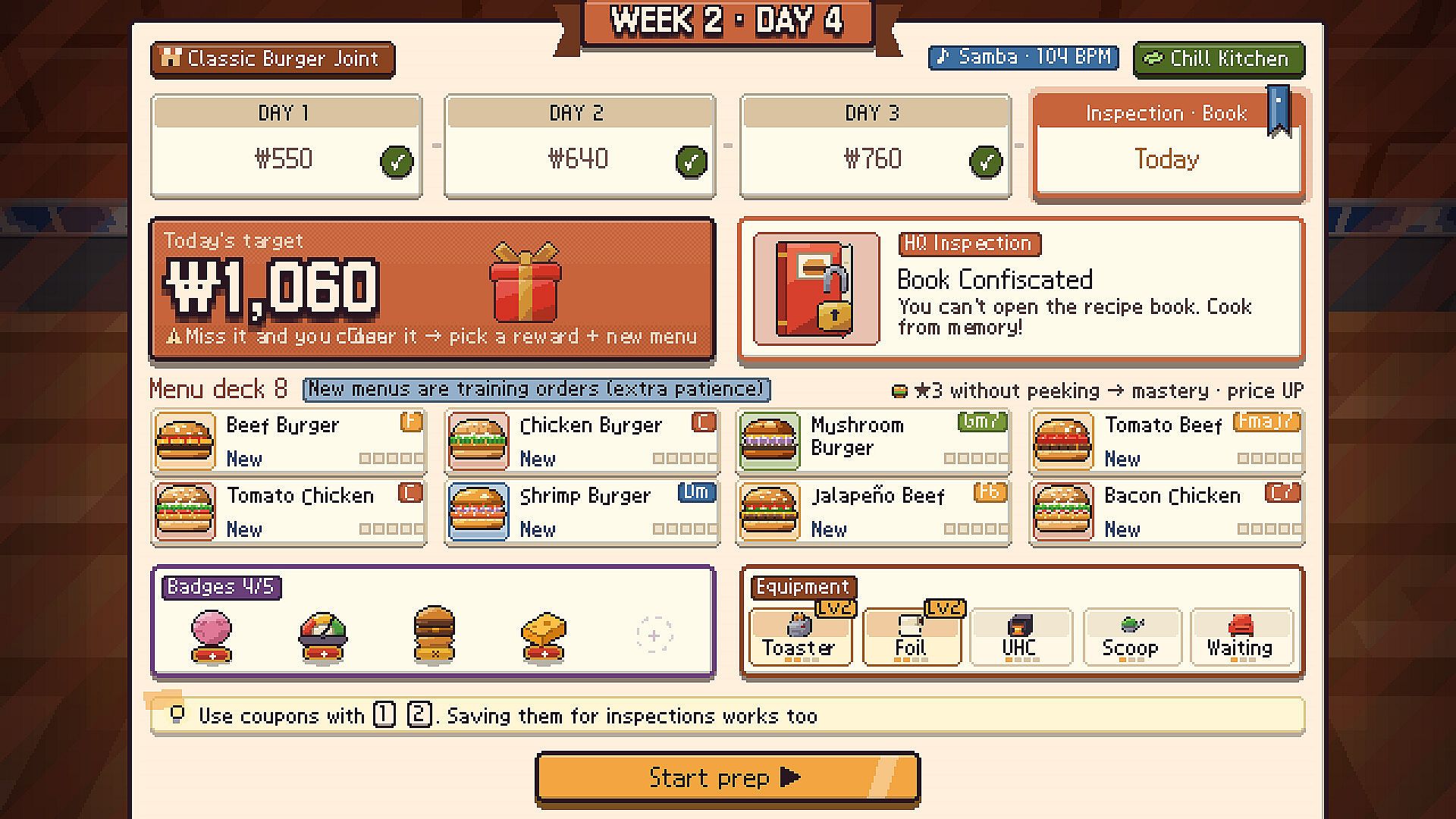
Progression follows a single continuous run structure divided into four weeks, each featuring a distinct musical genre that remixes the same recipes and chord progression. Week one uses bossa nova at 92 BPM with nylon guitar, upright bass, and flute. Week two shifts to samba at 104 BPM incorporating surdo, tamborim, cavaquinho, and marimba. Week three adopts disco and French house at 122 BPM with four-on-the-floor kick, octave bass, and strings. Week four delivers breakbeat and drum and bass at 172 BPM using two-step breaks, reese bass, and bells. The same ingredients play different instrumental roles across these arrangements, while customers visibly respond to the beat.
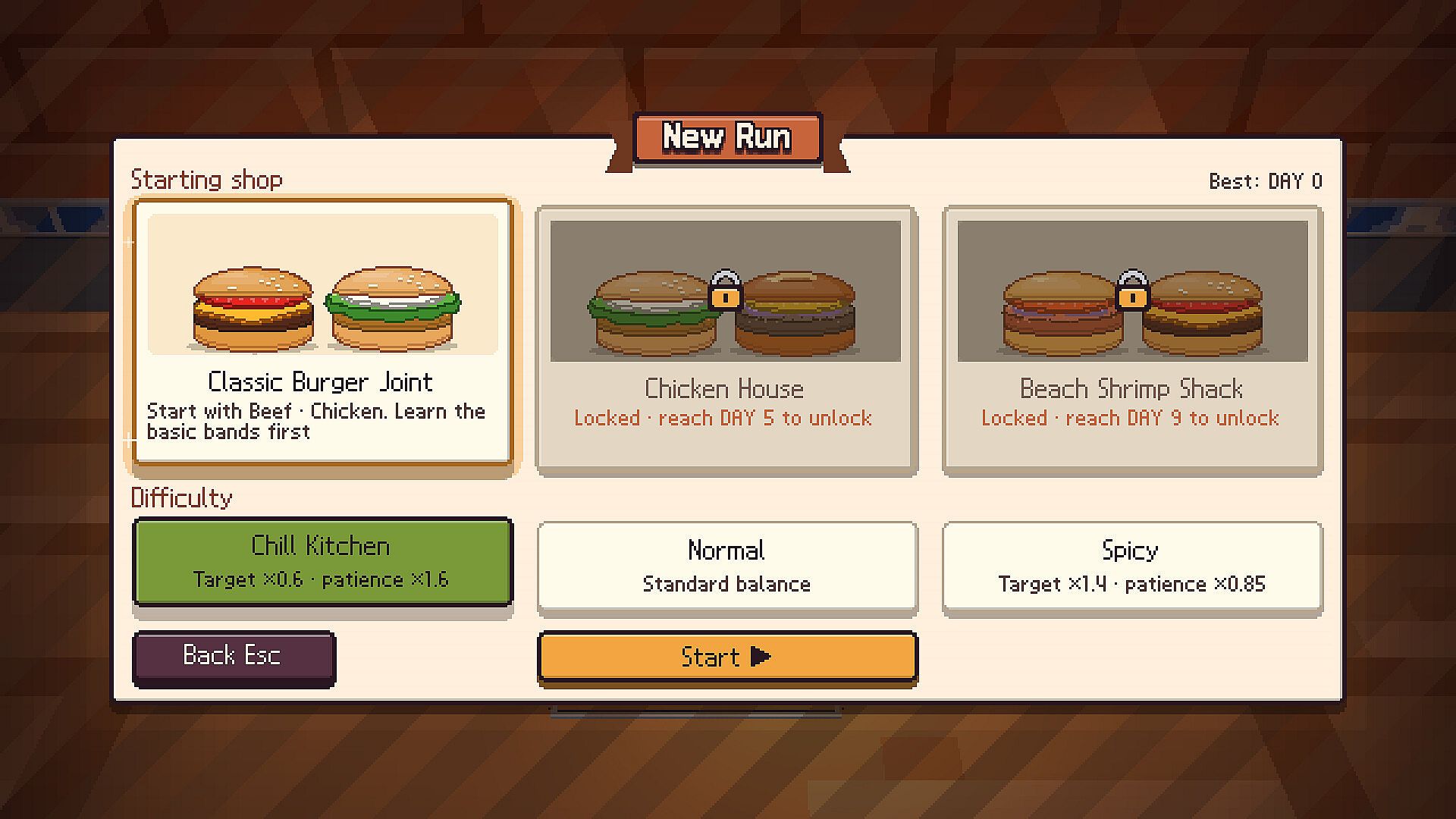
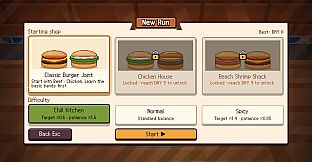
Daily events such as lunch rush, old toaster, health check, group order, and happy hour alter the flow of each shift. Every fourth day brings an HQ inspection with unique challenges like book confiscation, flickering monitor, new menu test, picky day, secret critic, or hurry-hurry day. Three starting shops and three difficulty levels provide entry points, supported by a recipe book and practice kitchen for offline learning.
Progression and Customization
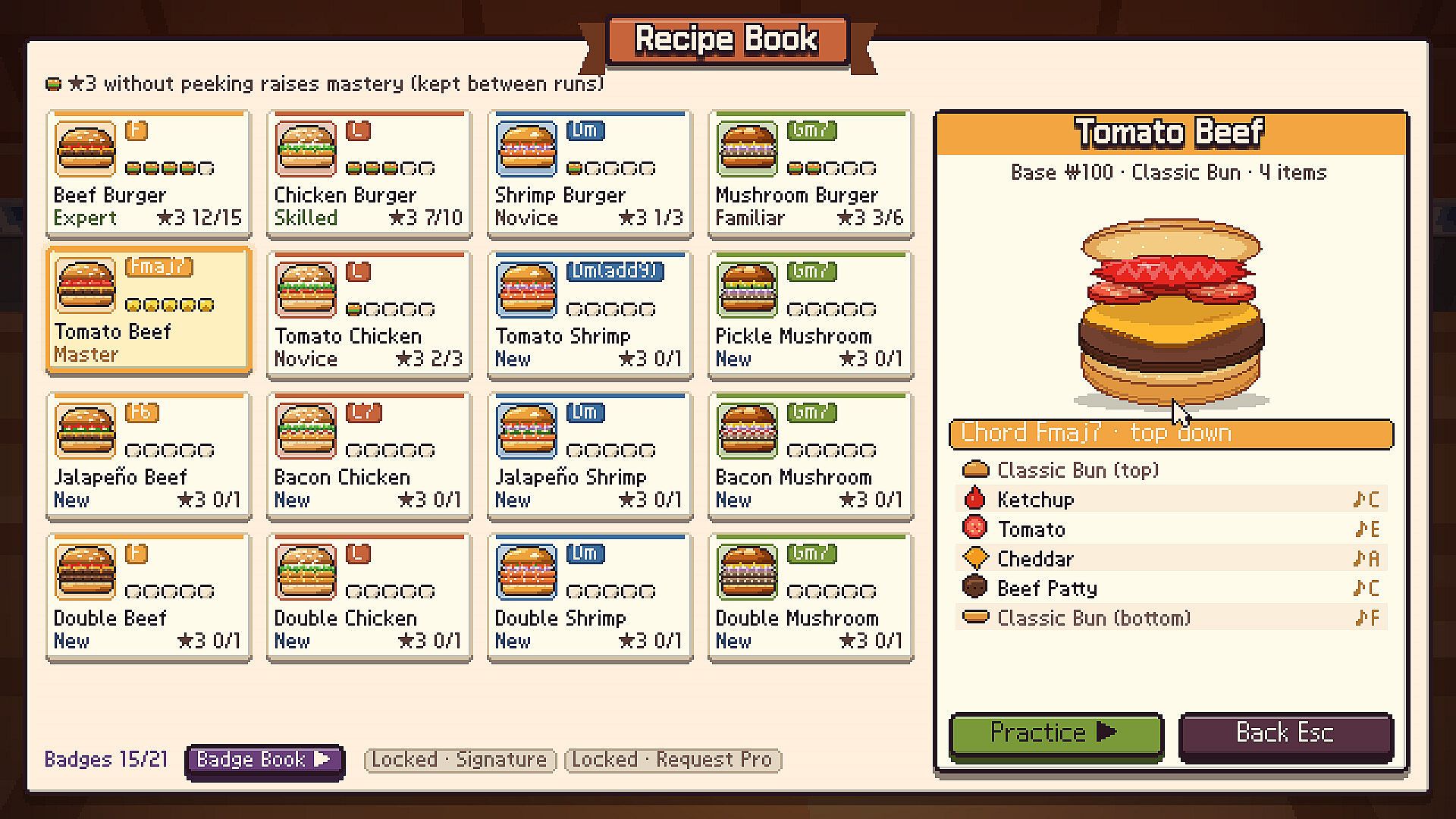
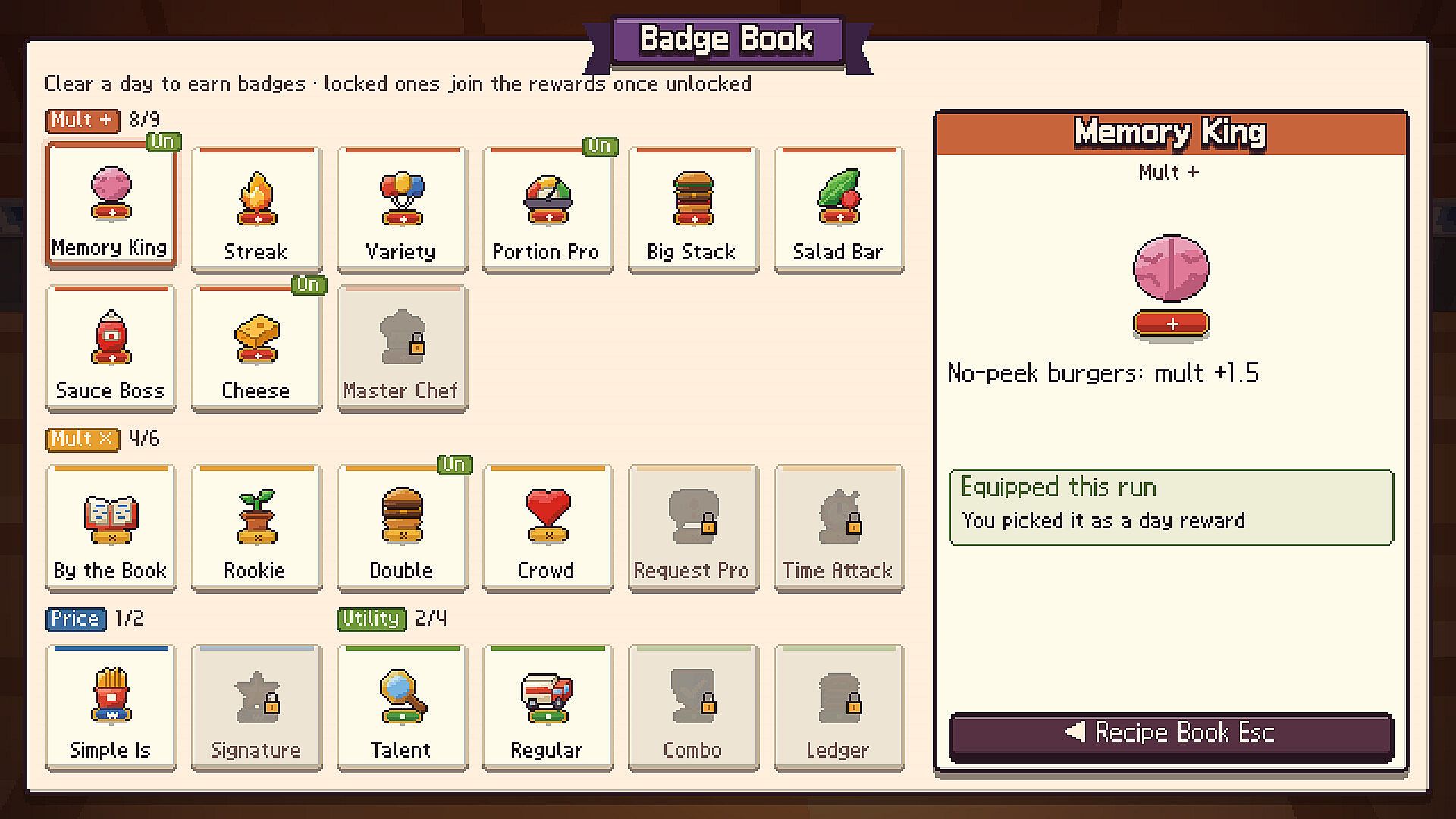
Over the four-week campaign, players unlock 16 burger recipes as the menu grows. Achieving three-star mastery on a recipe without peeking permanently raises its price and improves future performance. Equipment upgrades and crew badges feed into multipliers that affect earnings. The roguelite elements appear through permadeath on failed sales targets and the need to adapt to changing customer demands and events without carrying over progress between full runs.
Special customer types and requests encourage experimentation with ingredient order and extras. The system rewards precise timing and recipe familiarity, with audio cues providing immediate feedback on errors or successes. Foil wrapping adds a tactile final step that influences presentation and scoring.
Is It Worth Playing?
Bossa Burger suits players who enjoy simulation games with rhythmic timing and light roguelite progression. The integration of music creation into burger building offers a fresh twist on casual management gameplay, rewarding attention to both visual assembly and audio cues. Those who appreciate learning systems through repeated shifts and adapting to daily variations will find the structure engaging across multiple runs. The single-player focus on PC keeps the experience accessible for short sessions or longer campaigns, with the genre remixes providing replay variety without altering core recipes. It appeals most to fans of indie simulations that combine creative assembly with structured challenges rather than pure action or narrative depth.











