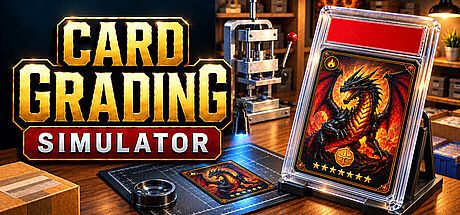







Card Grading Simulator is a first-person simulation game in which players operate their own independent card grading business. The experience centers on processing customer submissions of trading cards, from initial receipt through detailed inspection, grading, encapsulation, and final shipment. As an indie title focused on realistic workflow simulation, it appeals to those who enjoy methodical tasks and attention to detail in a professional setting.
Gameplay
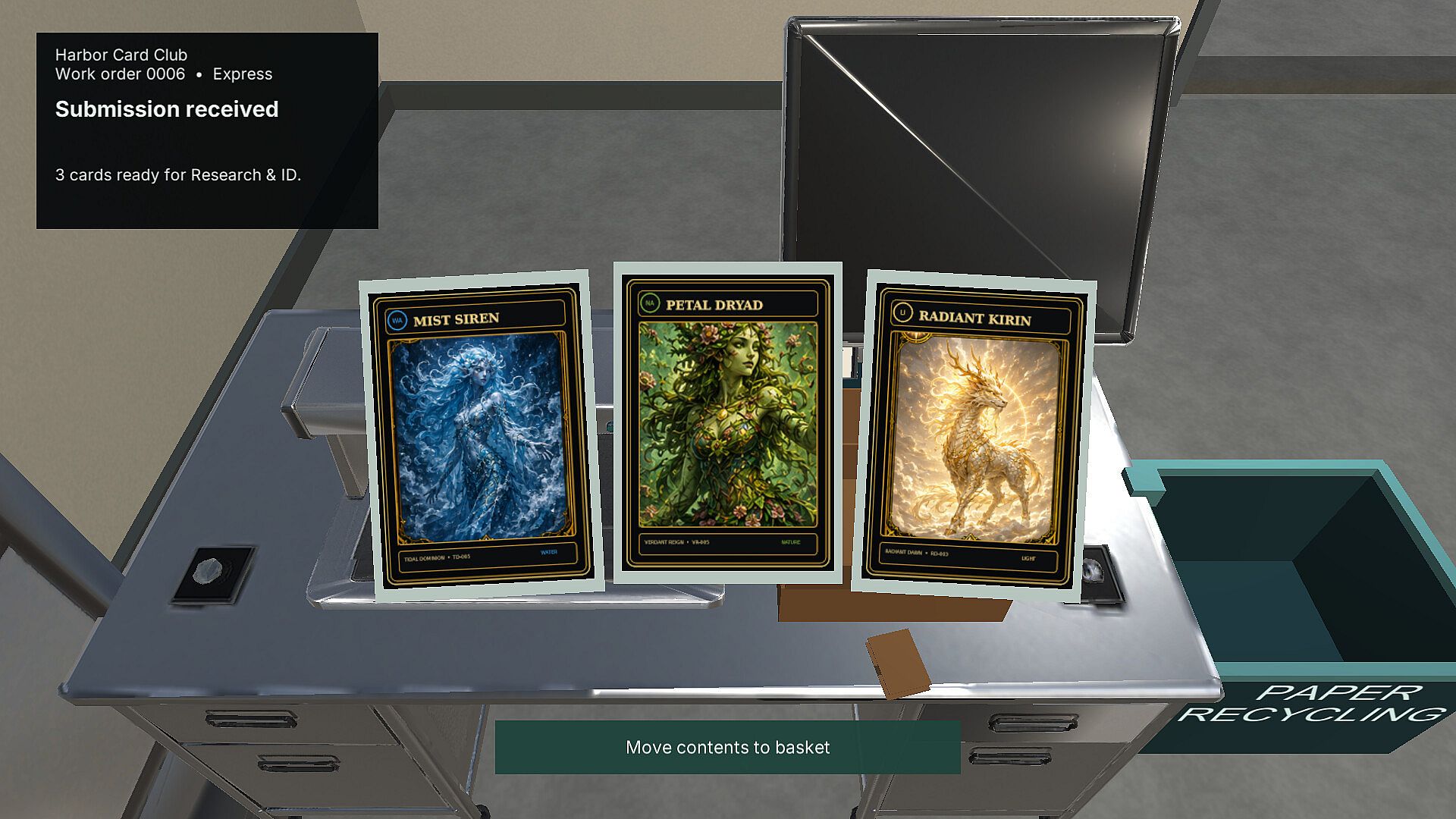
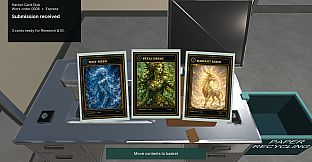
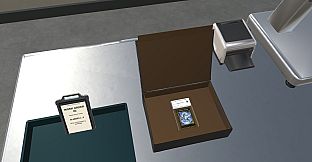
The core loop begins when a customer order arrives at the workbench. Players unpack sealed packages, scan the enclosed cards, and identify each one by matching visual details and characteristics to establish its correct identity. This step introduces new cards with every submission and requires careful observation to avoid mismatches.
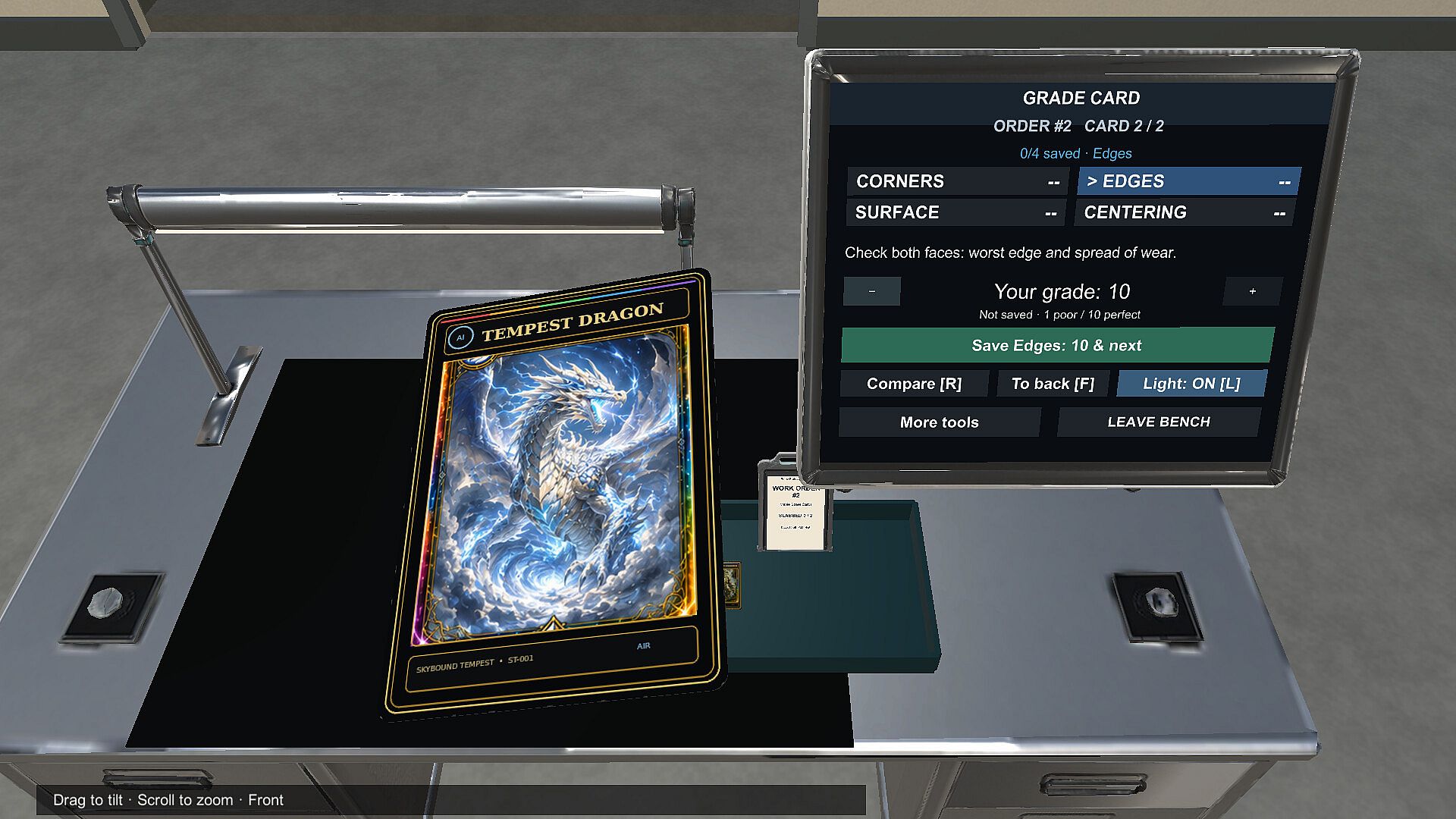
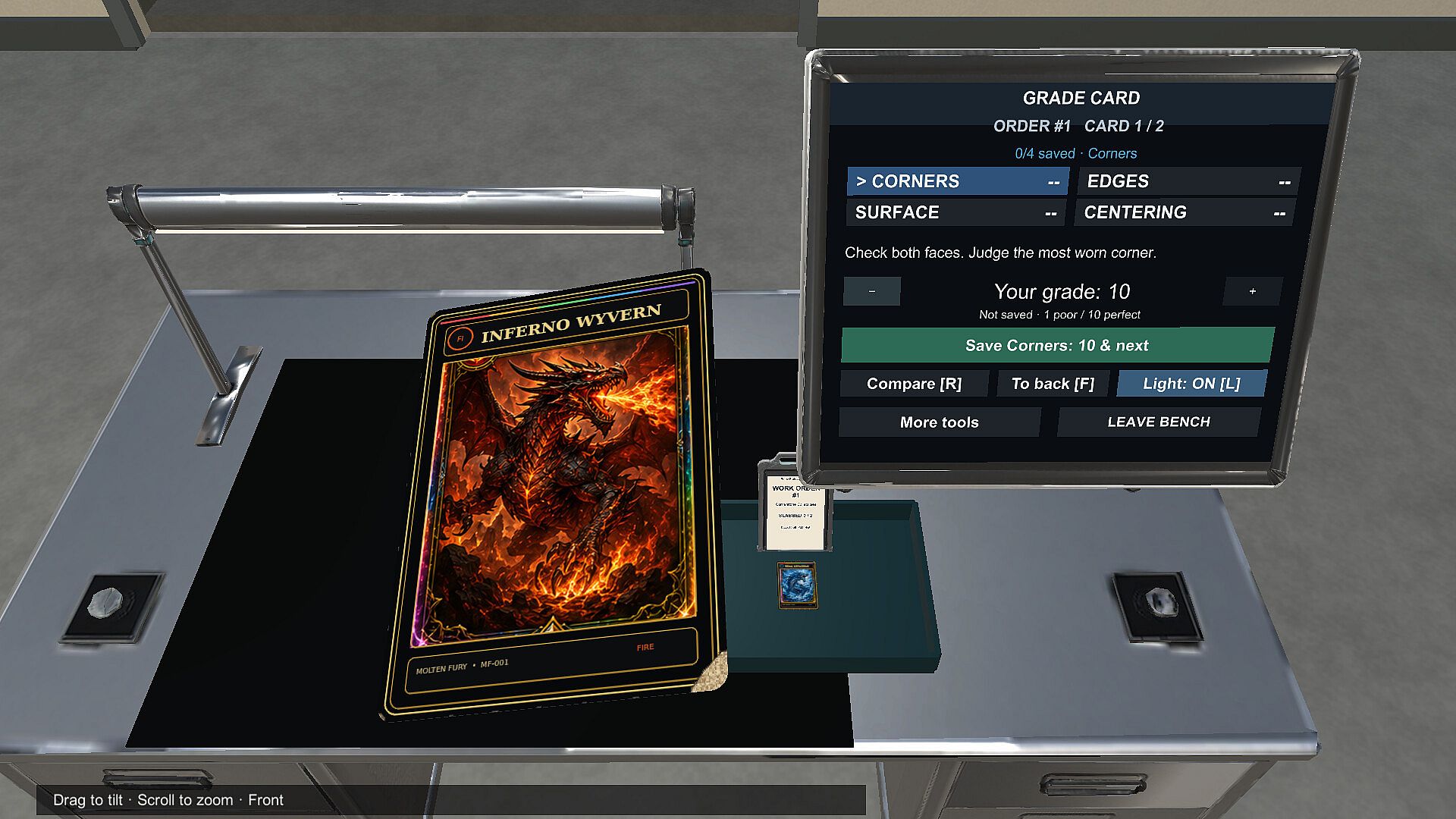
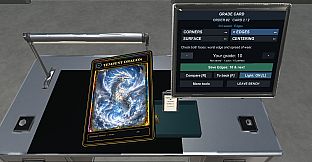
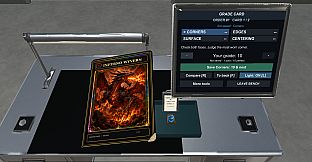
Inspection follows, with close examination of four key areas: centering, corners, edges, and surface condition. Players zoom in to detect subtle scratches, wear, or other imperfections that affect quality. Subgrades are assigned based on these findings, leading to an overall grade determination. The process emphasizes precision, as minor flaws can influence the final result and the card's assessed market value.
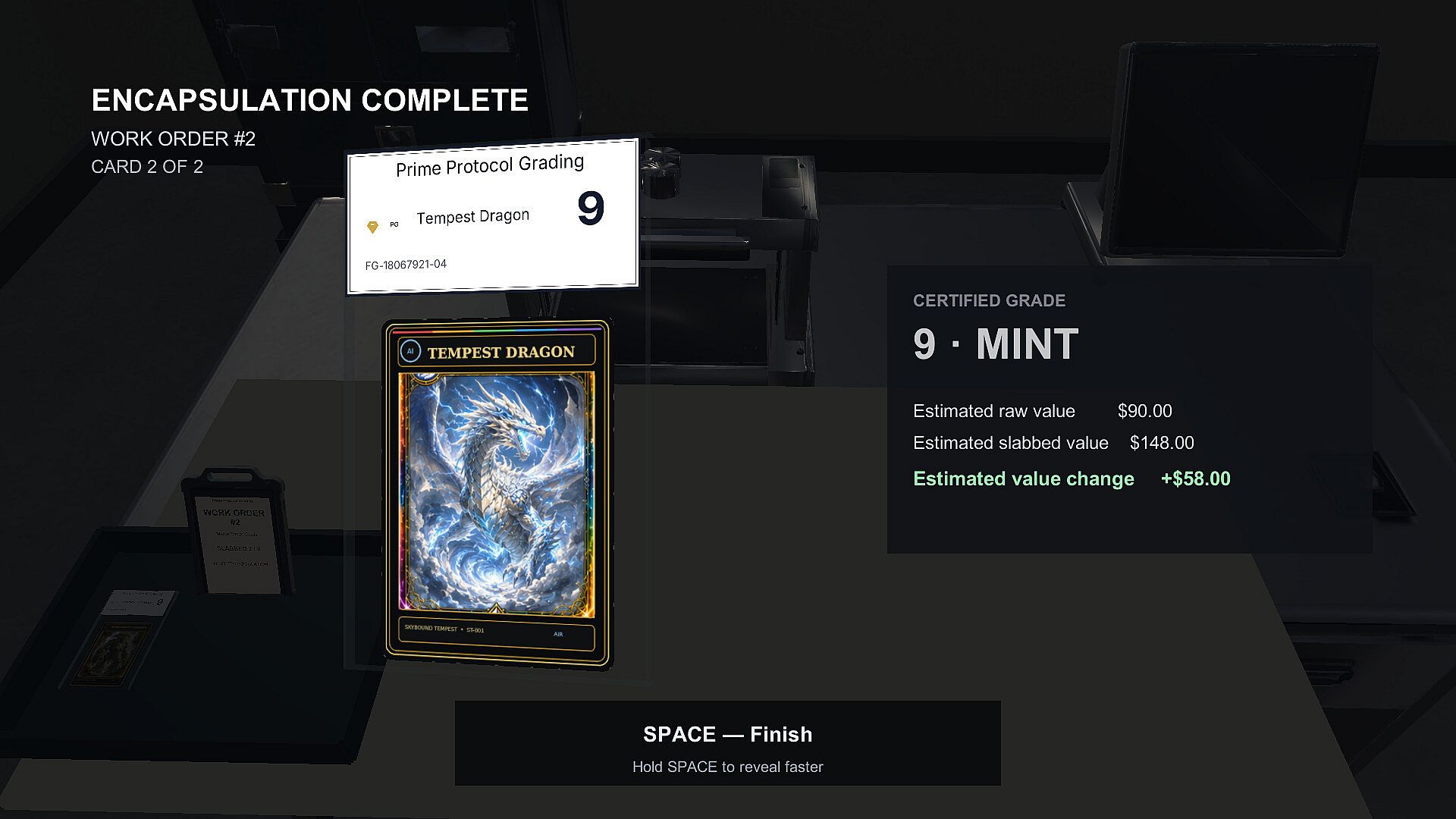
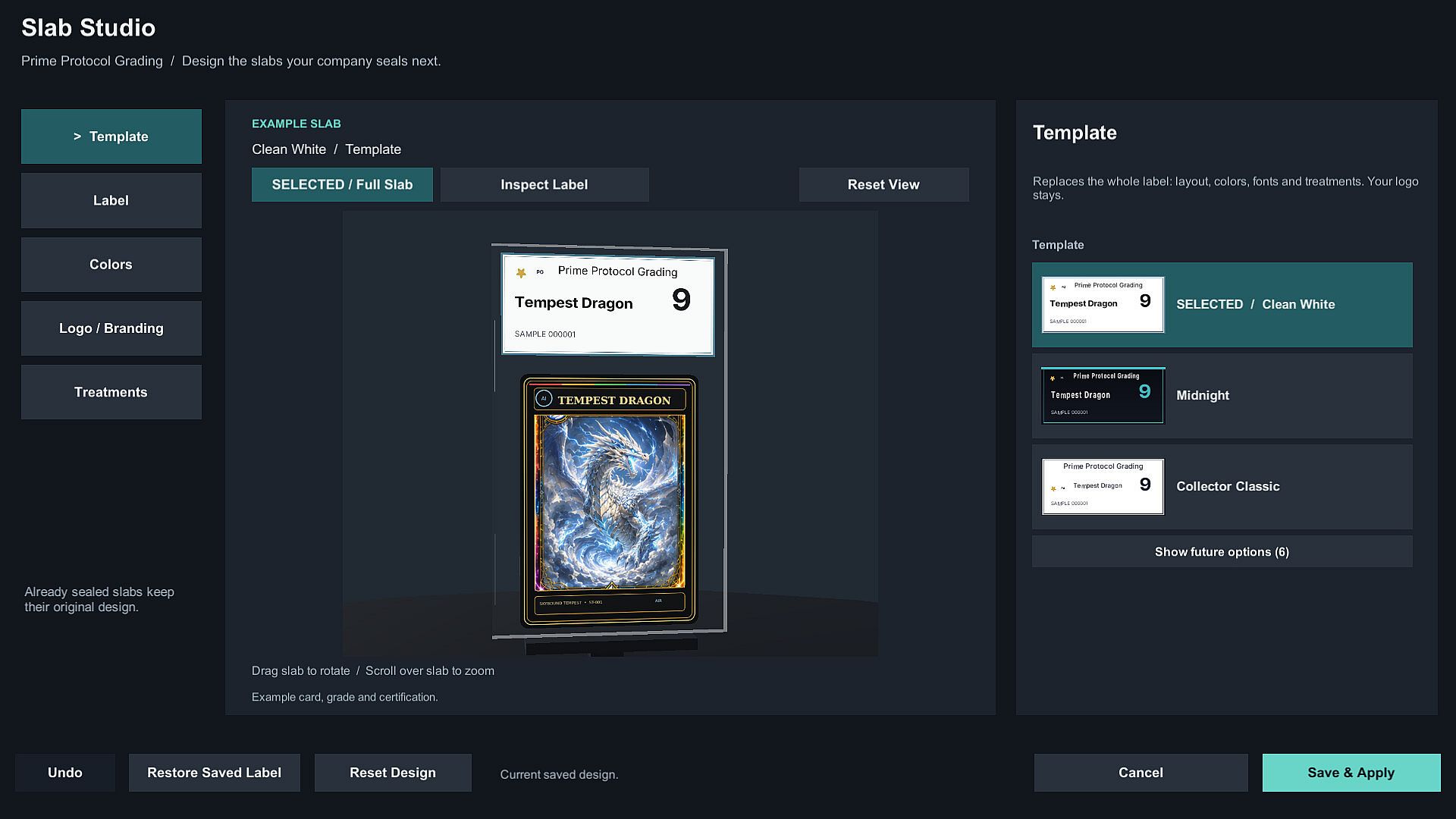
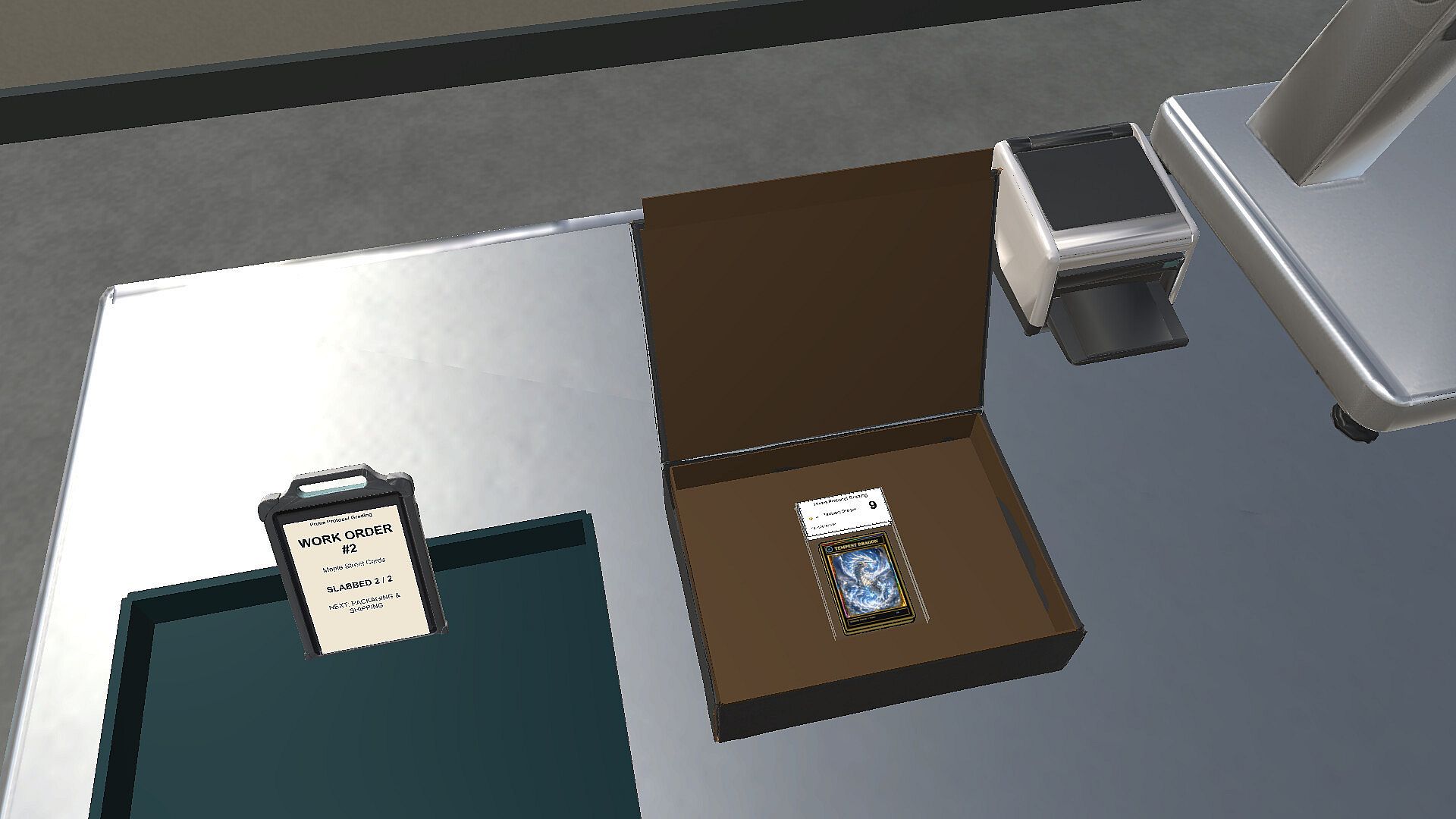
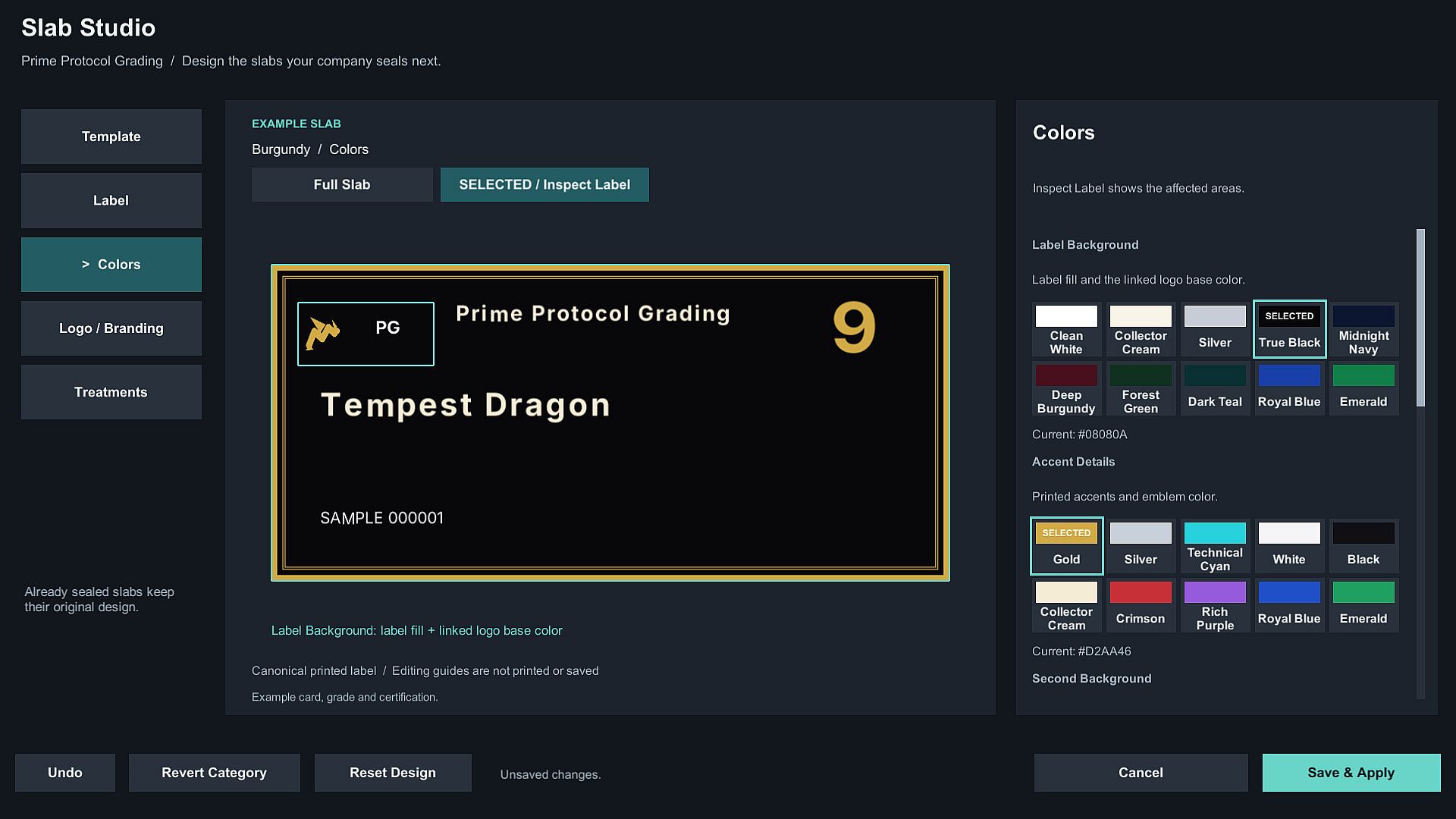
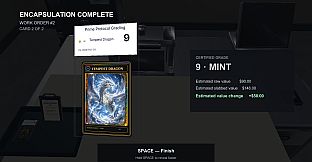
Once graded, players customize the protective slab. Options include selecting company colors, designing a logo, and refining label elements to create a distinctive branded appearance for each finished product. Encapsulation then seals the card, displaying the grade and value for review before packaging and shipping the completed order to receive payment.
Game Modes
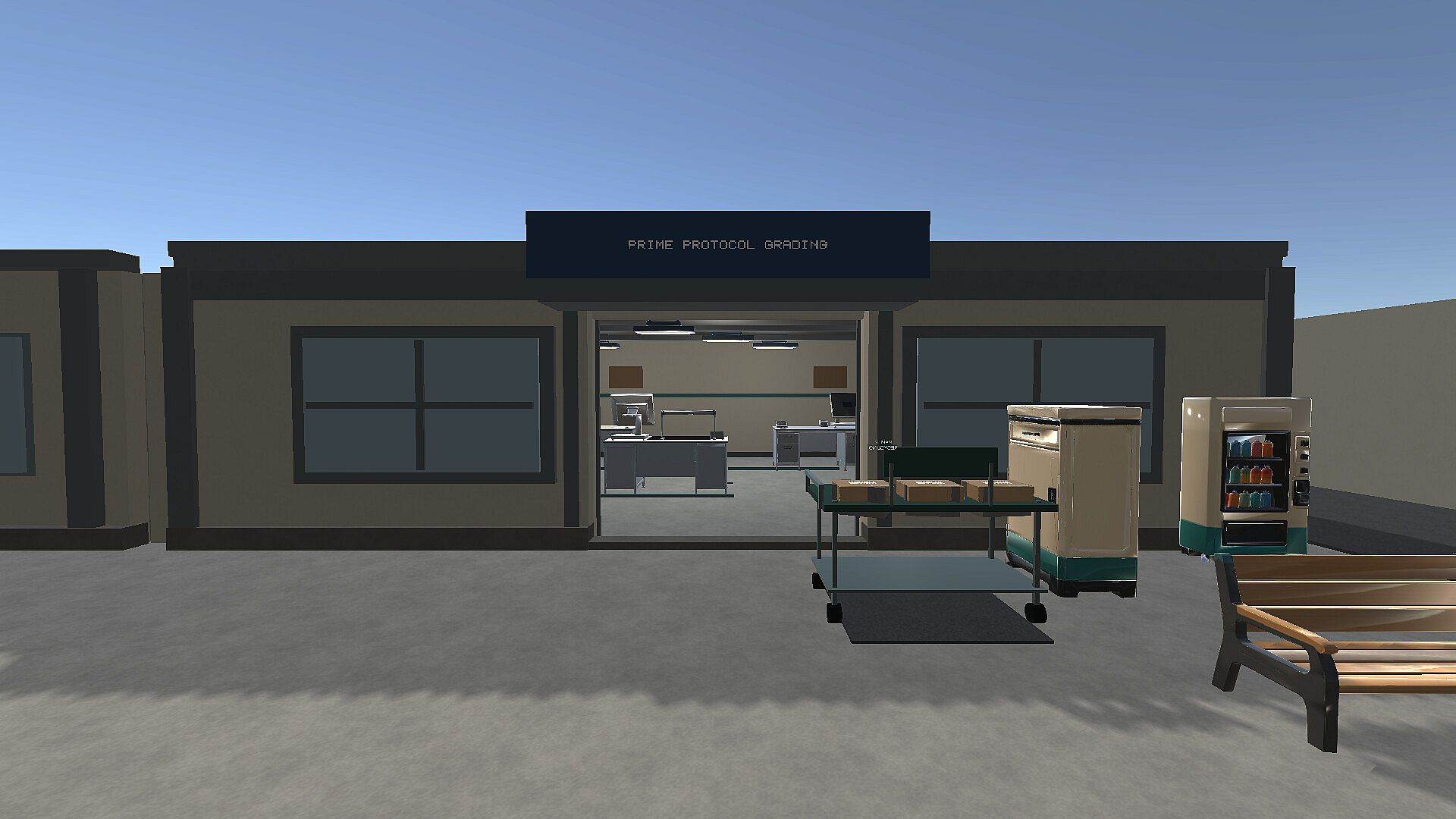
Card Grading Simulator operates as a single-player experience with no separate multiplayer or competitive modes. The gameplay revolves entirely around sequential order processing in a dedicated workspace. Each submission follows the same structured workflow of unpacking, identification, inspection, grading, customization, and fulfillment, allowing players to refine their approach across successive jobs.
Progression occurs naturally through repeated handling of varied card submissions. New cards appear regularly, encouraging repeated practice of identification and condition assessment skills. The single-player format keeps the focus on personal efficiency and decision-making without external interruptions or team elements.
Customization and Progression
Branding choices extend beyond individual slabs to shape the overall identity of the grading company. Players adjust visual elements that appear on every completed item, creating a consistent professional presentation that reflects their decisions. This layer adds a creative outlet within the otherwise procedural simulation.
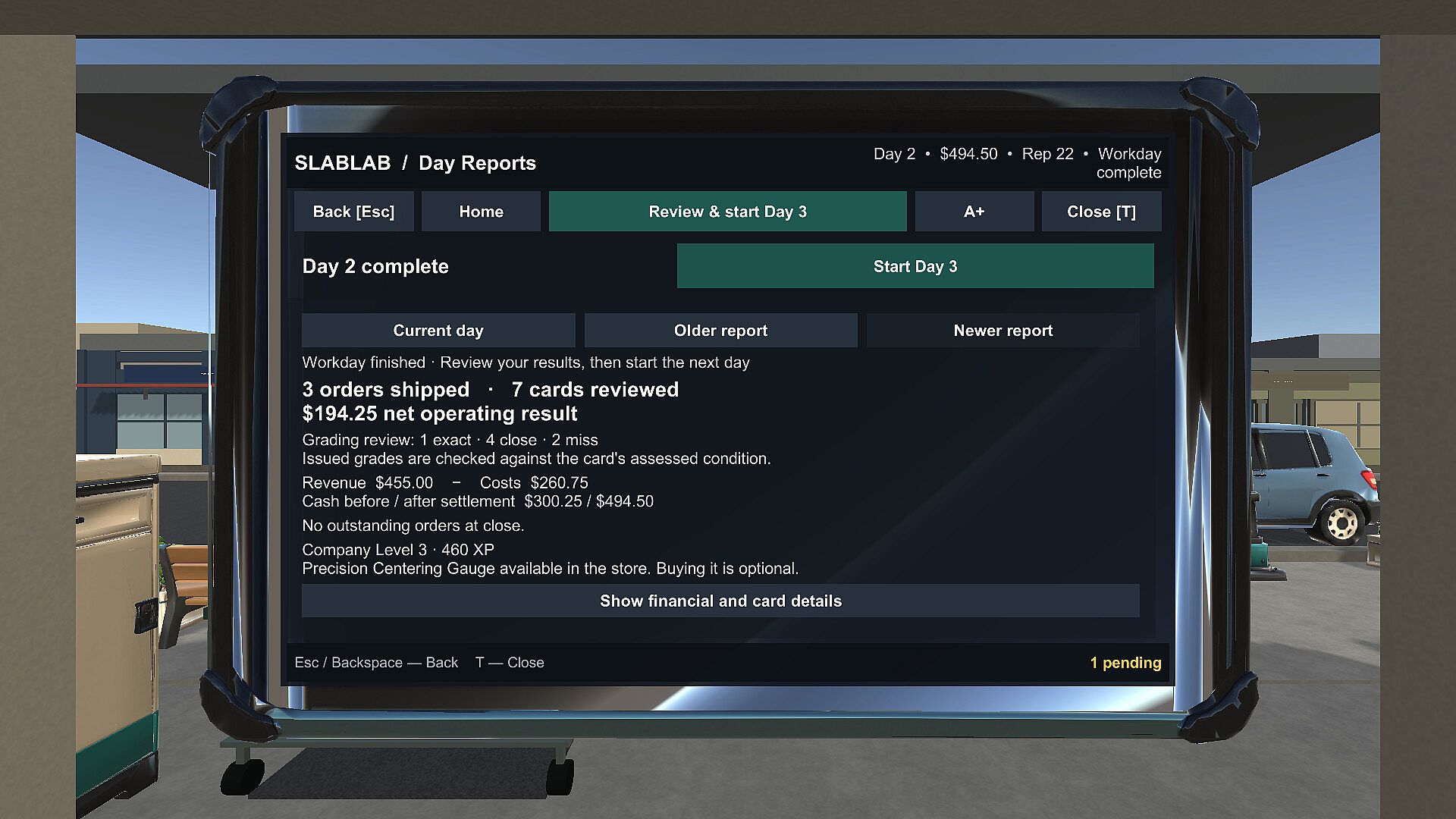
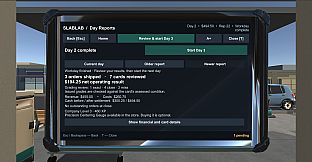
Financial returns come from grading fees collected after each shipped order. The system ties earnings directly to the accuracy and thoroughness of inspections, as higher-quality assessments can lead to stronger market valuations for the graded cards. Players manage the full cycle, including final packaging and labeling, before preparing for the next arrival.
Is It Worth Playing?
Card Grading Simulator suits players who appreciate slow-paced, detail-oriented simulation games that replicate real-world professional routines. The first-person perspective and emphasis on visual inspection create an immersive task-focused experience without action or narrative distractions. Those drawn to job simulators or management titles centered on craftsmanship will find the grading workflow engaging.
Because the game remains in a pre-release state with no public player feedback available, expectations should center on the described mechanics rather than community consensus. It offers a niche appeal for collectors or enthusiasts interested in the technical side of card evaluation. Availability on PC positions it for straightforward access once released, making it a consideration for anyone seeking a specialized simulation title.