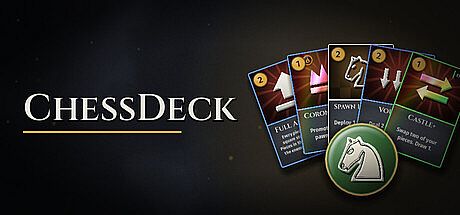


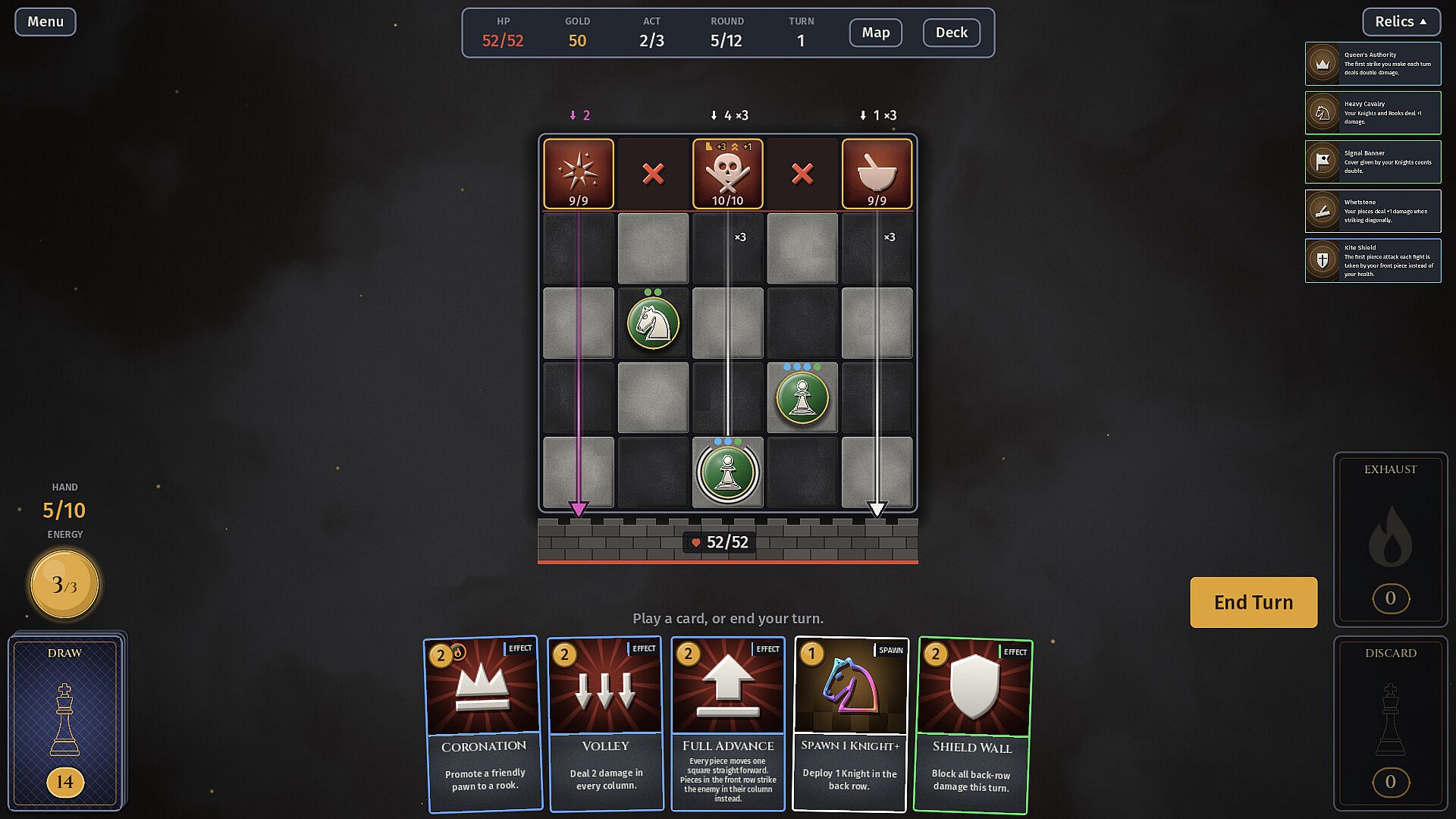
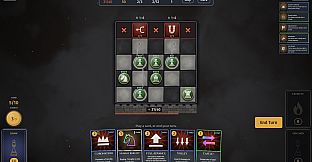
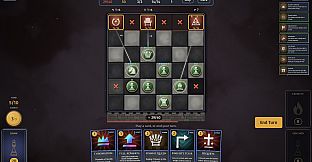
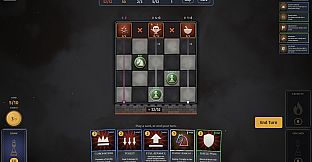
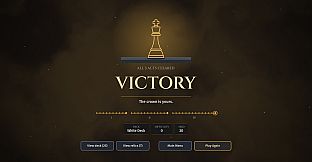
ChessDeck is a strategy indie roguelike deckbuilder for PC that fuses chess piece movement with card-based gameplay. Players build and refine a deck across short runs rather than engaging in traditional full chess matches. The core experience centers on drawing cards each turn to spawn pieces on a compact board and advancing them according to standard chess rules to strike enemy positions.
Gameplay
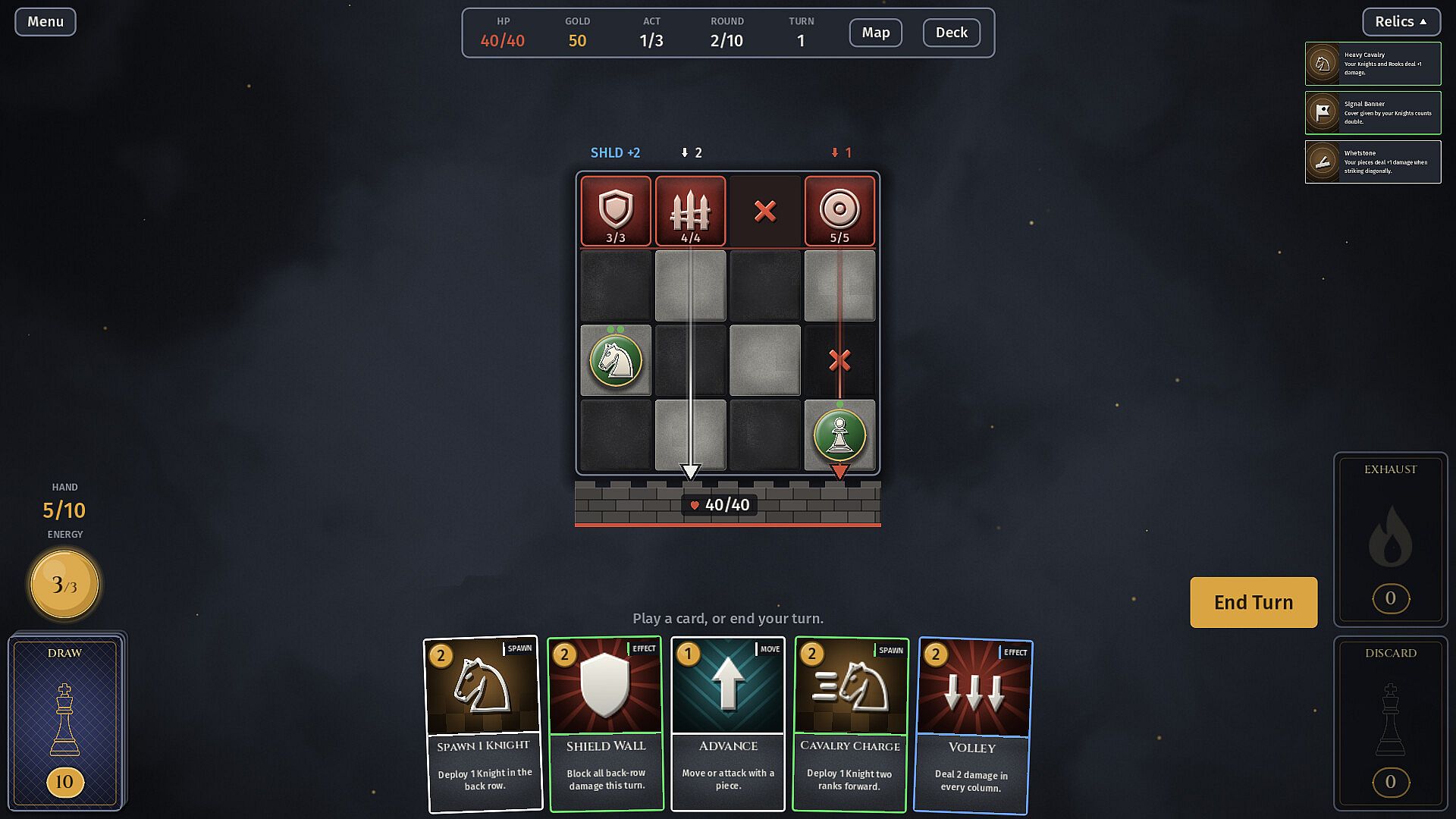
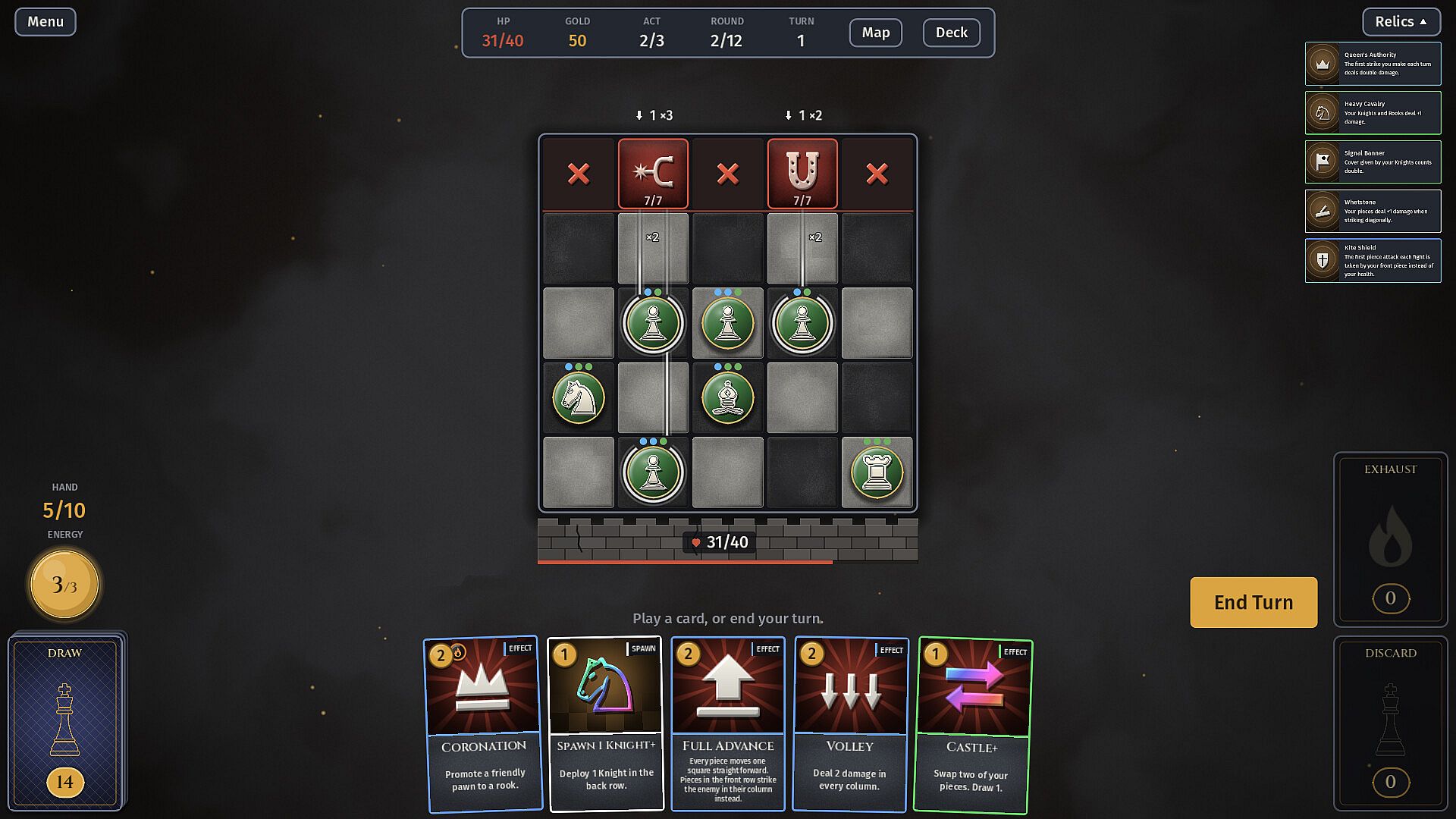
Each turn begins with a hand of cards drawn from the deck. These cards allow spawning of pieces such as pawns, knights, rooks, and queens onto the back row. Movement follows classic chess patterns: pawns advance slowly, knights jump over obstacles, and rooks or queens cover long distances in a single action. Pieces advance up the board toward the enemy row, where reaching the far side lets them attack the garrison in that column. Clearing all garrisons wins the encounter.
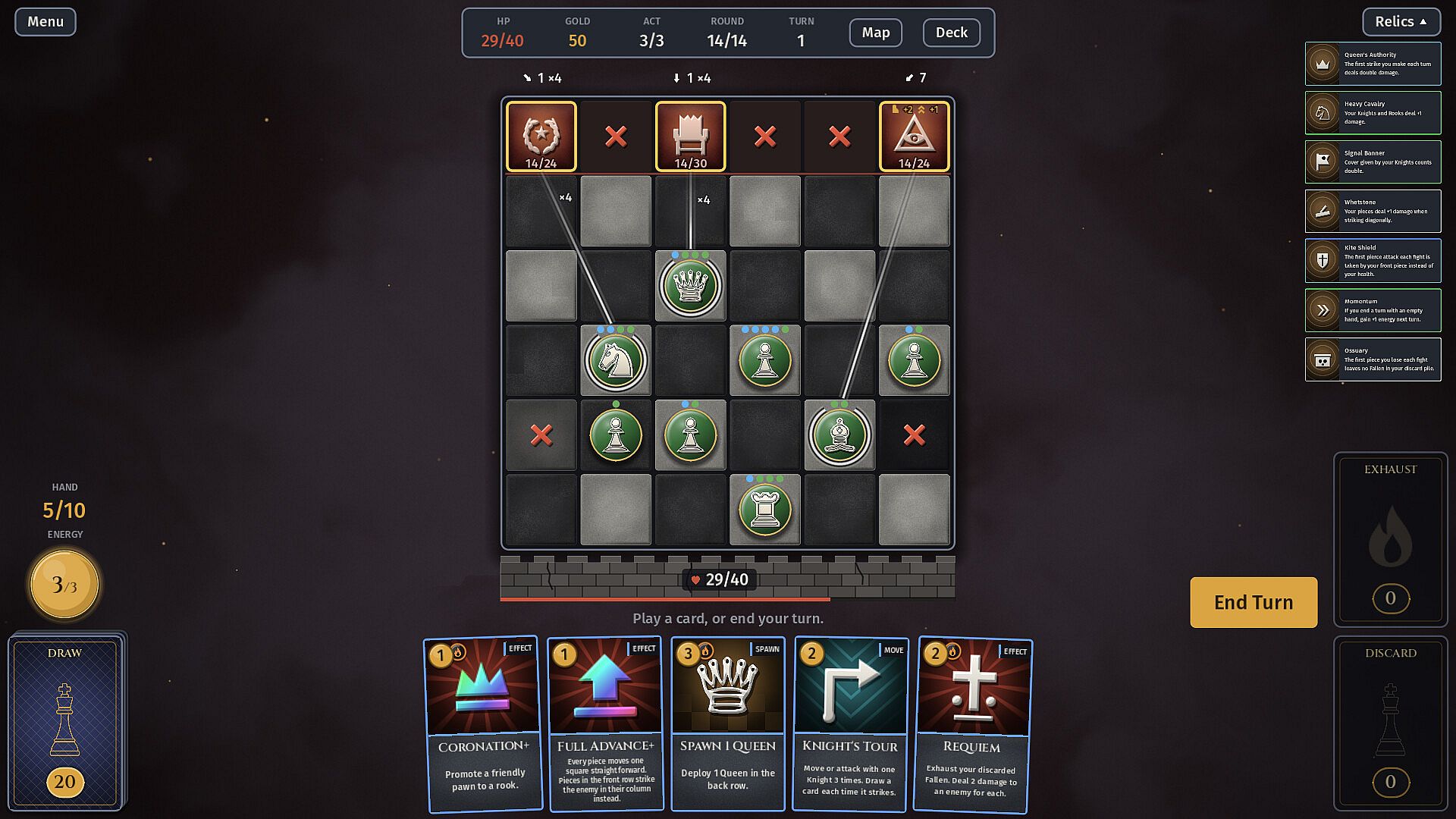
Enemies telegraph their actions one full turn in advance, revealing which column they will target and the strength of the strike. The first piece in a threatened column absorbs the damage, forcing constant decisions between advancing strong attackers or holding pieces back as defenders. Protection mechanics add depth, as pieces gain guard when positioned on squares covered by allies, allowing pawn chains to form durable shields while isolated powerful pieces become vulnerable targets.
When pieces are lost, they convert into Fallen cards that enter the discard pile and must be drawn again later. This creates a meaningful cost to aggressive plays, encouraging deck construction that either mitigates losses or converts them into advantages through synergies. The board itself expands across acts, culminating in a final boss encounter.
Game Modes
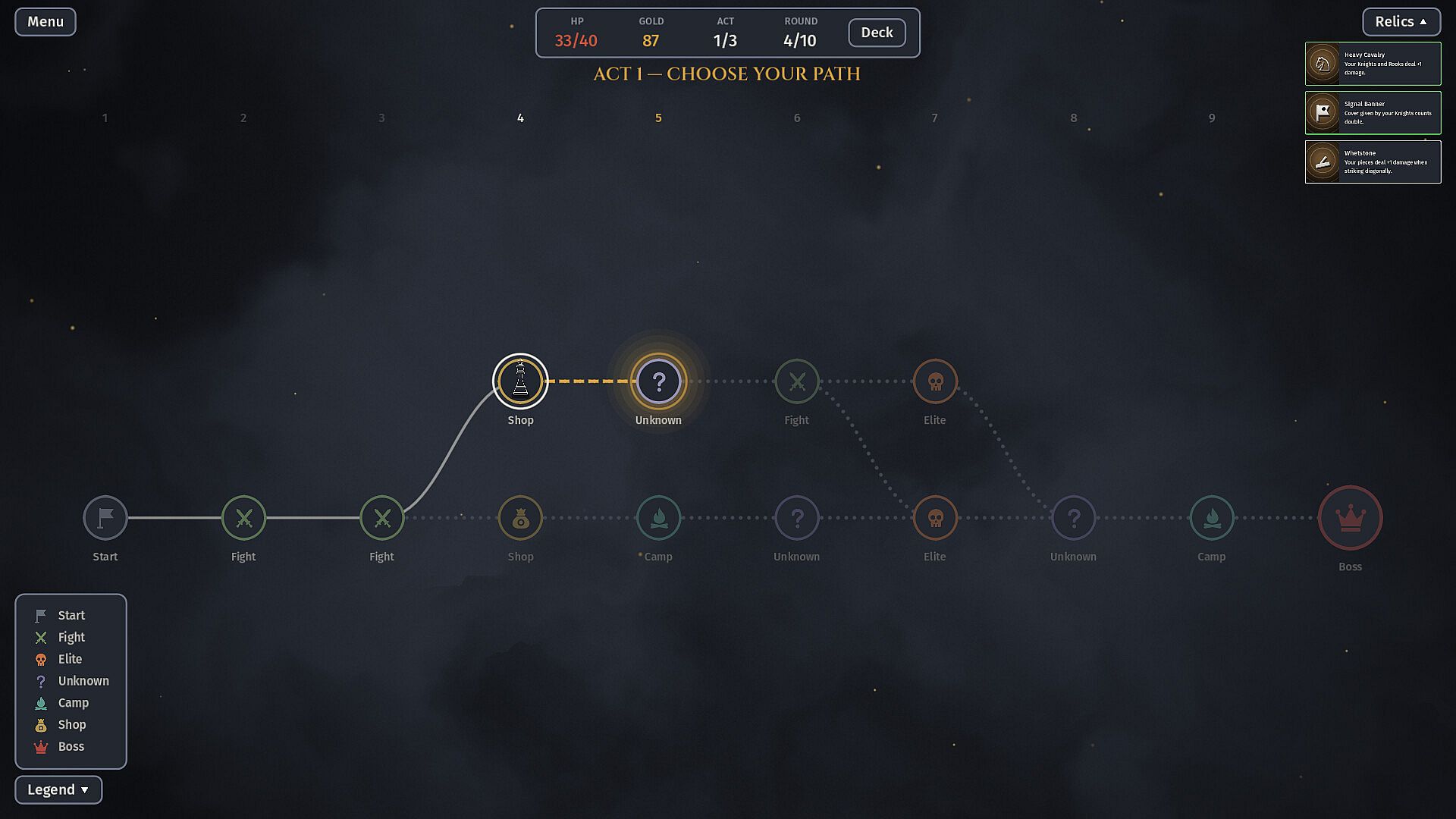
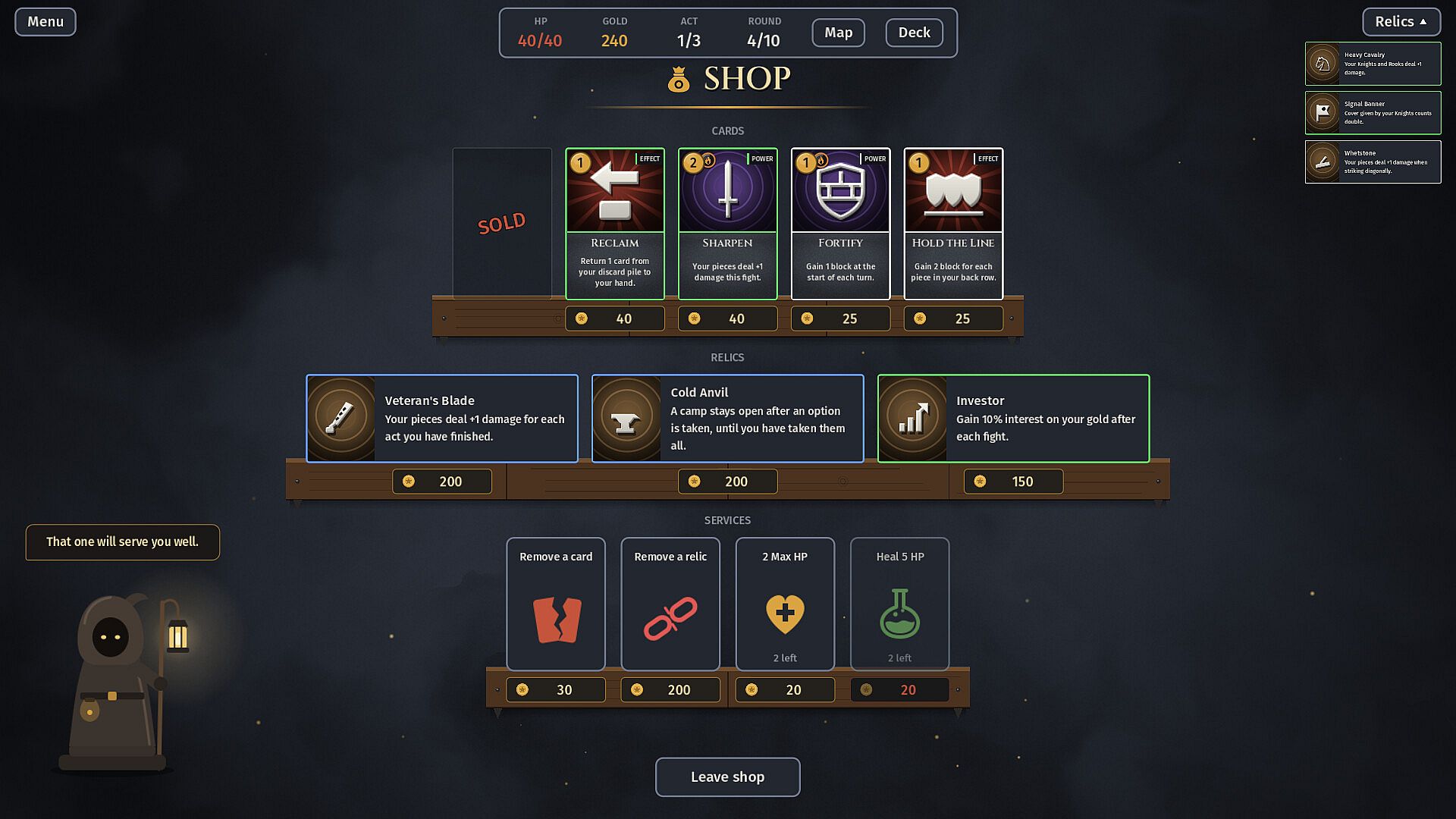
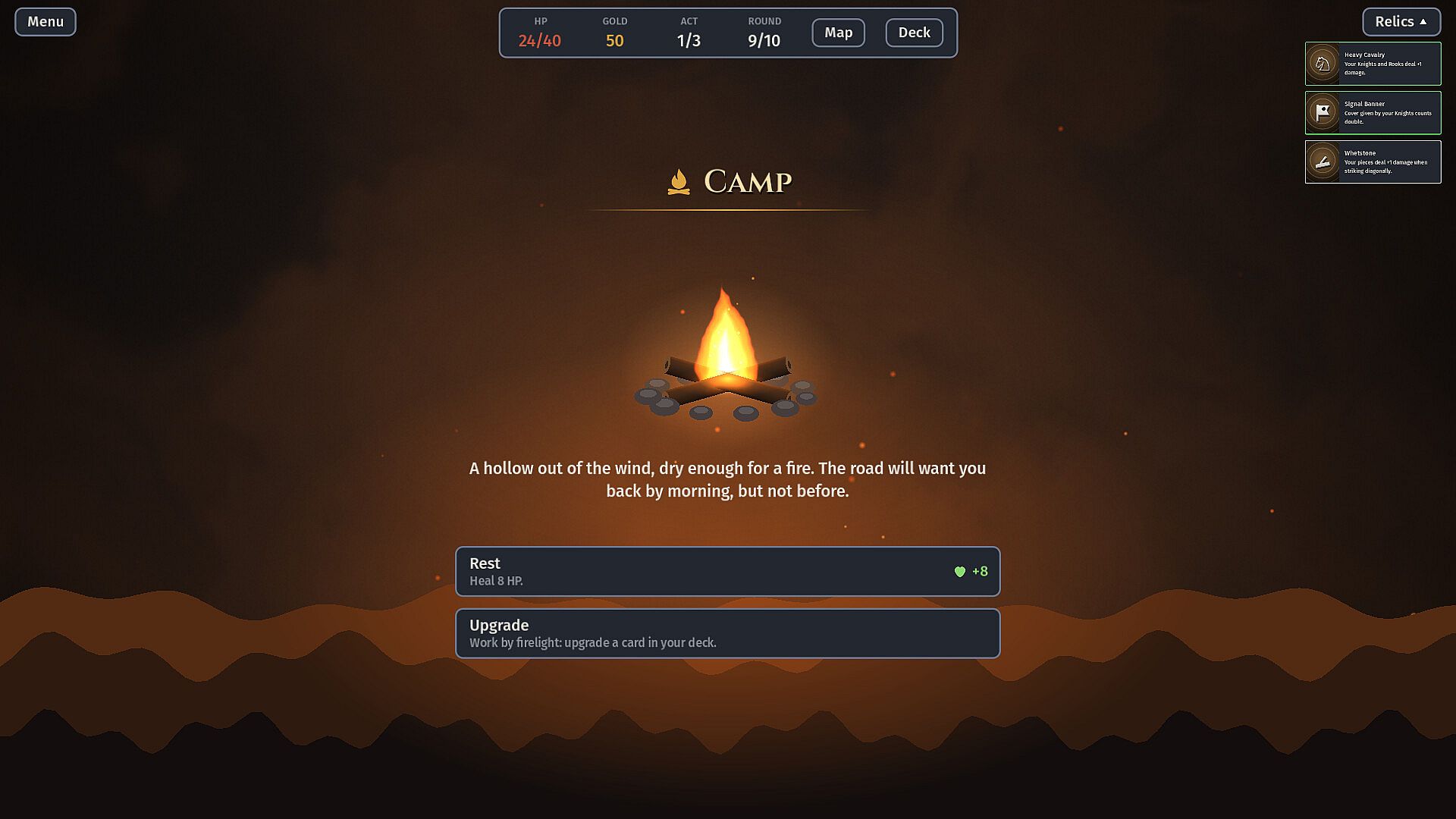
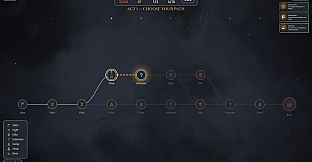
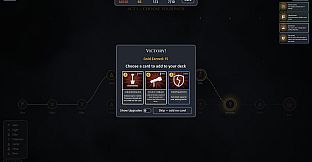
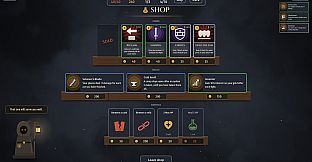
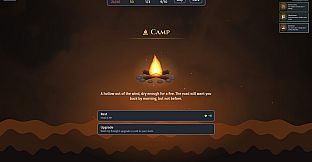
ChessDeck structures its content around roguelike runs on a branching map. Players progress through fights, elite encounters, shops, camps, and random events while managing resources and deck evolution. Six starting decks each alter the fundamental approach to a run, providing distinct entry points into the strategy. Six difficulty levels unlock progressively after successful completions, scaling challenge for repeated play.
Seeded runs enable exact replication of a playthrough by sharing a seed value, supporting consistent experiences across sessions or with others. Runs remain concise enough to complete in a single sitting, emphasizing focused decision-making over extended sessions. No separate multiplayer or versus modes exist beyond this shared-seed option.
Key Mechanics and Progression
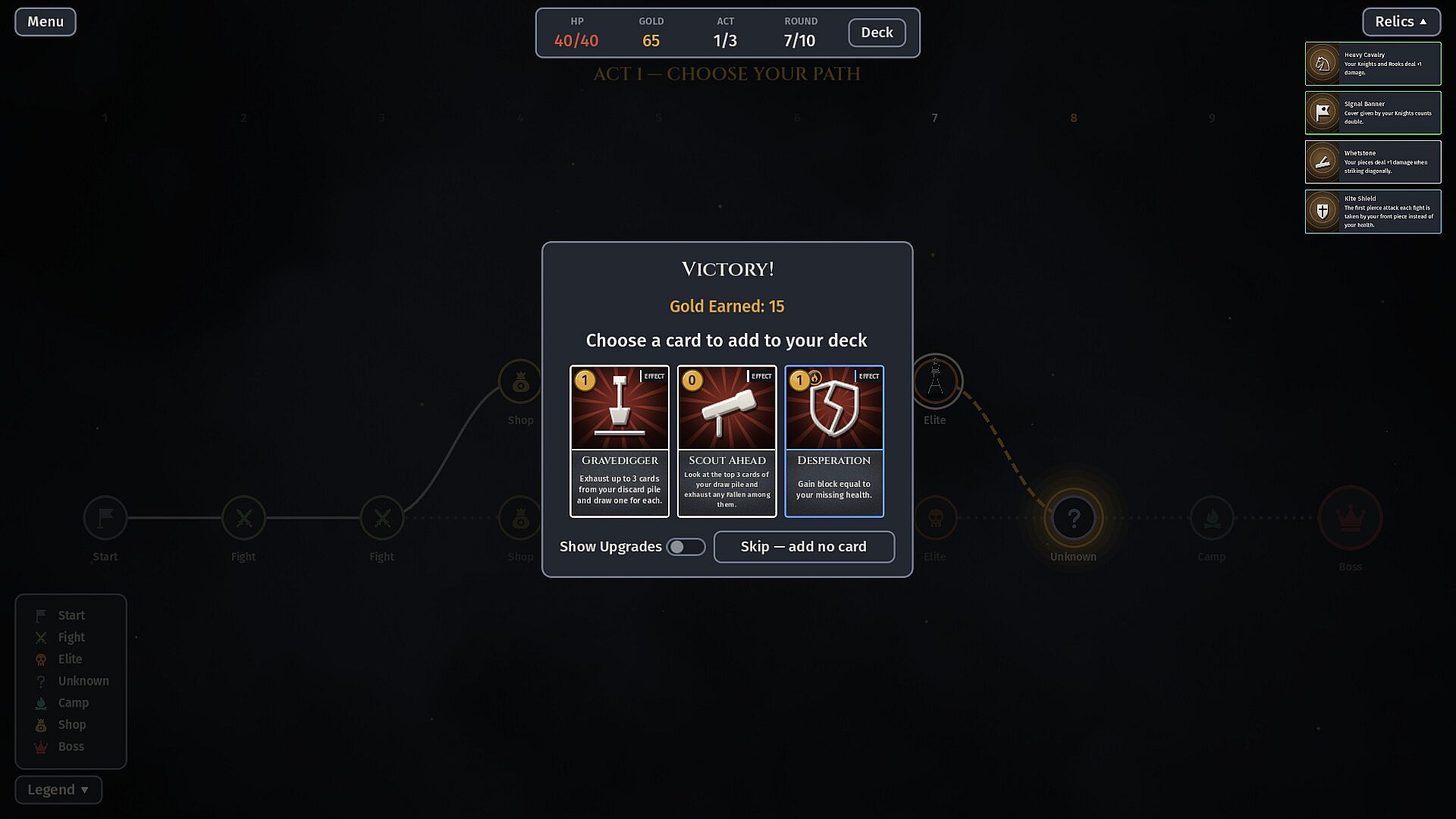
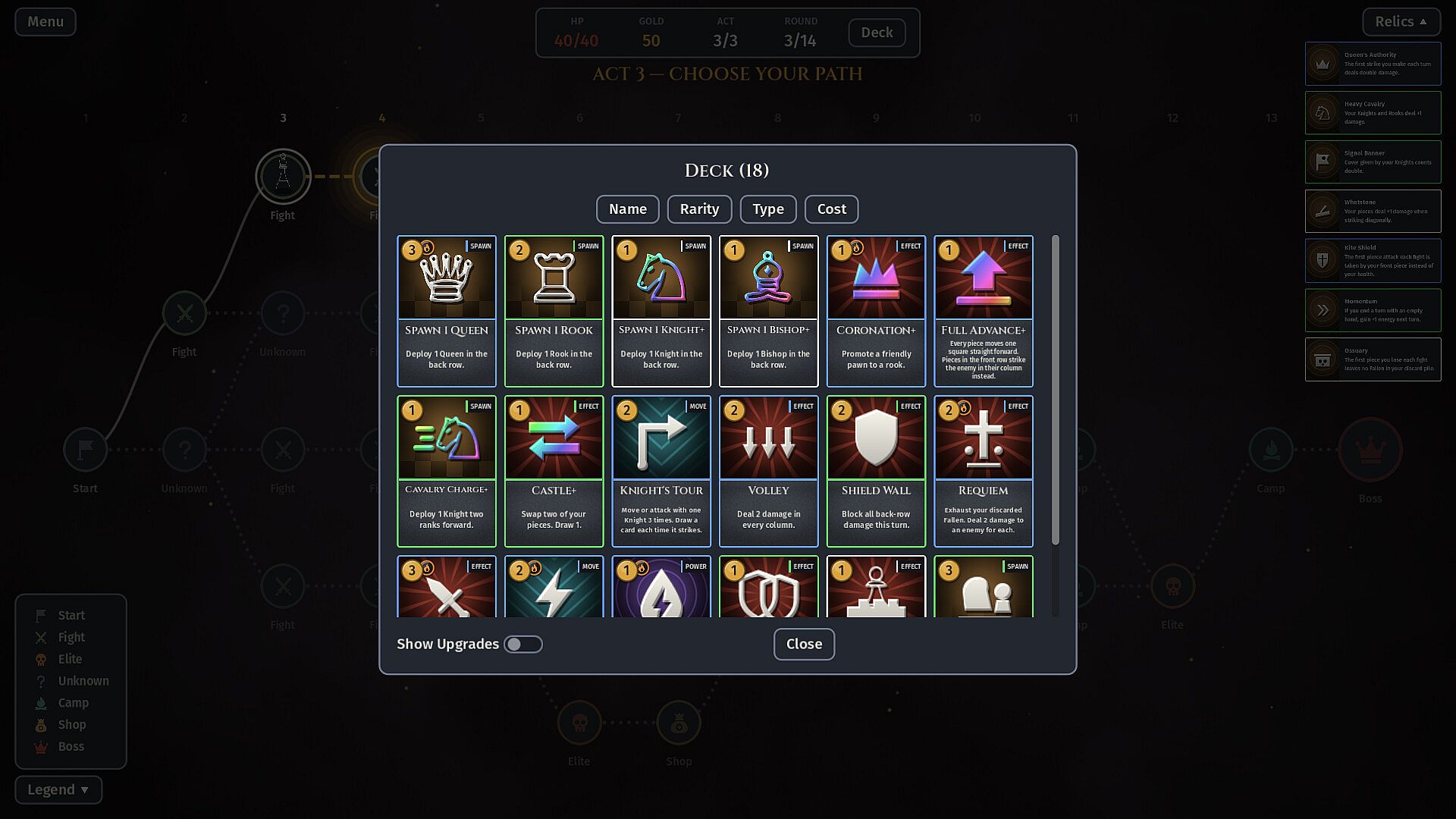
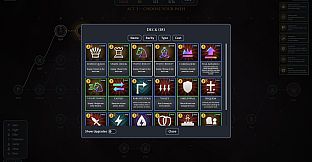
The card pool exceeds 90 entries, covering spawns, movements, tactics, and powers, with each card featuring an upgraded counterpart. Over 80 relics introduce rule-bending effects that modify board interactions or piece behaviors. Relics and card upgrades accumulate during runs, rewarding careful pathing on the map and smart shop purchases.
Deck building revolves around balancing spawn costs, movement efficiency, and defensive coverage. Early pieces like pawns serve as affordable fodder, while higher-value cards like queens deliver decisive strikes at greater expense. Synergies emerge from combining protection mechanics with aggressive advances, turning potential losses into opportunities for stronger future draws.
Is It Worth Playing?
ChessDeck appeals directly to players who enjoy roguelike deckbuilders combined with tactical positioning and foresight. The chess-inspired movement creates a distinct layer of spatial planning absent from most card games, while the telegraphing system and guard mechanics reward anticipation and board awareness. Short run length and progressive difficulty unlock support repeated attempts without excessive time investment.
Those drawn to games emphasizing deck construction, risk management around losses, and incremental power growth through relics will find substantial depth here. The six starting decks and branching map encourage experimentation across multiple playthroughs. For strategy fans seeking a fresh twist on familiar chess rules within a roguelike framework, the title delivers a focused and replayable experience built around meaningful choices each turn.