


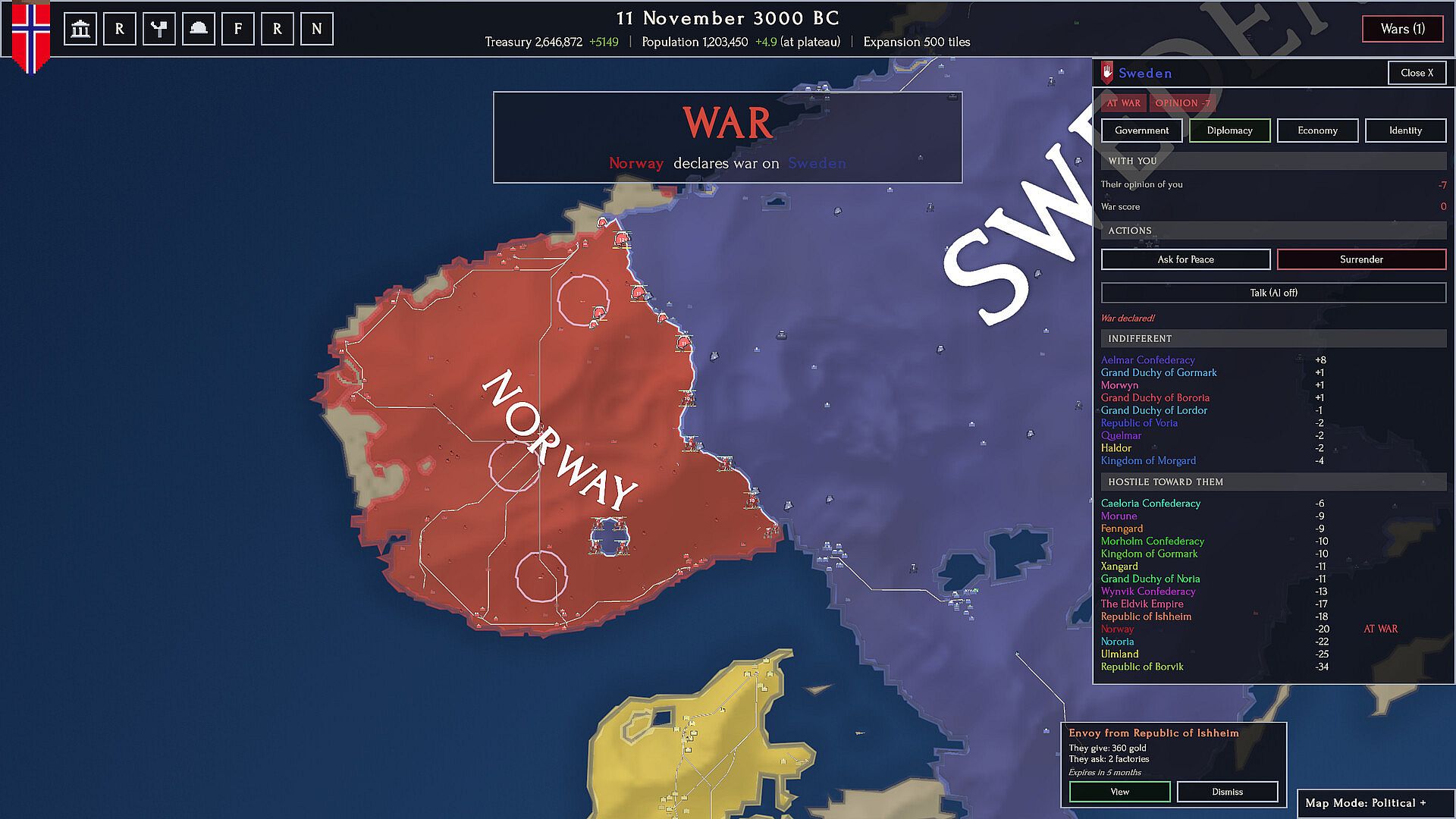
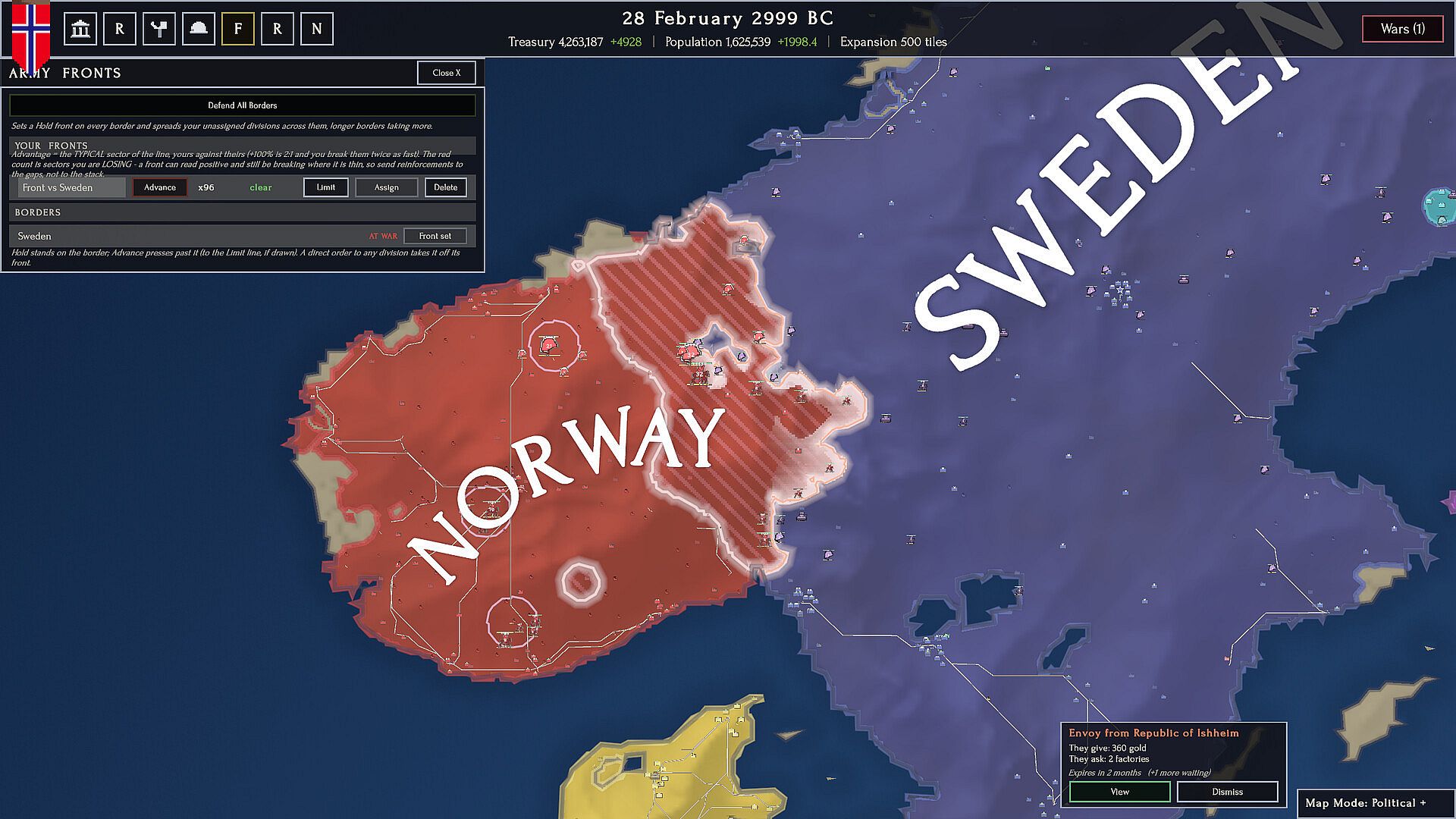
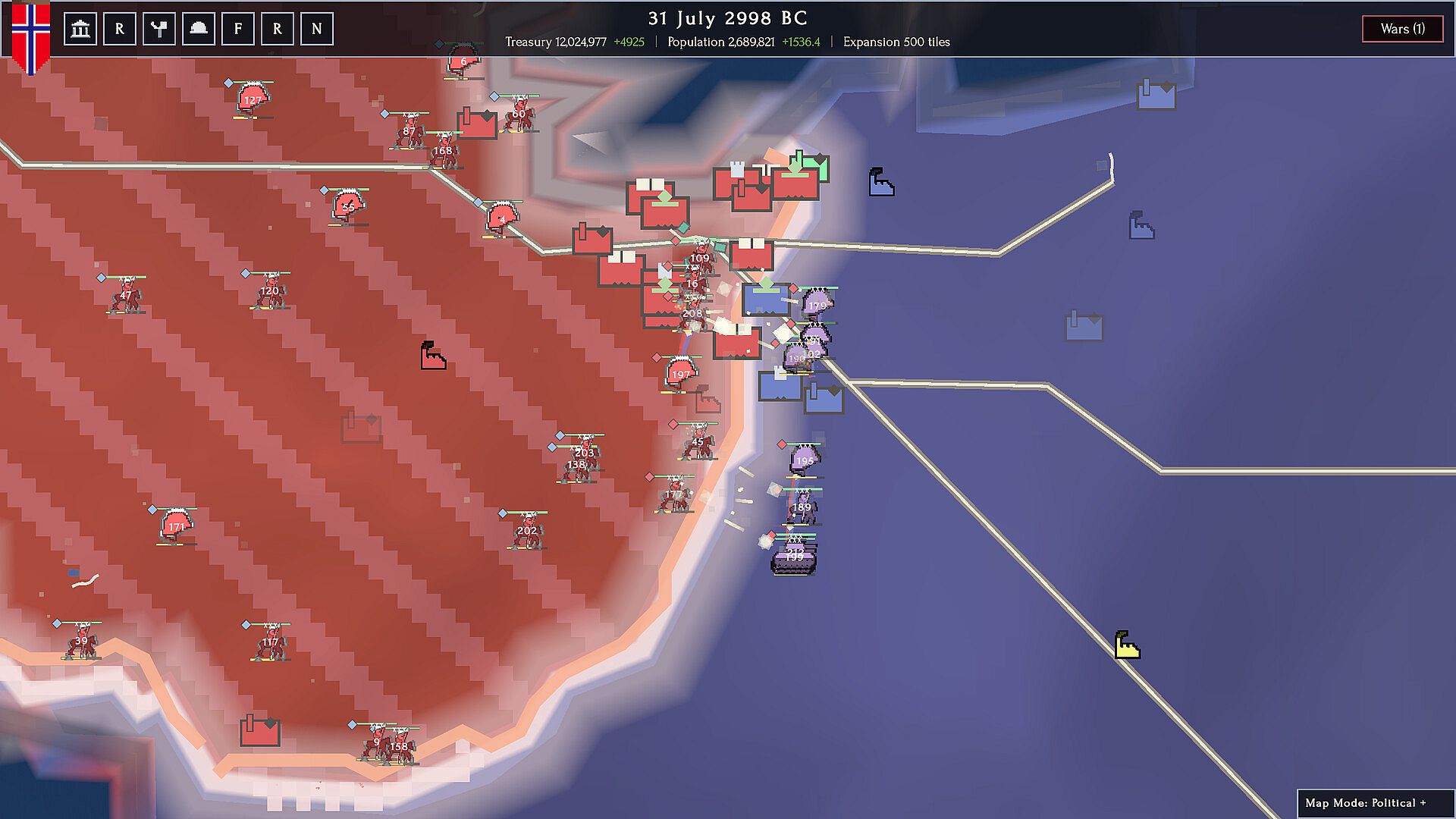
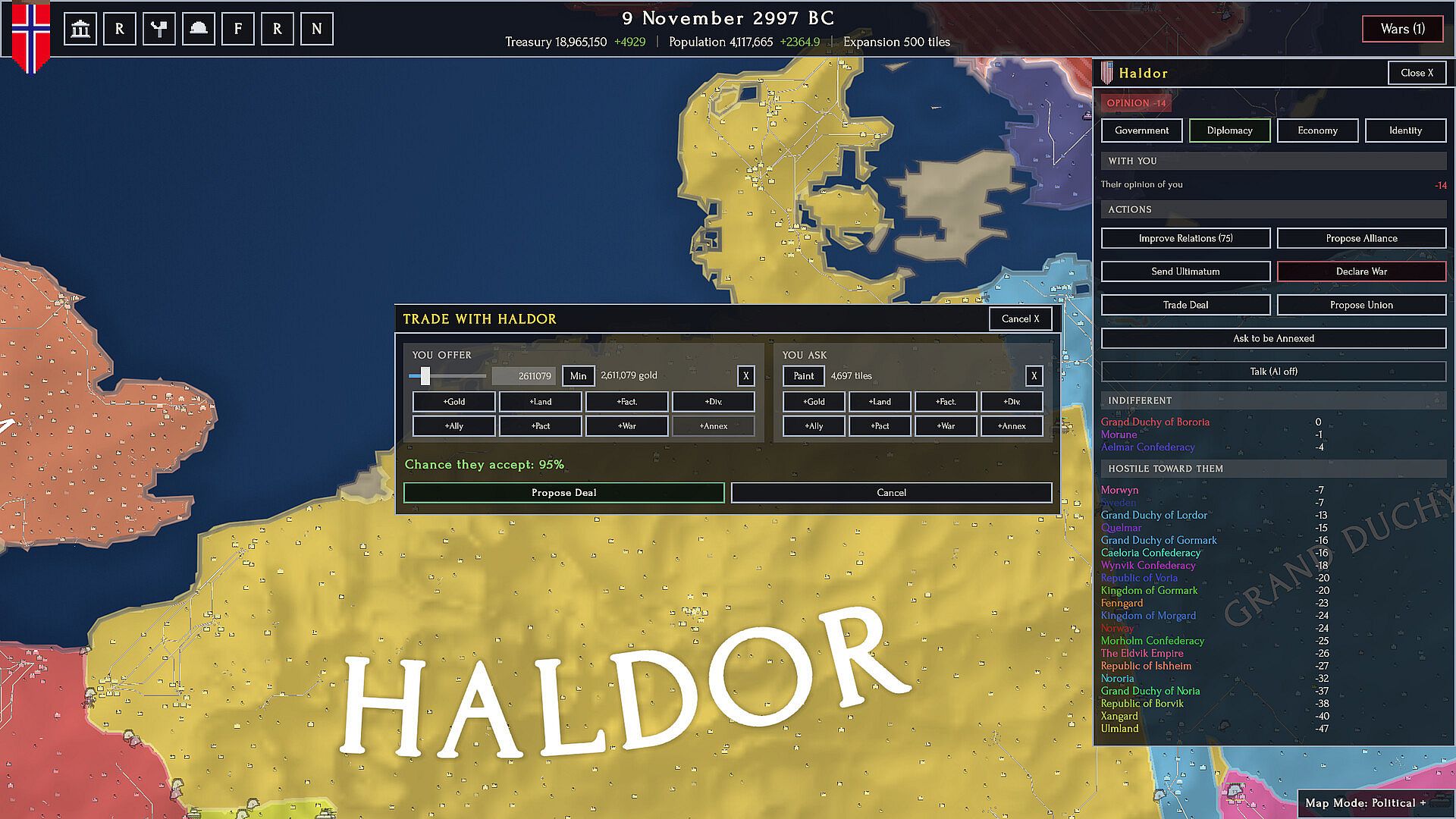
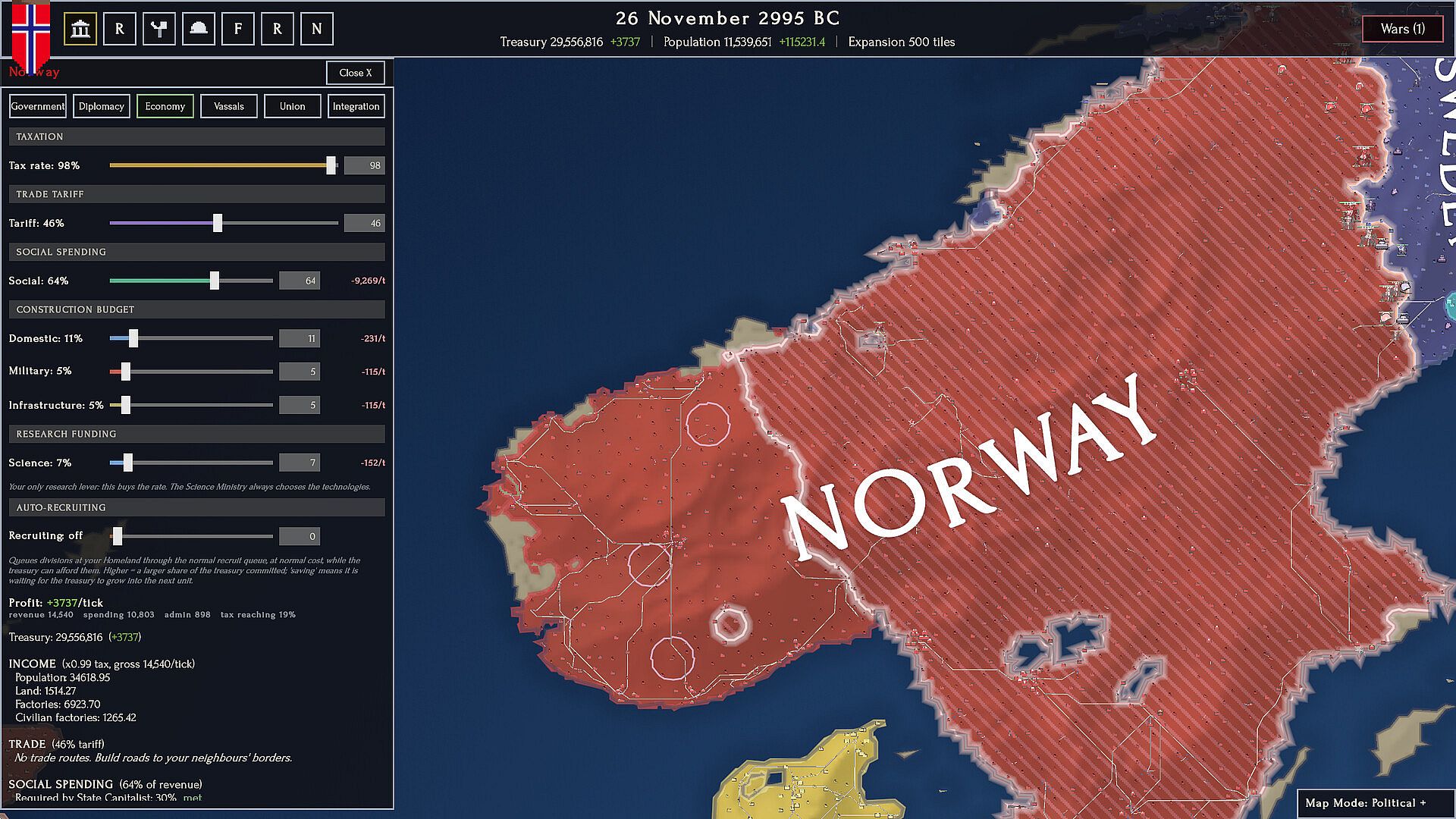
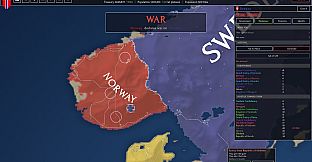
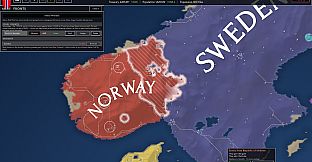
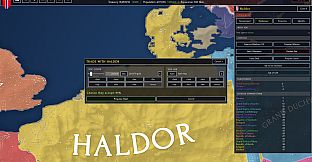
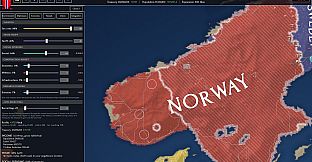
Civitas: World Simulator is a strategy and simulation game for PC that places players in control of nations within a historical-fantasy setting. Nations rise, fall, and transform through detailed modeling of internal elements such as ethnicity, culture, language, and political tensions. The experience centers on managing these forces rather than simple map changes, creating an environment where ideas and conflicts drive ongoing evolution.
Gameplay
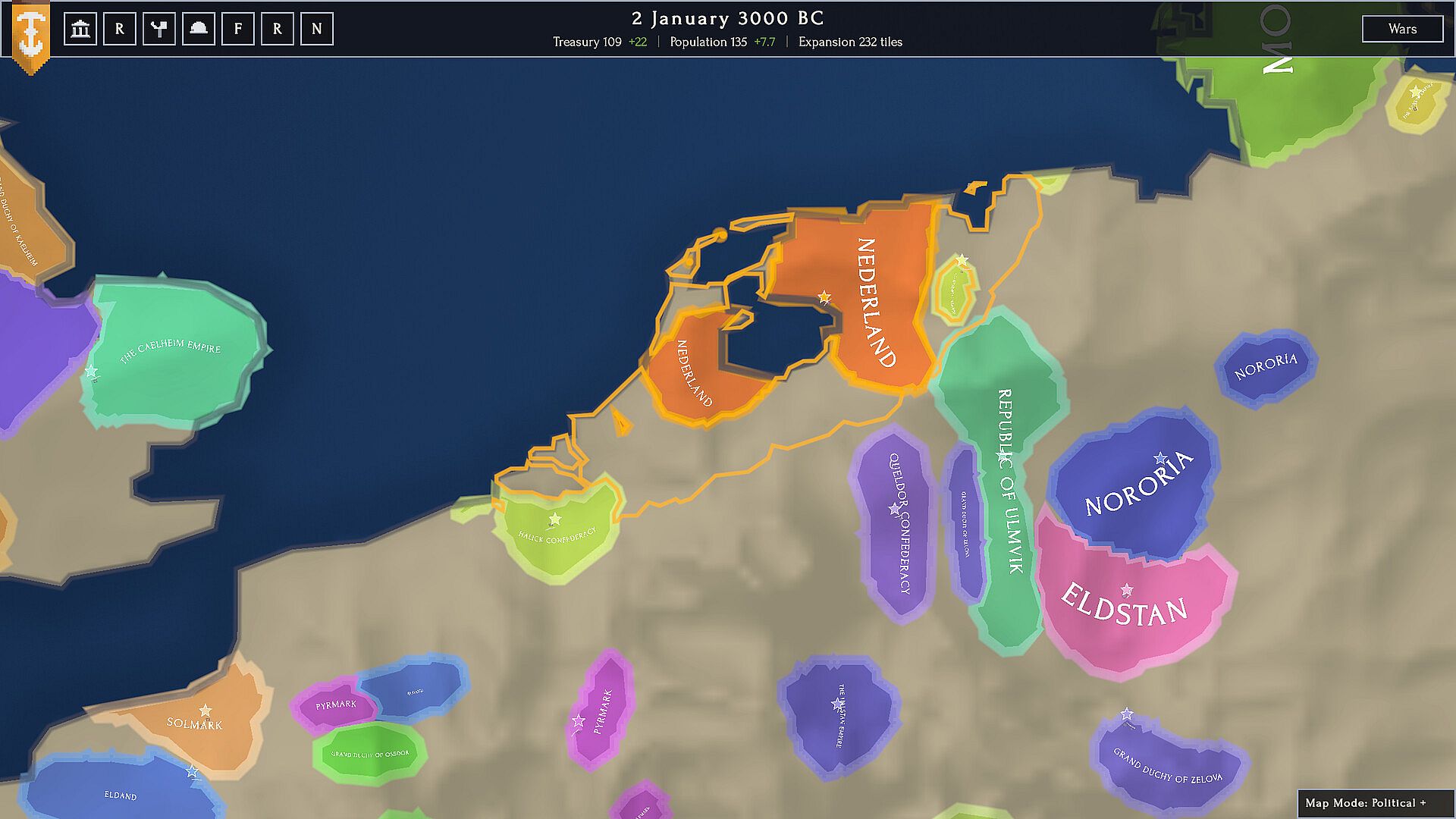
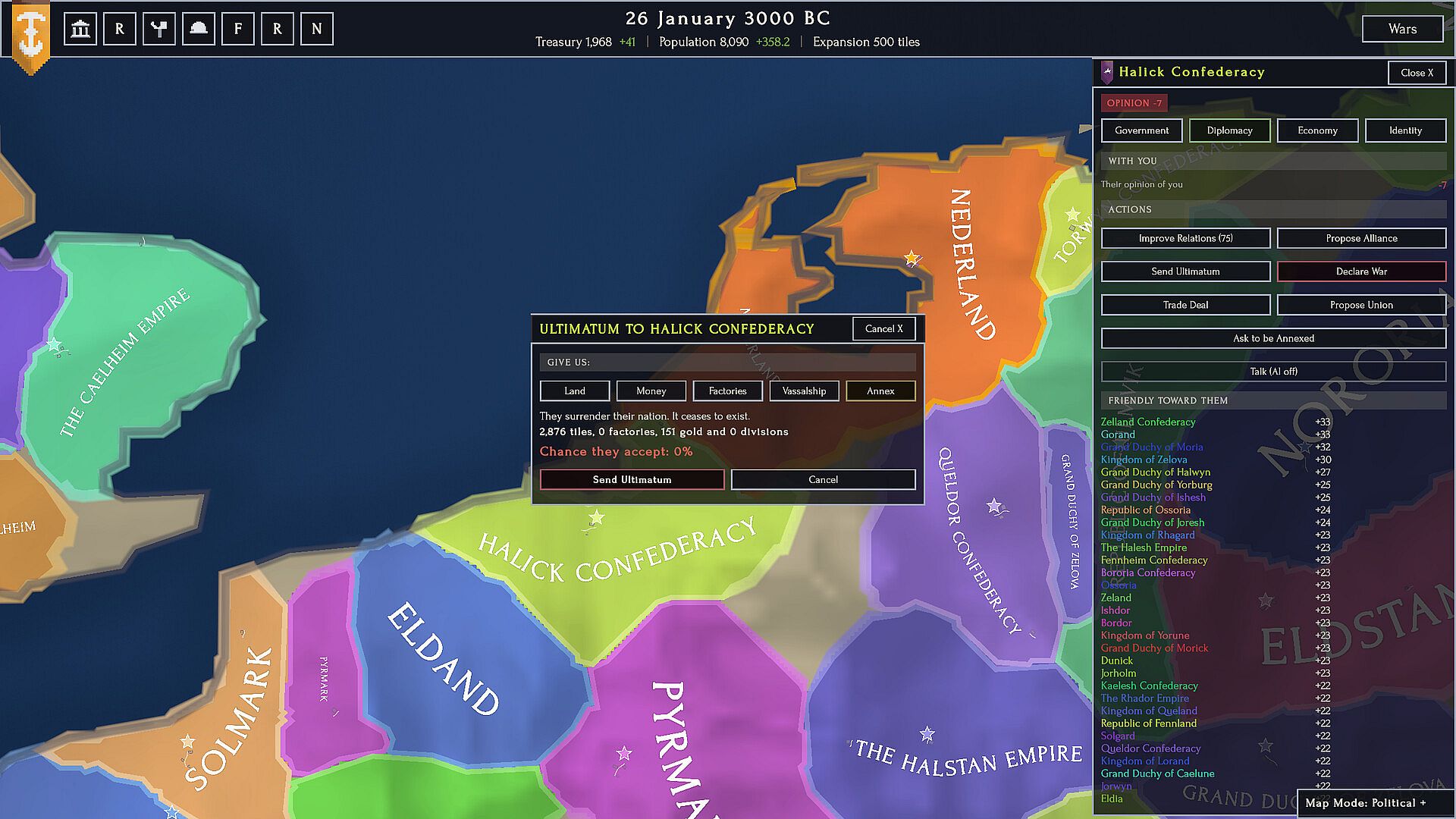
The core loop involves overseeing a nation's internal stability and external relations through country management tools. Players create and customize rulers while adjusting country names and colors to fit their vision. Expansion can follow peaceful paths or turn aggressive, with each choice influencing how the nation develops over time. Nations maintain memory of past interactions, leading to dynamic responses from other entities in the world. This setup produces constant shifts in structure as external pressures and internal divisions interact.
At its foundation, every nation operates like a structure on unstable ground. External threats and internal divisions can force reshaping or outright collapse. Citizens may grow dissatisfied and challenge leadership, while external agents can spread disruptive ideas among the population. Mismanagement of resources, policies, or relations accelerates these risks, requiring careful attention to multiple layers of influence at once.
Game Modes
The simulation supports flexible play styles centered on single-nation management or broader world oversight. Players can focus on one country's internal development and expansion decisions, or observe and interact with multiple nations as they evolve independently. Role-playing elements allow for ruler creation and historical or fantasy scenarios, with the world responding to accumulated events across sessions. The absence of fixed scenarios encourages repeated playthroughs where outcomes vary based on prior choices and ongoing interactions.
Key Mechanics
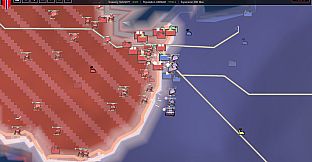
Internal political struggles form a central system, where factors like cultural differences and ideological clashes affect stability. Armies emerge from these tensions, turning ideological conflicts into military actions when pressures build. Nations adapt their structures in response to these events, creating a living world that changes shape without player intervention in some cases. The tools for role-playing extend to renaming and recoloring, helping tailor the experience to personal preferences while the underlying simulation continues its independent progression.
Is It Worth Playing?
This title suits players who enjoy deep strategy simulations focused on internal nation dynamics and long-term historical evolution. The emphasis on cultural, linguistic, and political modeling offers a different approach from map-focused strategy games, rewarding those interested in cause-and-effect chains within societies. Availability on PC makes it accessible for extended sessions where players experiment with ruler decisions and expansion strategies. Those seeking systems that simulate the messy realities of governance and conflict will find the described mechanics align with that interest, though the experience demands patience with its layered simulation elements.