

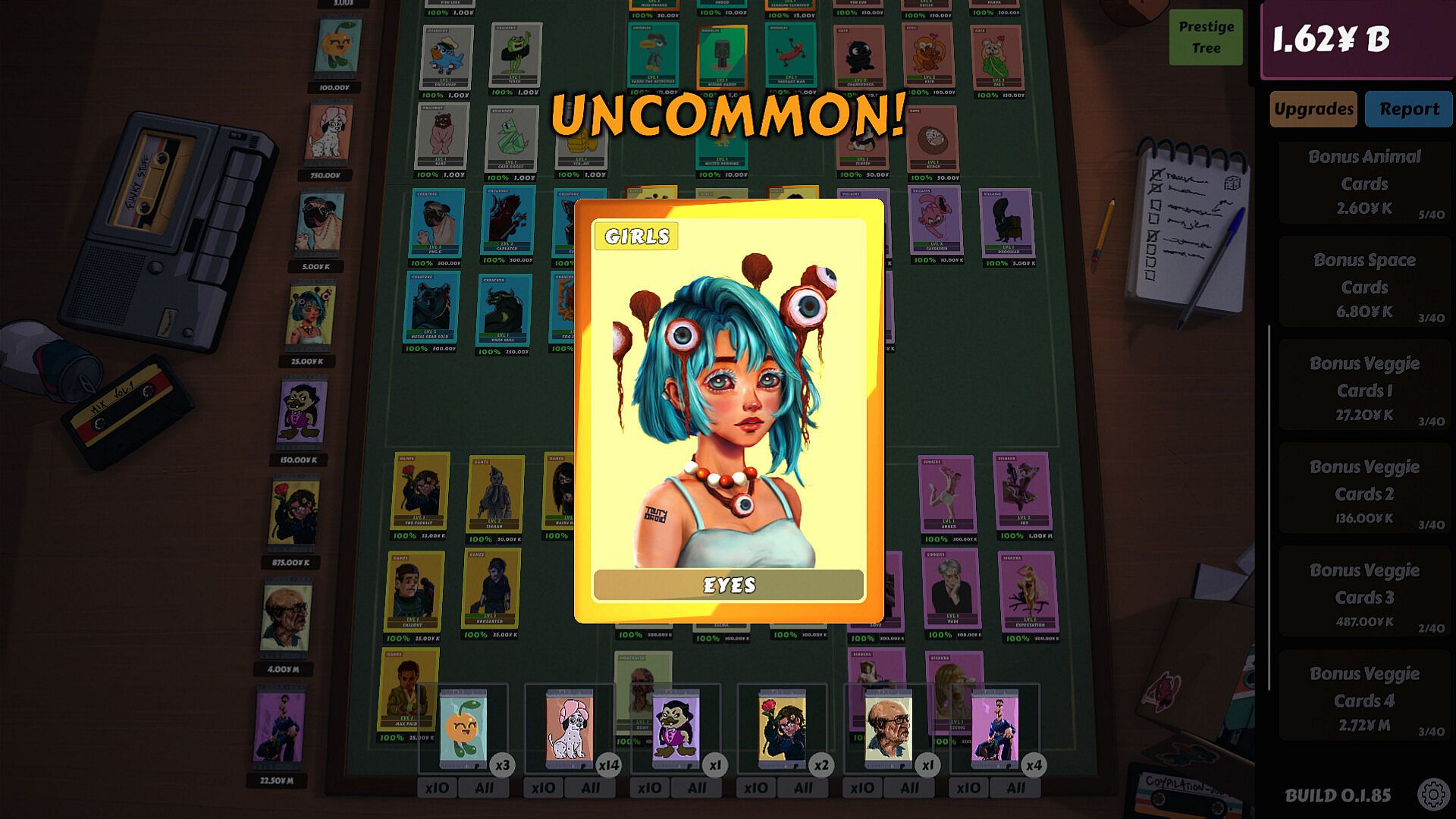
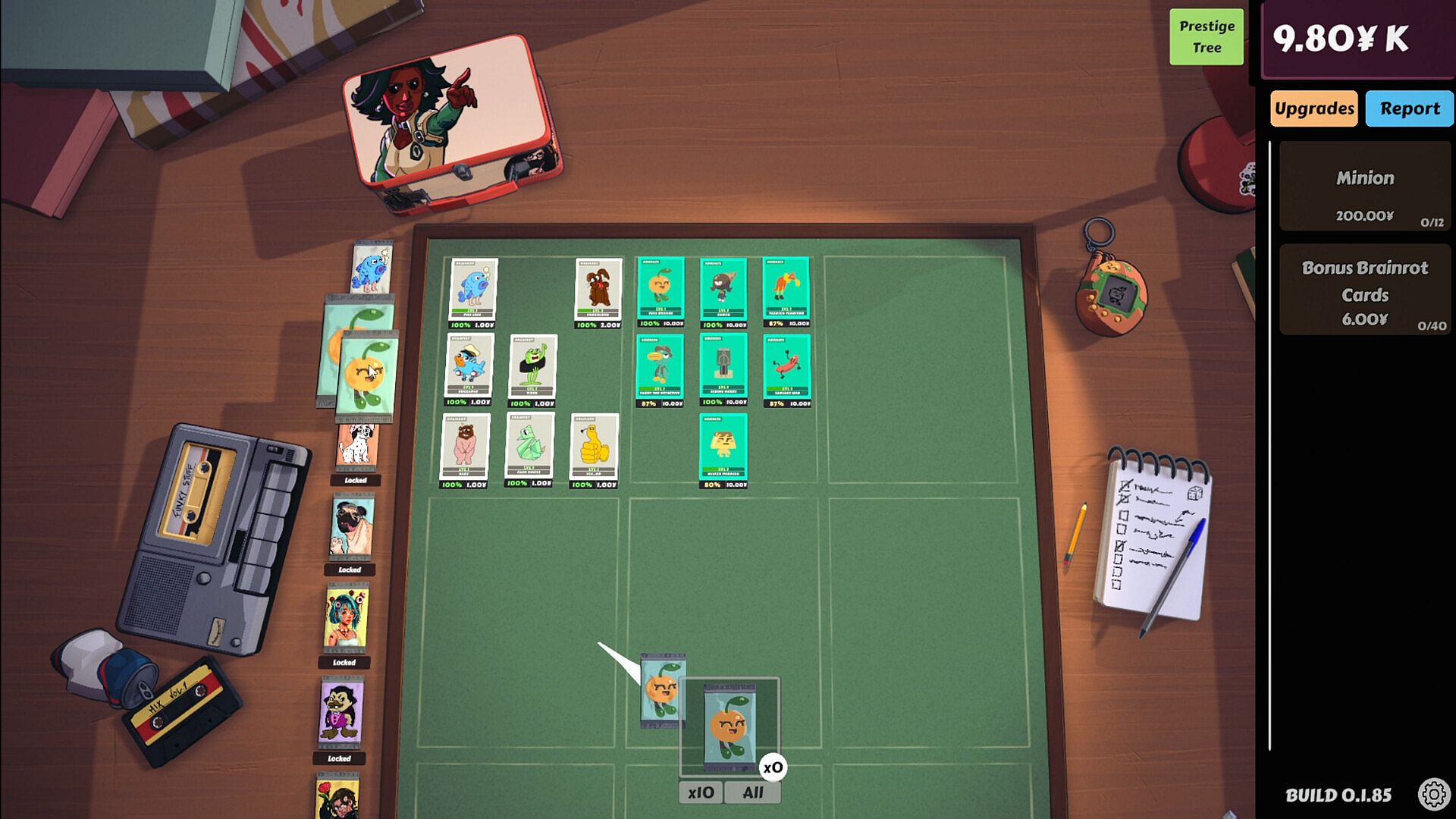
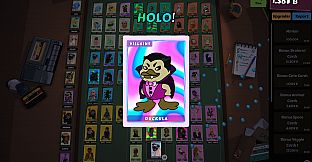
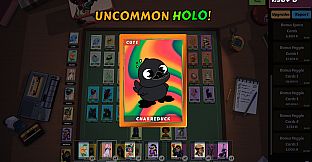
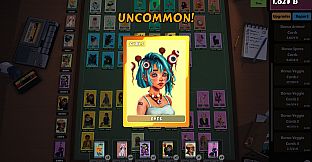
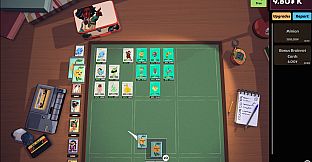
Crack a Pack is an indie casual incremental game for PC centered on card collecting. Players begin with an empty board and build a collection by purchasing packs, opening them to reveal new cards, and arranging those cards to generate ongoing income. The experience emphasizes steady progression through repeated pack openings and strategic upgrades rather than competitive elements or story-driven campaigns.
Gameplay
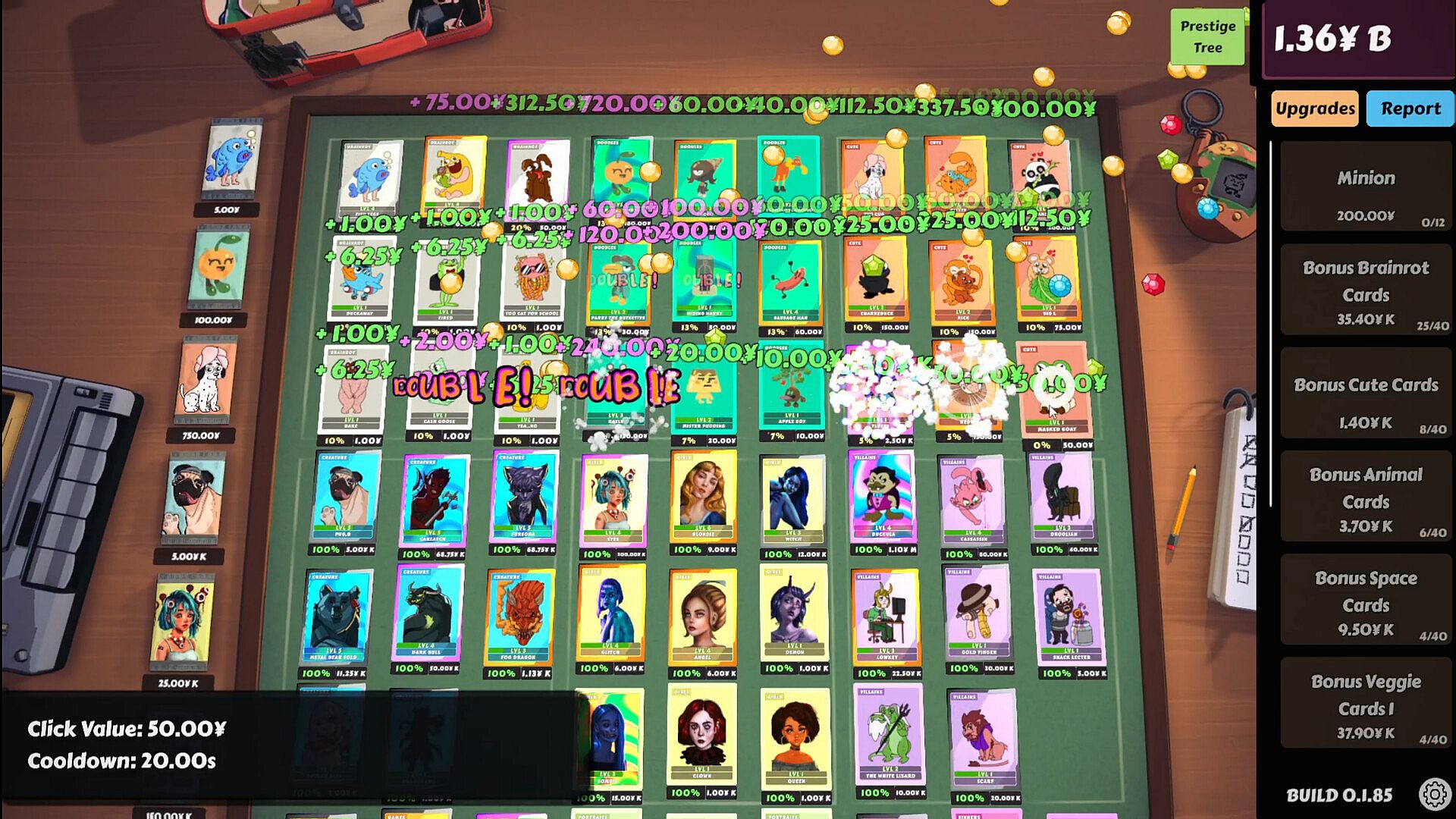
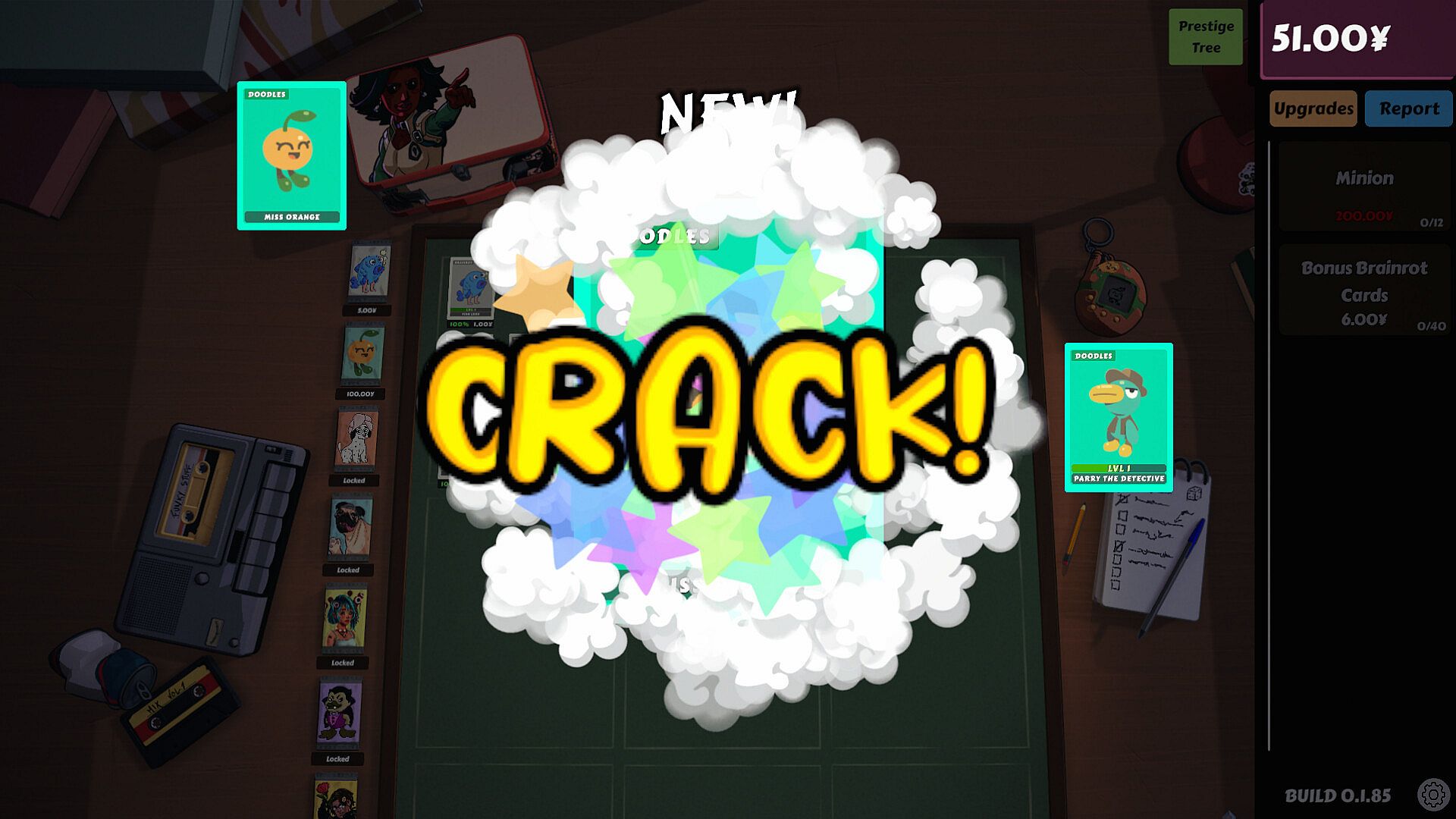
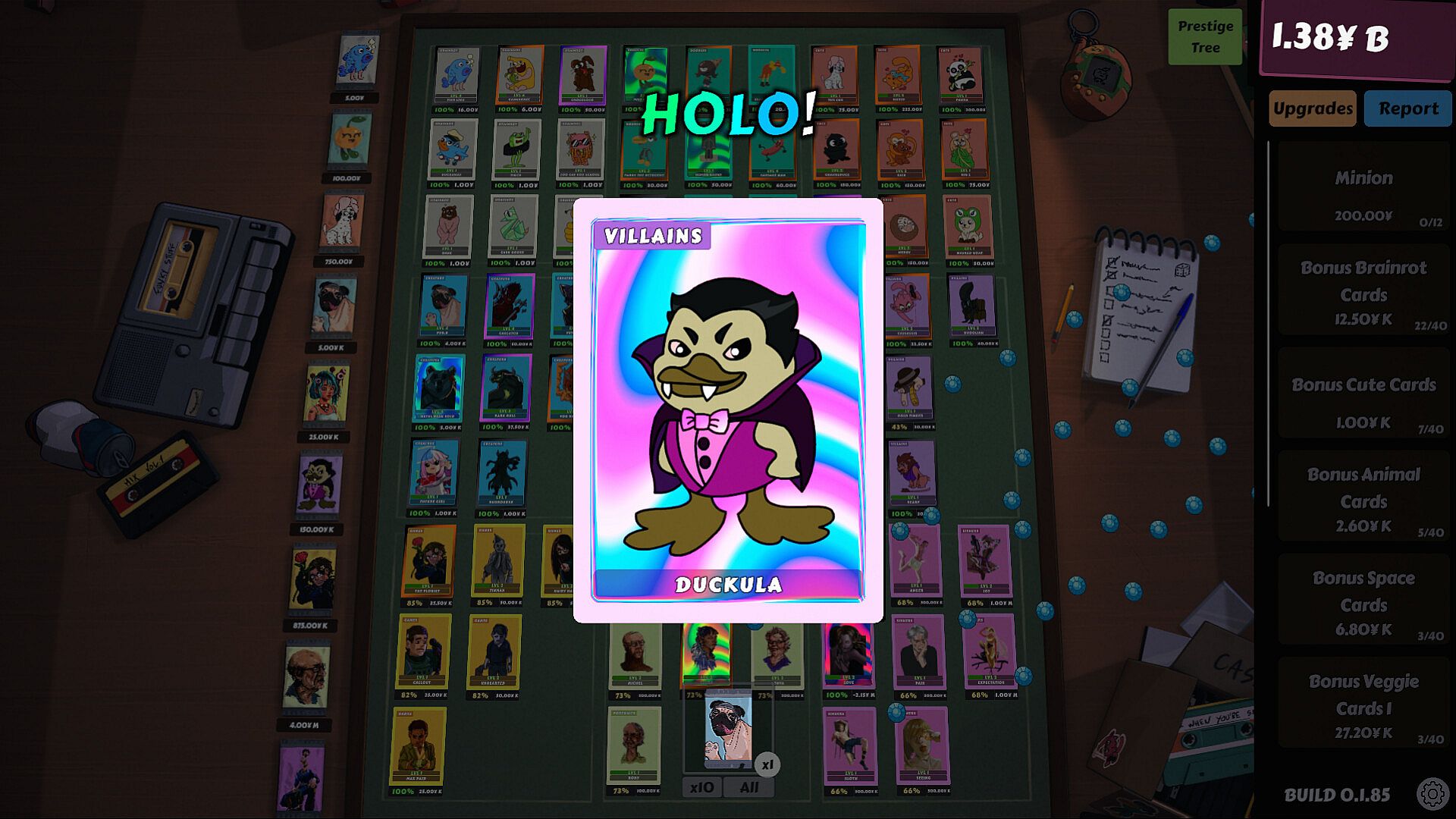
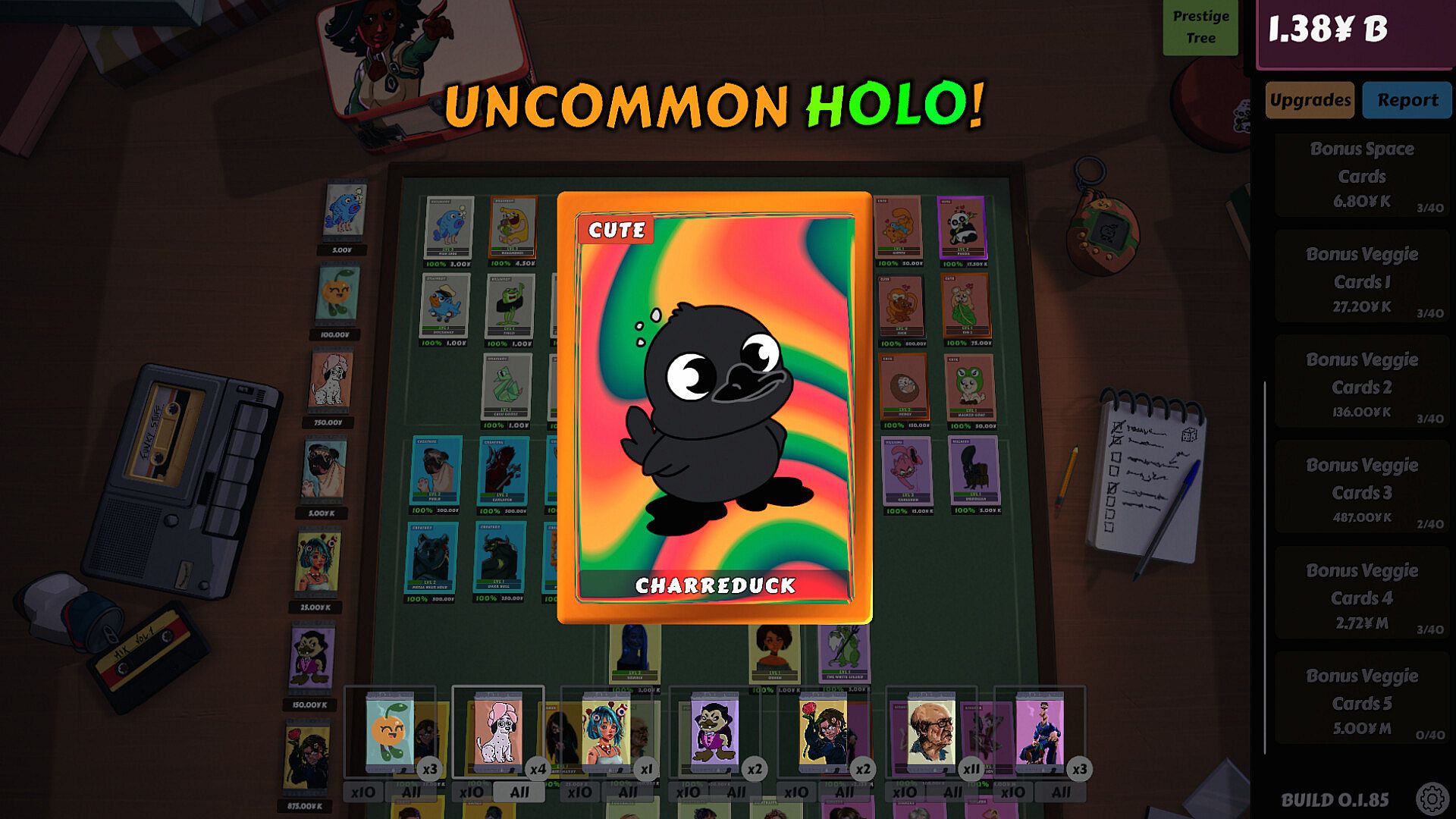
The core loop revolves around acquiring packs with earned funds, cracking them open to add cards to a visible board, and collecting the output those cards produce over time. Cards generate resources that fund further purchases, creating a cycle of expansion and optimization. Players hire and manage pawns that assist in gathering money from the board, with options to expand their work areas for greater efficiency.
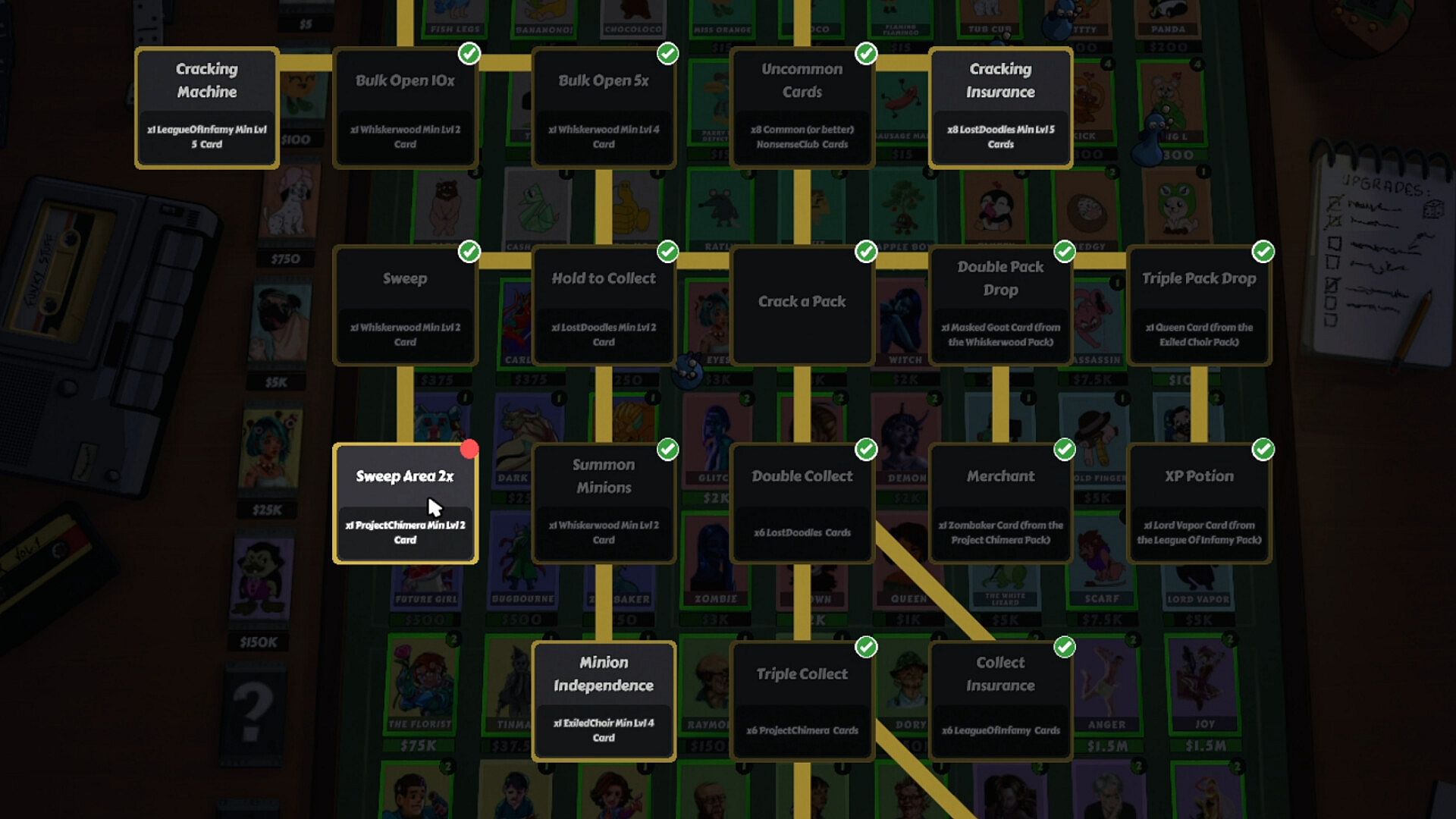
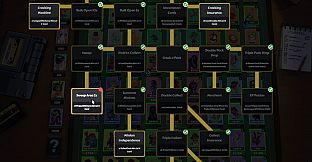
Prestige works through card sacrifice instead of a full reset. Sacrificing selected cards grants permanent upgrades that strengthen future runs without erasing prior progress. This system encourages careful decisions about which cards to keep for production and which to offer up for long-term gains. Funds also unlock skills and automation features that reduce manual tasks, allowing the board to run more independently as collections grow larger and more varied.
Visual feedback plays a key role, with the board evolving into a colorful display filled with card effects as more pieces are added. The focus stays on the satisfying rhythm of pack purchases, reveals, and incremental improvements to output and automation.
Game Modes
Crack a Pack operates as a single-player experience with no separate multiplayer or competitive modes. All activity centers on personal collection building and automation within one continuous progression system. There are no named game modes or factions; the entire title functions as a unified incremental loop where players manage their board, pawns, and upgrades at their own pace.
Progression Systems
Advancement comes from expanding the card collection and investing in automation tools. Early stages involve manual collection and basic pack buys, while later stages benefit from hired pawns, skill unlocks, and automated processes that multiply resource generation. The prestige mechanic adds depth by letting players trade specific cards for upgrades that persist across sessions, rewarding thoughtful management of the collection rather than simple accumulation.
Players track output from every card on the board and use that income to buy more packs, creating a clear path from empty board to a fully populated, high-output setup. Automation options gradually shift the focus from active clicking to overseeing an efficient system that continues producing value with less intervention.
Is It Worth Playing?
Crack a Pack targets players who enjoy incremental card collection games and the steady satisfaction of building and automating a production system. Its single-player focus and prestige-through-sacrifice approach differentiate it from standard reset-based idle titles, offering a different rhythm for those who prefer persistent upgrades. The game remains in a pre-release state with no user reviews available yet, so its appeal rests on the described mechanics of pack opening, pawn management, and board automation. Fans of casual indie experiences built around collection and optimization may find the loop engaging once it launches.