


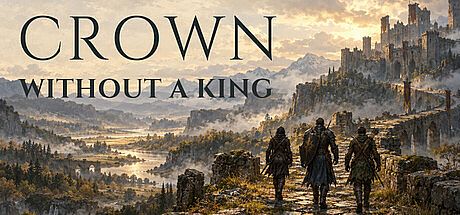


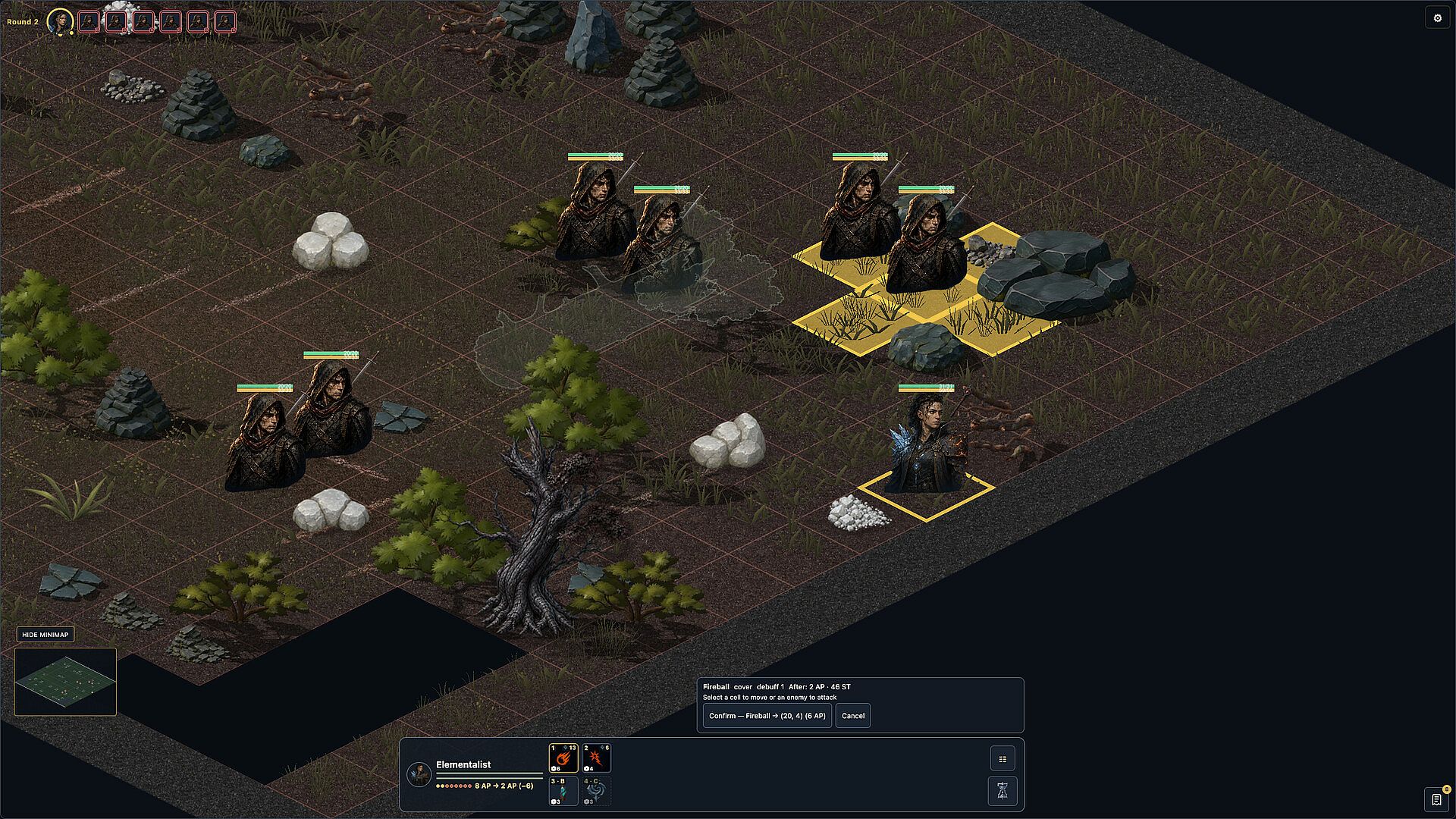
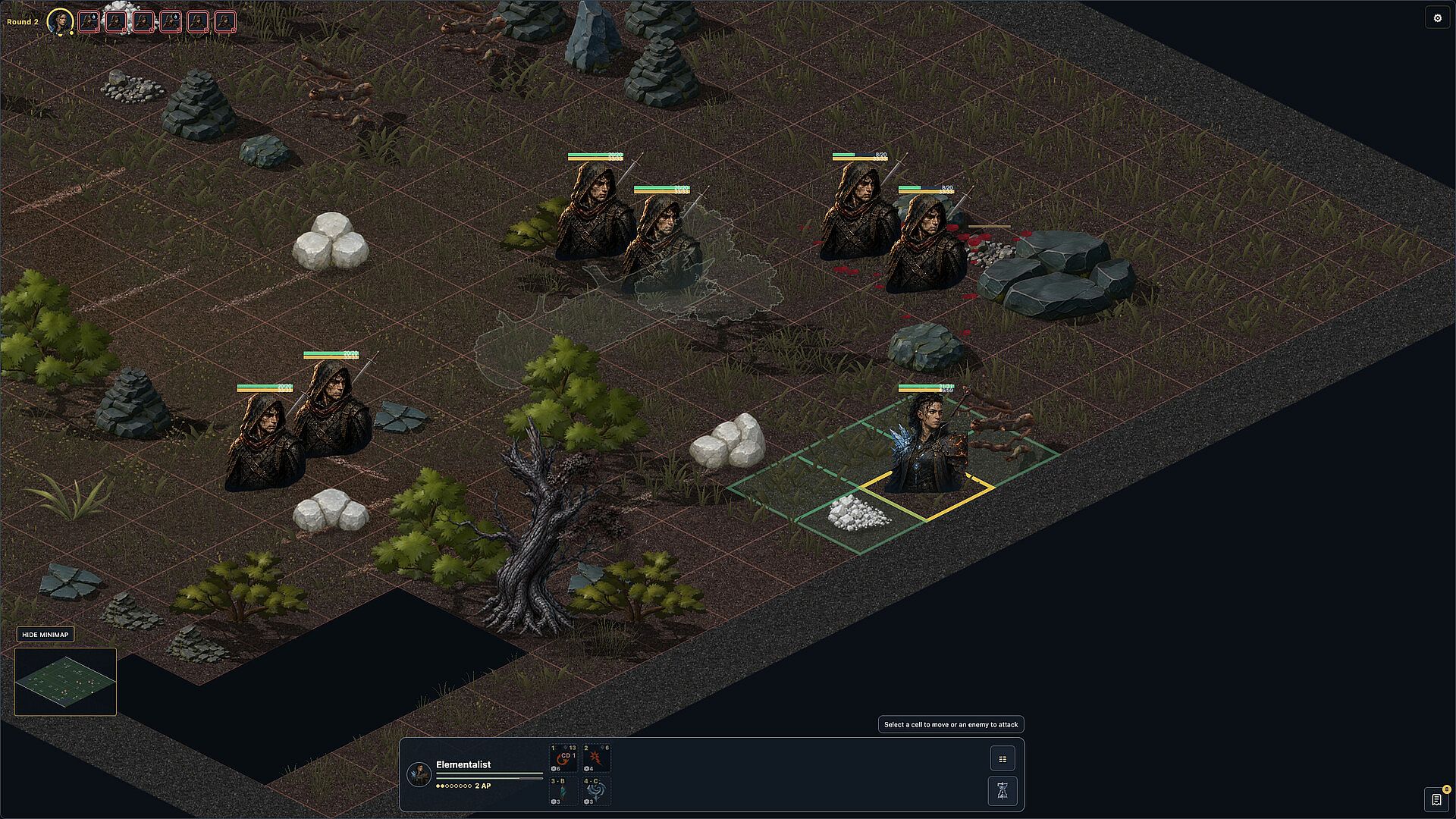
Crown Without a King is a strategy indie RPG that places players in command of a growing mercenary company in a fantasy world facing invasion. The game centers on party development, ability customization, and preparation for a major defensive stand at the castle Emberwatch. Combat unfolds in turn-based sequences on an isometric grid, while downtime at the castle allows for recruitment, research, and equipment work that directly influences field performance.
Gameplay
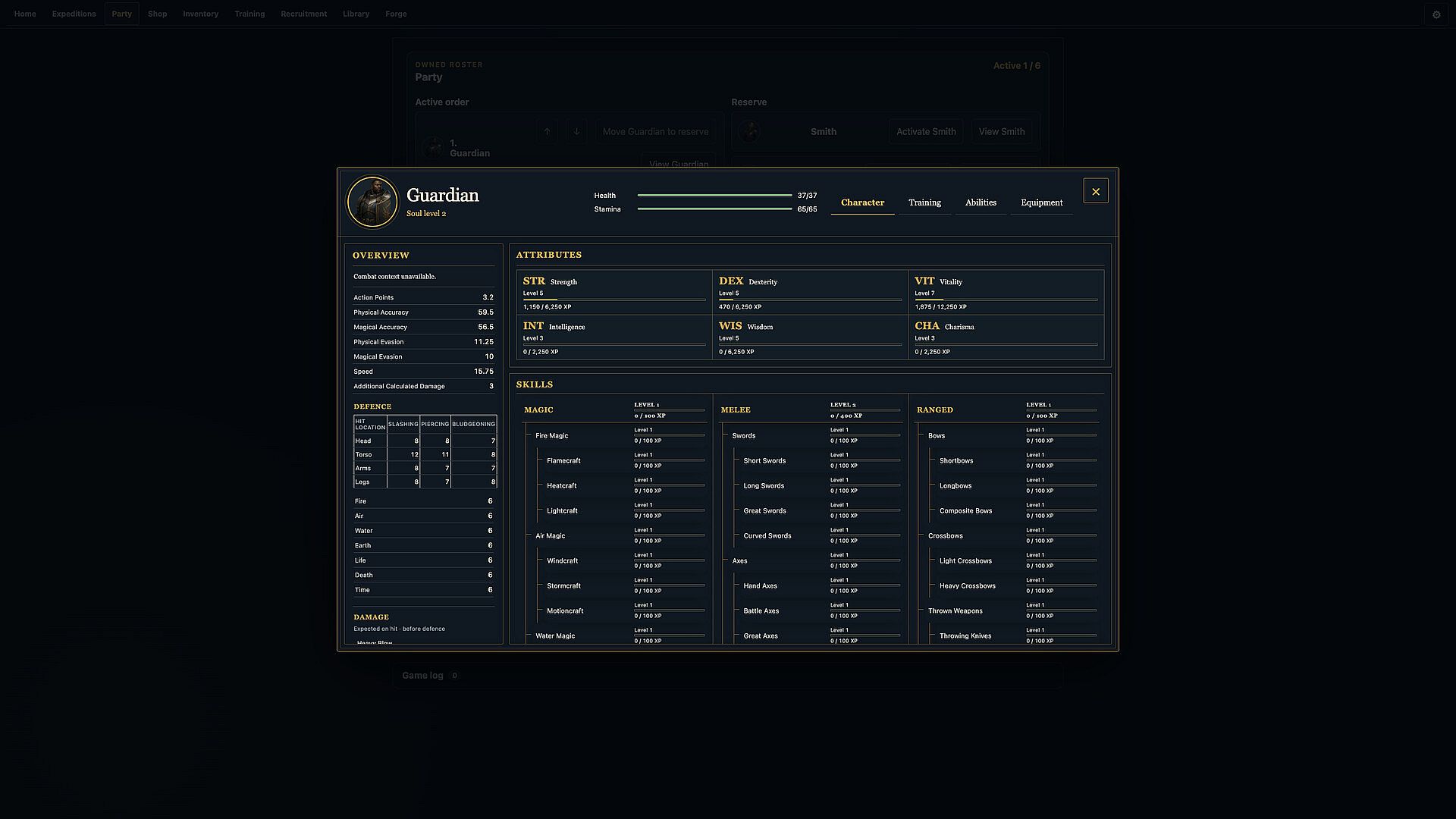
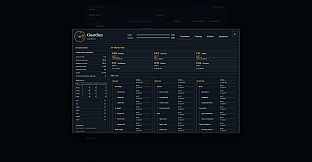
Abilities form the core of progression. Prepared skills gain experience from successful contributions in battle, allowing them to evolve over time. Players pair these growing abilities with compatible scroll enchantments to alter their effects and combine them with weapon mastery for each character. This system encourages ongoing refinement rather than fixed builds.
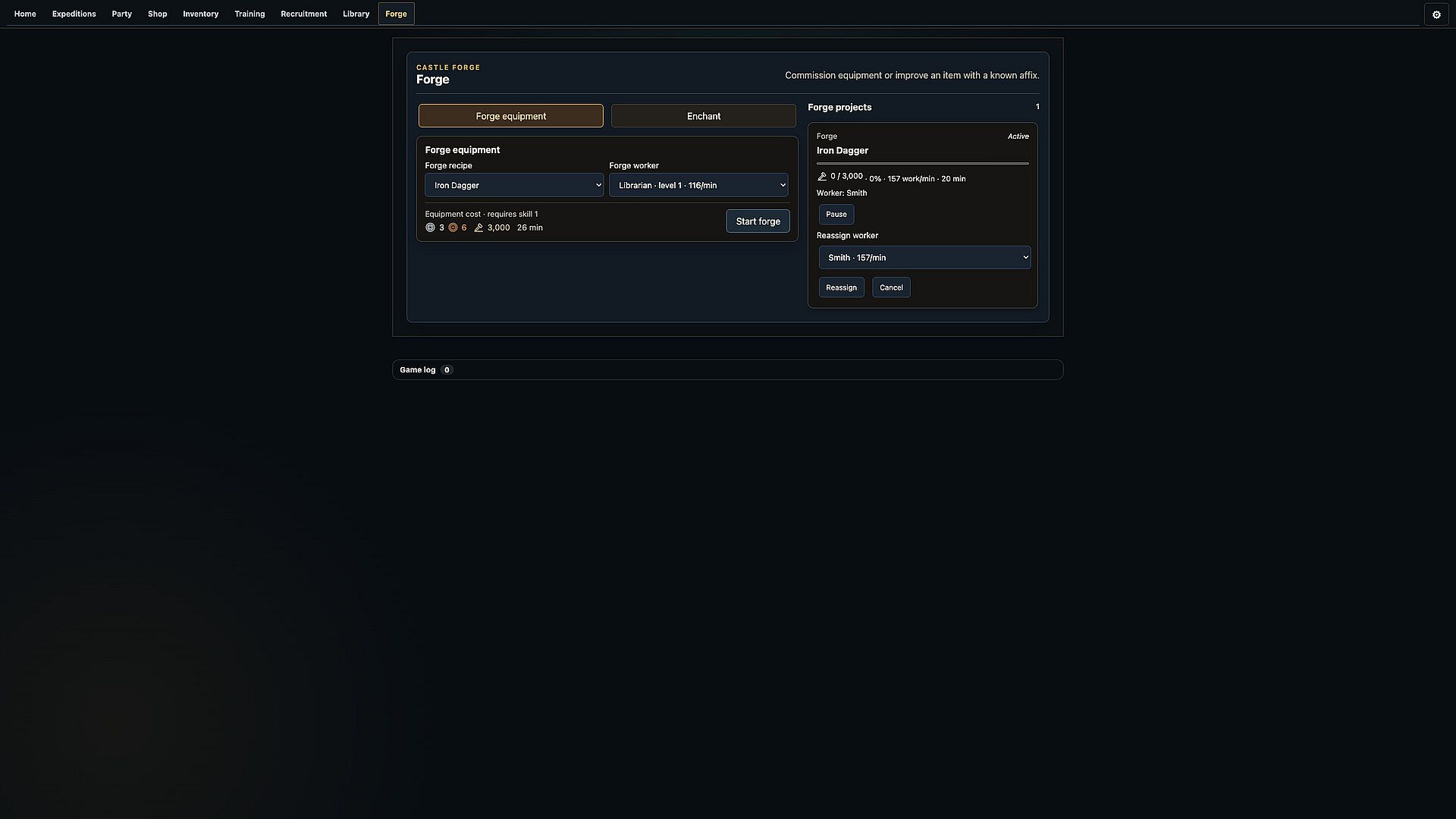
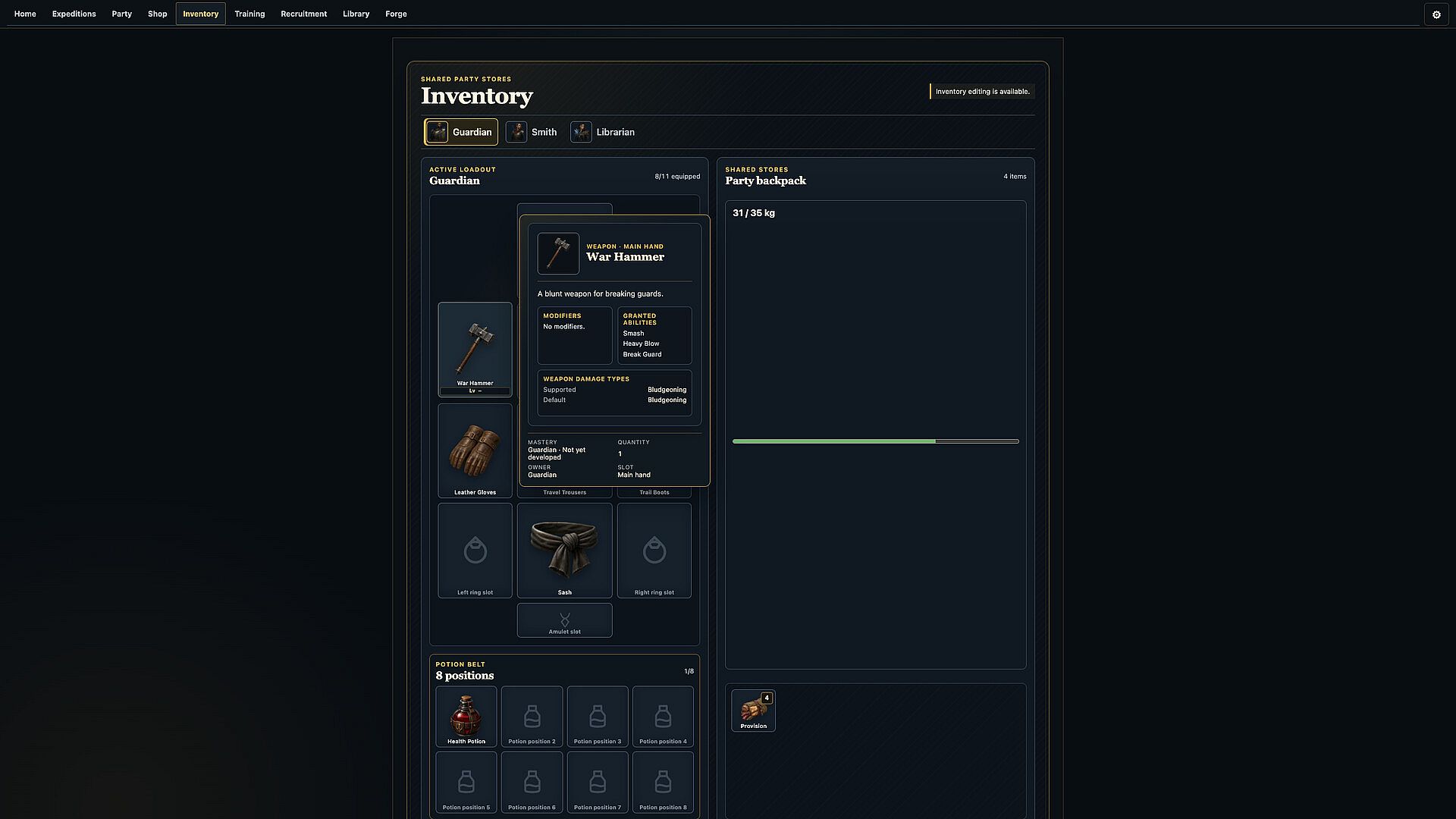
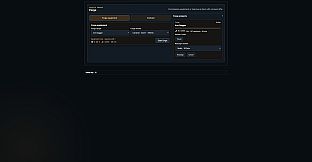
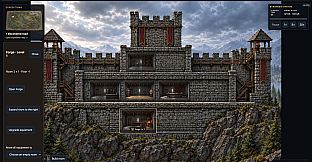
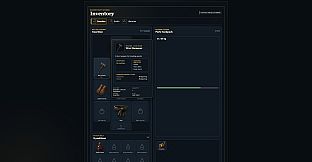
Equipment follows a parallel track. The Library supports research into affixes, which players then apply during forging. Compatible enchantments further customize pieces, shaping how gear performs in combat. These changes tie directly into party roles and tactical choices on the battlefield.
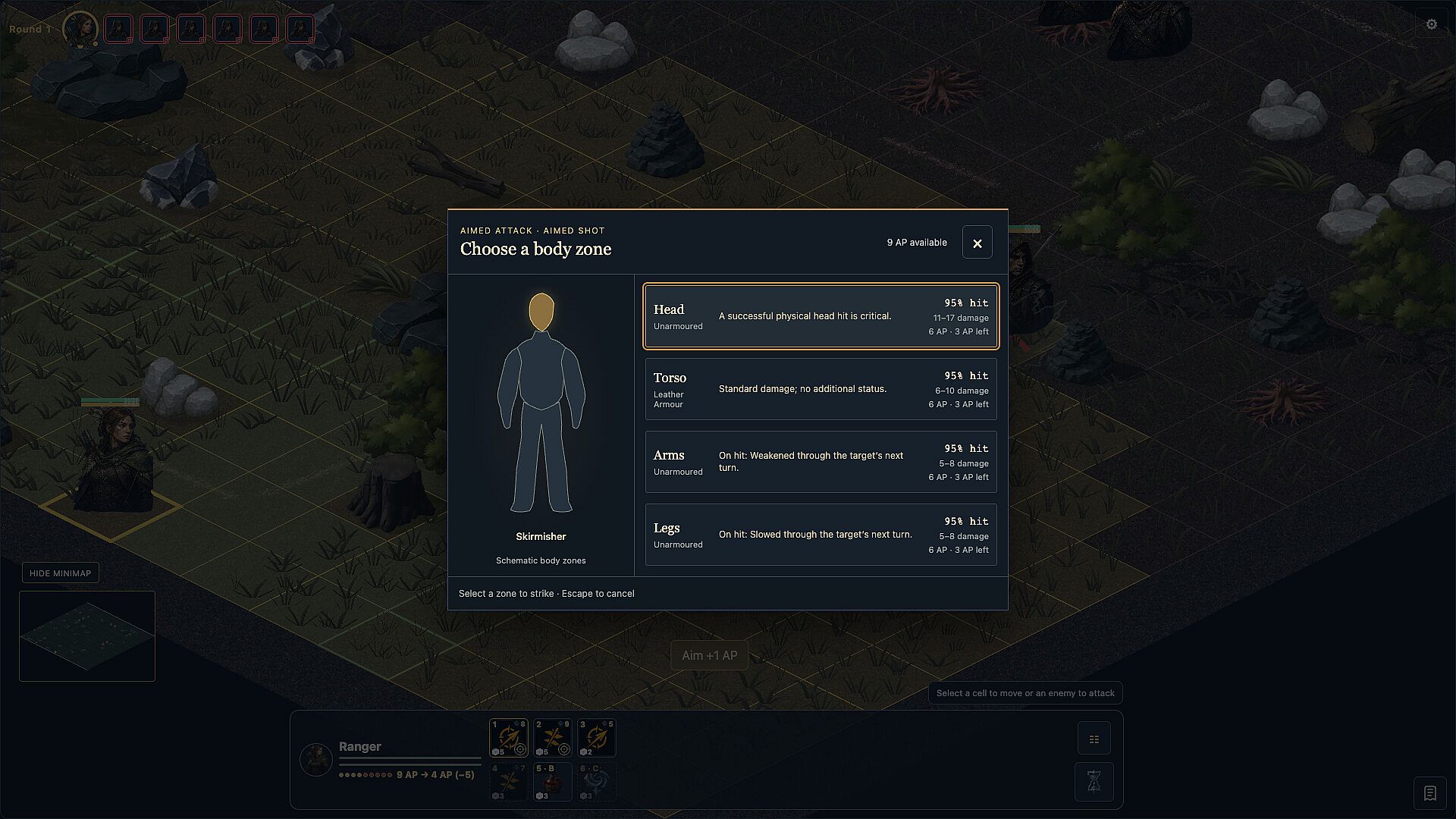
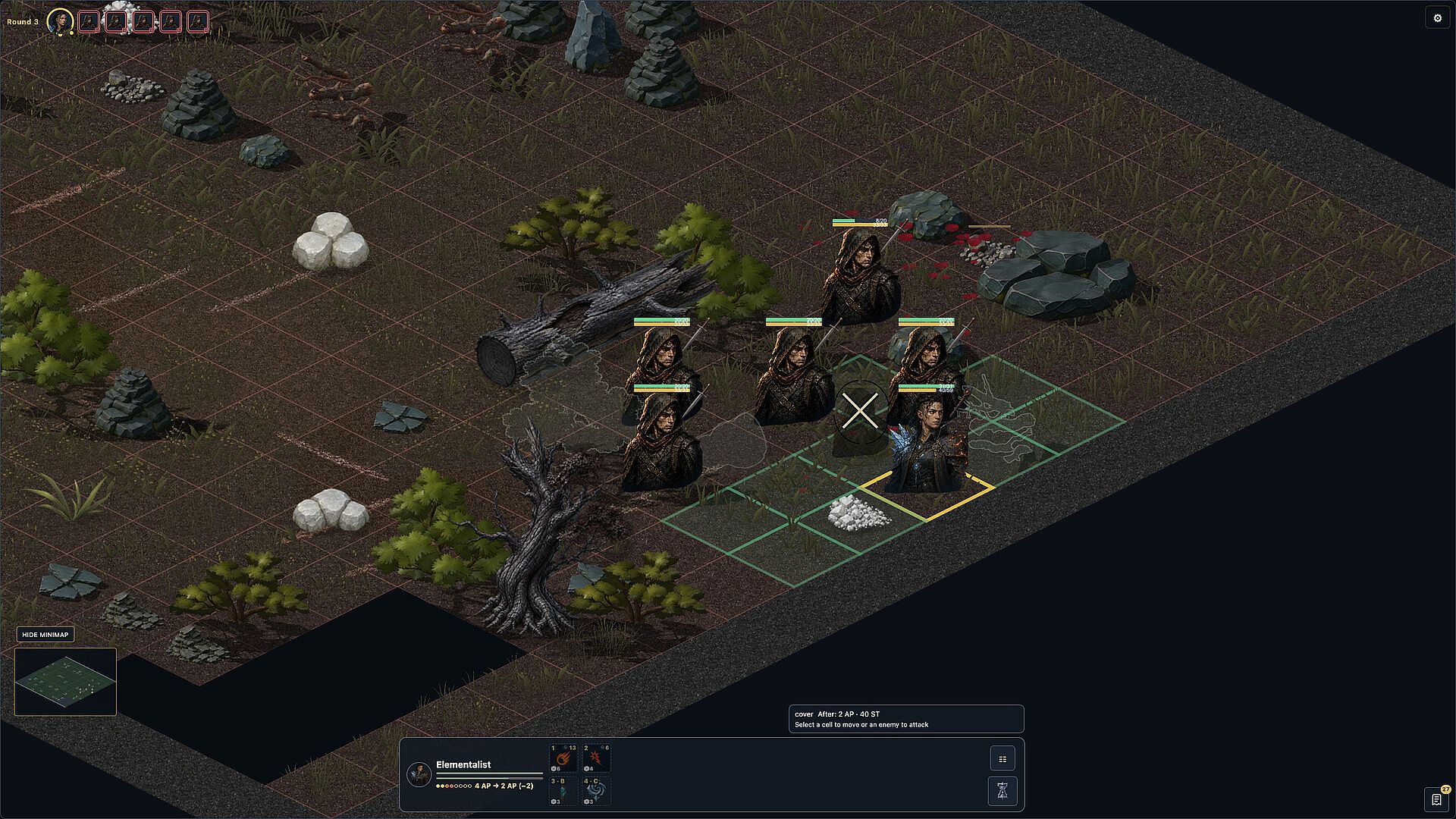
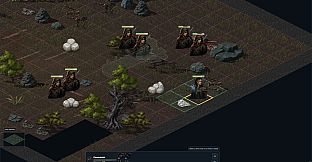
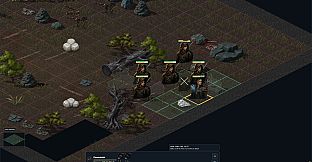
Turns require careful planning. Characters position on the grid, account for action point costs, and select targets. Aimed attacks add precision by letting players target specific body zones, though they consume extra points and introduce risk-reward decisions. The isometric view supports clear line-of-sight and positioning considerations during each round.
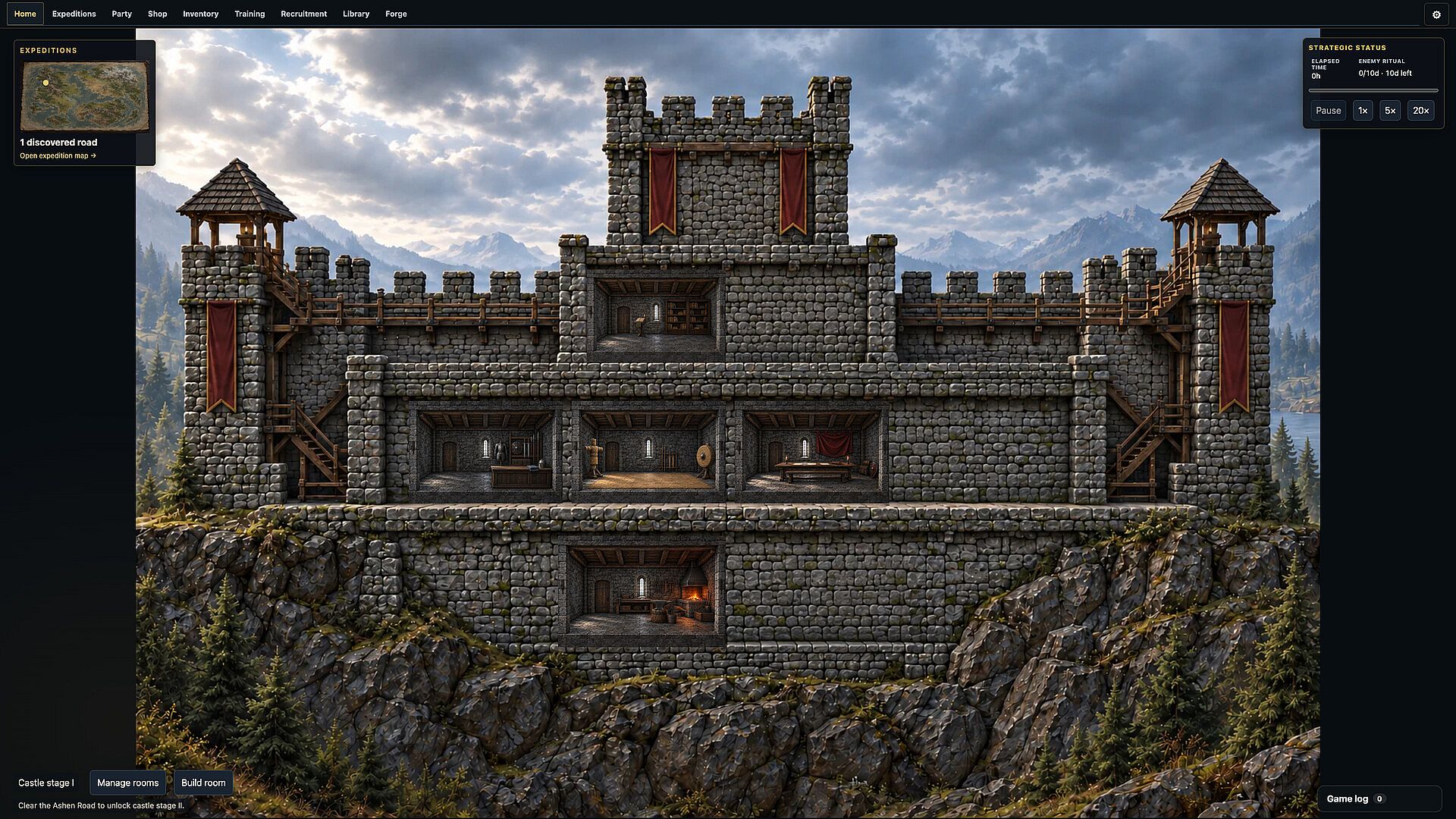
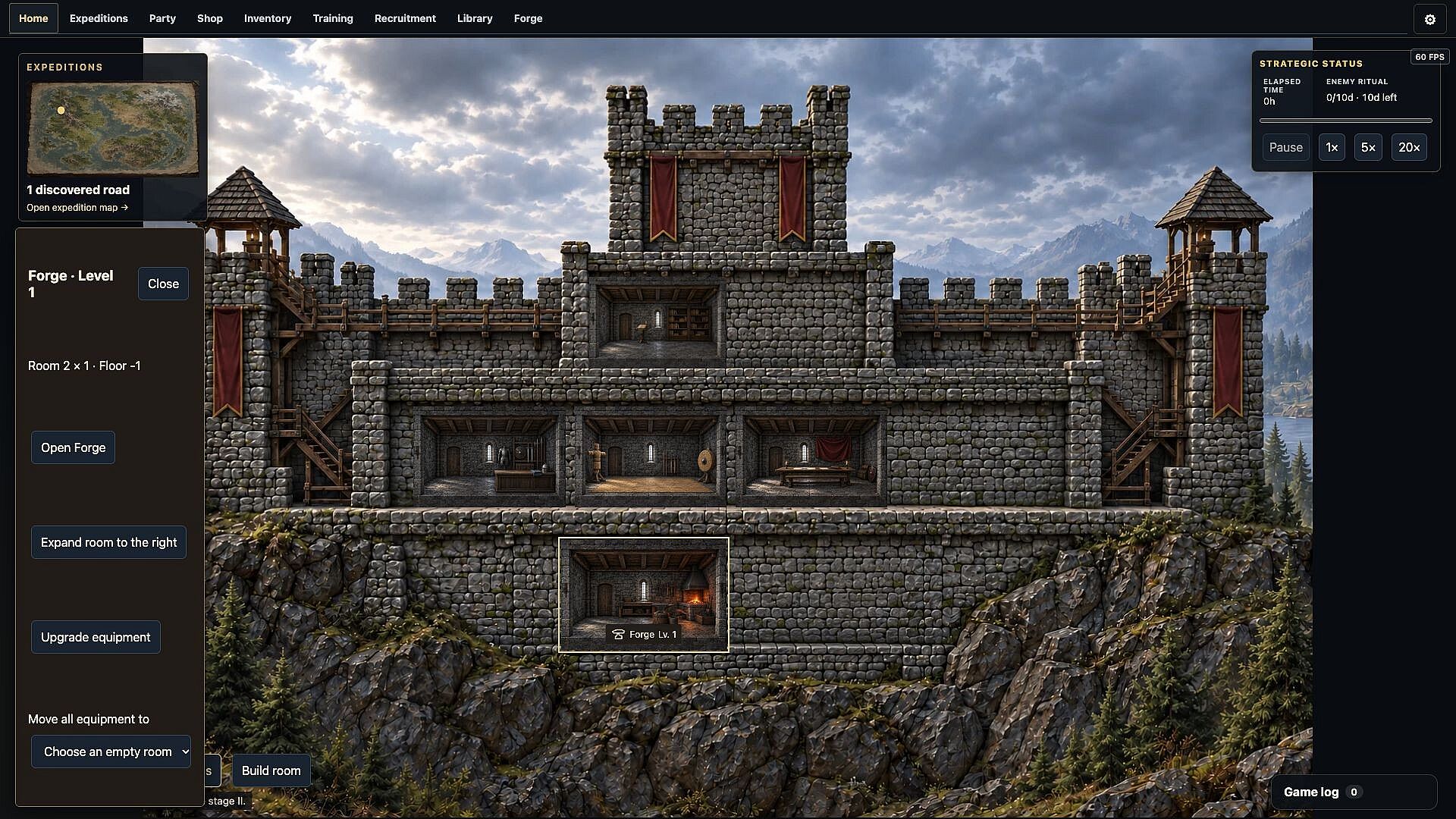
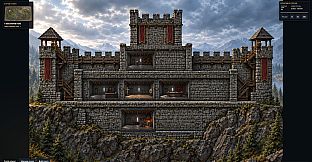
Between expeditions, players return to Emberwatch. This hub handles recruitment of new members, training sessions, trading for supplies, research projects, and forging operations. Reserve recruits can be assigned to castle duties that improve services over time. The loop connects battlefield gains to long-term castle upgrades and party readiness.
Game Modes
The experience unfolds as a single-player campaign. Branching expeditions form the main structure, with choices around supply lines that affect travel, rest stops, and random encounters. These elements advance a campaign clock toward the defense of Emberwatch.
Expedition routes present multiple paths, allowing players to shape their approach to the final confrontation. Each outing tests the current party configuration while feeding progress back into castle improvements and ability growth. The design emphasizes preparation and adaptation across a connected series of missions rather than isolated scenarios.
Core Systems and Progression
Party composition matters at every stage. Players balance active fighters with reserve members who contribute to castle operations. Roles emerge from ability choices, equipment affixes, and weapon focus, then shift as new scrolls and research options appear.
The Library and forge serve as central progression hubs. Research unlocks affix options that players apply to gear, while scroll compatibility rules govern ability modifications. These mechanics reward experimentation and forward planning for upcoming expeditions.
Resource management links the two main loops. Supplies gathered or traded influence both field performance and castle development. The campaign clock ensures that time spent on side activities or rest carries consequences for the approaching invasion.
Is It Worth Playing?
Crown Without a King targets players who enjoy methodical party building, turn-based tactical combat, and base-management elements within a fantasy RPG framework. The ability evolution and equipment customization systems provide ongoing decision points that reward attention to compatibility and role synergy.
Those drawn to isometric grid battles with added layers like aimed attacks will find meaningful choices in positioning and resource allocation each turn. The castle hub adds a layer of long-term planning that connects individual fights to broader campaign progress.
Because the game remains in development with a planned release in Q1 2027, interested players can follow updates through official channels. It suits fans of indie strategy RPGs who value deep customization over fast-paced action or large-scale multiplayer features. The focused single-player structure keeps attention on party growth and defensive preparation.












