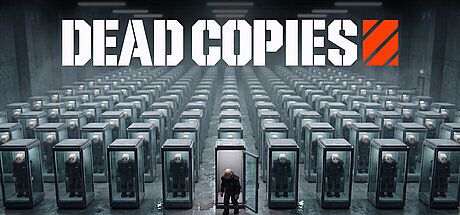


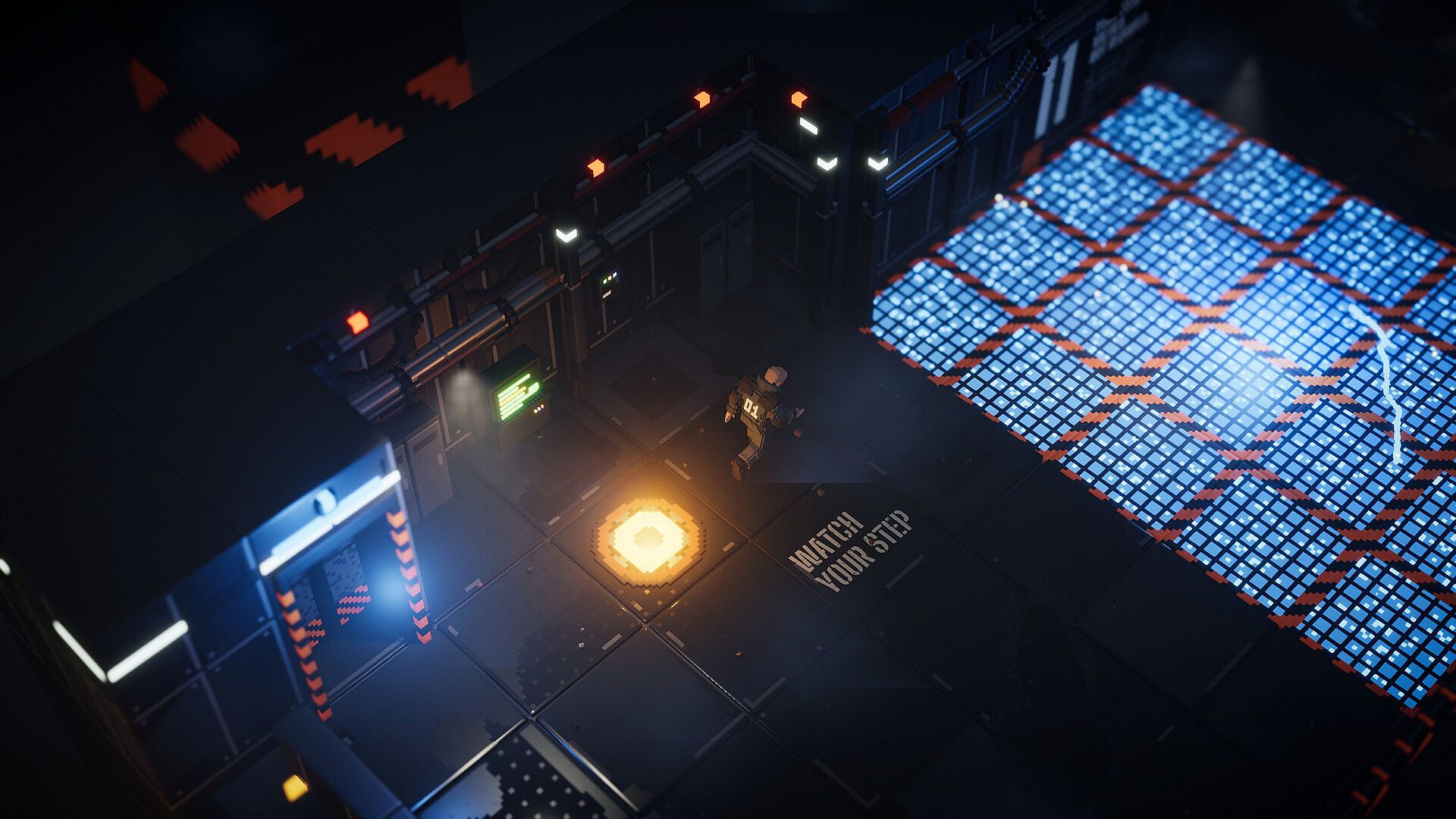
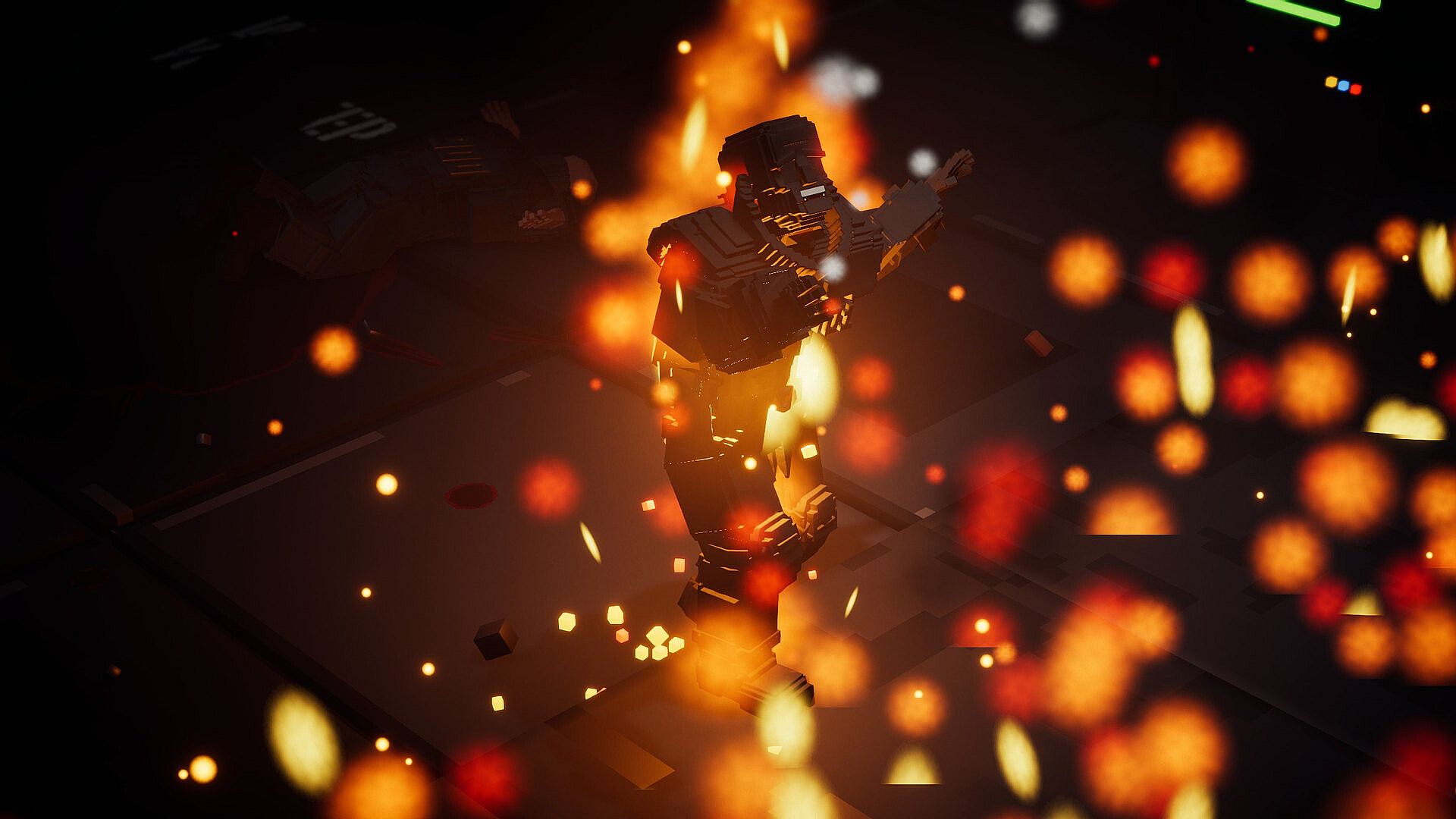
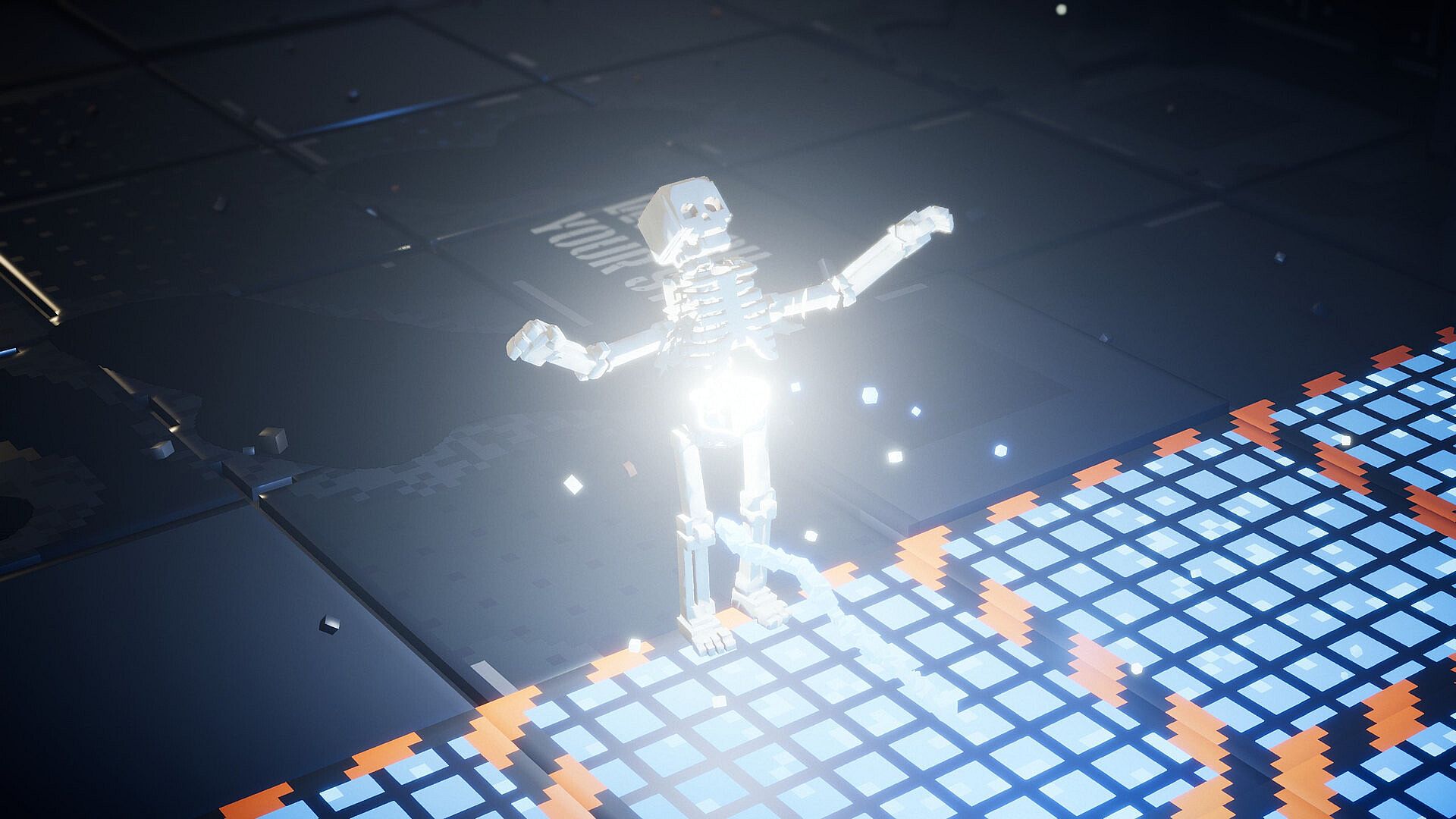
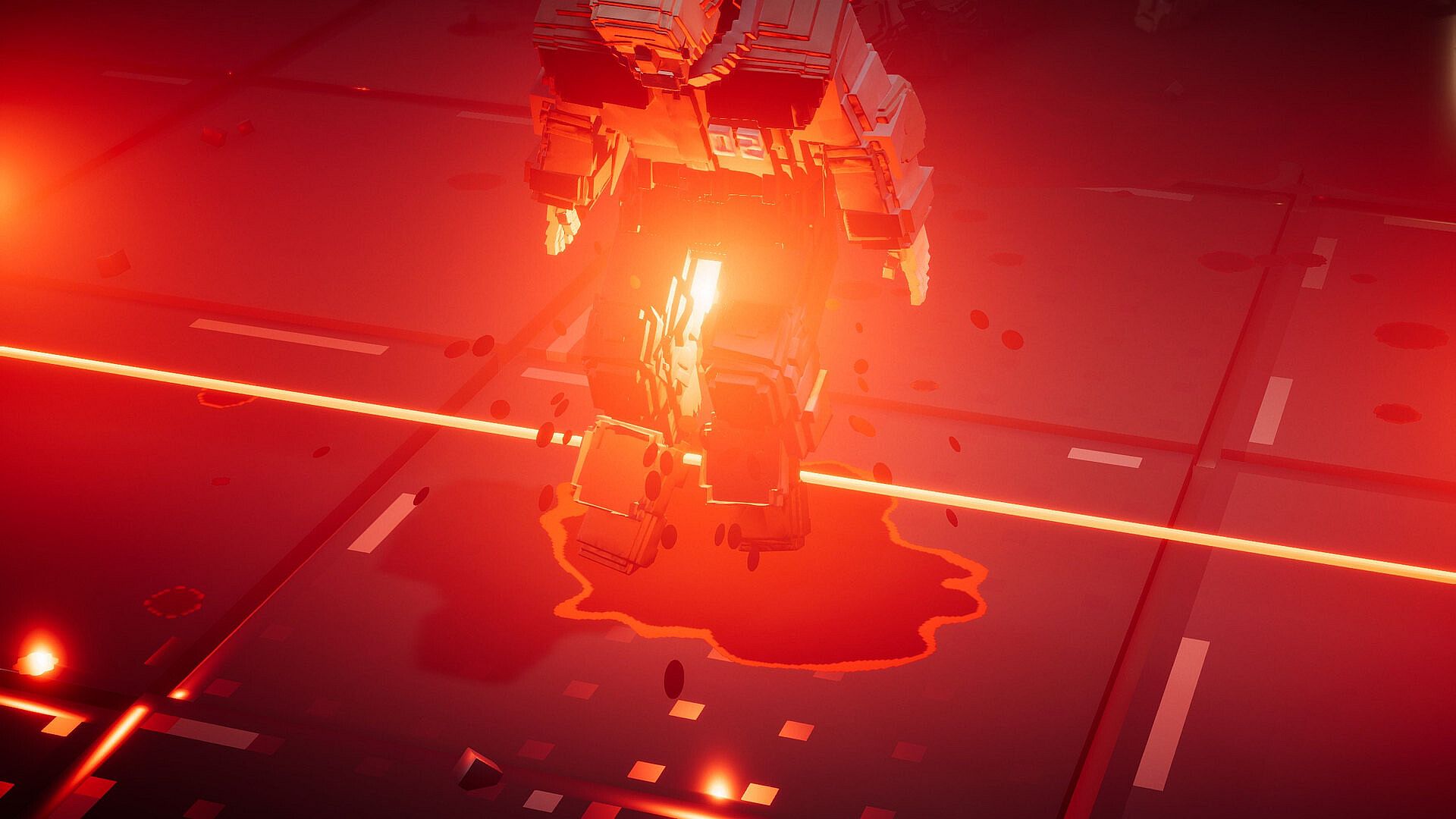





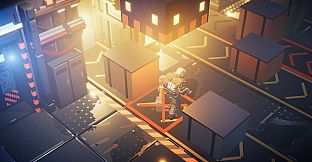
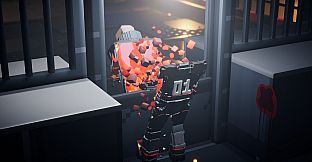
Dead Copies is a strategy indie puzzle game available on PC that explores themes of corporate disposability through dark comedy and deliberate puzzle design. Players step into the role of an employee at a facility where performance determines continued employment, and every task carries hidden risks alongside strict targets. The experience emphasizes careful planning and adaptation in an environment where failure has permanent consequences for the character, yet operations continue uninterrupted with a new hire.
Gameplay
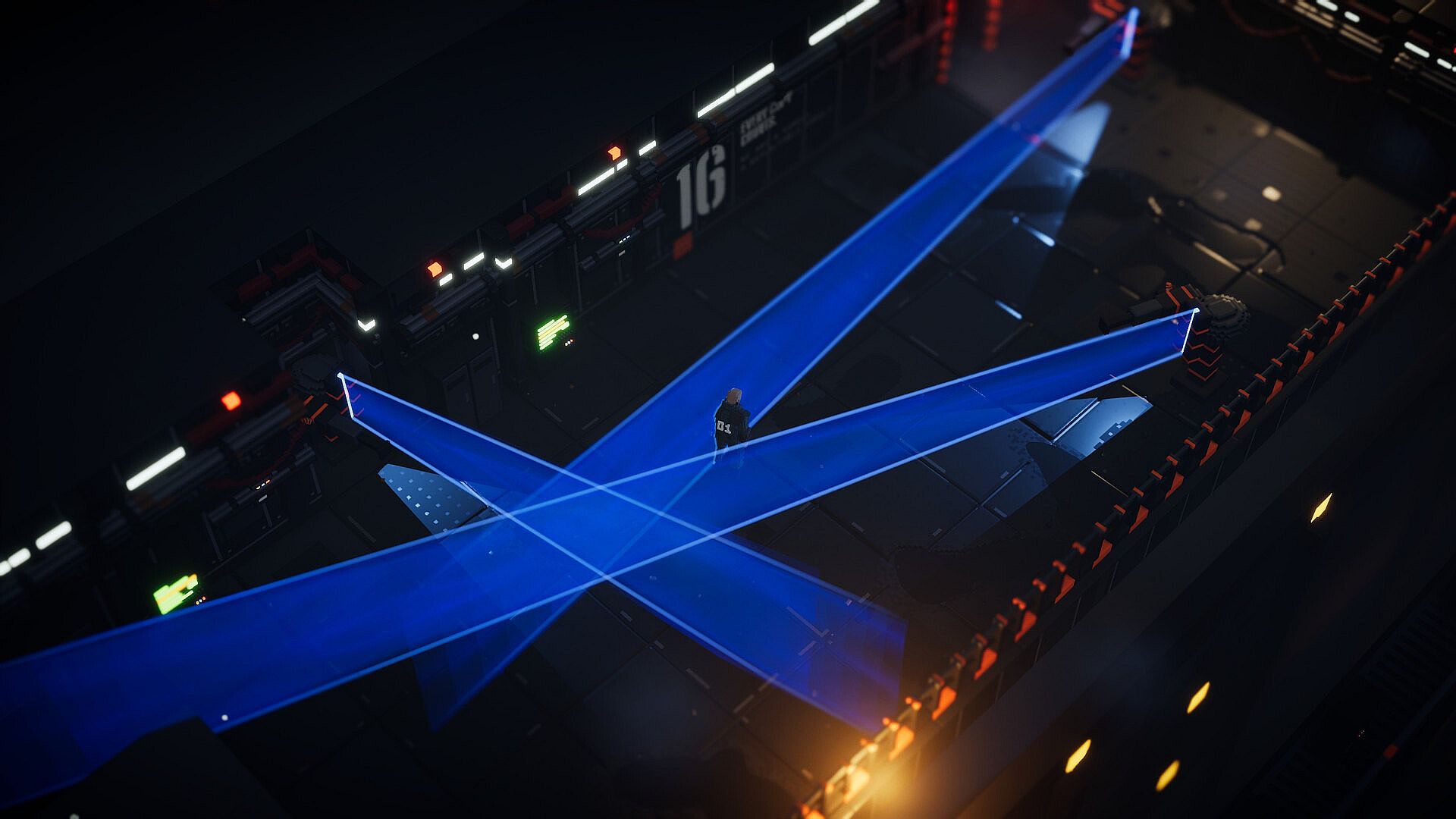
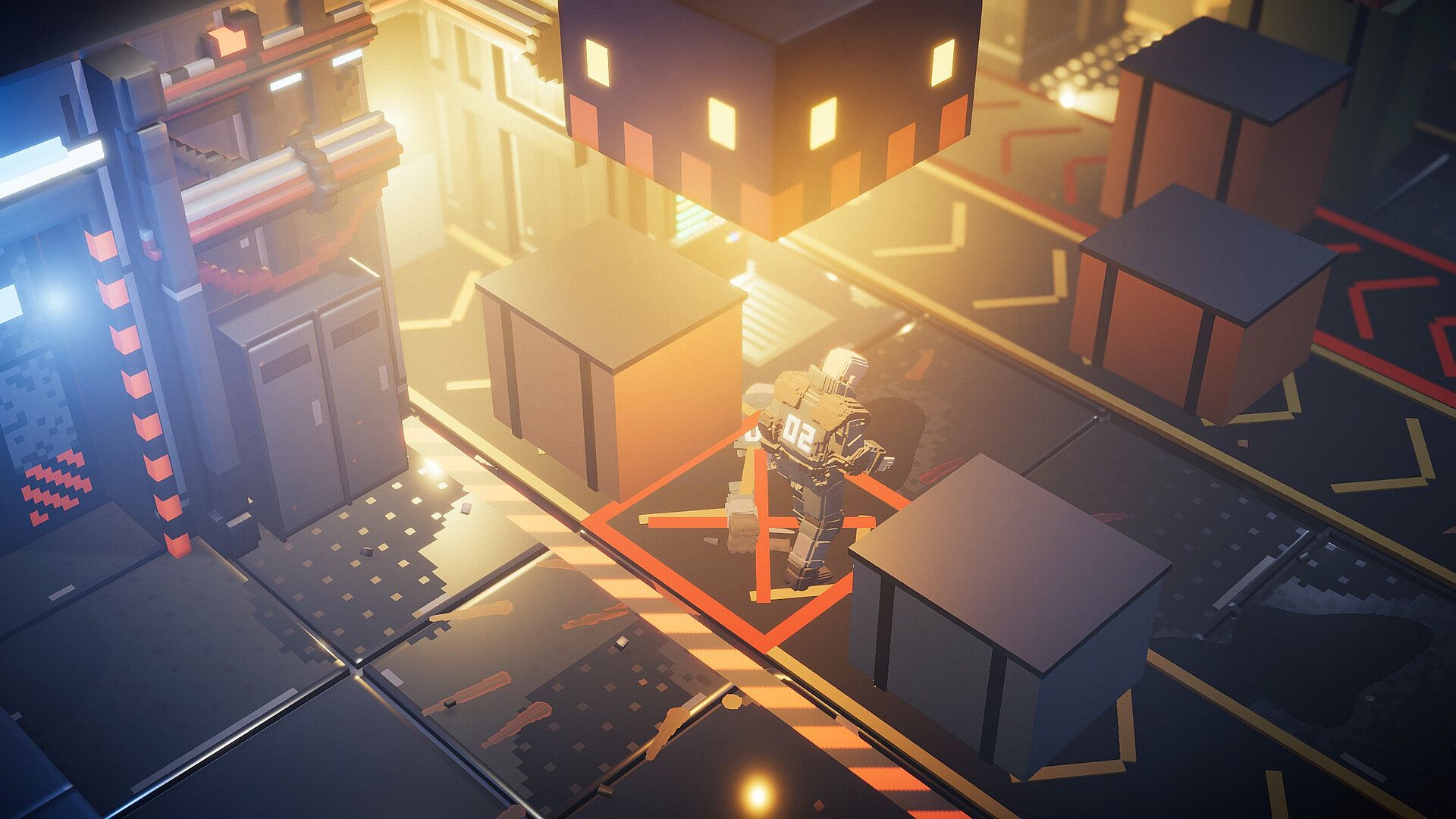
Core gameplay revolves around constructing and completing operations by hand within the facility. Each operation requires assembling elements manually while accounting for undisclosed hazards that can disrupt progress. Players must balance efficiency against the headcount target set for every contract. Meeting the target exactly or exceeding it leaves a record on file, while falling short also draws management attention. The puzzle elements encourage methodical approaches, as rushed decisions often lead to complications that affect the outcome.
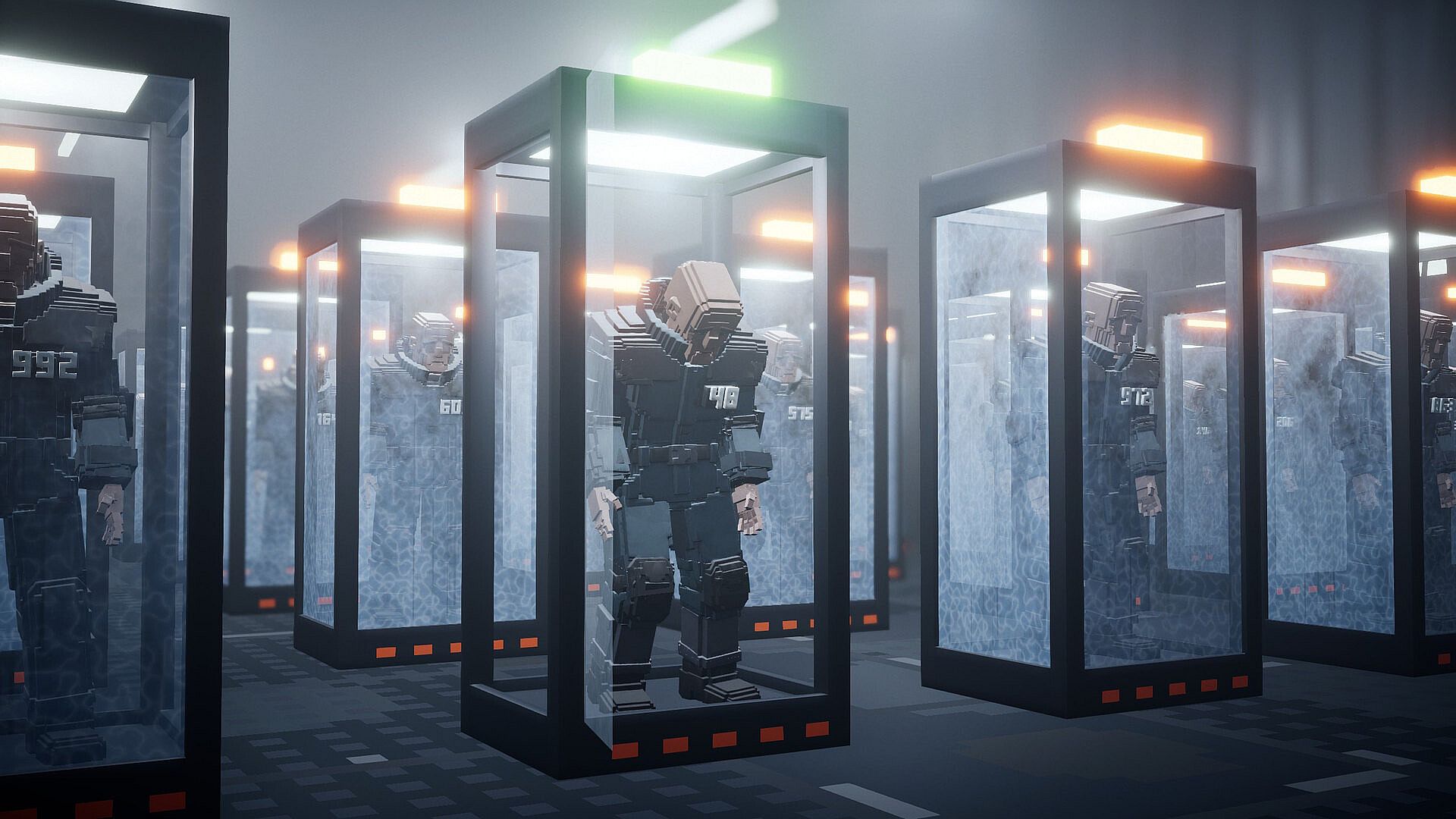
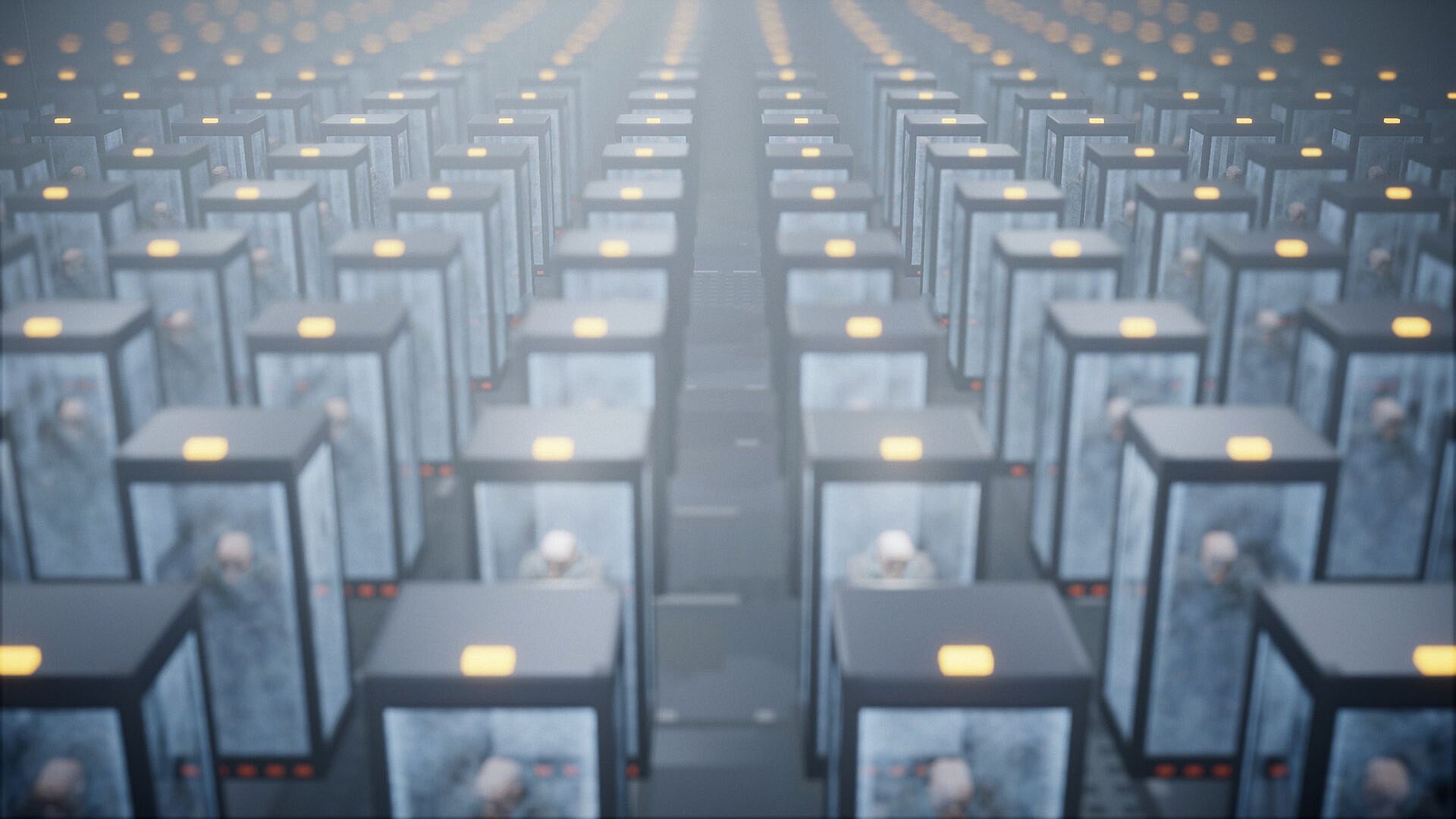
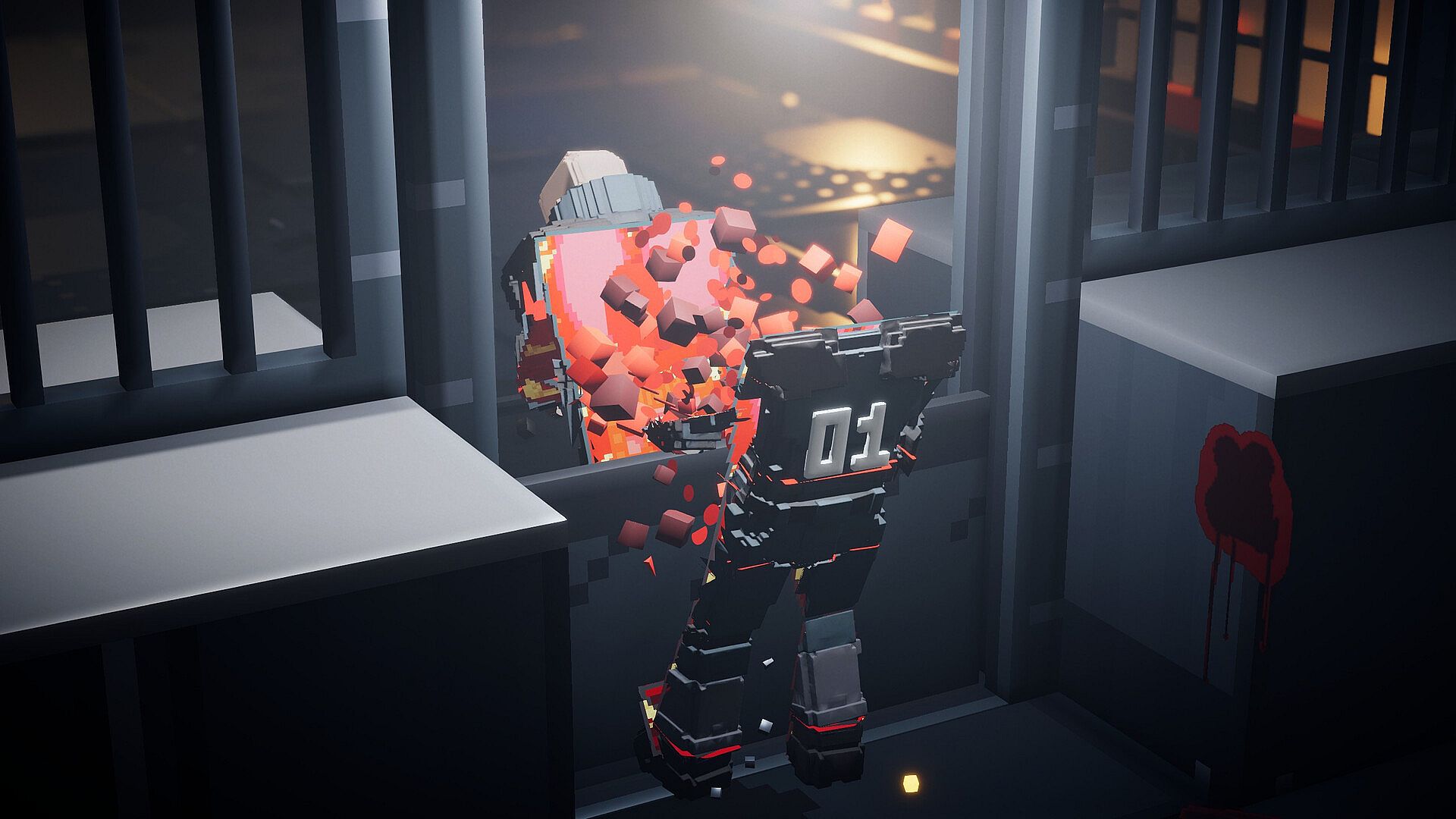
Successors appear at the end of each contract to maintain continuity, with remains from previous employees staying on site for potential reallocation. Residual materials become available for use in subsequent operations, adding layers of resource management to the strategy. This system creates a loop where prior failures or partial successes influence the tools and constraints of the next task. The dark comedy emerges from the bureaucratic language and the impersonal treatment of employees as interchangeable parts in the machine.
Game Modes
Dead Copies centers on a single-player experience built around sequential operations rather than distinct named modes. Players progress through contracts that vary in complexity based on headcount requirements and the integration of reallocated materials. The structure supports repeated attempts at the same operations, allowing refinement of strategies as familiarity with hazards and resource options grows. No separate multiplayer or competitive formats are present, keeping the focus on individual performance and adaptation within the facility's rules.
The Corporate Theme and Atmosphere
The game's tone draws from its source material, presenting a world where management communications frame human costs in clinical terms. Phrases about satisfactory performance, reallocation of remains, and uninterrupted operations underscore the disposable nature of the workforce. This framing turns routine puzzle tasks into commentary on employment precarity. Visual and mechanical choices reinforce the clinical setting, with operations feeling like assembly lines where creativity serves survival rather than innovation.
Residual materials and successor mechanics deepen the sense of continuity amid turnover. What one employee leaves behind becomes part of the next person's toolkit, creating a tangible link between attempts. The result is a puzzle experience where context from prior runs informs future decisions without requiring external knowledge or tutorials beyond the in-game directives.
Is It Worth Playing?
Dead Copies suits players who enjoy strategy indie titles that combine puzzle solving with thematic weight. The headcount targets and manual construction of operations reward careful observation and iterative improvement. Those drawn to dark comedy in games will appreciate how the corporate framing highlights the absurdity and grimness of the setup without relying on overt humor. Availability on PC makes it accessible for those seeking shorter sessions focused on mastering individual operations.
Without widespread player data or confirmed updates at this stage, the game stands on its core loop of building operations, managing resources from previous attempts, and navigating undisclosed hazards. Fans of thoughtful indie strategy experiences centered on systems and consequences may find the premise compelling enough to explore the facility's demands firsthand. The emphasis on performance records and successor assignments provides a clear throughline for repeated play.