





DEADLINE: Afterlife Processing is an indie single-player game set in a bureaucratic afterlife processing station. Players take the role of an operator at Station 9, where the core loop involves handling an endless line of souls by reading their records, applying rules, issuing verdicts, and managing earnings to improve the workspace.
Gameplay
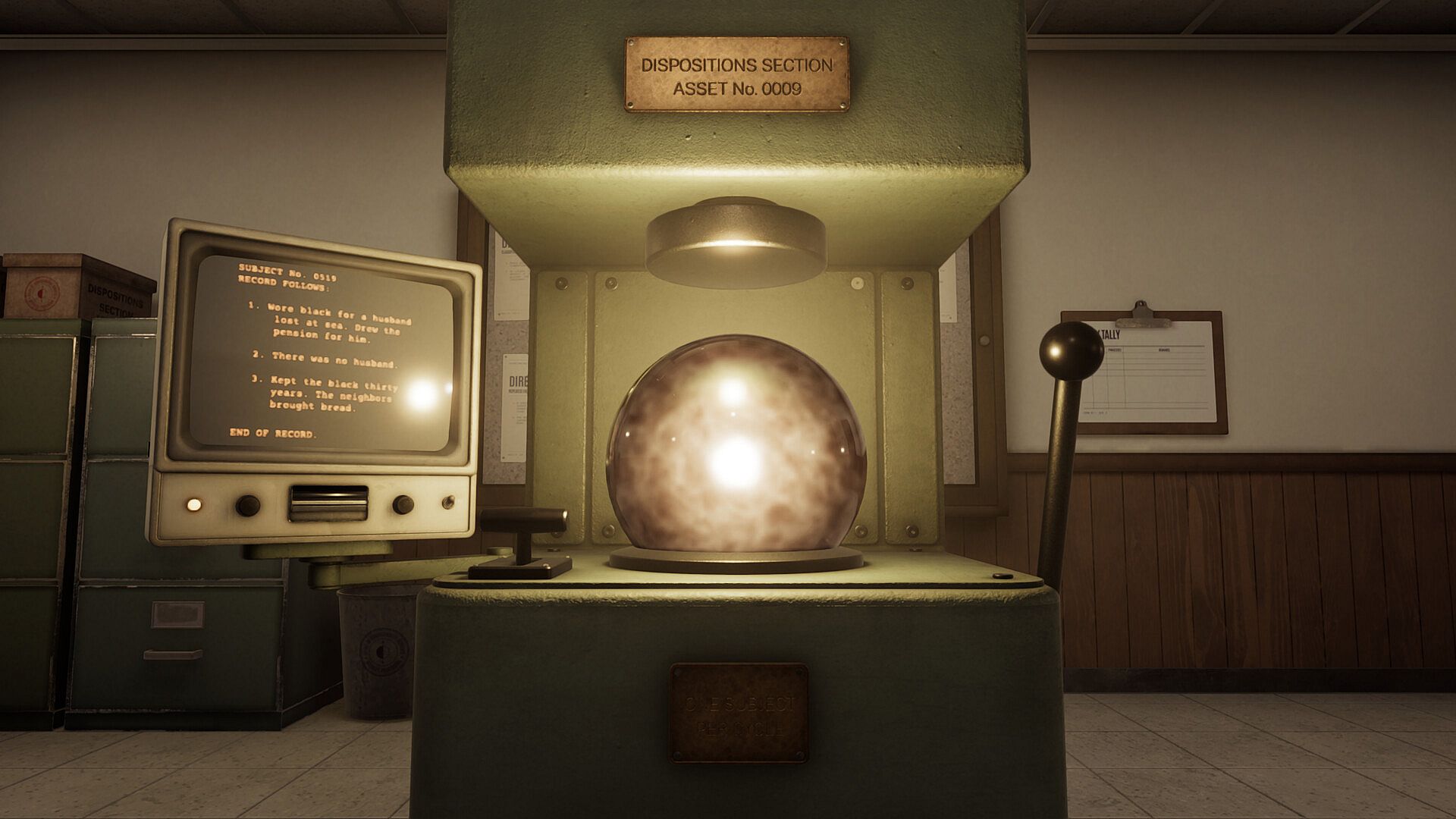
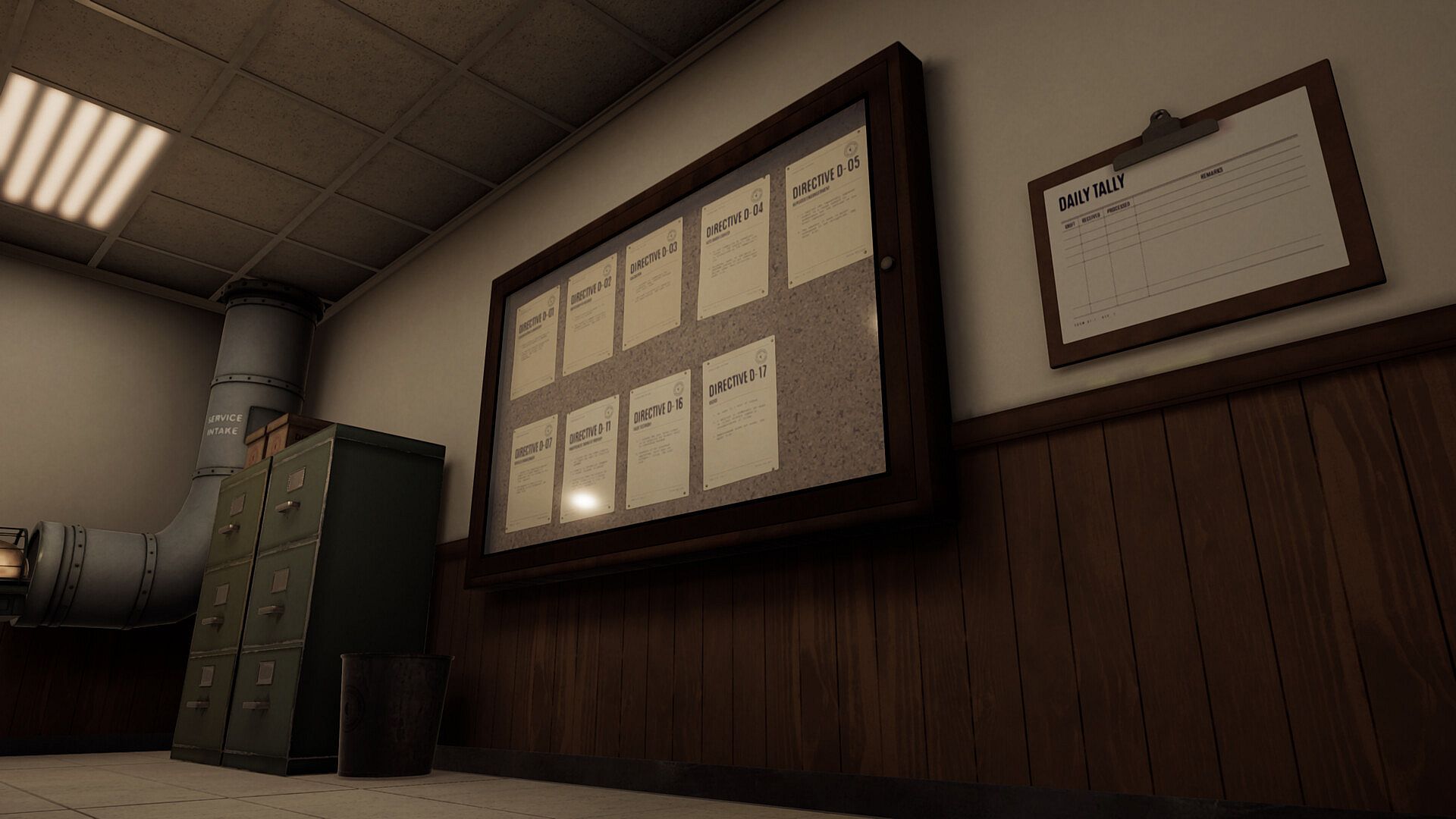
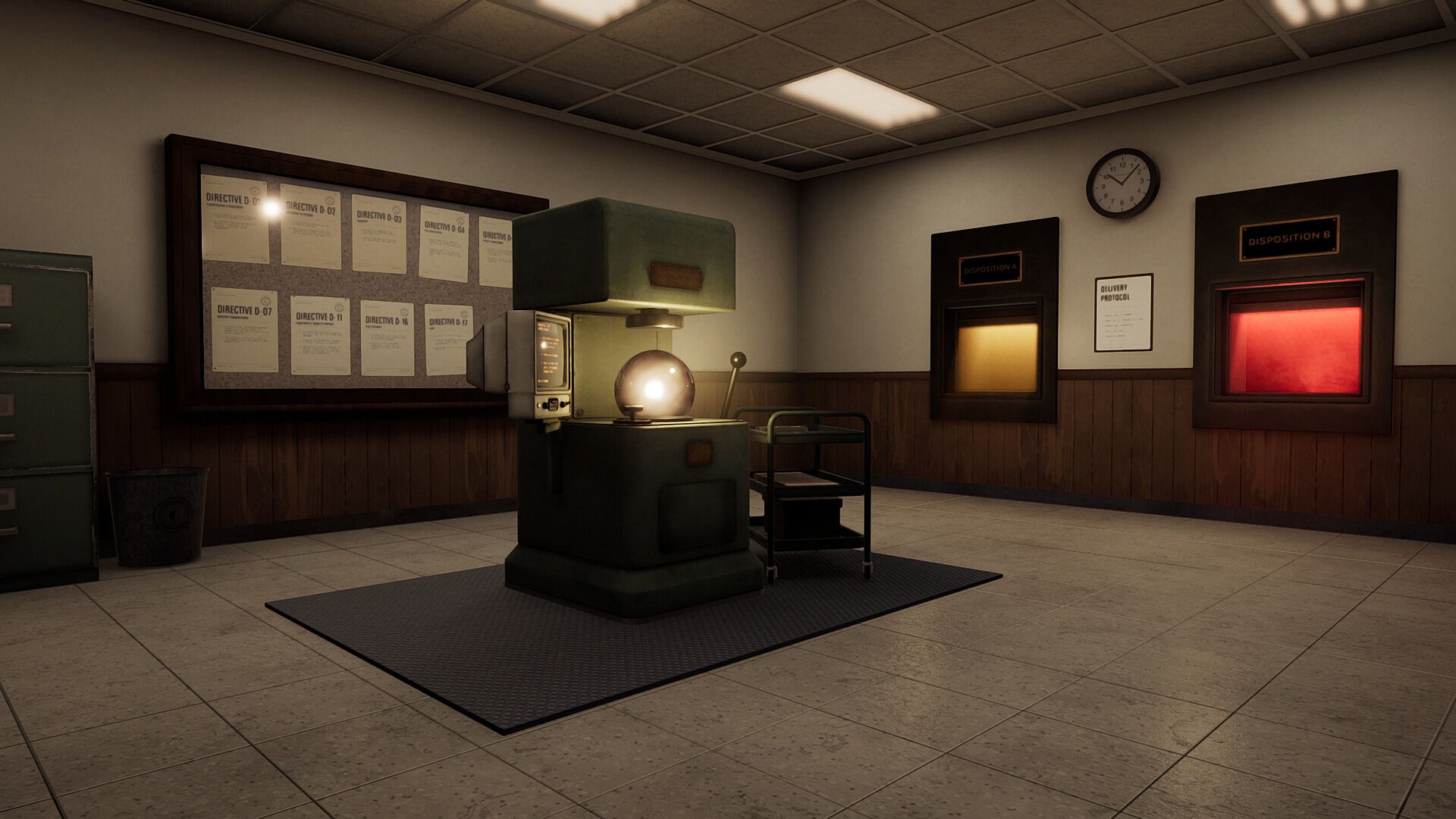
The experience centers on a single room equipped with a terminal, a rule board, a press, and two exit paths. Each soul arrives as three text fragments that describe fragments of a life, such as confessions, observations, or events. These fragments form the only information available for judgment. The rule board lists numbered directives that dictate outcomes like descent for theft or ascent for charity, and these directives evolve over time with amendments that require ongoing attention.
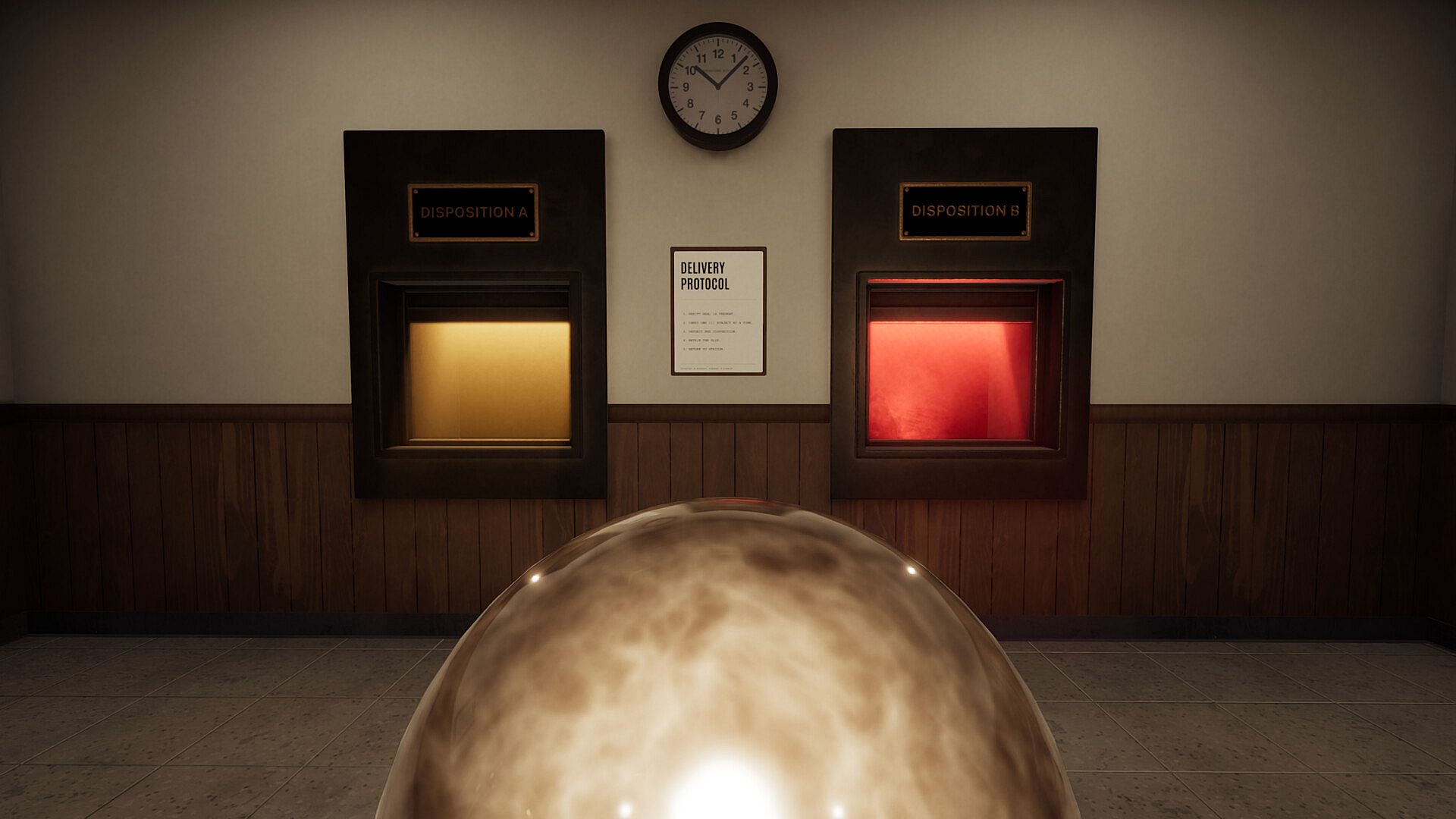
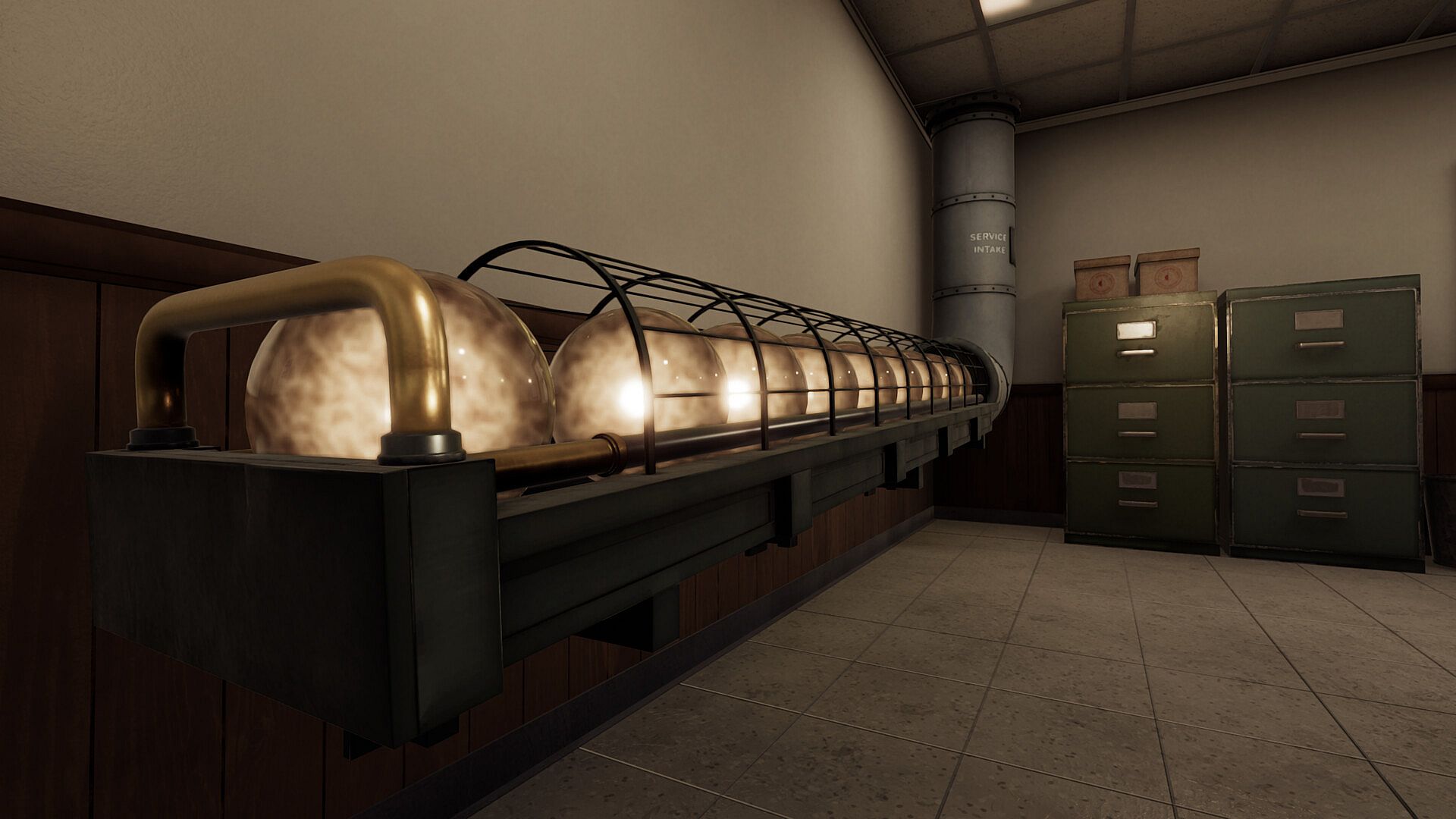
When a directive does not cover a case exactly, the operator must decide the verdict. The press then seals the soul into paperwork, which is carried to one of two dispositions marked by gold or red indicators. Every completed soul generates a payment slip that funds purchases from a catalog. Catalog items include upgrades to boots for comfort, line speed improvements, press enhancements, and machines that automate repetitive tasks. The interface stays limited to physical objects in the room, with no overlaid menus or indicators beyond the paper, machines, and ink already present.
Sound design emphasizes mechanical actions such as stamping, gear movement, and paper handling to reinforce the shift-like atmosphere. The line continues without pause, so pacing depends on how quickly each soul is processed and how earnings are reinvested.
Game Modes
The game operates entirely in single-player mode with no additional named modes or variations confirmed. All activity occurs within the fixed station environment, where progression comes from repeated processing cycles and catalog acquisitions rather than separate scenarios or competitive elements.
Core Mechanics and Progression
Progression ties directly to earnings from processed souls. Money spent on catalog pages gradually reduces the physical effort required for each shift, allowing focus on reading and decision-making. The rulebook grows through amendments, introducing new constraints that keep the judgment process active. Three-fragment records encourage careful reading because incomplete stories often leave room for interpretation under the current directives.
Upgrades target specific pain points, such as faster throughput or automation of sealing and carrying steps. This creates a loop where efficient processing funds tools that support even higher volume, all within the constraints of one unchanging room layout.
Is It Worth Playing?
DEADLINE: Afterlife Processing suits players who enjoy deliberate, text-driven decision making and atmospheric workstation simulations. The absence of combat, exploration maps, or health systems keeps attention on reading fragments, consulting rules, and managing physical workflow. Because the game remains unreleased with no player reviews available, any assessment rests on the described systems of soul processing, rule application, and catalog investment.
Those drawn to narrative fragments that require interpretation and to incremental workstation improvements will find the loop consistent with the provided details. The single-room focus and emphasis on sound and physical interaction suggest a deliberate pace that rewards careful attention over rapid action. Availability will depend on the eventual release, at which point direct experience can confirm fit with individual preferences for bureaucratic judgment themes.