

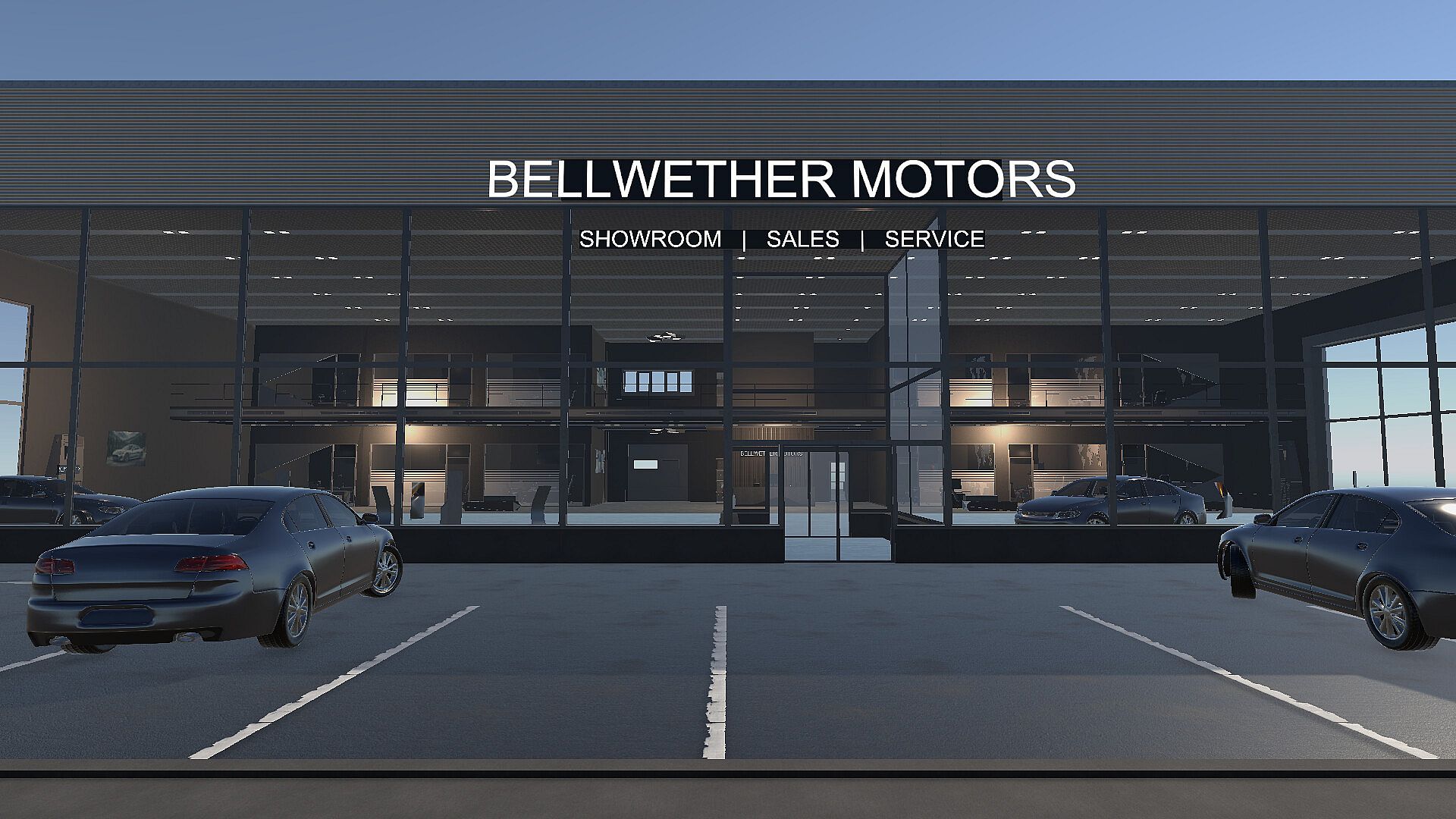

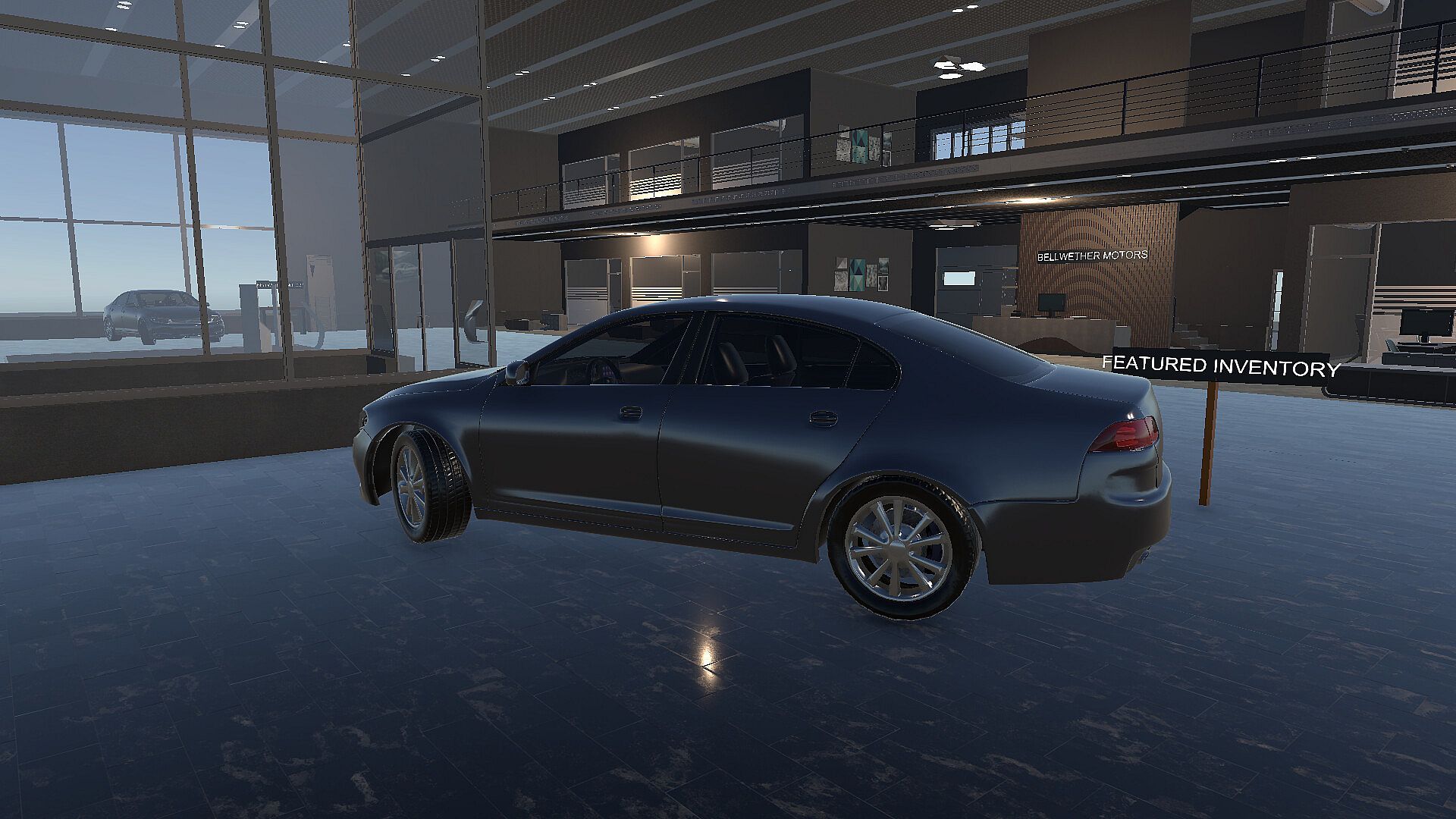
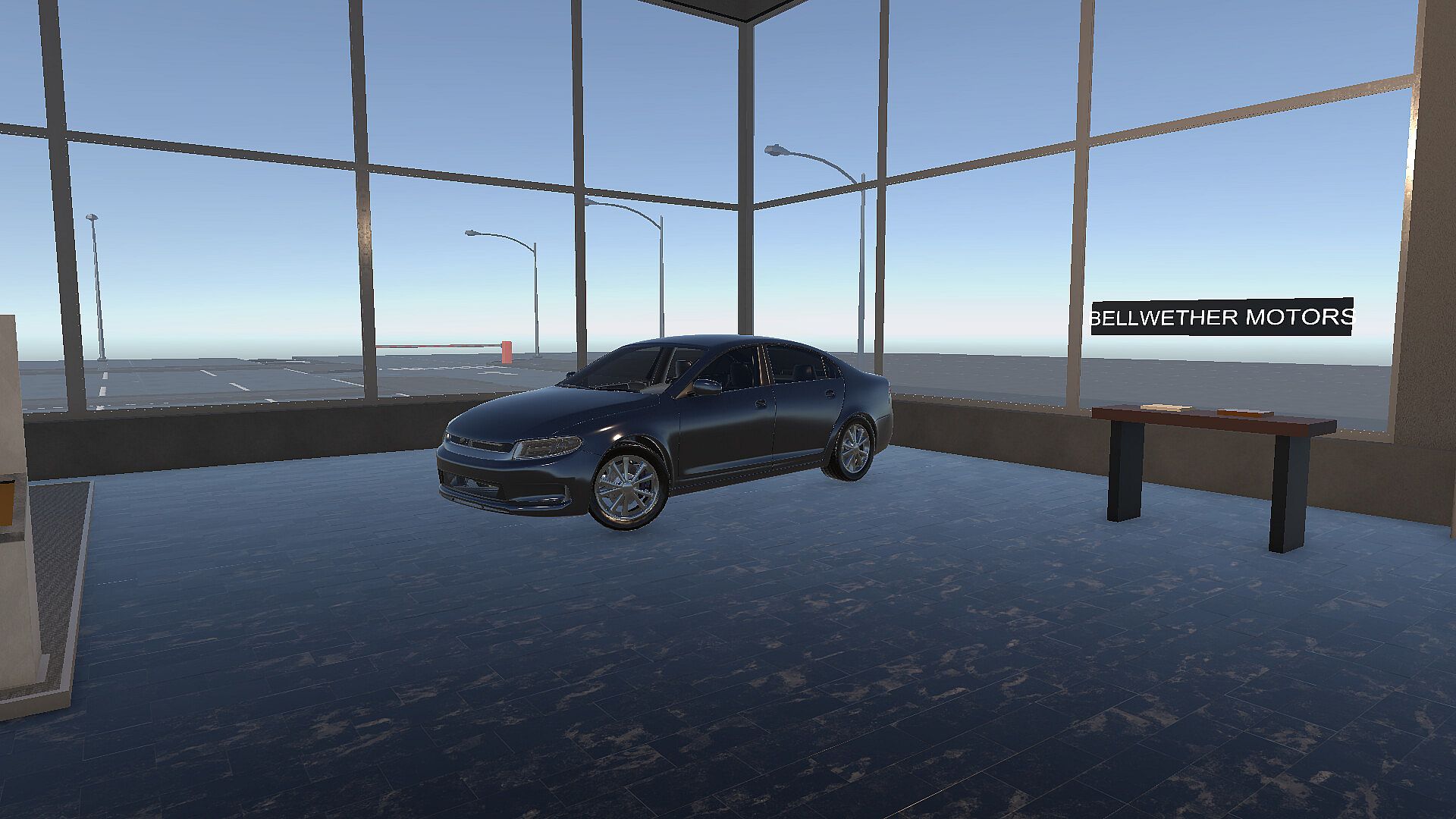

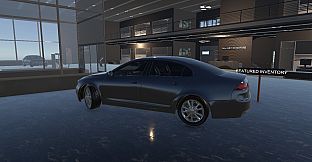
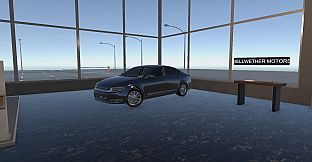
Dealer Principal: The Dealership Simulator is a strategy and simulation game that places players in charge of a full franchised new-car dealership on PC. The experience blends detailed business management with first-person movement through a physical dealership environment, requiring careful oversight of sales, service, inventory, and finances to maintain profitability while protecting customer satisfaction and staff morale.
Gameplay
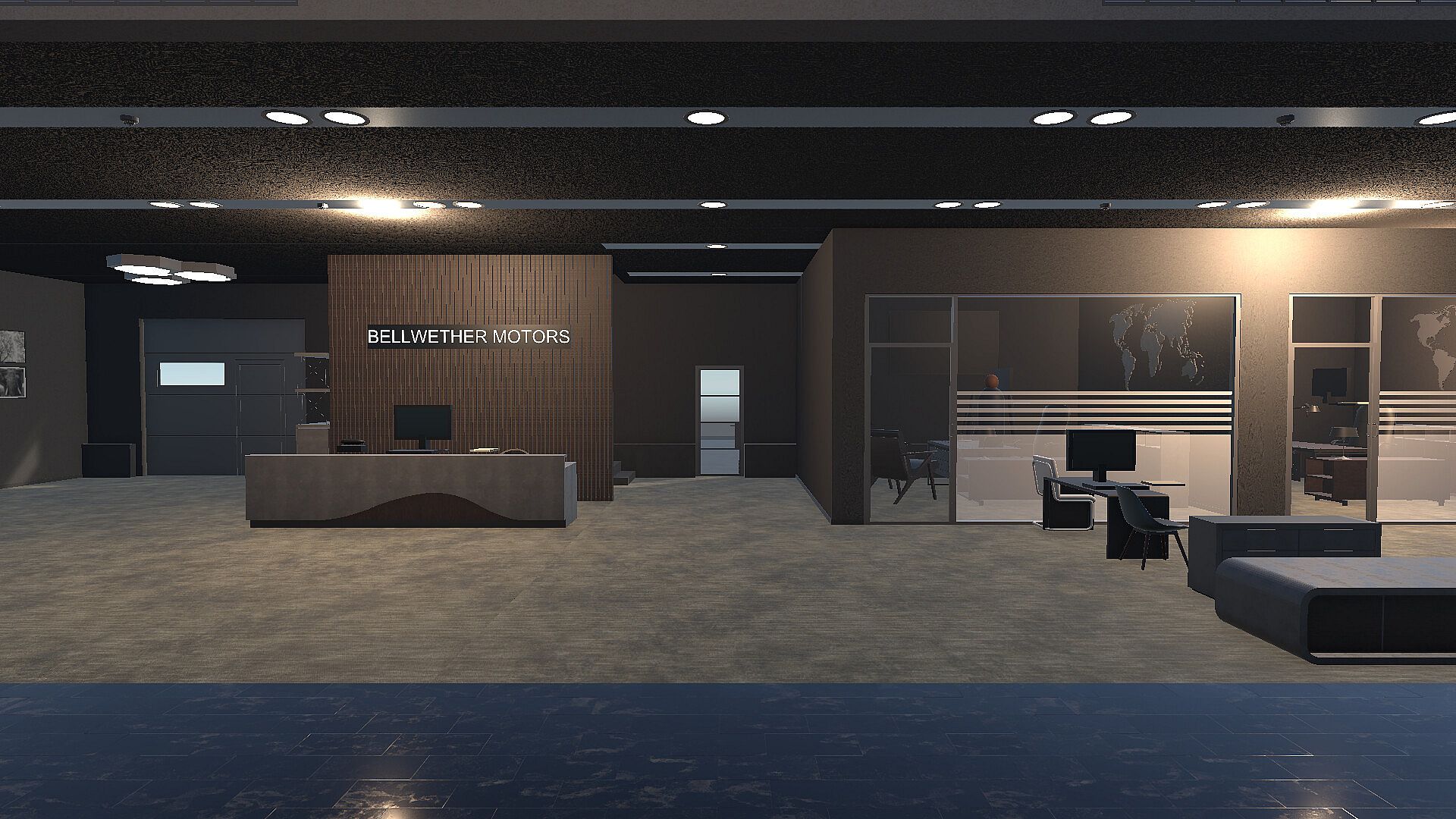
The core loop revolves around running every aspect of the dealership rather than focusing solely on car sales. Players walk between the showroom, sales desk, finance and insurance offices, management areas, customer lounge, and service department to handle day-to-day operations. Inventory management forms a central pillar, with decisions on new and used vehicle stock, acquisitions through trades or purchases, pricing, aging, and discounts all affecting cash flow and carrying costs.
Deal structuring happens directly on the sales floor and at the desk, where players evaluate customer trades, negotiate terms, and route completed transactions into finance and insurance. Poor choices in one area, such as an aging trade-in or financing issues, can undermine an otherwise profitable deal. Service and parts operations add another layer, covering customer-pay work, warranty repairs, technician staffing, parts availability, and vehicle reconditioning to keep the fixed operations profitable.
Franchise obligations require balancing manufacturer expectations around vehicle allocation, incentives, training, facility standards, and performance targets against the needs of the individual store. Staffing decisions influence department performance and payroll, while overall expenses, debt, floorplan financing, and cash reserves demand constant attention to avoid financial strain.
Game Modes
The title operates as a single-player simulation without separate named modes or multiplayer components. All activity centers on managing one dealership location from startup through ongoing improvements, with progression tied to better departmental performance, employee quality, inventory decisions, and capital management rather than distinct scenarios or competitive formats.
Key Systems and Mechanics
Inventory decisions carry long-term consequences because vehicles represent working capital on the lot. Players must weigh availability, demand, carrying costs, and aging against other cash needs across the business. Customer interactions extend beyond the initial sale to include satisfaction metrics and reputation, which influence future business.
Relationships with the manufacturer add strategic depth through allocation rules and performance requirements that affect available vehicles and support. Service operations provide a counterbalance to sales activity, allowing revenue from repairs and parts even when vehicle sales slow. The first-person navigation encourages physical presence in different departments instead of abstract menu management, making the interconnected nature of the business more tangible.
Is It Worth Playing?
This simulation suits players who enjoy intricate business management and realistic operational detail in a single-player setting. The emphasis on balancing profitability with customer experience, staff well-being, and cash flow creates meaningful decision-making across sales, service, and franchise relations. Those drawn to strategy titles that reward careful planning and adaptation across multiple departments will find the systems rewarding, particularly if they appreciate the challenge of improving a dealership through incremental, interconnected choices rather than quick wins.