







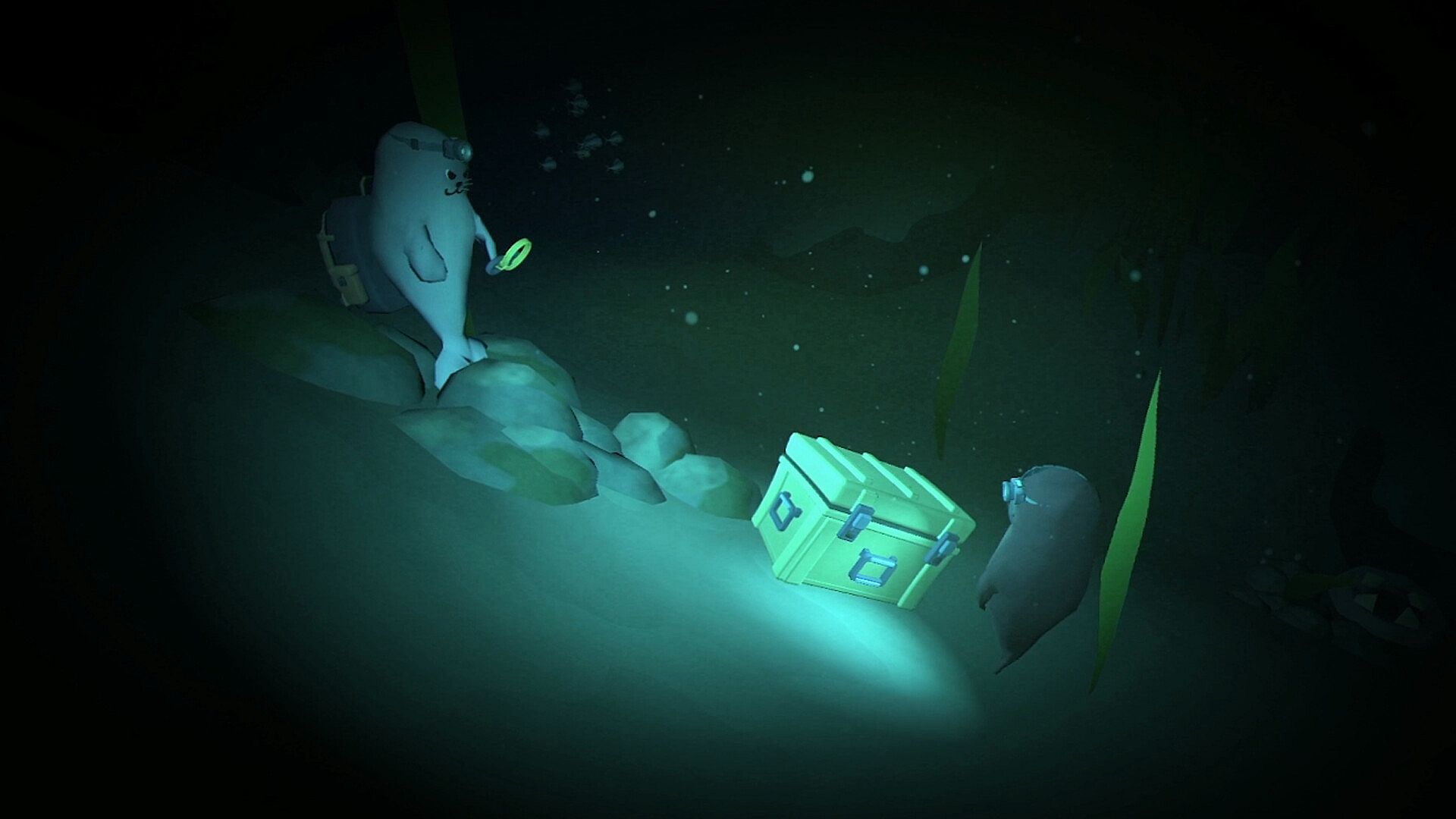
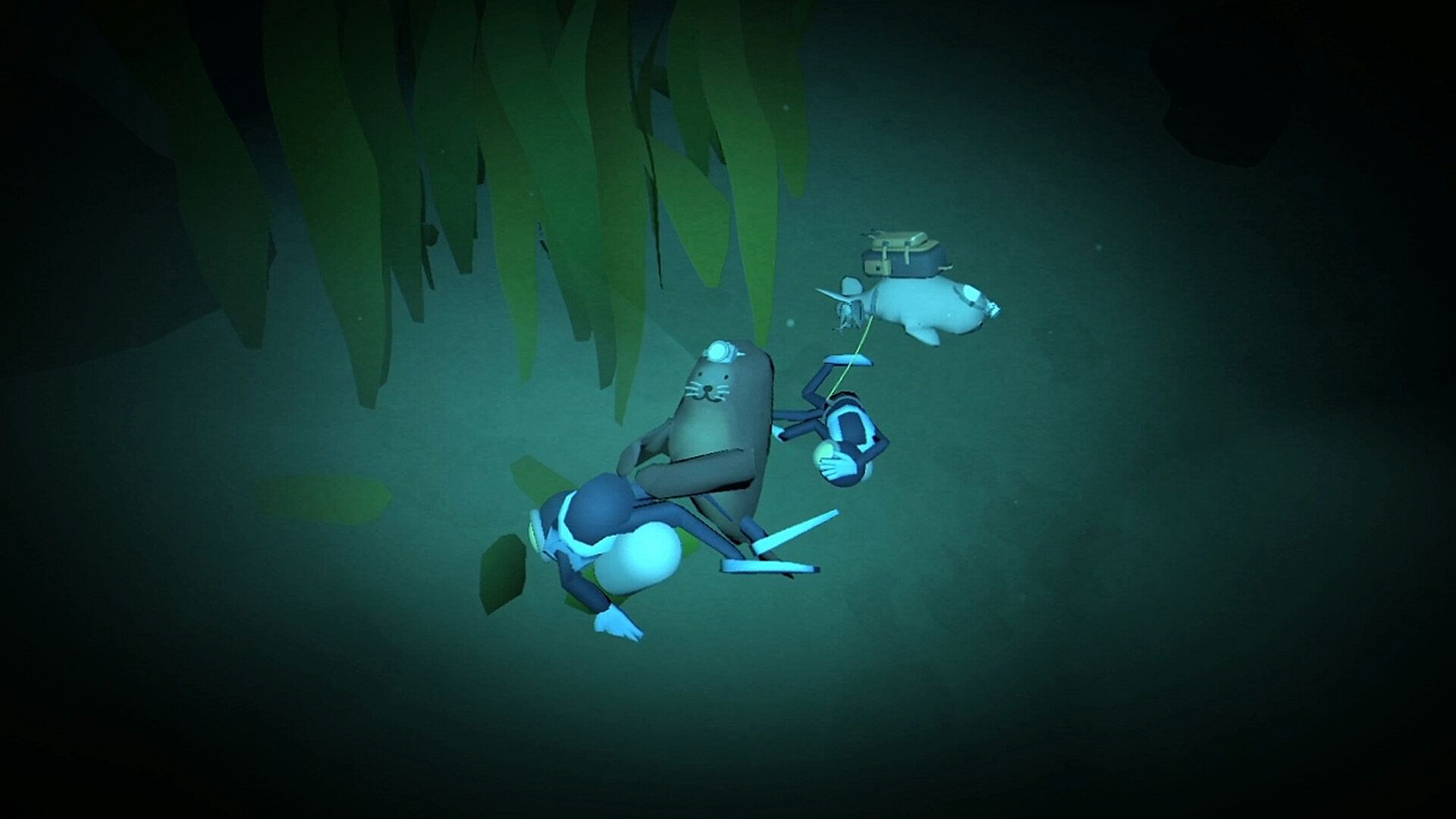
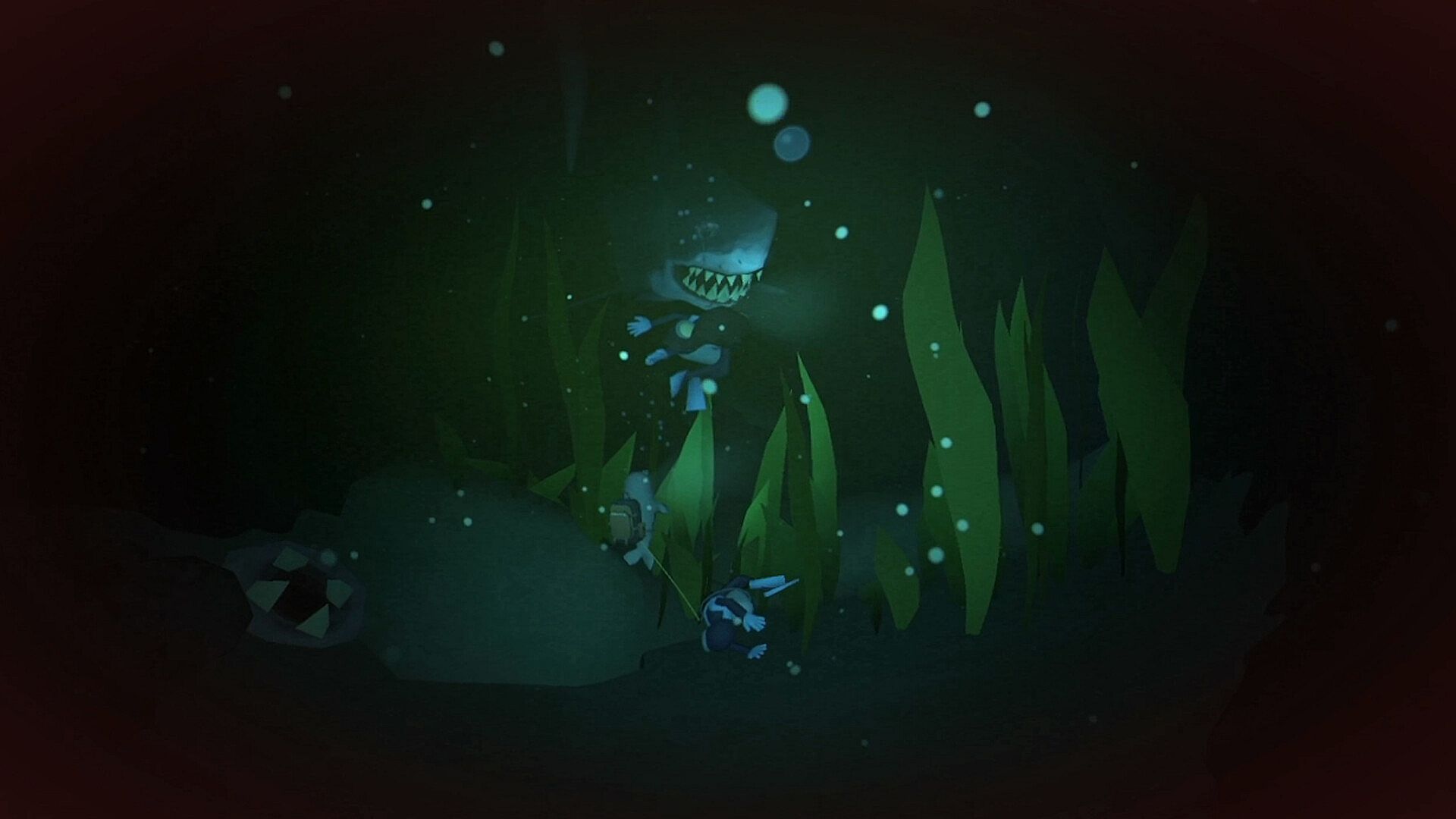
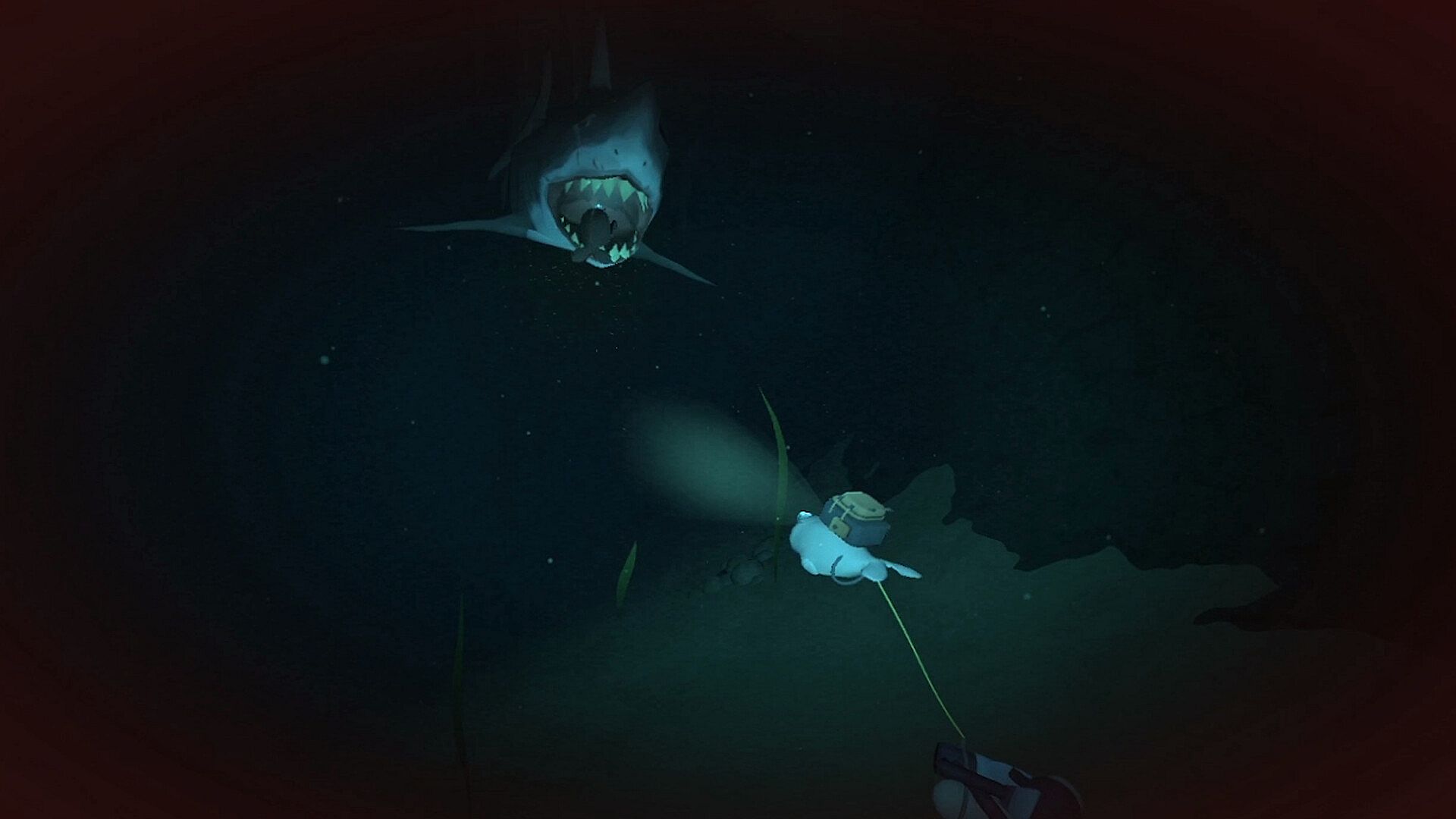
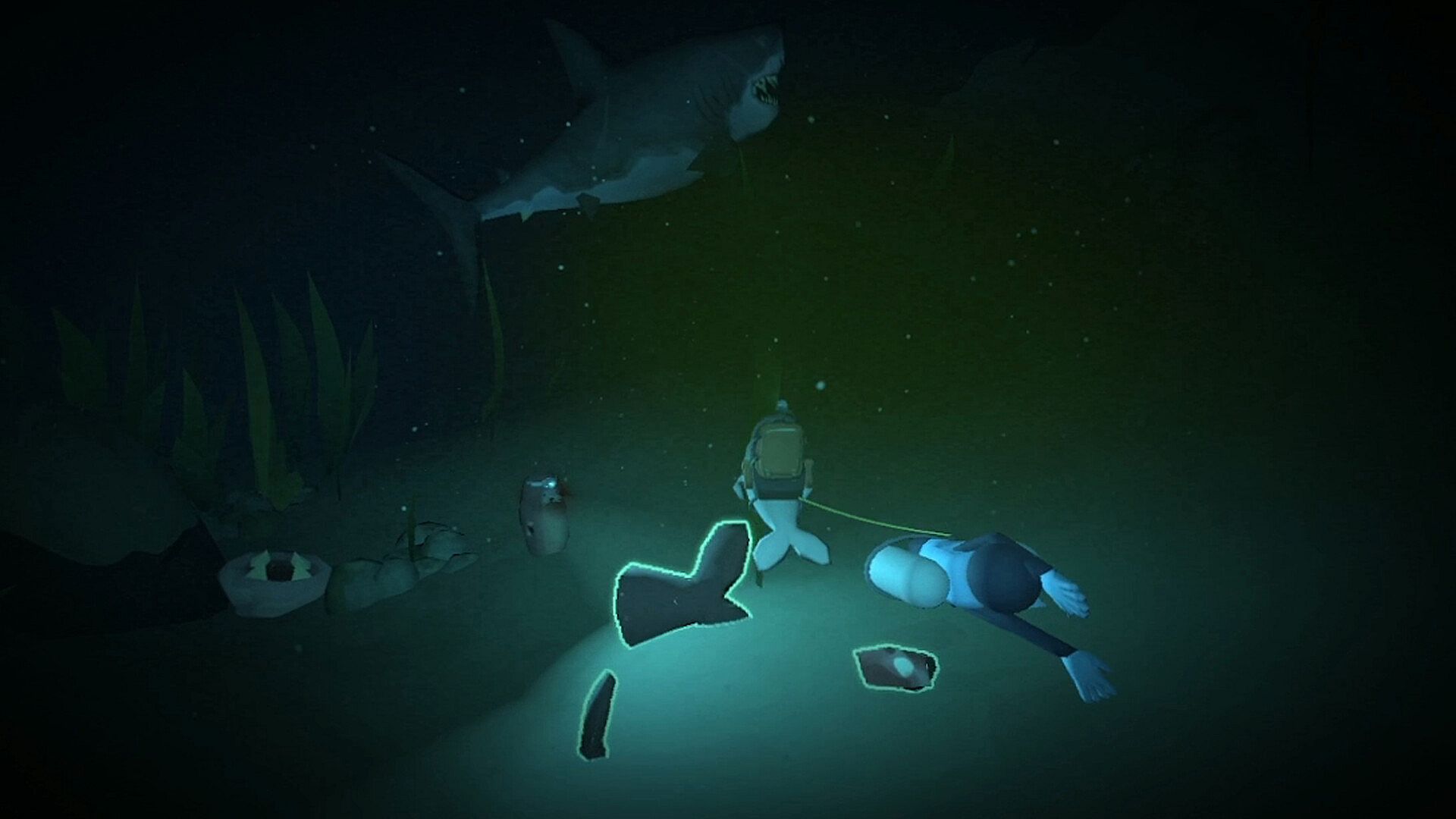
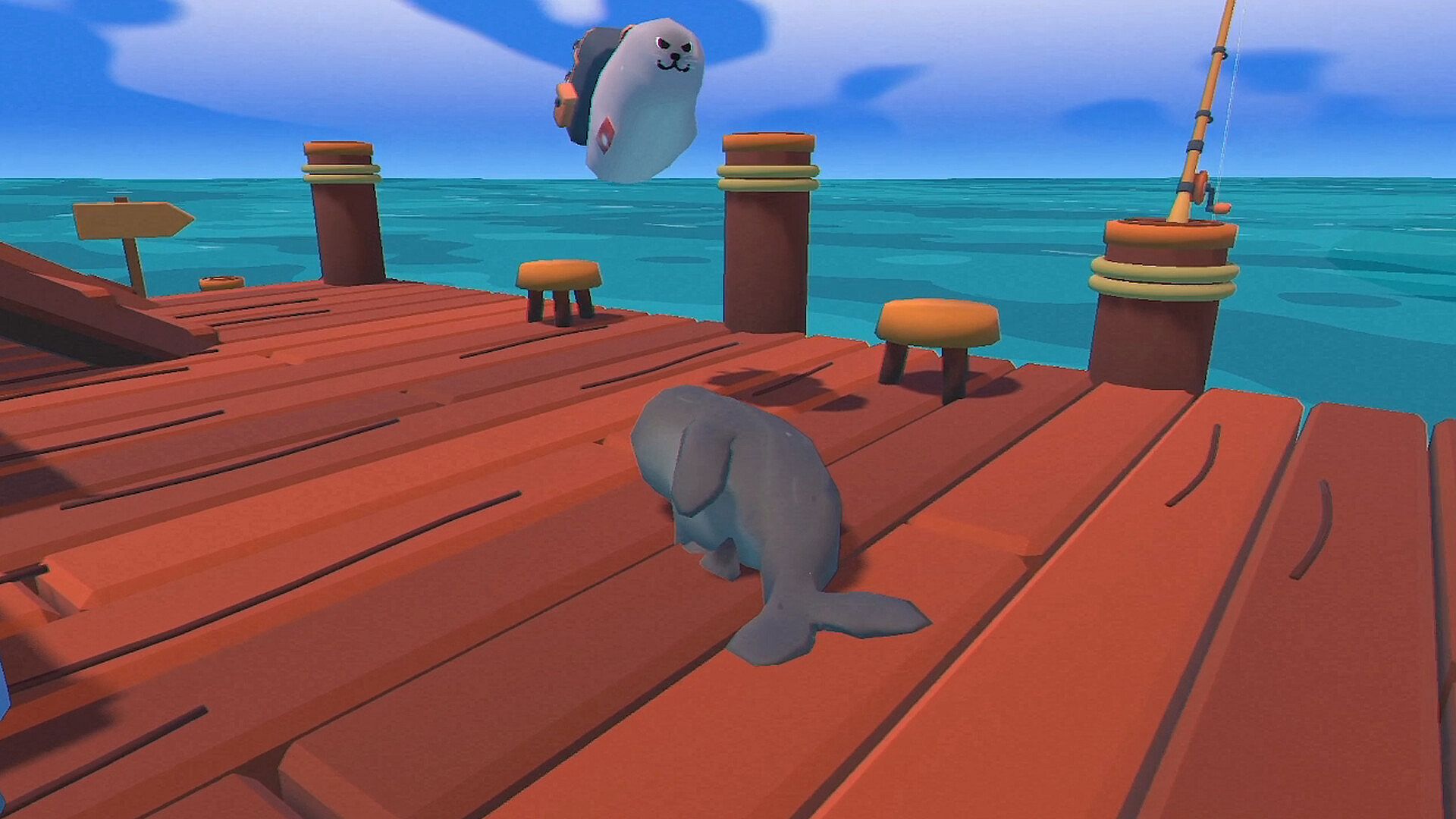
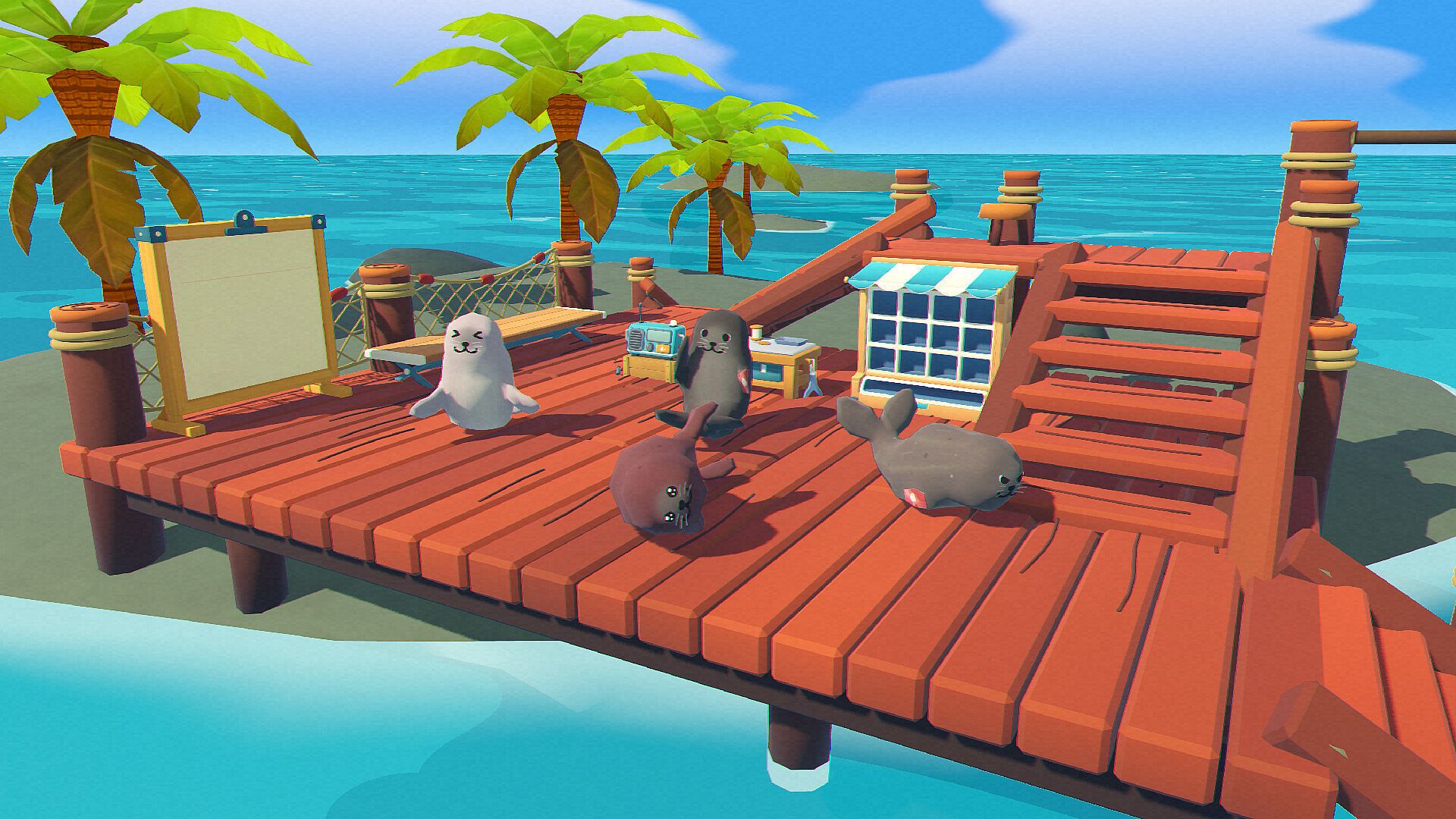
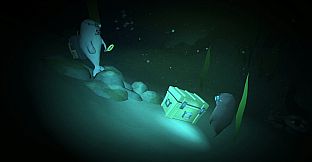
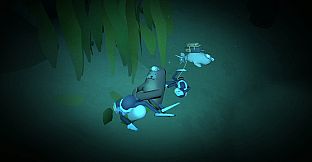


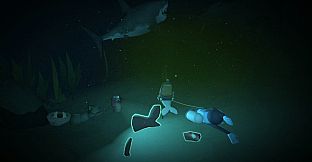



DEEP SEAL is an indie co-op survival game for PC where players dive into dark underwater caves to recover the bodies of missing divers. The core experience centers on teamwork in hostile depths, with a persistent shark threat that forces constant vigilance and quick decisions. Up to four players work together to navigate twisting passages, locate remains, and extract them while avoiding becoming the next victim. The game emphasizes resourcefulness and coordination over direct confrontation, as the environment itself limits movement and visibility.
Gameplay
Players control divers equipped for underwater recovery operations. The primary loop involves descending into cave systems, searching for bodies, and transporting them back to the surface or extraction points. Limited visibility and narrow tunnels require careful navigation, with players often needing to backtrack or find alternative routes when paths become blocked or dangerous. Communication plays a key role, as teammates can alert each other to threats or coordinate lifts for heavier loads.
The shark adds tension to every session. It patrols the caves and can detect movement or sound, prompting players to hide in crevices, turn off lights, or move slowly. When detection occurs, the group must scatter or sacrifice positioning to ensure at least some members survive and complete the objective. Rescue mechanics allow players to pull fallen teammates to safety before the shark finishes them, turning potential losses into opportunities for continued progress. Hauling recovered bodies demands shared effort, slowing the team and increasing exposure to danger.
Game Modes
The game focuses on cooperative recovery missions as its central activity. Sessions revolve around entering the caves as a group, locating multiple targets, and managing extraction under pressure from the shark. No additional named modes appear in available details, keeping the emphasis on repeated dives that test different strategies for survival and efficiency. Players adapt approaches based on cave layout, body locations, and the shark's behavior during each run.
Progression comes from successful extractions that unlock further cave sections or improve basic diver capabilities. The structure encourages replaying the same objectives with friends to refine tactics, such as assigning roles for scouting, carrying, and distraction. This single primary loop supports both short sessions and longer coordinated efforts without introducing separate competitive or solo variants.
Team Dynamics and Extraction
Success depends on balancing individual survival with group goals. One player might draw the shark away while others secure a body, or the team might split to cover more ground before regrouping. When things go wrong, the priority shifts to getting as many divers out as possible rather than completing every objective. This creates memorable moments of last-second rescues or desperate escapes through flooded tunnels.
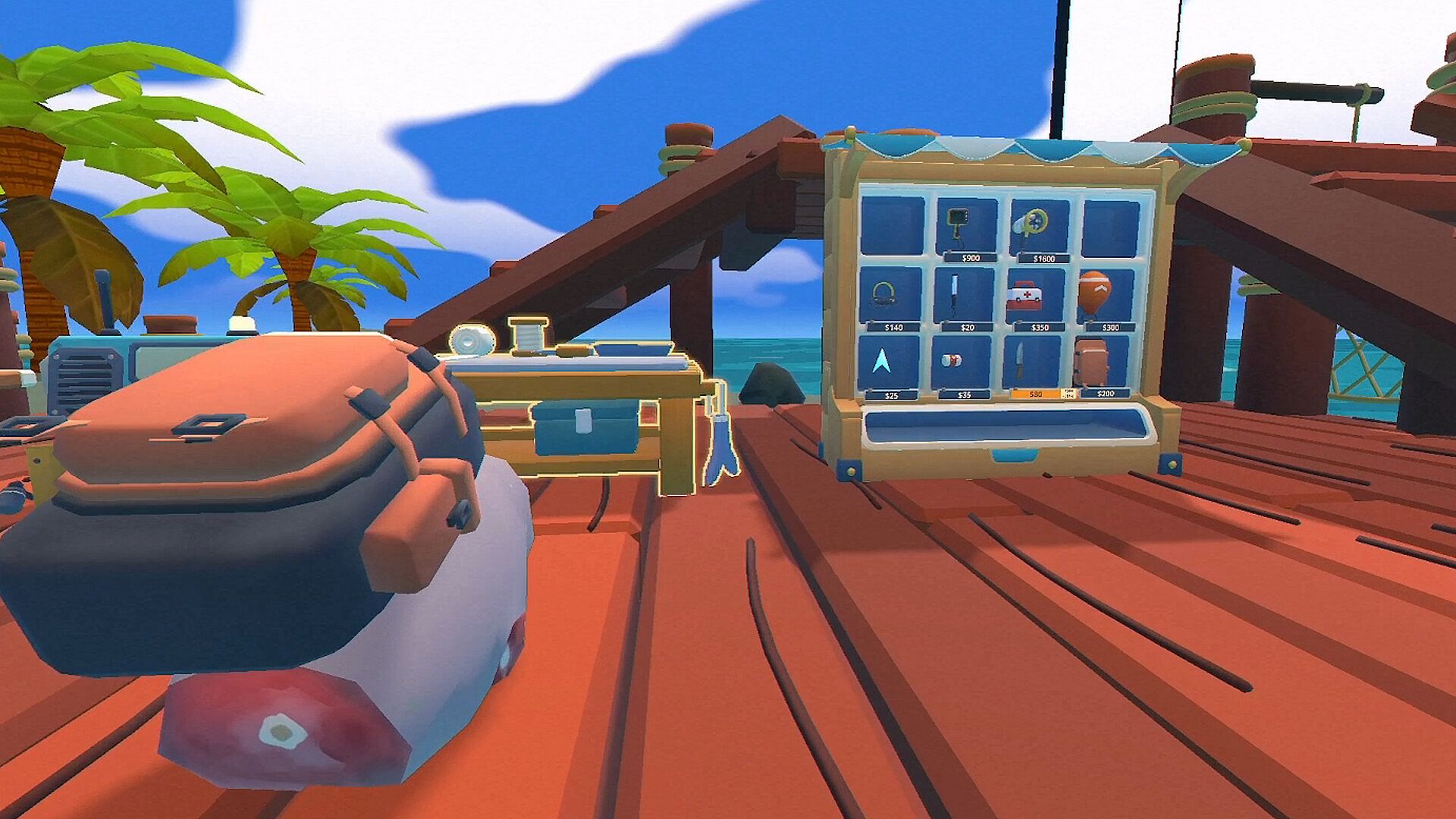
Equipment and environmental interaction remain simple and functional. Divers manage air, light sources, and carrying capacity without complex inventories. The focus stays on positioning, timing, and trust between players rather than upgrading gear or collecting resources beyond the immediate mission.
Is It Worth Playing?
DEEP SEAL suits players who enjoy tense co-op experiences built around asymmetric threats and shared responsibility. The shark's presence turns routine exploration into high-stakes decisions, rewarding groups that communicate well and adapt on the fly. Those who prefer straightforward action or solo play may find the reliance on teammates limiting, while fans of underwater horror and extraction gameplay will appreciate the consistent pressure across sessions.
Availability on PC makes it accessible for small groups looking for repeated cooperative challenges. The indie scope keeps mechanics focused and direct, avoiding unnecessary layers that could dilute the core tension of cave dives and predator avoidance. For the right audience, the game delivers reliable sessions centered on survival and retrieval without requiring extensive time investment to understand its systems.











