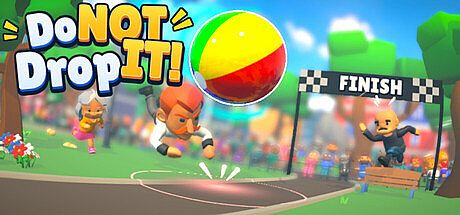


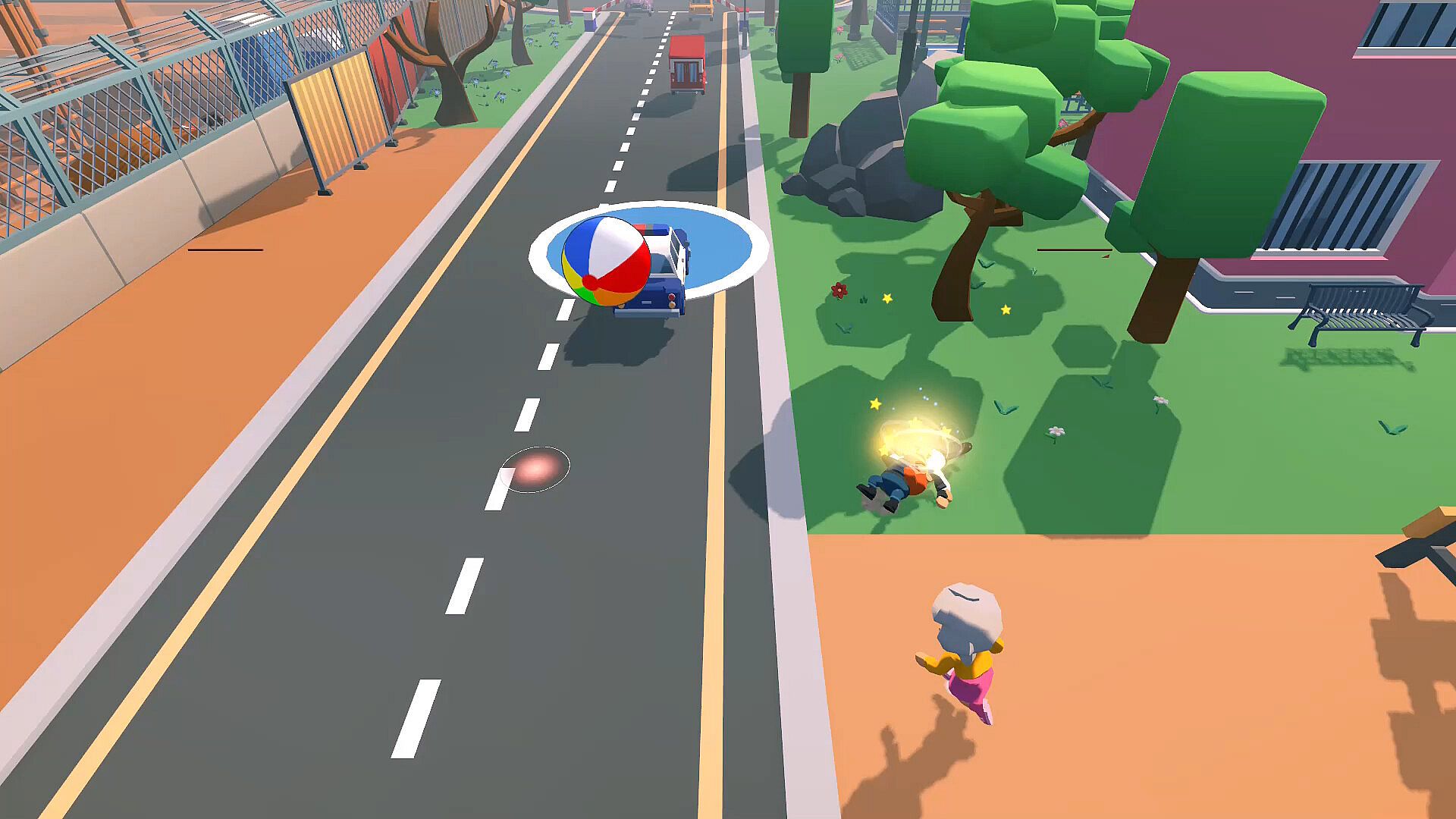
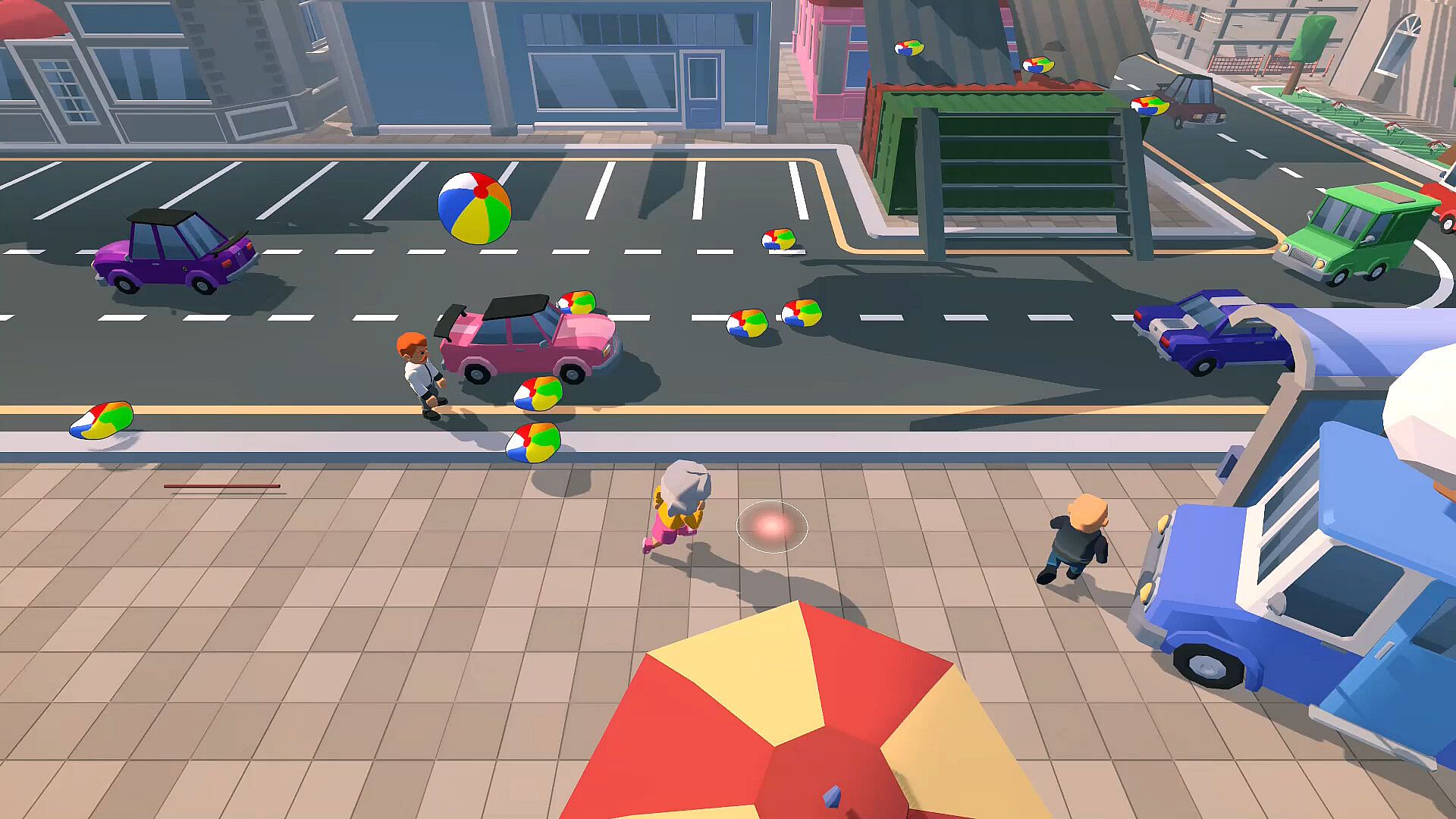
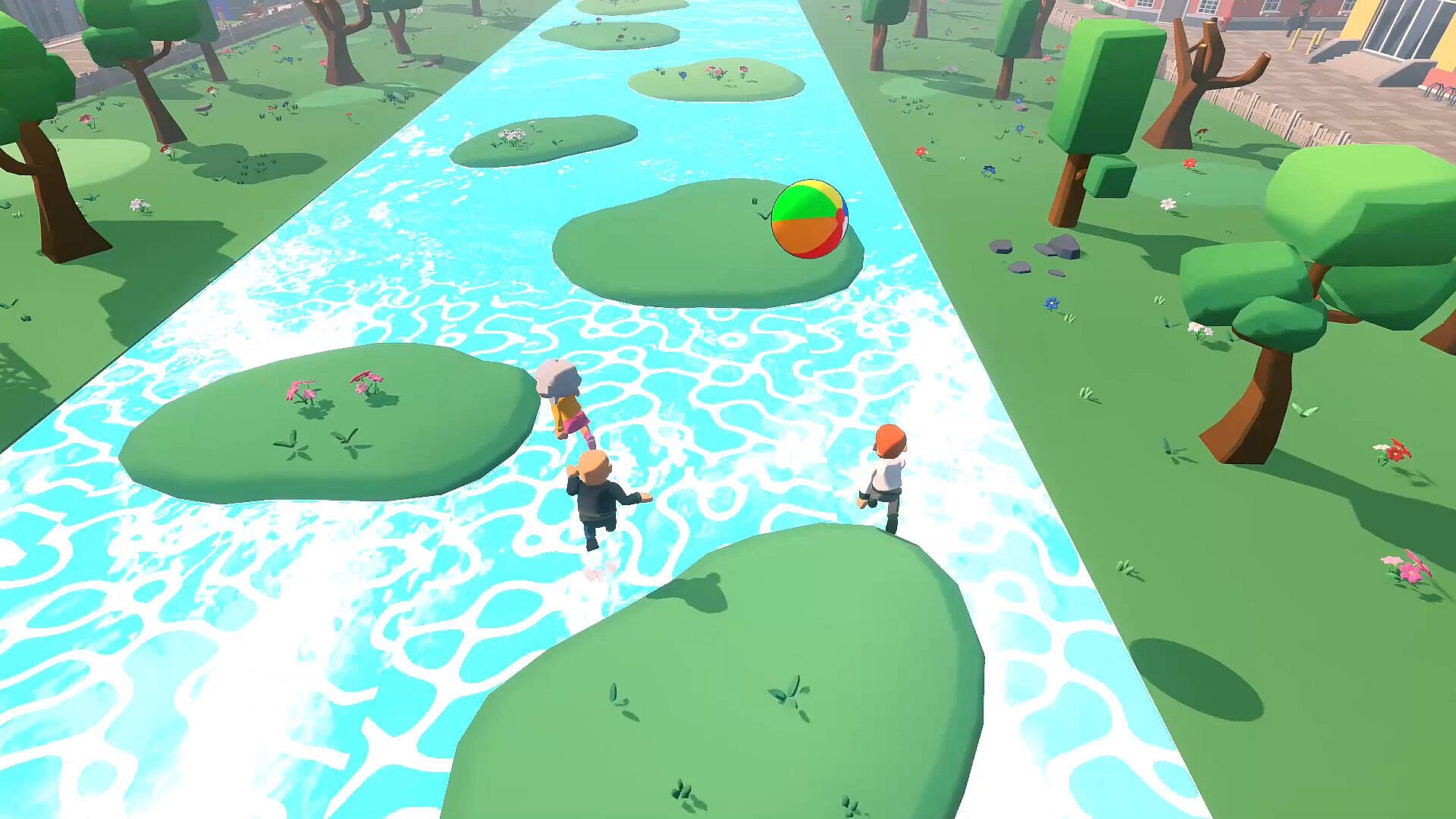
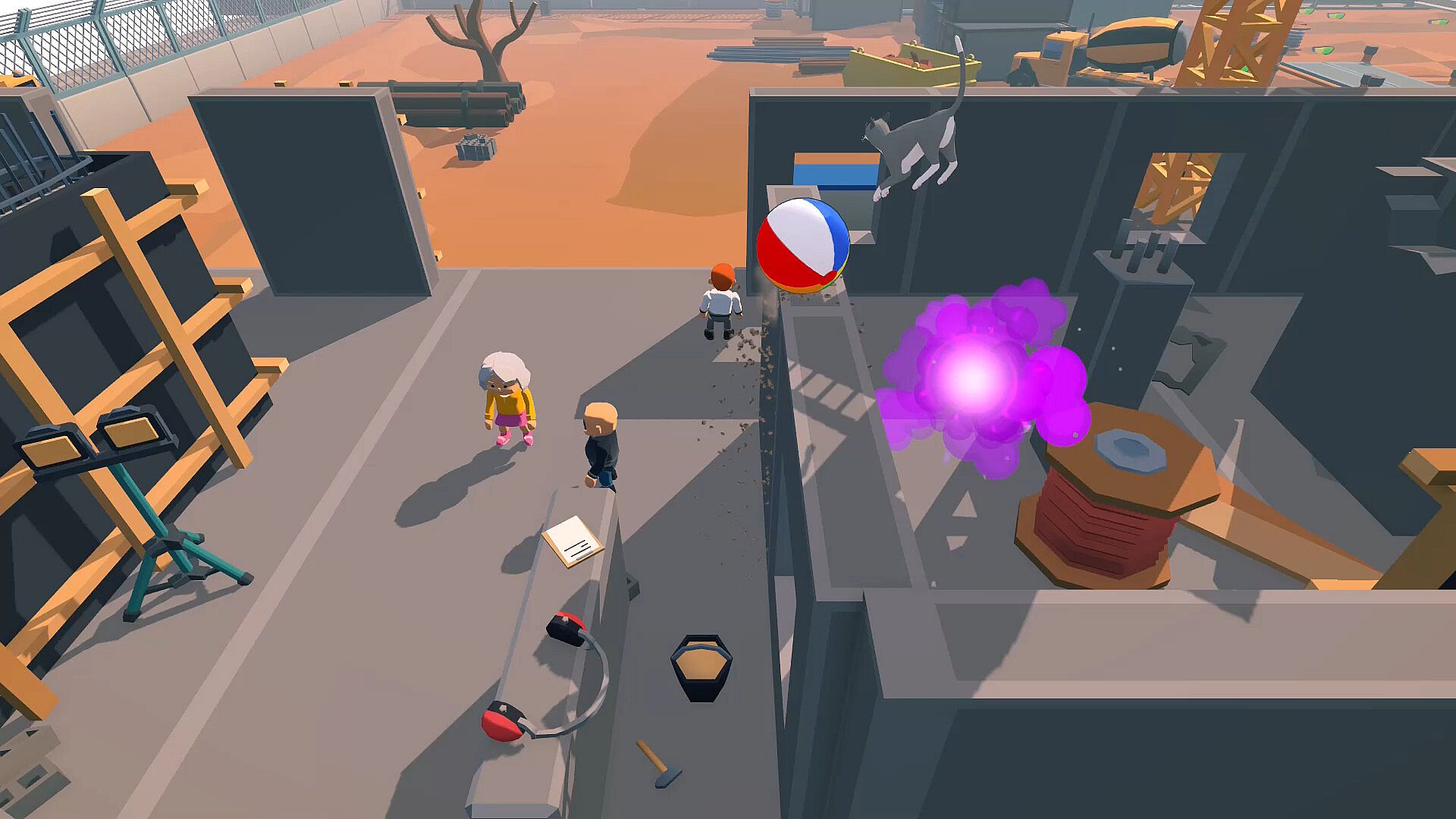
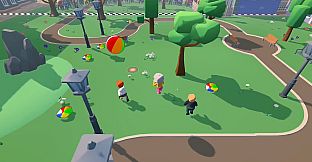
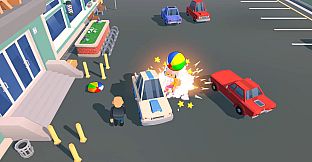
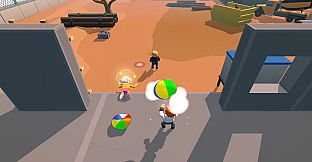
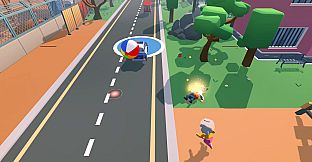
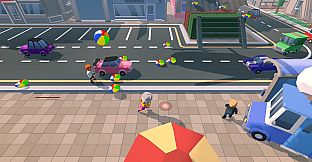
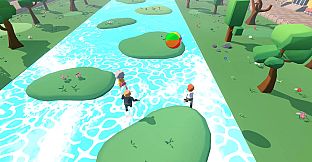
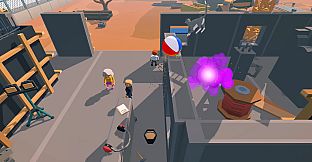
Do NOT Drop It! is a physics-driven co-op game for two to four players on PC. Players work together to move a single ball across obstacle-filled maps without letting it touch the floor. The experience blends casual sports elements with indie teamwork challenges, where precise passing, positioning, and quick reactions determine success or repeated failures at each section.
Gameplay
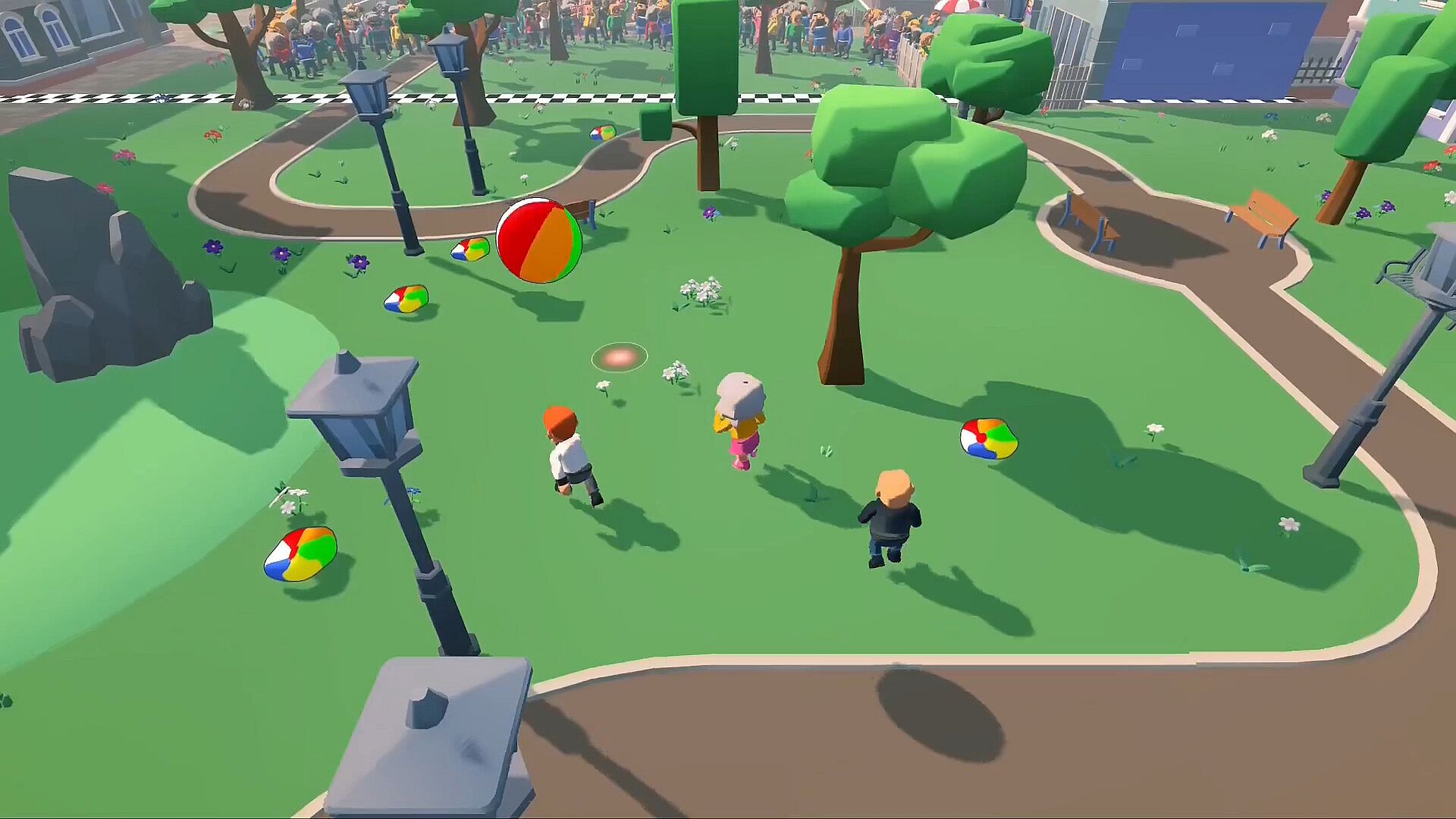
The core loop centers on keeping one ball airborne and advancing it toward the finish line. Teammates hit the ball toward one another, adjust positions in advance, and intervene with last-second actions when trajectories go wrong. A mistimed pass or poor placement can send the ball into hazards or out of reach, forcing the group to restart from the previous checkpoint.
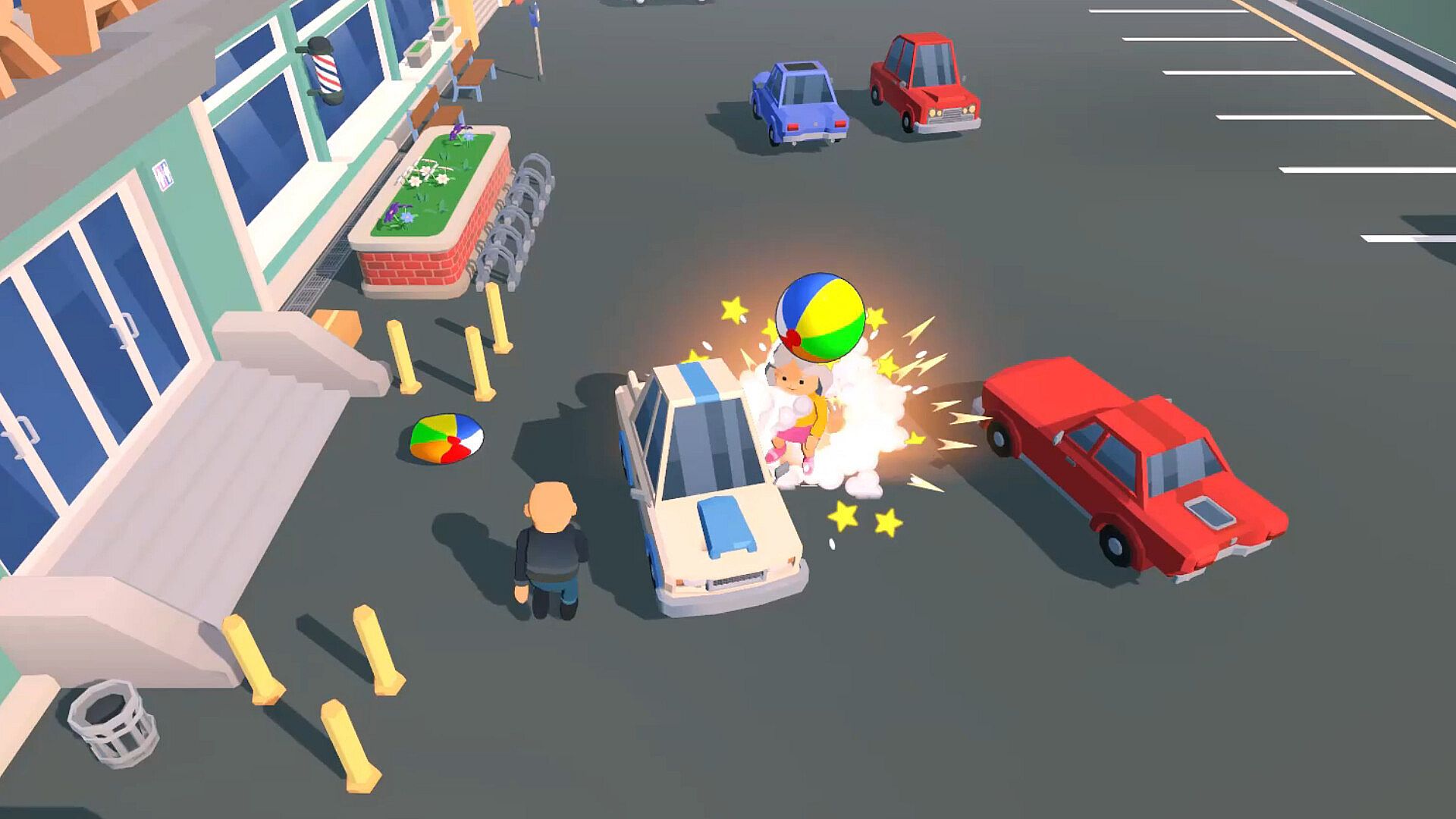
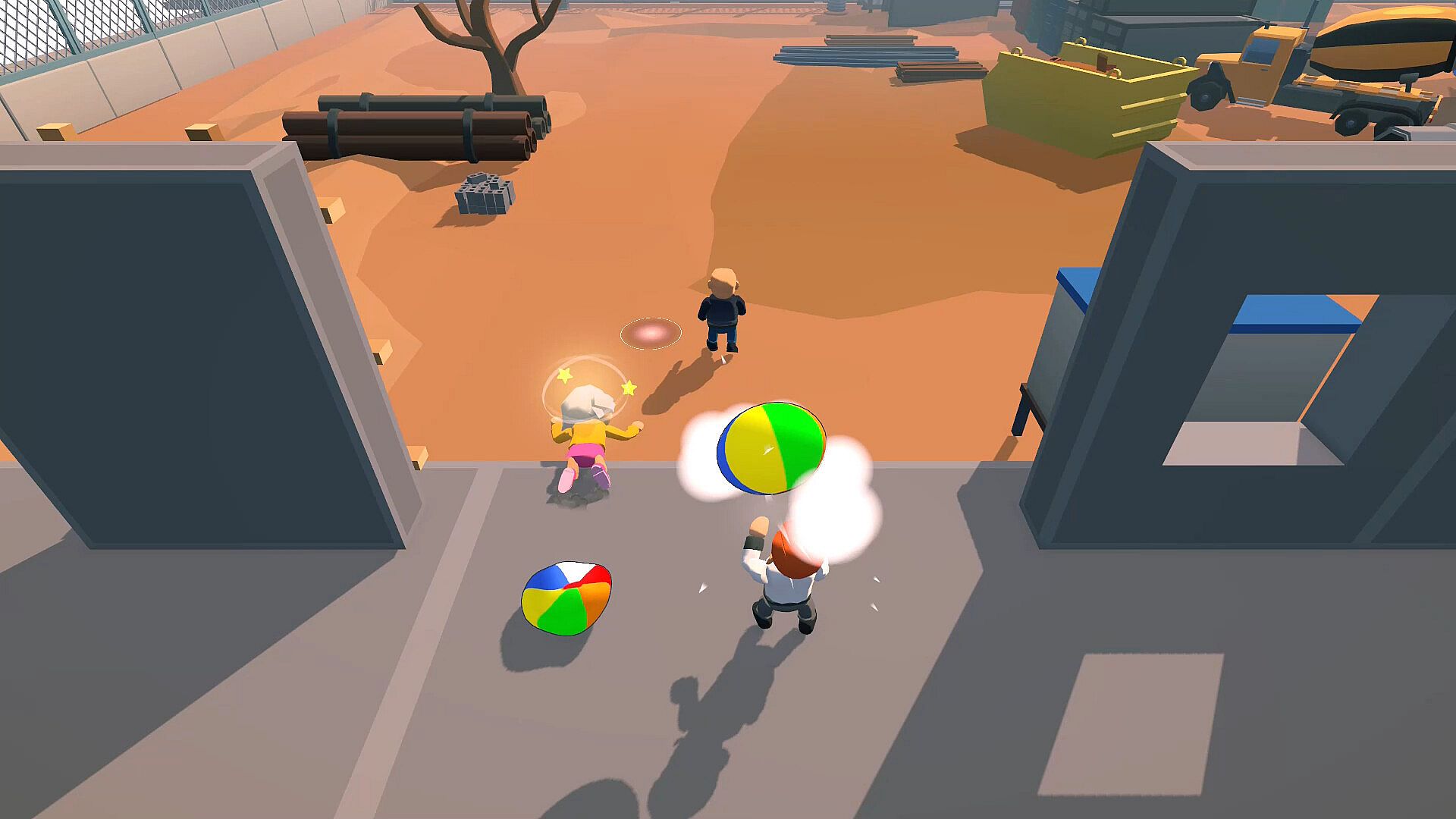
Controls emphasize manual aiming and timing rather than automation. Regular passes maintain control during steady progress, while Power Passes deliver stronger hits for distance or elevation. The Dash ability lets players lunge into desperate saves or reposition rapidly. Because there is no auto-targeting, every successful recovery or failed attempt traces directly back to individual decisions and coordination with others.
Maps incorporate environmental hazards that test the group further. Moving platforms shift underfoot, wind and fans alter ball paths, pass rings require accurate shots, switches and doors demand coordinated timing, and breakable barriers add risk-reward choices. Safe bounce surfaces offer recovery options, but poor planning can still turn a clean run into chaos. Checkpoints provide brief resets where the ball stabilizes, allowing the team to regroup before the next demanding stretch.
Game Modes
The game supports two to four player co-op across multiple connection types, including online, LAN, and shared or split-screen local play. All participants share responsibility for the single ball, with no separate competitive or versus options confirmed. The focus remains on collaborative traversal of the same maps, where adding players increases both the number of potential savers and the opportunities for interference or miscommunication.
Progression follows a linear journey through sections punctuated by checkpoints. Each map builds on the previous challenges with new combinations of platforms, environmental effects, and obstacles. Teams must maintain the rally across the entire route, restarting only at the most recent checkpoint upon failure. This structure rewards consistent communication and adaptive positioning over individual heroics.
Core Mechanics and Features
Simple inputs mask demanding execution. Players aim passes manually, time Dashes for intercepts, and coordinate around teammates who may block paths or create unexpected angles. Recovery options include using environmental bounces or last-moment lunges, but these succeed only when the group anticipates problems together.
The shared problem of one ball creates constant tension. Success depends on reading teammates' intentions, calling shots in advance, and accepting that one person's error resets the section for everyone. Maps deliberately include elements like fans, wind, and moving parts that punish hesitation or poor spacing.
Is It Worth Playing?
Do NOT Drop It! targets players who enjoy short-session co-op experiences built around physics teamwork and repeated attempts. The emphasis on manual control and group accountability suits groups that value communication and shared blame over solo progression or competitive rankings. Because the game is still listed as coming soon with no user reviews available, any assessment rests on the described systems rather than completed play data. Those drawn to casual sports-style co-op with high failure rates and checkpoint-based restarts will find the core loop aligned with their preferences, while players seeking single-player campaigns or extensive solo modes should look elsewhere. The absence of auto-assist features and the direct link between actions and outcomes appeal to those who appreciate skill-based recovery in a multiplayer setting.