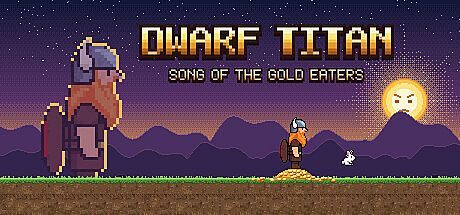


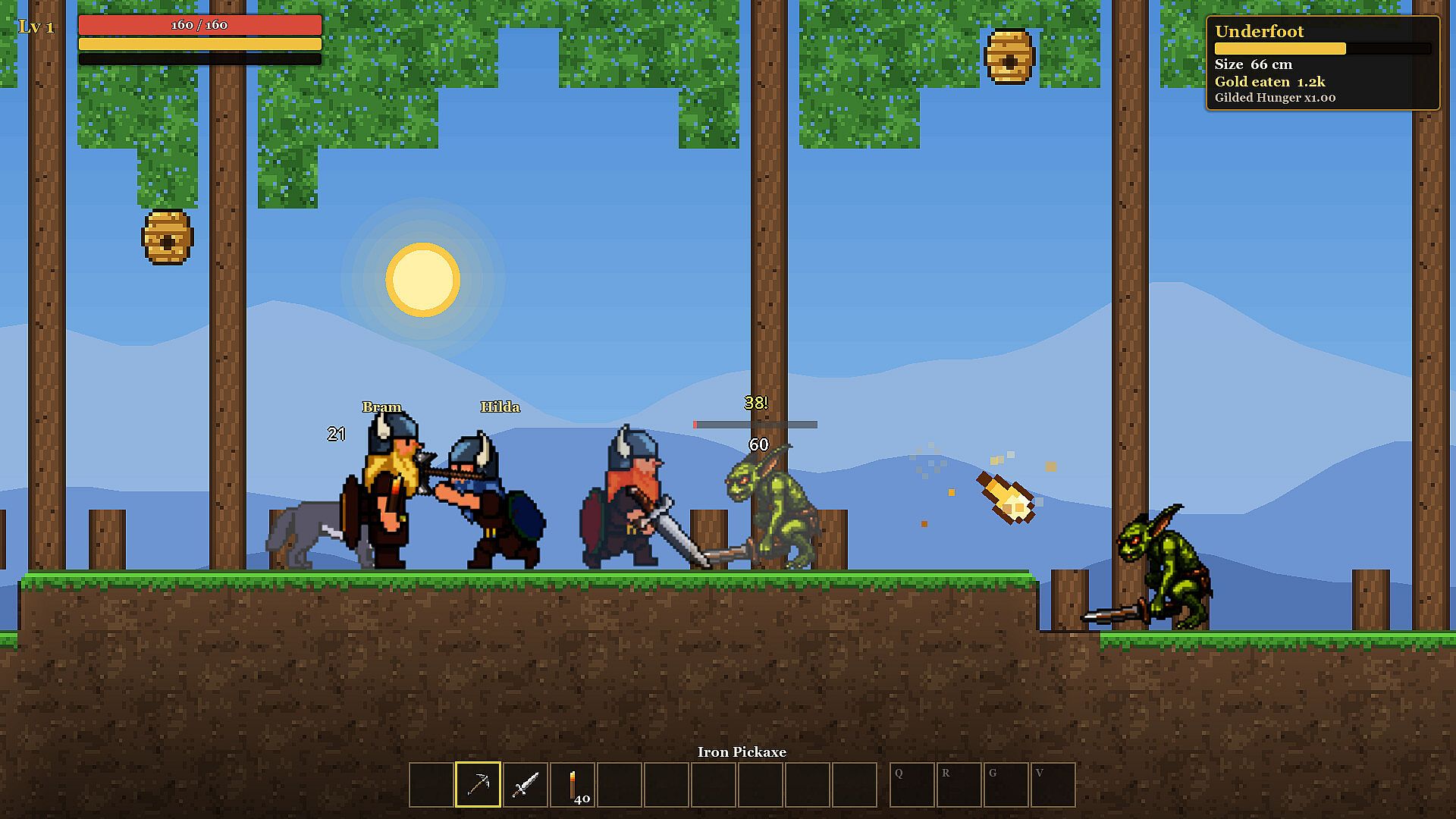
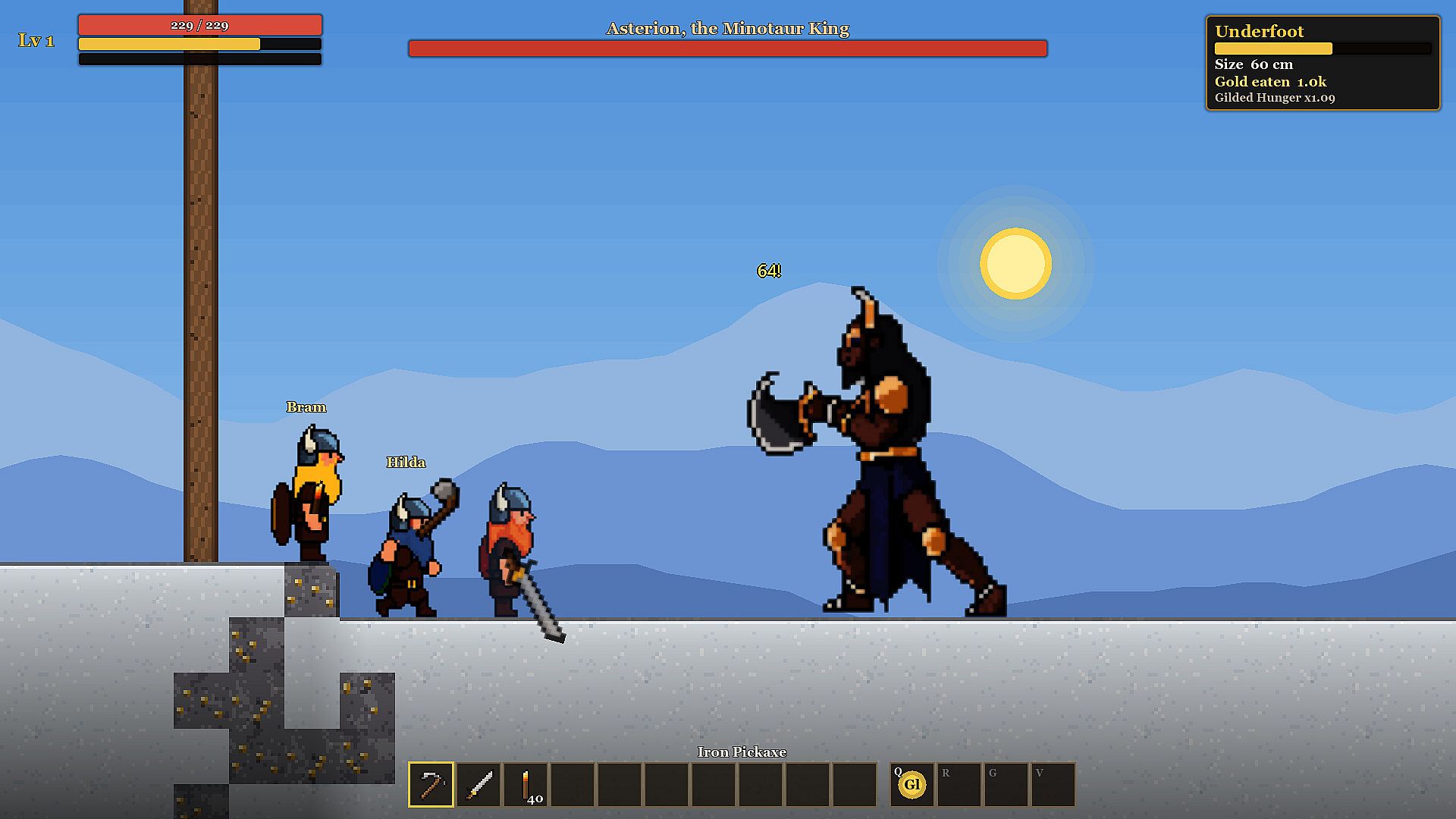
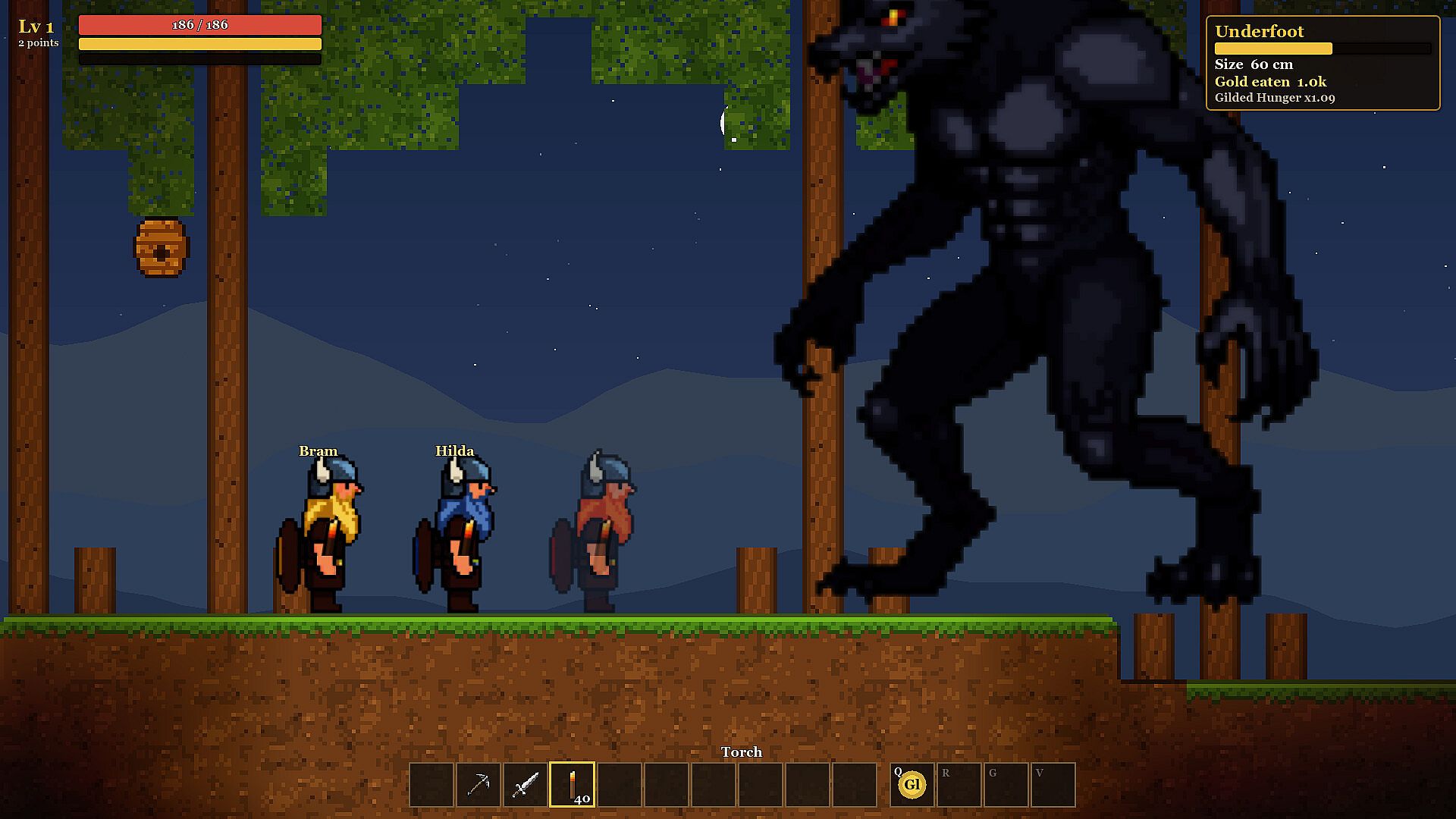
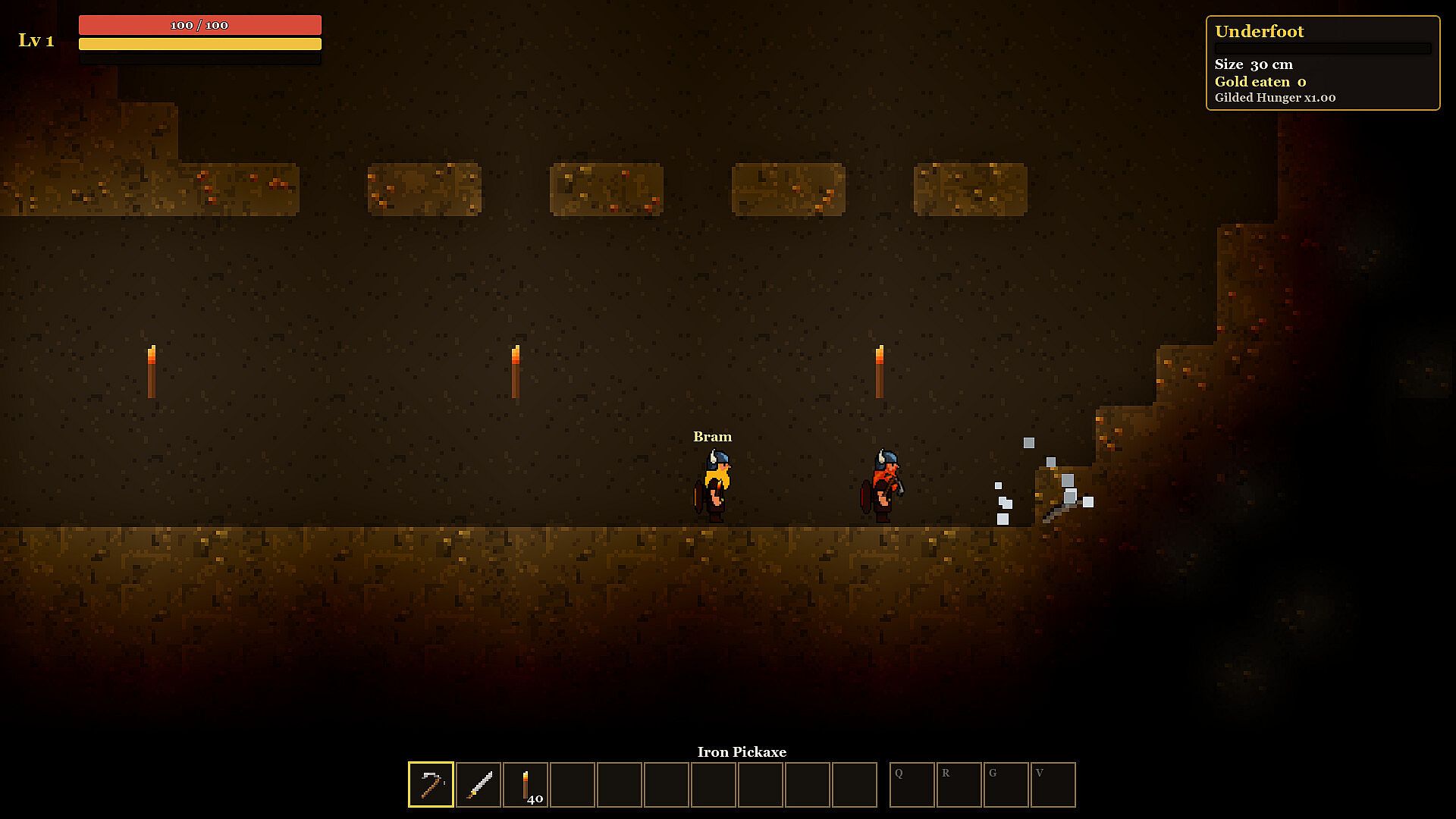
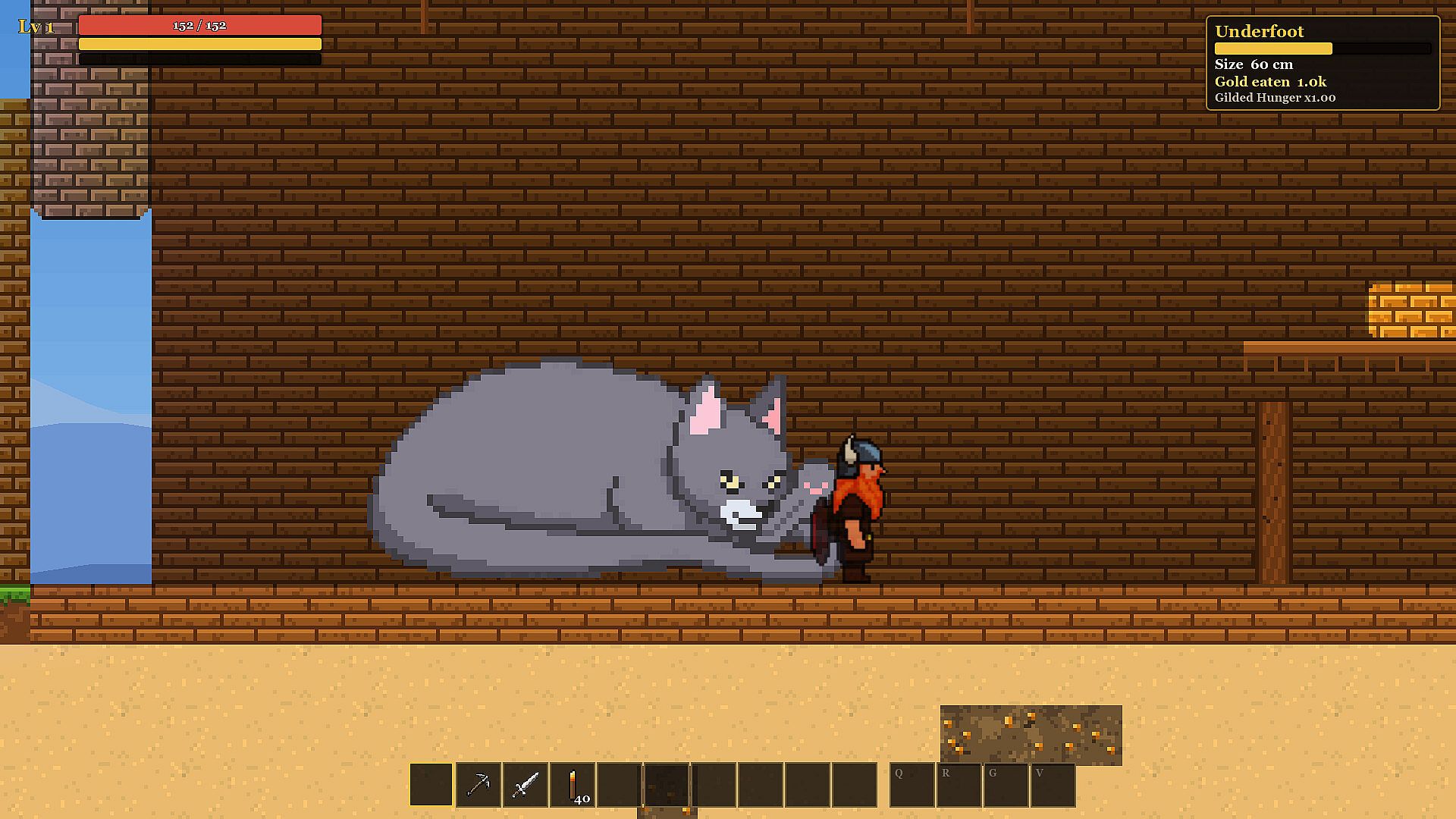
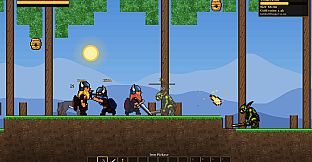
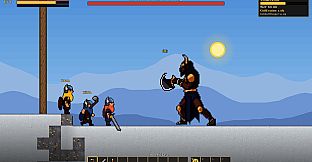
Dwarf Titan: Song of the Gold Eaters is an action RPG adventure game in Early Access on PC. Players control a Gold Eater dwarf who begins rabbit-sized and grows permanently larger by consuming gold coins, altering the scale of the world, combat, mining, and building around them.
Gameplay
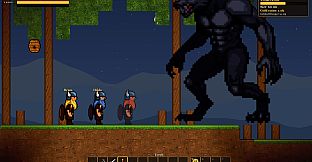
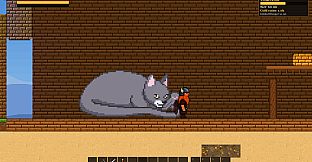
The core loop centers on mining, fighting, looting, and eating gold to ascend through size stages from Underfoot to Godhood. Each coin eaten expands the player's form, causing the camera to pull back and allowing larger-scale interactions with the environment. Early on, a single pickaxe swing removes small blocks, while later stages permit removal of cottage-sized chunks or entire hillsides. Enemies and terrain scale accordingly, turning former threats into obstacles that can be stepped over or requiring new strategies such as hiding in holes until sufficient size is reached.
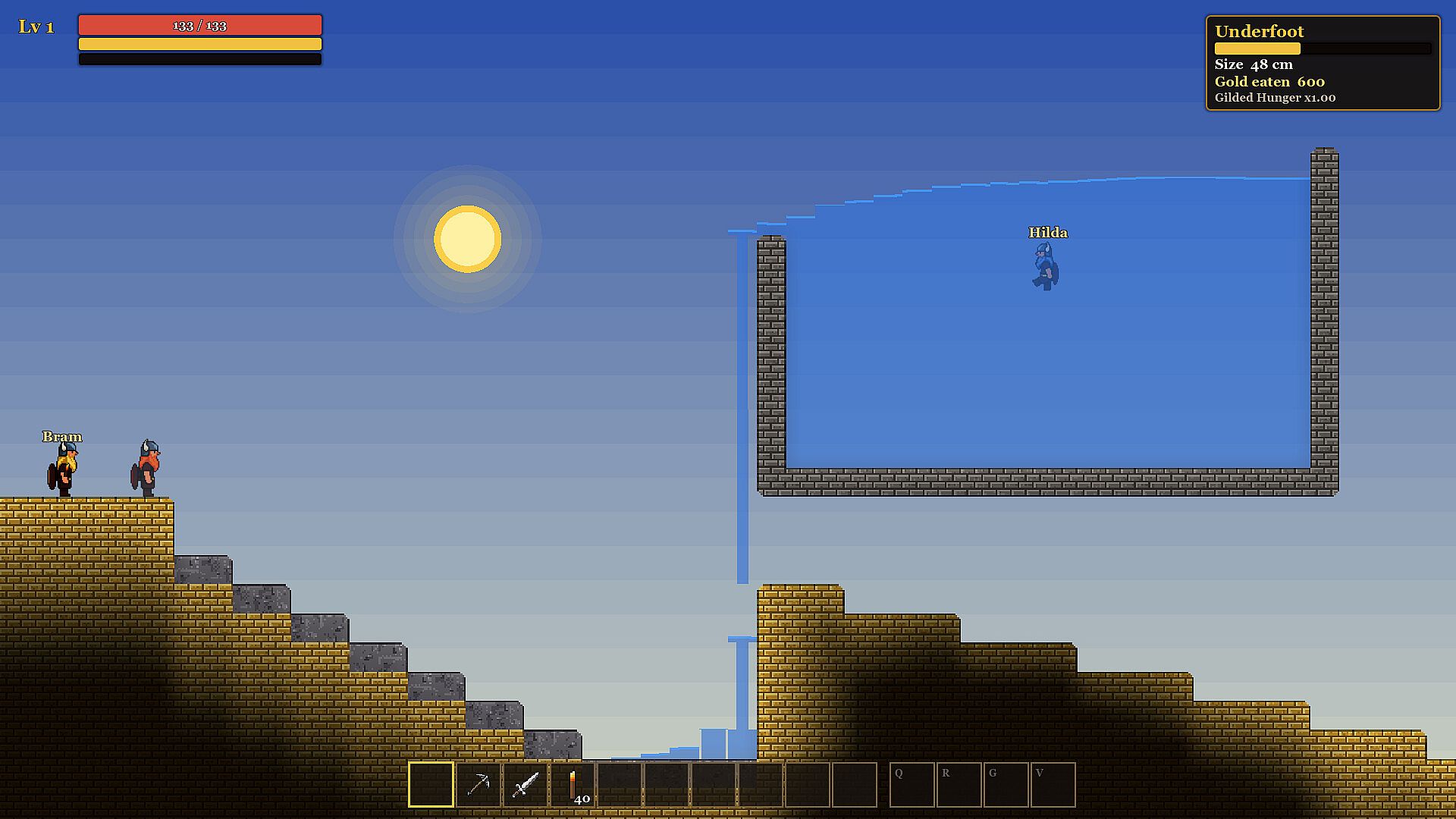
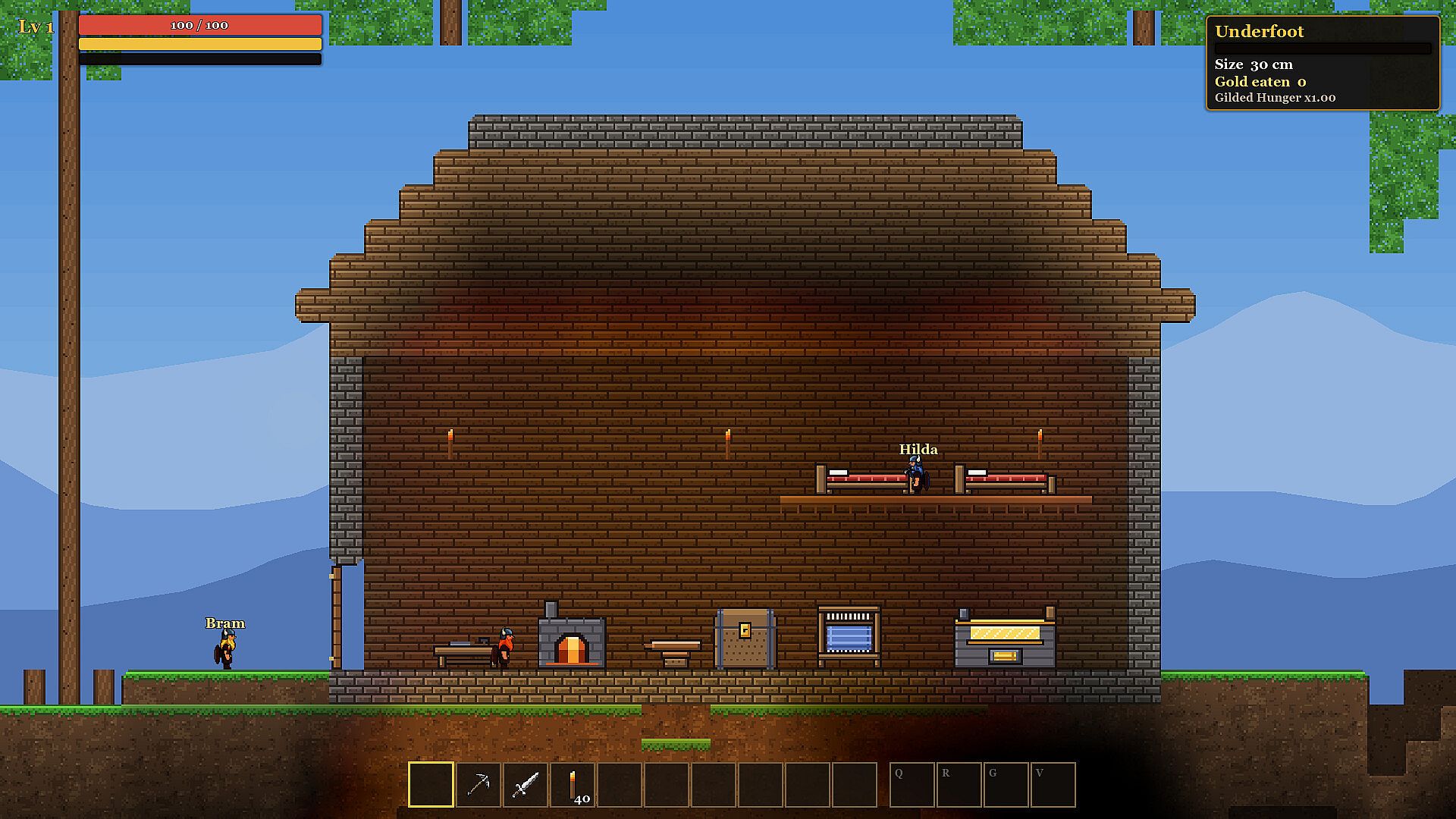
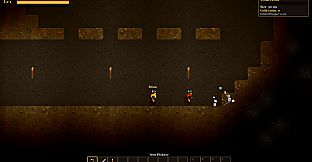
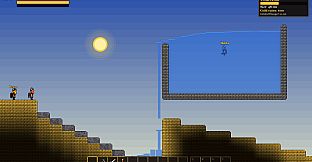
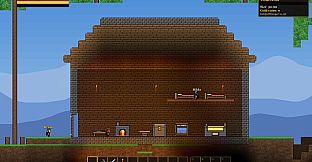
Exploration spans generated biomes including meadows, forests, deserts, tundra, swamps, and mountains, plus underground caves and open seas populated by sharks and serpents. Physics simulation allows water and lava to flow, pool, and interact with dug terrain. Players can break dams to flood areas, use reservoirs strategically, or swim through filled pits for resources. Building involves placing blocks that also scale with the player, enabling construction of halls complete with walls, doors, beds, furnaces, anvils, and gold forges. Structures built at smaller sizes appear diminished as growth continues.
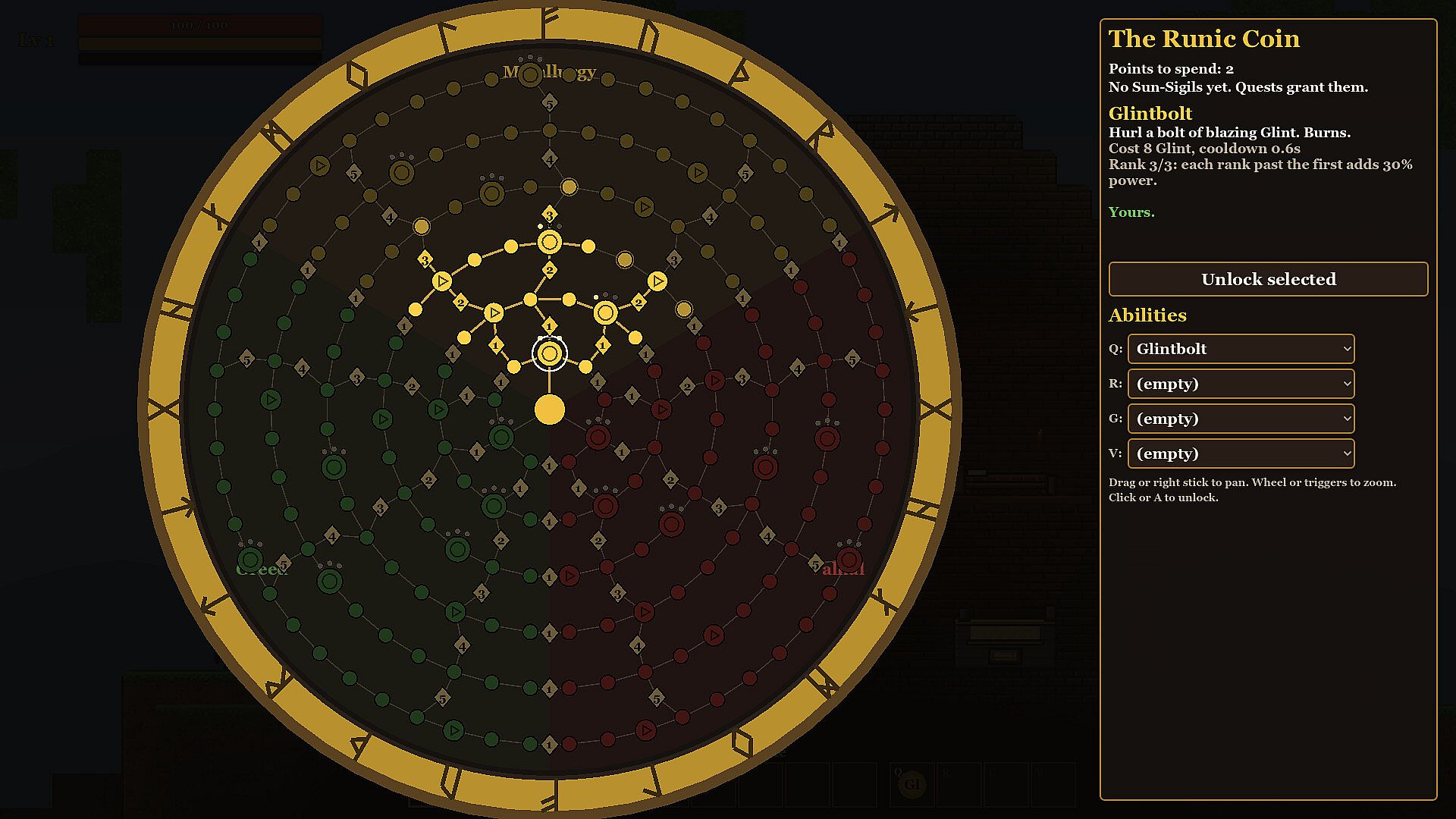
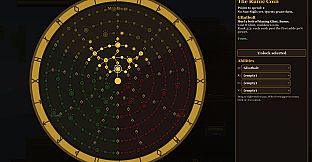
Progression ties into a sphere-grid system called the Runic Coin with paths in Metallurgy, Valhal, and Greed. Initial rune selection grants starting abilities such as Glintbolt, Titan Leap, or Burrow, with further ranks and relics from quests unlocking additional powers. Controller support for Xbox pads works alongside mouse and keyboard controls.
Game Modes
The game supports single-player sessions where players progress through the world and quests independently. Multiplayer options include hosting worlds for friends via LAN or online connections, allowing cooperative digging and building or competitive play where other players serve as sources of gold. PvP elements emerge naturally from shared worlds, while co-op focuses on joint exploration and growth. Features list confirms single-player, online co-op, LAN co-op, online PvP, and LAN PvP availability.
Quests and Progression
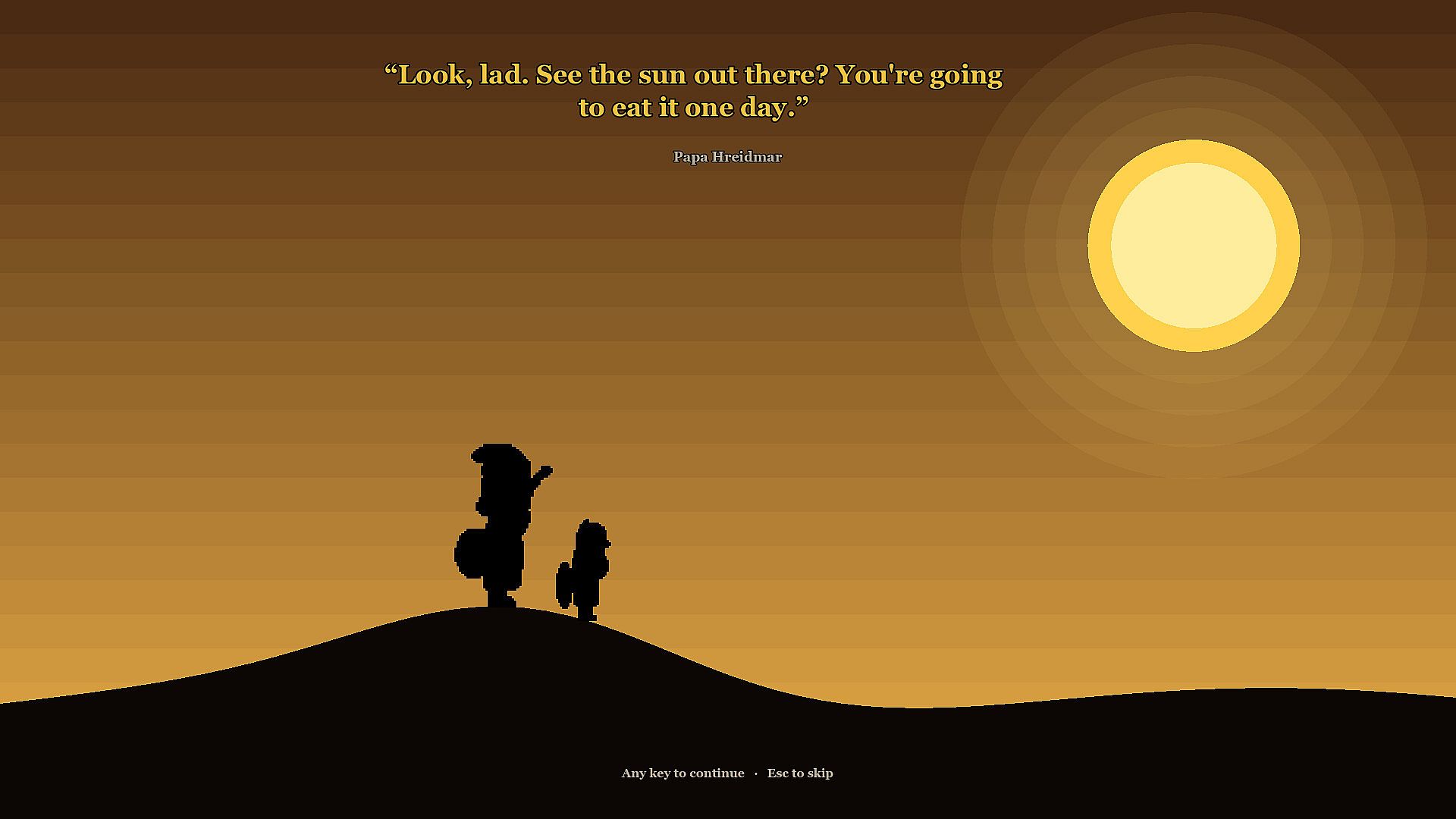
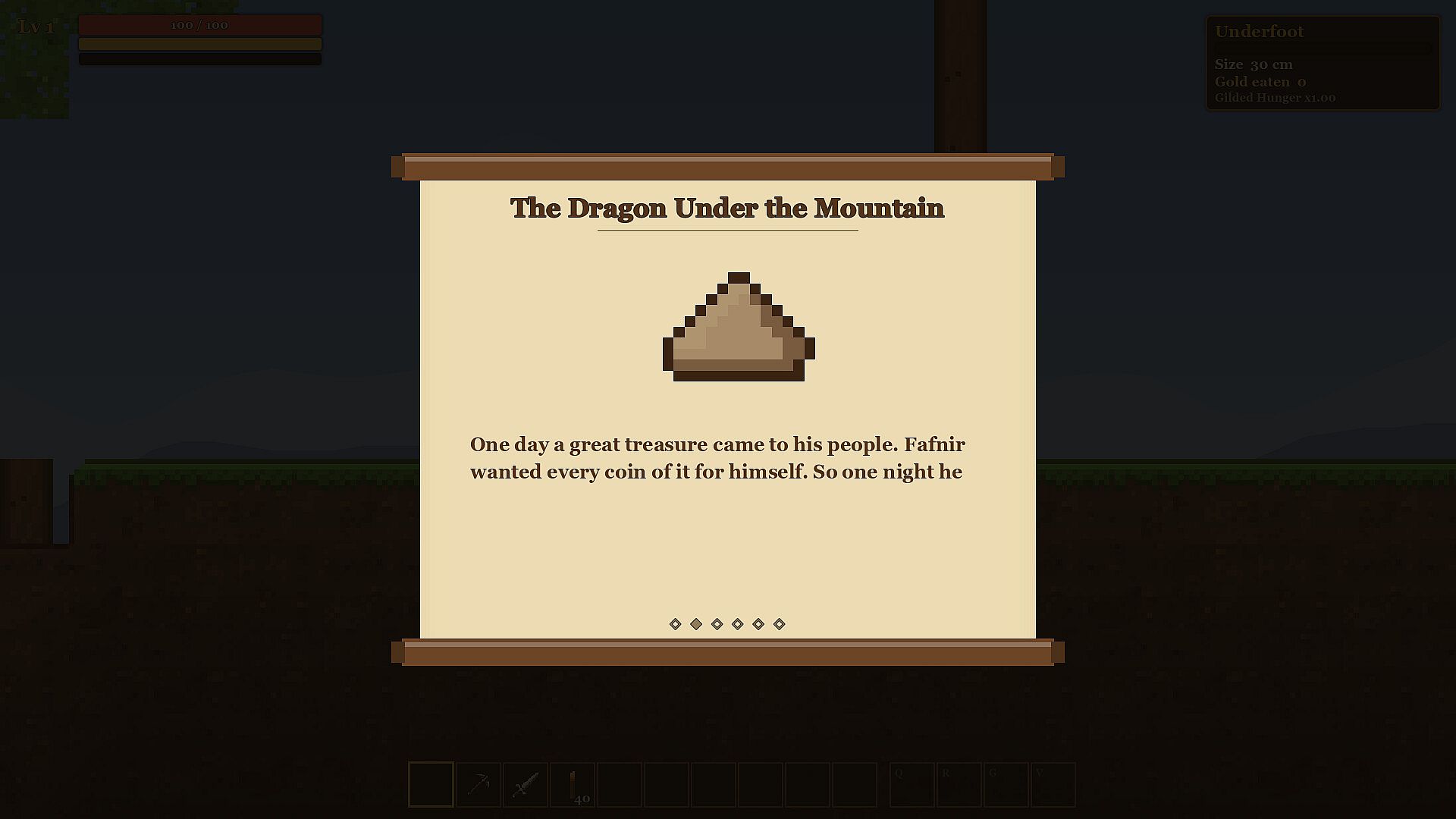
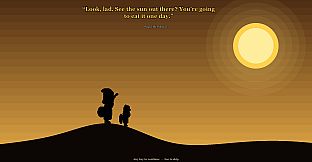
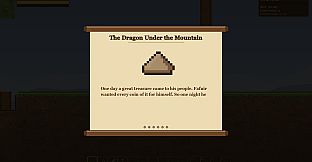
Daily fairy tales read by Papa Hreidmar translate into optional quests scaled to the player's current size. Examples include retrieving Thor's hammer from a giant's wedding, confronting the troll under the bridge, claiming the cloud giants' harp, securing Andvari's ring, drawing the Sword in the Stone, pursuing the Holy Grail or Golden Fleece, raiding Fafnir's hoard, or entering the Palace of Midas. These tasks reward relics that interact with the Runic Coin grid. The overarching goal involves growing large enough to confront the sun god Sólgrymr directly.
Is It Worth Playing?
The game enters Early Access in Q1 2027 with a planned full release in the first half of 2028. The described sandbox emphasizes size-based progression, fluid physics, and a mix of solo or shared-world play that suits players interested in growth mechanics combined with mining, building, and light RPG ability development. No user reviews exist yet because the title has not launched. Those drawn to indie action RPG experiences with procedural worlds and permanent character scaling may find the core systems compelling once available, particularly if they enjoy experimenting with scale changes in a persistent environment. The developer plans ongoing updates based on community feedback during Early Access.