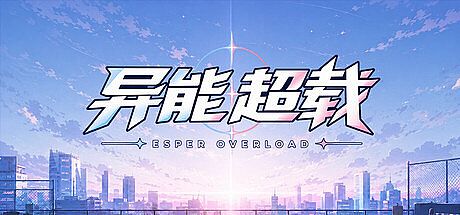


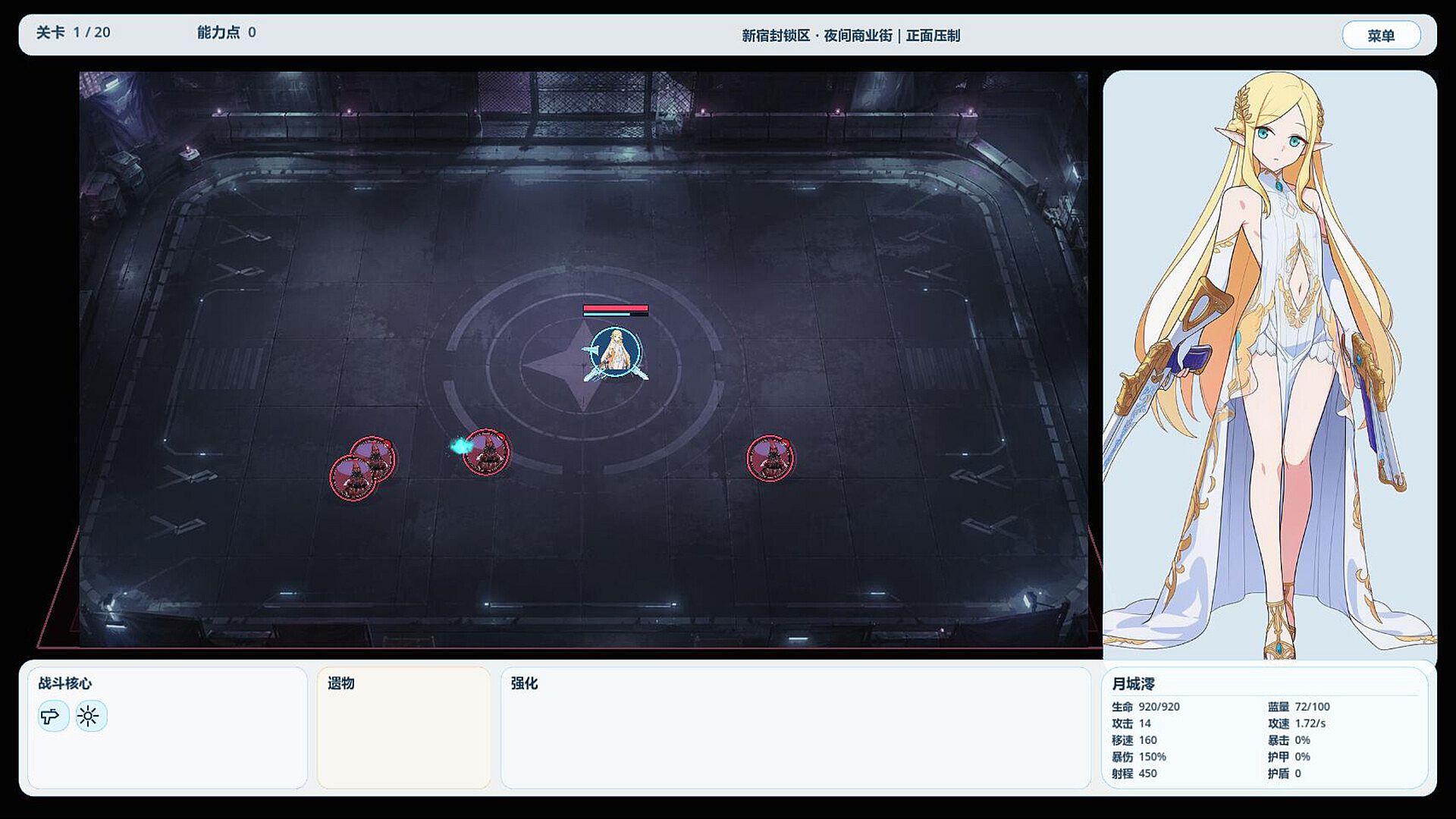
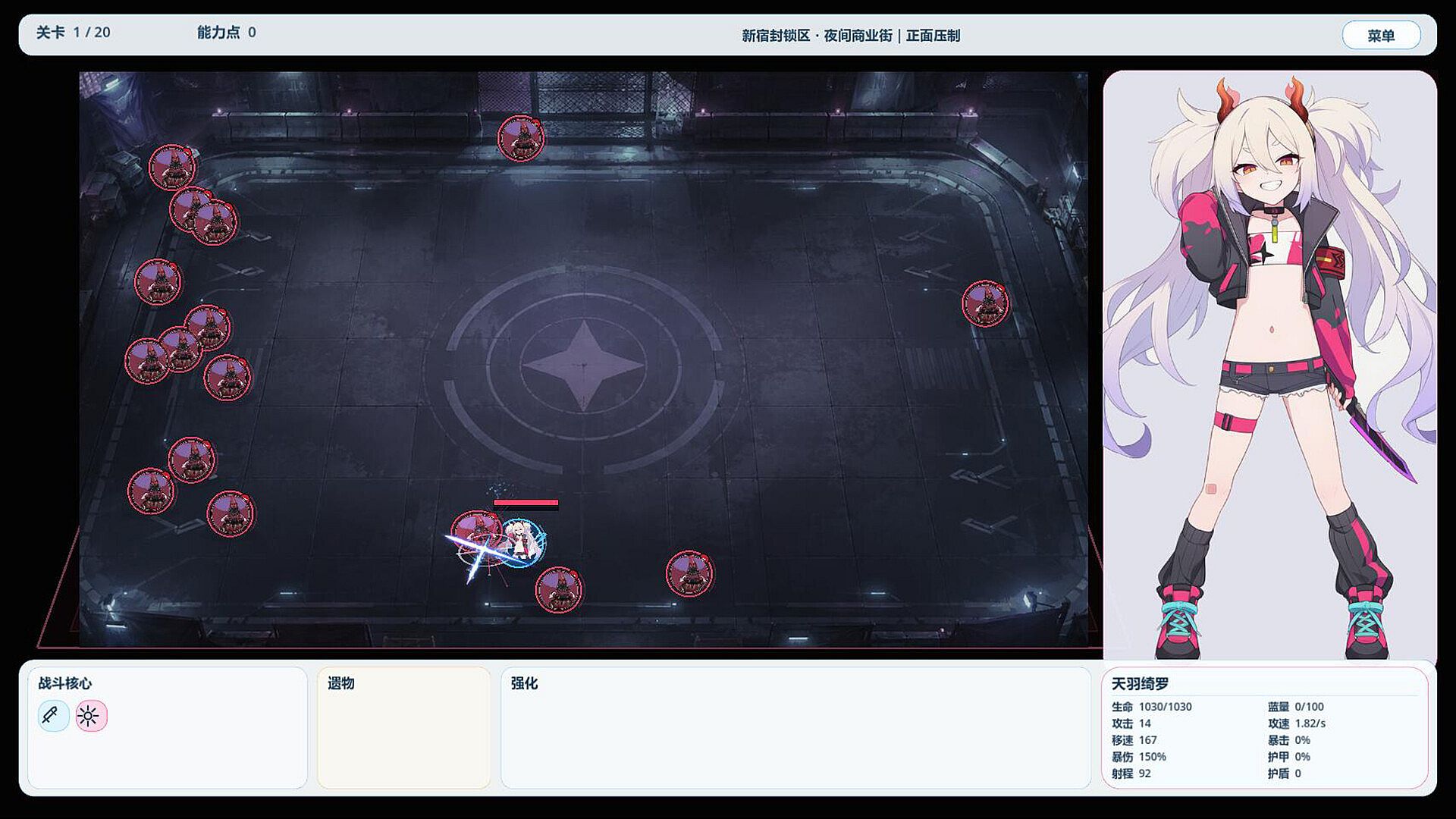
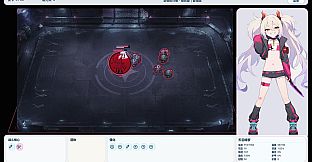
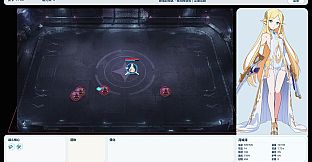

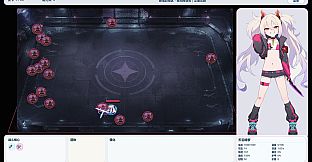

Esper Overload is an indie RPG that blends casual simulation elements with auto-battler roguelike mechanics on PC. Players take on the role of a commander who selects a super-powered heroine and directs her through automated battles by choosing upgrades rather than controlling actions directly.
Gameplay
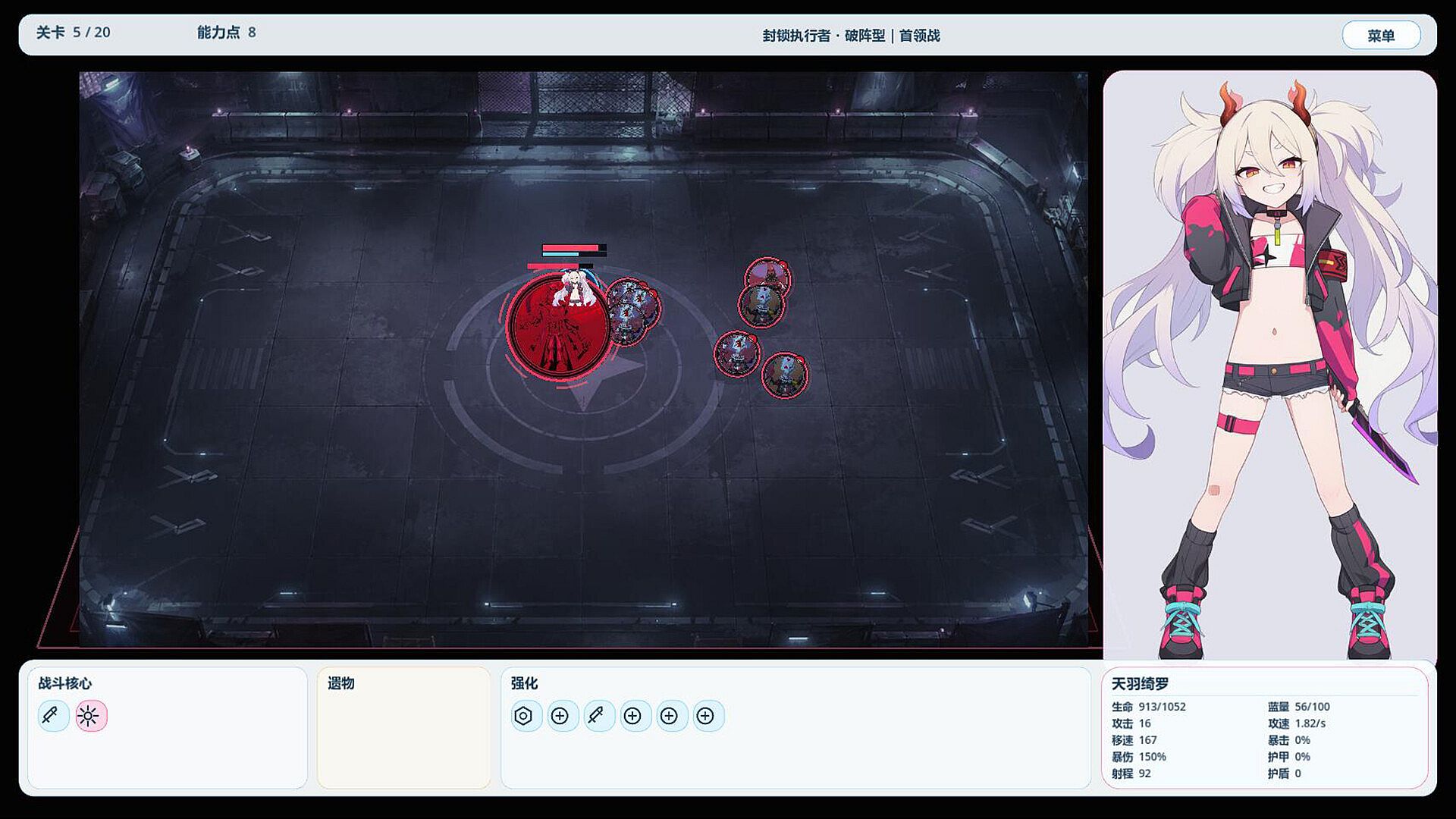
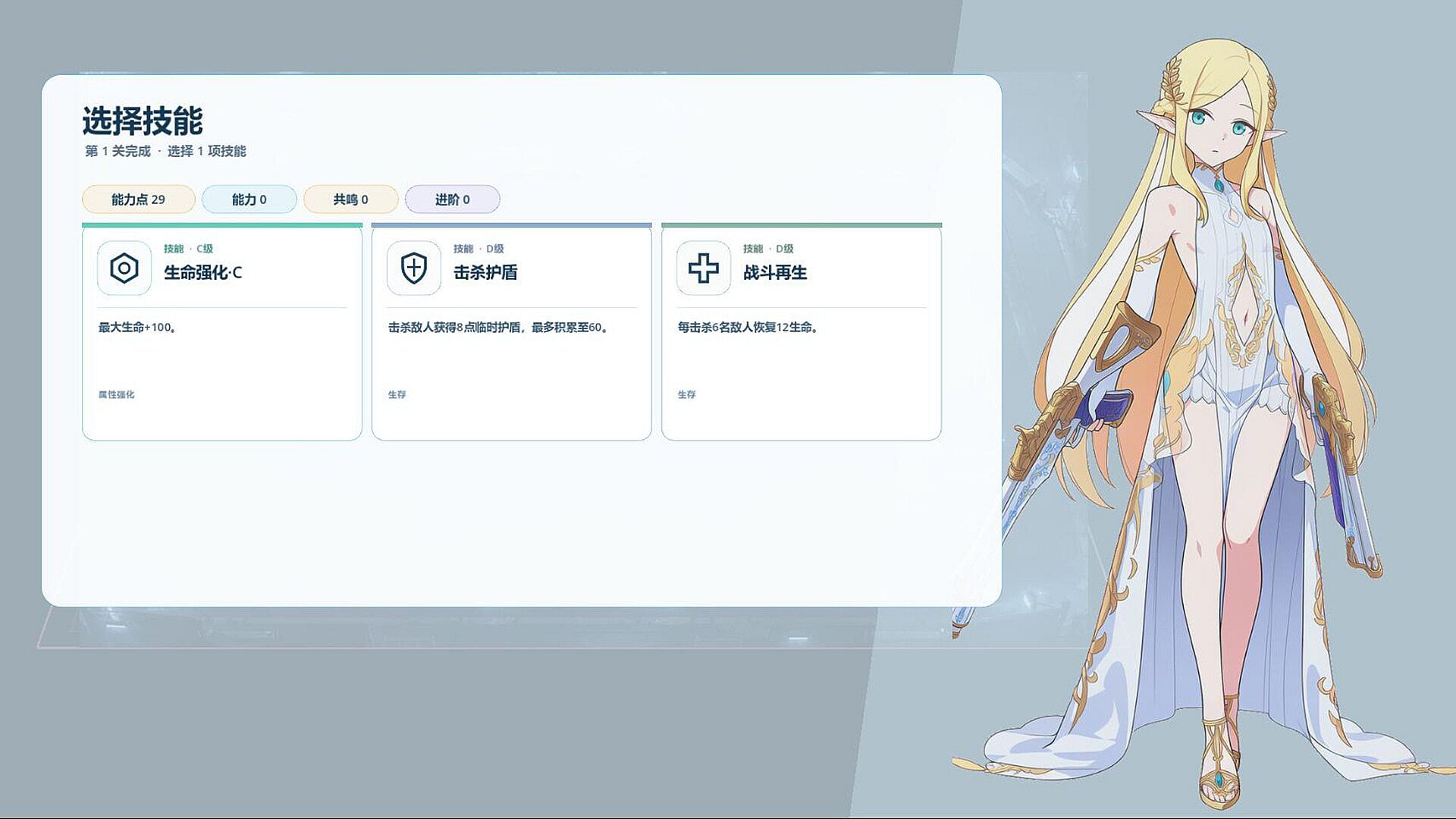
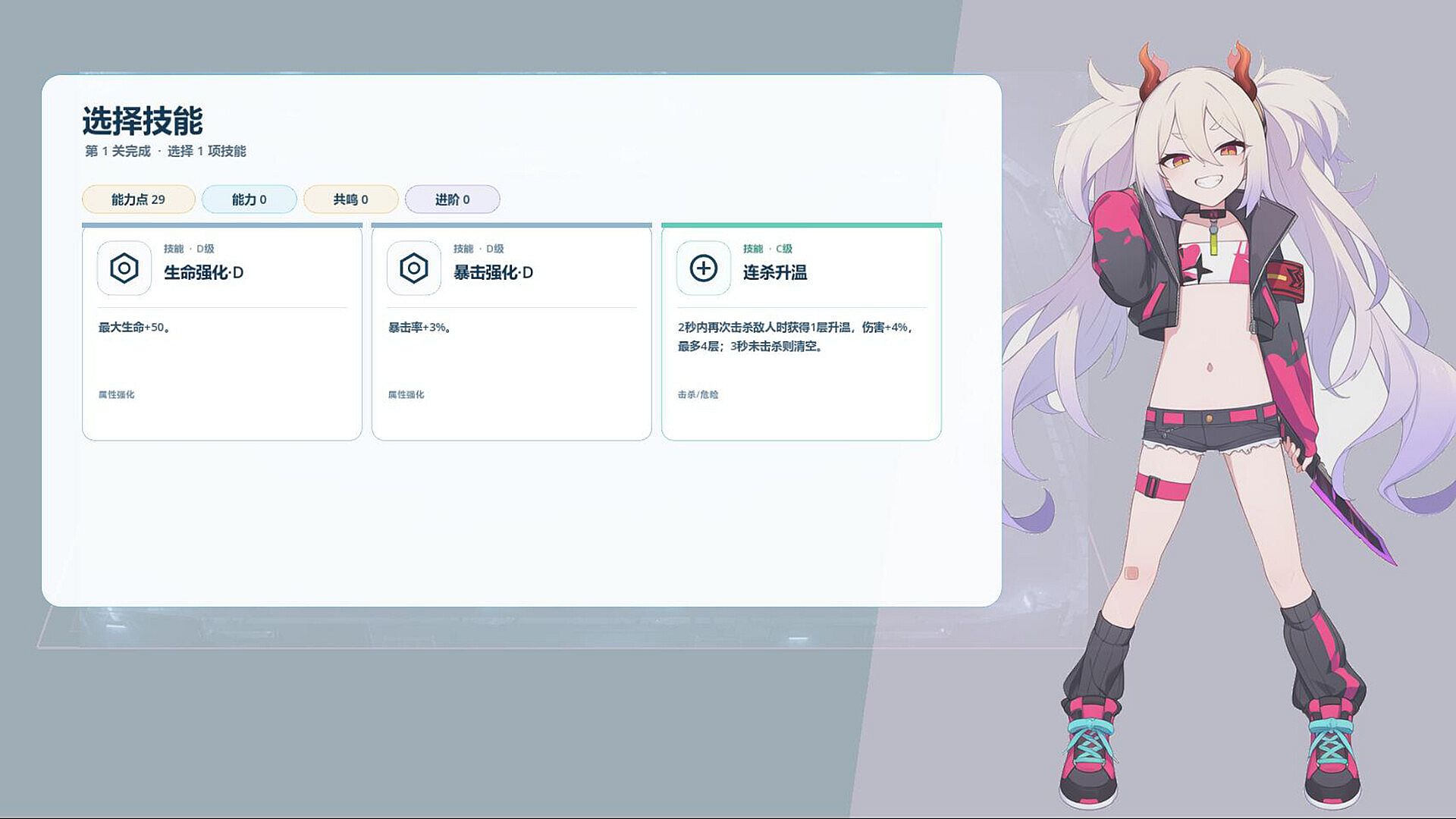
The core loop centers on roguelike runs where each heroine fights independently once the battle begins. Commanders focus exclusively on selecting upgrades from a pool of over one hundred skills during each encounter. These choices shape how the heroine performs in combat without any direct intervention from the player.
Each heroine comes with distinct advancement paths that support different approaches even when replaying the same character. One path might emphasize defensive skills while another prioritizes aggressive damage output or utility effects. The variety encourages experimentation across multiple runs as players test combinations that suit their preferred style.
Defeat does not end progress permanently. Battlefield data collected during a run returns to an analysis lab where it unlocks lasting upgrades for all heroines. This system creates steady advancement that carries forward and reduces frustration from early losses.
Game Modes
The experience revolves around singleplayer roguelike sessions focused on upgrade selection and automated combat. Runs proceed through a series of battles where the commander refines the heroine's capabilities in real time based on available options.
Replay value stems from the branching advancement paths and extensive skill pool rather than separate named modes. Players can attempt the same heroine multiple times to explore alternate builds or switch to different heroines for fresh challenges. The structure keeps sessions accessible for casual play while offering depth through repeated attempts.
Heroine Selection and Builds
Choosing a heroine sets the foundation for each run. The available characters feature unique skill trees that open different strategic possibilities. A single heroine can support tanky configurations, high-mobility setups, or support-oriented abilities depending on the upgrades selected.
With more than one hundred skills available, build variety remains high even within one character. Players combine skills across categories to create specialized loadouts that perform differently against various challenges. The auto-battler format lets the commander observe how choices interact without needing to manage timing or positioning.
Permanent Progression System
Data gathered from battles feeds into the analysis lab for permanent improvements. These upgrades apply across all heroines and strengthen future runs without resetting on defeat. The system rewards consistent play by gradually expanding options and power levels over time.
This progression layer adds a simulation aspect where long-term planning matters alongside individual run decisions. Commanders balance short-term upgrade picks during battles with the knowledge that collected data contributes to broader character development.
Is It Worth Playing?
Esper Overload suits players who enjoy roguelike progression paired with hands-off combat and build experimentation. The commander-focused design appeals to those who prefer strategic planning over real-time action or precise controls. Casual sessions fit well for shorter play periods while the upgrade system supports longer engagement through repeated runs.
The combination of unique heroine paths, extensive skill choices, and persistent lab upgrades provides meaningful variety without overwhelming complexity. Those interested in indie RPGs with auto-battler elements and simulation-style progression will find a focused experience centered on customization and incremental improvement.