

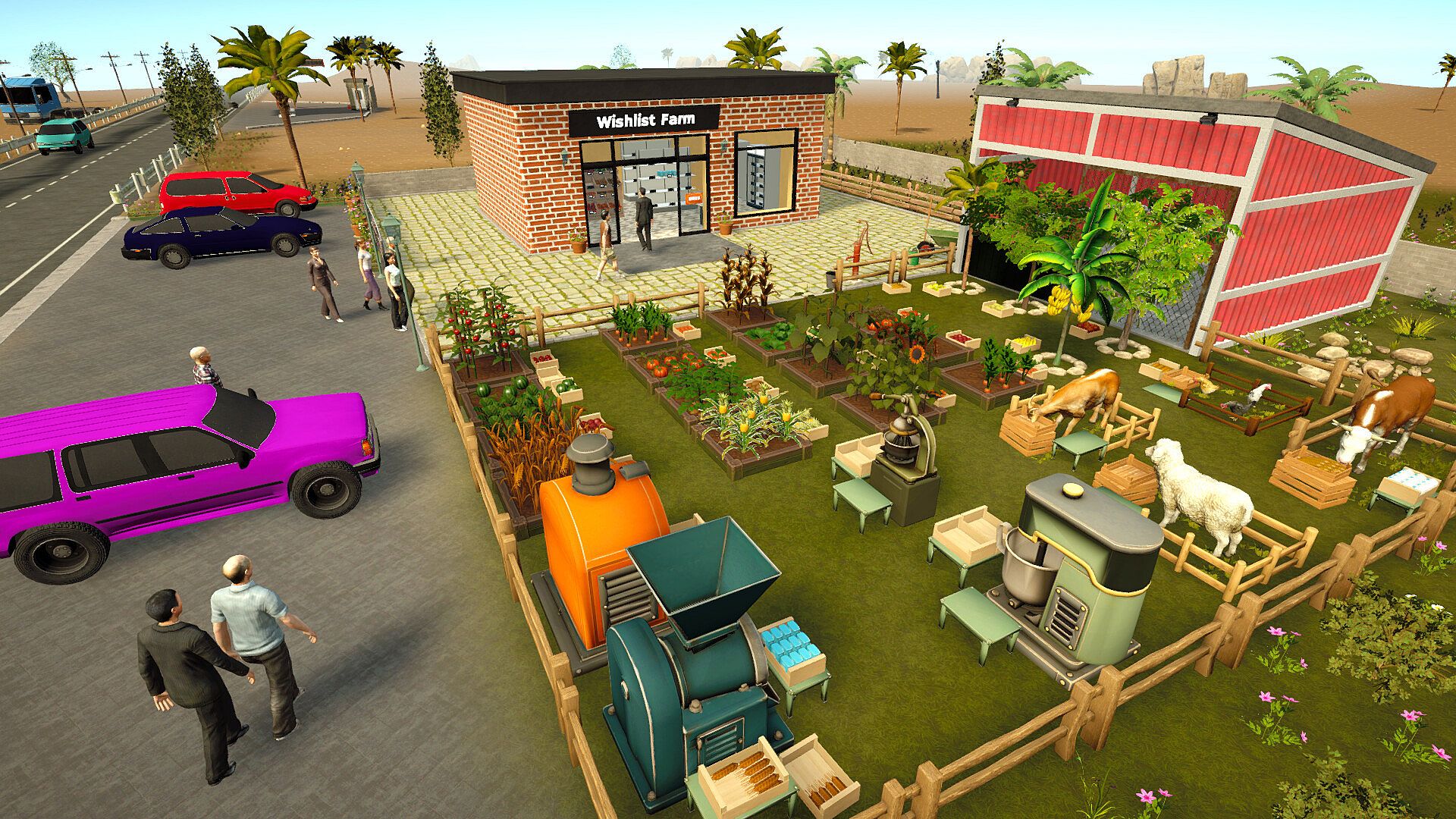
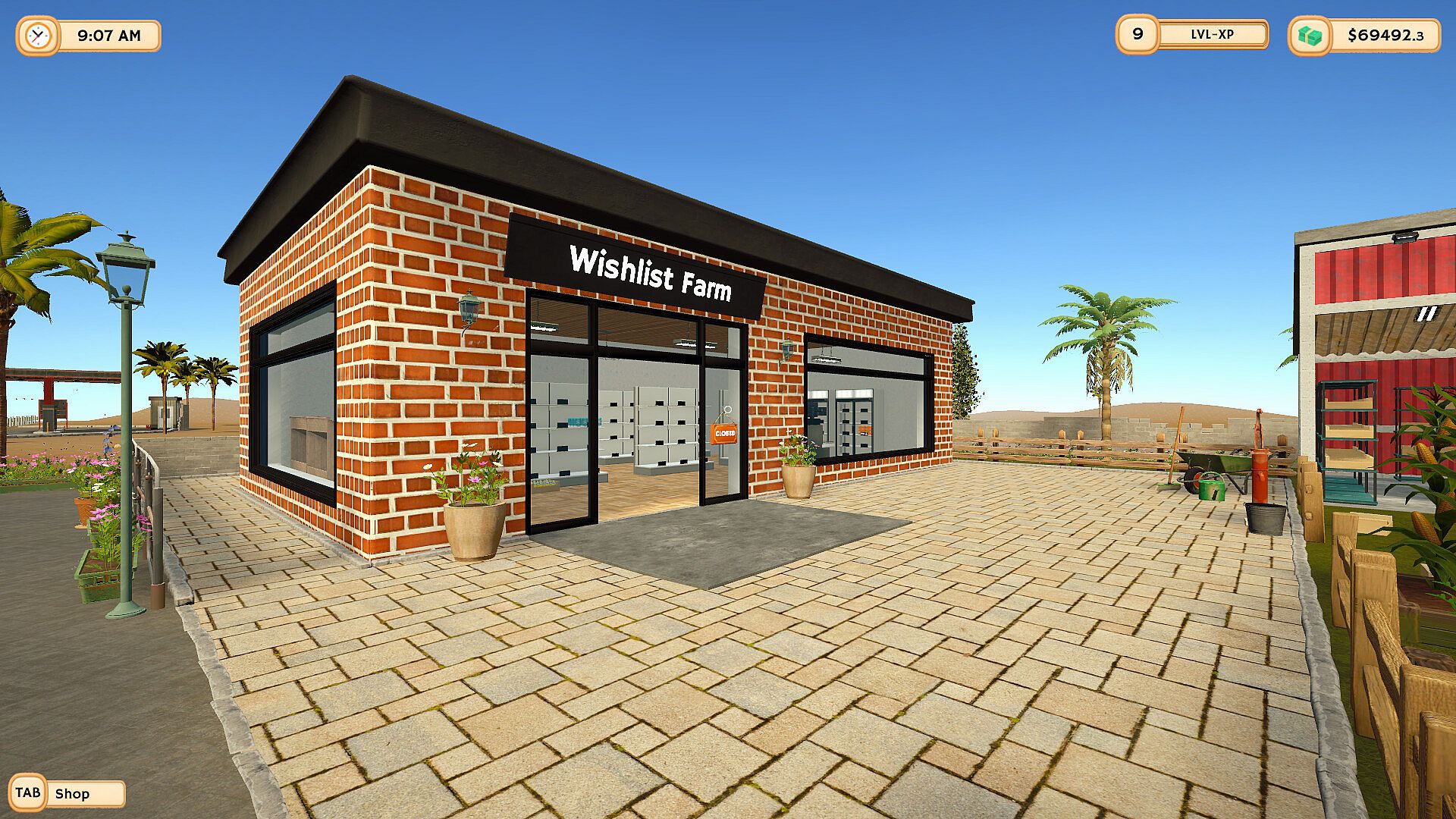
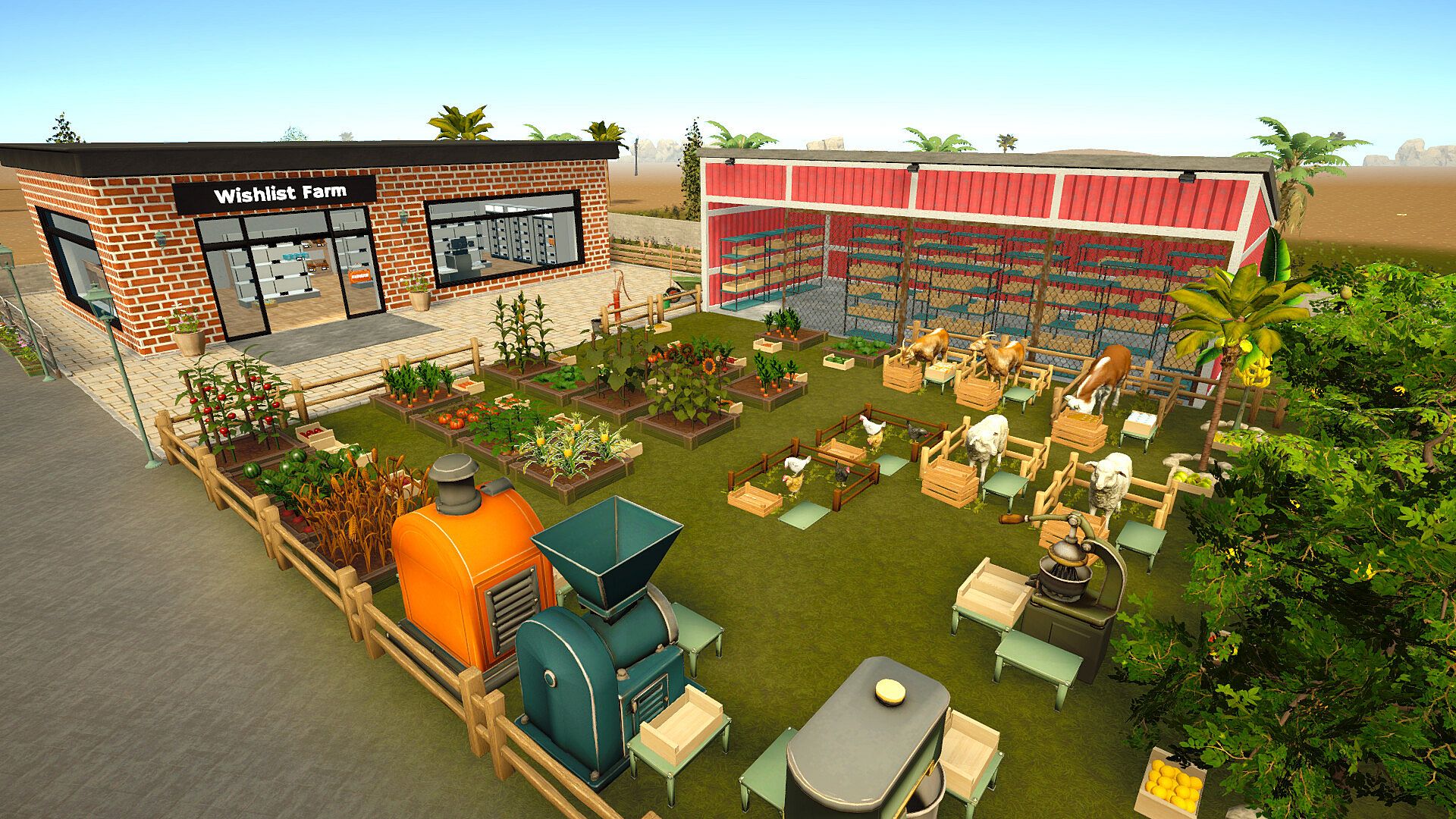
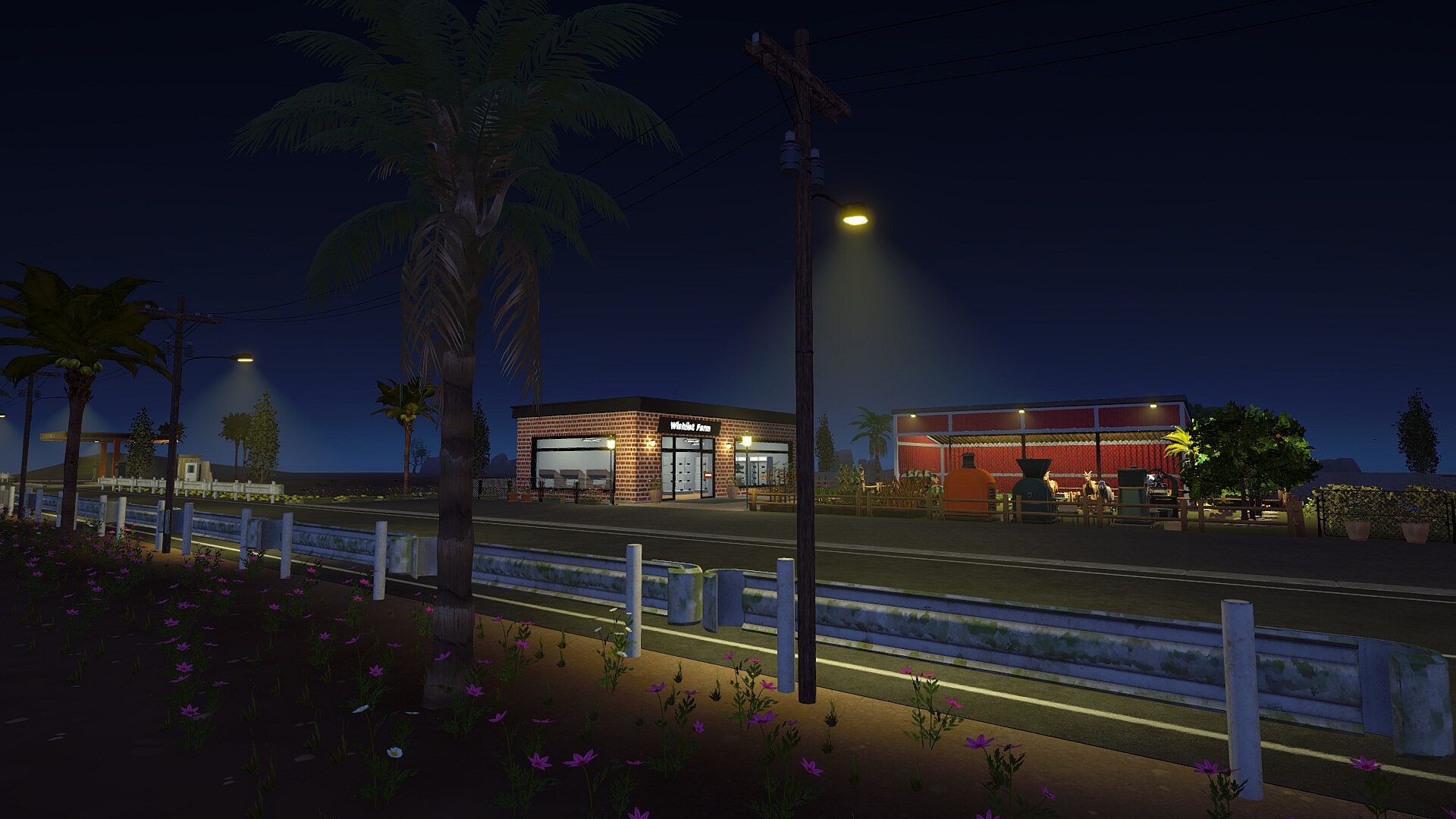
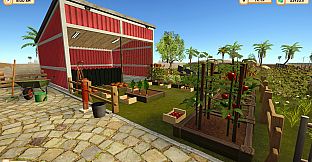
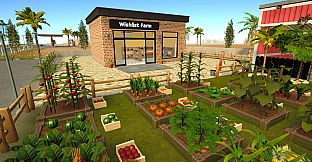
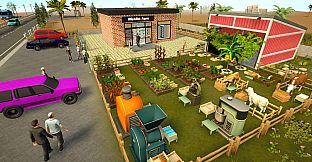
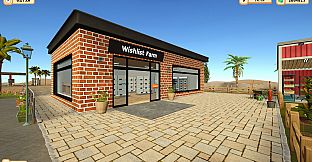
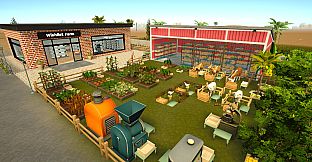
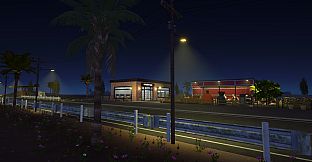
Farmstead Market Simulator est un jeu de simulation casual indépendant sur PC dans lequel le joueur développe une ferme et son marché en bord de route. L'expérience repose sur un démarrage modeste, une gestion rigoureuse des ressources et une croissance progressive grâce à des choix réfléchis et à la réinjection des bénéfices. De la plantation des graines jusqu'au service des clients, chaque étape forme une boucle de production, de vente et d'agrandissement adaptée aux sessions détendues.
Gameplay
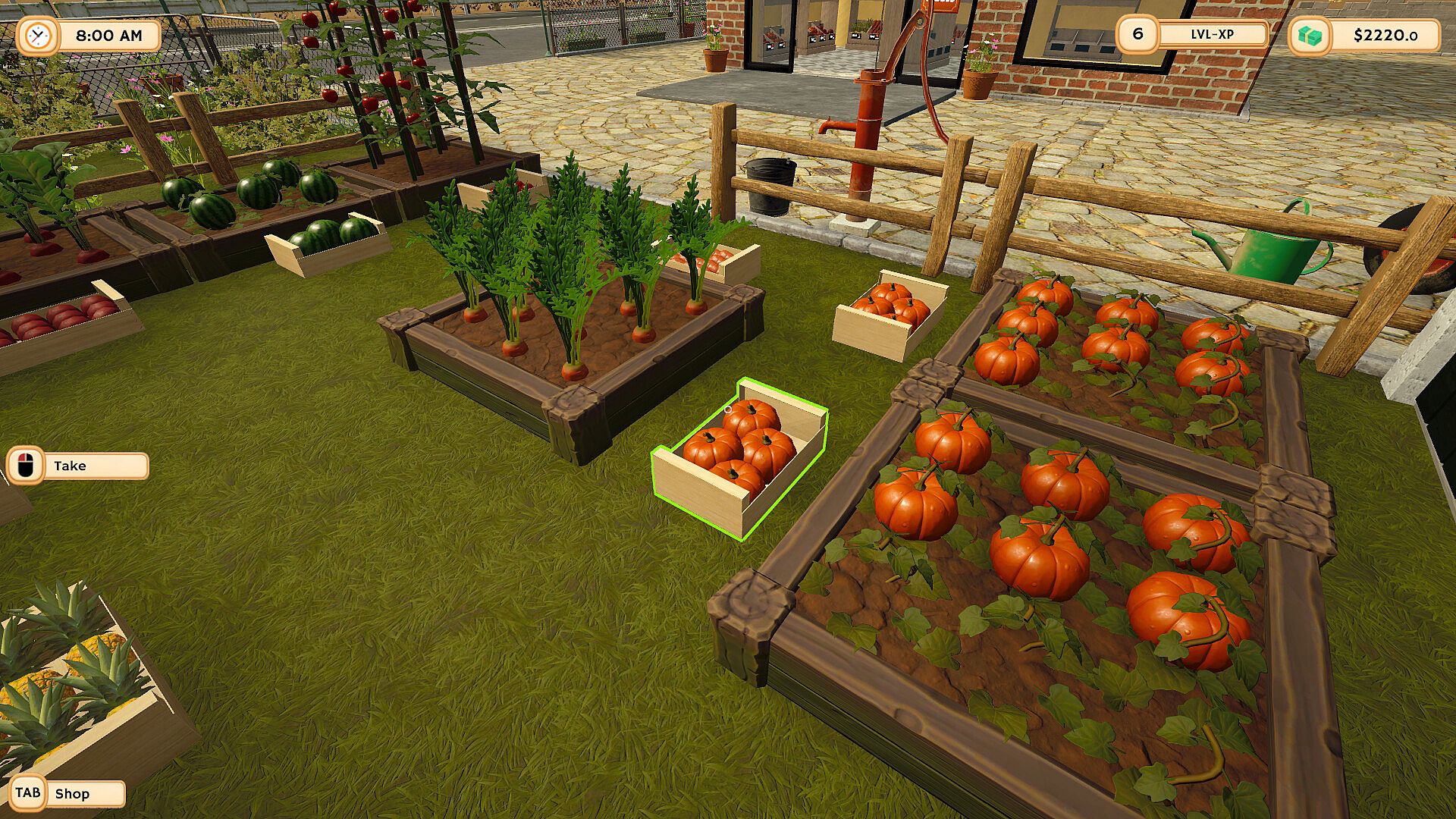
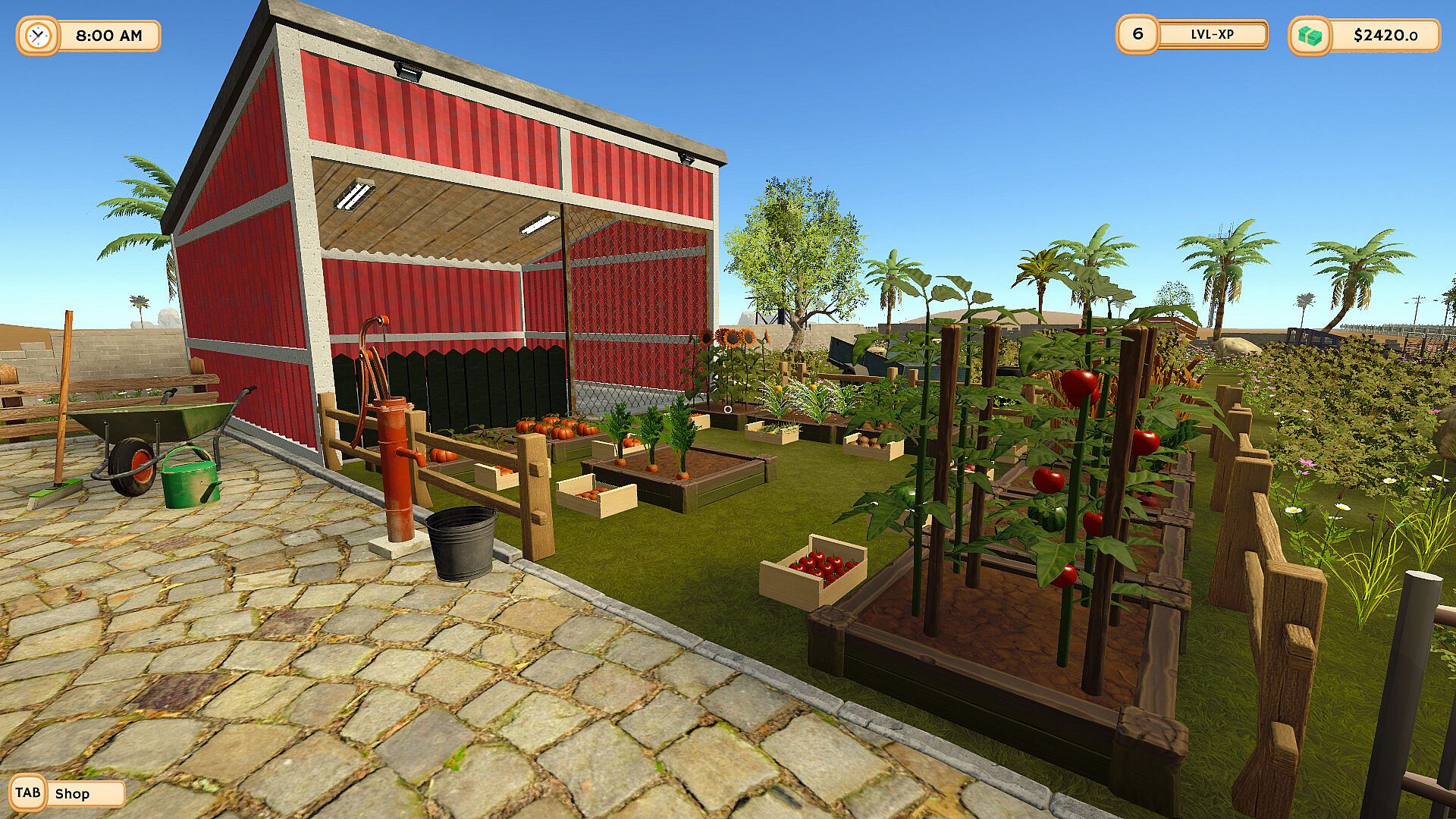
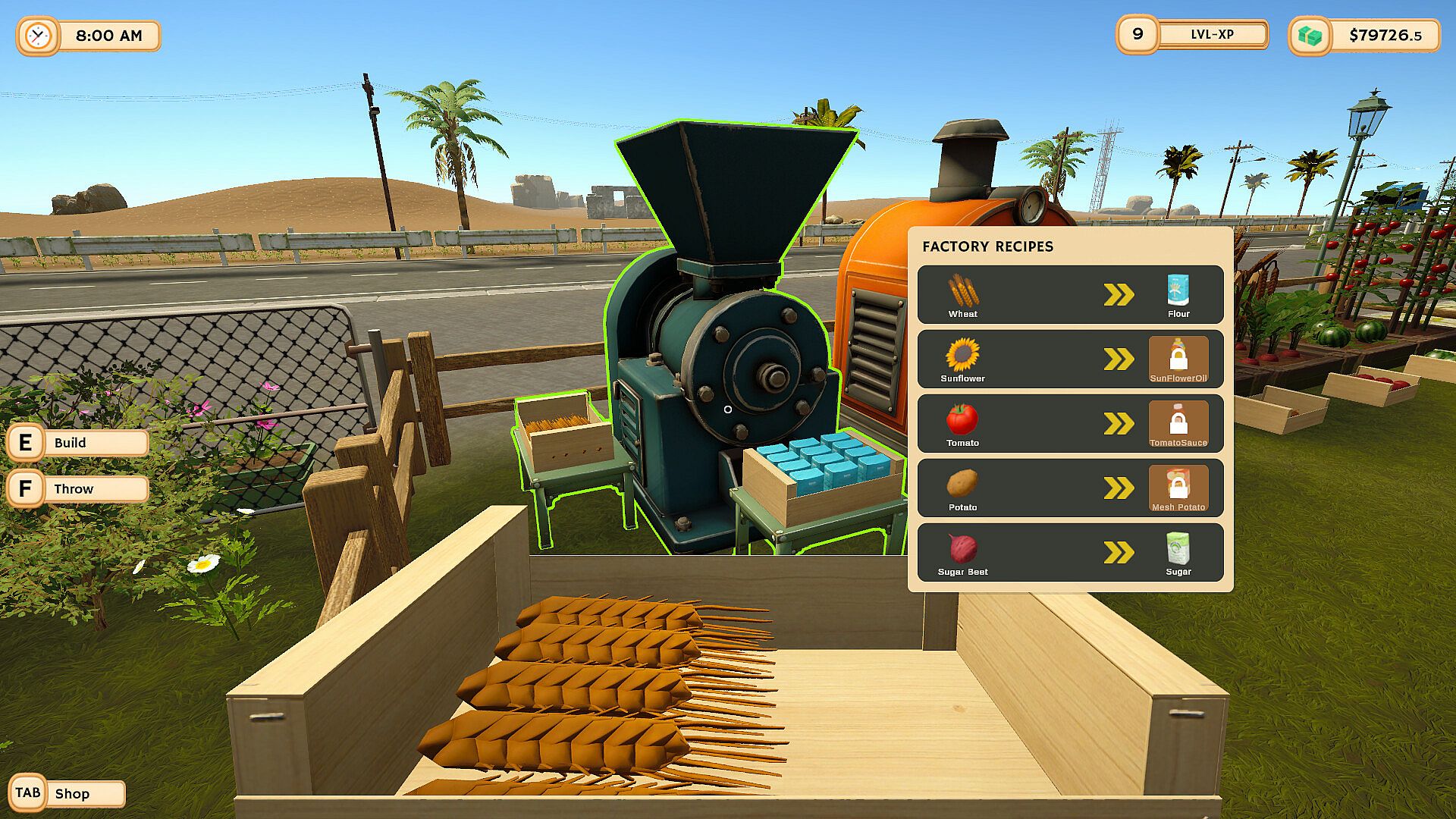
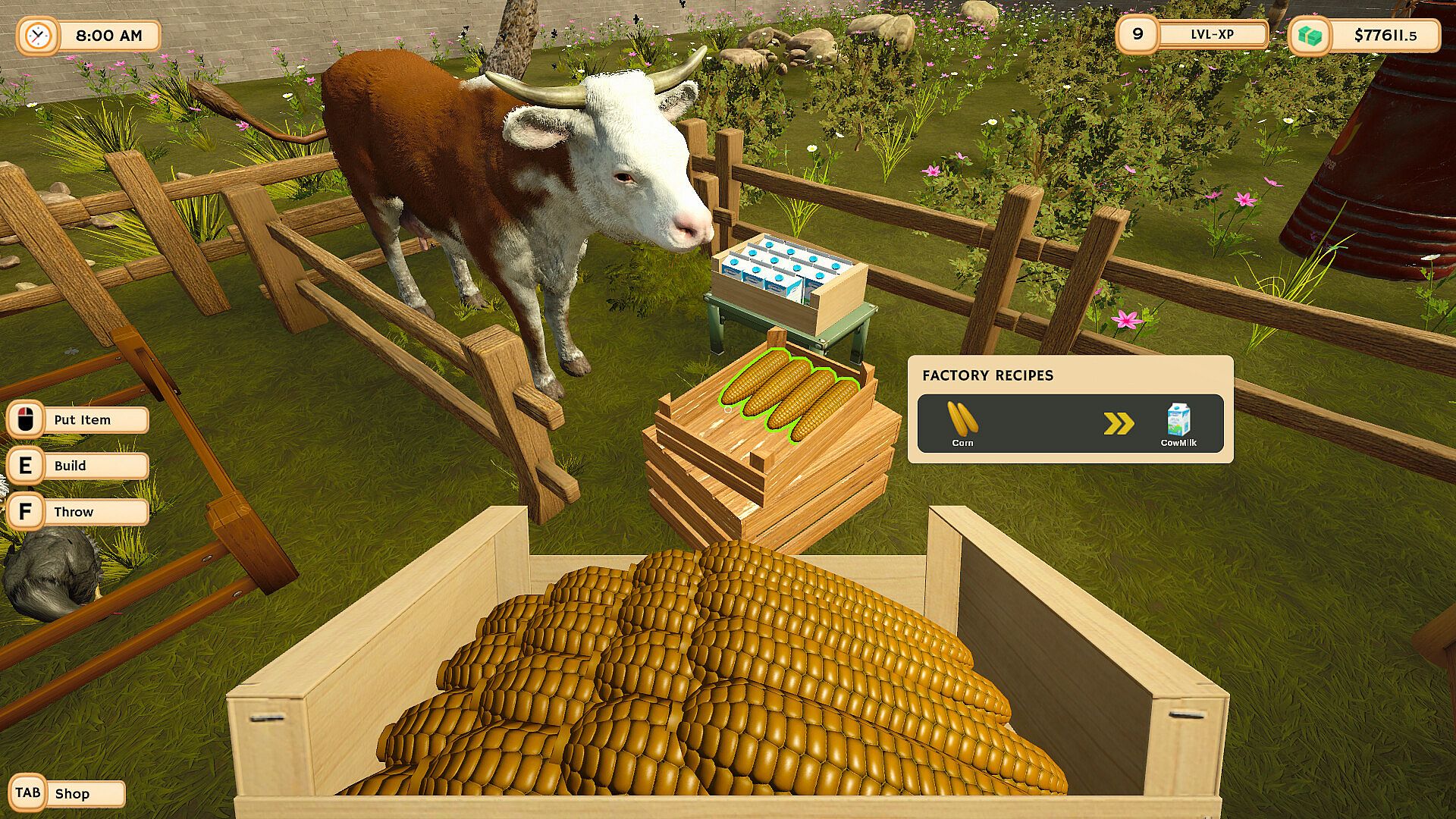
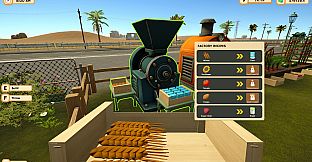
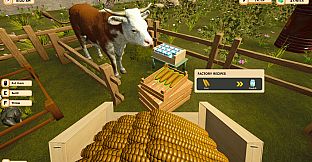
Le cœur du jeu suit un cycle économique complet, de l'exploitation agricole à la gestion du commerce. Le joueur cultive différentes plantes et arbres fruitiers, récolte les produits pour les vendre tels quels ou les transformer. L'élevage de poules, vaches, chèvres et moutons fournit un approvisionnement régulier en œufs, lait et autres denrées qui alimentent la chaîne de production. Des machines convertissent ces matières premières en articles finis - farine, pain, pâtes, sauces, jus, huile ou beurre - afin d'augmenter leur valeur.
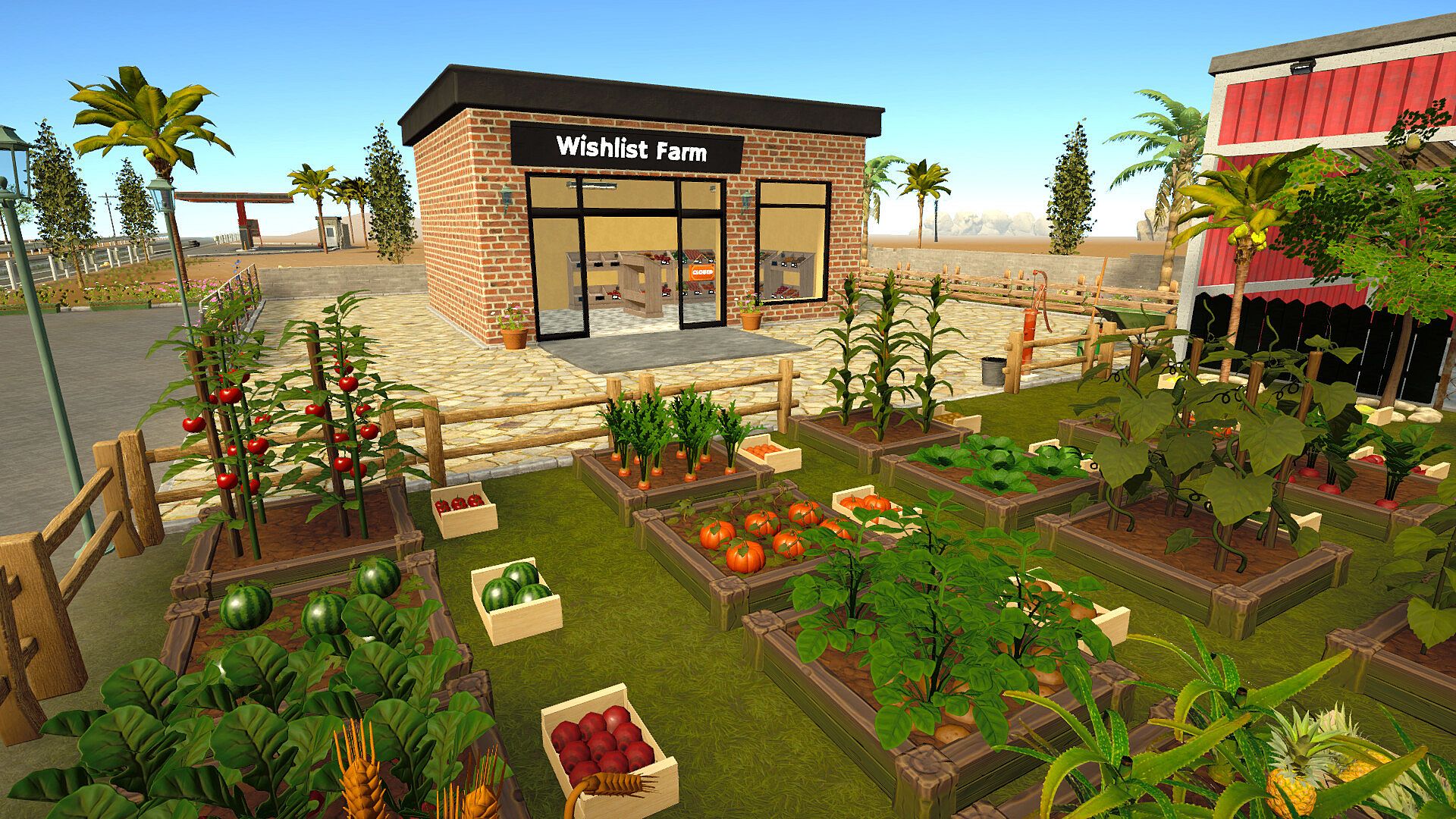
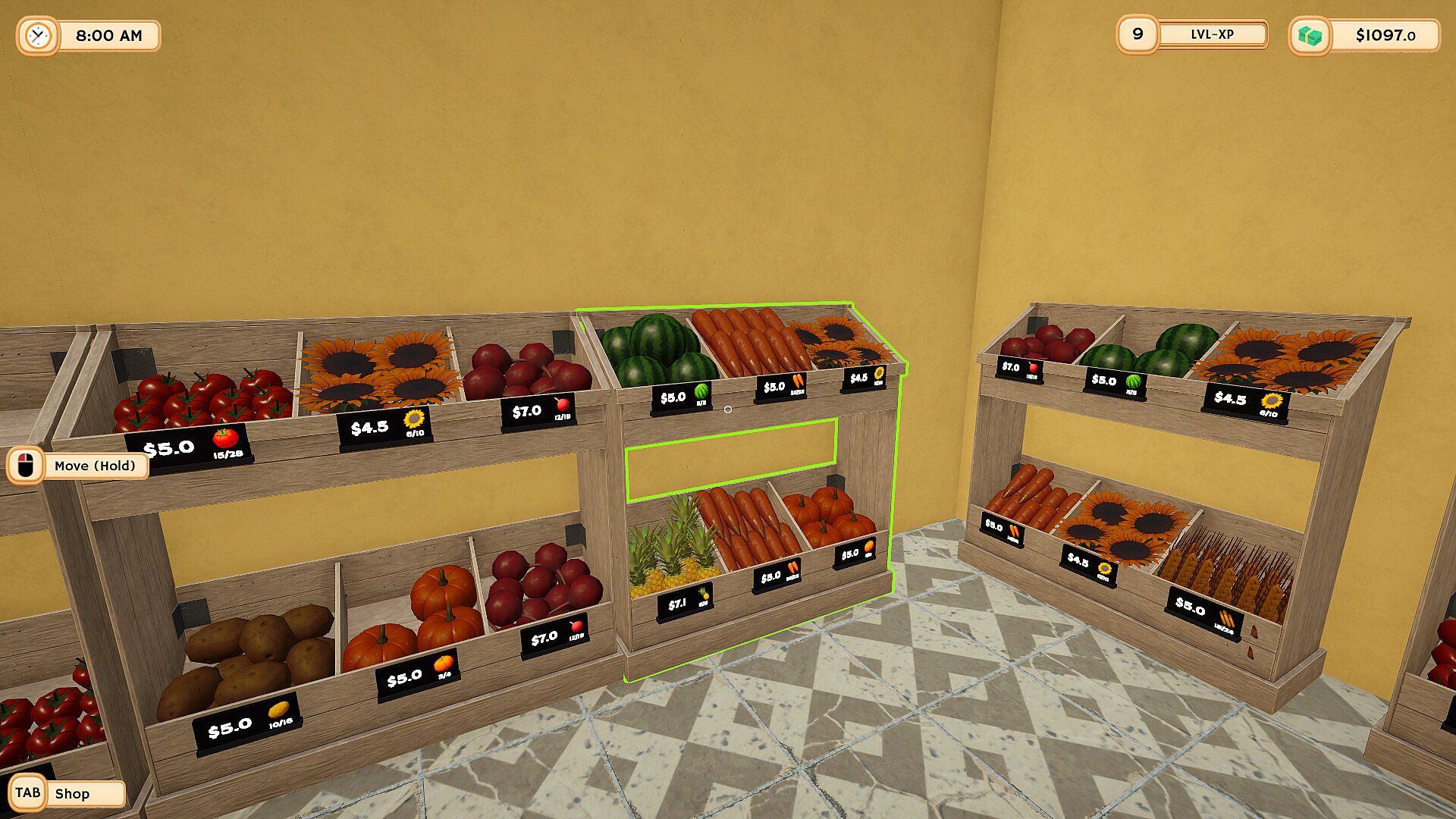
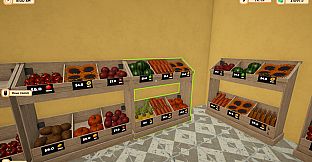
Le marché exige une attention constante : le joueur dispose les rayonnages et le mobilier, organise les stocks, ajuste les prix selon la demande et veille à maintenir un niveau d'inventaire suffisant pour accueillir les clients. L'embauche de personnel permet de répartir les tâches entre la ferme et le magasin, facilitant le bon fonctionnement de l'ensemble au fil du développement. Les revenus servent à financer des améliorations : nouvelles parcelles, entrepôts plus vastes, équipements performants ou lignes de production supplémentaires, transformant ainsi une petite exploitation en une véritable entreprise.
La progression reste mesurée et dépend directement des décisions du joueur. Vendre les récoltes immédiatement ou les transformer influence les bénéfices et la croissance à long terme. L'équilibre entre soins aux animaux, cycles culturaux et gestion du personnel crée des priorités renouvelées qui maintiennent l'intérêt sans complexité excessive.
Game Modes
Le titre se joue en solo et propose une campagne continue de construction d'entreprise. Aucun mode compétitif ou coopératif n'est prévu. L'ensemble fonctionne comme une simulation de gestion ouverte où le joueur avance à son rythme à travers des cycles répétés de production, de vente et d'amélioration. Cette structure privilégie une progression régulière plutôt que des scénarios distincts ou des défis chronométrés.
Les routines quotidiennes constituent le fil conducteur : les tâches se répètent dans un rythme satisfaisant qui récompense la constance en matière de tarification, d'approvisionnement et d'expansion. Il est possible de mettre le jeu en pause ou de modifier sa stratégie à tout moment, ce qui rend le mode adapté aussi bien aux sessions courtes qu'aux périodes de planification plus longues.
Key Mechanics and Progression
Les systèmes principaux reposent sur la transformation des ressources et la gestion du flux client. Les matières premières passent par des machines pour devenir des produits à plus forte valeur ajoutée, tandis que le marché s'occupe de la présentation et des prix afin d'optimiser les ventes. Les limites de stockage et la capacité des équipements agissent comme des goulots d'étranglement naturels qui incitent à investir. L'affectation des employés ajoute une dimension supplémentaire, permettant d'optimiser la répartition du travail pour améliorer la productivité globale.
Les options d'expansion incluent le déblocage de nouvelles parcelles, l'agrandissement des bâtiments et l'acquisition d'outils spécialisés. Chaque achat améliore directement l'efficacité ou la gamme de produits, créant un retour clair sur les décisions prises. La boucle de progression s'appuie sur des choix économiques réalistes plutôt que sur des bonus abstraits.
Is It Worth Playing?
Farmstead Market Simulator s'adresse aux joueurs qui apprécient les simulations de gestion méthodiques et la croissance progressive d'une entreprise. Son contenu couvre l'agriculture, l'élevage, la transformation et la vente au détail dans un seul ensemble, offrant une certaine profondeur à ceux qui aiment jongler entre plusieurs systèmes. Le jeu étant encore en phase de pré-sortie et sans avis d'utilisateurs disponibles, il convient d'évaluer le titre sur la base des mécaniques décrites plutôt que sur des aspects non confirmés.
Il plaira surtout aux amateurs de simulations casual qui recherchent une expérience solo, sans multijoueur ni pression compétitive. Ses systèmes accessibles et son accent mis sur une expansion régulière en font un candidat potentiel pour des parties relaxantes, à condition que la version finale tienne ses promesses. Ceux qui s'intéressent aux chaînes de production « de la ferme au marché » et à la supervision du personnel y trouveront le plus d'adéquation avec la boucle principale.