









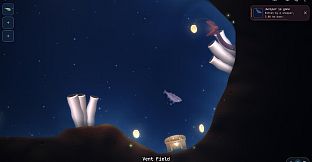
Fish Don't Return is a programming game set in the Mariana Trench. You buy a fish with coins and give it a program made of blocks. Then you drop it into the sea, and from there on it is on its own. It follows its program down the trench after coins and treasure chests, and it keeps going until something stops it. A fish can be programmed to come back up, but most of them never do.
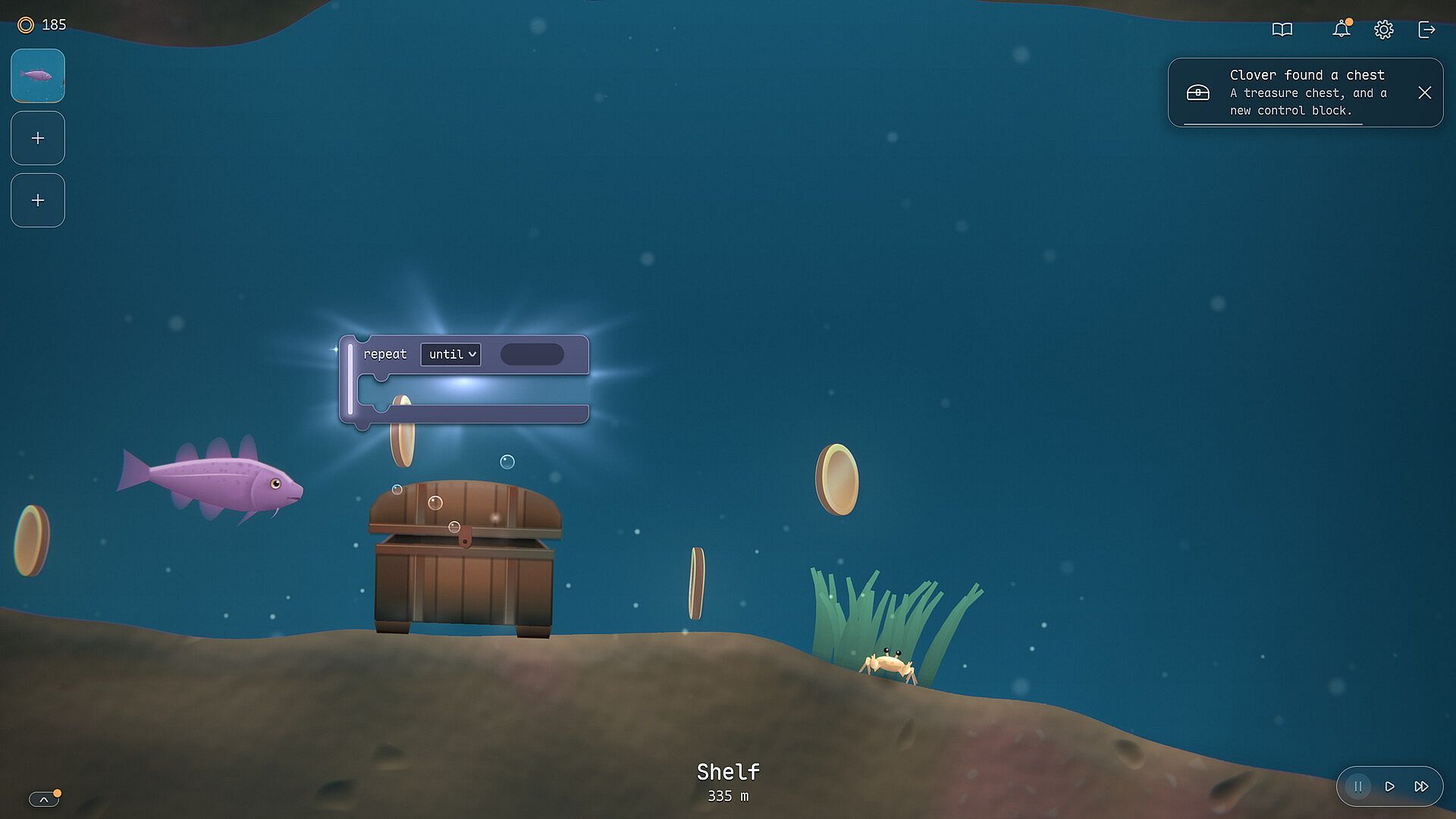
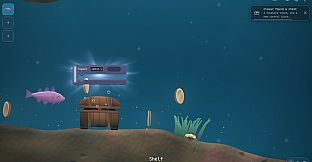
Whatever your fish find is yours to keep. Coins pay for the next fish, and chests hold new blocks and new kinds of fish.
Programs you can read out loud
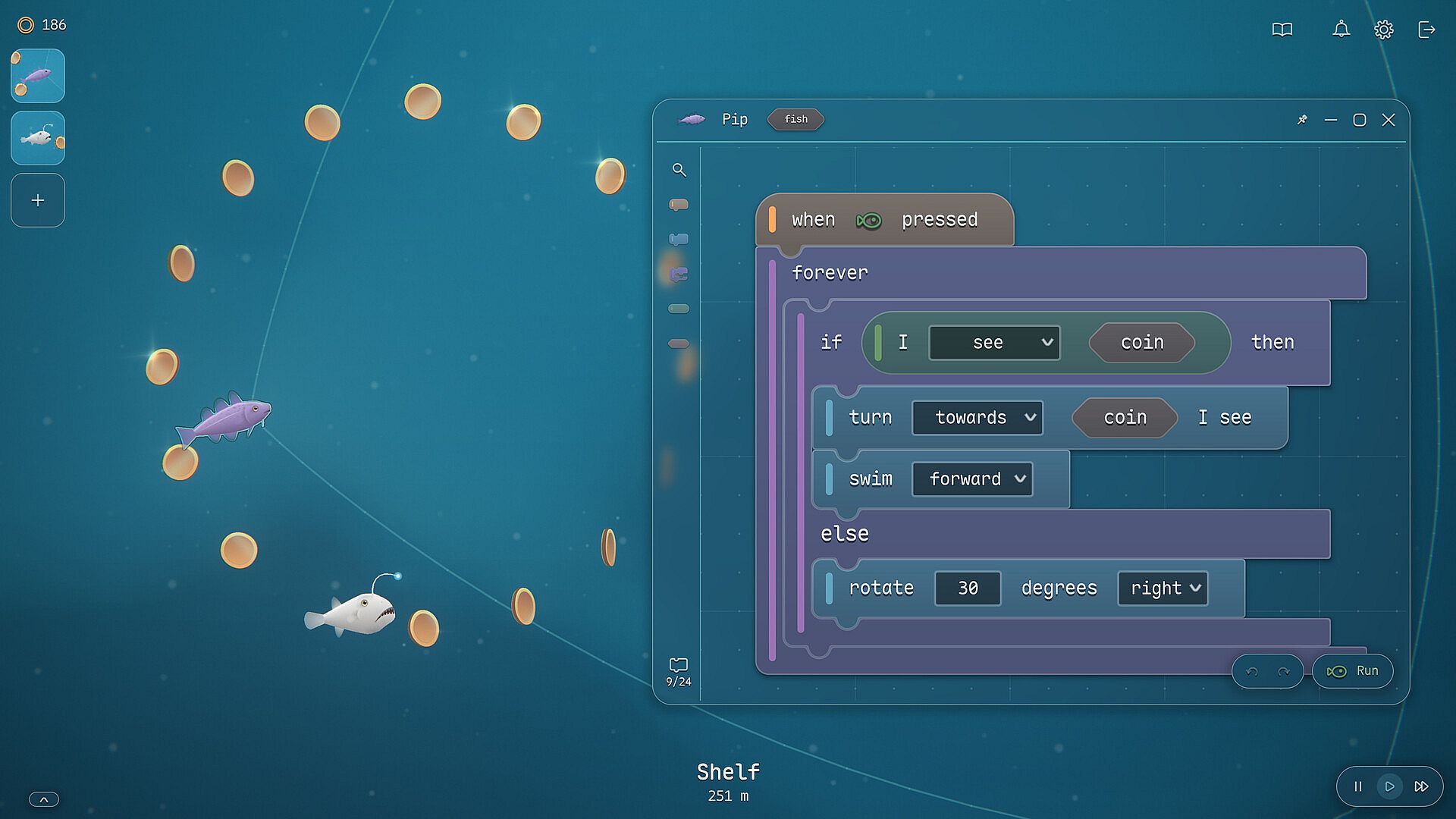
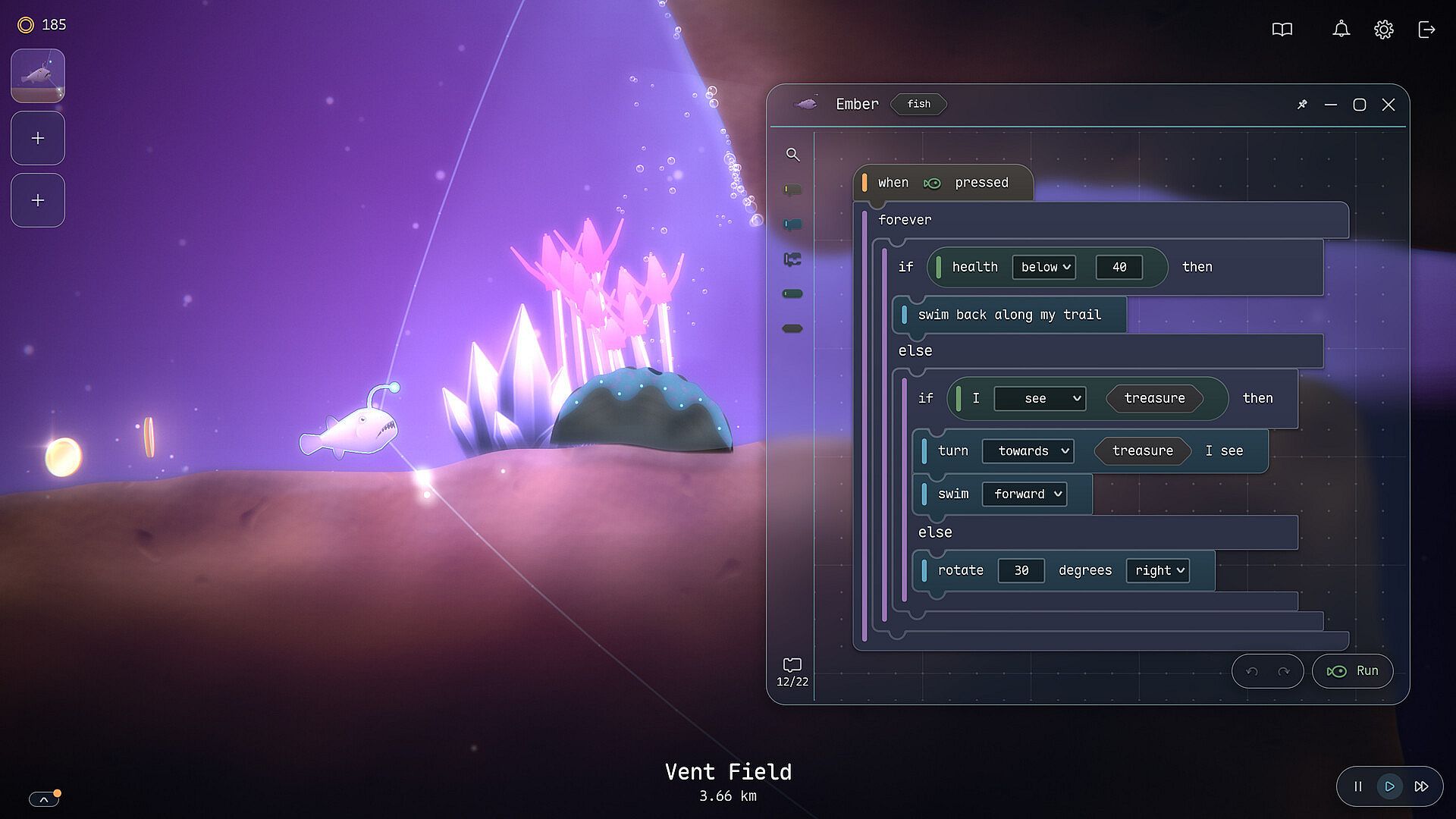
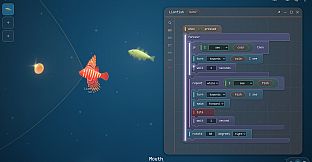
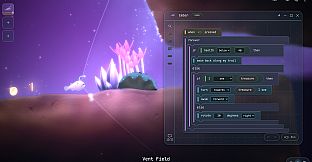
Every block reads like part of a sentence. Blocks snap together, so there is nothing to type and no syntax to get wrong. This is a whole first program:
When play is pressed, forever: if I see a coin, turn towards the coin I see and swim forward. Else, rotate 30 degrees right.
The fish turns until it spots a coin and then goes after it. If you have never written a program before, this is a good place to start.
Chests further down hold new blocks, and your programs grow with them. A fish can dive until it is deeper than 2,000 m, wait until a hunter doesn't see it, swim back along its own trail when its health runs low, or send a ripple that calls other fish to it.
Hunters run programs too
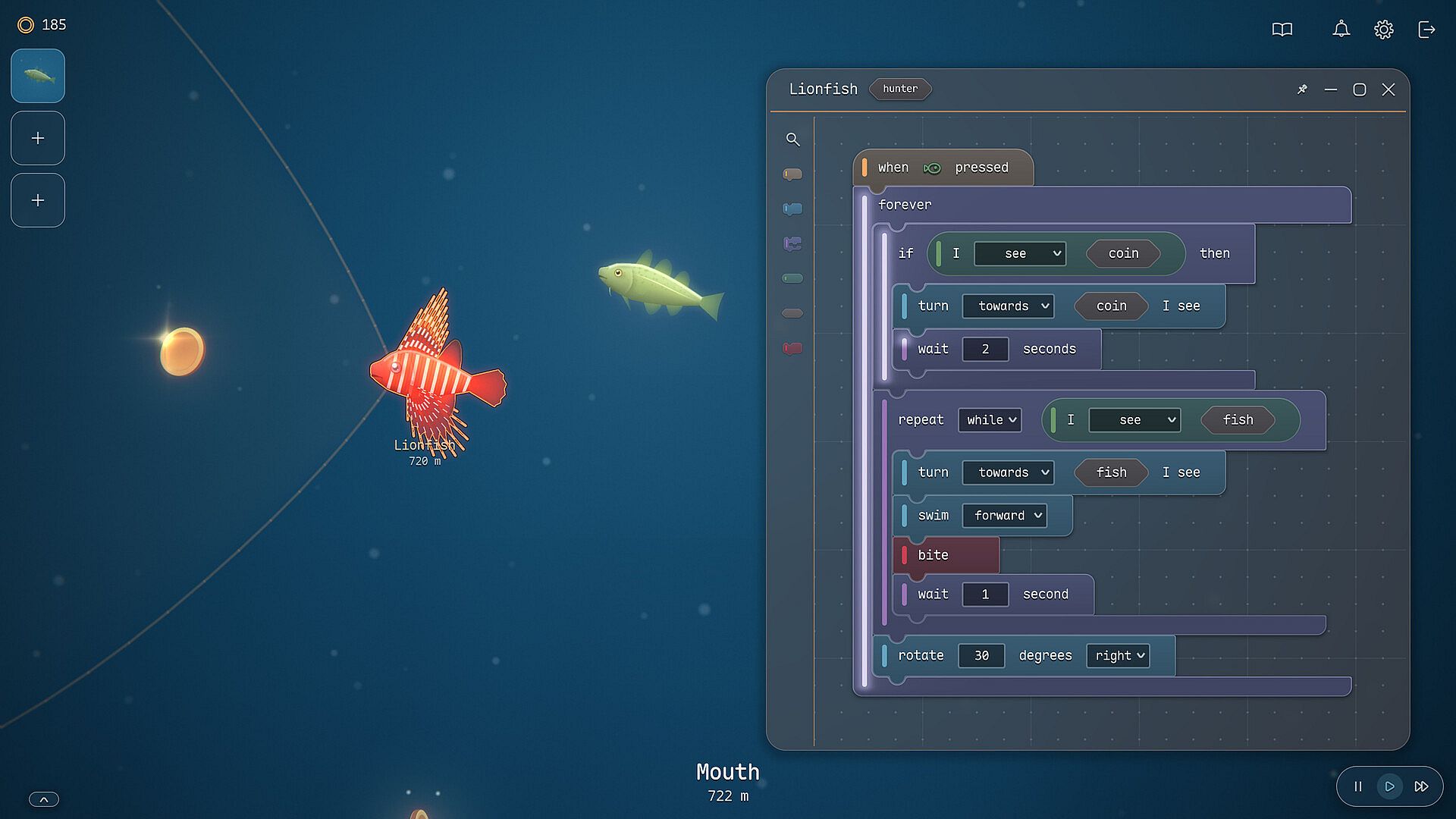
The trench has its own hunters, and their behaviour is written in the same blocks your fish use. Click on one and its program opens, so you can read what it will do before your fish meets it.
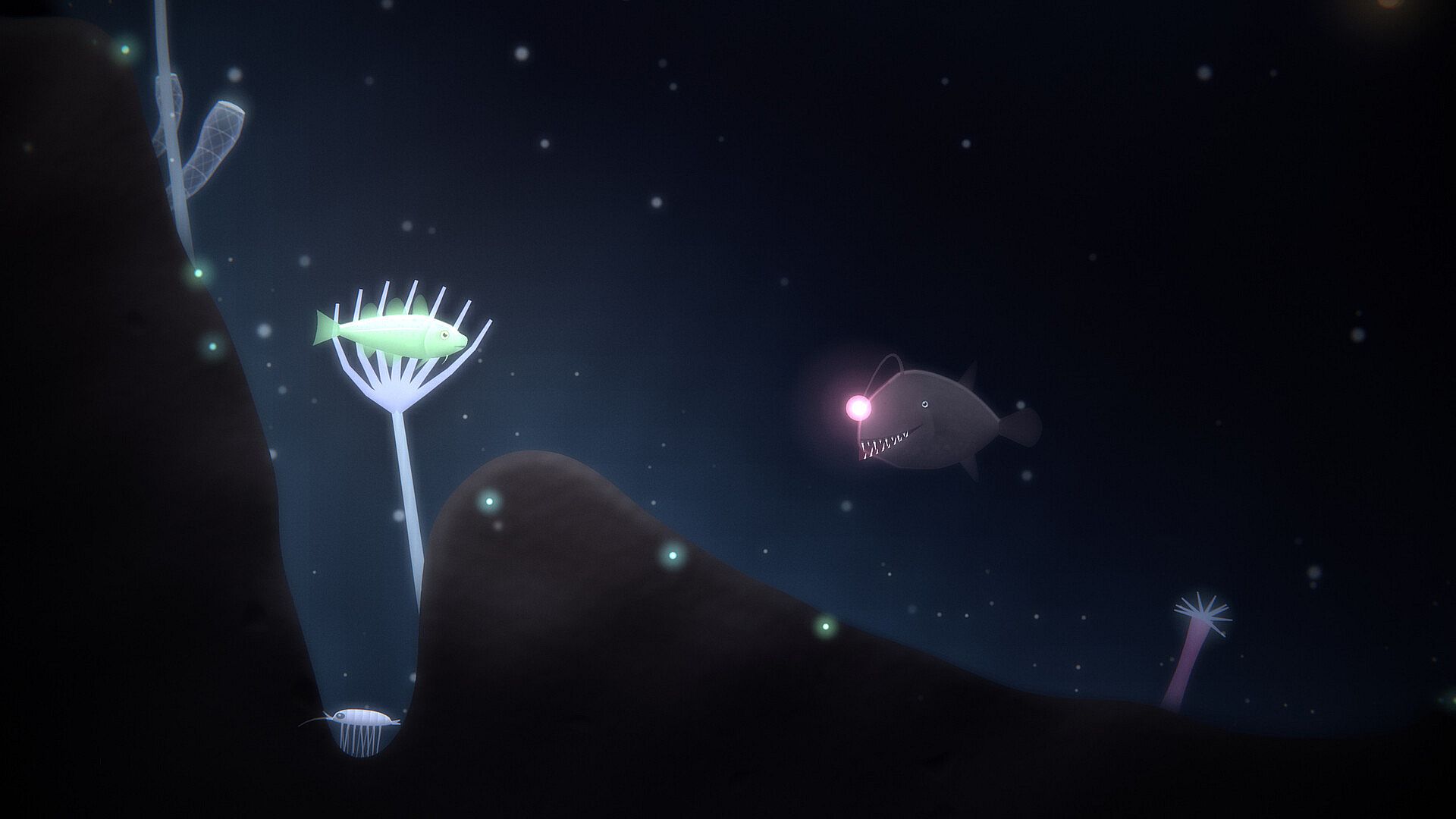
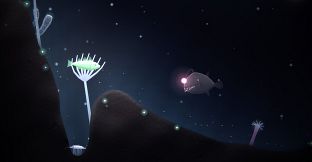
The lionfish stops to stare at any coin it sees. The marlin raises its sail for a moment before each charge. The anglerfish hangs in the dark with a light in front of its mouth, and a fish told to swim towards the light swims straight in. In the Boneyard, the sleeper shark comes to any ripple it feels, so a fish that sends a ripple there brings the shark to it.
Once you know how a hunter behaves, you can write a fish that slips past it, or one that attacks it from behind.
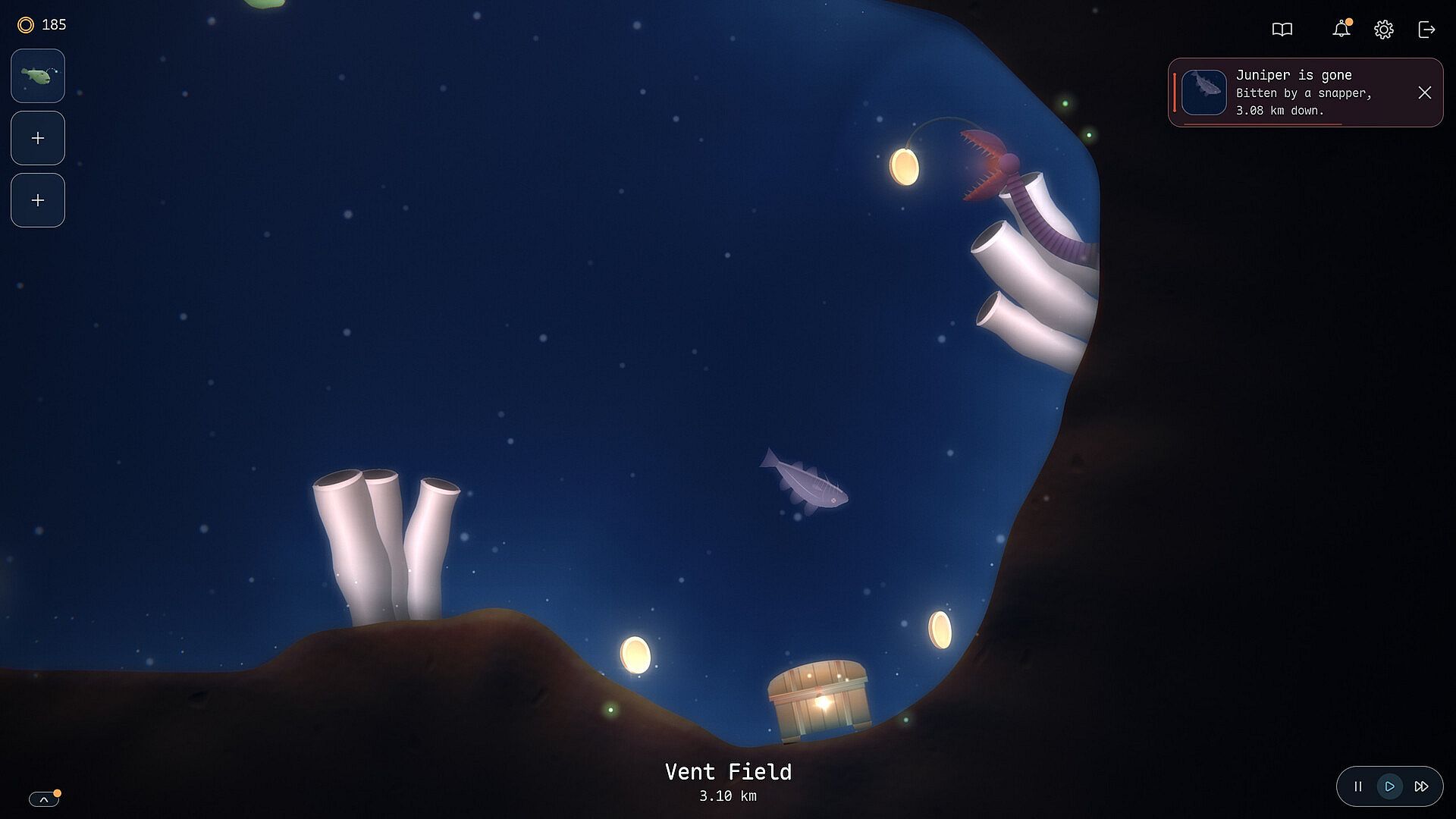
Other dangers stay where they are. Snappers grow out of the rock with a coin hanging in front of their jaws, and clams blow bubbles that push fish into the rock. You can open their programs as well.
Deeper down, you mostly watch
In daylight near the surface you can stop a fish and change its program as often as you like. Deeper down, a program can only be changed while the fish is inside the light of a violet crystal. Everywhere else it runs as you wrote it, and you watch each block light up as the fish carries it out.
Fish are lost all the time. A lost fish stays where it sank, and you can still open it, read the program it was running and work out where it went wrong.
The trench
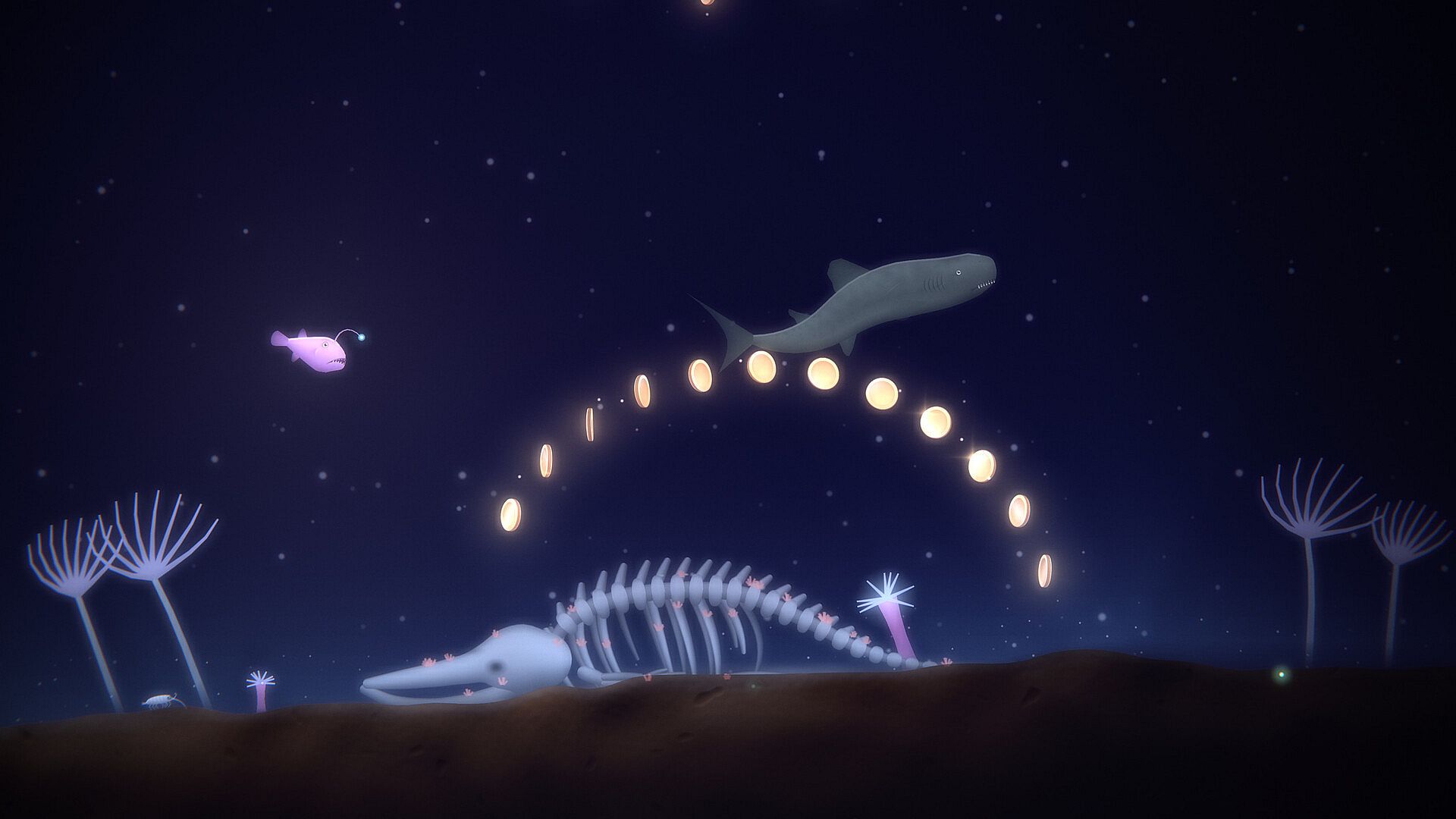
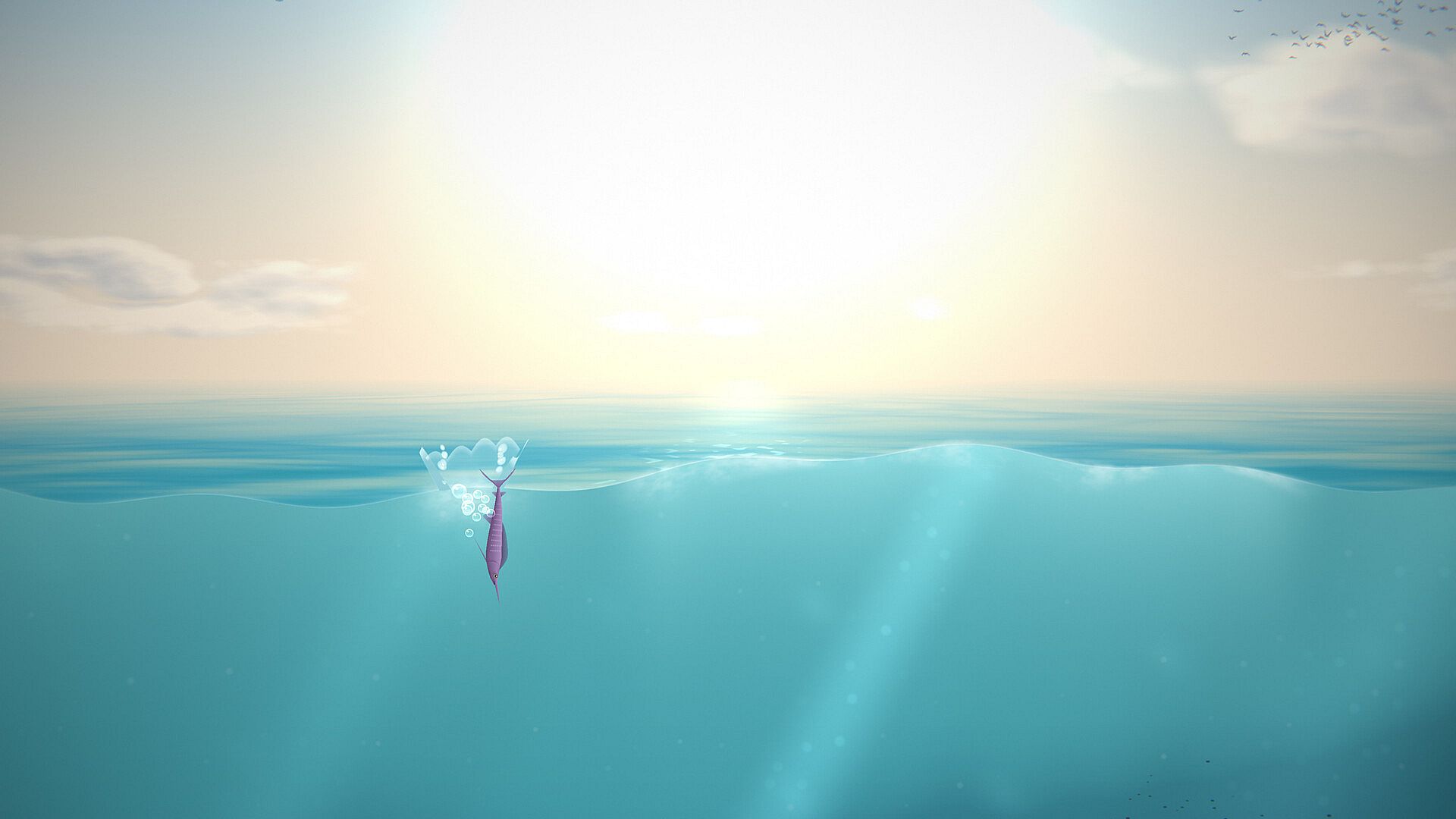
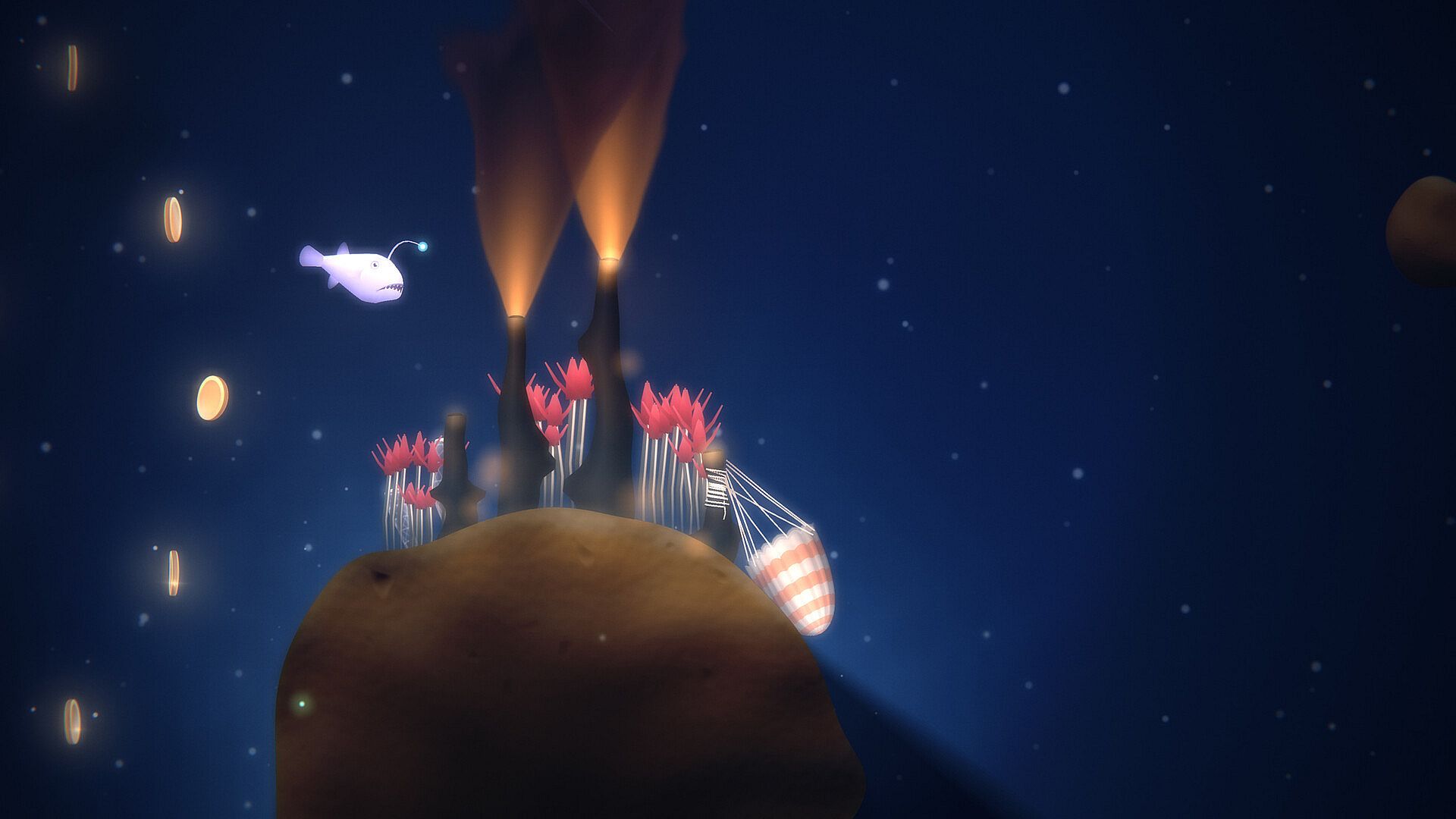
The map is a single hand-built cross-section of the trench, the same for every player, from the sunlit surface to the floor almost 11 km down. Near the top the water is bright, with kelp and schools of fish. Lower down there are black smokers ringed with tube worms and the skeleton of a whale under an arch of coins. By the time your fish reach the glass sponges where anglerfish wait, the only light comes from your fish and from the animals that live there.
Each region has its own piano piece, played by the developer and set for strings, and the music changes as your fish go deeper. Every coin a fish picks up sounds a note that fits the tune.
What happened to the Nadir?
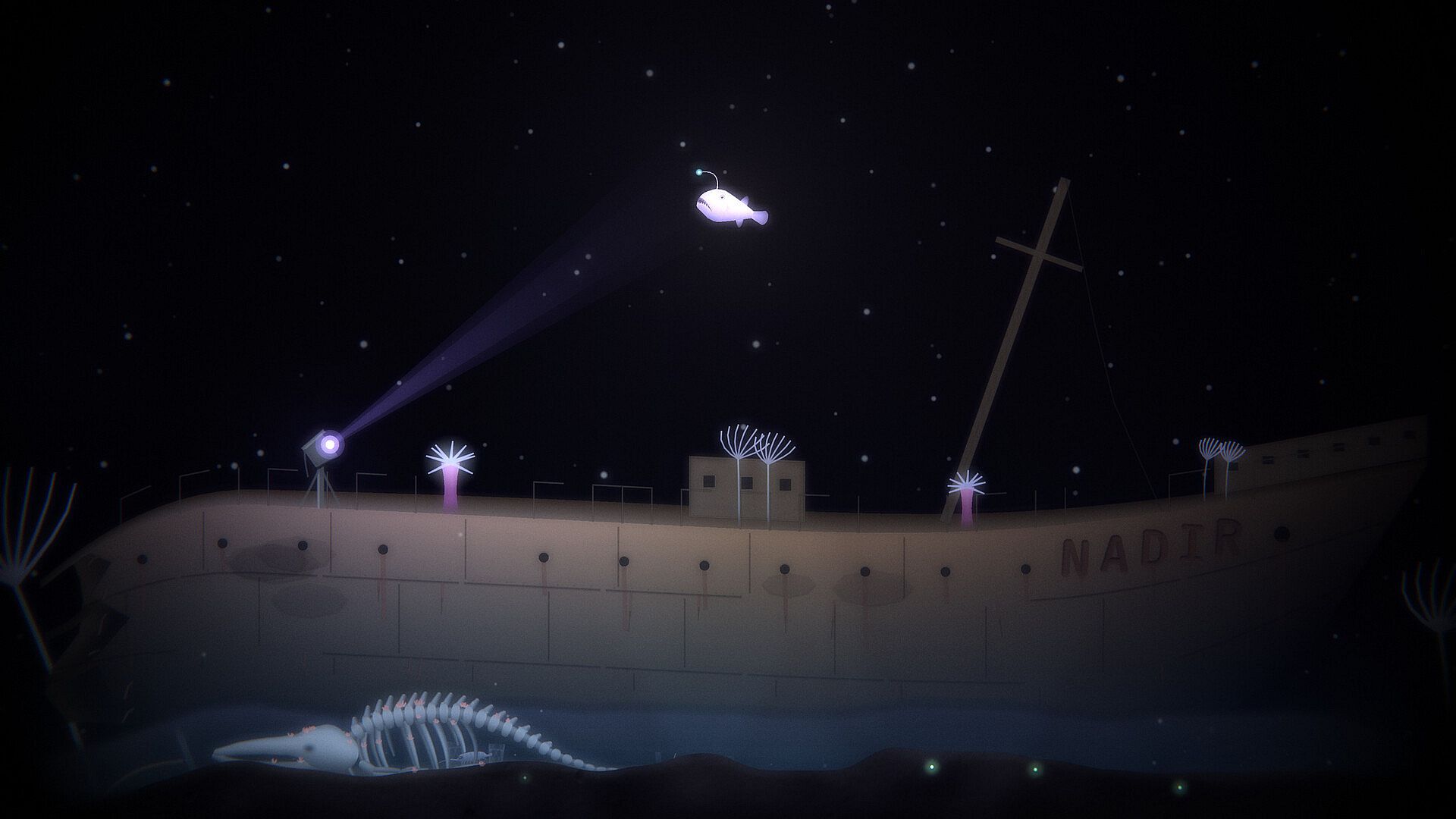
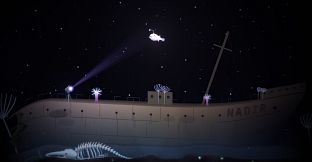
At the bottom of the trench lies a ship broken in two. She is the Nadir, and she went down in 1966. Her searchlight still sweeps the dark, and when one of your fish comes near, the beam stops and stays on it.
A new game opens in a storm on her deck, on the night her anchor chain gave way. The anchor is still down there, lying on the sand not far below the surface. When one of your fish reaches it, you read:
"Heavy enough to hold a ship through any storm. So where is the ship?"
More of her lies further down, all the way to the floor. Each piece your fish reach adds a line or two, and read in order they tell what happened to her. There is an ending for whoever gets that far.











