




Fish Fights Back is an indie casual simulation sports title built around a detailed physical model of angling on PC. The core premise places the player in direct control of every variable during a fight with a fish, where outcomes stem from choices rather than random chance.
Gameplay
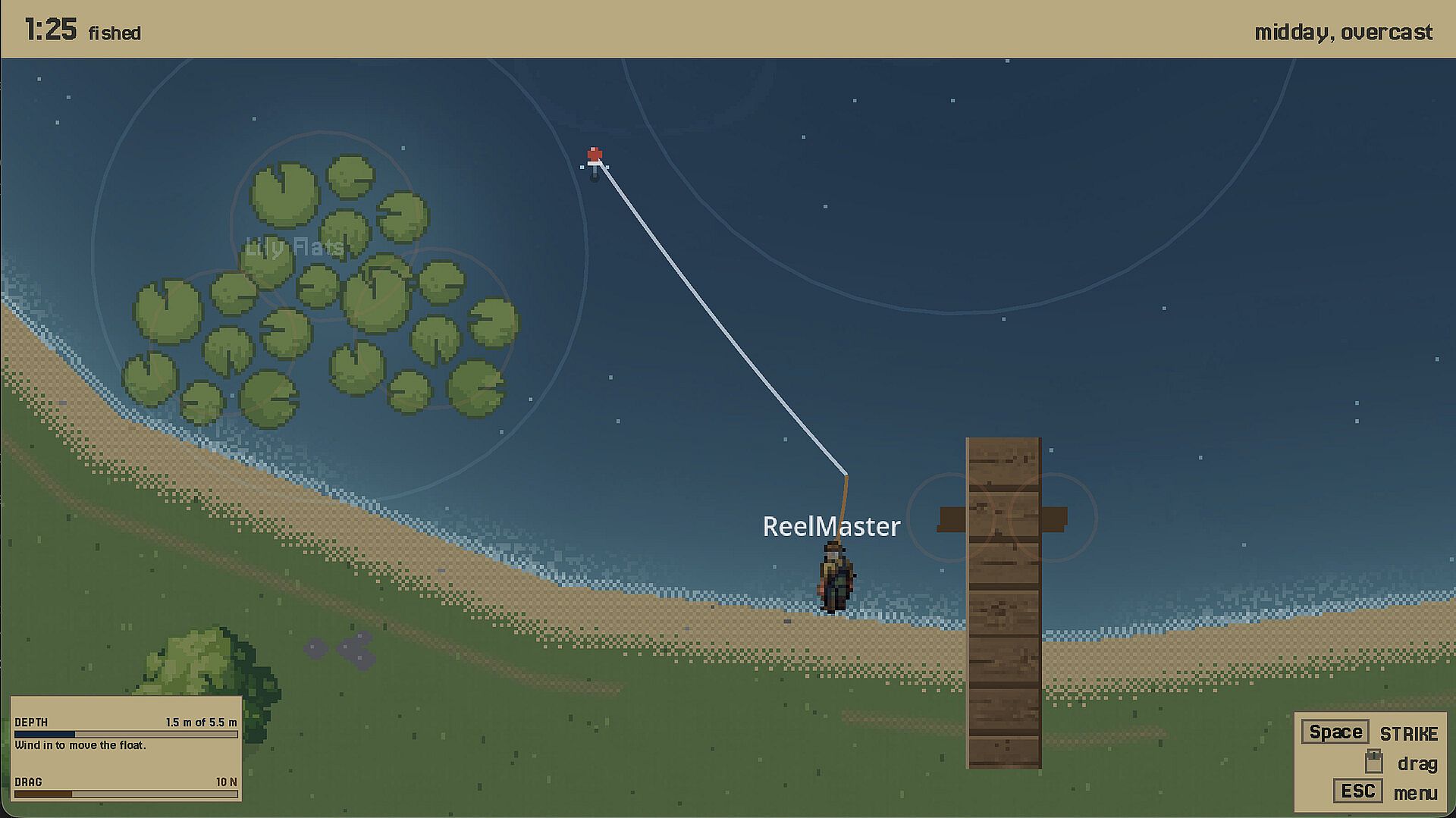
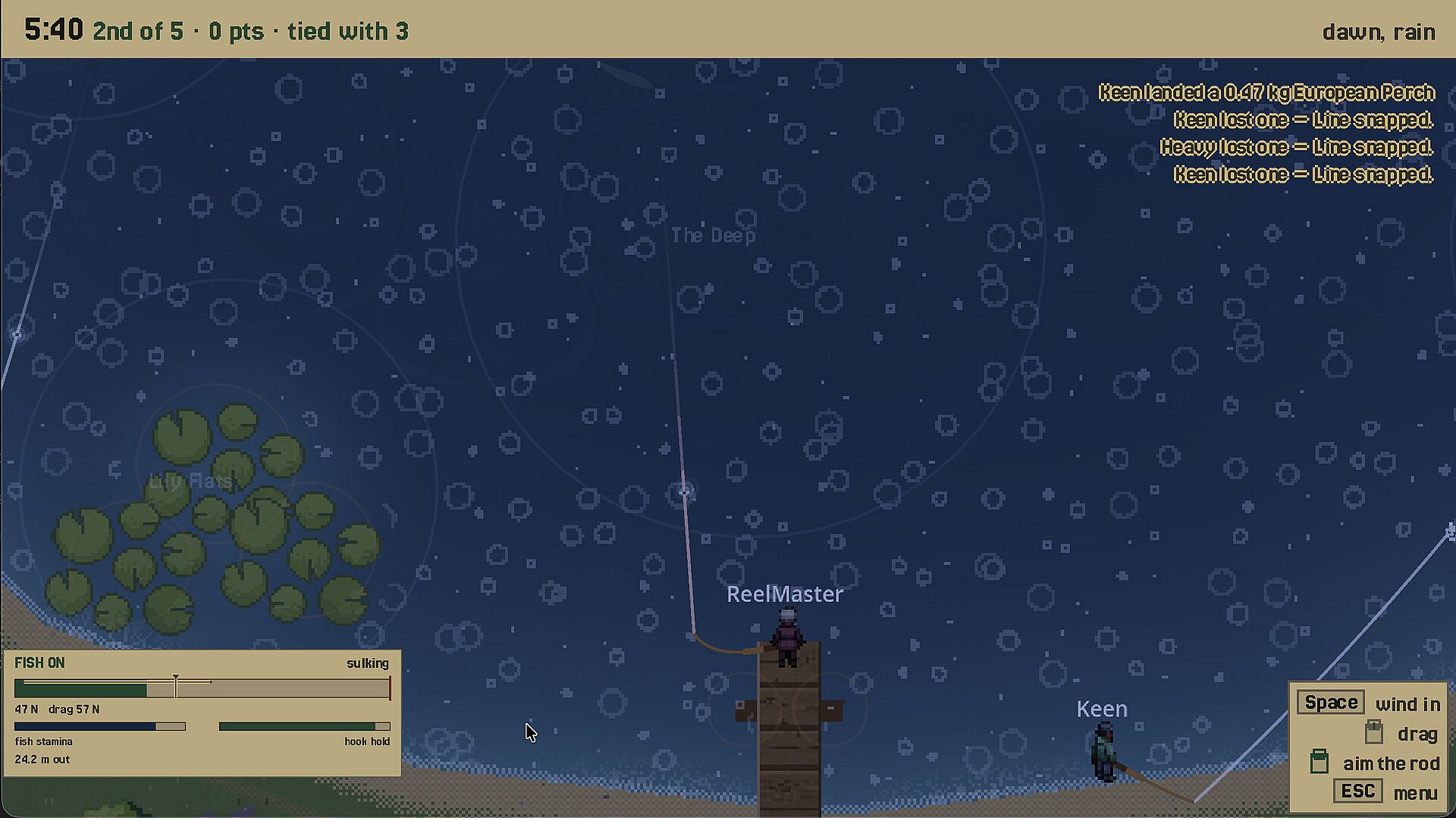
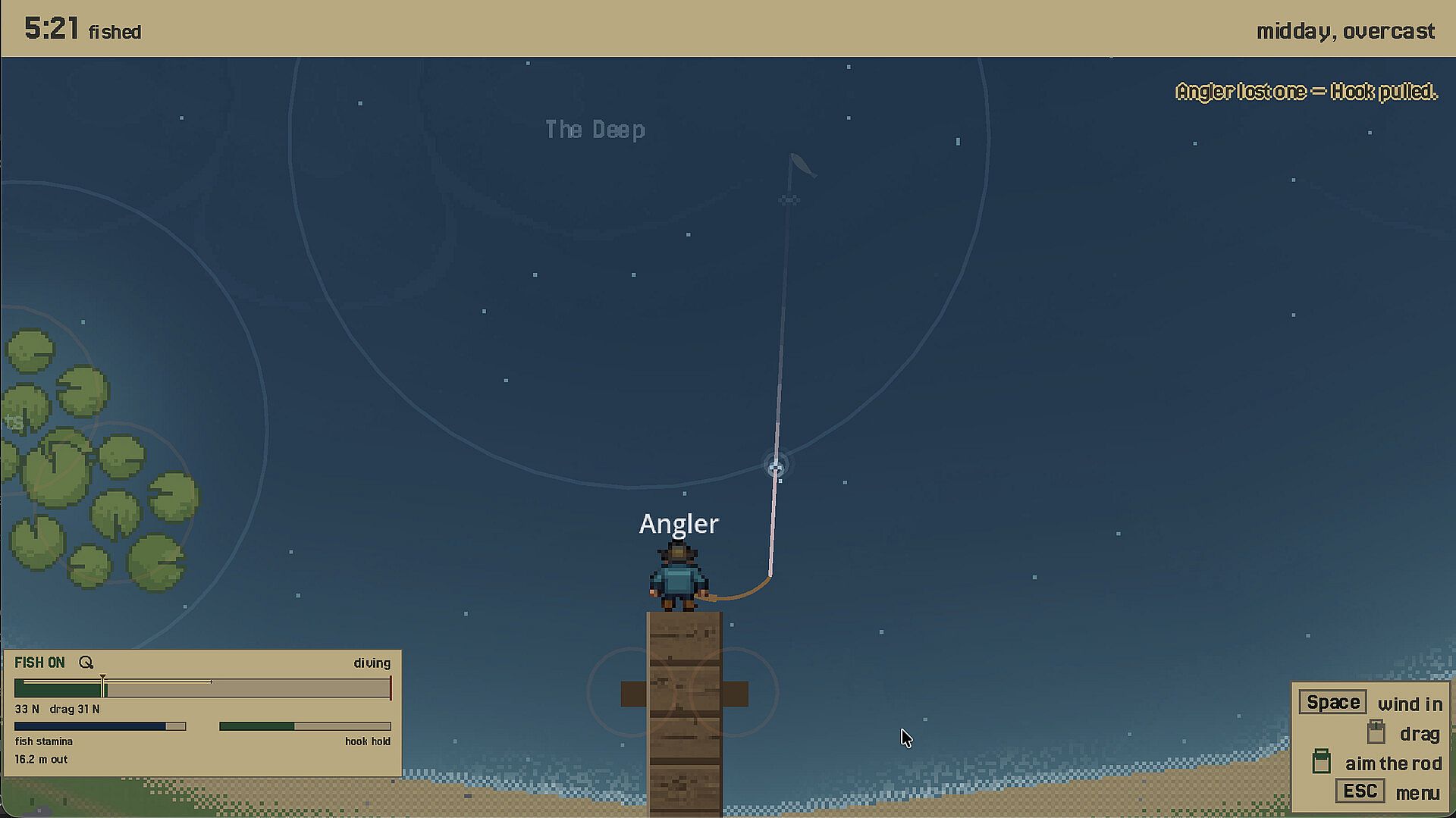
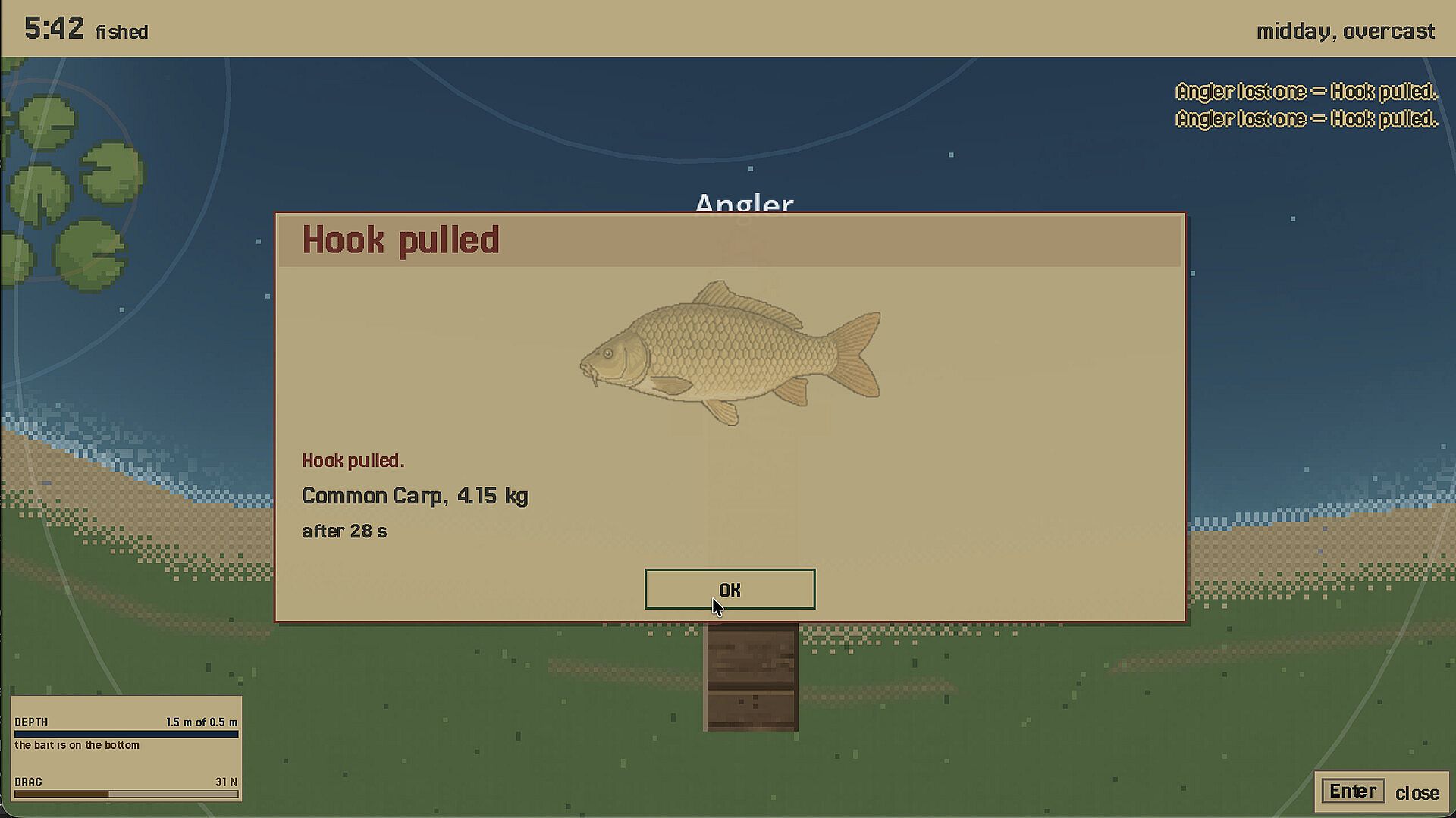
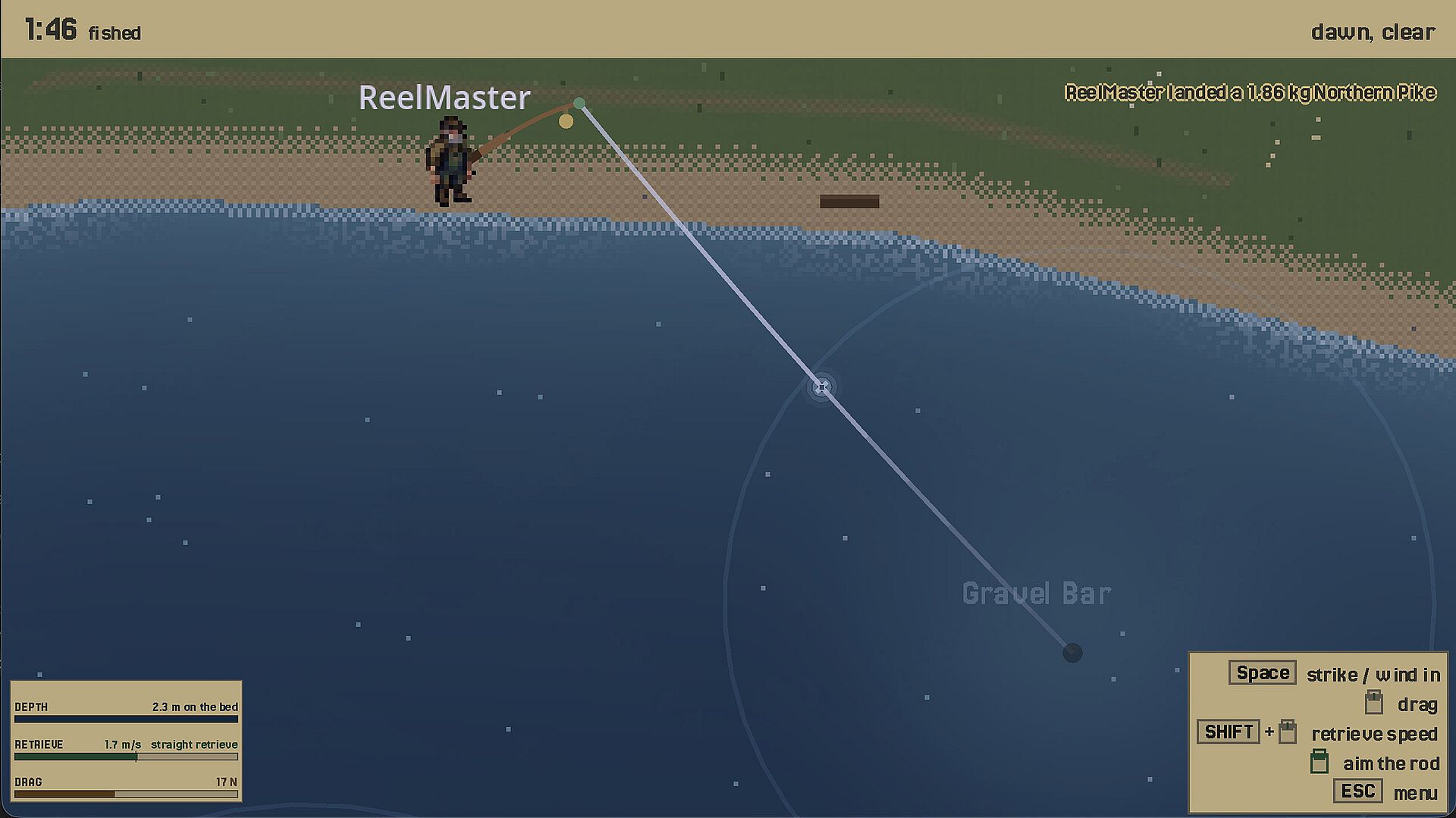
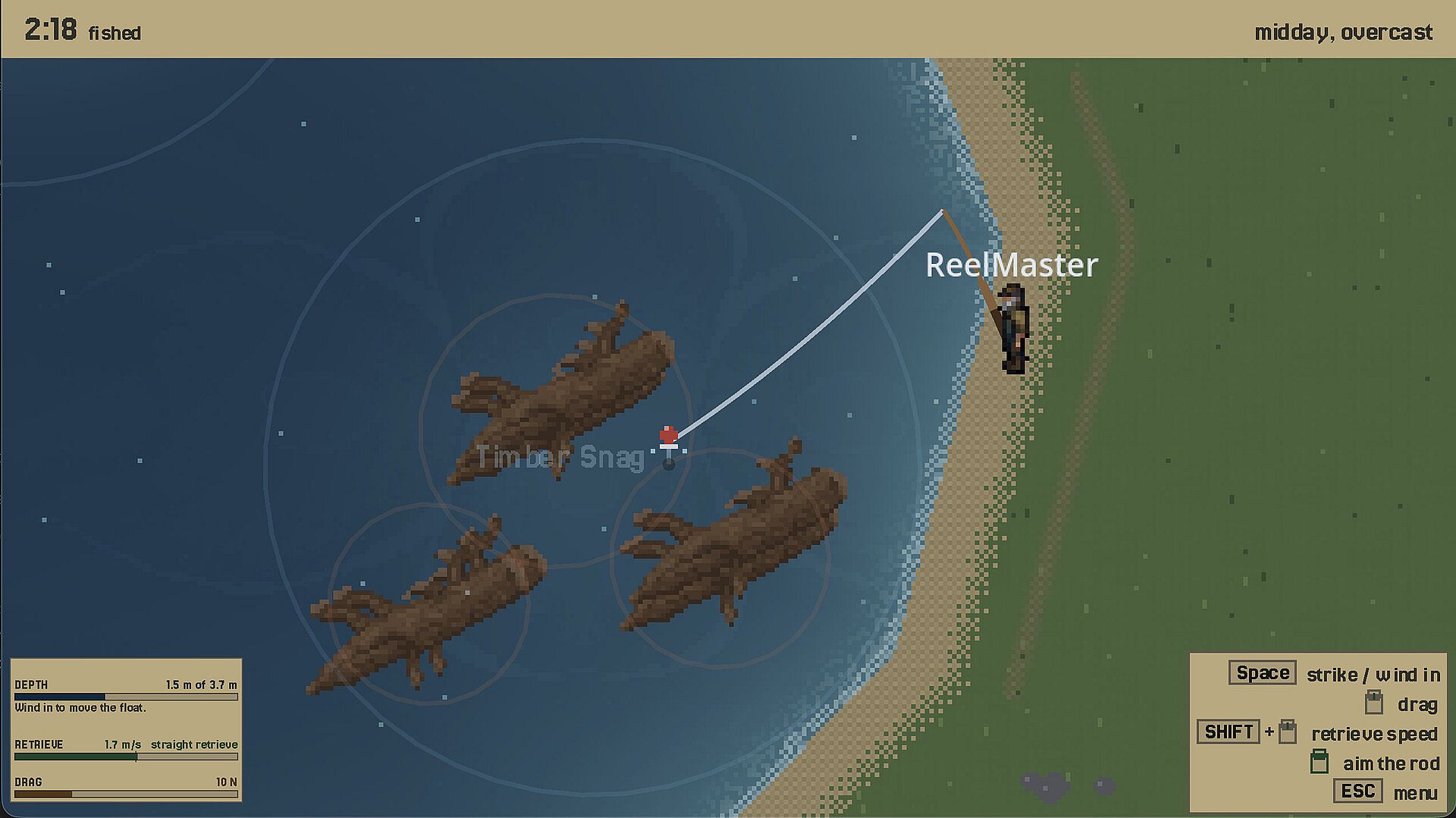
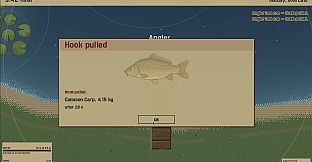
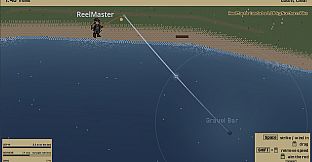
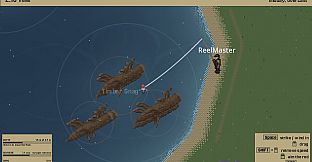
The game runs a continuous physical simulation that updates thirty times each second. This covers the rod bending under load, the drag mechanism slipping line, the line itself stretching and wearing from abrasion, and the fish responding with its own stamina, mood, and preferred direction. A lost fish traces directly back to a specific action, such as reeling against a strong run or positioning the rod without enough give. The single lake contains six distinct species, each with unique weight ranges, speeds, and behaviors. Water depth, weed beds, snags, and the lake bottom all influence where fish hold and feed. Casting location, groundbait choice, time of day, and overhead conditions further alter which fish are active and willing to take a bait.
Tackle selection locks in before each session. Players choose between float, ledger, or lure approaches, then pair a rod, reel, line, and bait that fit the method. Each option carries clear trade-offs: heavier line resists snags but reduces bites, while a softer rod cushions hook holds at the expense of precision. The drag setting becomes critical once a fish is hooked. A light setting lets the fish run freely, while a tight setting risks breaking the line before the fish tires. The correct drag value shifts with every line strength and changes in real time as the fish moves.
Game Modes
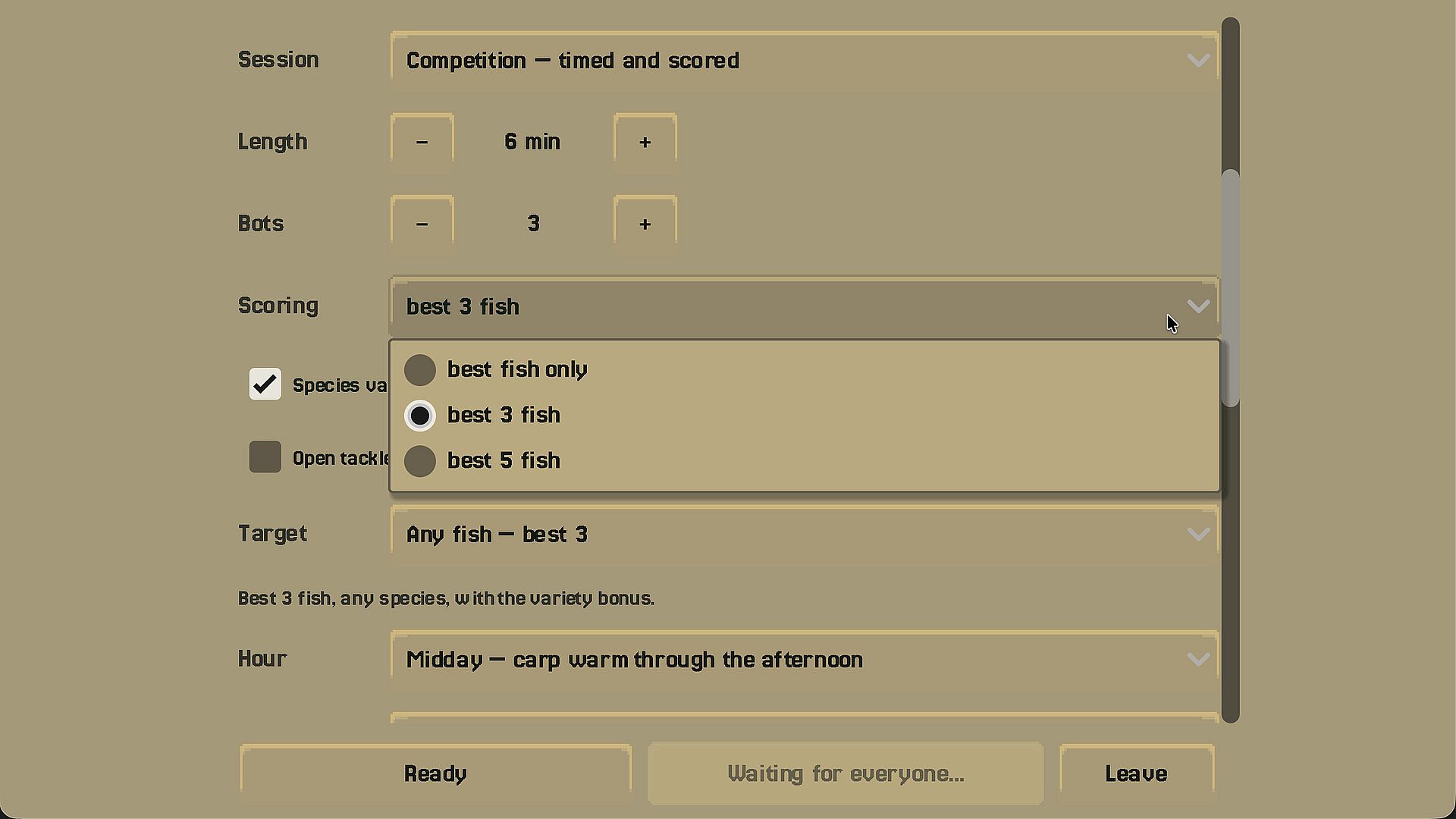
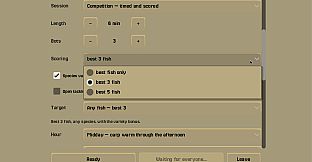
Matches support up to eight anglers sharing the same lake under identical conditions. Everyone arrives in the same sequence and fishes the same stocked water, so differences in results come only from individual decisions. Hosts can set a time limit, choose a scoring system, or designate a target species for a focused hunt. Sessions can also run without a clock or points, allowing open-ended fishing where the lake persists independently of any single player.
Tackle Choices and Match Strategy
Committing to a setup forces adaptation rather than mid-session swaps. A heavier line might survive contact with snags but spook wary fish, while a lighter line demands careful drag management to avoid breaks. The drag decision itself happens with the fish already pulling, requiring quick judgment based on the chosen line and current conditions. These constraints turn every match into a test of preparation and in-the-moment reading of the water and the fish's behavior.
Record Keeping and Progression
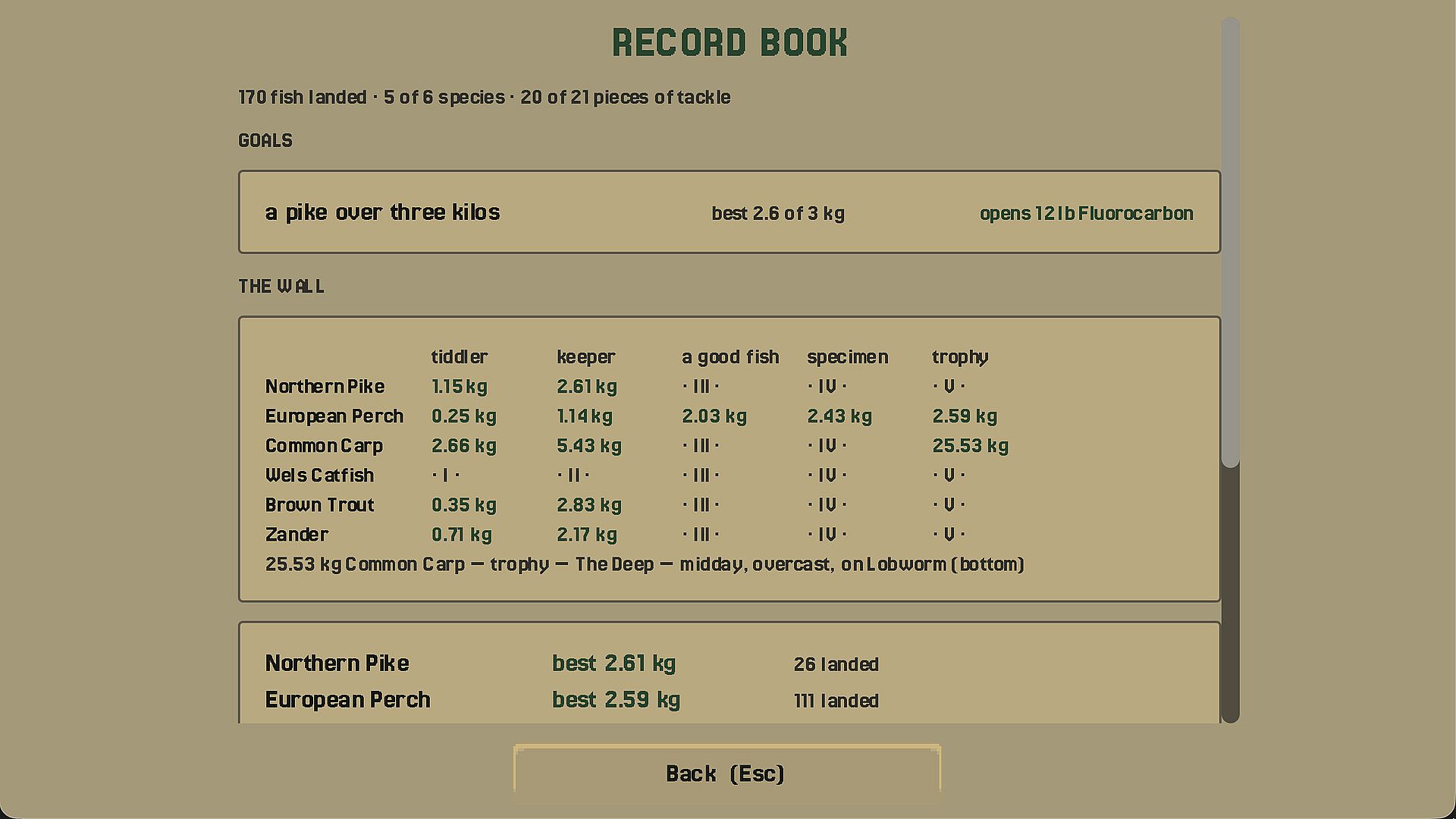
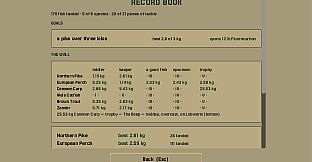
Each landed fish enters a personal record book that logs its weight, capture location, and the tackle used. The book tracks personal bests across species and includes a specimen grid that places catches in context against typical sizes for that fish. Over time the records highlight patterns in successful approaches without relying on external leaderboards.
Is It Worth Playing?
Fish Fights Back targets players who value mechanical depth and accountability in a fishing simulation. The absence of random resolution means skill in tackle selection, drag control, and water reading determines results, which suits those who enjoy precise, repeatable systems over arcade-style fishing. The match format emphasizes direct competition on equal terms, while open sessions provide relaxed practice. With release planned for Q2 2027 and no player reviews available yet, the game appeals most to enthusiasts of realistic angling mechanics who appreciate the trade-offs built into every choice of rod, line, and drag setting.