

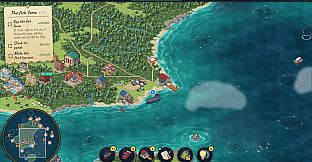
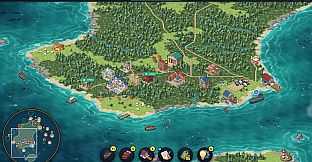
Fishing Company Tycoon: Harbor to Market is a strategy and simulation game that places players in charge of building a fishing business on an island setting. The experience centers on managing resources, logistics, and growth from a modest starting point into a self-sustaining operation.
Gameplay
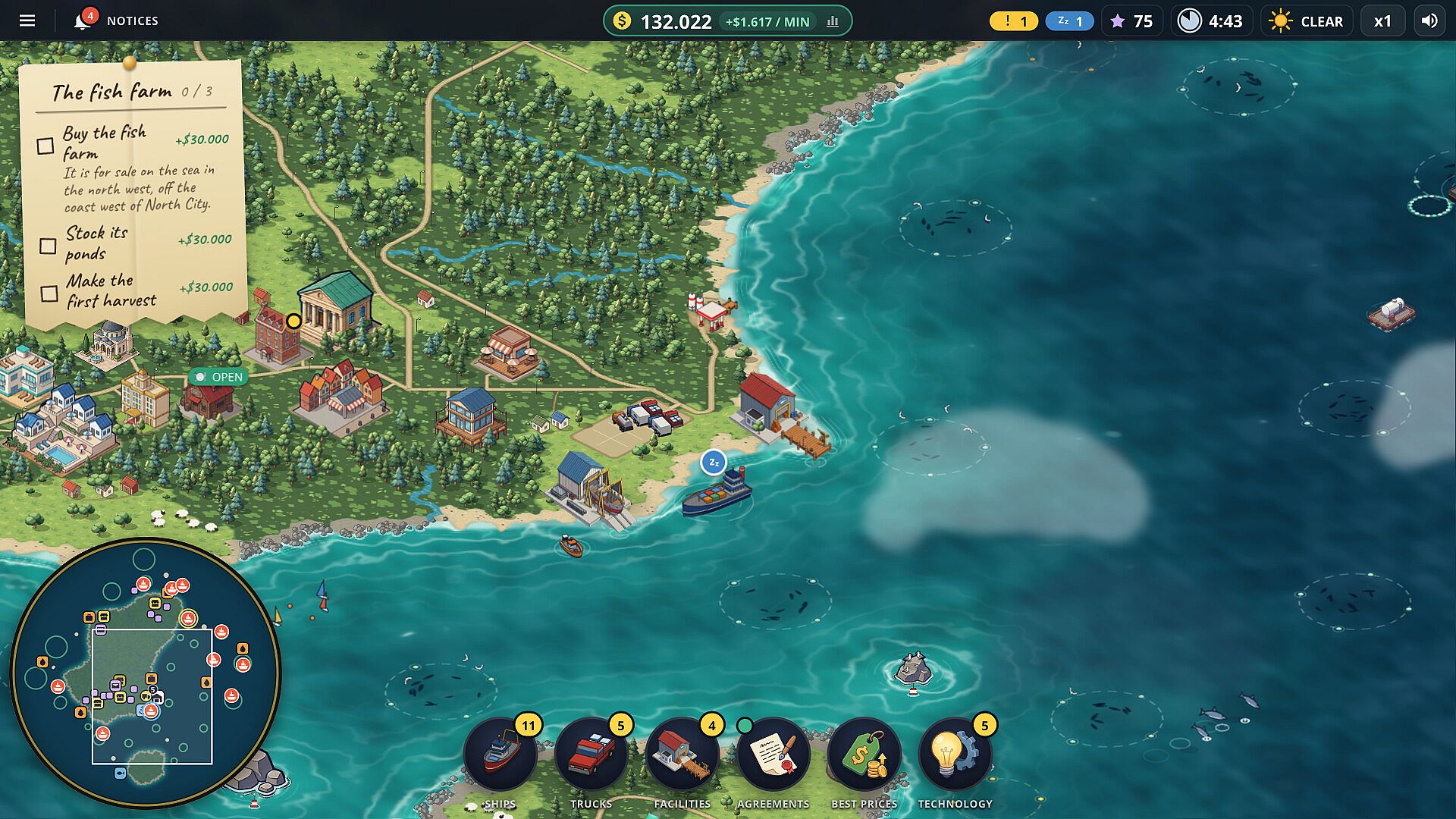
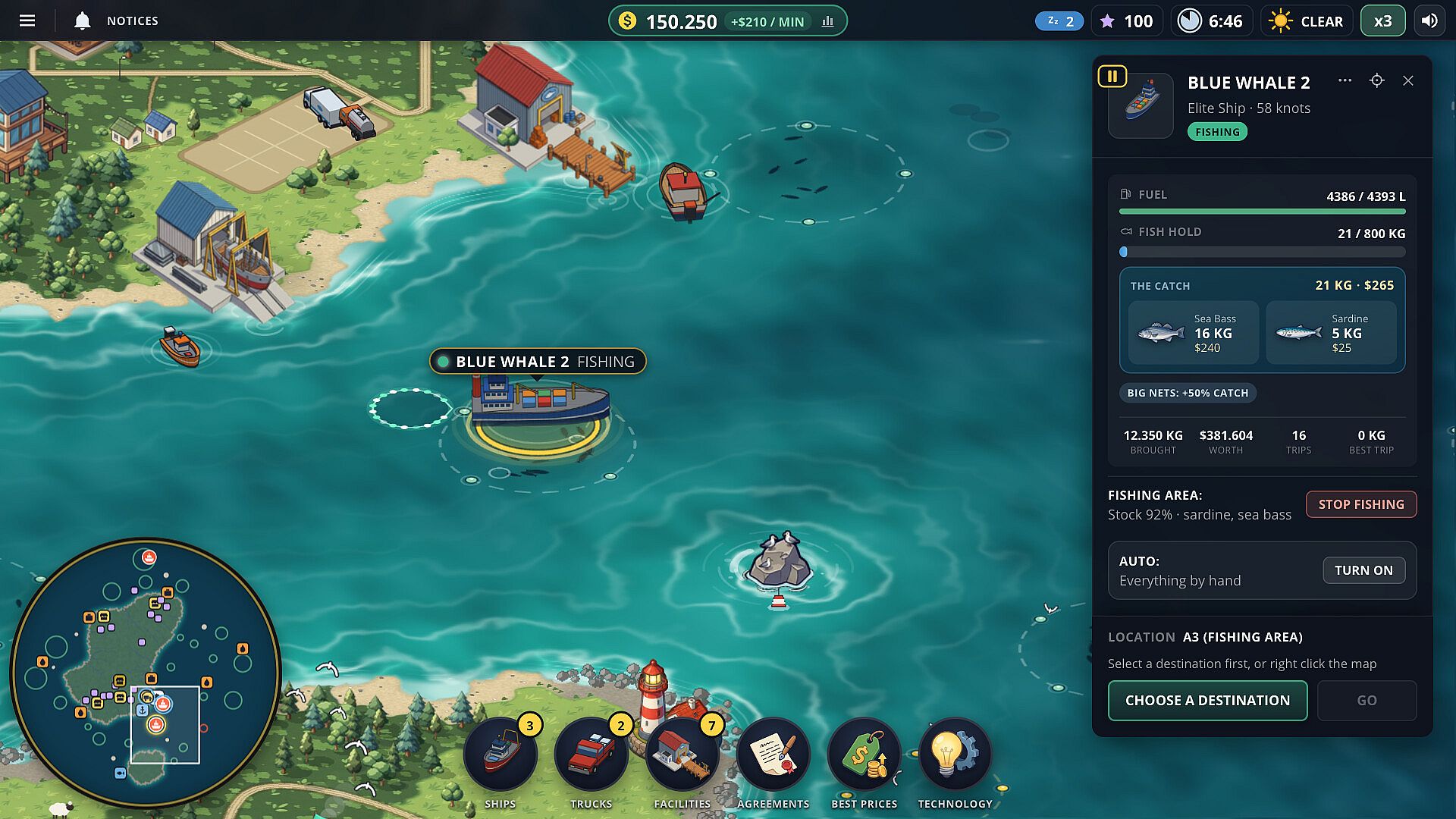
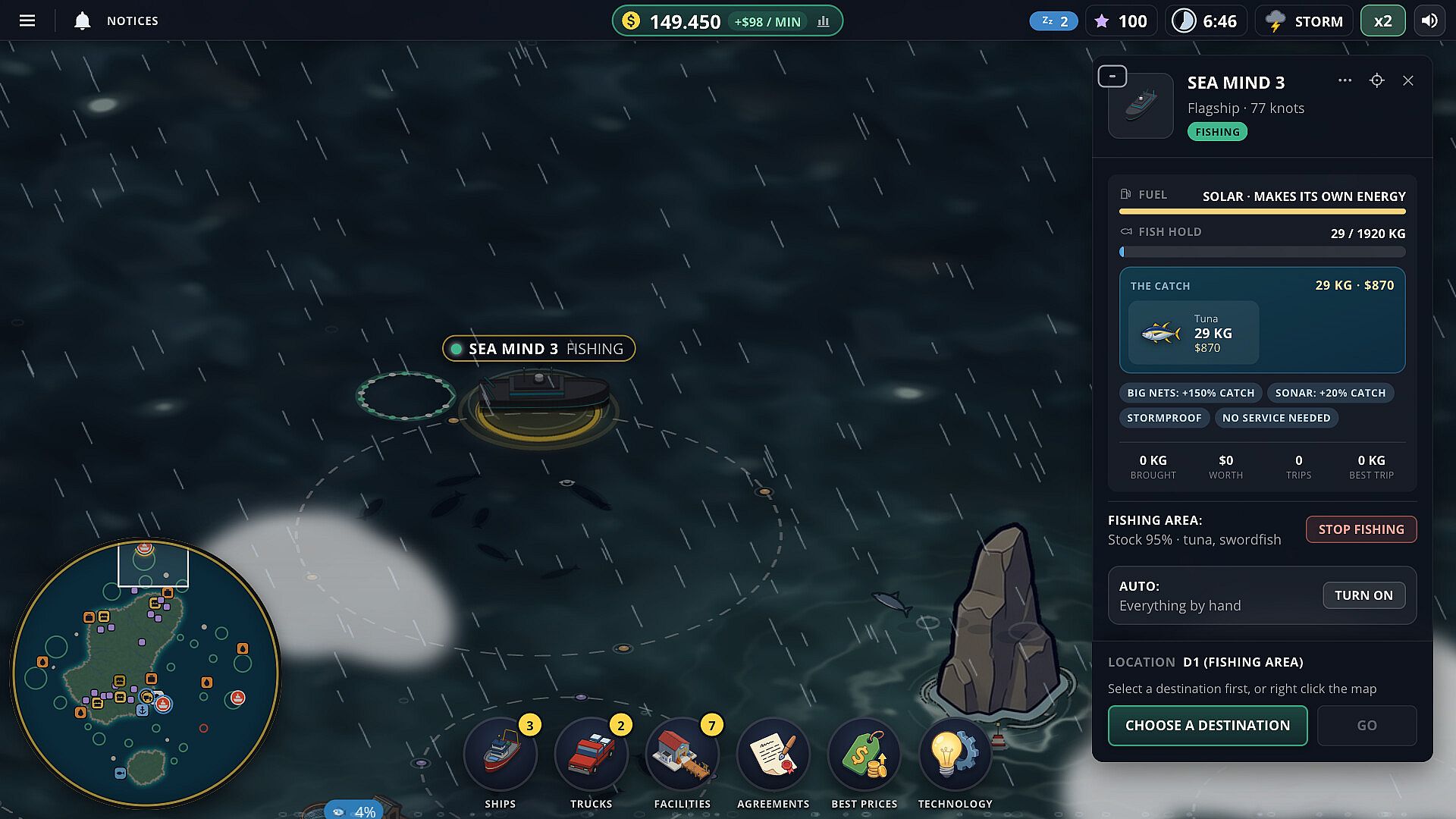
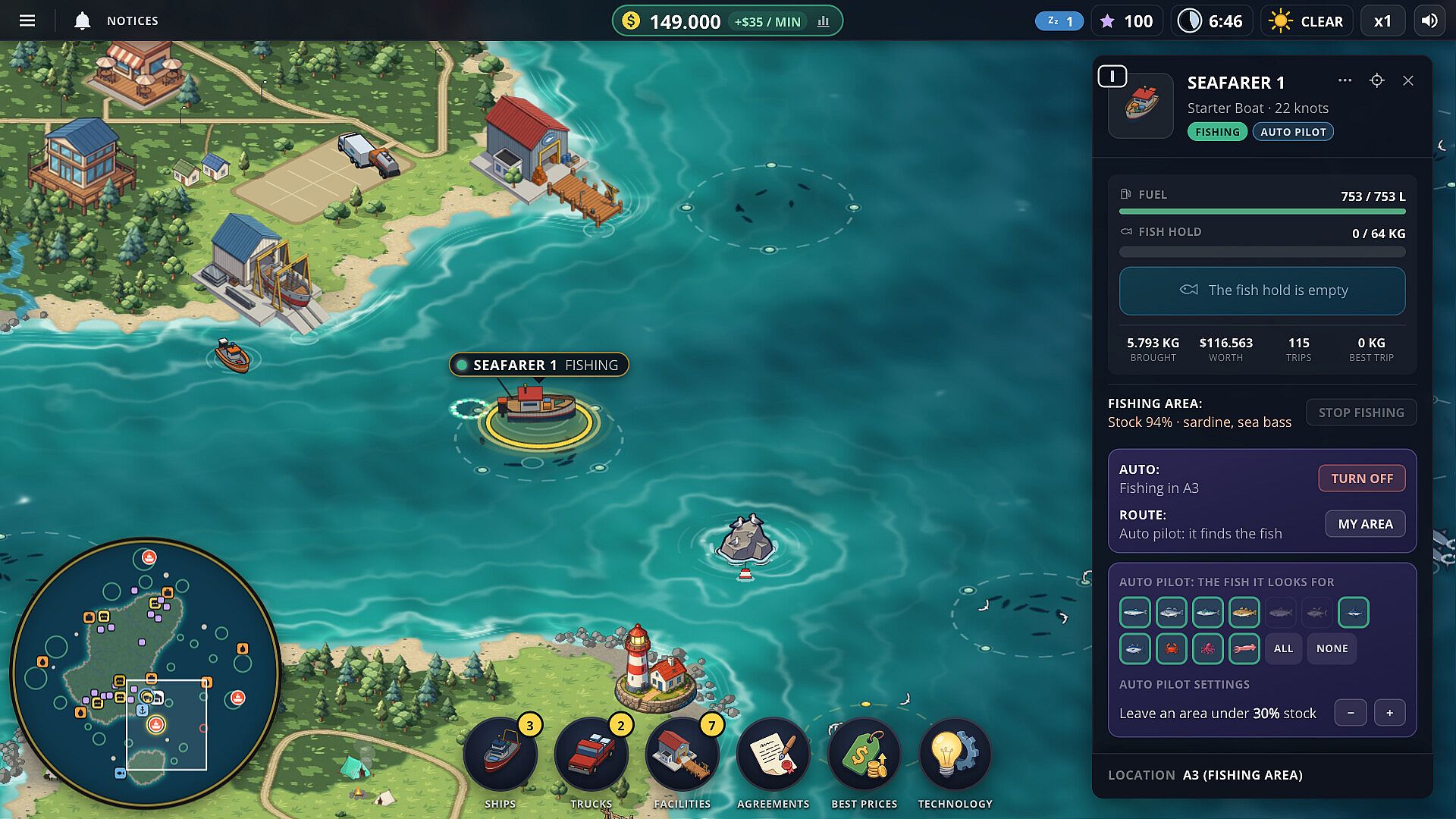
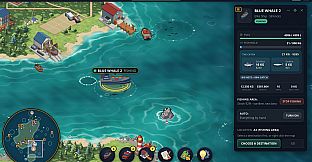
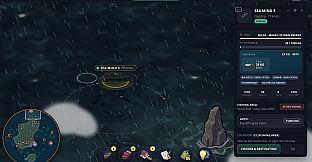
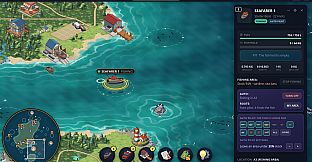
Players begin with a single small boat and an empty warehouse along the east coast. The core loop involves sending vessels to one of twenty fishing grounds to harvest from twelve varieties of fish and seafood. Each ground maintains its own stock levels that recover with careful harvesting but can collapse under heavy pressure. Larger species such as tuna, swordfish, and bluefin require ships capable of reaching distant waters.
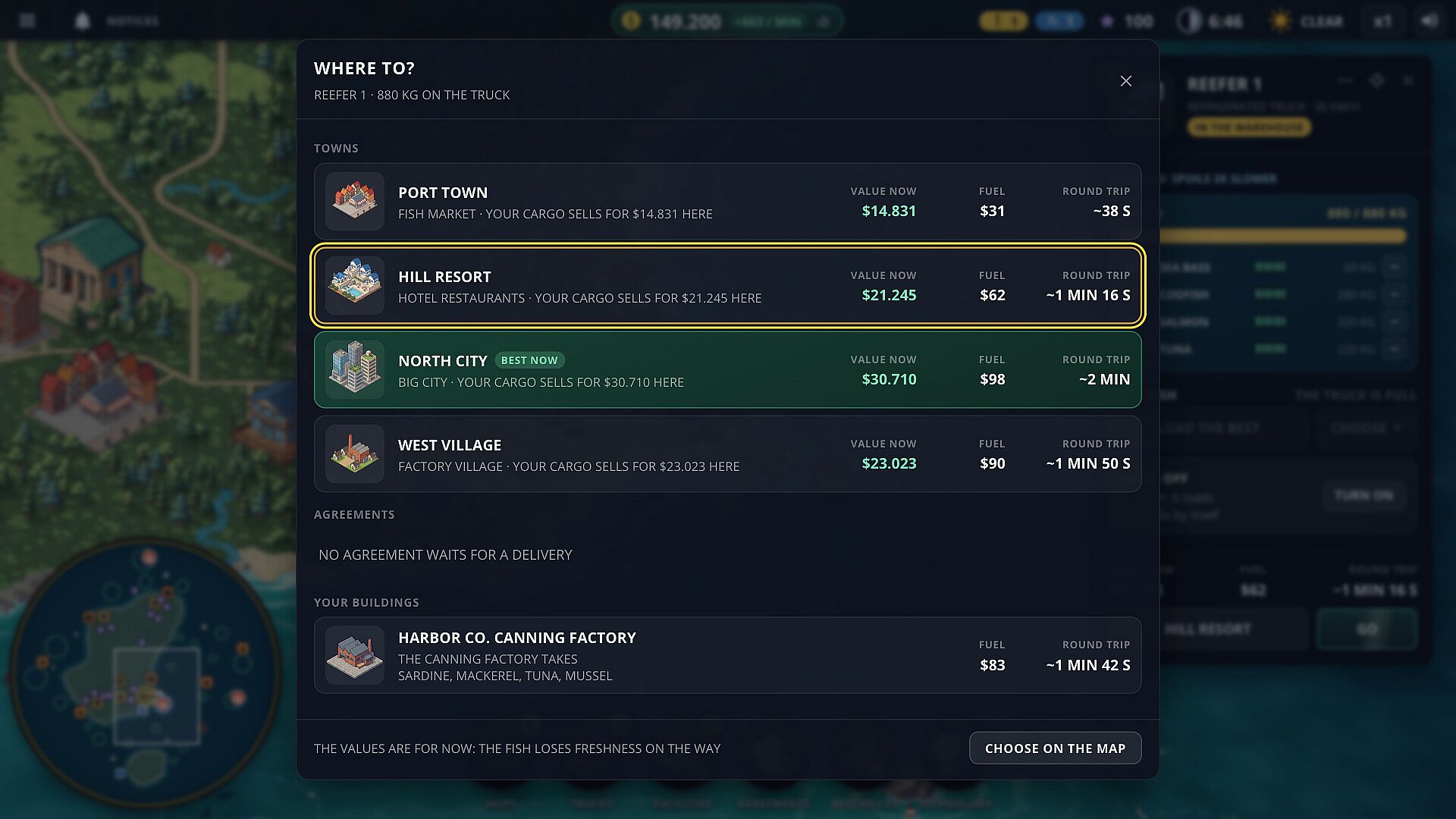
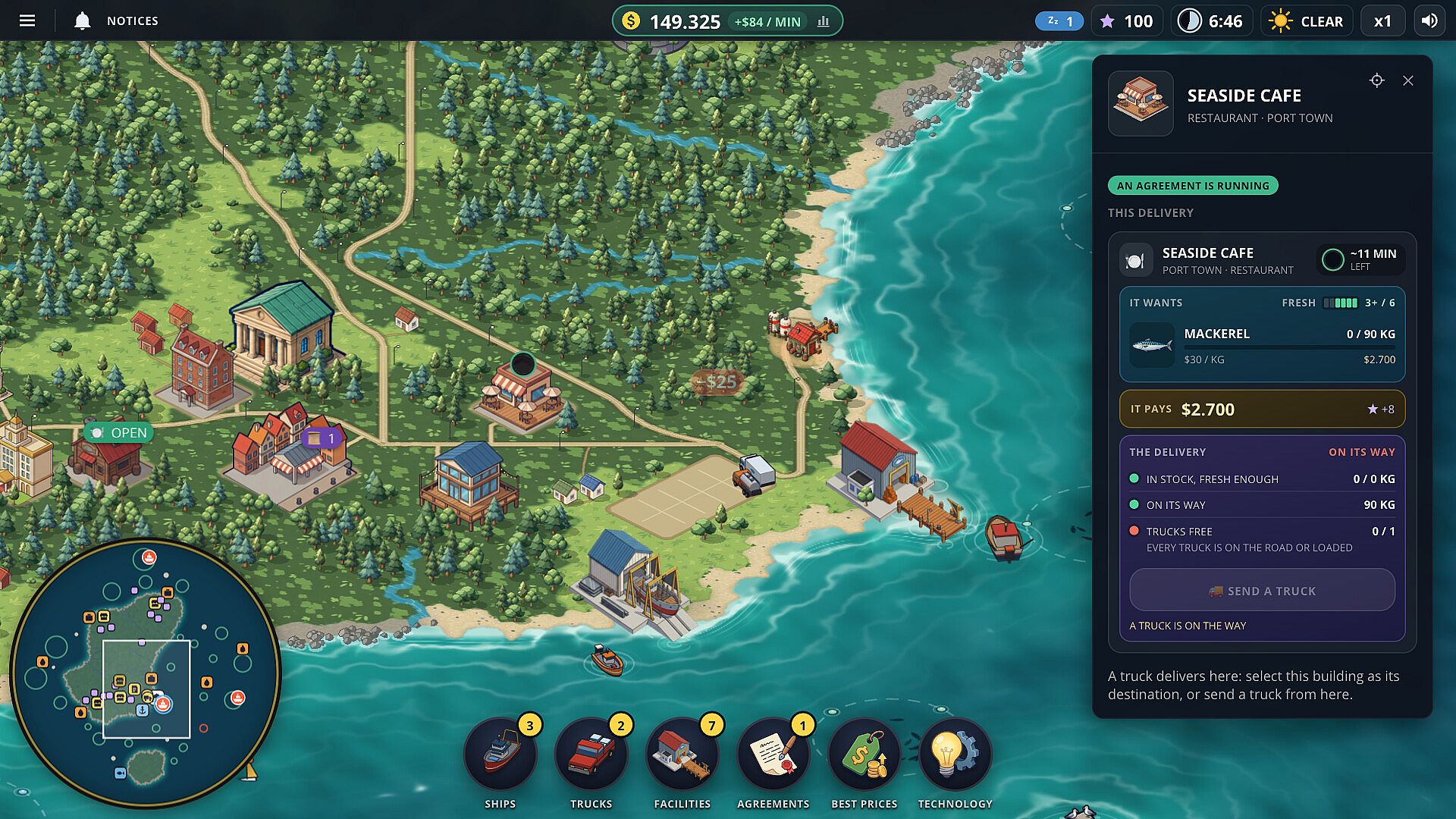
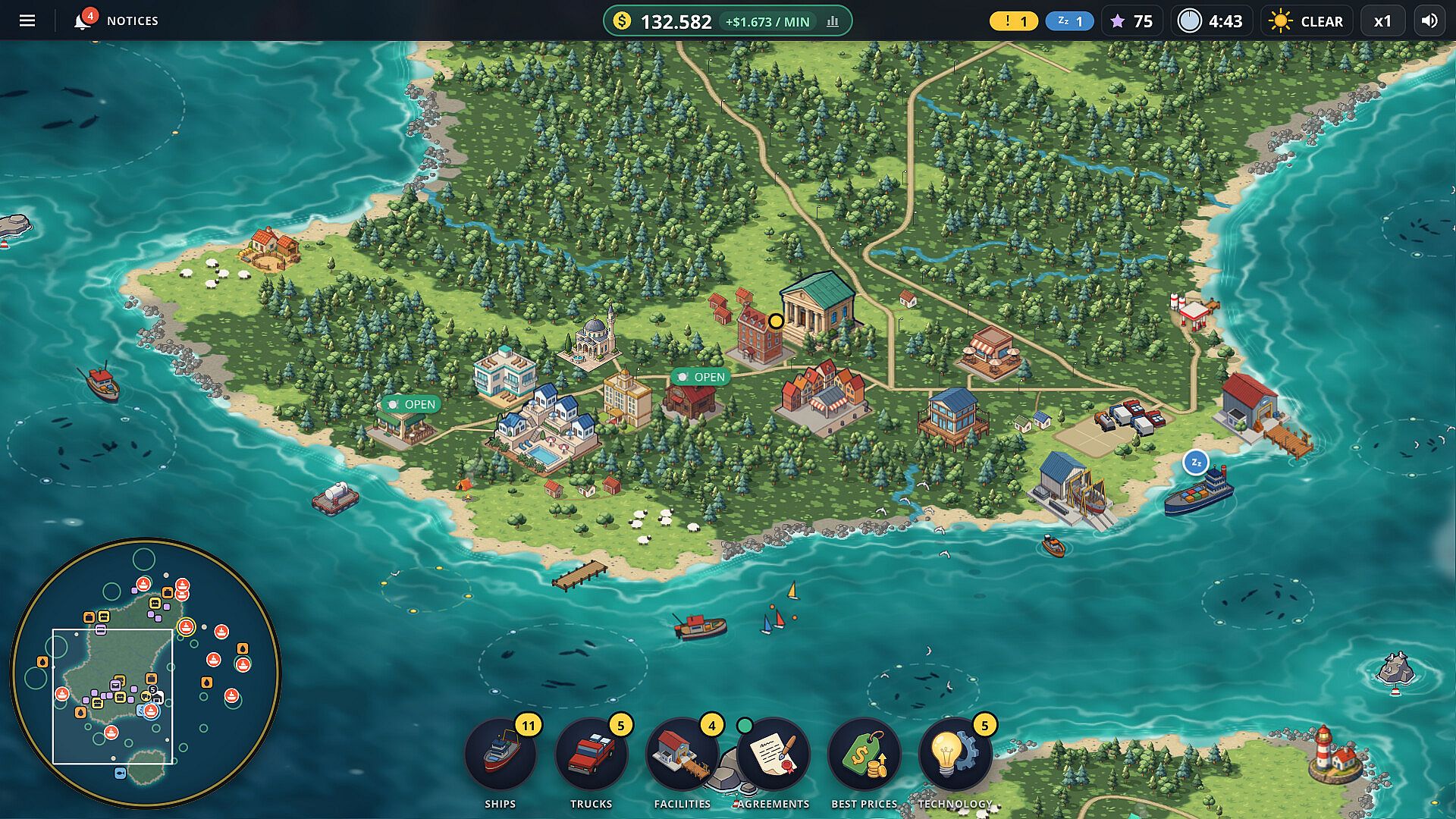
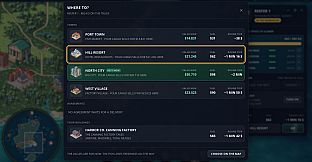
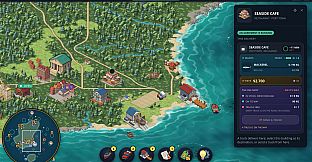
Once caught, the catch returns to the harbor for unloading. Local buyers offer immediate payment, while trucks transport goods to four towns where demand and prices vary. The resort town favors swordfish, the factory village prefers sardines, and flooding any market lowers returns until supply balances again. Additional layers include agreements with hotels and restaurants, crab pots, night-only squid activity, mussel and fish farms, a canning factory order, and the option to open company restaurants.
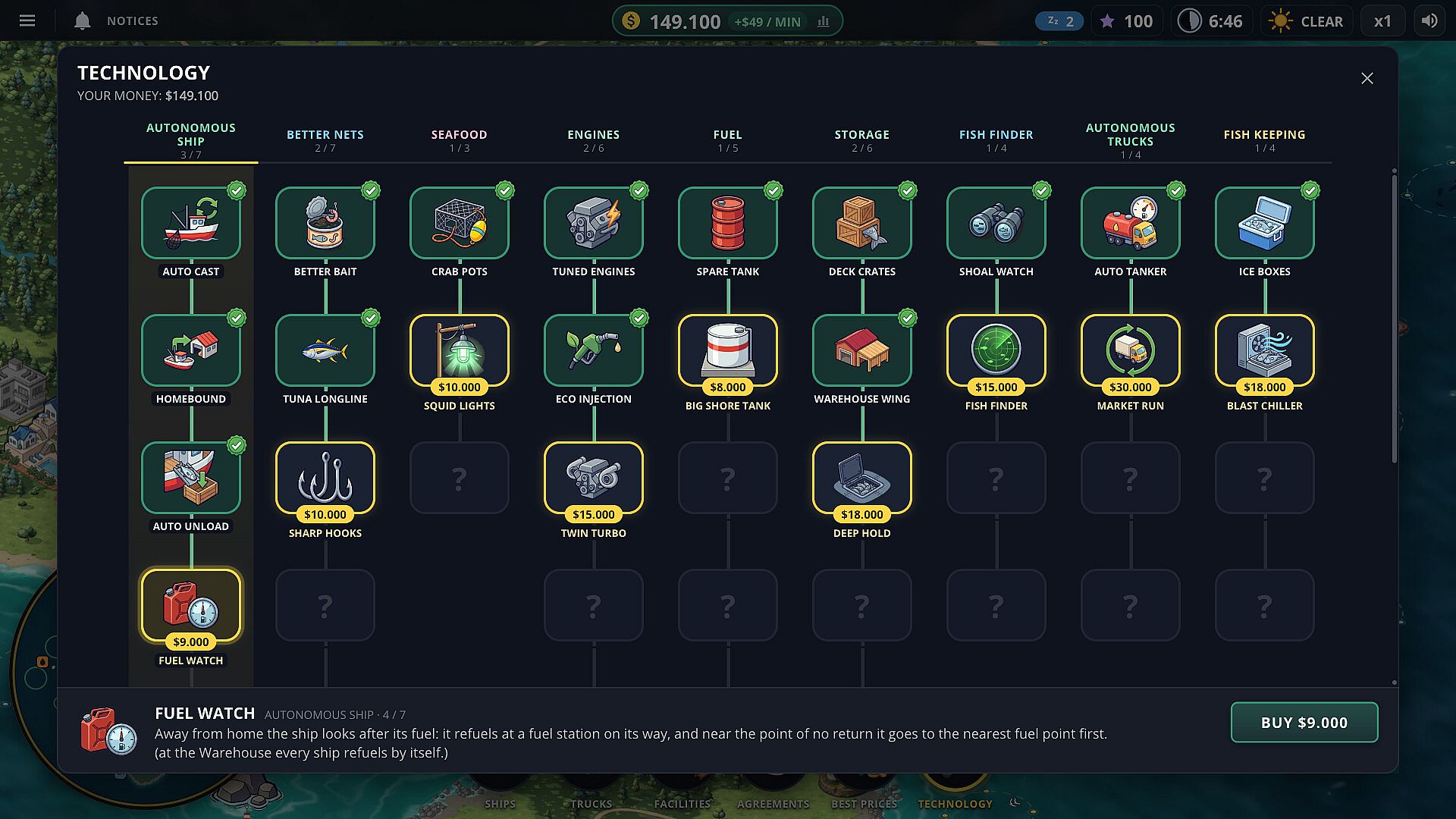
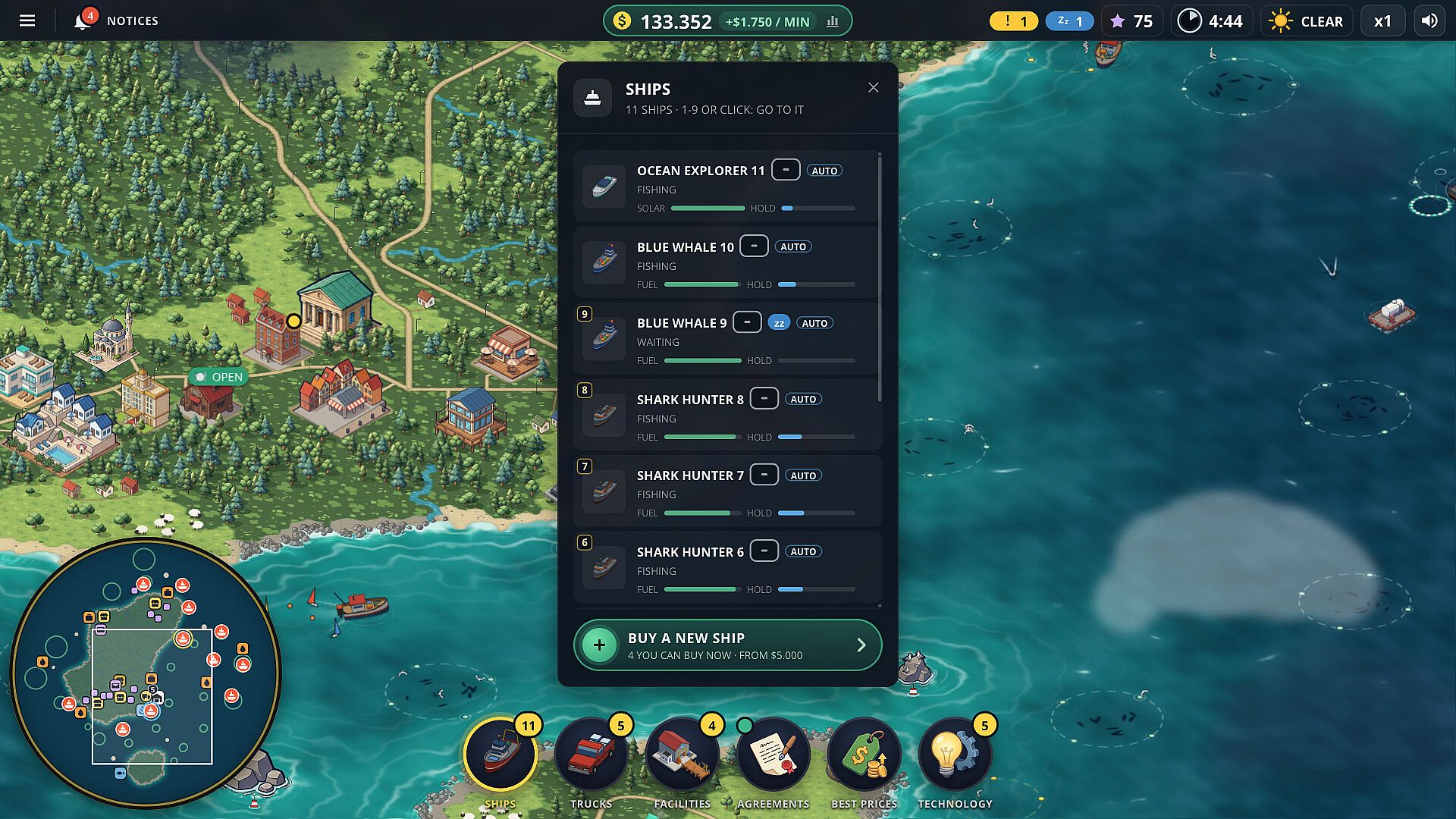
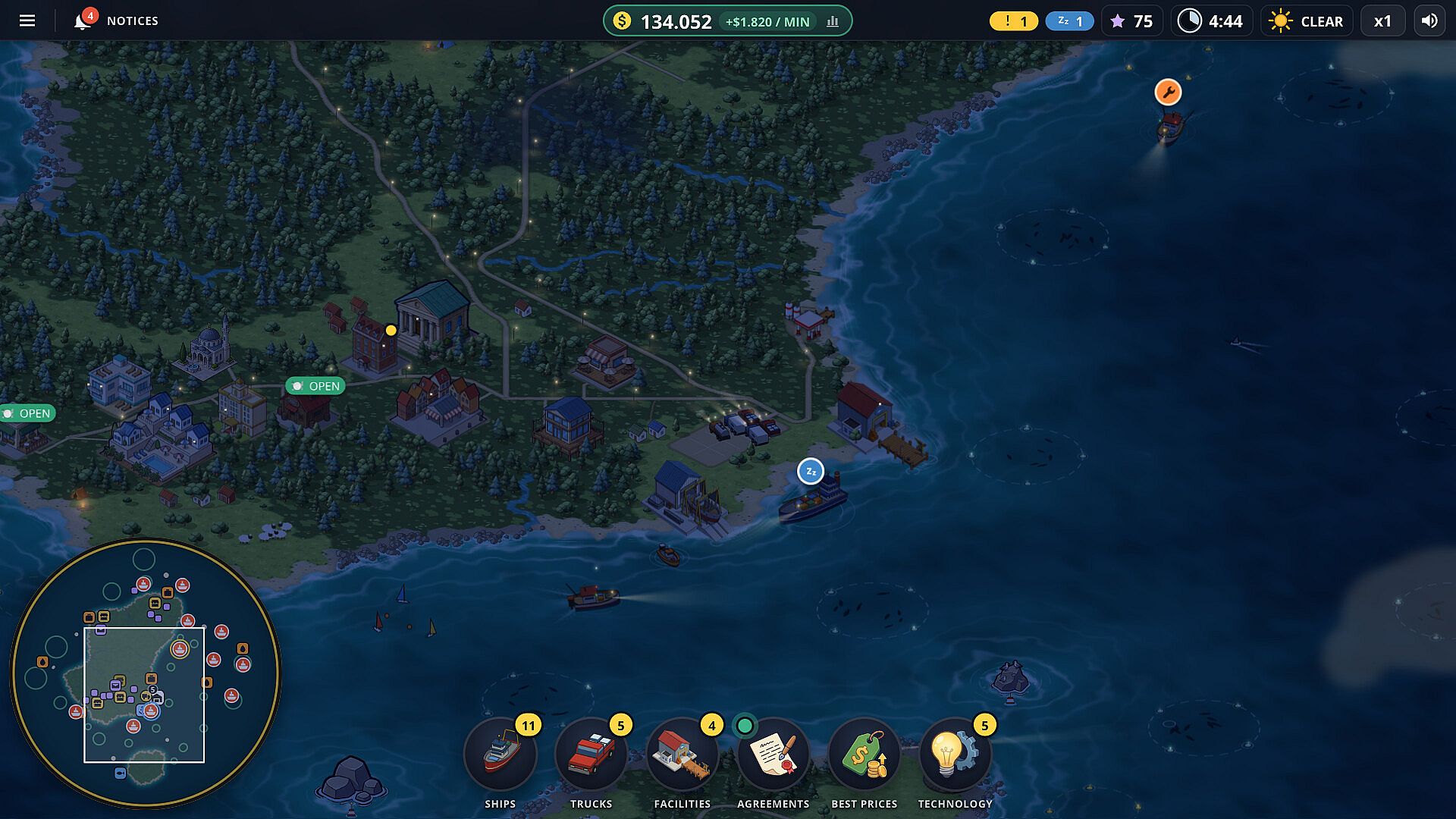
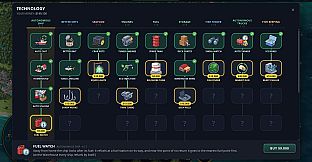
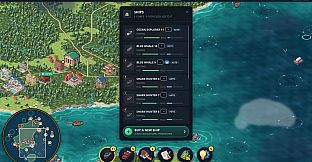
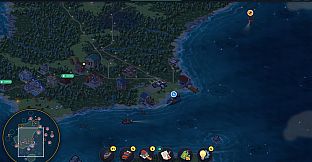
Progression expands the fleet across six ship types and seven truck varieties. Each vehicle follows player-defined routines for casting, returning, unloading, and refueling. Research appears in a technology window organized into ten columns, unlocking better gear and automation that reduces manual clicks as the company scales. A species encyclopedia supplies factual details on every fish. Day and night cycles, shifting weather, and occasional events like large shoals or harbor gifts add variety to the island environment.
Game Modes
The game operates as a single-player management simulation without separate competitive or multiplayer modes. Progression unfolds through eleven chapters of tasks presented as notes from a captain. These chapters guide players through expanding operations, fulfilling specific orders, and balancing sustainable harvesting with market demands. The structure encourages steady growth rather than timed challenges or versus play, allowing focus on long-term planning and automation.
Progression and Features
Early stages emphasize direct control over one or two vessels and basic deliveries. As research advances, routines become automated, freeing attention for broader decisions such as which towns to supply or when to invest in farms and processing facilities. Stock management remains central throughout, requiring attention to avoid depleting grounds while meeting town-specific needs. The living island backdrop changes with time of day and weather, affecting visibility and activity without altering core mechanics.
Is It Worth Playing?
This title suits players who enjoy relaxed strategy and simulation experiences focused on logistics, resource balance, and incremental automation. The single-player structure with chapter-based tasks provides clear direction while leaving room for personal optimization of routes and investments. With a planned release in the first quarter of 2027 and no user reviews available yet, interested players can follow development updates to assess fit with their preferences for management gameplay. Those drawn to sustainable harvesting systems, market fluctuation mechanics, and fleet oversight will find the verified features align closely with that style.