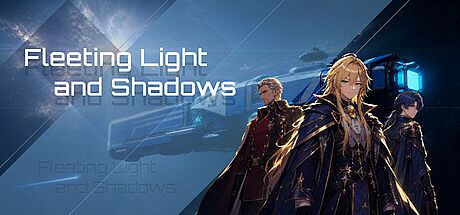


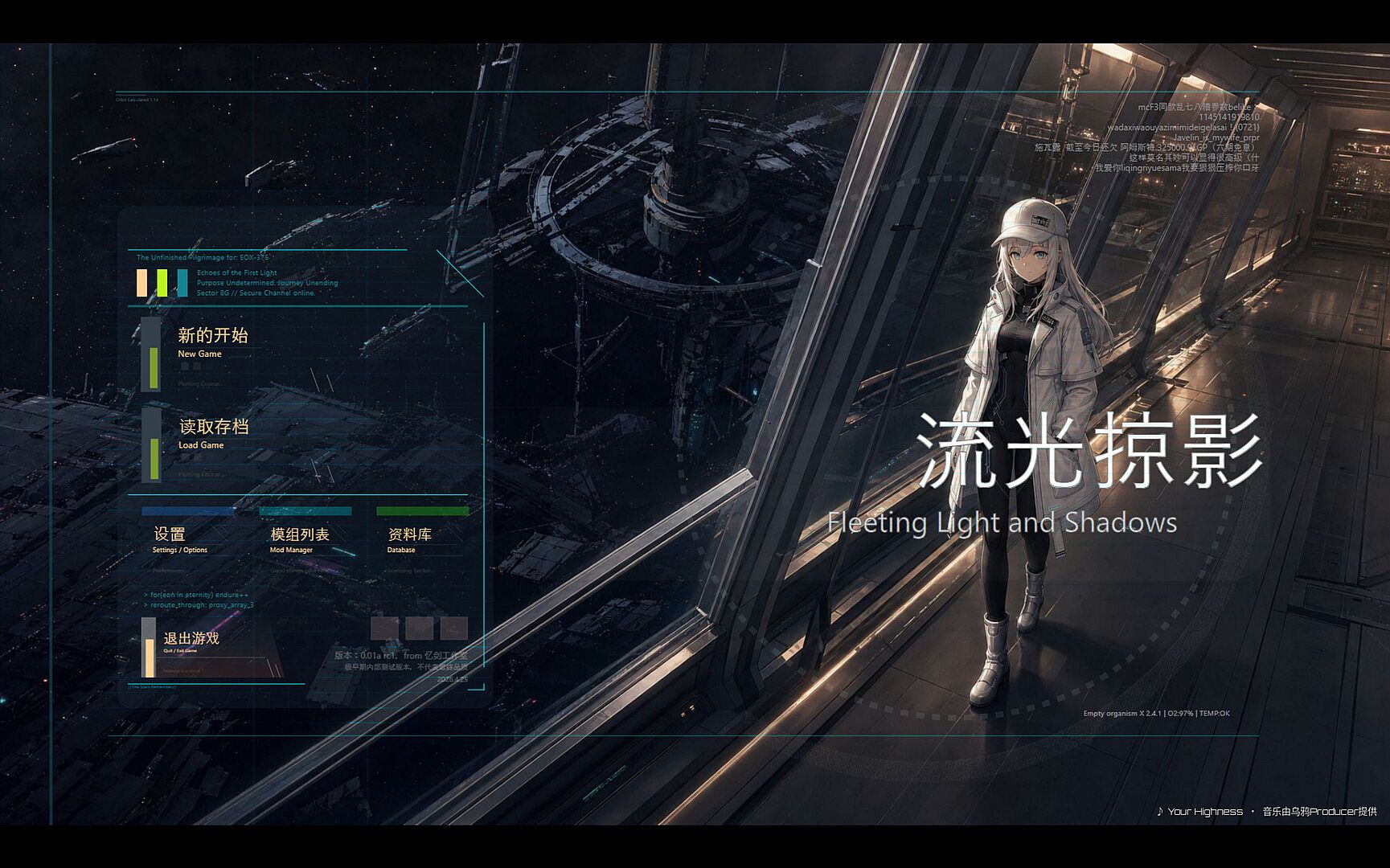


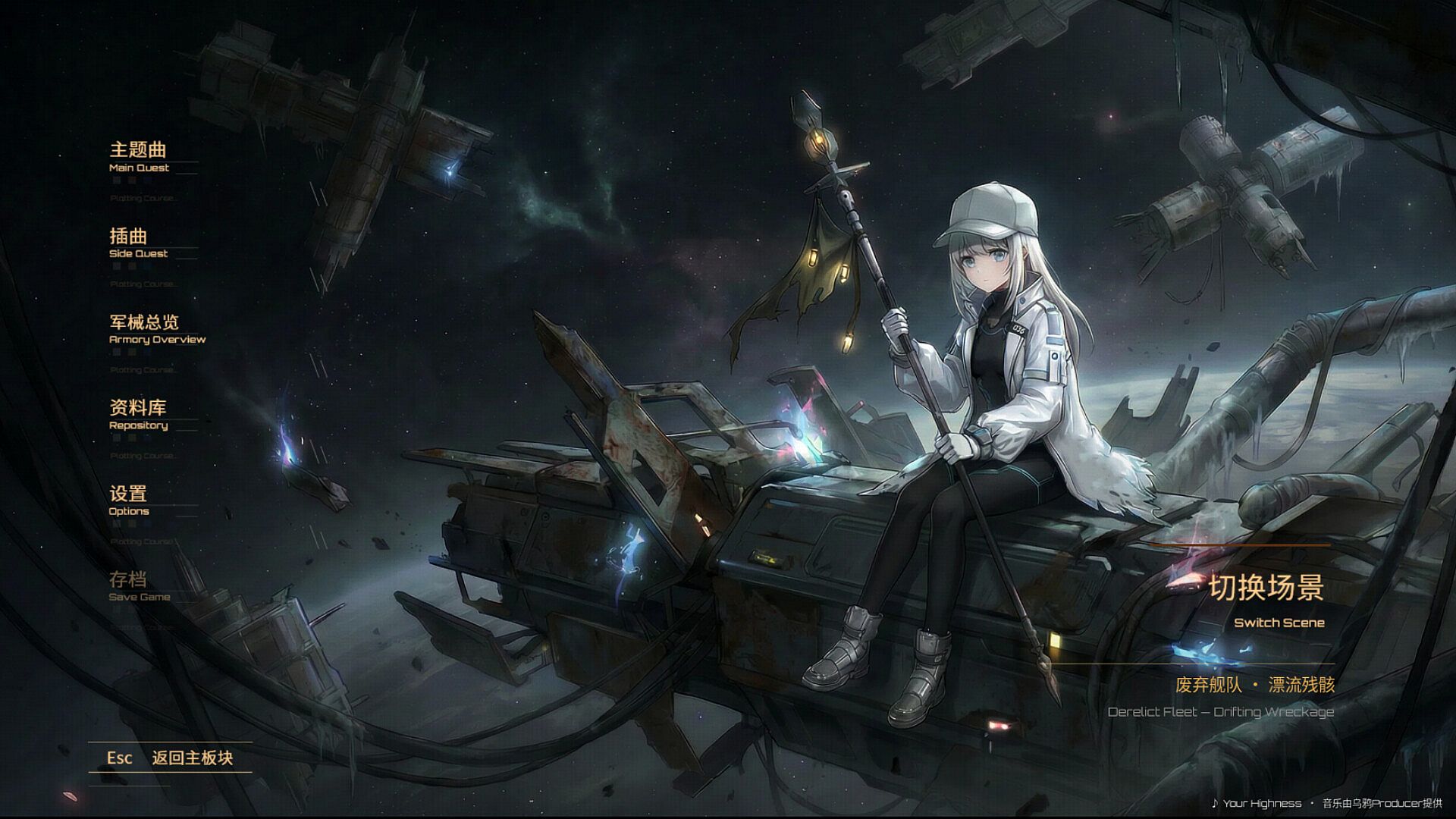




FLS: Fleeting Light and Shadows is a story-driven 3D vertical-scrolling space shoot 'em up developed as an indie title for PC. Players take control of EOX-375, a specially modified robot, in a narrative that spans a grand worldview from a golden age to a post-apocalyptic future. The game blends cinematic presentation with bullet-hell shooting mechanics, placing emphasis on survival through intense battles while uncovering layers of conflict and revenge against the force behind humanity's downfall.
Gameplay
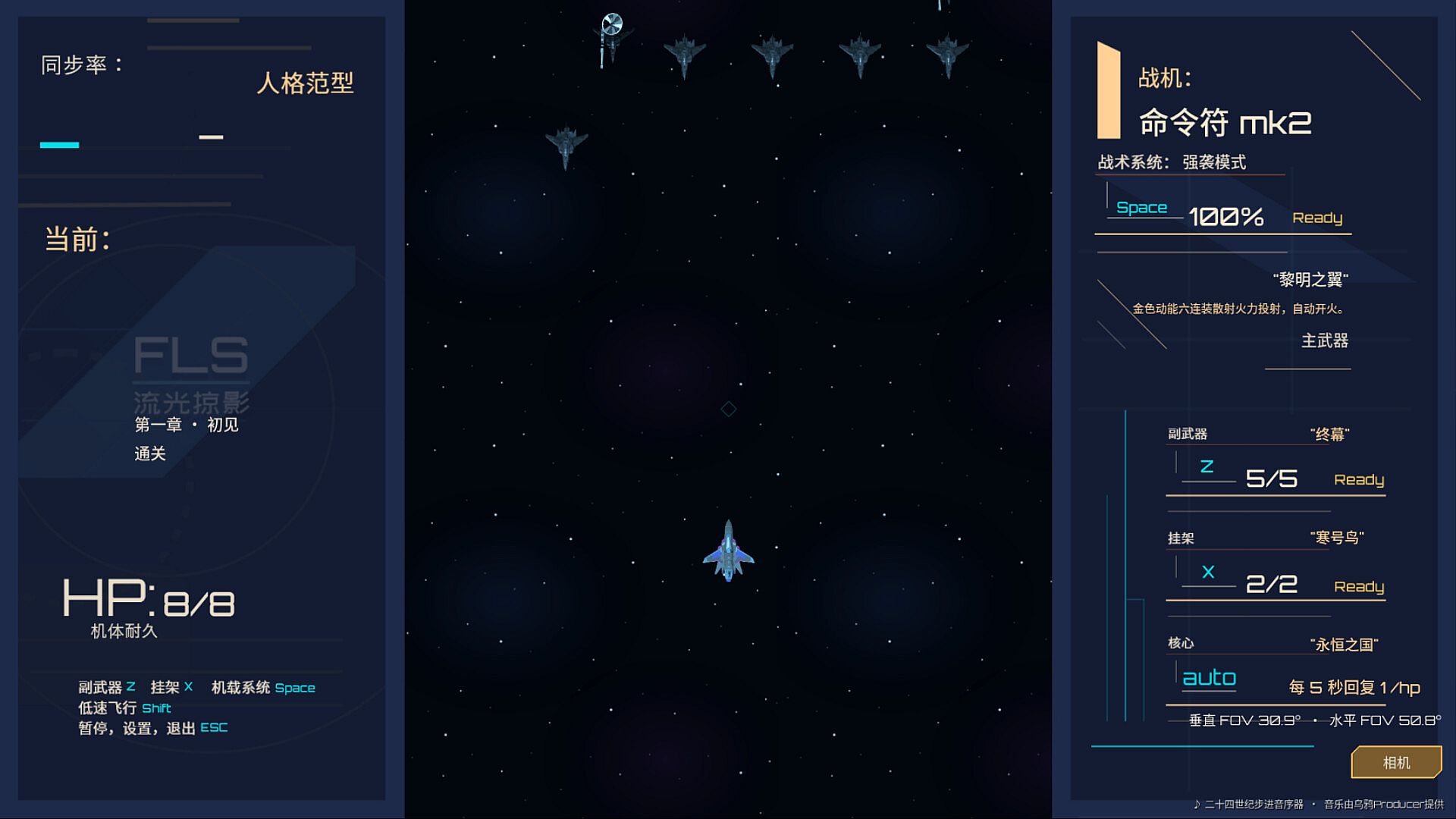
The core loop centers on piloting a customizable fighter through collapsing environments filled with enemy waves and hazards. Vertical scrolling keeps the action focused forward, requiring precise movement to weave through dense bullet patterns typical of the genre. Real-time in-engine rendering supports fluid visuals, while free cinematic camera work allows dynamic angles during play without disrupting the shooting flow.
Customization forms a key part of progression. The fighter breaks down into six distinct parts: airframe, main weapon, sub-weapon, hardpoint mounts, core, and pilot. Each module carries unique abilities that players combine to suit different combat needs. This system creates a straightforward yet adaptable loop, where new players can quickly grasp basic controls while more experienced ones experiment with combinations for varied strategies. The setup supports both newcomers to bullet-hell shooters and those seeking deeper tinkering.
Story elements integrate directly into the action. Players witness transformations in the world as they advance, encountering figures who resist fate amid the chaos. Narrative beats unfold through the cinematic style, building toward a personal stake in the larger conflict.
Game Modes
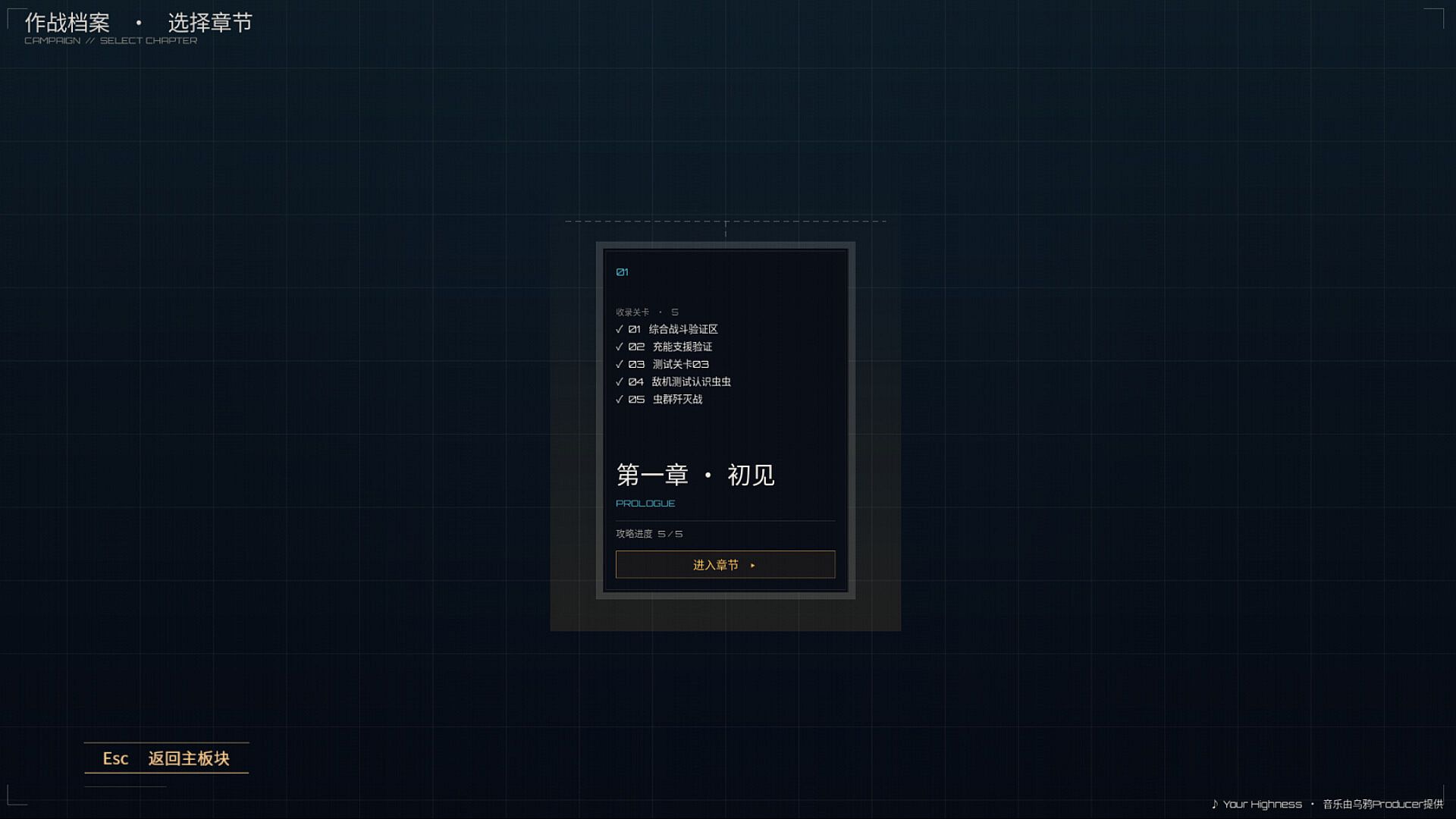
The primary experience unfolds as a single-player campaign that follows the robot protagonist through sequential stages of escalating danger. Battles dominate the structure, with progression tied to both shooting performance and narrative advancement. The design emphasizes endurance across near-endless encounters while advancing the overarching tale of revenge and uncertain futures.
Modding receives full official support, including community tools, game framework access, APIs, and planned version control with advance notices. This extends the base experience by allowing players to create custom content, alter mechanics, or build entirely new scenarios within the same engine. Additional content arrives through ongoing updates, which introduce high-difficulty modifiers, minigames, and references to other works.
Narrative and World
The setting spans a broad timeline, contrasting an earlier prosperous era with the ruins of a human civilization under threat. EOX-375 serves as both fighter and observer, representing collective human interests in confronting the root cause of the collapse. Cinematic sequences and in-engine events highlight key moments of resistance and idealism against overwhelming odds.
Exploration of themes around fate, duty, and possibility occurs through the flow of combat and story delivery. The vertical-scrolling format keeps focus on immediate survival while the broader lore emerges gradually, encouraging repeated runs to piece together details or test different module setups against familiar challenges.
Is It Worth Playing?
FLS: Fleeting Light and Shadows suits players who enjoy story-focused bullet-hell shooters with room for personalization. The six-part customization system lowers the barrier for genre newcomers while offering depth for customization enthusiasts. Modding tools and planned updates provide ongoing reasons to return, whether through community creations or new challenges like difficulty modifiers and minigames.
Those drawn to narrative-driven experiences in a sci-fi setting will find value in the cinematic presentation and thematic focus on resistance against fate. The combination of accessible shooting fundamentals with expandable content makes it a solid choice for solo play on PC, particularly if vertical-scrolling space combat and robot protagonists align with personal preferences. Ongoing support signals continued development beyond the initial release.