







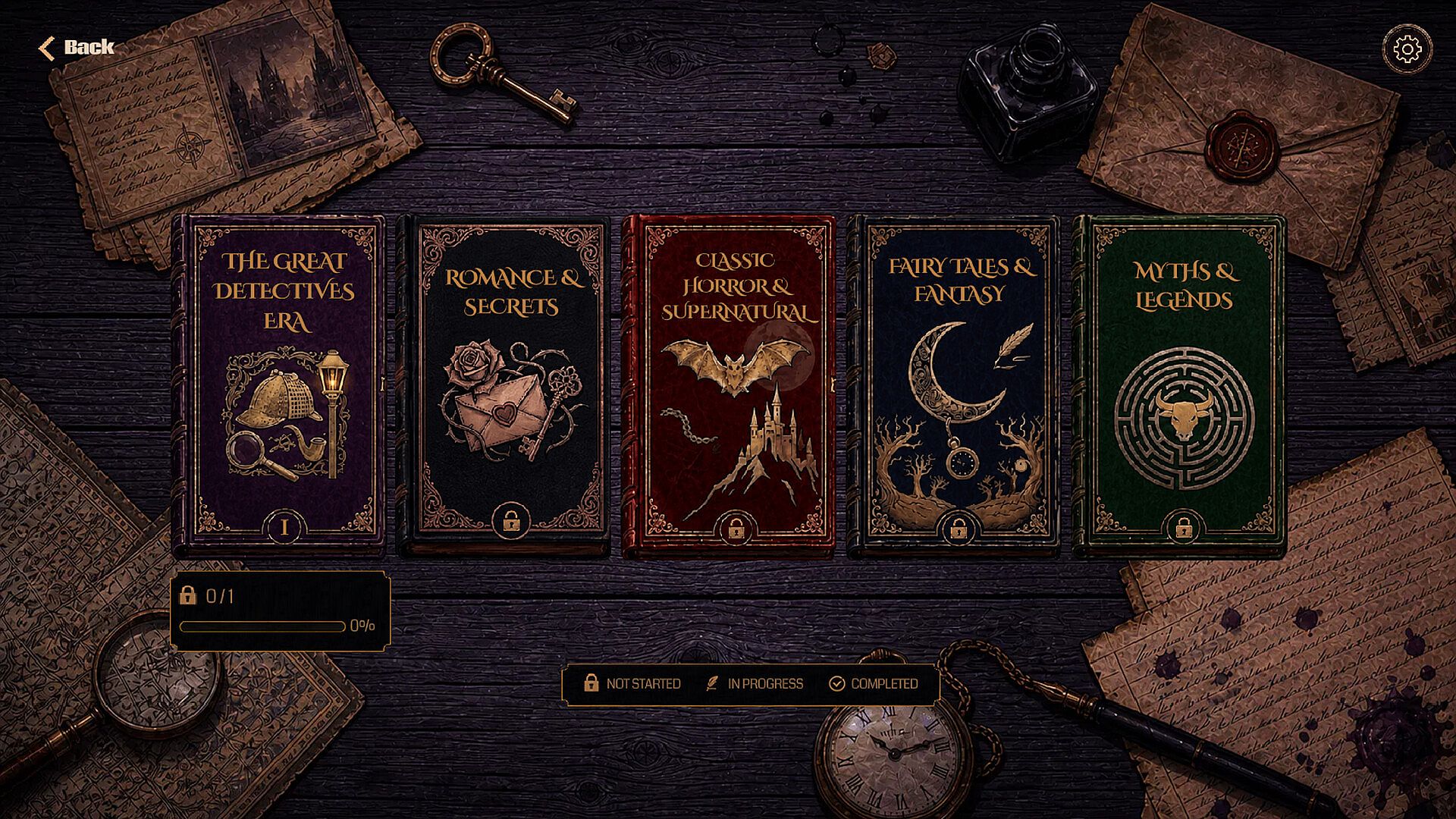








Folio Detective is an indie adventure game centered on atmospheric detective work and narrative deduction. Players take on the role of an investigator solving macabre mysteries drawn from classic literature influences, beginning with a locked-room double murder in 1840s Paris.
Gameplay
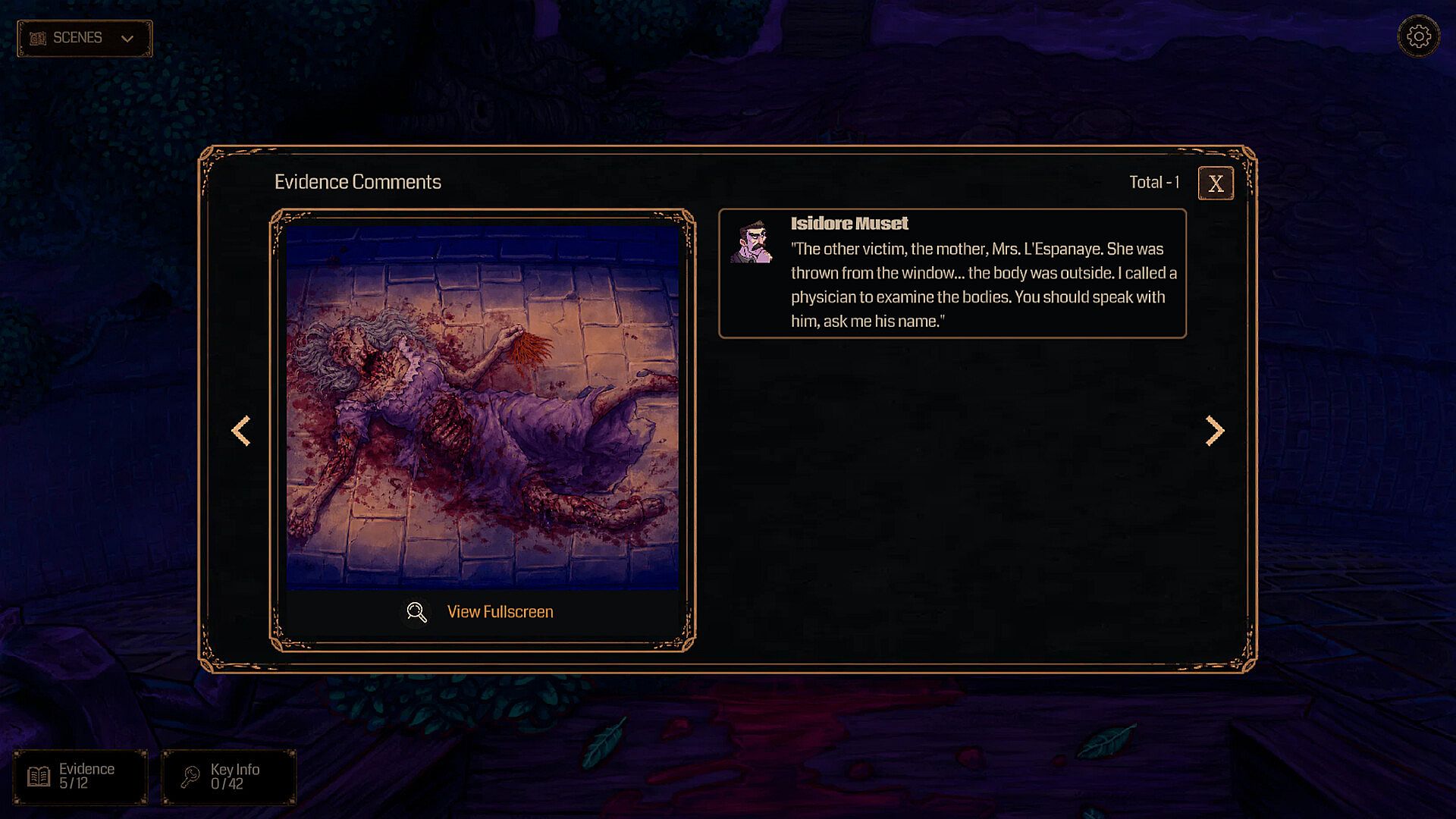
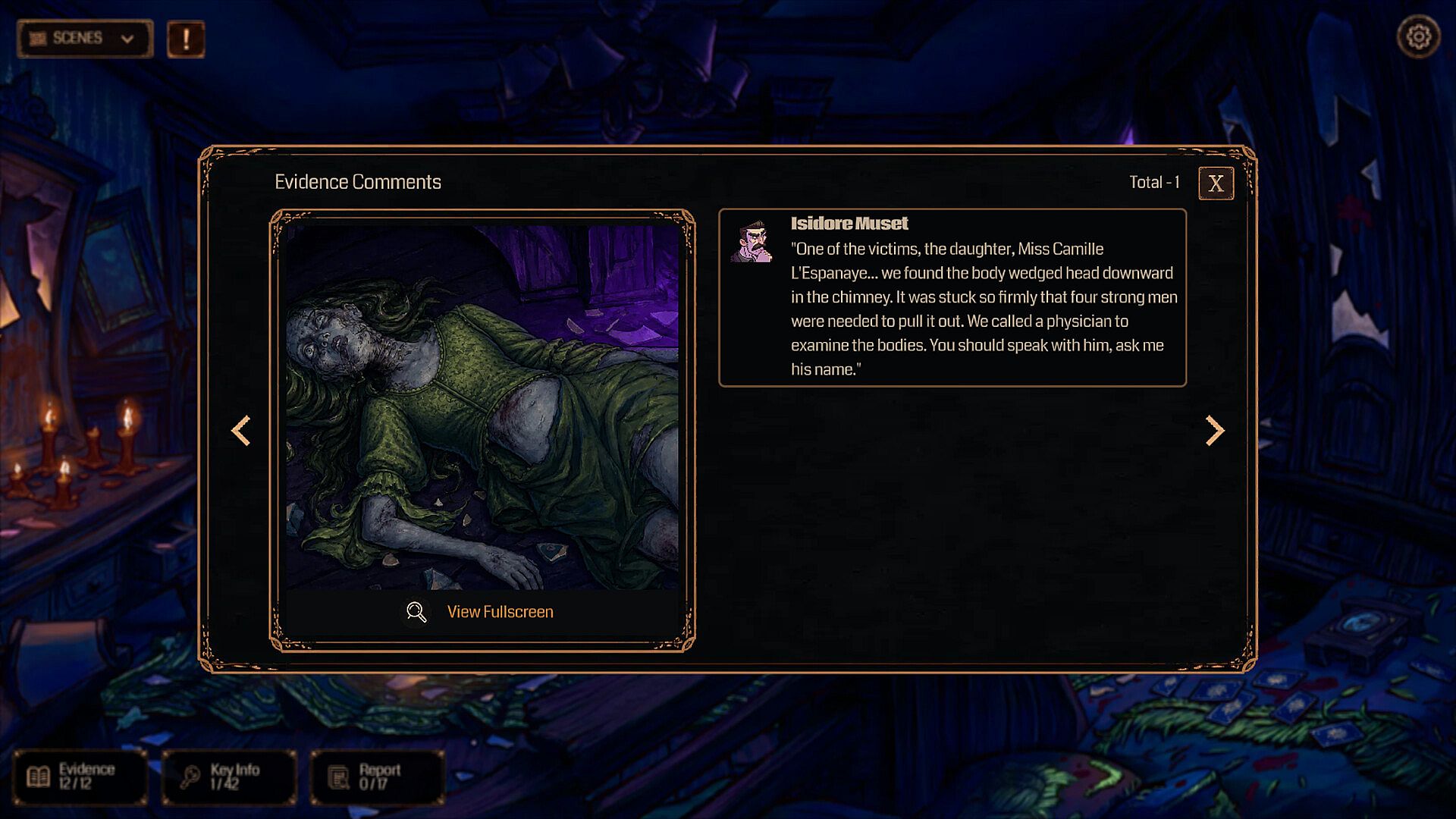
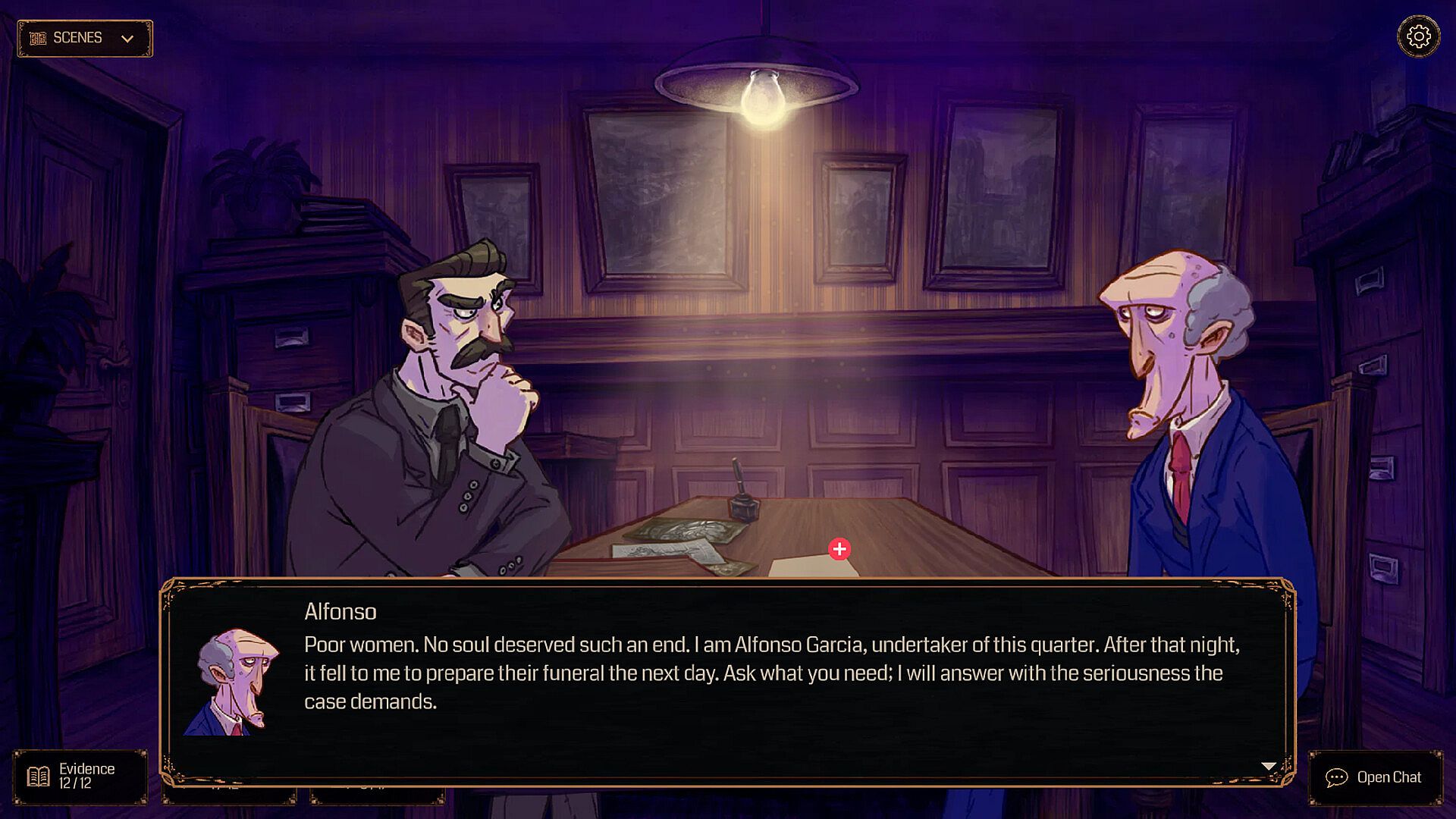
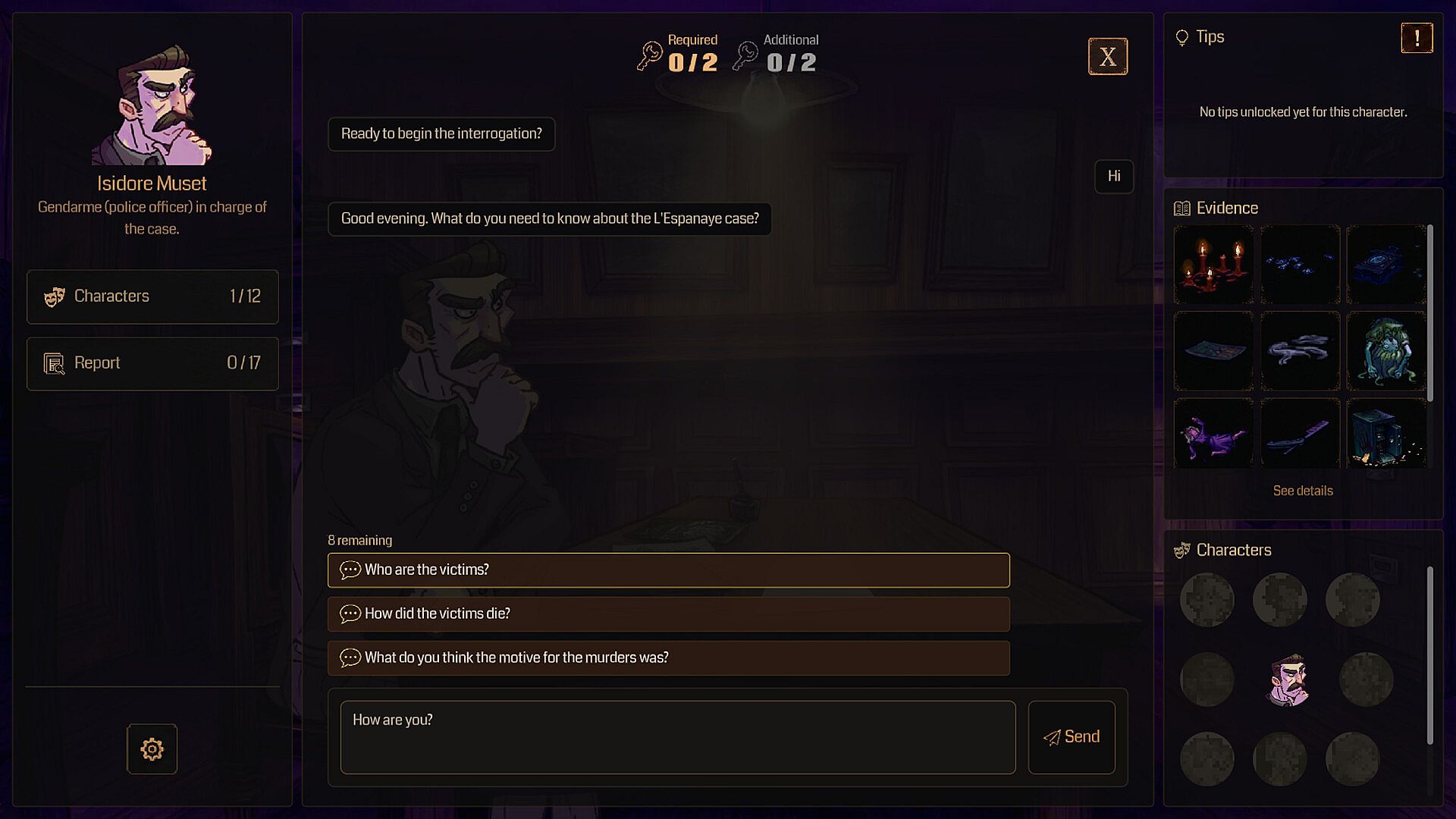
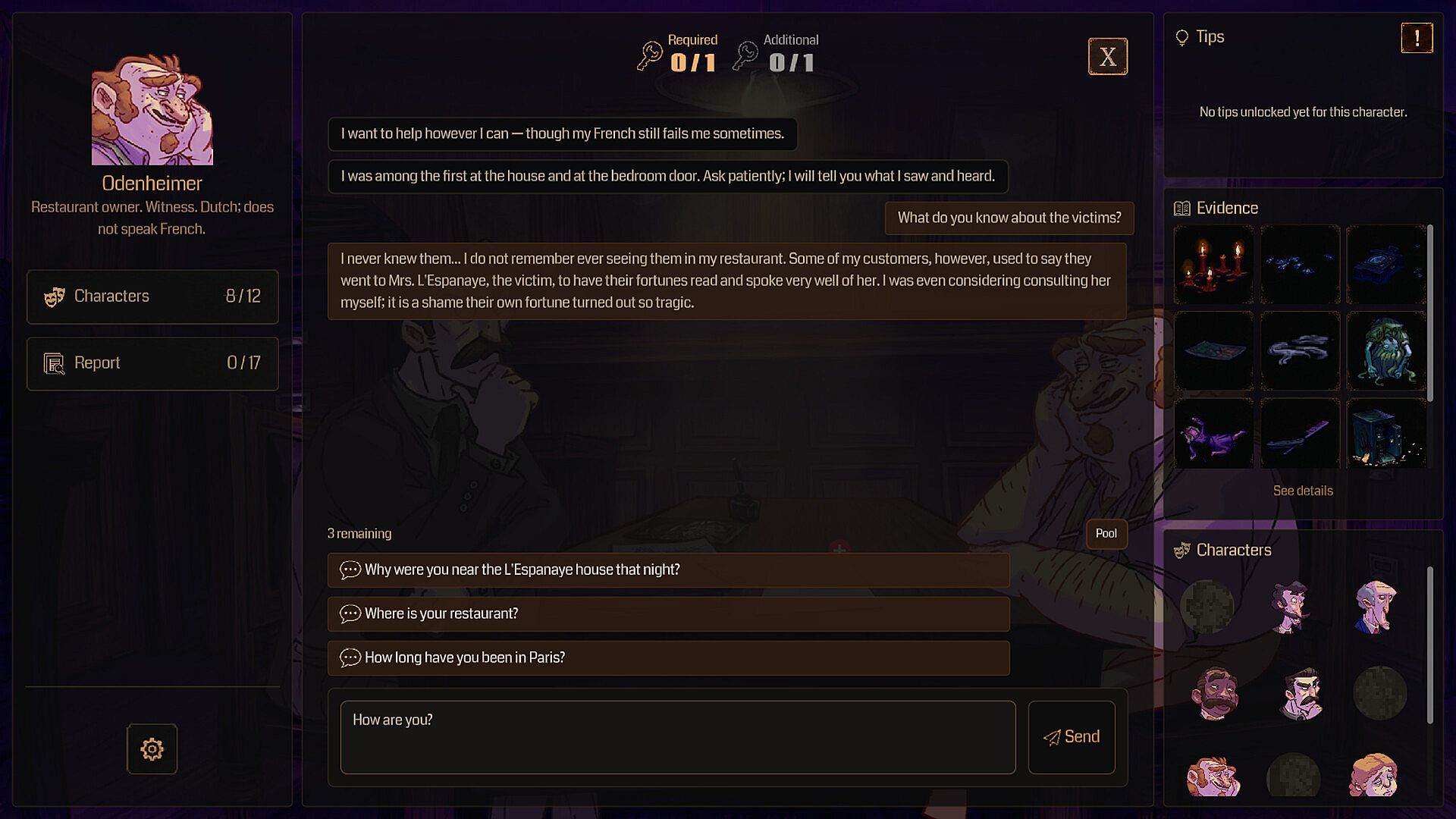
The core loop revolves around methodical investigation of handcrafted 2D crime scenes. Players search detailed environments for physical clues and forensic evidence that form the foundation of each case. Once evidence is gathered, the focus shifts to interrogation, where a custom interface allows typing open-ended questions directly to suspects and witnesses.
Suspects respond based on their individual personalities, motives, and hidden details, creating a dynamic exchange that rewards careful phrasing and follow-up inquiries. Inconsistencies between statements and physical evidence must be identified and cross-referenced to build a complete case file. The process culminates in assembling clues, alibis, and testimonies into a formal conclusion submitted for verification against the facts.
Visual presentation features striking art direction paired with eerie sound design that supports the gothic tone. The game supports English and Portuguese, and an active internet connection is required to access the servers handling dialogue responses.
Game Modes
Folio Detective operates as a single-player experience focused on sequential case resolution. There are no separate multiplayer or competitive modes. The structure centers on one primary investigation at launch, with mechanics that emphasize player-driven deduction rather than branching story paths or additional scenarios.
Progression follows a linear case structure where exploration, interrogation, and deduction feed into a single overarching resolution. This format suits players who prefer concentrated narrative puzzles over extended campaigns or varied gameplay variants.
Key Mechanics
Dynamic interrogation stands out as the central system. Instead of selecting from preset options, players craft their own lines of questioning, and responses adapt in real time according to the suspect's profile and prior answers. This encourages experimentation with different approaches to uncover contradictions or new leads.
Evidence management requires constant comparison between scene findings and testimony. Players build a case dossier by logging relevant details, which then supports the final deduction submission. The system places the analytical responsibility on the player, relying on observation and logical connections rather than automated assistance.
Is It Worth Playing?
Folio Detective appeals to players who enjoy narrative-driven adventure games with a strong emphasis on deduction and psychological elements. Its typing-based interrogation adds a layer of interactivity uncommon in the genre, rewarding those comfortable with open-ended input and iterative questioning.
The game suits fans of classic mystery fiction who appreciate atmospheric settings and logical puzzle-solving without reliance on action or resource management. Availability on PC through browser play and mobile platforms makes it accessible for short, focused sessions centered on a single case.
Reception highlights the unique interrogation approach and gothic presentation as strengths for the target audience, though the requirement for an internet connection and the focused scope of the initial case may limit broader appeal. Those seeking a deliberate, logic-heavy detective experience will find the mechanics align closely with that preference.











