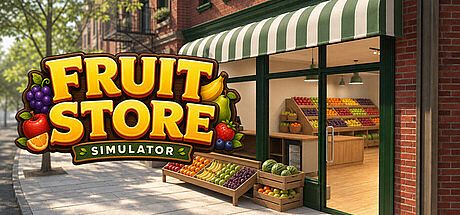


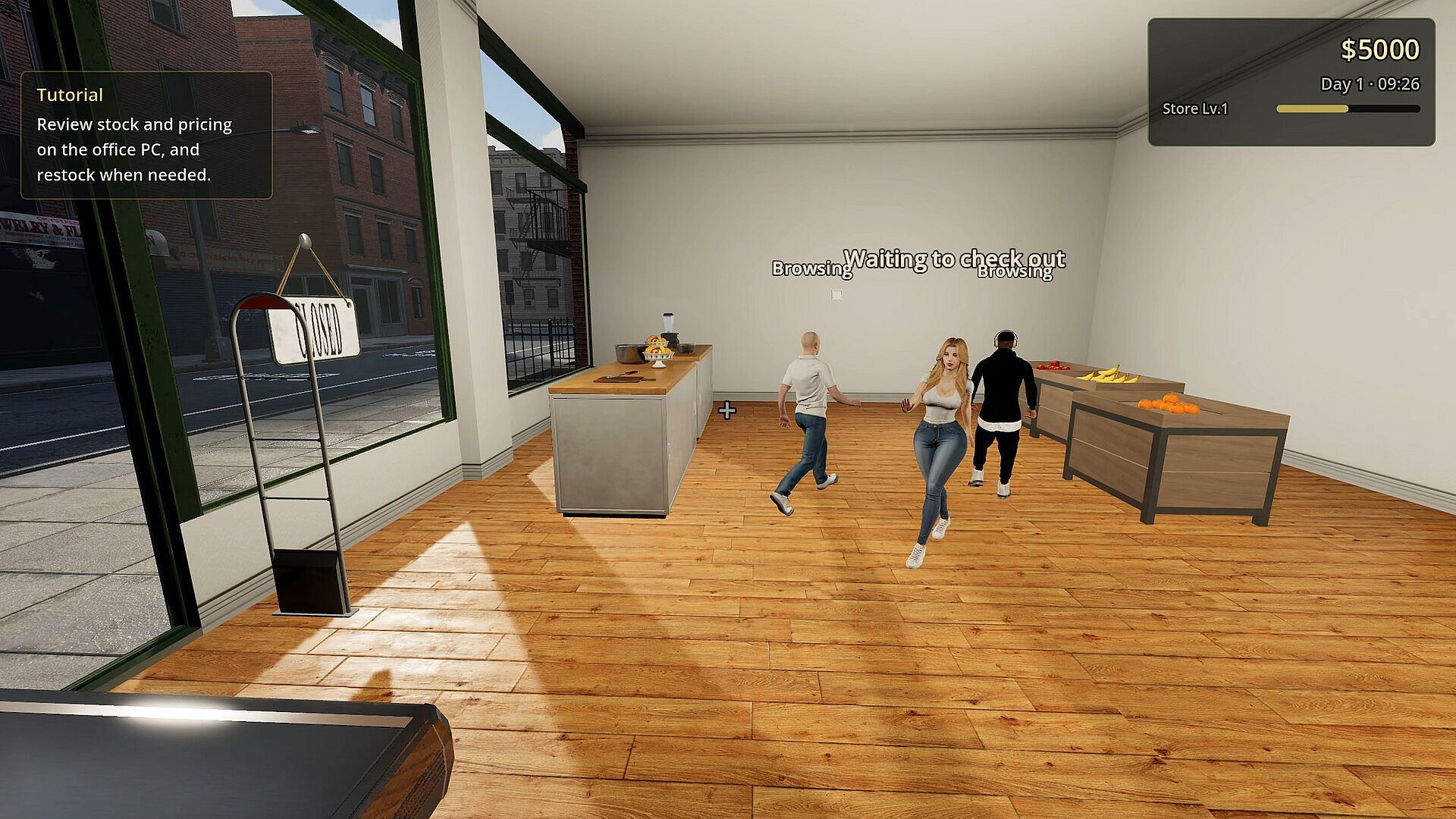
Fruit Store Simulator est un jeu de simulation casual centré sur la gestion quotidienne d'une petite fruiterie de quartier. En vue à la première personne sur PC, le joueur prend en charge toutes les opérations, de la commande des produits le matin au bilan de la journée en soirée. L'expérience repose sur des tâches concrètes : remplir les présentoirs, fixer les prix et servir les clients directement à la caisse ou aux postes de préparation.
Gameplay
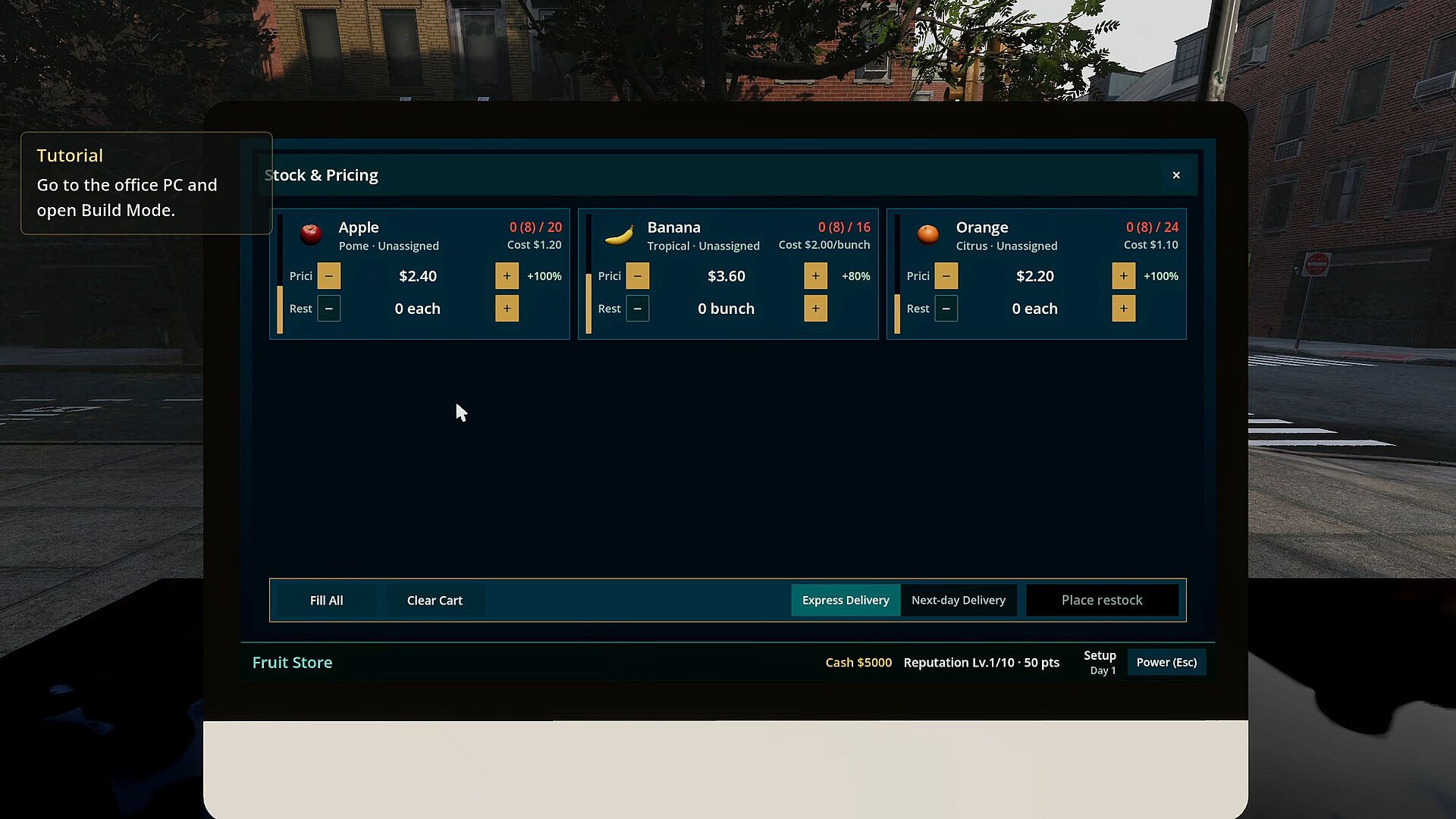
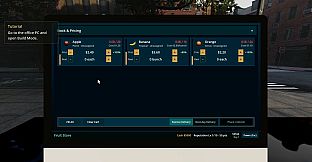
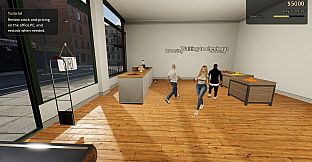
Chaque journée commence par un contrôle des stocks et une commande de fruits frais adaptés à la demande prévue. Une fois les livraisons déballées, les fruits sont disposés dans les vitrines afin de maintenir un magasin accueillant et bien approvisionné. Les décisions de prix sont cruciales : chaque produit possède un coût d'achat, un prix de vente suggéré et une fourchette que les clients acceptent réellement. Un prix trop élevé entraîne des pertes de ventes, tandis qu'un prix trop bas réduit les marges ; il faut donc trouver le juste équilibre à mesure que le flux de clients augmente.
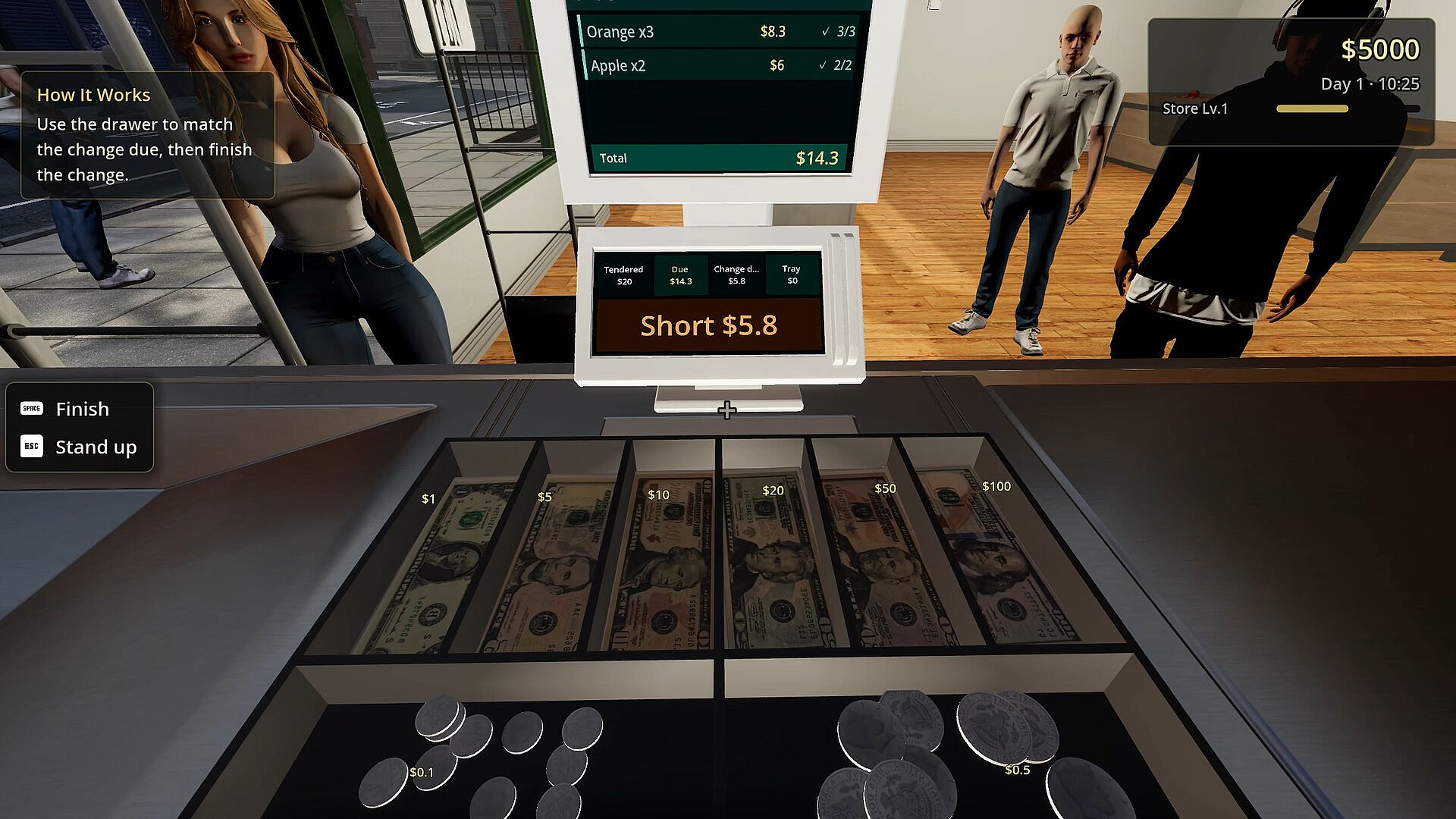
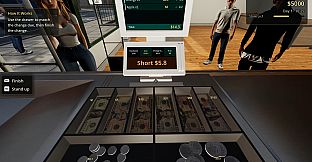
À l'ouverture, les clients parcourent les présentoirs et forment la queue à la caisse. Le joueur passe derrière le comptoir pour scanner les achats et encaisser les paiements en espèces, par carte ou via mobile. Des rayons vides ou un service trop lent font partir les clients sans achat, ce qui impacte directement le chiffre d'affaires. Les commandes de fruits frais coupés ou de jus nécessitent de se rendre aux postes dédiés, où des actions rapides de découpe ou des séquences de pressage permettent de les honorer. Un service plus rapide et plus précis améliore les scores de satisfaction, qui influencent la réputation globale du magasin.
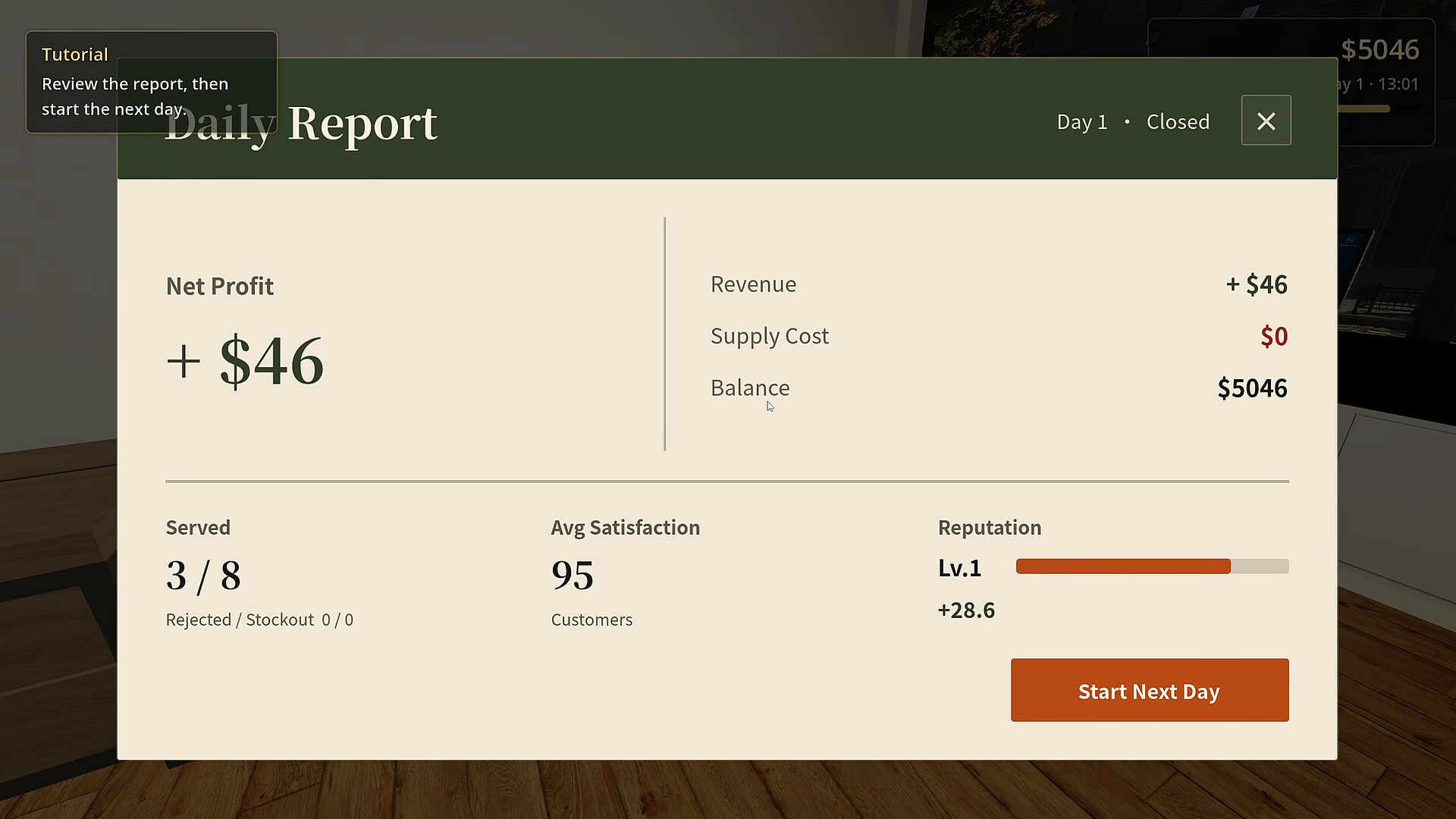
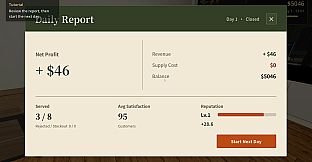
À la fermeture, un récapitulatif complet présente le chiffre d'affaires, les frais de réapprovisionnement, les marges, le flux de clients, les indicateurs de service et le niveau de réputation. Ces données orientent les décisions d'investissement pour le lendemain.
Modes de jeu
L'expérience principale suit un cycle quotidien en solo qui s'intensifie progressivement. Préparation, service client et analyse de fin de journée constituent la structure récurrente, sans mode compétitif ni coopératif distinct. La progression s'effectue au fil des cycles, débloquant des espaces de vente plus grands, des zones d'exposition supplémentaires, de meilleurs fournisseurs et de nouvelles variétés de fruits à proposer.
Progression et gestion du magasin
La réinjection des bénéfices alimente la croissance sur plusieurs axes. Les gains permettent d'agrandir le magasin, d'ajouter des présentoirs et d'accéder à des chaînes d'approvisionnement plus avantageuses, réduisant les coûts ou enrichissant l'offre. De nouvelles méthodes de préparation se débloquent avec l'amélioration de la réputation, permettant de traiter des commandes plus complexes sans perte d'efficacité. La gestion des stocks demande une attention constante : une rupture sur un produit populaire en heure de pointe réduit immédiatement les ventes et la satisfaction.
La réputation constitue un indicateur à long terme qui reflète la régularité des performances en matière de prix, de rapidité et de qualité de service. Une meilleure réputation attire davantage de clients et facilite les améliorations, créant un cercle vertueux lié à l'exécution quotidienne.
Ça vaut le coup d'y jouer ?
Fruit Store Simulator s'adresse aux joueurs qui apprécient une gestion de magasin méthodique avec un contrôle direct sur chaque tâche. La perspective à la première personne met l'accent sur les actions manuelles : déballer les caisses, agencer les présentoirs, scanner les articles et préparer les commandes aux postes dédiés. Ceux qui recherchent un jeu de simulation casual récompensant la planification et l'efficacité des routines apprécieront la structure quotidienne. Le jeu étant encore en développement, avec une date de sortie à venir et aucun avis disponible pour l'instant, les joueurs intéressés peuvent suivre les mises à jour sur la page officielle du magasin pour découvrir les fonctionnalités finales et les performances au lancement. Les systèmes présentés mettent l'accent sur des décisions commerciales réalistes, sans couche supplémentaire comme le multijoueur compétitif ou des événements saisonniers.