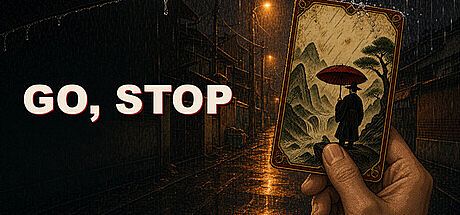


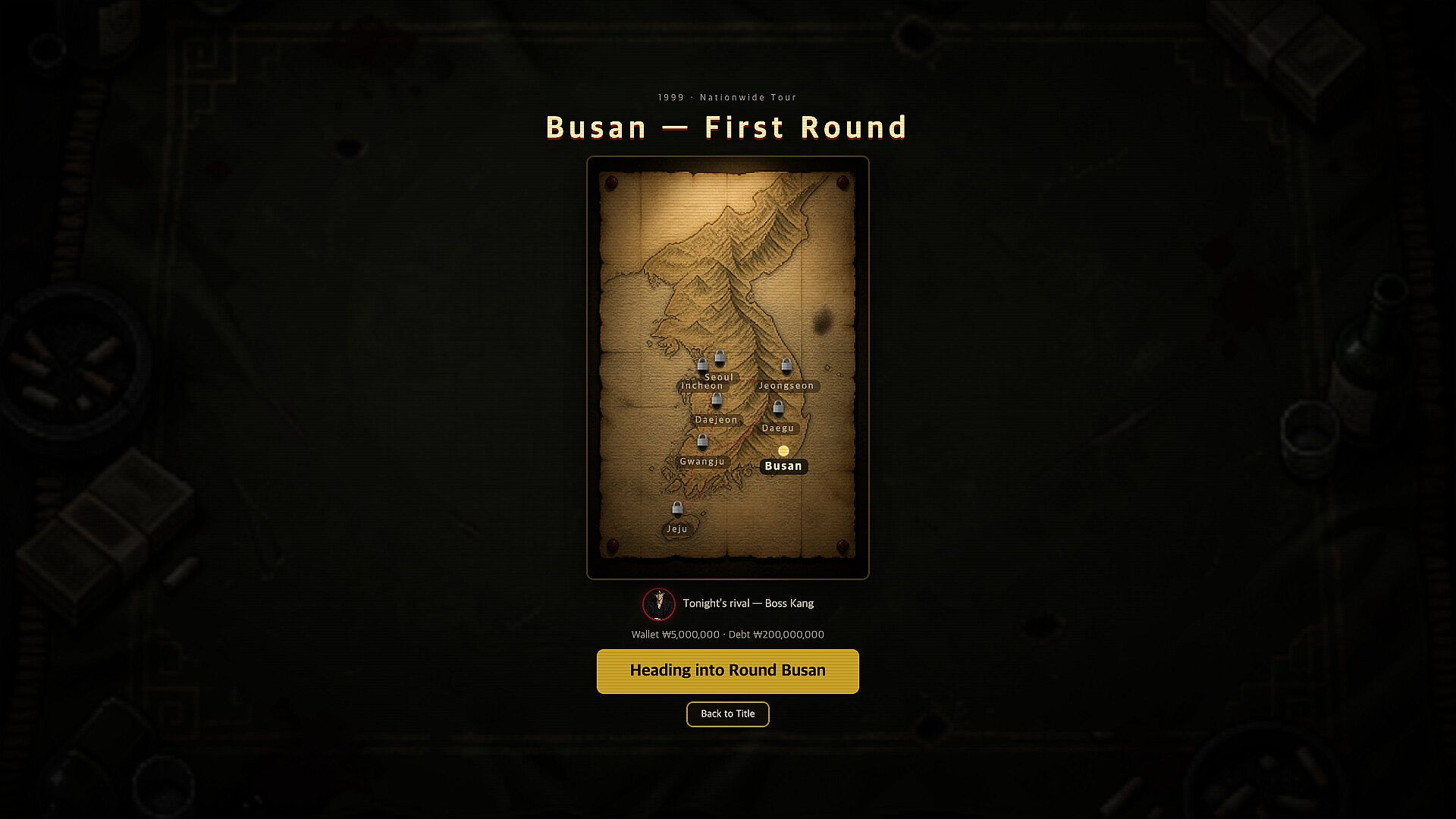
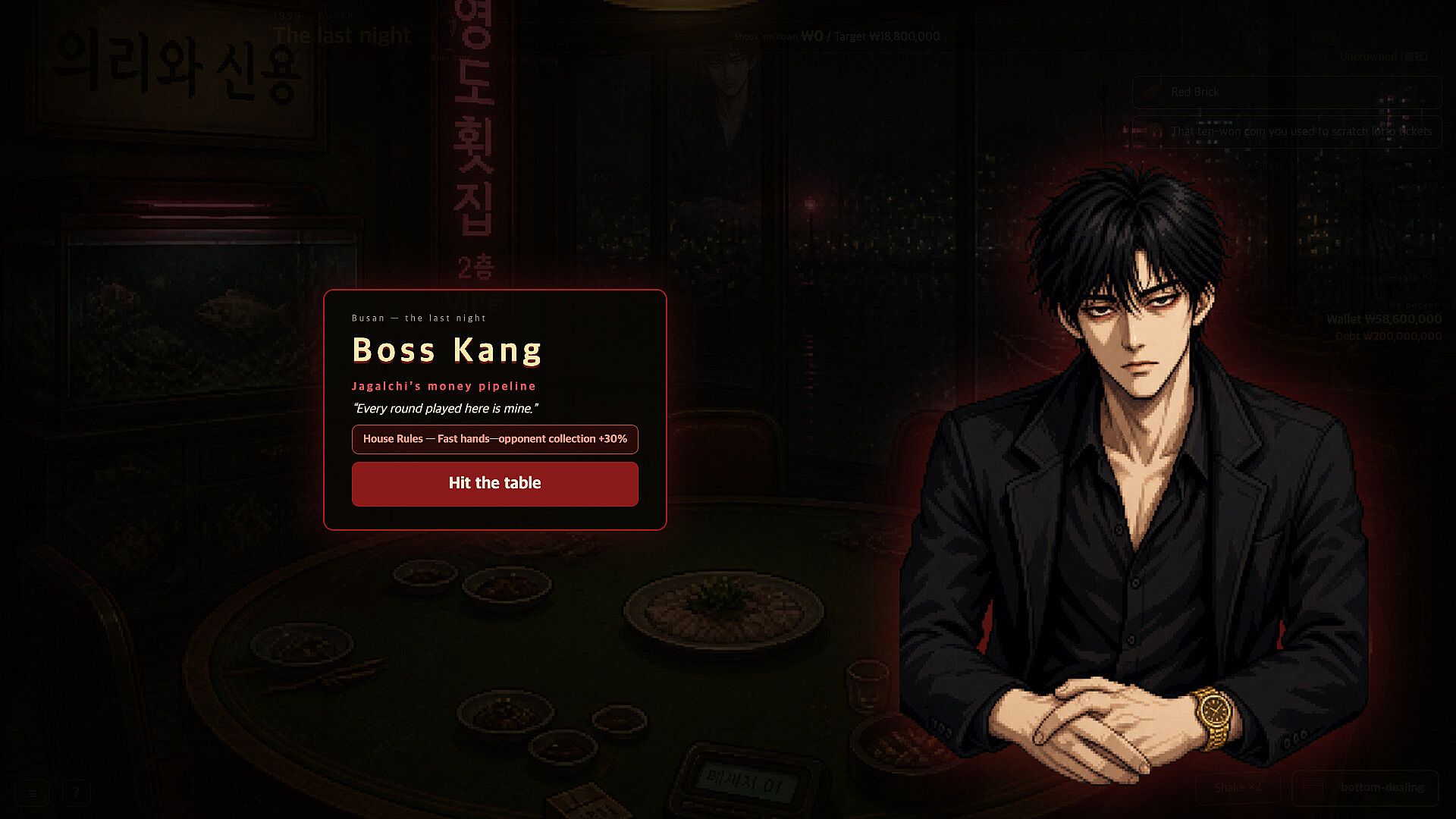
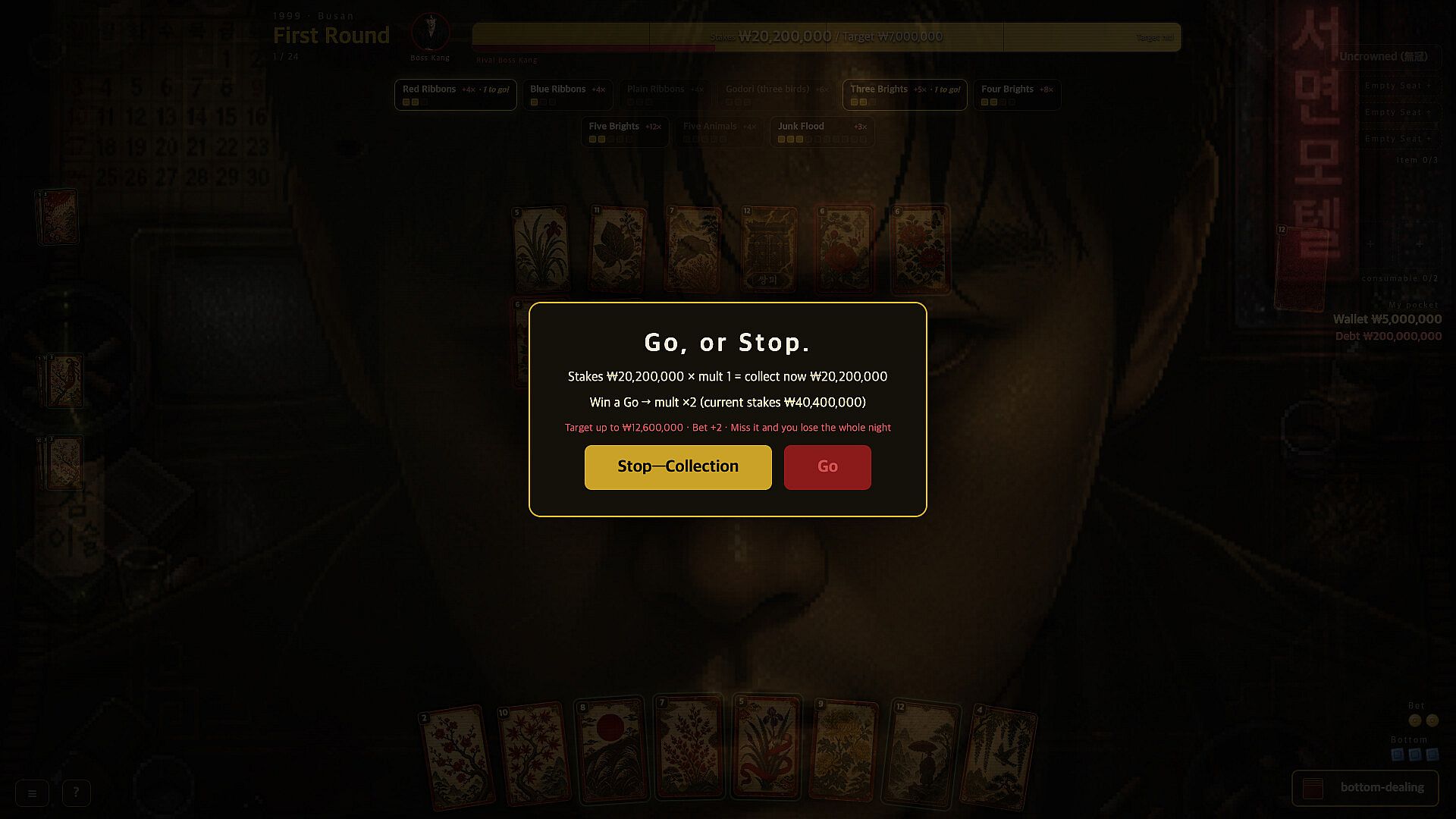
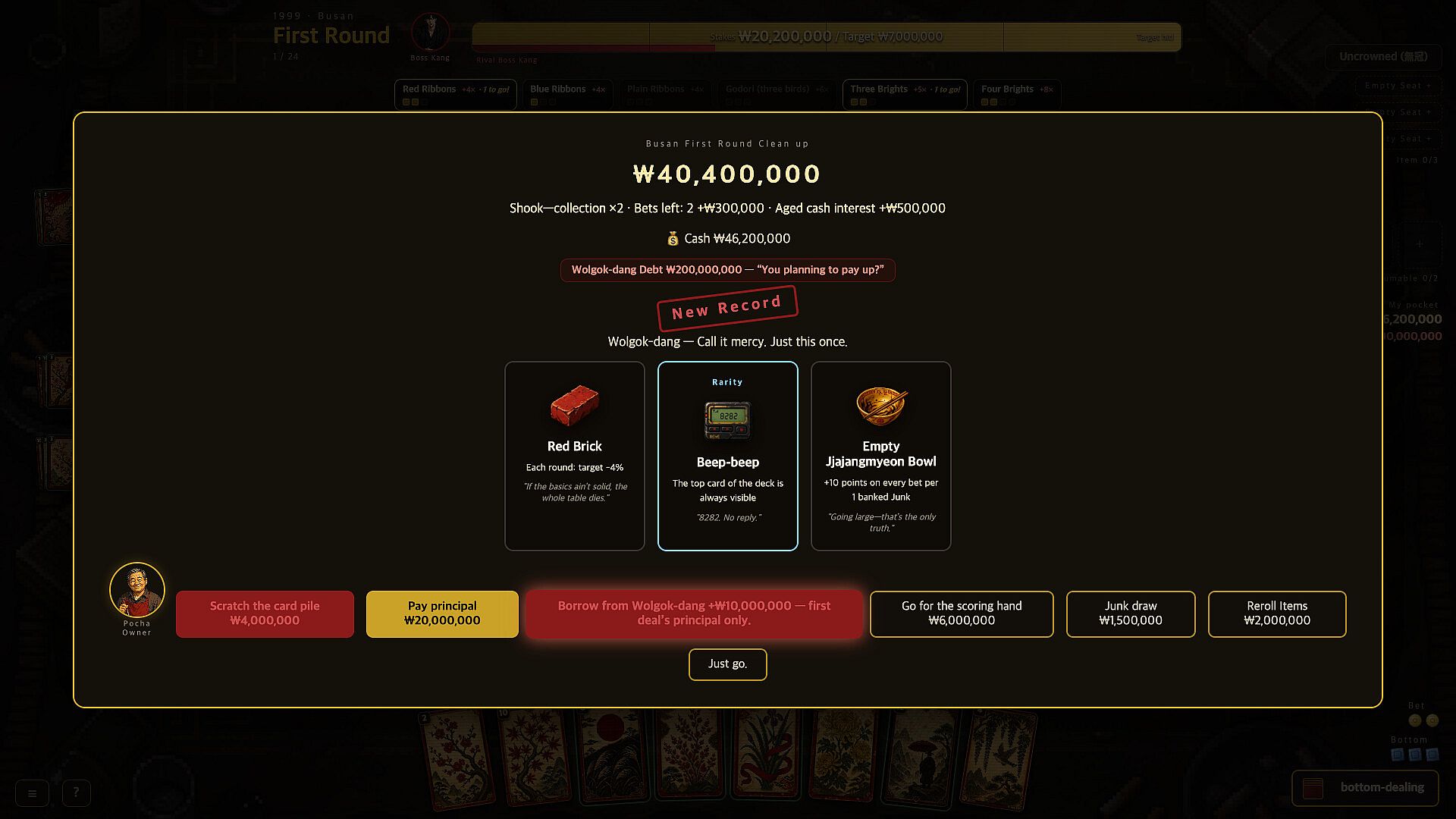
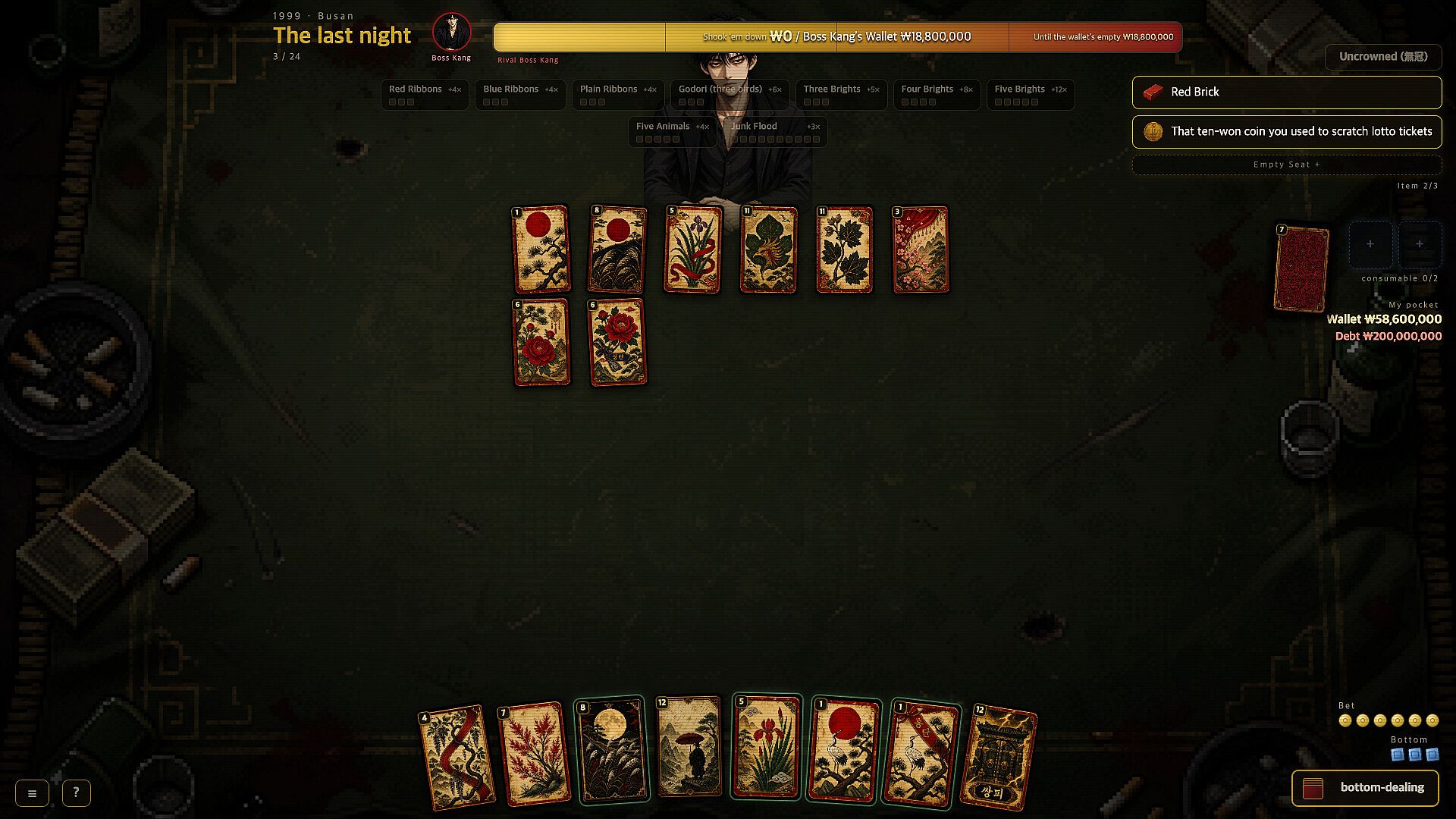
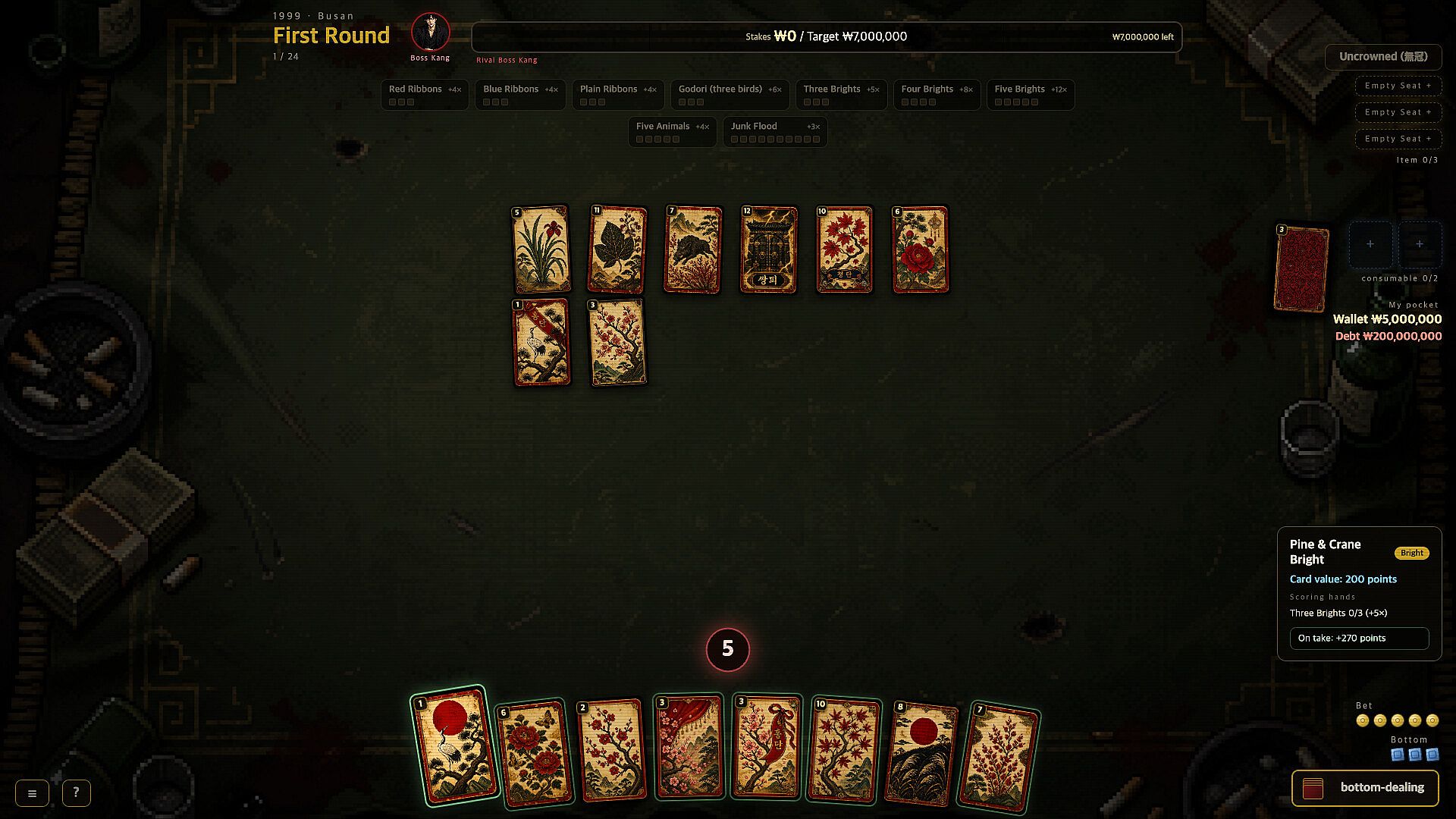
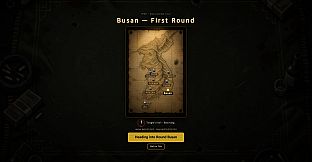
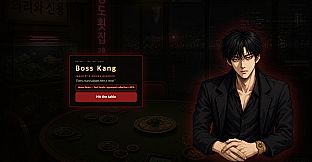
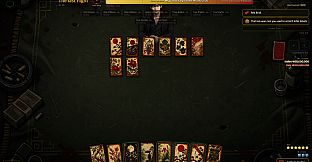
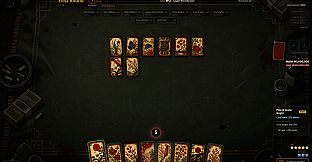
GO, STOP est un roguelike deckbuilder qui plonge le joueur dans la peau d'un débiteur affrontant des parties de hwatu, le jeu de cartes coréen traditionnel, dans le Busan de 1999 et au-delà. Le titre mêle stratégie et fluidité en se concentrant sur l'association de cartes par mois, la constitution de combinaisons et la gestion du risque face à des adversaires de plus en plus coriaces autour d'une table pliante.
Gameplay
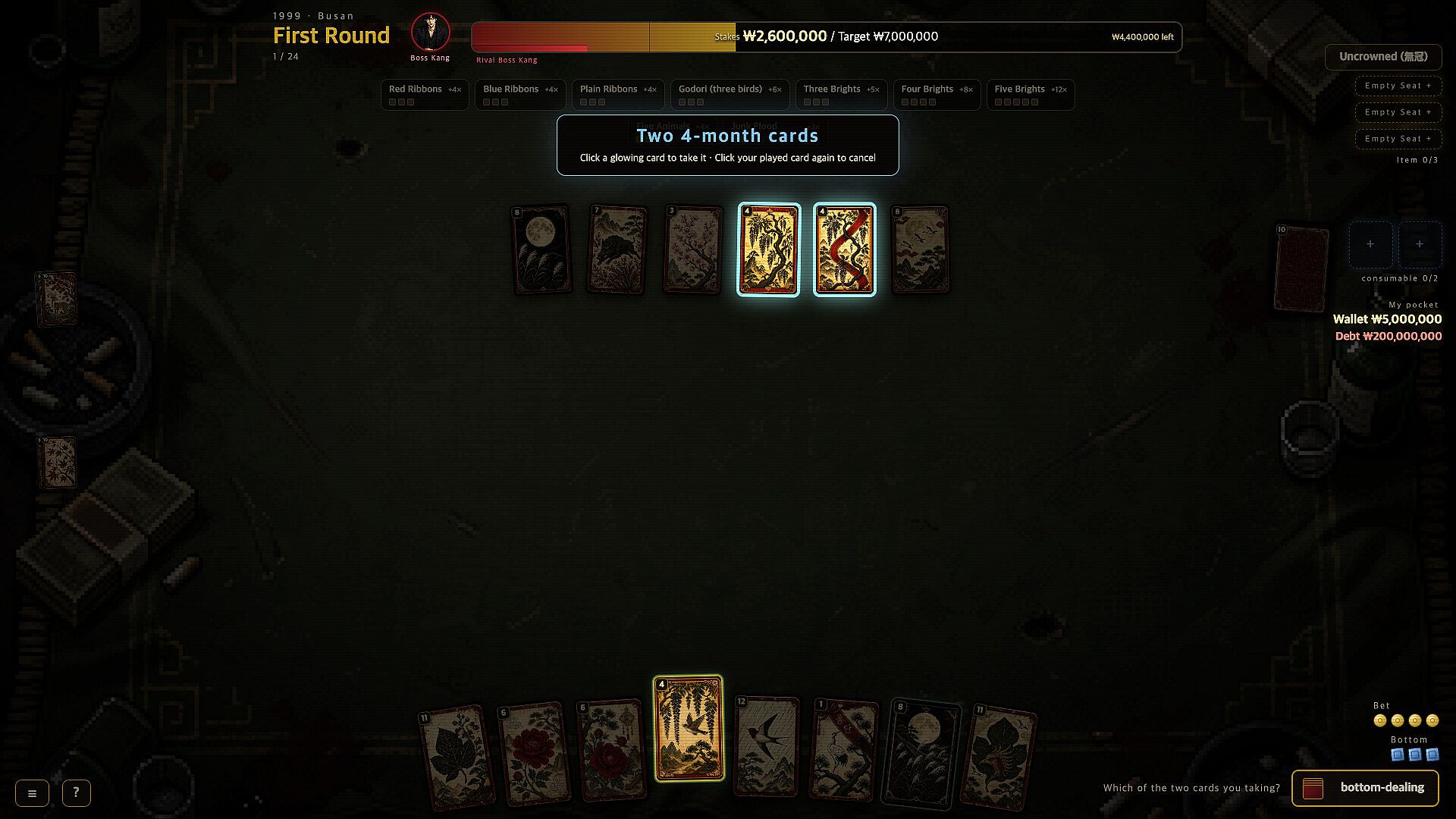
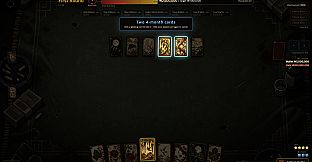
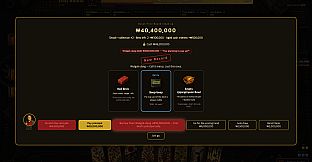
Le cœur du jeu repose sur un paquet de 48 cartes hwatu, chacune portant un numéro de mois visible. Le joueur capture des séries sur la table centrale et transforme fleurs et symboles en points convertis en argent pour rembourser une dette qui ne cesse de croître. Chaque run s'étend sur plusieurs nuits : le joueur collecte des charmes qui modifient les règles de score, des cartes fantômes qui ouvrent de nouvelles possibilités et des consommables offrant des avantages temporaires.
La tricherie fait partie intégrante de la stratégie. Glisser une carte depuis le bas du paquet ou secouer une combinaison de trois cartes du même mois permet d'augmenter ses gains, mais expose au risque d'être pris en faute, ce qui entraîne des pénalités. Ces mécaniques sont introduites progressivement, sans tutoriel long, grâce à des explications qui apparaissent à l'écran lors de la première utilisation d'un tour.
La progression est liée à la pression narrative de la dette. Le capital augmente à chaque changement de ville et les intérêts s'accumulent tous les trois soirs, obligeant le joueur à décider s'il emprunte davantage ou tente de remporter de plus gros gains. Huit villes distinctes proposent chacune un boss appliquant des règles maison spécifiques, créant des défis variés qui testent l'efficacité du deck et des tactiques accumulés au fil des runs.
Game Modes
Le jeu se concentre sur une campagne solo en structure roguelike. Chaque run couvre trois nuits par ville à travers huit lieux, de Busan à Séoul, face à des adversaires de plus en plus exigeants et à une dette qui s'alourdit à chaque étape.
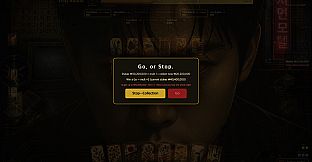
À chaque manche, le joueur doit choisir entre s'arrêter une fois l'objectif atteint pour sécuriser la mise ou annoncer Go pour doubler le multiplicateur et poursuivre. Cette option augmente les enjeux pour tous les participants et permet à un rival de remporter la manche entière. Ce système de push-your-luck se répète d'une nuit à l'autre et influence la manière dont le deck et les charmes sont exploités d'une ville à l'autre.
Core Mechanics and Progression
Cinquante charmes offrent des effets qui brisent les règles et encouragent l'expérimentation d'un run à l'autre, tandis que soixante cartes fantômes introduisent des ajouts non standards qui élargissent les possibilités de combinaisons. Les éditions de cartes et les améliorations de main se conservent de façon limitée, incitant à affiner ses stratégies plutôt qu'à compter sur la chance. L'absence de mode multijoueur traditionnel maintient l'accent sur les runs solo où chaque décision fait avancer l'horloge de la dette.
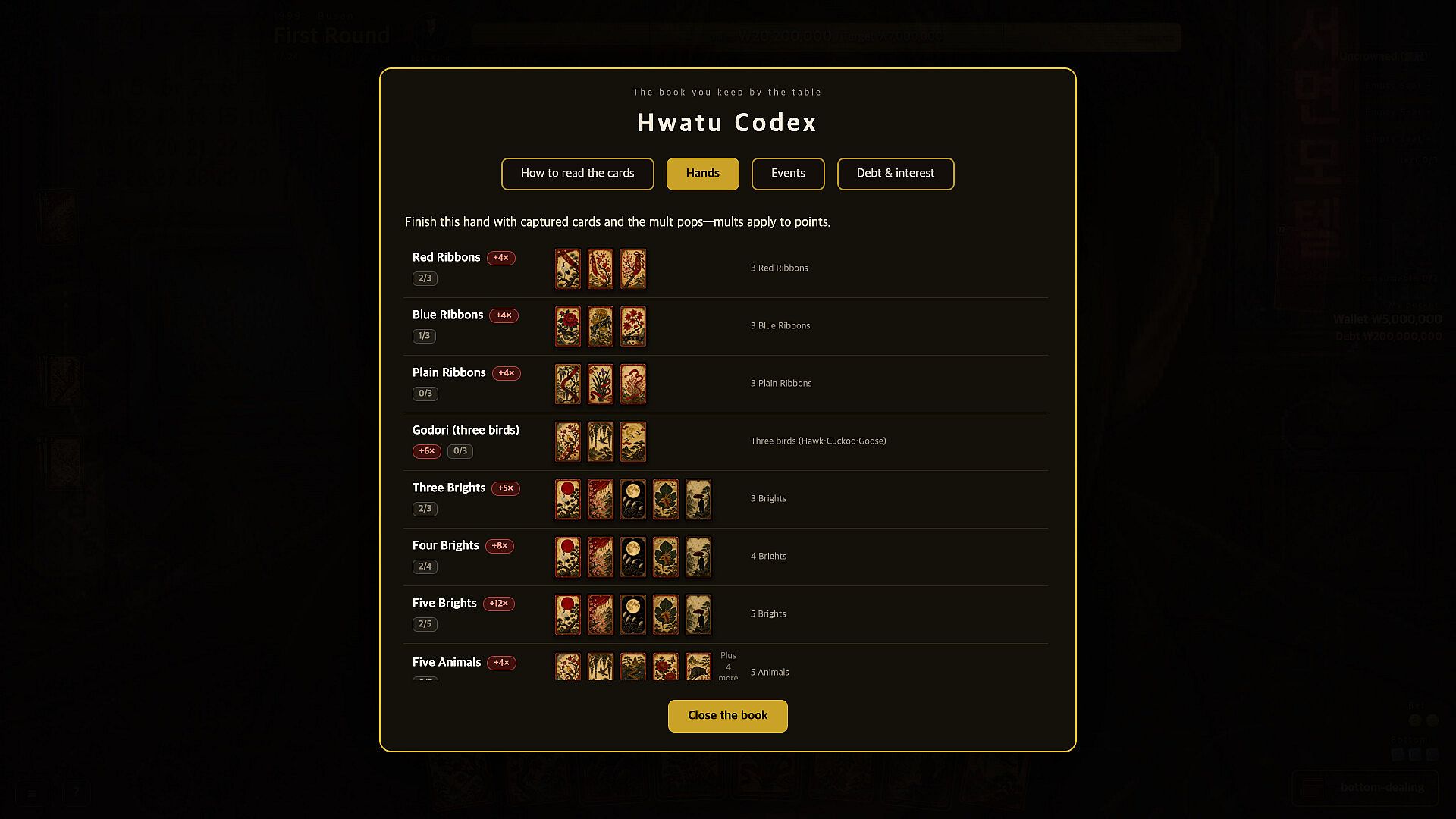
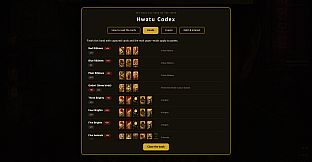
Des fonctionnalités d'accessibilité facilitent la découverte du hwatu : les numéros de mois sont indiqués directement sur les cartes et un codex fournit des références rapides. Les adversaires respectent des règles cohérentes qui varient selon la ville, garantissant que chaque run propose de nouveaux casse-tête tactiques sans complexité excessive.
Is It Worth Playing?
GO, STOP s'adresse aux amateurs de roguelike deckbuilders dotés d'un fort ancrage thématique et d'une tension risque-récompense marquée. L'intégration du hwatu authentique et du choix Go ou Stop crée une boucle distinctive qui récompense l'observation attentive de la table et l'agressivité bien dosée. Ceux qui apprécient les jeux de stratégie aux éléments casual légers et à la pression narrative d'une dette grandissante trouveront dans la structure en huit villes une profondeur de rejouabilité réelle, notamment via les combinaisons de charmes et les opportunités de tricherie. Le titre s'impose comme un jeu PC indépendant pour quiconque souhaite explorer un système de cartes ancré culturellement à travers une conception roguelike moderne.