


Good President Simulator is a satirical political simulation game that places players in the role of a local leader rising through the ranks. Developed as an indie strategy title for PC, it combines first-person desk management with faction politics and decision-making under pressure. The core experience revolves around handling laws, visitors, and consequences in a setting that emphasizes personal interaction over abstract menus.
Gameplay
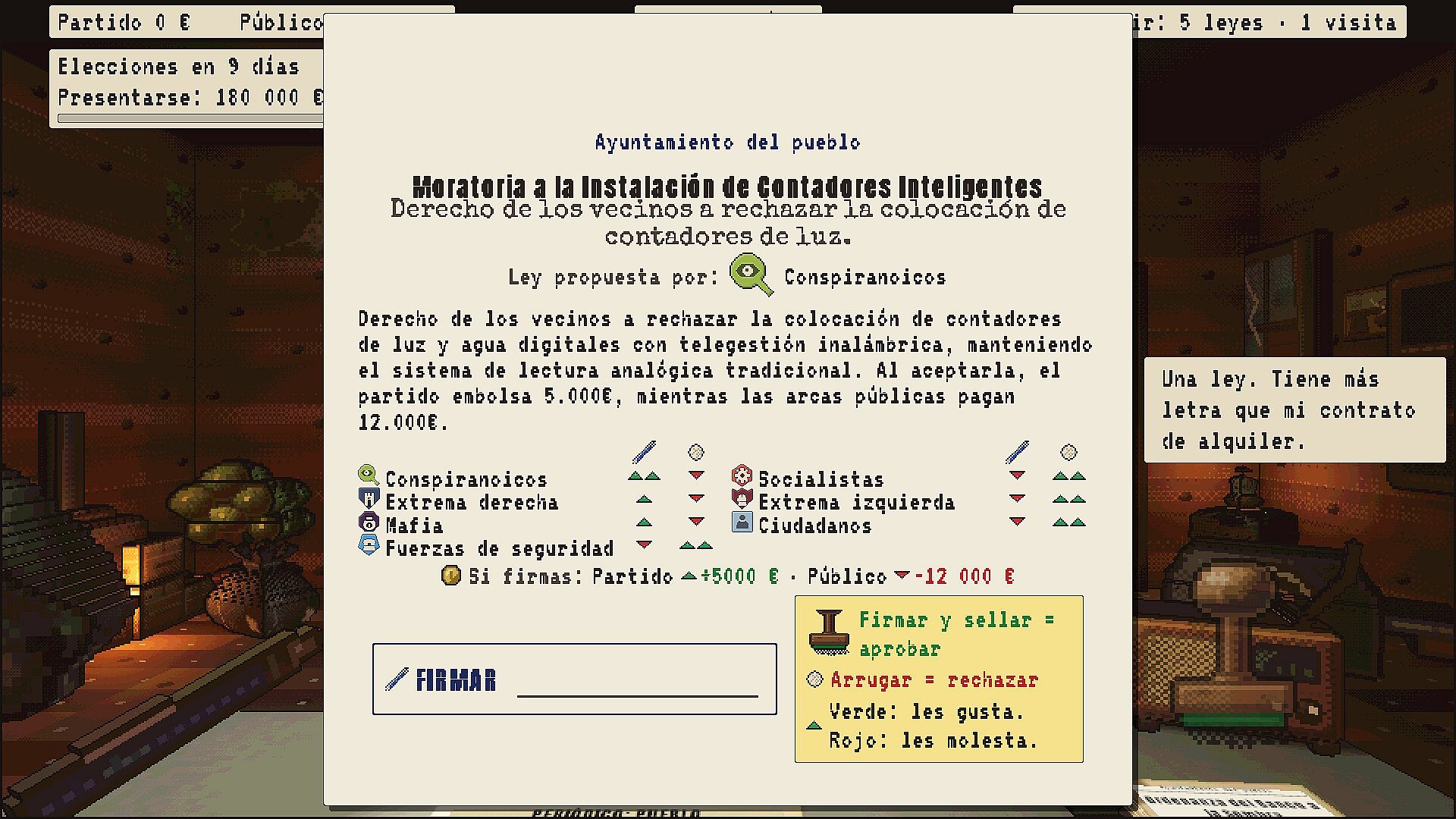
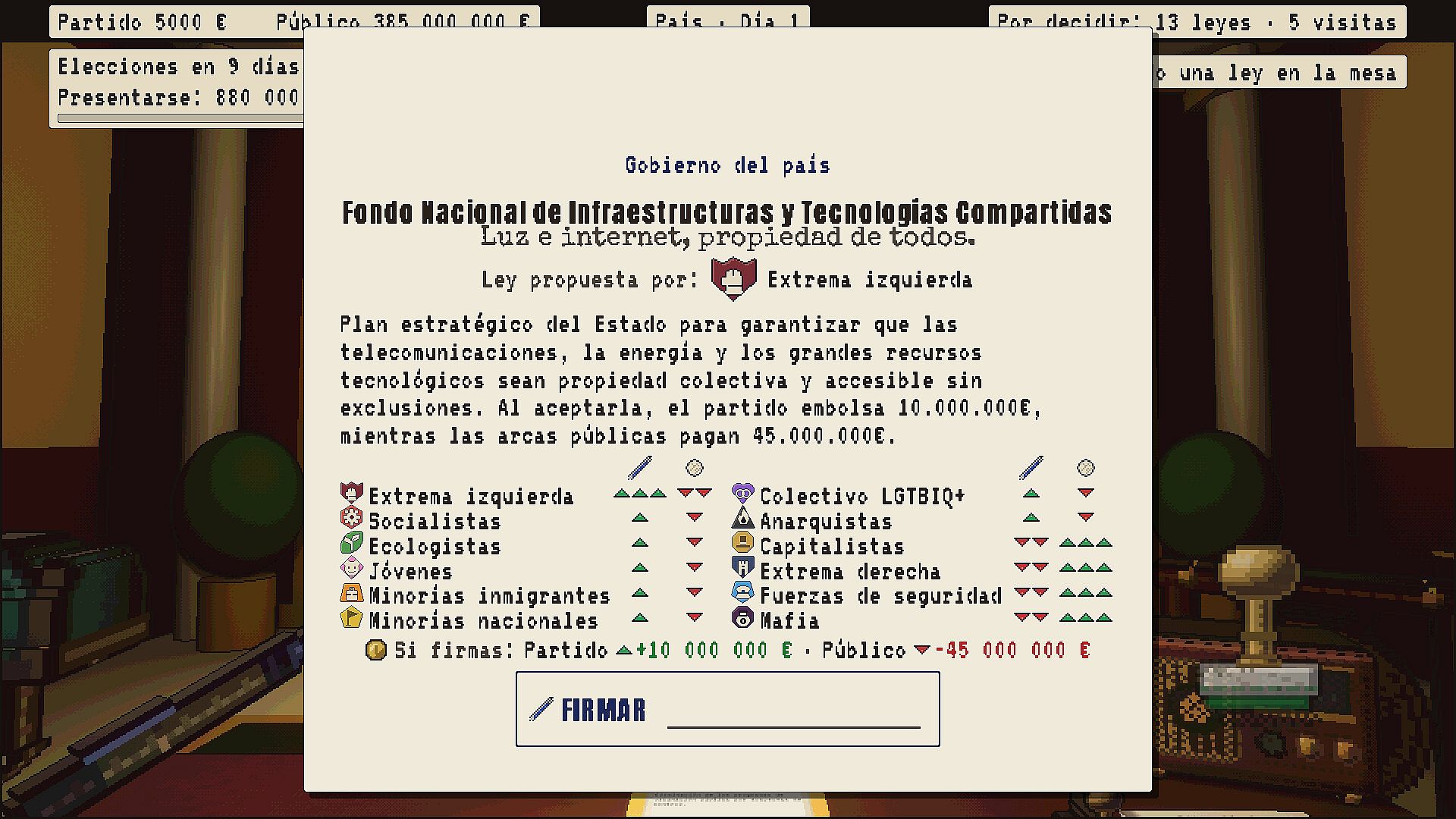
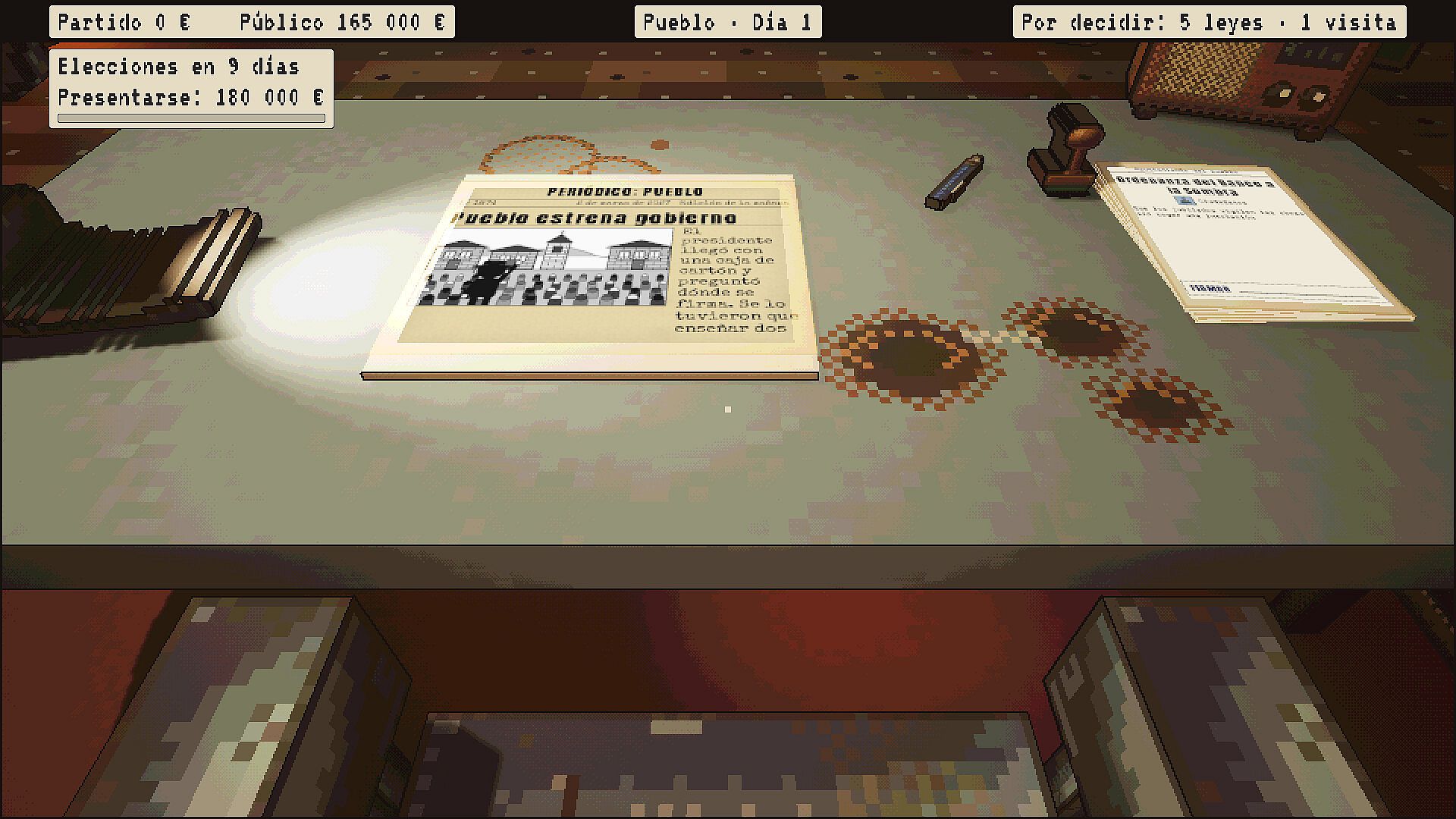
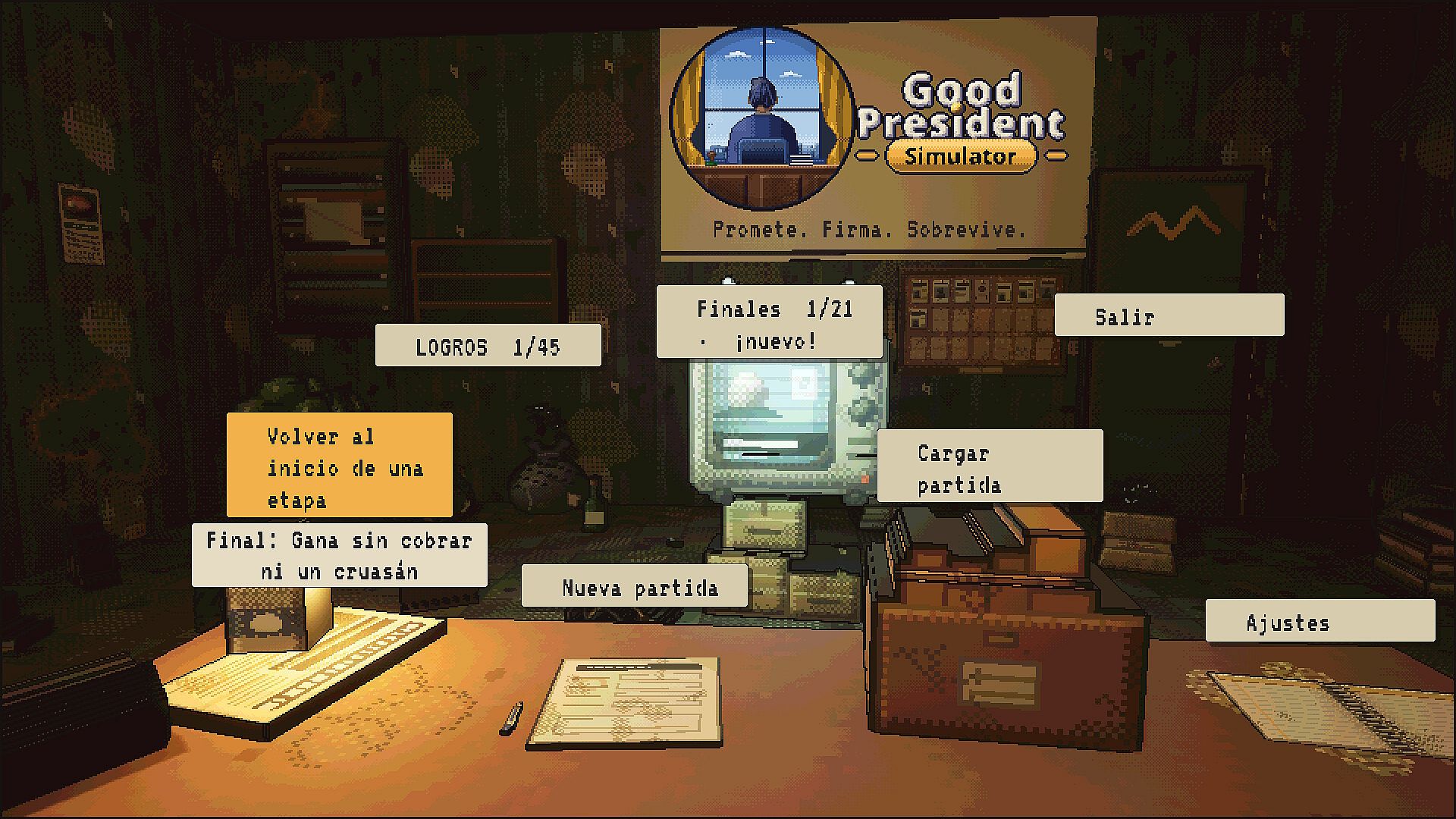
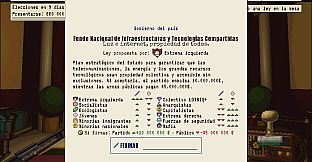
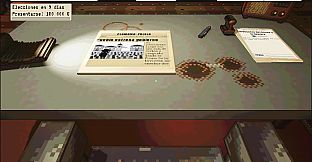
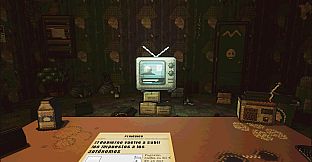
Players sit at a desk in first person and interact directly with physical objects to manage daily affairs. Laws arrive as physical papers that require a drawn signature for approval or get crumpled for rejection. Each document displays faction reactions in green and red, along with effects on party funds and public resources. No decision comes without trade-offs, as every choice shifts balances among interconnected groups.
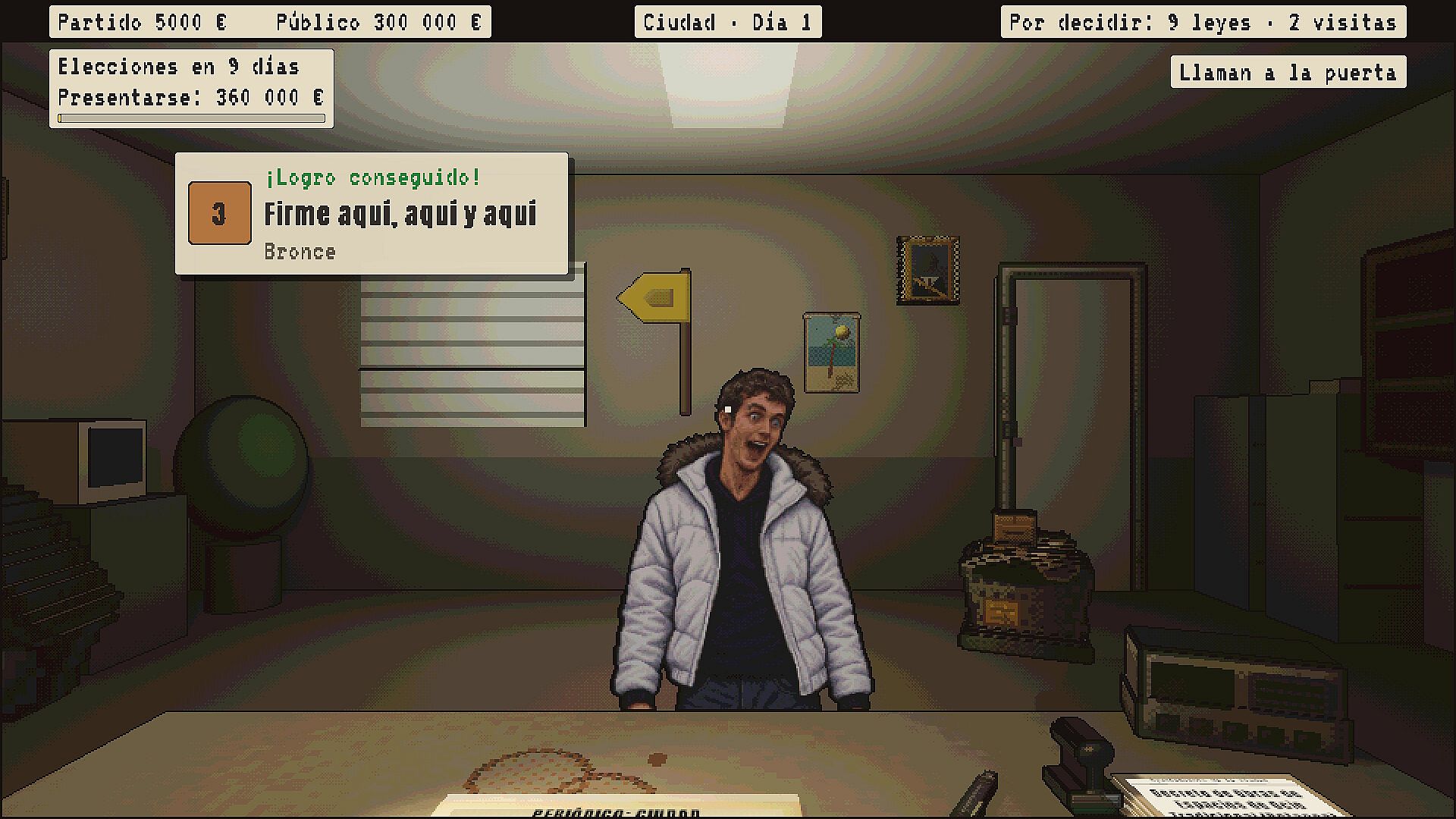
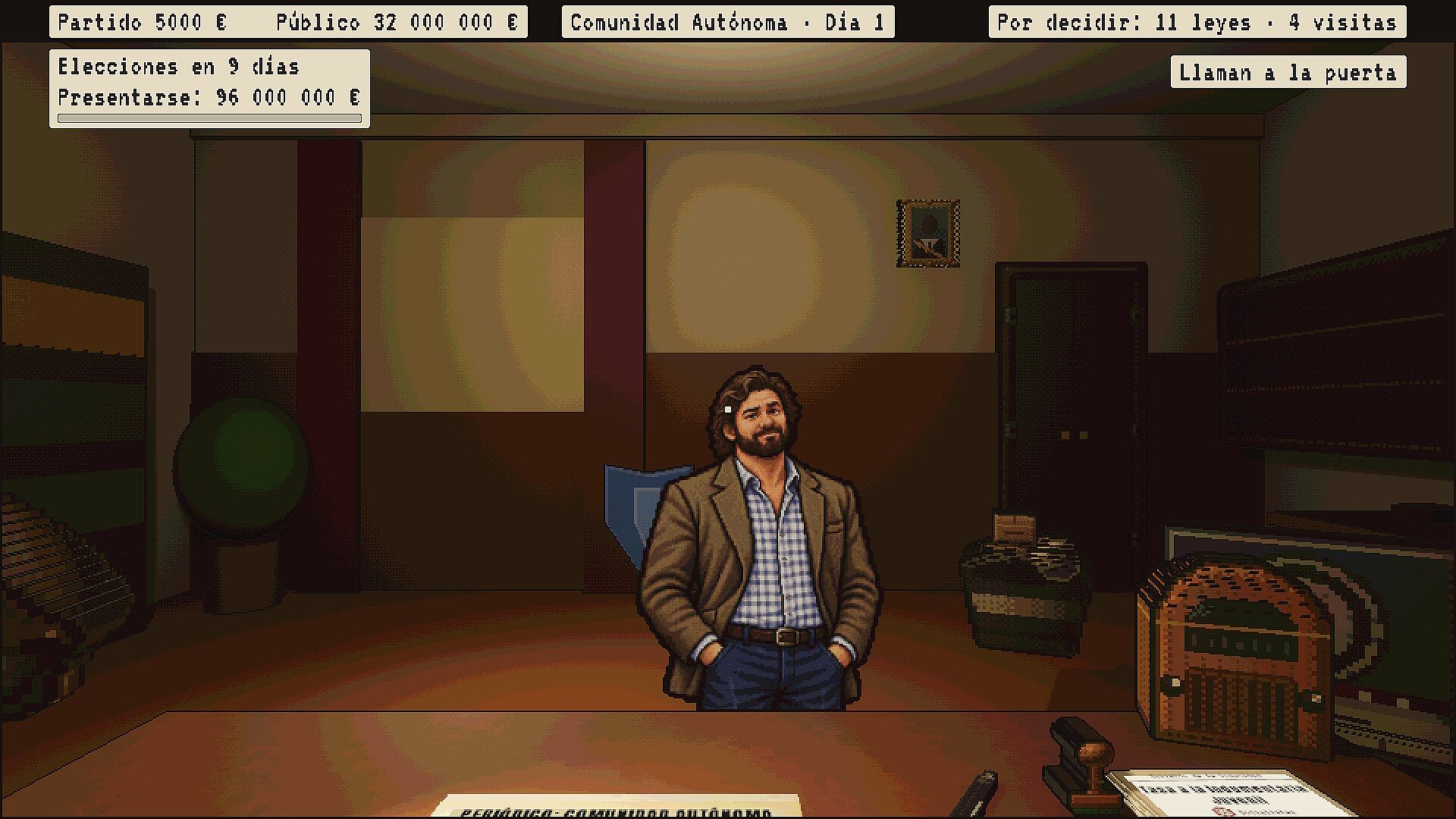
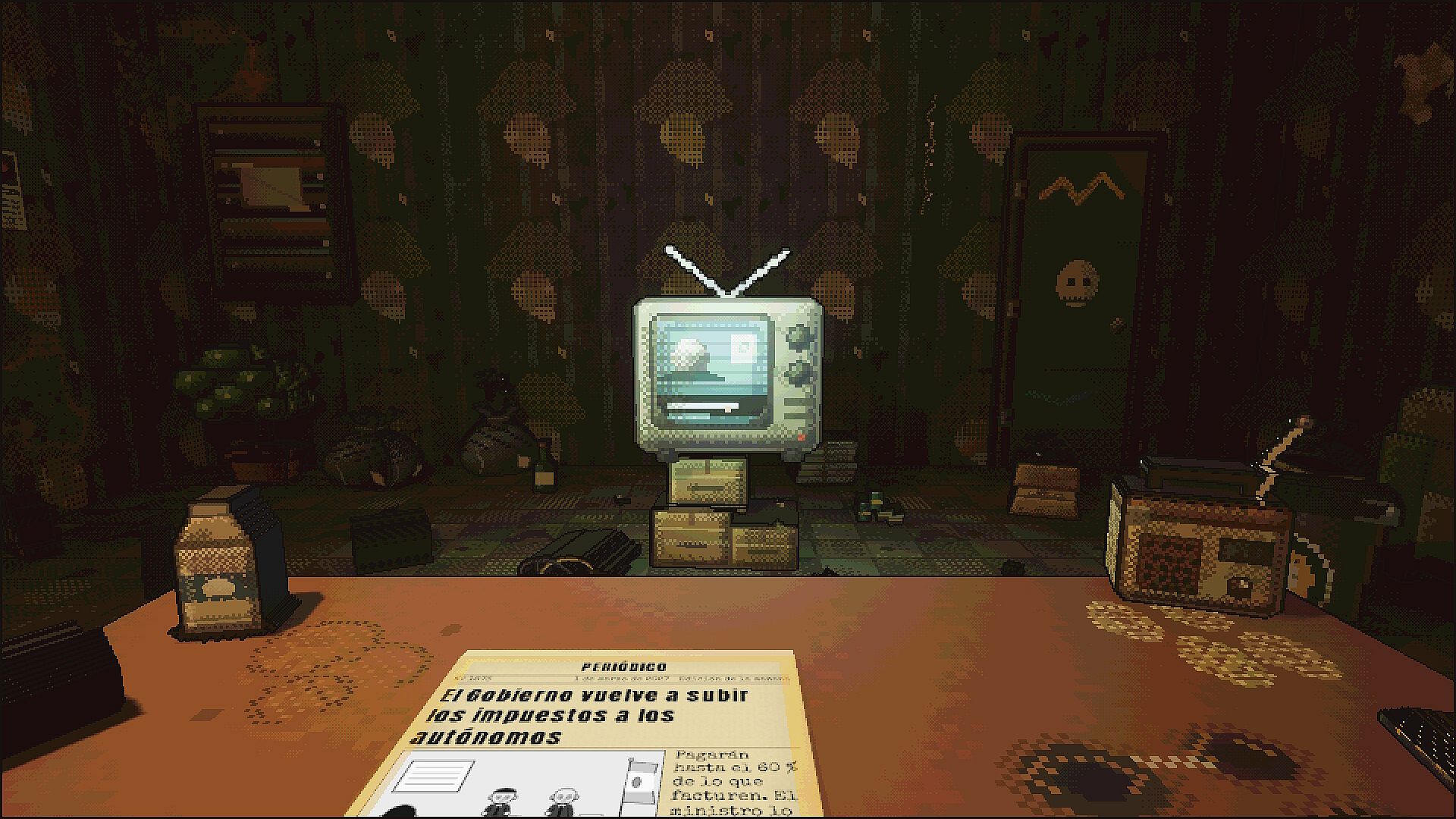
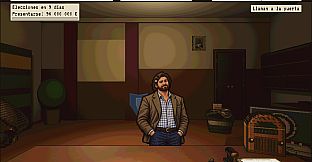
Visitors enter the office to present laws or requests, sometimes offering gifts or envelopes that signal acceptance when taken. Deals without paperwork use a bell system for agreement or refusal. Between tasks, crumpled papers go into a bin that tracks performance. The desk includes tools like a pen, stamp, lamp, and door for ending the day. A newspaper appears each morning with headlines based on prior actions, using the player's town name on the masthead.
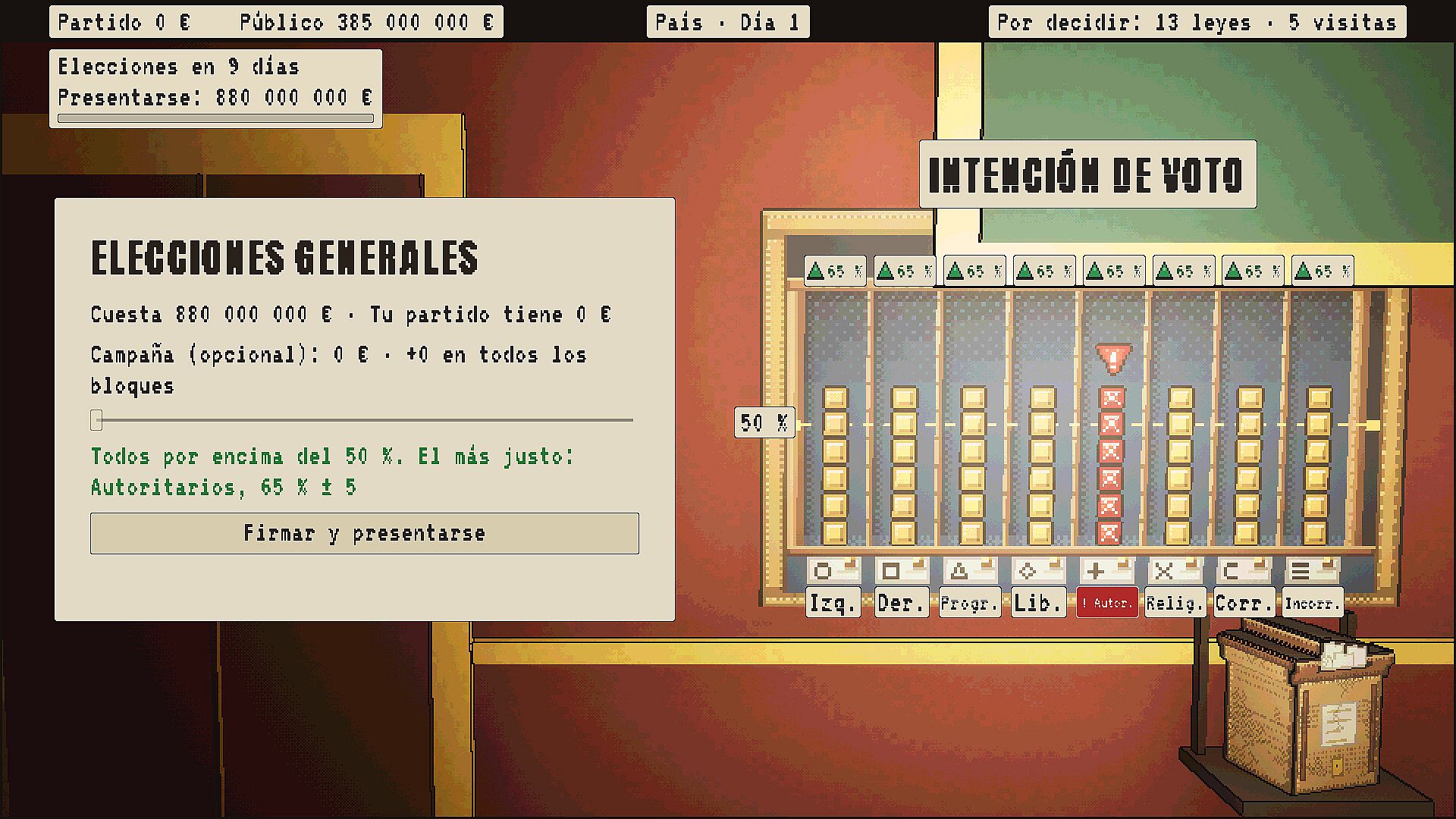
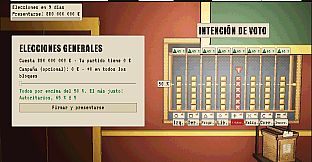
Fifteen factions operate with linked relationships. Supporting one group often angers another, creating a web of alliances and grudges. Factions include socialists, capitalists, greens, the young, security forces, the mafia, and conspiracy-minded individuals among others. Letting any faction reach zero support triggers an ultimatum at the desk. Poll numbers above fifty percent open paths to higher office.
Game Modes
The game follows a single-player progression across four stages of increasing scale: town, city, region, and country. Each stage features a larger office and more influential factions with greater consequences for decisions. Players advance by maintaining poll support and navigating the political web, with no separate multiplayer or alternate modes confirmed.
Progression builds from a modest starting position toward national leadership. The structure emphasizes repeated playthroughs to explore different paths rather than distinct named modes. Outcomes depend on faction management, law approvals, and visitor interactions across the stages.
Progression and Endings
Advancement ties directly to poll performance and faction stability. Reaching the national level involves bigger offices and higher stakes, where one misstep with a faction can lead to confrontation. The game tracks a web of relationships that rewards careful balancing over outright favoritism.
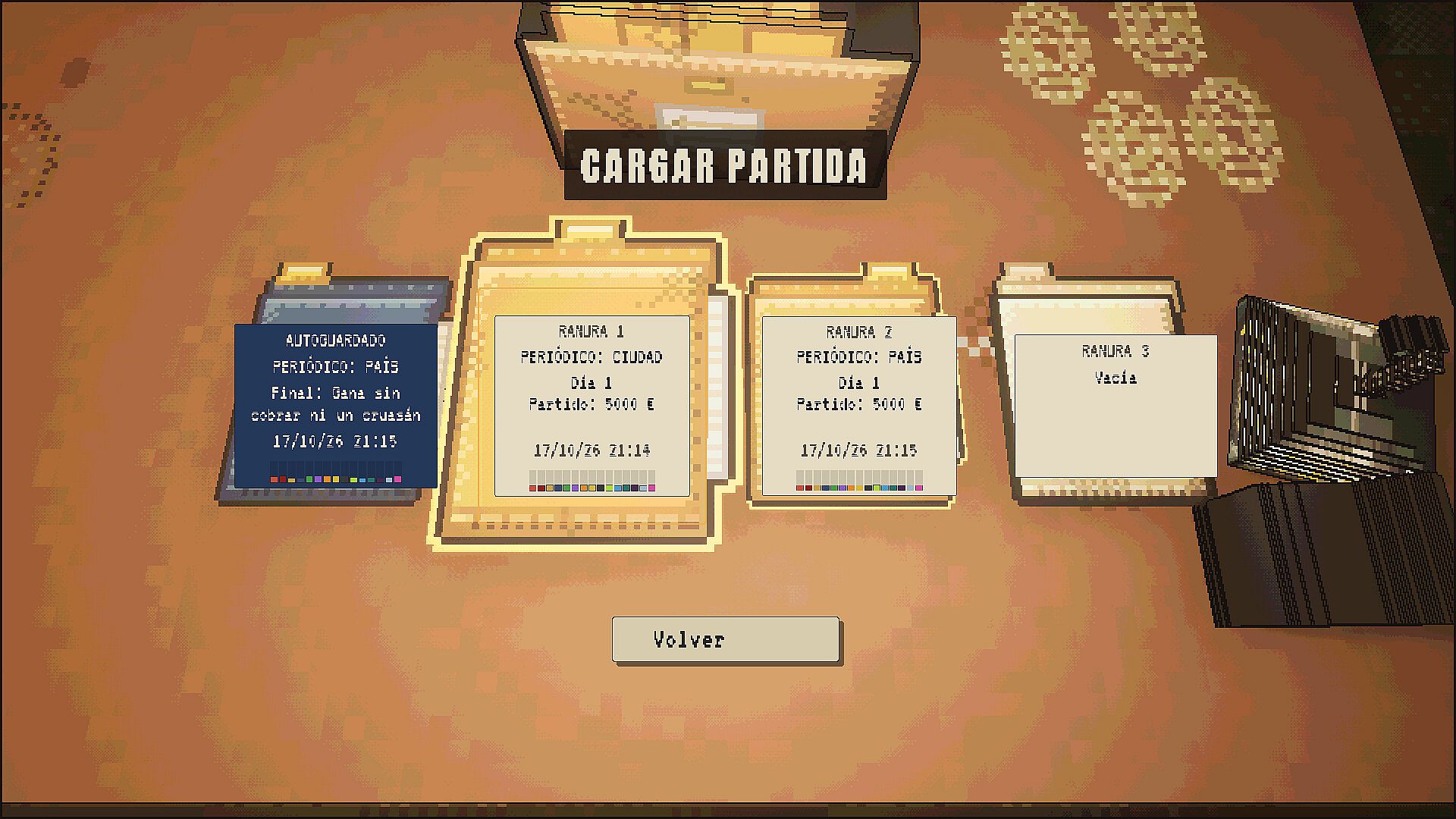
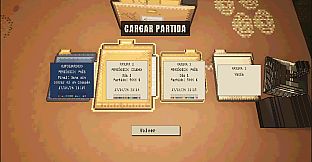
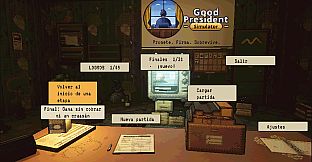
Twenty-one endings exist, each with a unique newspaper headline. An ending gallery allows review of completed runs. Some paths lead to success in higher office, while others result in removal or worse outcomes. The bin and newspaper provide ongoing feedback on performance throughout.
Controls and Features
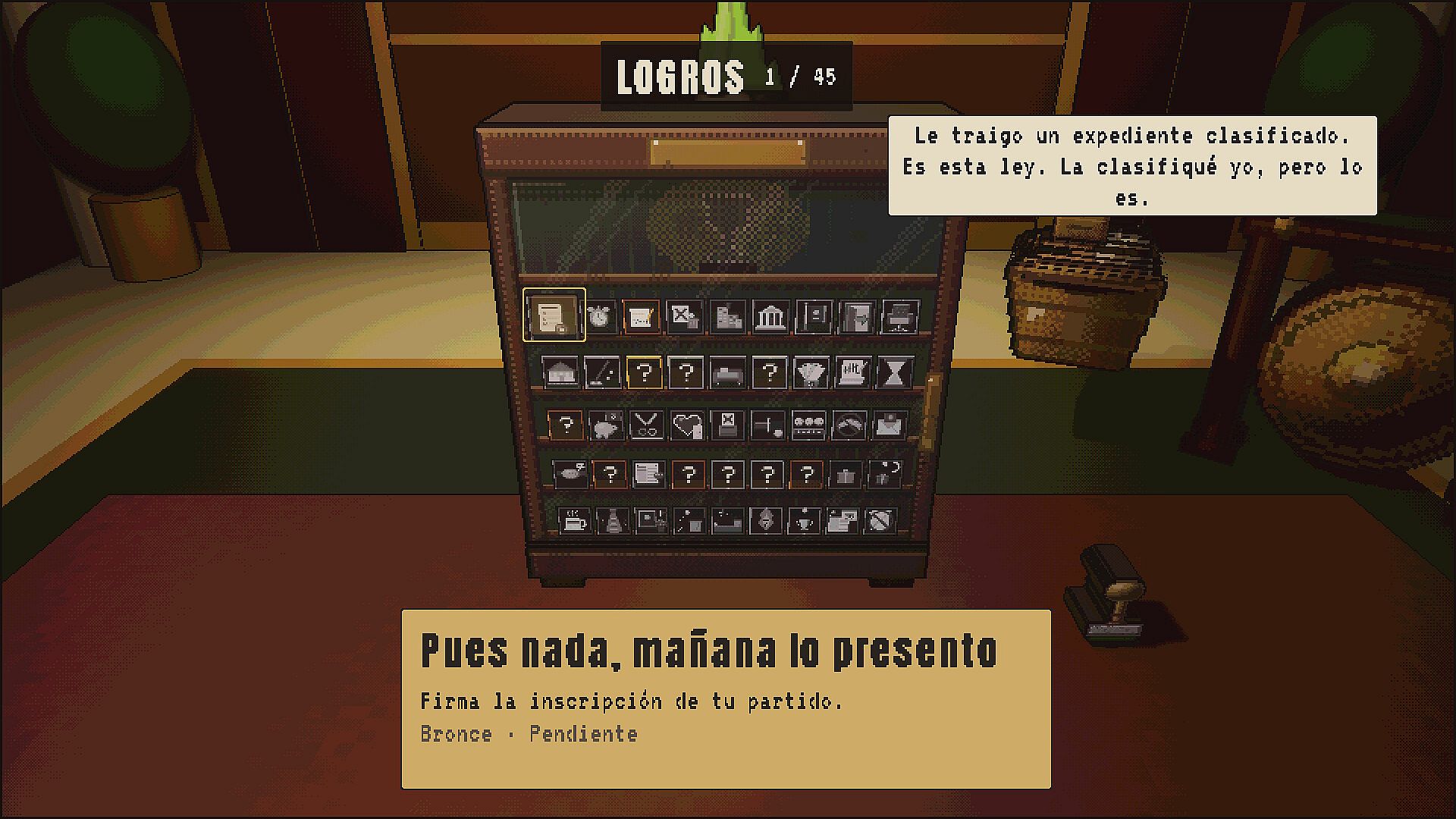
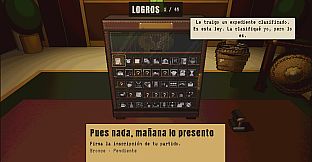
Support for mouse and keyboard or controller enables precise interactions with desk elements. Forty-five achievements, some hidden, reward specific actions like managing certain factions or reaching particular endings. Text appears with a spoken-sounding babble effect, and the experience includes strong language and crude humor throughout.
The setup starts with external backers who funded the initial registration, leading to later visits from their associates. This adds layers of obligation alongside the core law and visitor systems.
Is It Worth Playing?
Good President Simulator suits players interested in satirical political simulations that focus on tactile desk interactions and faction management rather than broad strategy maps. The first-person perspective and physical signing mechanics create a distinct loop centered on immediate choices and visible repercussions. Progression through four stages offers a clear arc from local to national levels, with multiple endings encouraging replays to test different faction balances.
Those who enjoy indie strategy titles with humor and consequence-driven decisions will find the core systems engaging. The absence of voice acting keeps emphasis on the written text and sound design. Without widespread player data available yet, the verified mechanics suggest appeal for fans of political sims who prefer hands-on management over automated systems.