


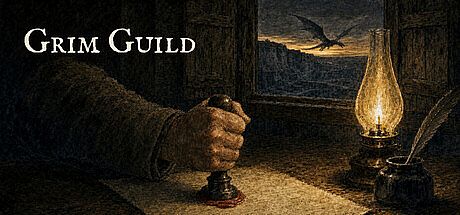


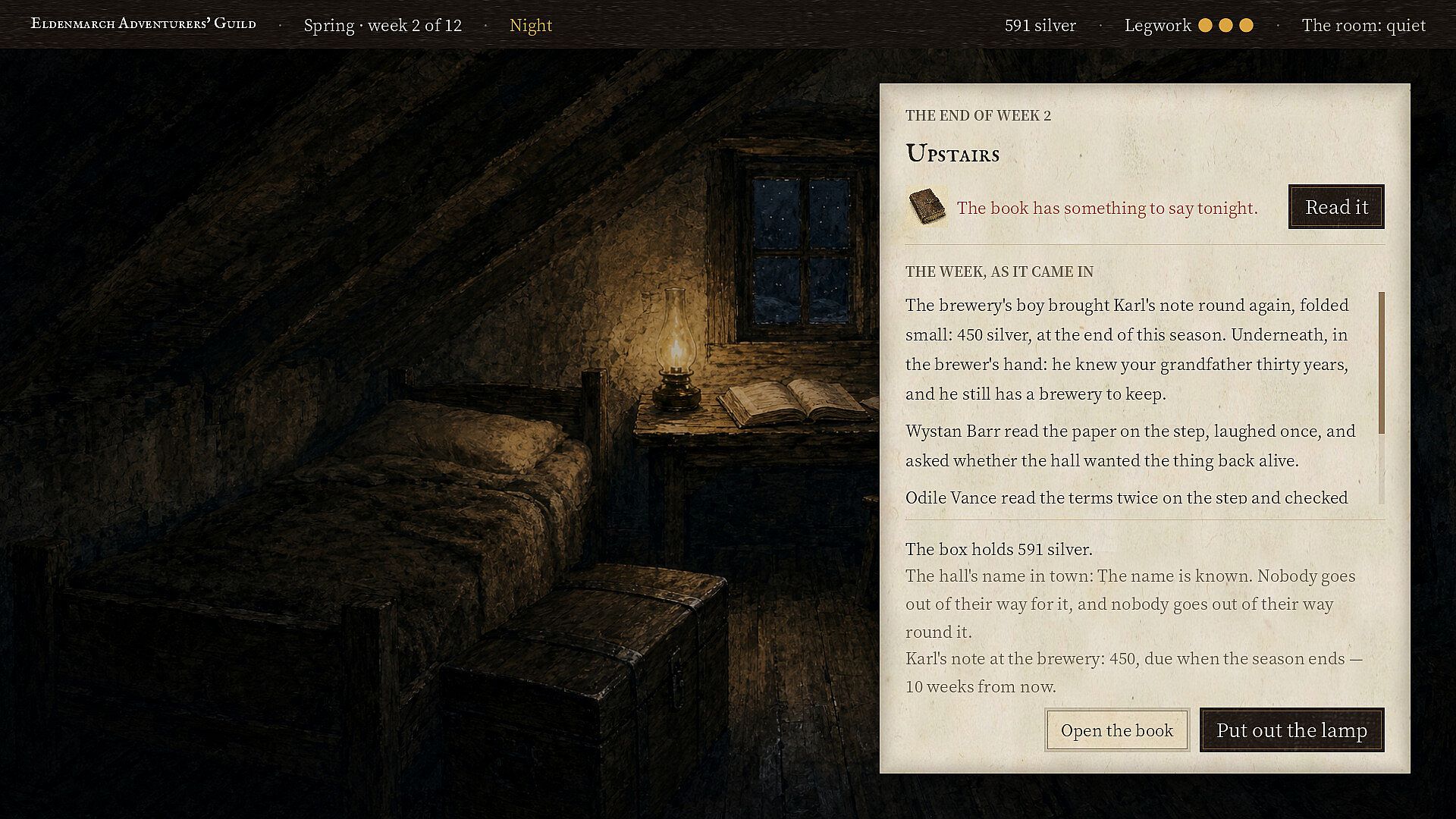
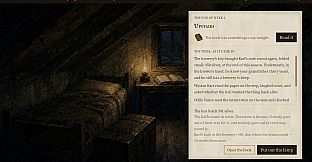
Grim Guild is a strategy and simulation game set in a quiet corner of Eldenmarch where players inherit an adventurers guild and alehouse from their grandfather. The experience centers on deciding which groups accept contracts, how much danger to disclose on each sheet, and how to handle the consequences when parties return or fail to appear. No combat occurs on screen, and the focus stays on paperwork, bar conversations, weekly errands, and the long-term reputation of the hall.
Gameplay
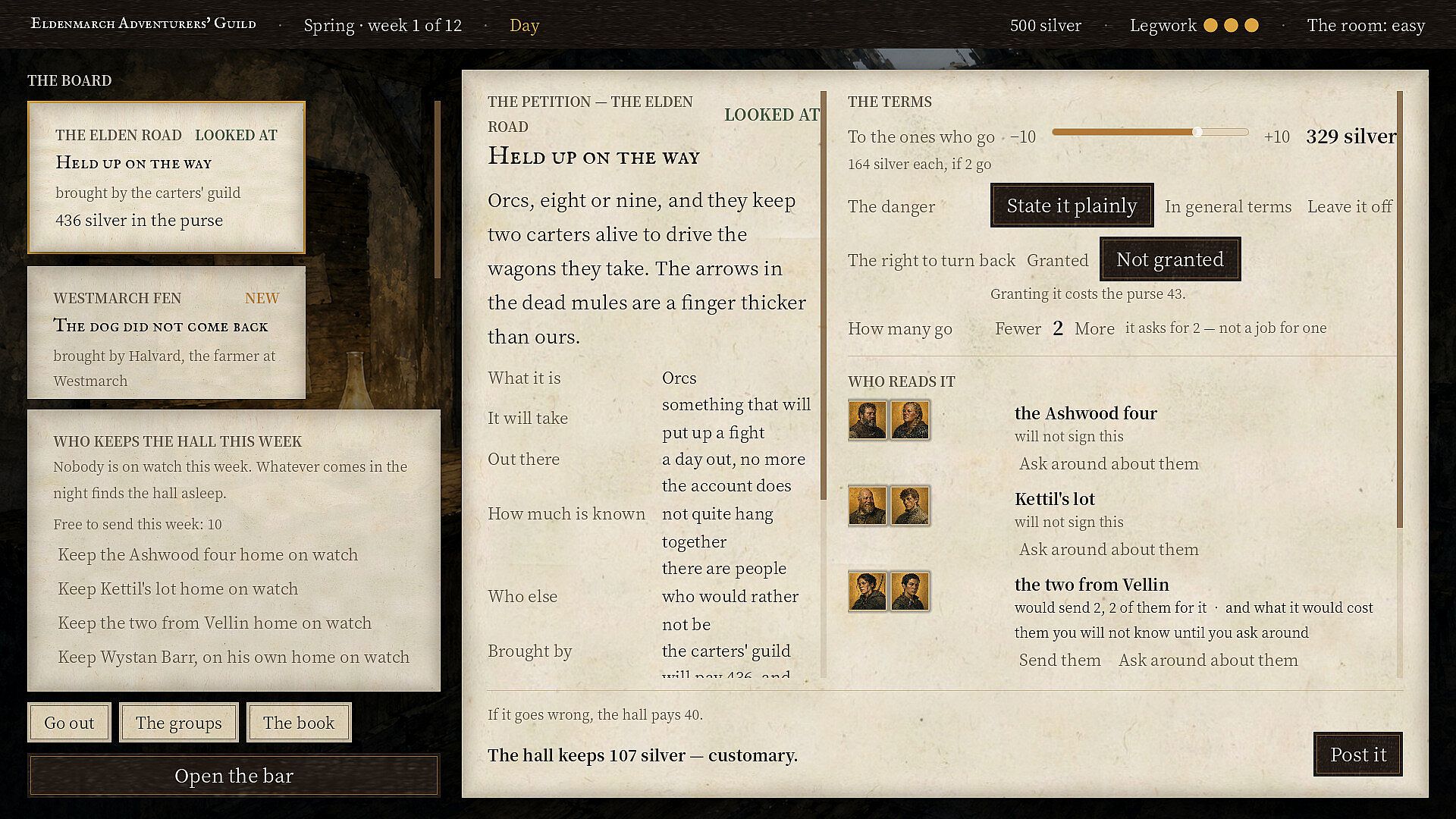
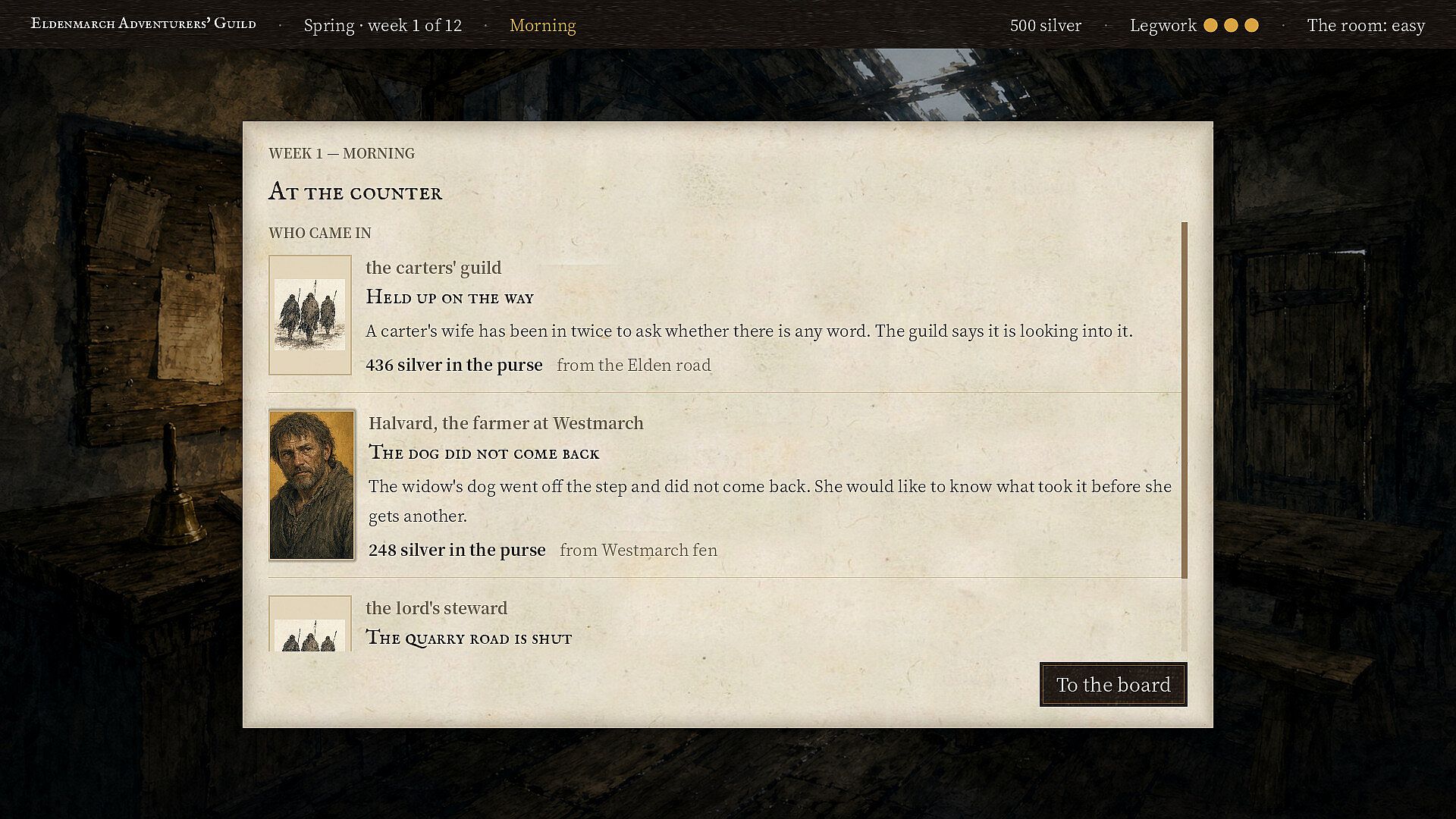
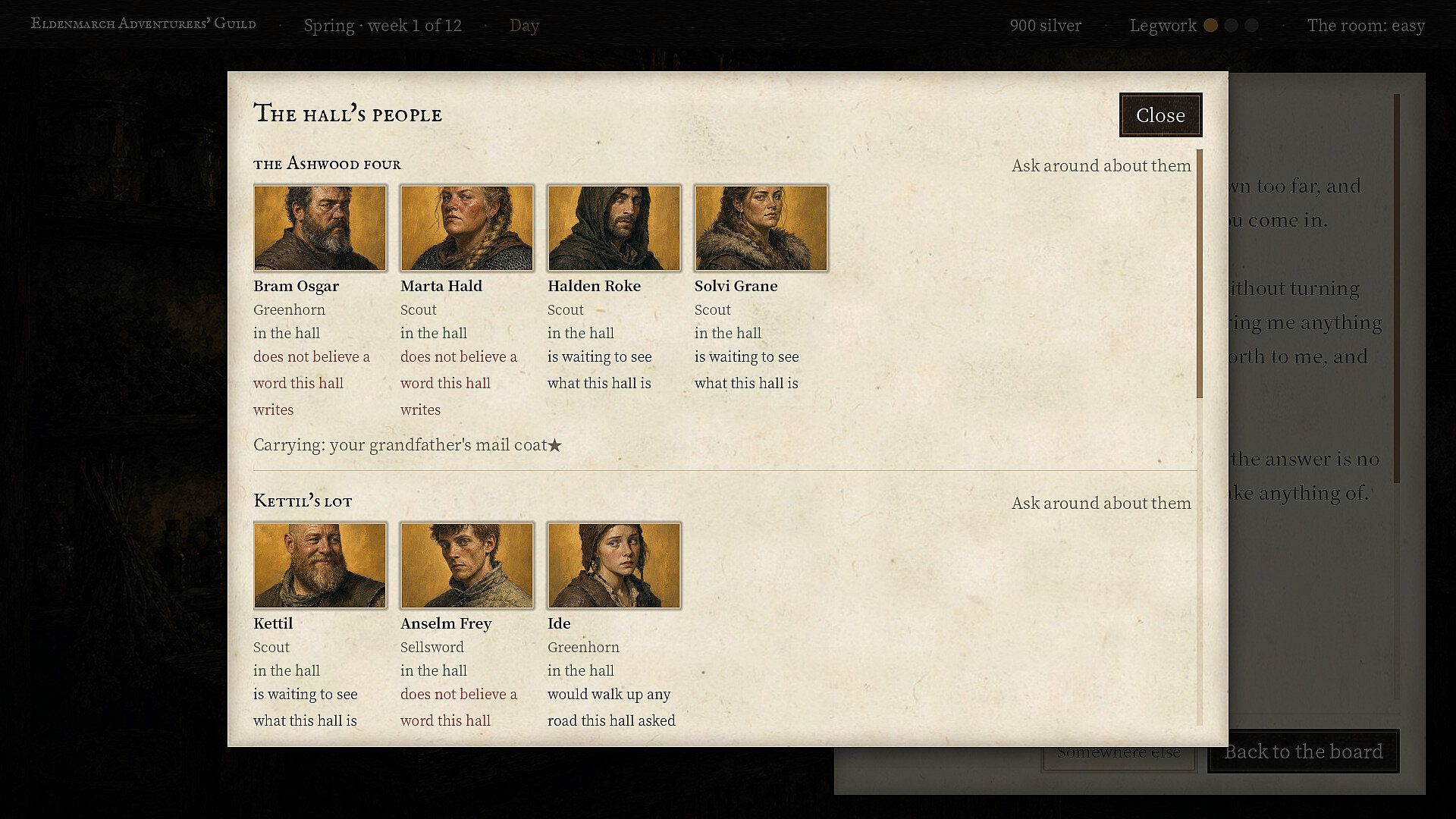
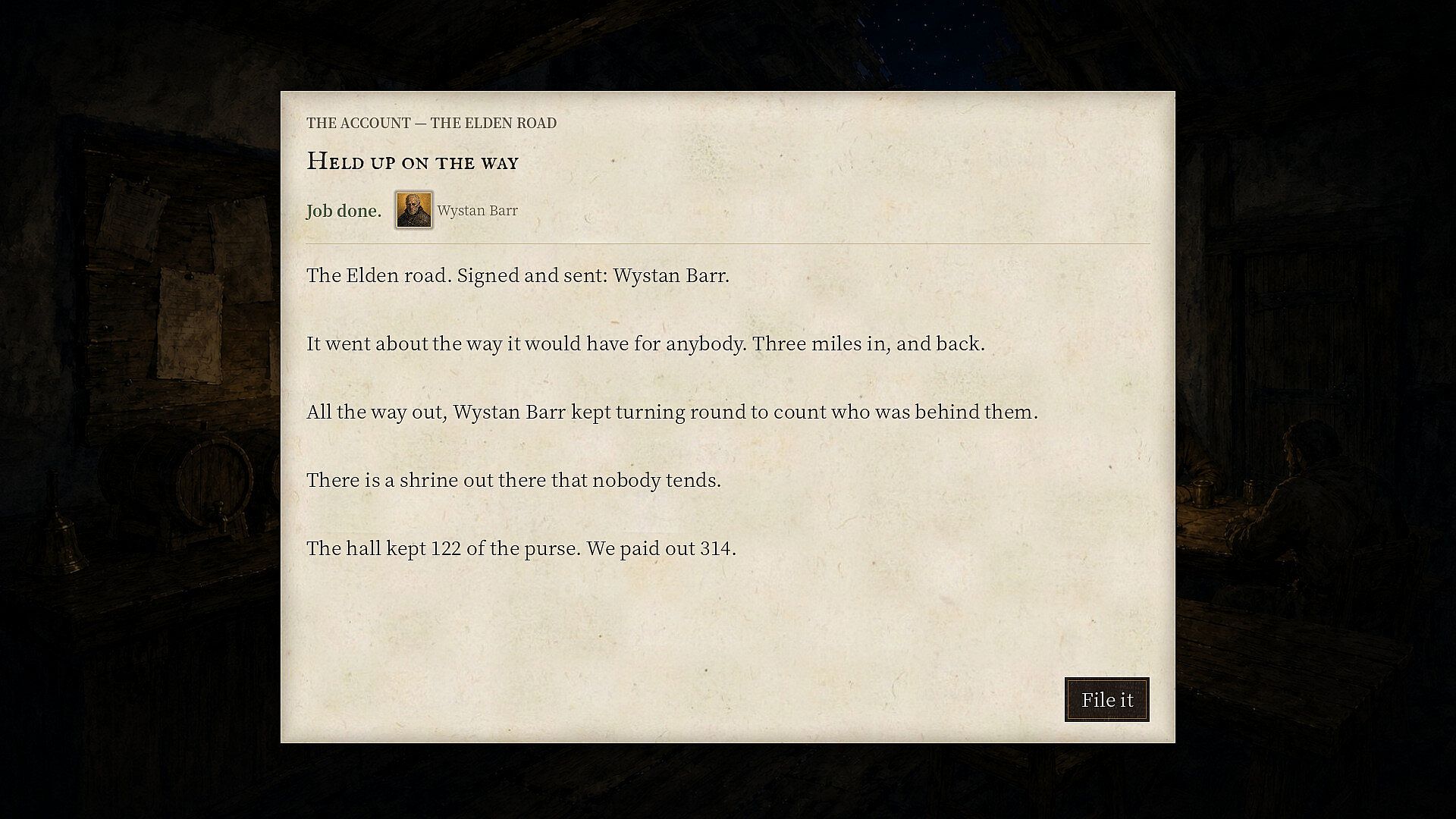
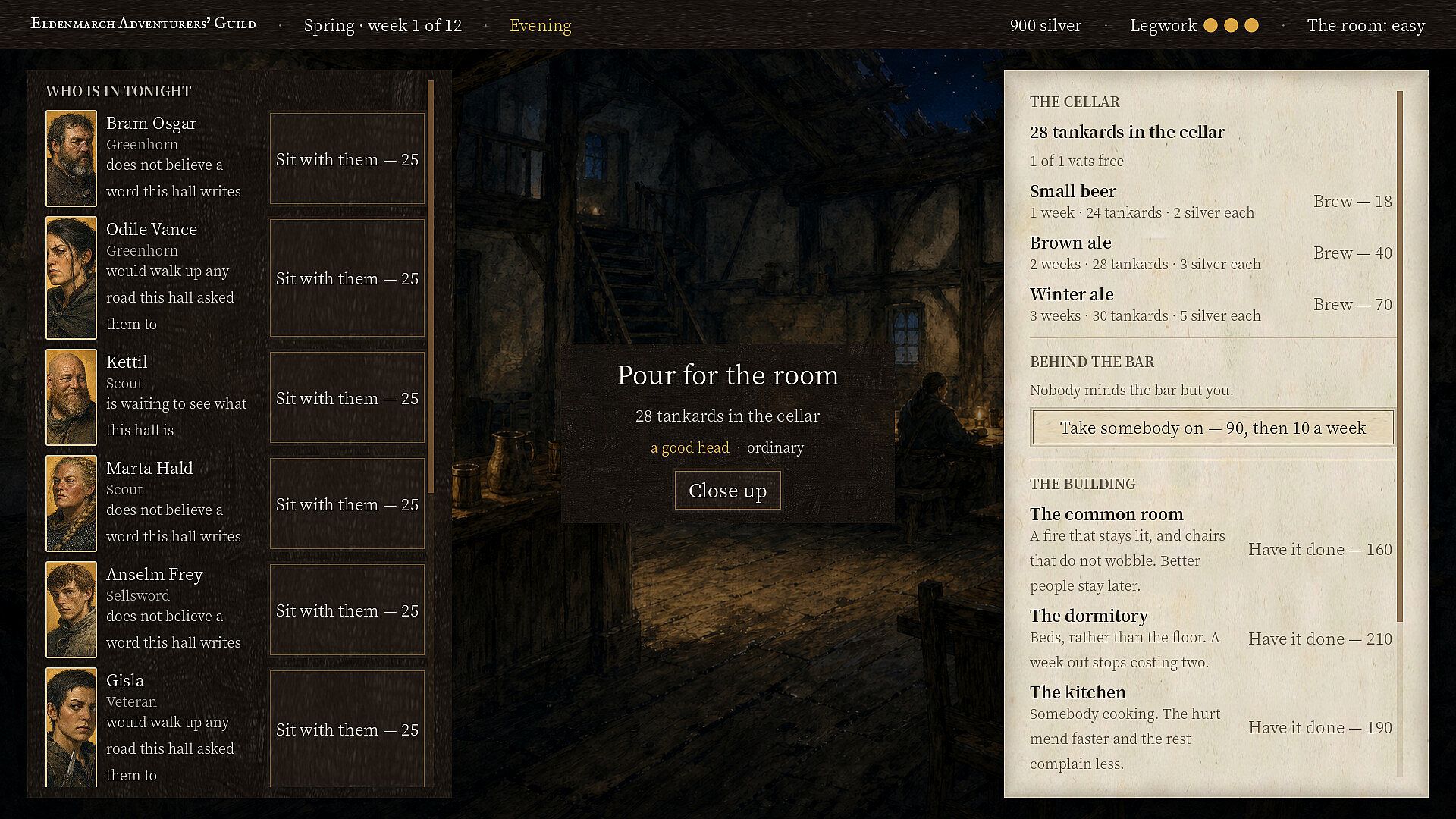
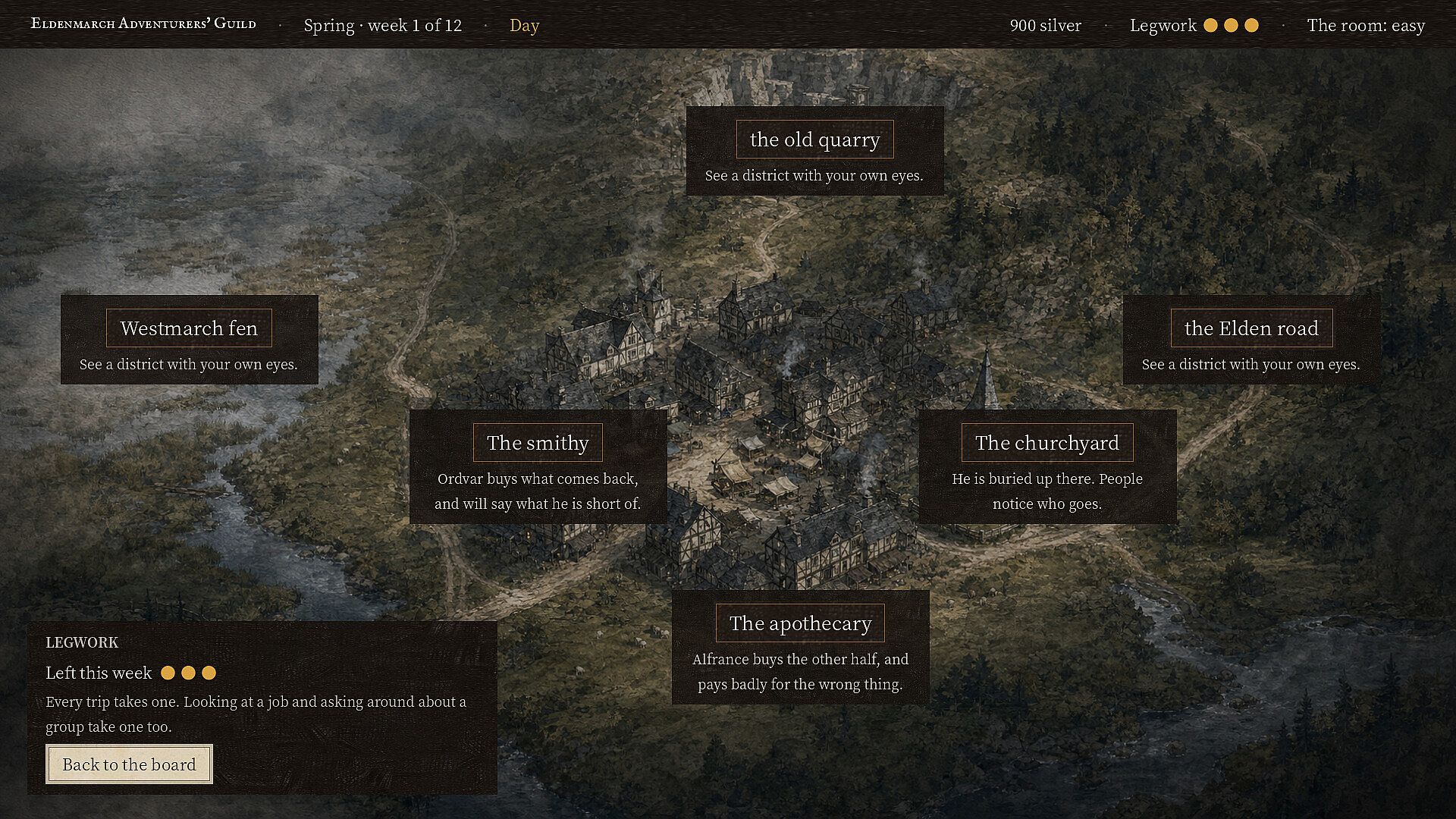
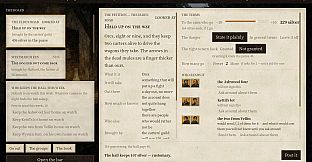
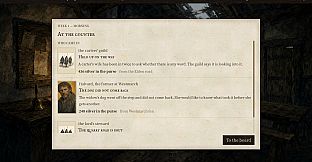
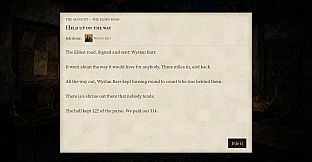
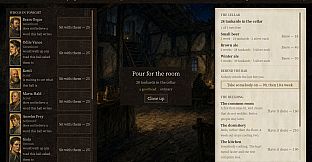
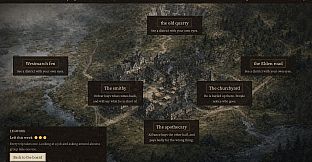
Each week begins with petitioners at the counter describing missing livestock or other troubles. Players spend three daytime errands to scout jobs in advance, gather information on available groups, or sell recovered goods in town. Evenings involve watching the door for returning parties and recording outcomes in the ledger upstairs. At night the bar serves ale, which requires advance brewing to avoid shortages. Contracts specify pay, the level of detail given about risks, and whether groups may retreat. Accurate warnings build trust and encourage better parties to sign on, while omissions lead to reports that detail losses in plain language. Reputation influences the quality of adventurers who appear at the bench over time, and the hall name carries forward across years even as silver reserves reset each winter.
Game Modes
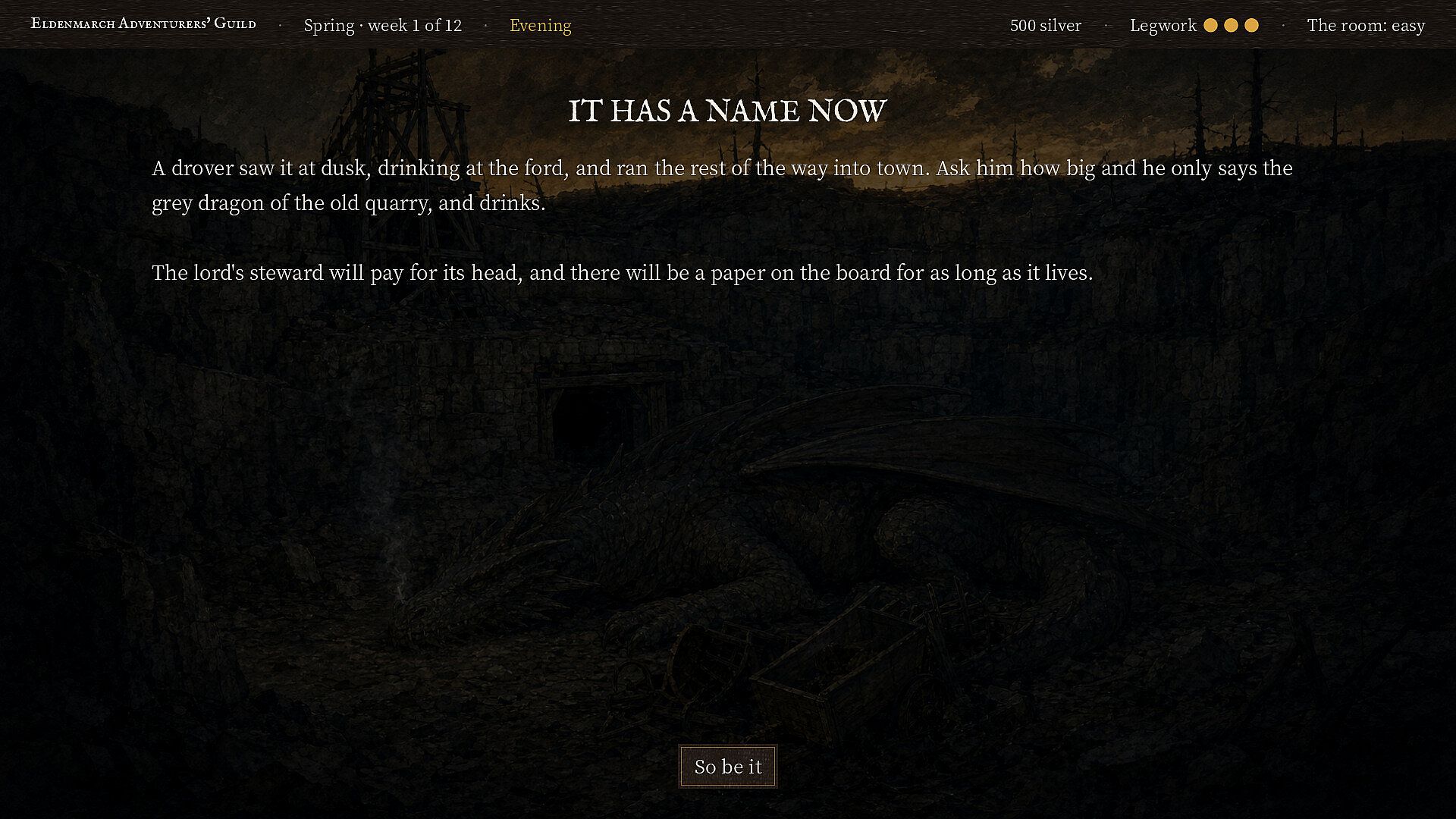
The core loop runs in single-player sessions that advance one week at a time through spring to the old quarry in winter. A separate shared-town mode allows up to one hundred halls to occupy the same persistent world. Each hall progresses at its own pace, yet earlier halls leave visible traces such as gravestones in the churchyard and items that surface with notes of prior ownership. Friends can join a private lobby through the Steam overlay without exchanging addresses or ports, and the town continues running when individual players close their games. A single town may persist for one year or many decades depending on collective choices.
Managing Reputation and Resources
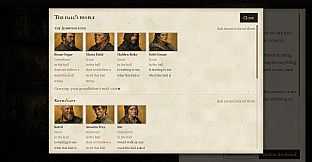
The hall name determines the caliber of adventurers who accept work and the scale of contracts that arrive at the board. High standing draws experienced groups willing to tackle named threats, while lower standing limits options to those with few alternatives. Resource decisions include brewing extra ale for potential festivals or stockpiling food against possible famines. These bets carry forward into the yearly ledger, which can be reread, printed, or shared after each winter. The churchyard and bar conversations reflect the cumulative impact of decisions made across multiple halls in a shared town.
The Passage of Time
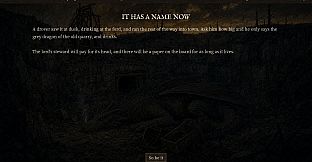
A full year concludes in one of six possible outcomes at the quarry, after which the results bind into a book bearing the keeper name. In longer-running towns the original keeper eventually passes the hall to a former petitioner after twelve years. External events such as war, plague, or flood arrive without warning, and player responses shape what follows. All deaths appear only in written reports, with no on-screen violence or detailed combat sequences.
Is It Worth Playing?
Grim Guild suits players who enjoy deliberate management of risk, reputation, and small daily choices rather than direct action. The single-player experience offers a self-contained yearly cycle with clear cause-and-effect tracking through contracts and reports. Shared towns add layers of indirect interaction where one hall benefits or suffers from the timeline of others. Because the game remains in development with no public reviews or completed play sessions available, prospective players should follow official updates for release timing and any adjustments to the described systems. Those drawn to quiet strategy titles focused on paperwork, bar management, and long-term hall legacy will find the core loop matches the provided details exactly.












