




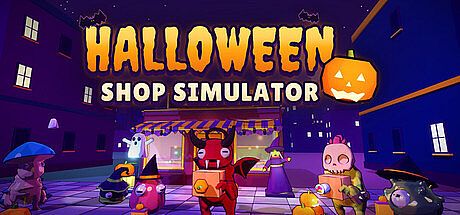


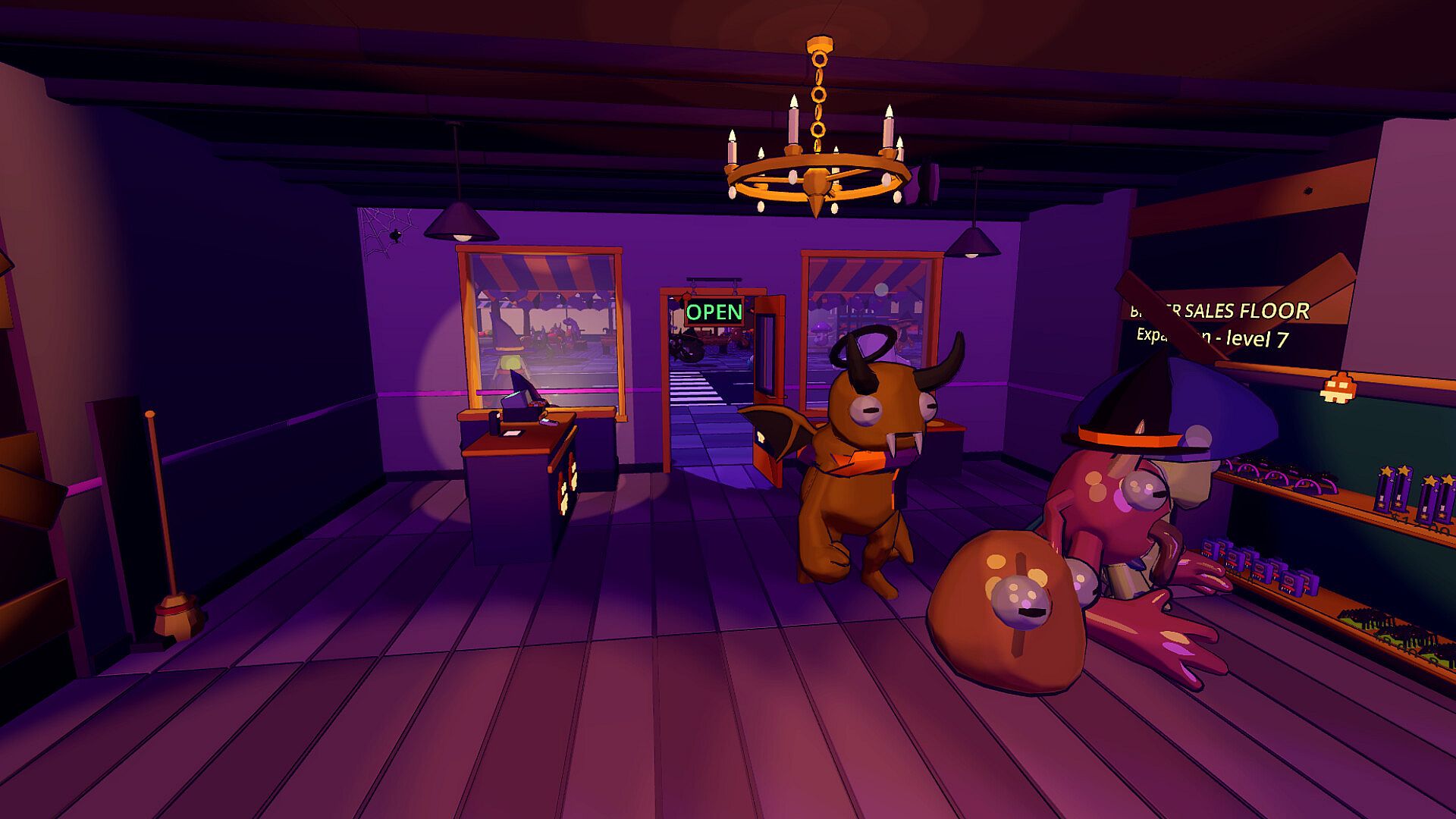
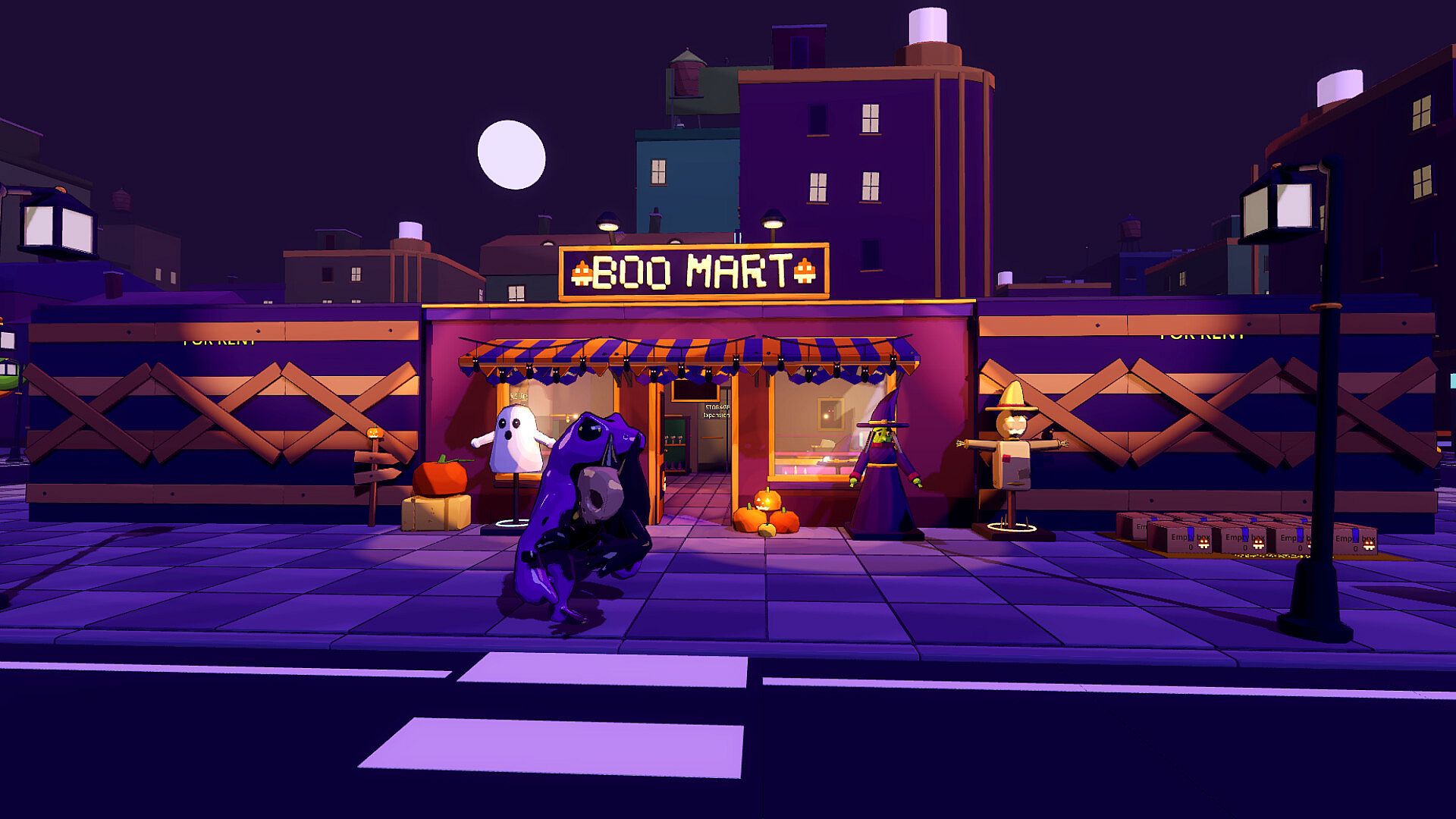
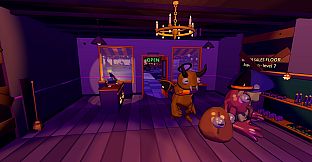
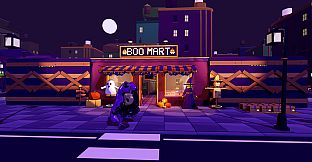
Halloween Shop Simulator puts players in charge of a small retail space in a neighborhood populated by cartoon monsters. This indie casual simulation game focuses on the day-to-day operations of stocking shelves, setting prices, serving customers and expanding a modest corner shop into a larger haunted emporium. The experience stays firmly in first-person perspective and emphasizes careful management over any action or horror elements.
Gameplay
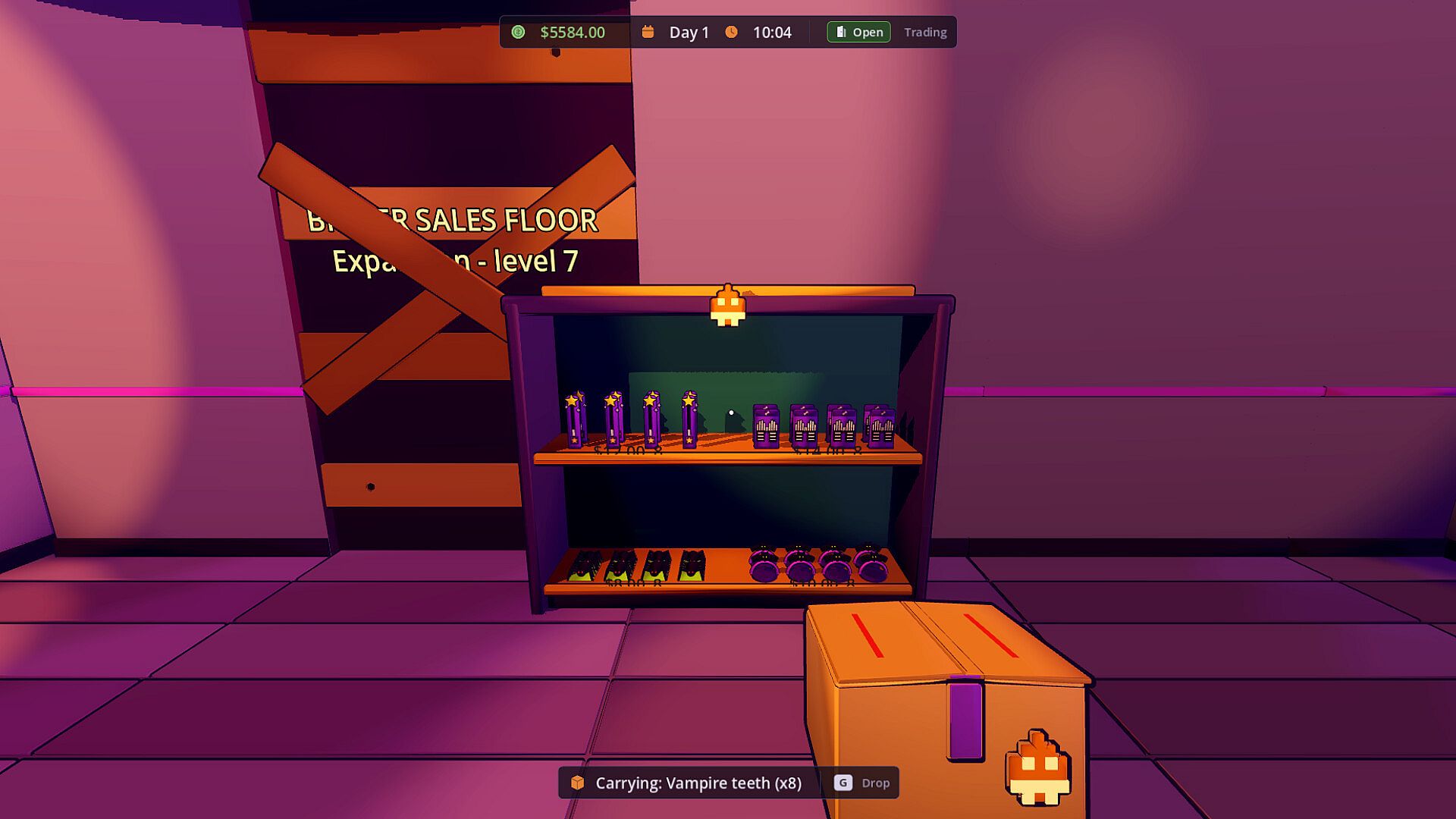
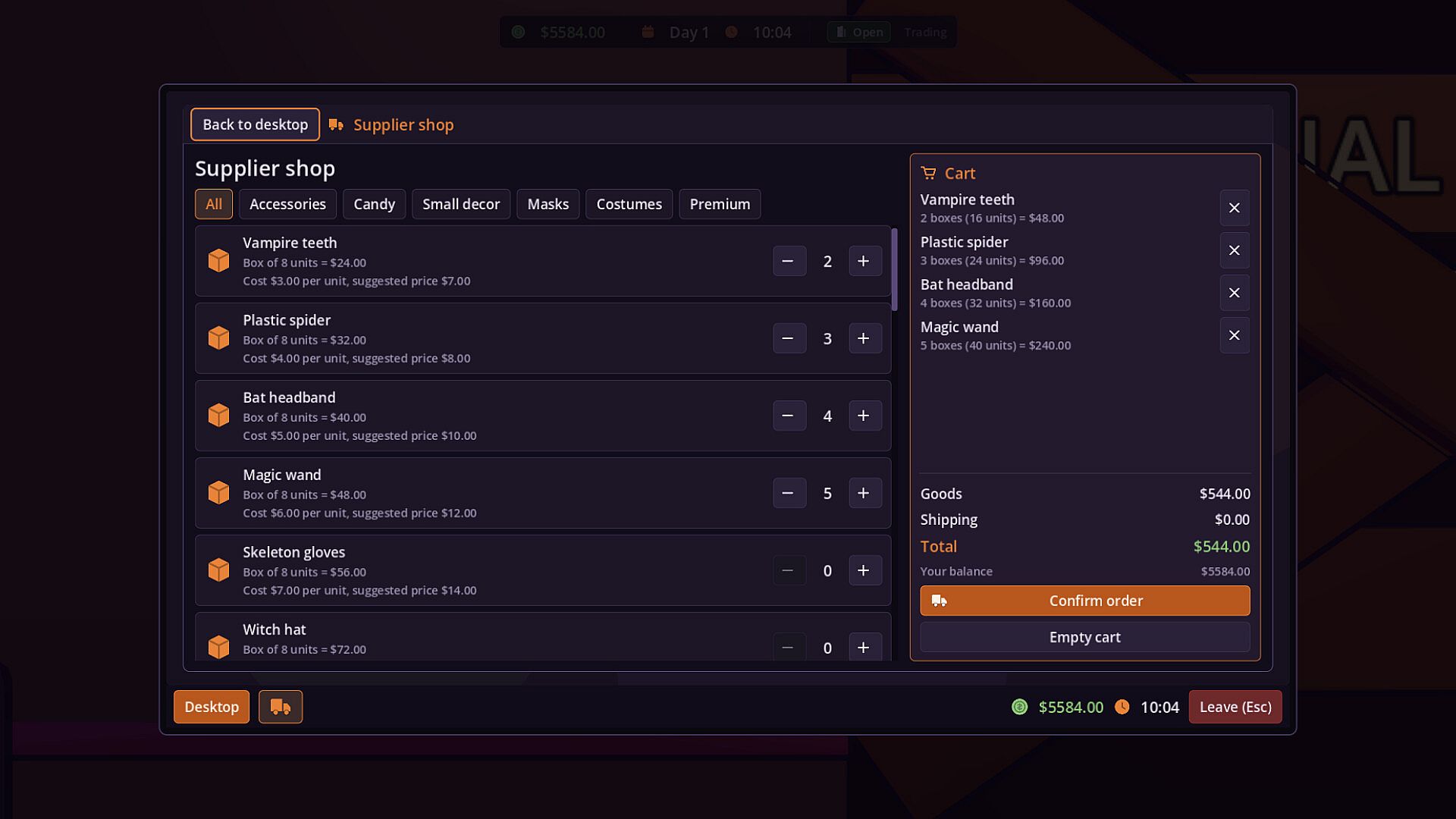
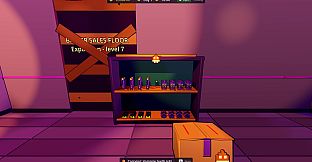
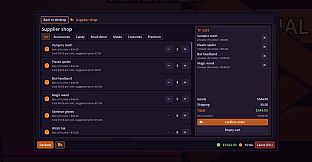
The core loop centers on ordering inventory through an in-game computer called MonstrOS, receiving deliveries, unpacking boxes and arranging products on shelves. Six product families cover candy, accessories, decor, masks, costumes and premium animatronics, giving players 36 distinct items to manage. Stocking can be done item by item or in faster batches, and empty boxes must be folded to keep the floor clear.
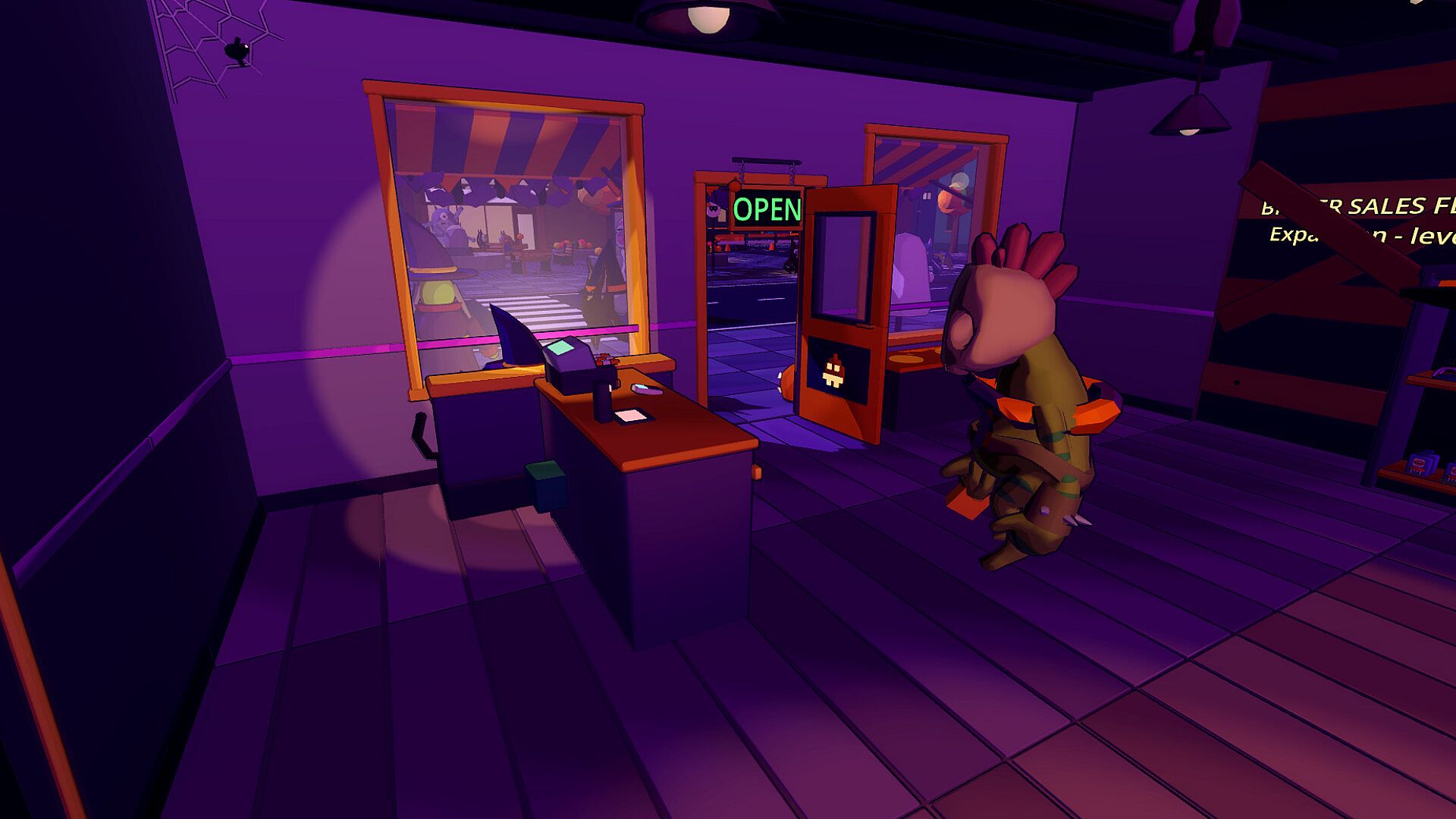
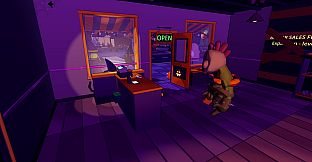
Pricing decisions directly affect sales. Prices set too high cause customers to leave without buying, while prices set too low fail to cover rent and other costs. At the register, players scan items and handle payments either by card or by counting exact change, with an assisted mode available to reduce the arithmetic involved. Cleaning tools handle spills of candy or monster goo, and a hand truck helps move heavier loads from the delivery area.
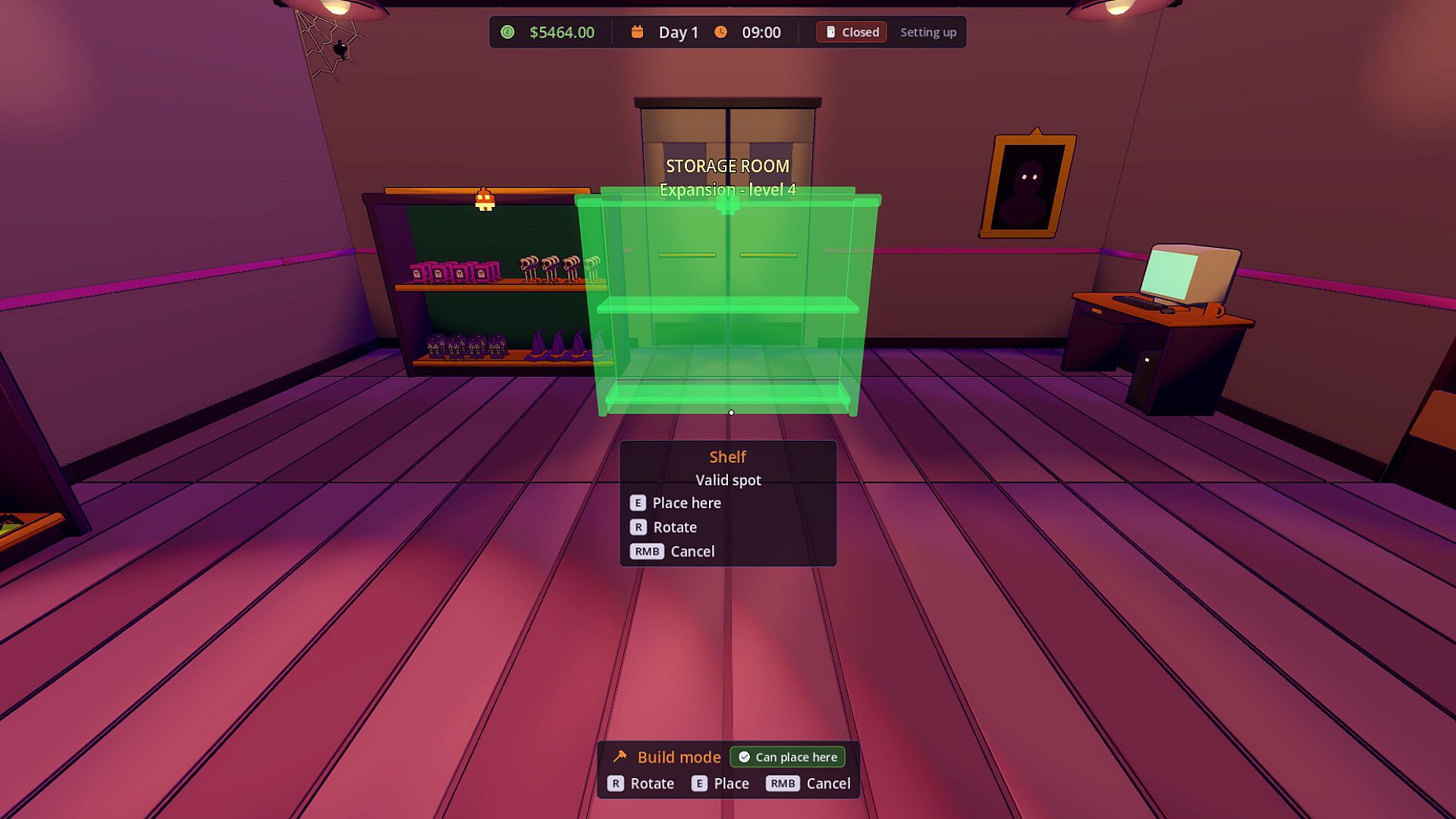
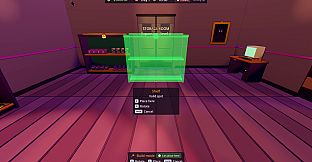
Additional tools include a barcode scanner, cash register, card terminal, cash drawer with physical bills and coins, and a price tag gun for quick shelf updates. Build mode uses grid snapping to place, rotate and rearrange furniture such as shelves, racks and display platforms. The shop computer also handles staff hiring, renovations, reports and event tracking.
Game Modes
The game runs entirely in single-player. Progression unfolds across 15 levels that gradually unlock larger floor space, a dedicated stockroom and an annex. Four decoration themes become available: pumpkins, graveyard, witchcraft and haunted mansion. Seasonal events build toward a final Great Halloween celebration, adding variety to daily operations without introducing separate competitive or multiplayer formats.
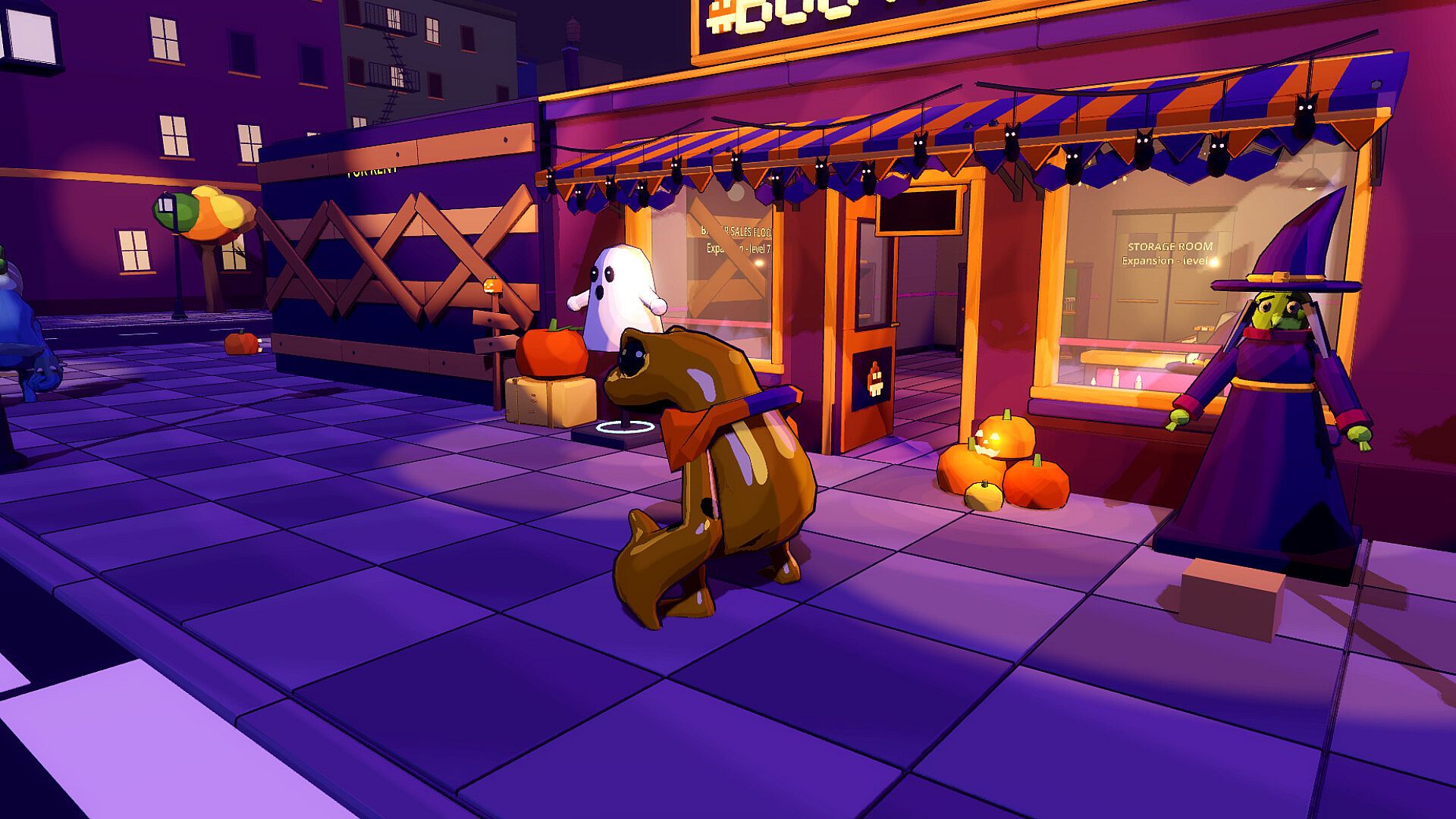
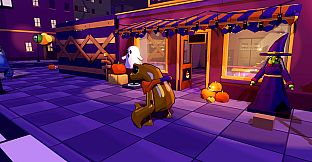
Window display setup forms a key part of each day. Players arrange products, lights and animated attractions such as a ghost, witch or scarecrow in the front window. A motion sensor can trigger these displays automatically, drawing in passing monsters from the sidewalk and increasing foot traffic.
Progression and Shop Expansion
Starting with basic shelves and limited space, players earn money to purchase upgrades and hire cashiers or restockers. Wages are paid at the end of each day. Daily reports break down sales, costs, rent, energy use and profit, helping players identify where adjustments are needed. Unlockable items range from wall panels and clothing racks to cauldrons, candelabras, pumpkins and tombstones.
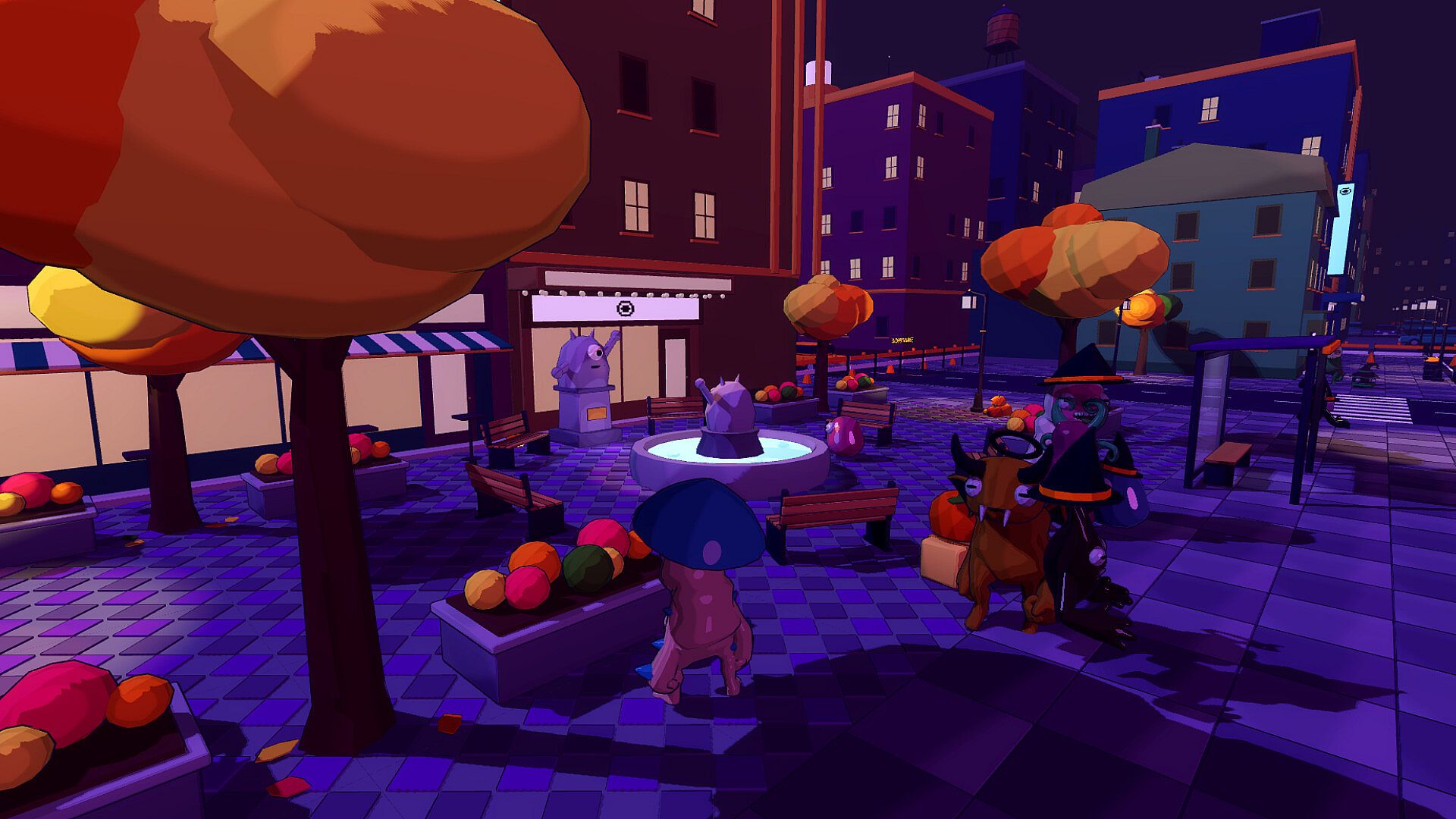
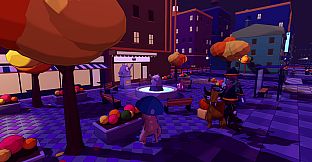
The surrounding town features wandering monsters including yetis, mushroom kings, blobs, skeletons and ghosts. These characters browse the street, sit on benches and occasionally enter the shop as customers. Each has individual patience levels, budgets and price sensitivity, which influences how long they stay and whether they complete a purchase.
Is It Worth Playing?
Halloween Shop Simulator suits players who enjoy detailed, hands-on shop management simulations. The single-player structure, keyboard-and-mouse or controller support, multiple save slots with autosave and one-time purchase model remove barriers common in other management titles. Cartoon-style monsters and decorations keep the tone light, with no gore or sudden scares.
Those who appreciate steady progression through levels, staff management and the satisfaction of optimizing layouts and prices will find a focused experience here. The absence of microtransactions and the emphasis on core mechanics make it a straightforward choice for fans of the genre looking for a self-contained title.











