






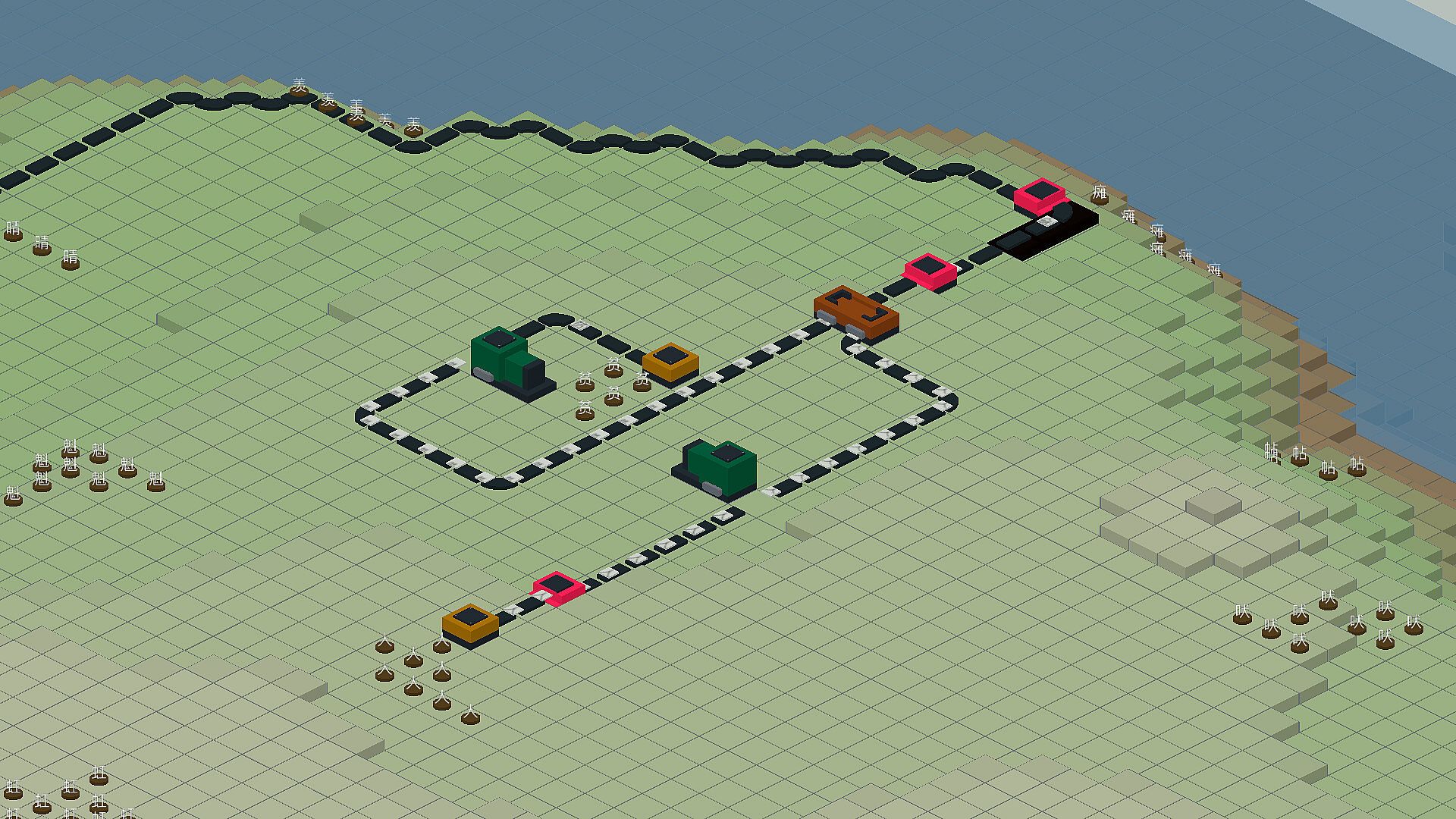
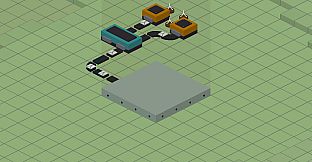
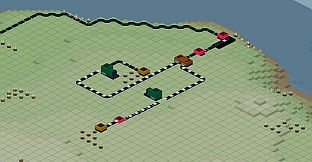
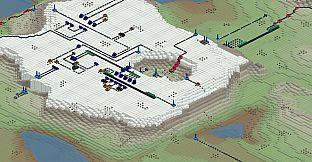
Hanzi Factory is a 3D automation simulation game that turns the structure of Chinese characters into the foundation of factory production. Players build and manage sprawling production networks on a procedurally generated landscape, extracting characters from scattered deposits and transforming their components through cutting, reshaping, and assembly processes. The result is a relaxed yet intricate single-player experience that blends factory logistics with the logic of character construction, all without requiring prior knowledge of Chinese.
Gameplay
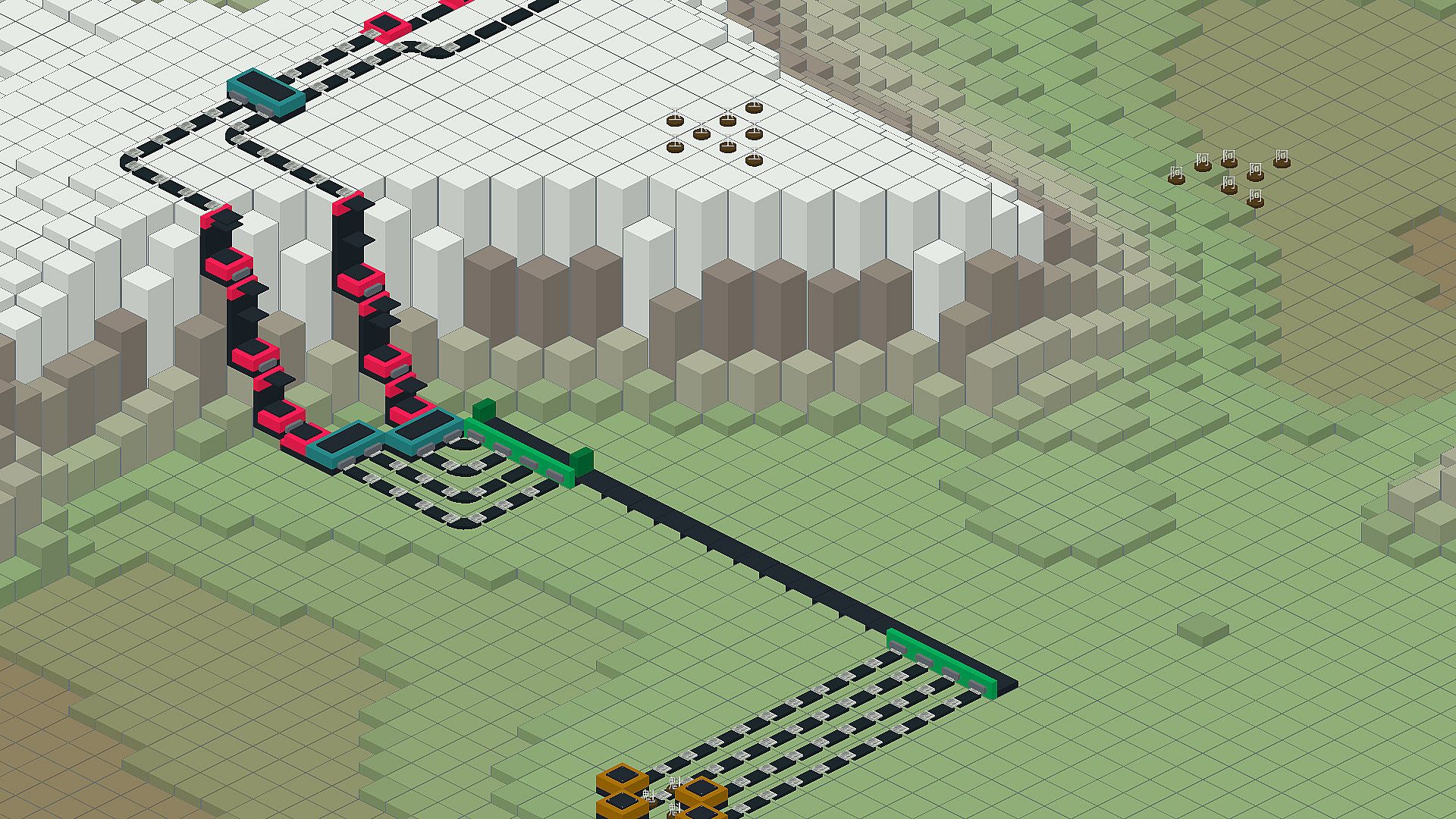
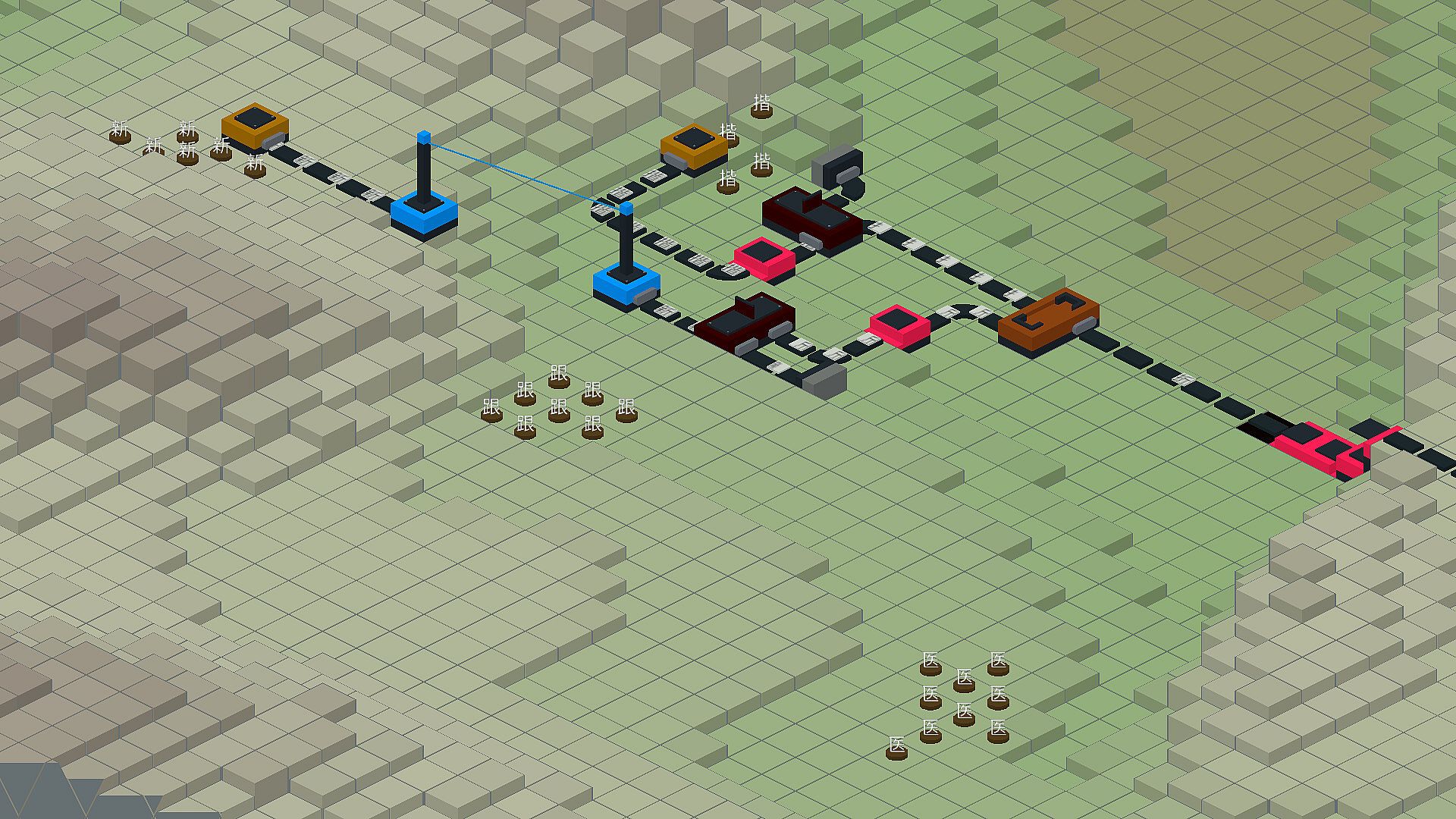
The core loop centers on harvesting complete characters from resource deposits spread across varied terrain. These characters are then broken down into reusable components that move through the factory on the same principles as any other material. Players route pieces along processing lines, store surplus items, or direct them into further assembly steps. Characters produced on one line can feed into others, forming extended chains and interconnected supply systems that grow more complex as the factory expands.
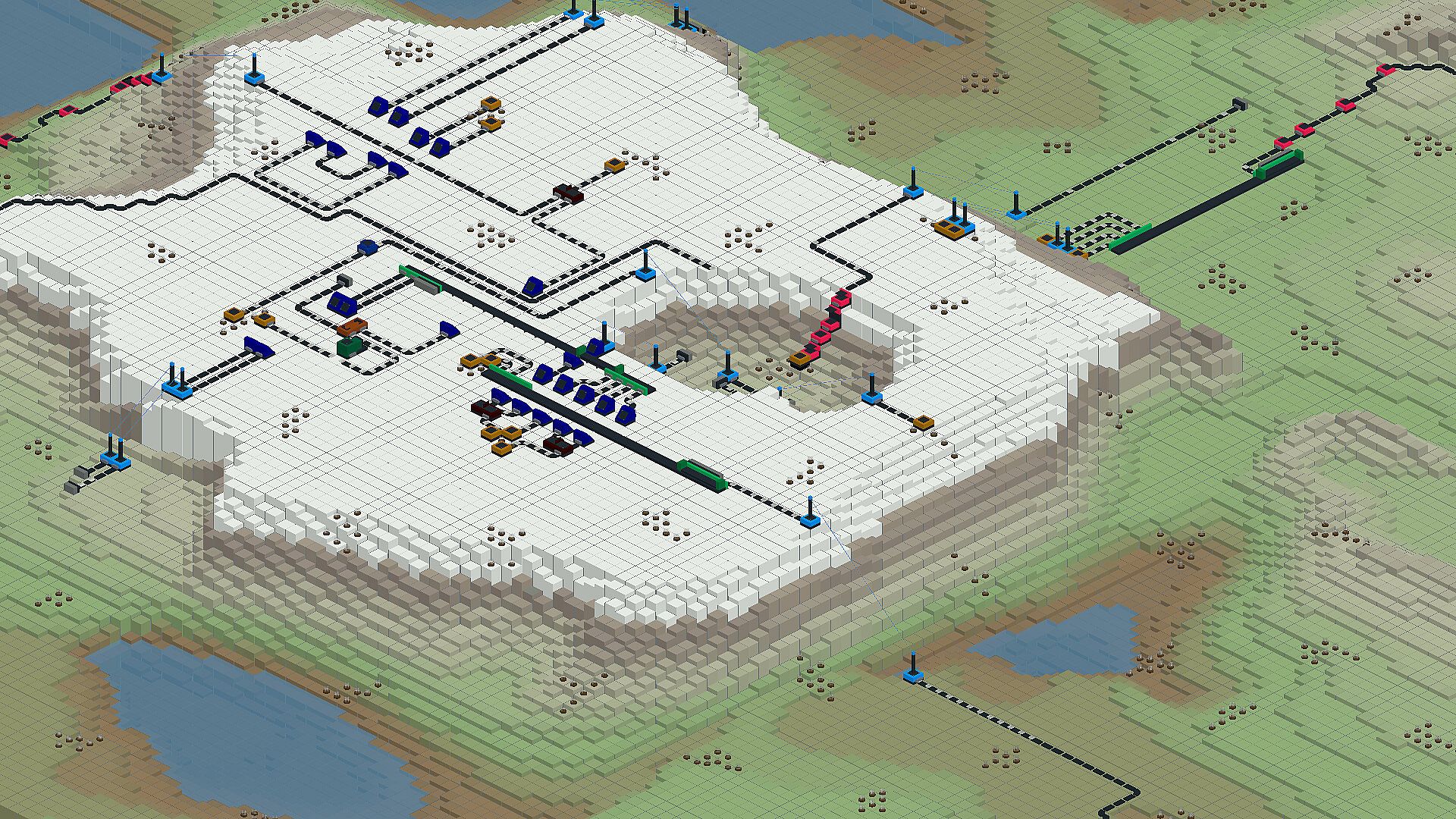
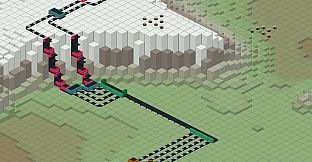
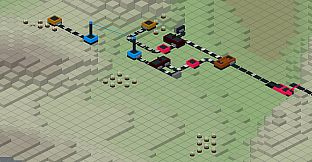
Production sites quickly outgrow initial locations. Deposits often appear in remote areas such as mountains, lakes, or deep rifts, forcing decisions about where each stage of manufacturing occurs. Breaking characters apart near extraction points allows shipping only needed components, while transporting whole characters to a central hub supports larger-scale processing. Elevators handle vertical movement between heights, and tunnels keep busy routes from interfering with one another. Over time, outlying sites specialize in particular tasks and link together through dedicated transport paths that span the world map.
Shared components create natural bottlenecks as demand rises across multiple character types. Solutions involve scaling extraction, rerouting flows, maintaining storage buffers, and duplicating successful processing modules. Inspection tools and an in-game dictionary show how characters break down, where their parts originate, and potential uses. The system remains accessible to newcomers while offering deeper rediscovery for those familiar with the language.
Game Modes
Play revolves around two complementary styles of engagement. One focuses on structured challenges where specific characters must be delivered to a hub to progress. The other emphasizes open-ended expansion, where the goal is sustained growth, efficiency, and exploration of increasingly elaborate production networks across the landscape.
In the challenge-oriented style, players tackle procedurally generated sites with defined delivery targets. Success unlocks new options for machines or layouts that carry forward, encouraging strategic choices about which upgrades to prioritize for future sites. The sandbox style removes those targets, letting the factory spread freely as players chase optimization, resolve shortages, and experiment with longer supply chains.
Both approaches share the same underlying systems of extraction, component routing, and assembly. The difference lies in pacing and objectives: one rewards targeted efficiency and forward planning, while the other supports freeform creativity and long-term network building.
Building Networks and Creative Assembly
Expansion demands careful planning of material flow. A single production line may start simple, yet the same components soon serve several downstream characters. Shortages in one area can halt multiple lines, so players increase output, create redundant paths, and maintain reserves to keep everything running smoothly. The landscape itself becomes part of the design, with routes weaving around natural obstacles and specialized outposts connected by efficient transport links.
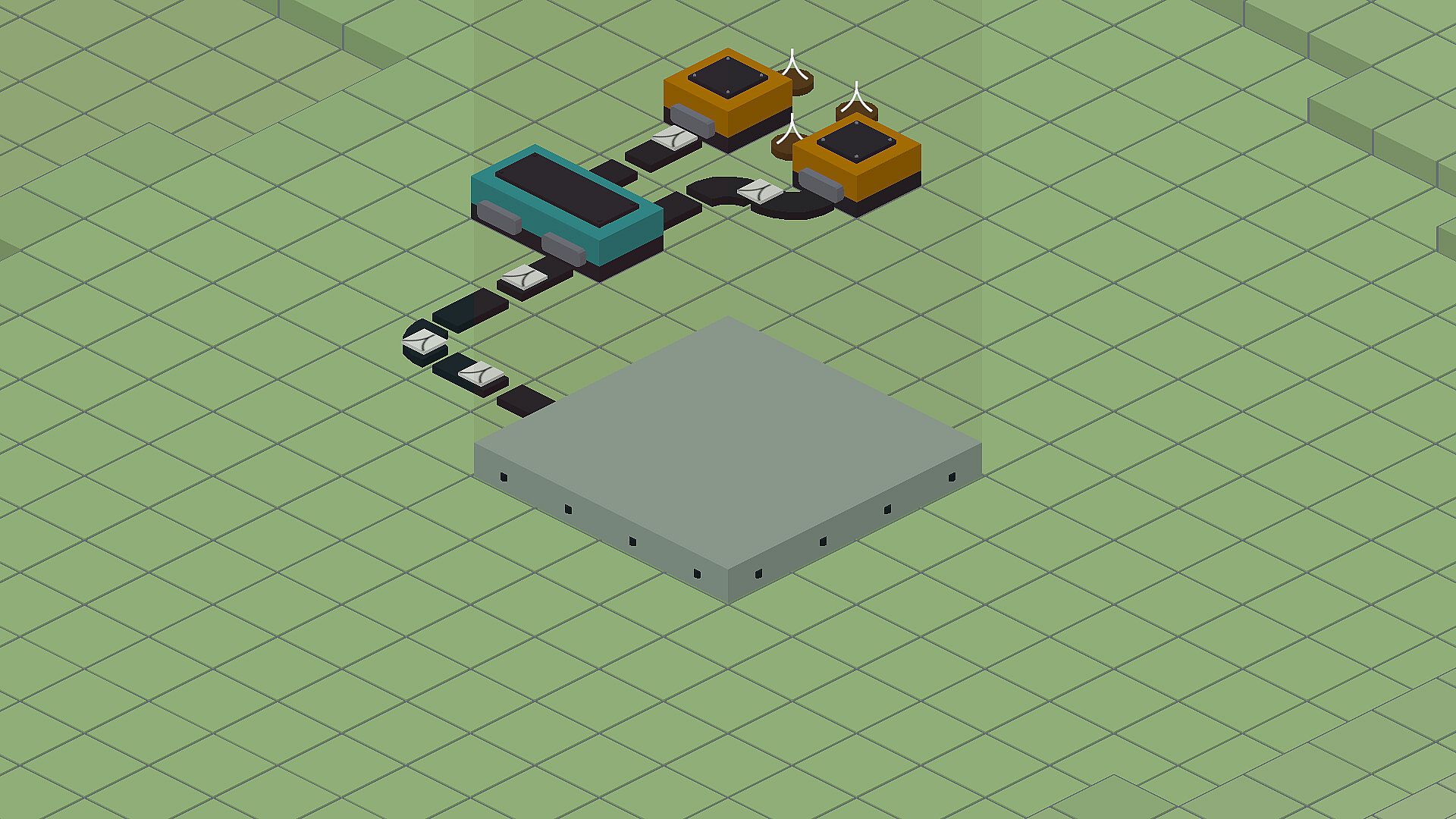
Beyond standard dictionary entries, the assembler accepts plausible new combinations of components. When a structure works, the resulting glyph can be delivered to the hub and named by the player. From that point the factory treats the custom character as a recognized item, allowing it to appear in future production. This feature rewards experimentation and turns the game into a personal dictionary builder alongside the automation challenge.
Is It Worth Playing?
Hanzi Factory suits players who enjoy methodical factory building and resource management in a single-player setting. Its unique focus on Chinese character structure adds an educational layer that emerges naturally through play rather than through explicit lessons. The procedural landscape and component-based assembly provide consistent variety, while the ability to name new glyphs offers a creative outlet that grows with the player.
The game rewards careful observation and iterative improvement. Early factories remain compact, but later stages involve coordinating distant sites and balancing multiple overlapping demands. Those who appreciate watching automated systems run without constant intervention will find satisfaction in the smooth operation of long production chains. The absence of multiplayer or competitive elements keeps the focus on personal optimization and discovery.
Overall, the title delivers a distinctive take on automation simulation that stands on its own mechanics. It appeals especially to fans of relaxed yet deep building games who value thematic originality and the satisfaction of turning abstract structures into tangible output. Continued development could expand the systems further, but the current foundation already supports substantial playtime through its flexible network design and creative assembly options.











