




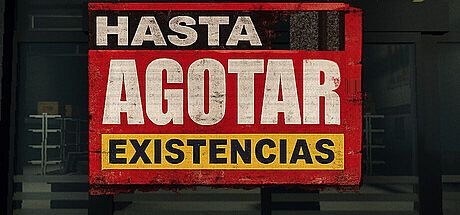


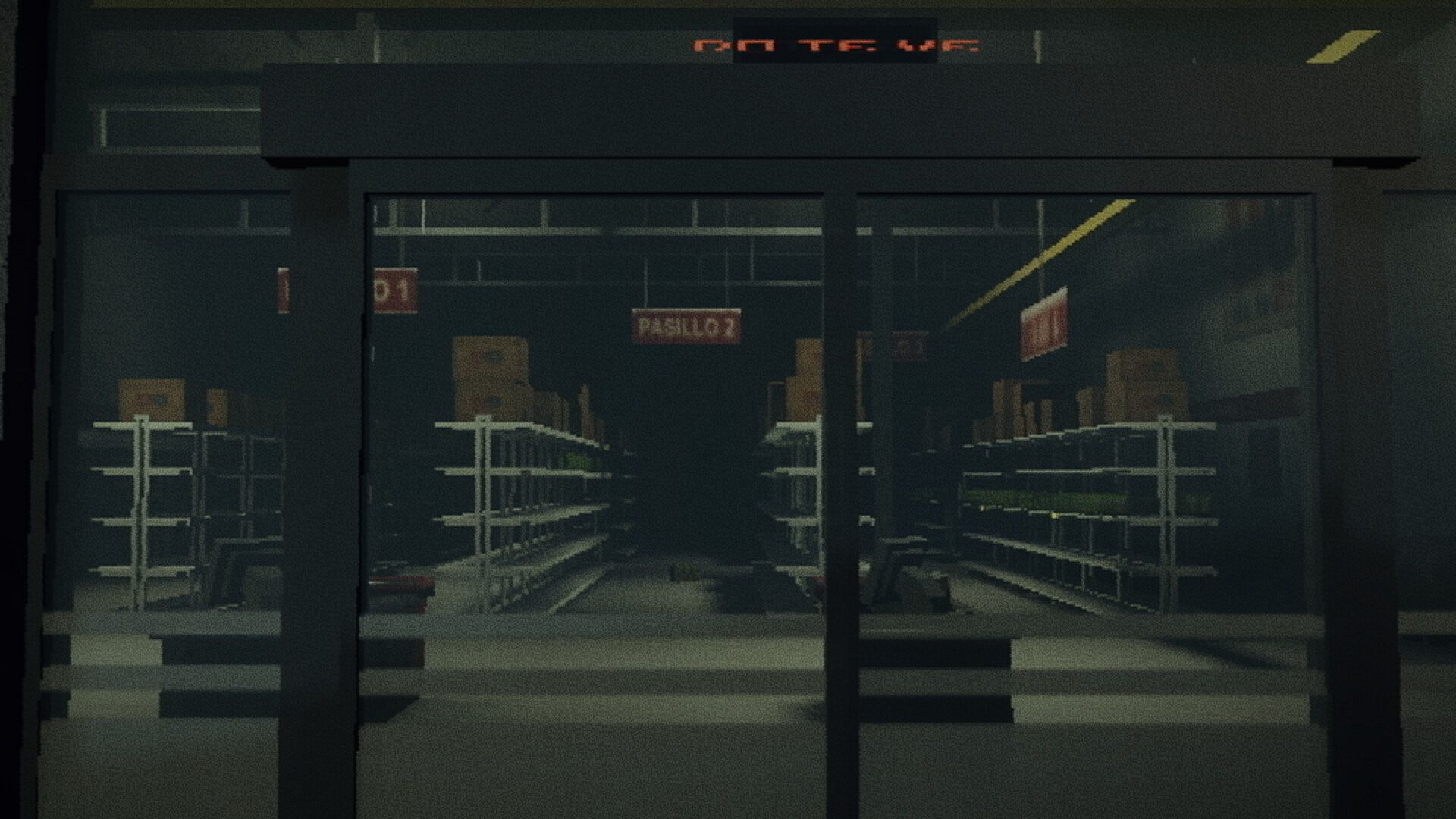
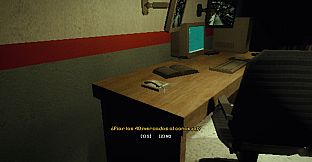
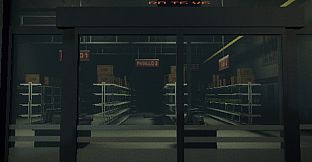
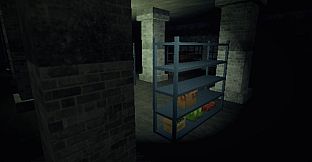
Hasta Agotar Existencias is an indie simulation game developed for PC that places players in charge of a discount store in a remote town. The experience centers on daily retail operations mixed with mounting pressure from quotas and unexpected interactions that introduce tension and unease. Players handle everything from opening procedures to customer service while navigating calls from head office and local figures who make offers with consequences tracked by the company.
Gameplay
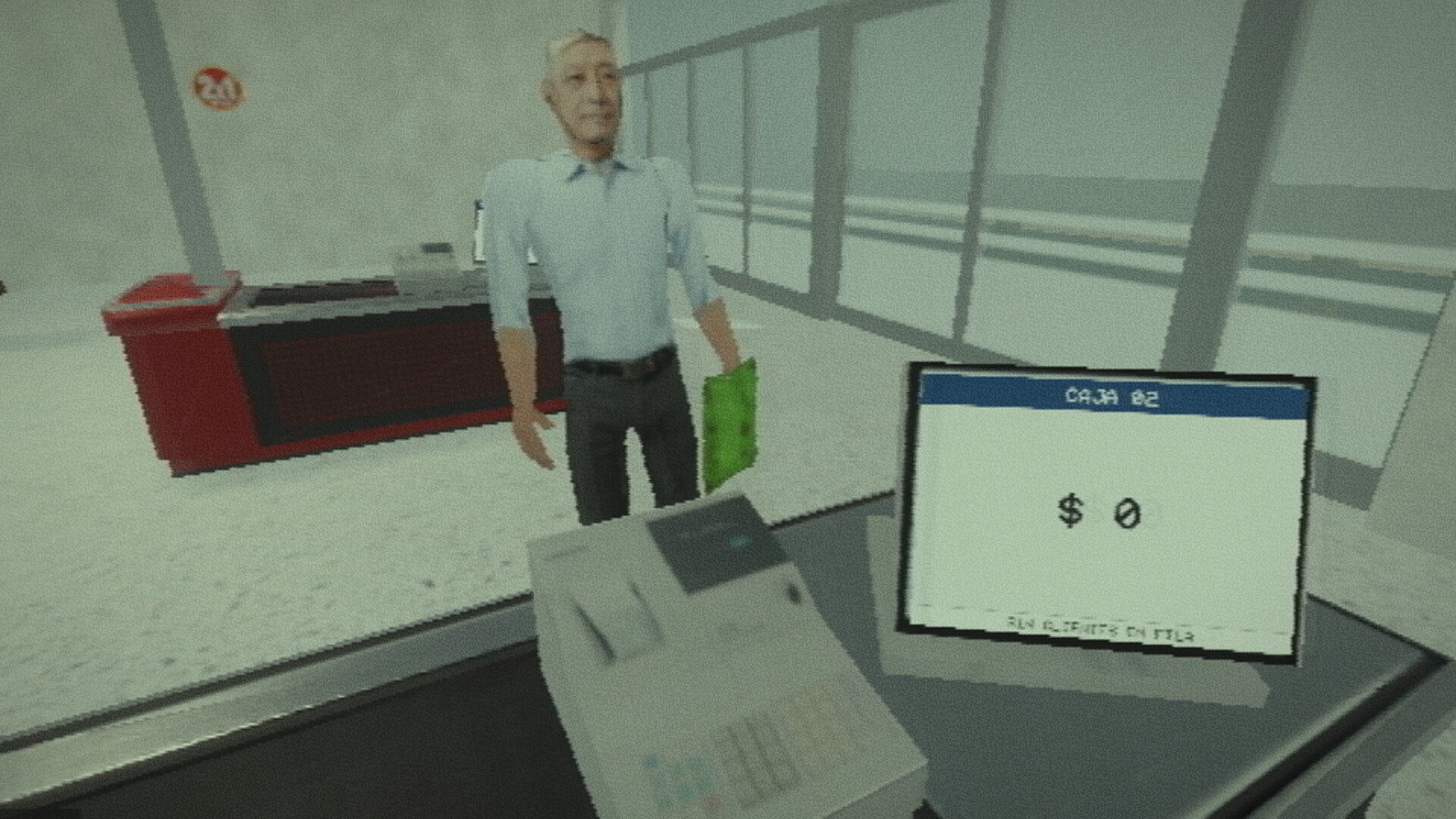
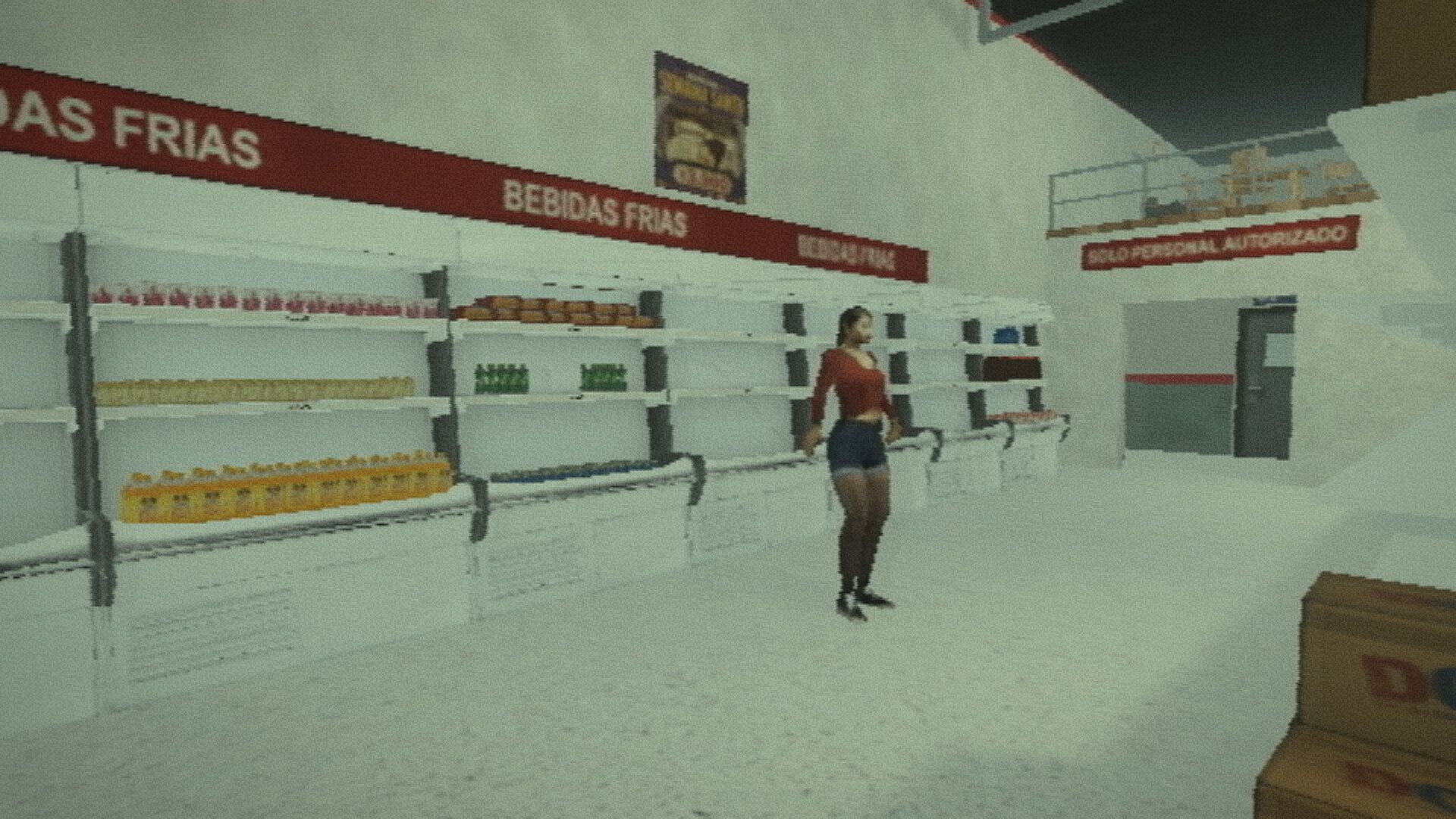
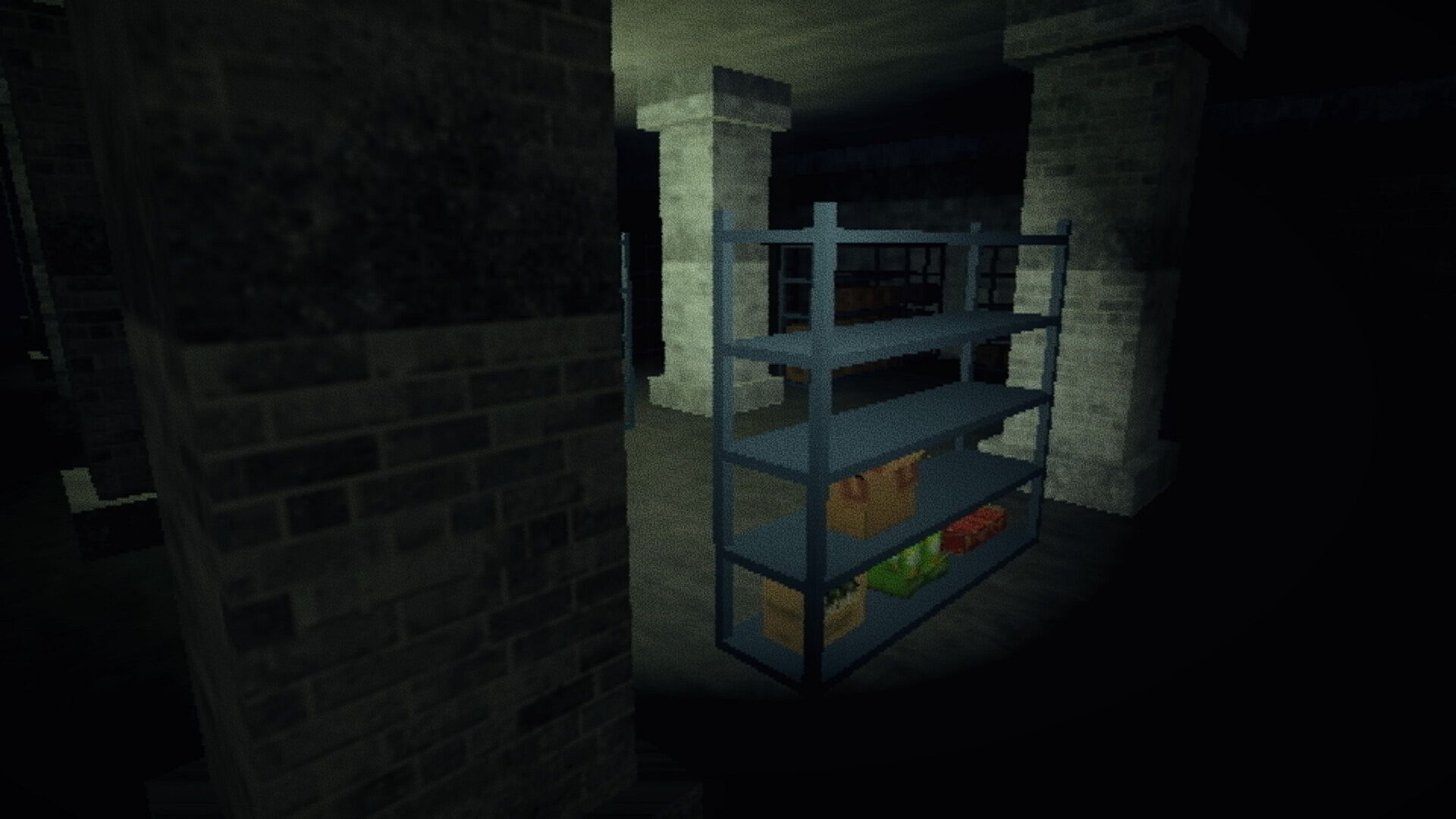
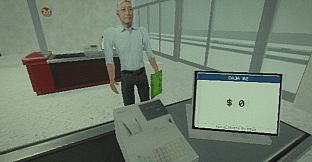
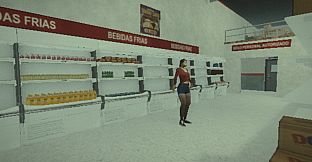
The core loop revolves around managing a full shift in the store. Each day begins with waking in the office, resetting breakers, retrieving stock boxes from the basement, and stocking shelves by carrying full boxes and tipping their contents onto displays. Empty cardboard goes to the dumpster. New orders are placed through the office computer and arrive overnight in the basement. At the register, items are scanned individually, payments collected, and lines managed while setting prices to meet rising daily quotas. Empty shelves at opening result in deductions from pay.
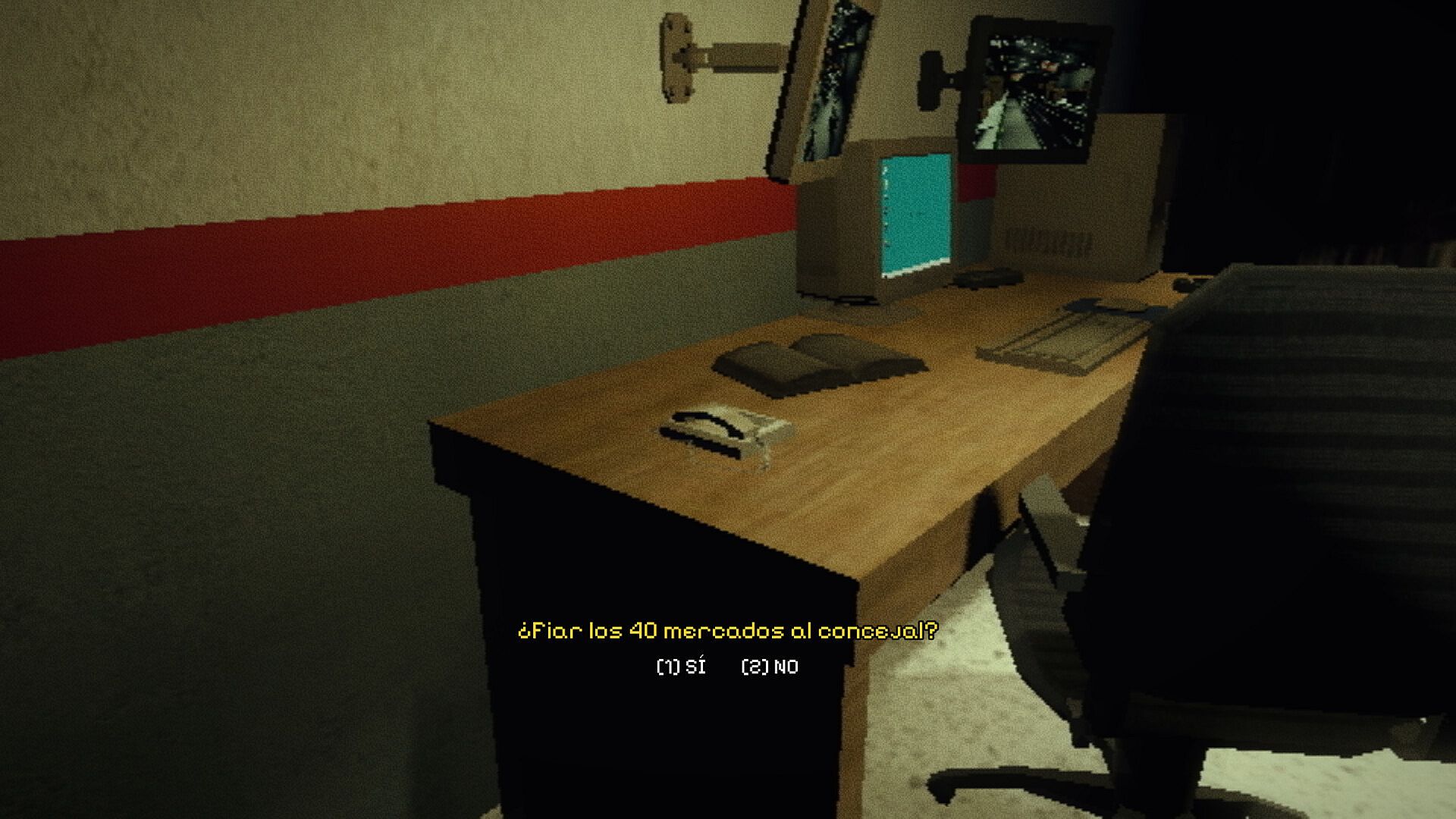
Phone calls interrupt the routine. Head office contacts the player regularly, and other callers such as a councilman or a sergeant present choices that must be answered with yes or no. Accepting offers provides immediate payment but adds to a running tally kept by the company. Customer conversations at the counter sometimes reveal details the store itself conceals. All progress including the current day, money earned, stock levels, and chosen prices is saved on the ancient office computer.
The game operates entirely in Spanish, with calls, customer gossip, and even changes to the store sign appearing in that language. No English translation is available. The current development build focuses on the first three days of shifts, emphasizing the repetitive yet escalating demands of retail work in this setting.
Game Modes
The primary experience supports one to four players through online co-op. Shifts can be divided among the crew, with tasks like stocking, register work, and basement runs shared across participants. The game tracks isolation within the group, triggering unique events such as flickering lights, basement sounds, or autonomous sign changes that only the most separated employee notices. Other players receive no confirmation of these occurrences.
Solo play is fully supported, though the company offers no additional compensation for working alone. Sleeping at the end of a shift requires the entire crew gathered by the couch, adding coordination challenges in co-op sessions. The store remembers every decision across sessions, maintaining records of quotas, earnings, and pricing choices without reset between days.
Key Mechanics and Atmosphere
Restocking follows a physical process where boxes must be hauled upstairs and emptied directly onto shelves rather than through menus or instant placement. Pricing decisions directly influence daily performance, as understocked displays incur fines while aggressive pricing can help meet climbing targets. The office computer handles orders, camera feeds, and even includes a minesweeper game that serves no official purpose.
Calls from external parties introduce branching choices that affect short-term finances and long-term company records. These interactions blend routine management with moments of decision-making that carry weight beyond the immediate shift. The remote town setting and the store's own behaviors create an atmosphere where ordinary retail tasks gradually incorporate unsettling elements, particularly when players separate during co-op play.
Is It Worth Playing?
Hasta Agotar Existencias targets players who enjoy detailed simulation combined with co-operative elements and light horror triggers tied to group dynamics. The focus on physical stock handling, price setting, and quota management delivers a grounded retail loop that escalates through daily increases and penalties. Co-op sessions add layers of coordination and isolation-based events that differentiate it from standard management titles.
Because the game remains in active development with only the first three days available in the playtest build, prospective players should consider their interest in the core shift routine and Spanish-language presentation. Those drawn to indie simulations that blend everyday tasks with subtle tension and group coordination will find the described systems align closely with that preference. The absence of an English version and the early state mean the full scope of later days and additional content is not yet accessible.











