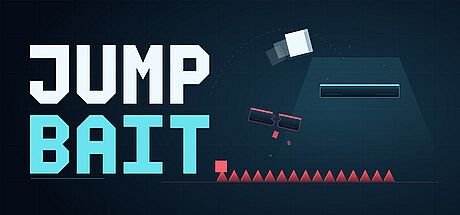


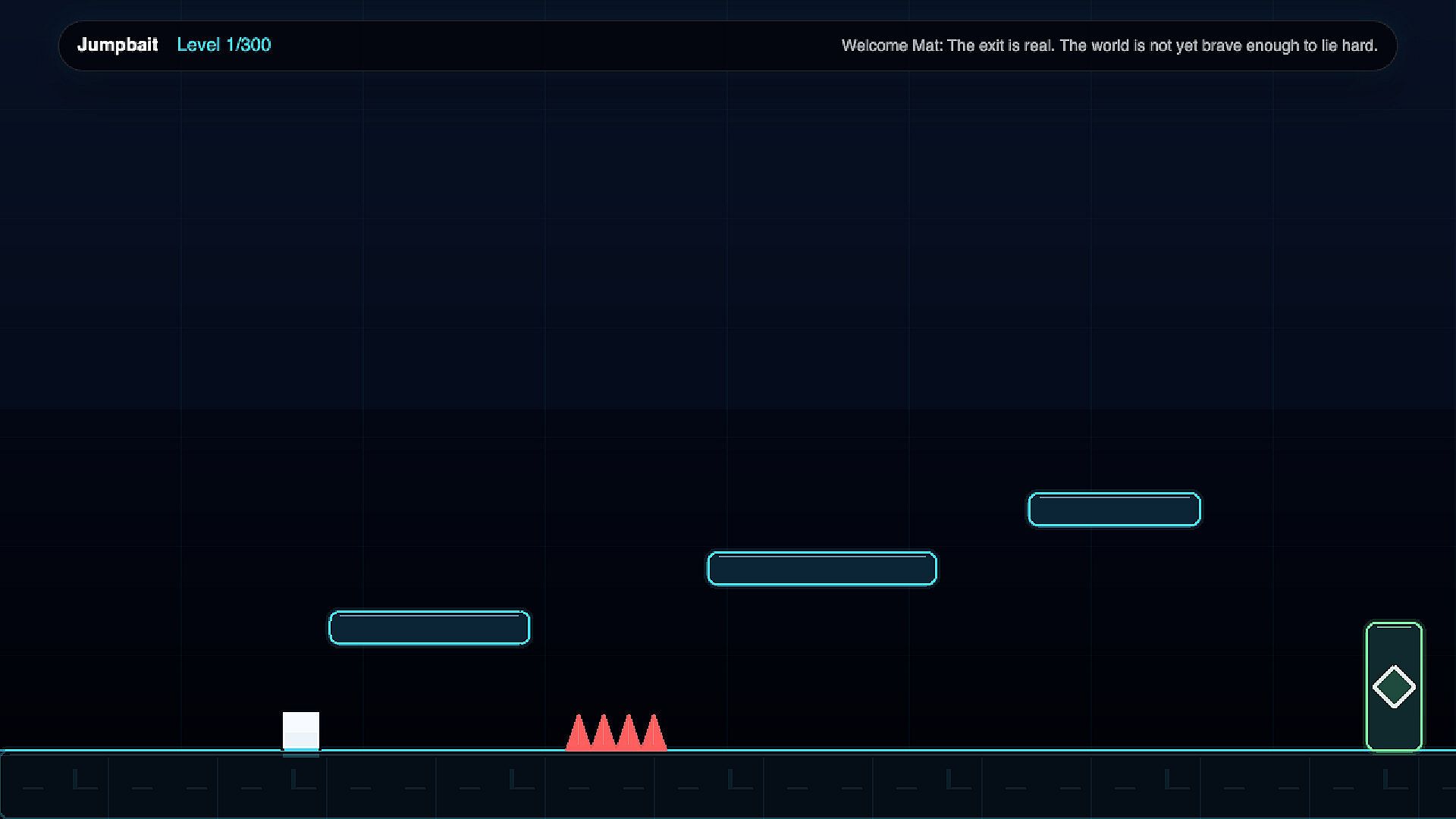
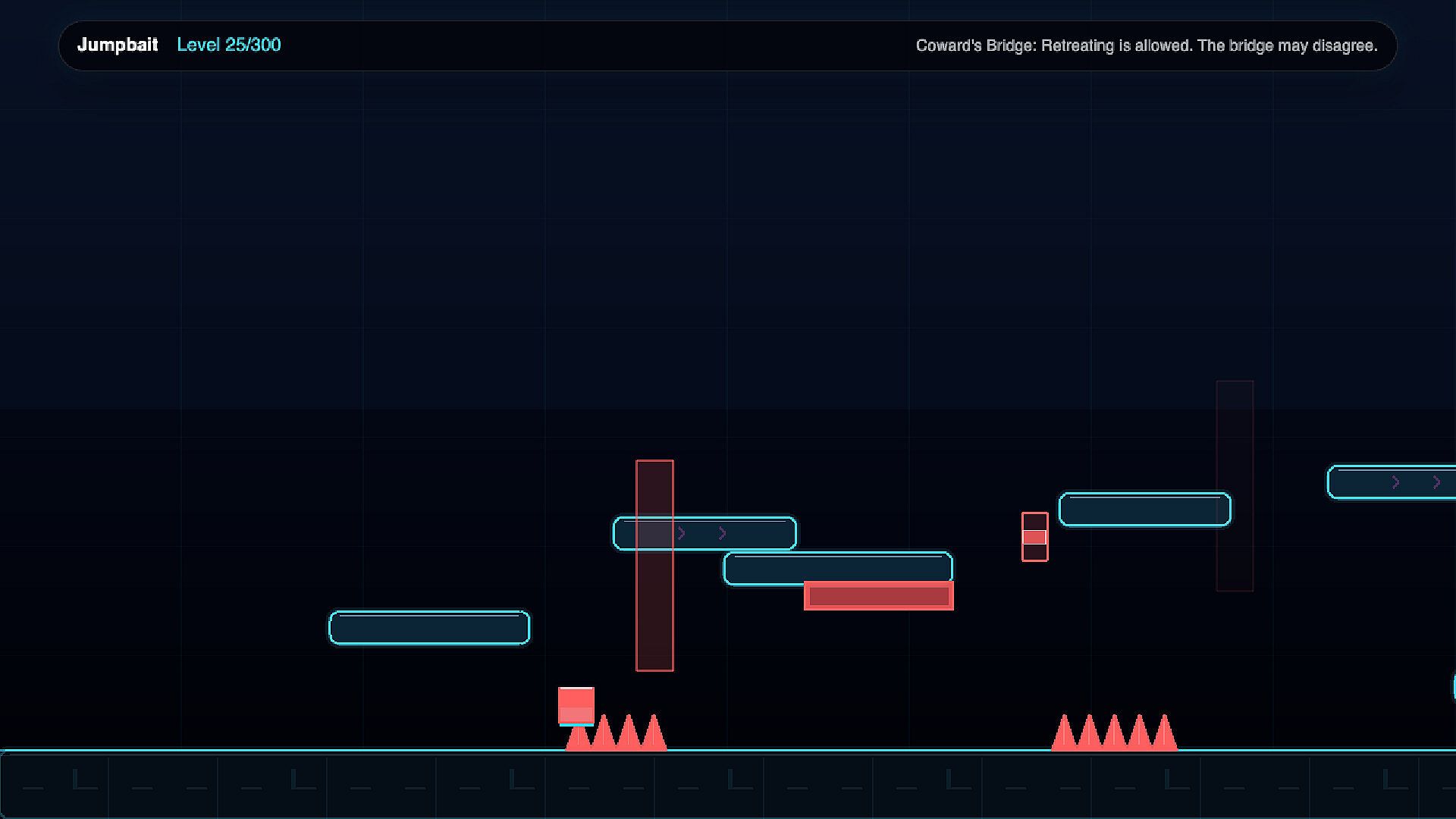
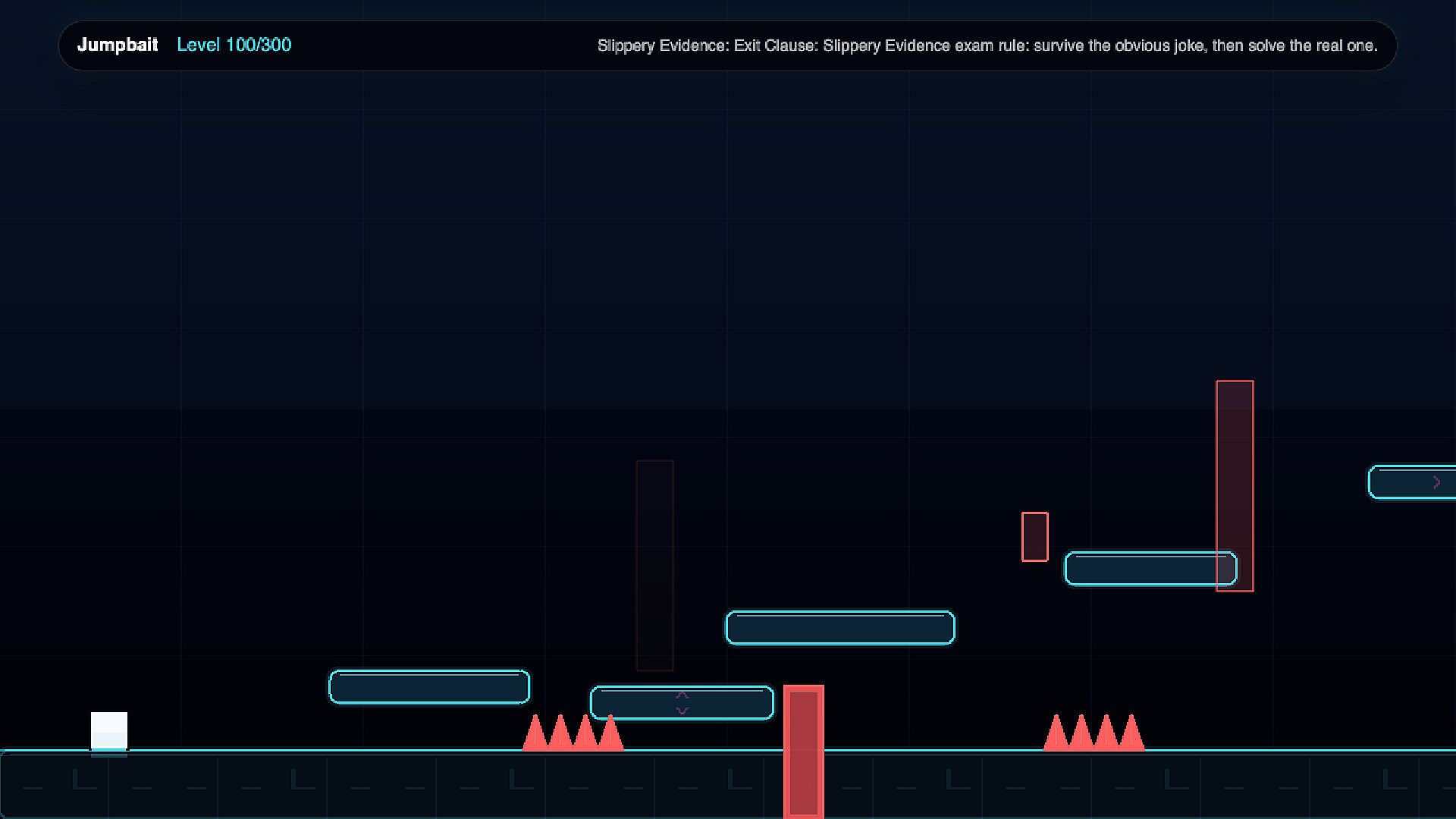
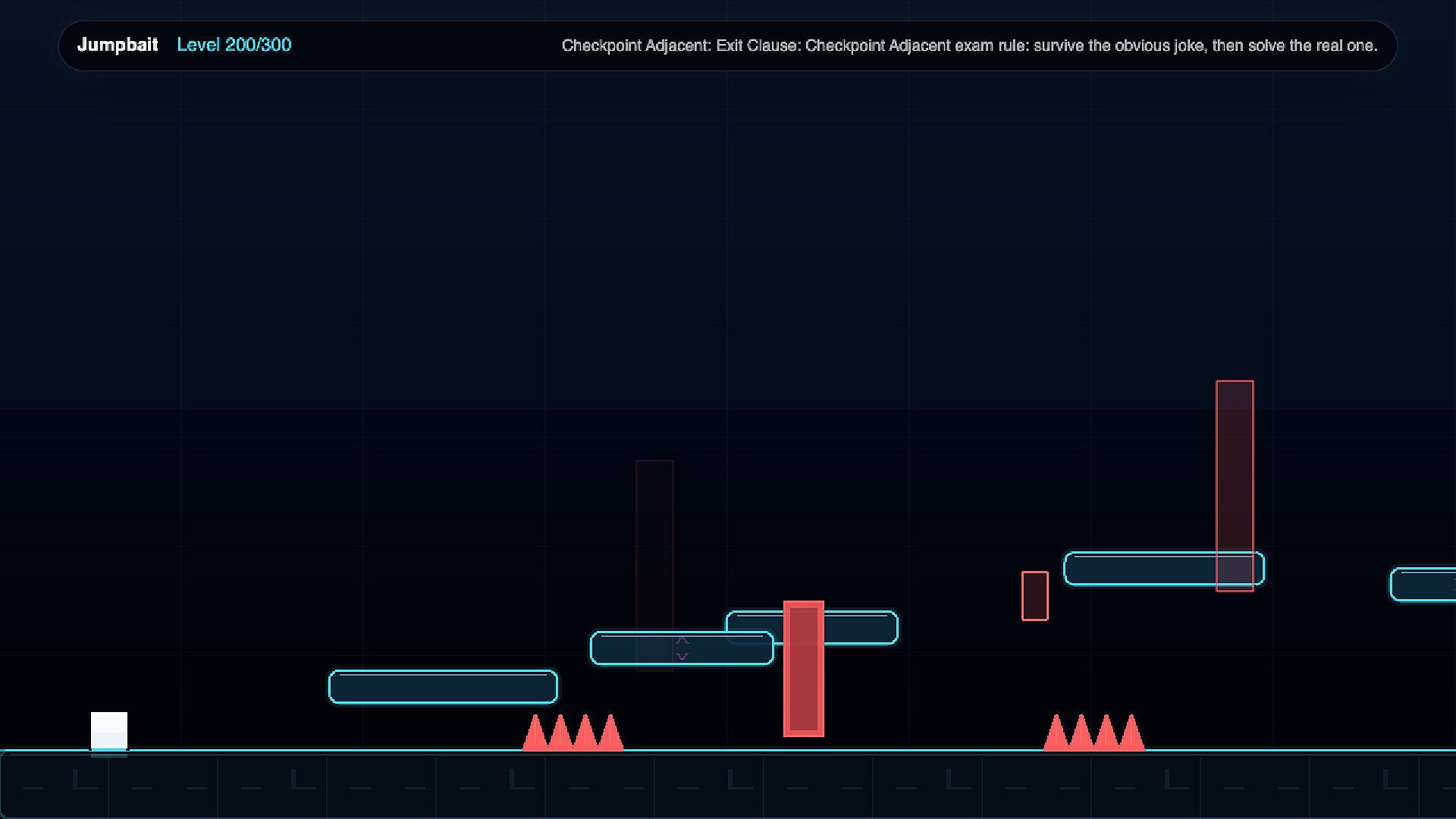
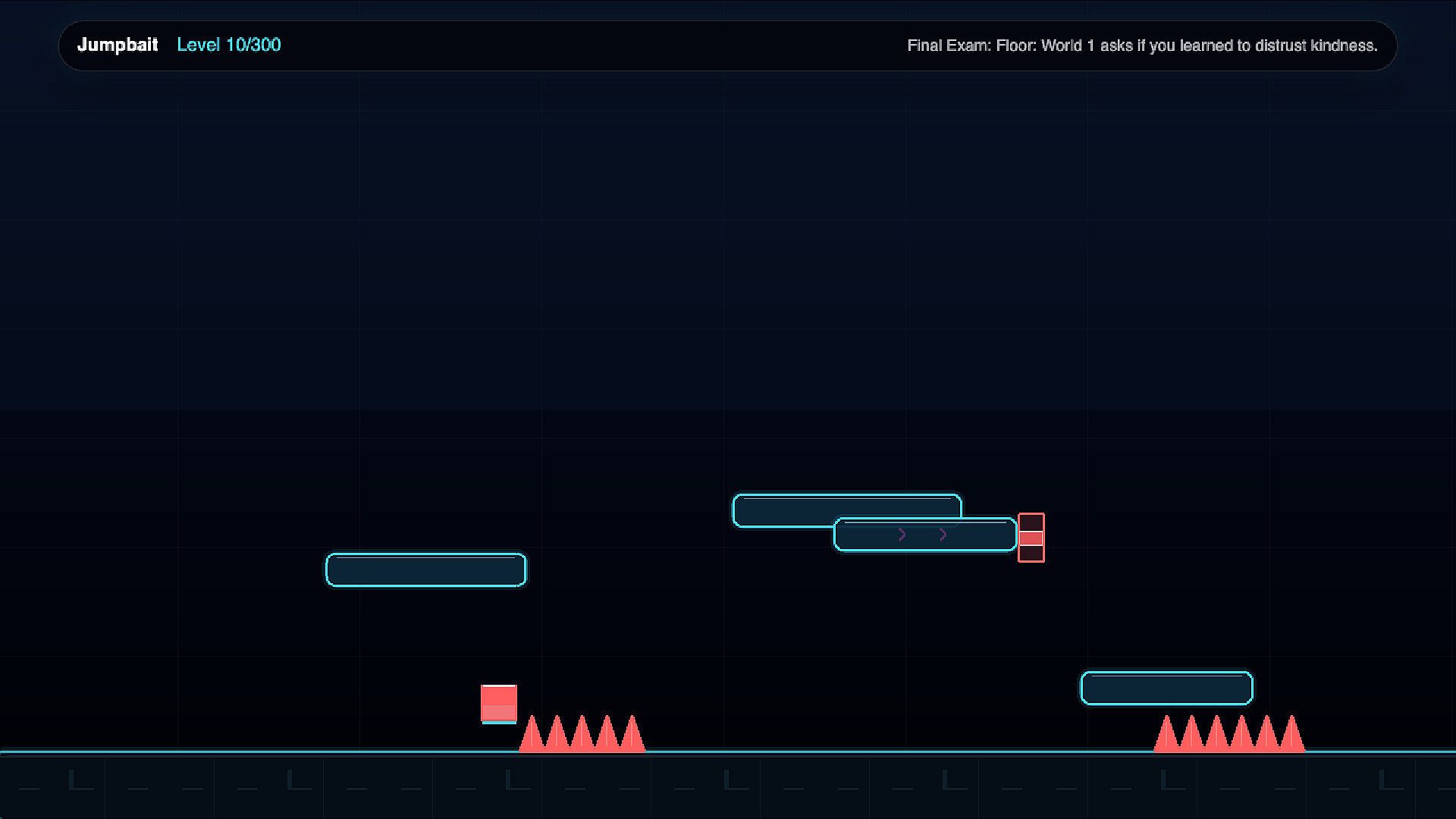
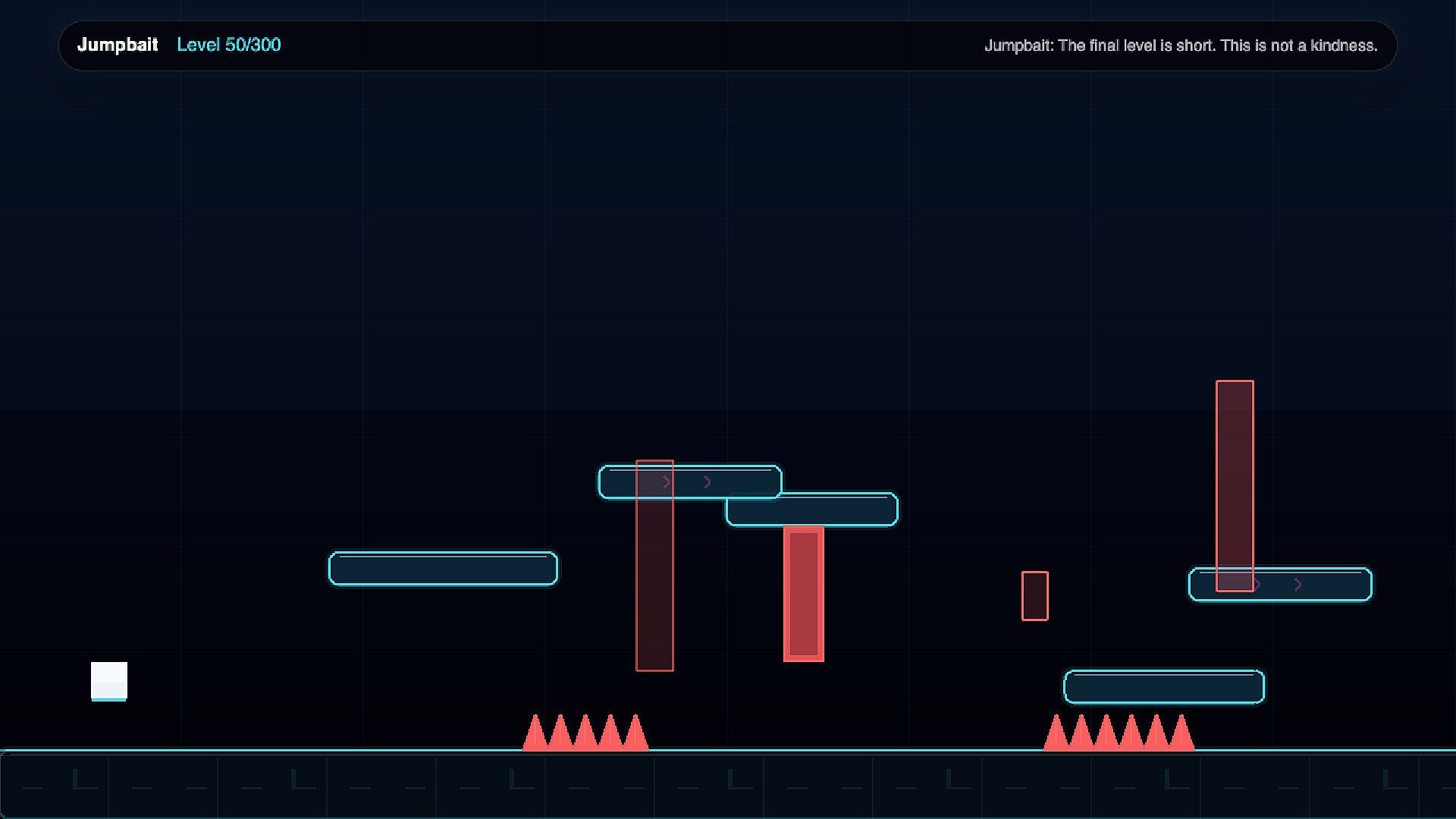
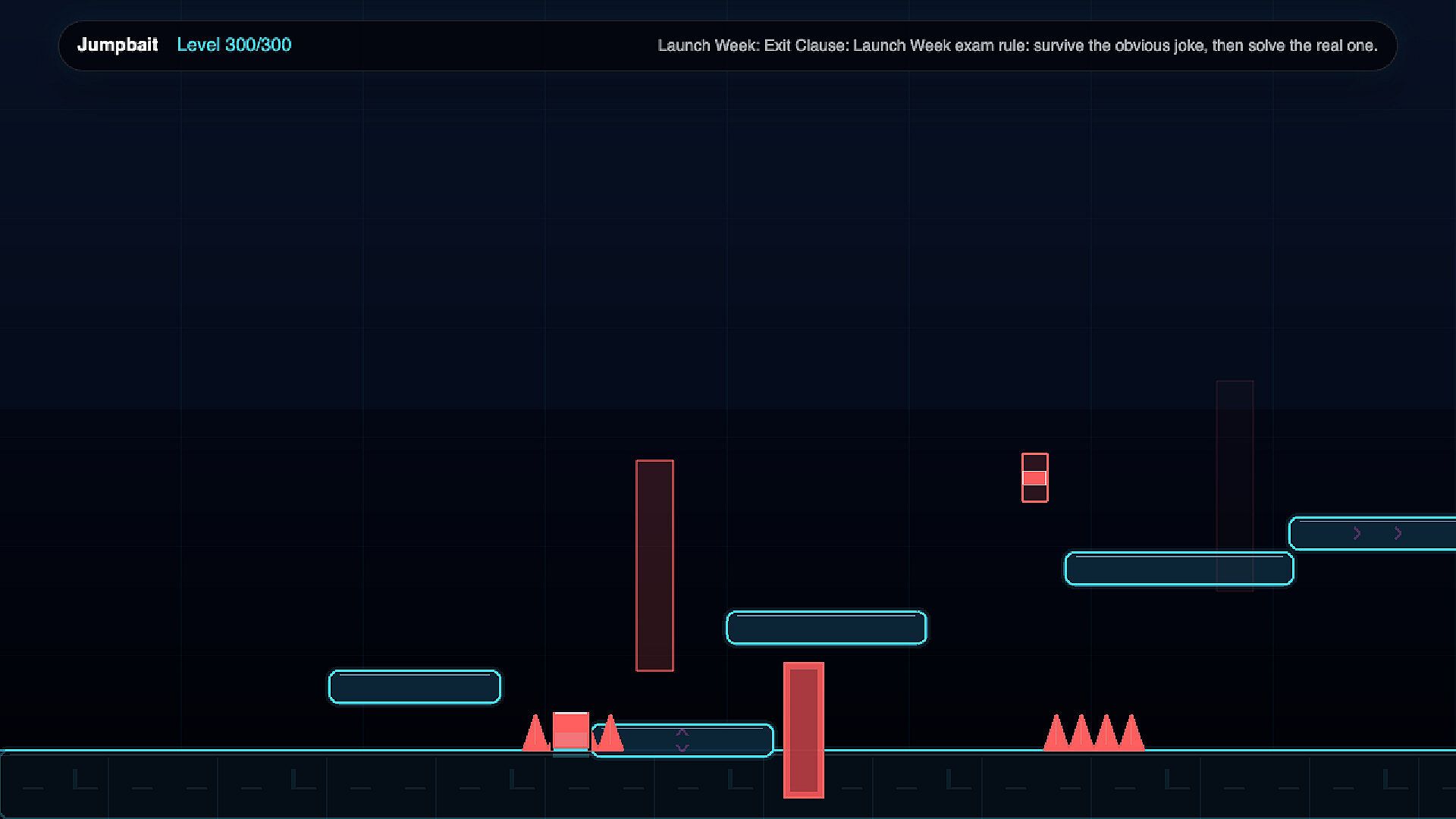
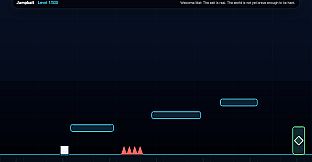
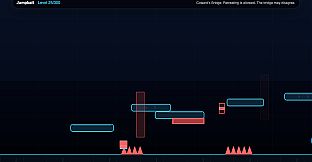
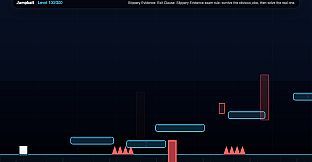
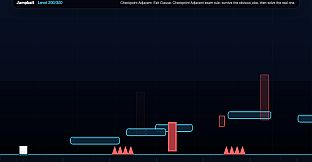
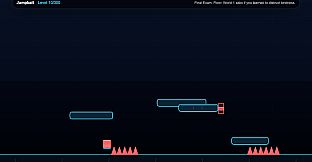
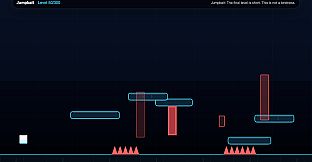
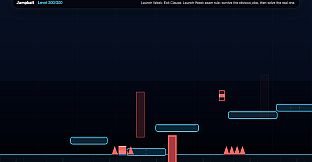
Jump Bait is a precision platformer developed for PC that emphasizes short stages, immediate restarts, and platforms designed to mislead players at critical moments. The core experience revolves around side-scrolling movement where every jump carries risk because surfaces may crumble, disappear, shift position, or simply delay their betrayal until trust is established. Players control a character using keyboard inputs to run, leap, and land precisely while navigating trap-heavy layouts that test observation and adaptation rather than raw speed alone.
Gameplay
The gameplay loop centers on compact levels that players can read, attempt, and refine quickly. Each stage presents a straightforward objective of reaching the exit, yet the path demands constant vigilance against deceptive elements. Platforms that appear stable often prove unreliable, teaching specific rules through repeated failures before those rules are bent or subverted in later sections. Deaths occur rapidly without lengthy animations, allowing restarts to happen almost instantly so focus remains on learning the layout rather than waiting through resets.
Progress saves locally, preserving advancement across sessions without external dependencies. The design avoids random punishment by structuring traps to reward careful inspection, particularly of platforms that look most trustworthy. This creates a rhythm of observation, trial, failure, and incremental improvement that suits players who appreciate tight controls and readable yet punishing environments.
Game Modes
Jump Bait operates as a single-player experience with no additional modes or multiplayer components confirmed at this stage. The focus stays entirely on the core precision platforming loop across escalating stages filled with platform betrayals and trap layouts. No separate difficulty settings, time trials, or alternate play styles have been detailed beyond the standard progression through compact levels.
Key Mechanics and Features
Deceptive platforms form the central mechanic, including surfaces that crumble underfoot, vanish after contact, move unpredictably, or introduce delays to catch players mid-jump. These elements combine with trap-heavy designs to create layouts that reward pattern recognition over blind repetition. Keyboard controls provide direct input for movement and jumping, keeping the experience streamlined without additional input layers.
Hundreds of stages build in complexity, each one designed to be short enough for rapid iteration. The emphasis on fast failure means players spend more time actively engaging with challenges than navigating menus or loading screens. Local saving ensures continuity without requiring constant reconnection or cloud features.
Is It Worth Playing?
Jump Bait targets players who enjoy precision side-scrolling platformers built around quick retries and deceptive level design. Its structure prioritizes immediate feedback and compact stages that support repeated attempts without frustration from slow resets. Because the game remains listed as coming soon with no released version or user reviews available, any assessment rests on the described systems of platform betrayal and fast failure loops.
Those drawn to games where observation and adaptation matter more than reflexes alone may find the approach appealing once it launches. The single-player focus and keyboard-driven controls keep the experience accessible on standard PC setups, though the lack of confirmed additional features means expectations should center on the core platforming challenge outlined in the available details.