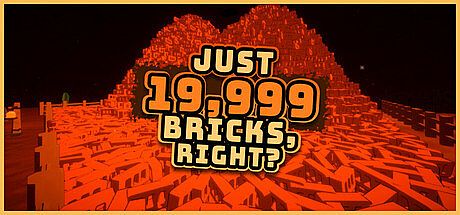


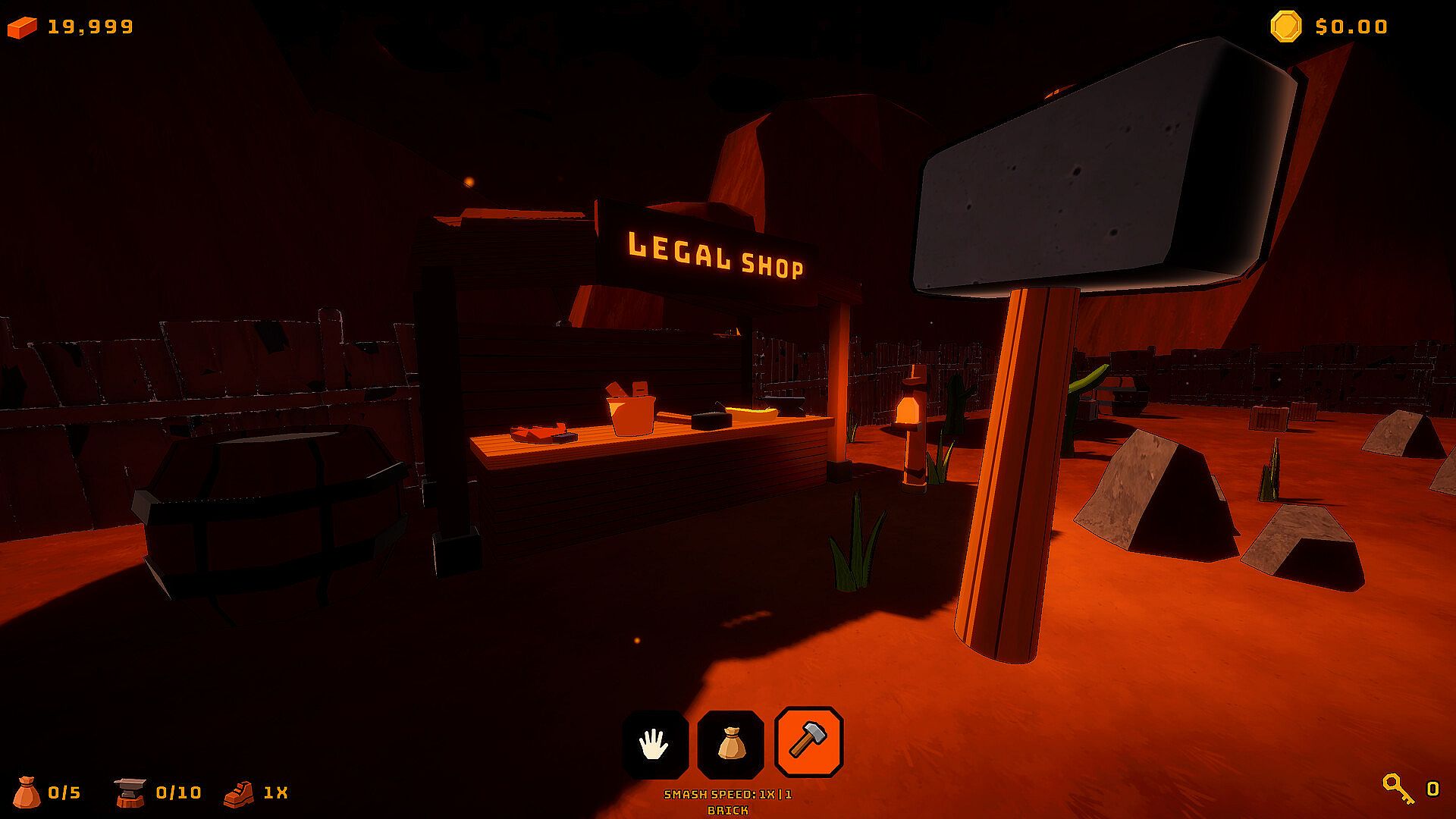
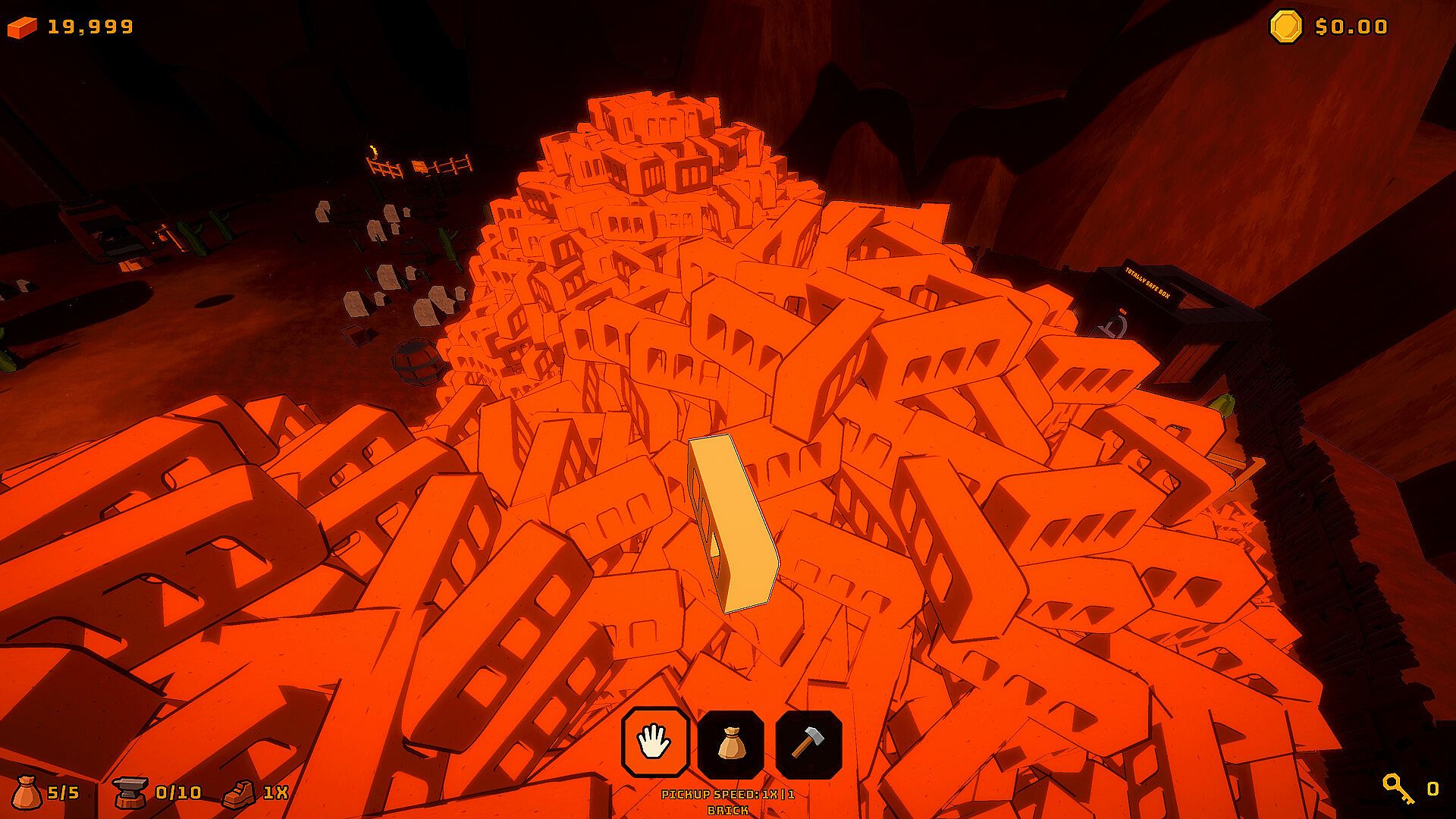
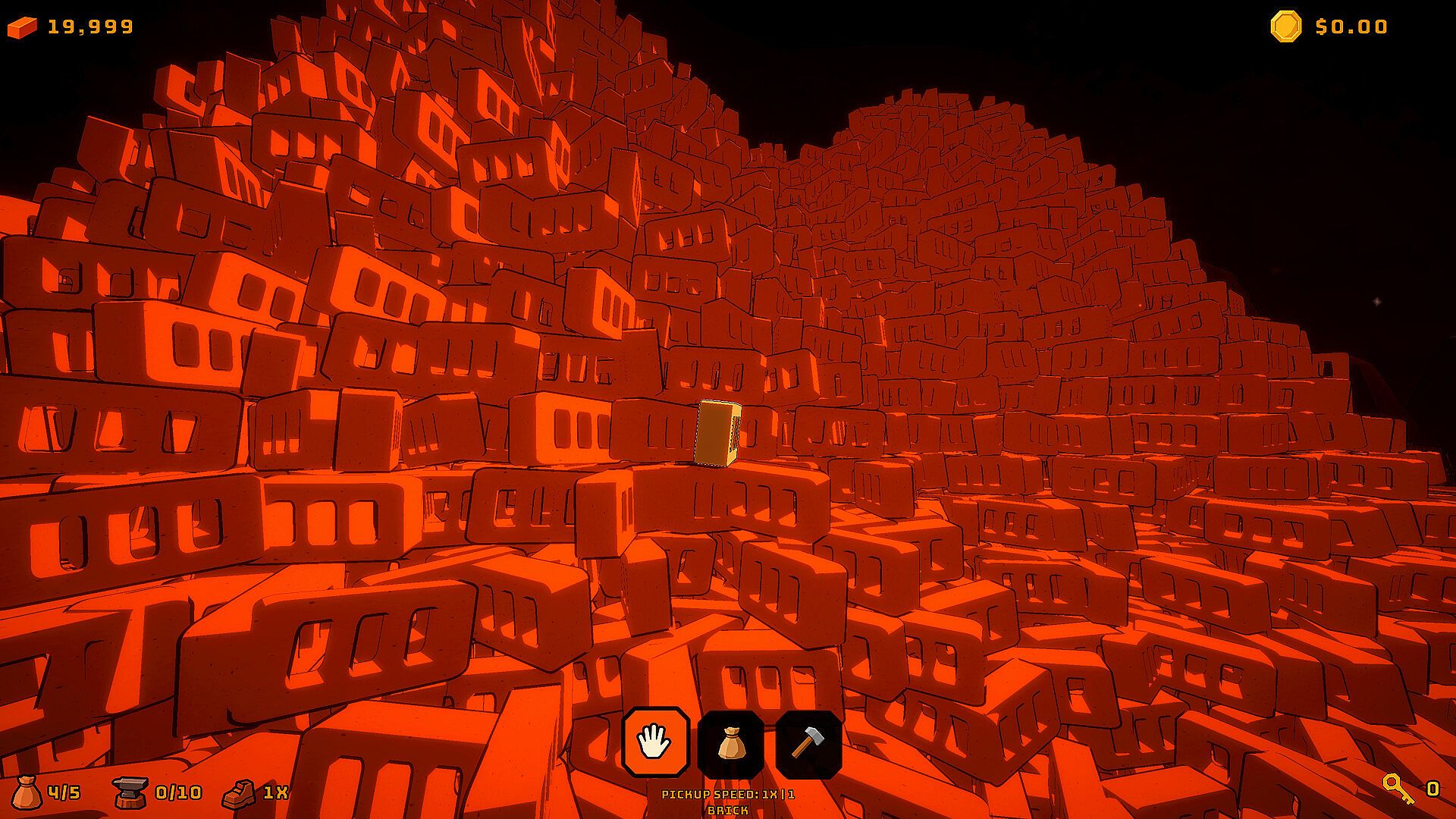
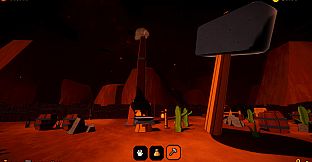
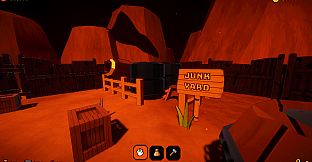
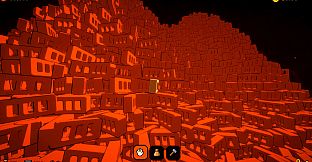
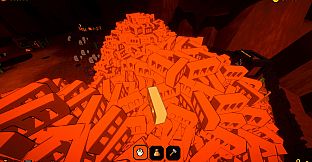
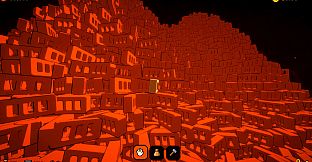
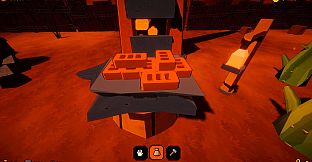
Just 19,999 Bricks, Right? is an indie casual game for PC that puts players in a first-person brickyard setting with one clear task: clear a precise stack of 19,999 bricks through hands-on collection, sorting, and smashing.
Gameplay
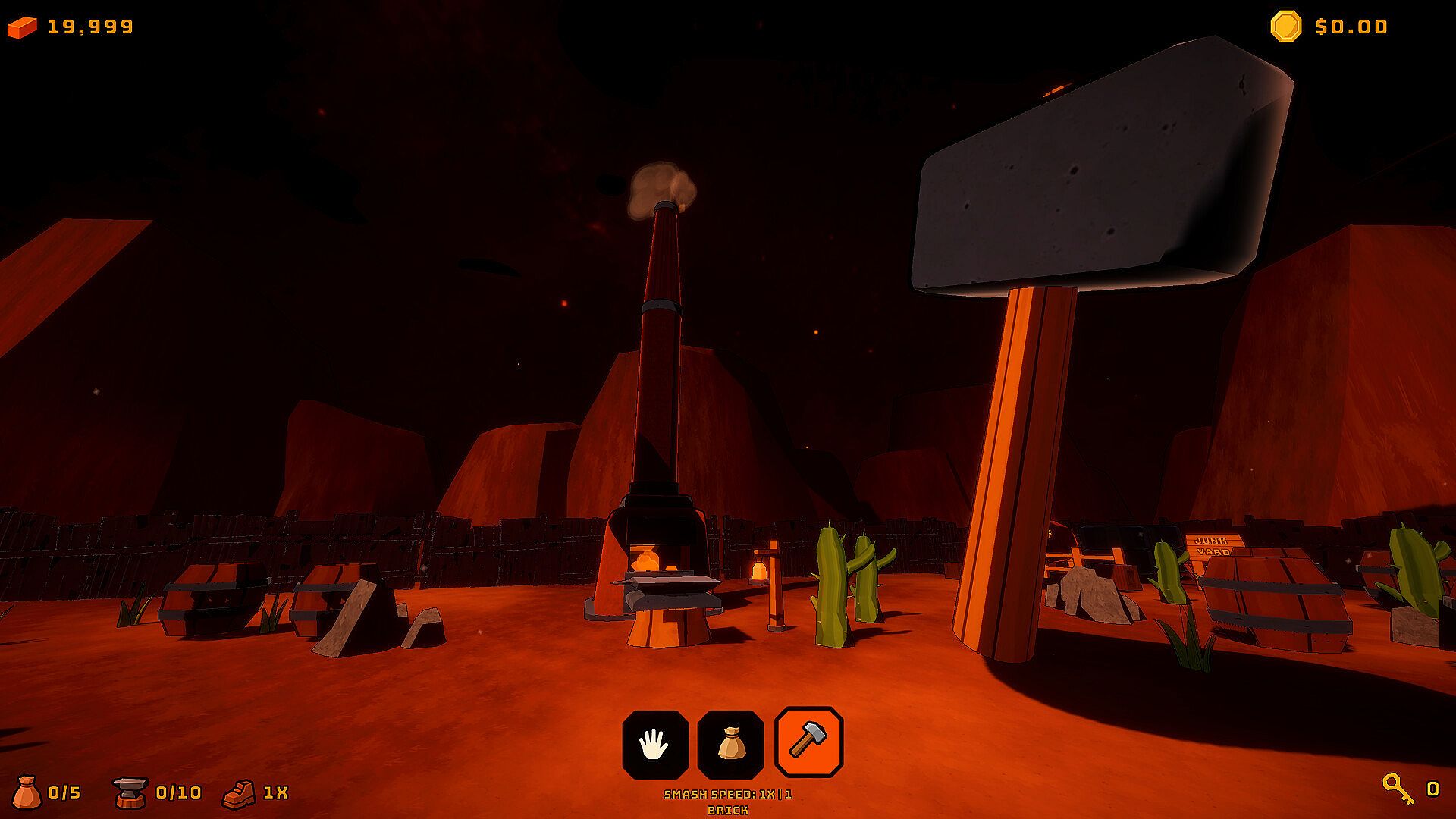
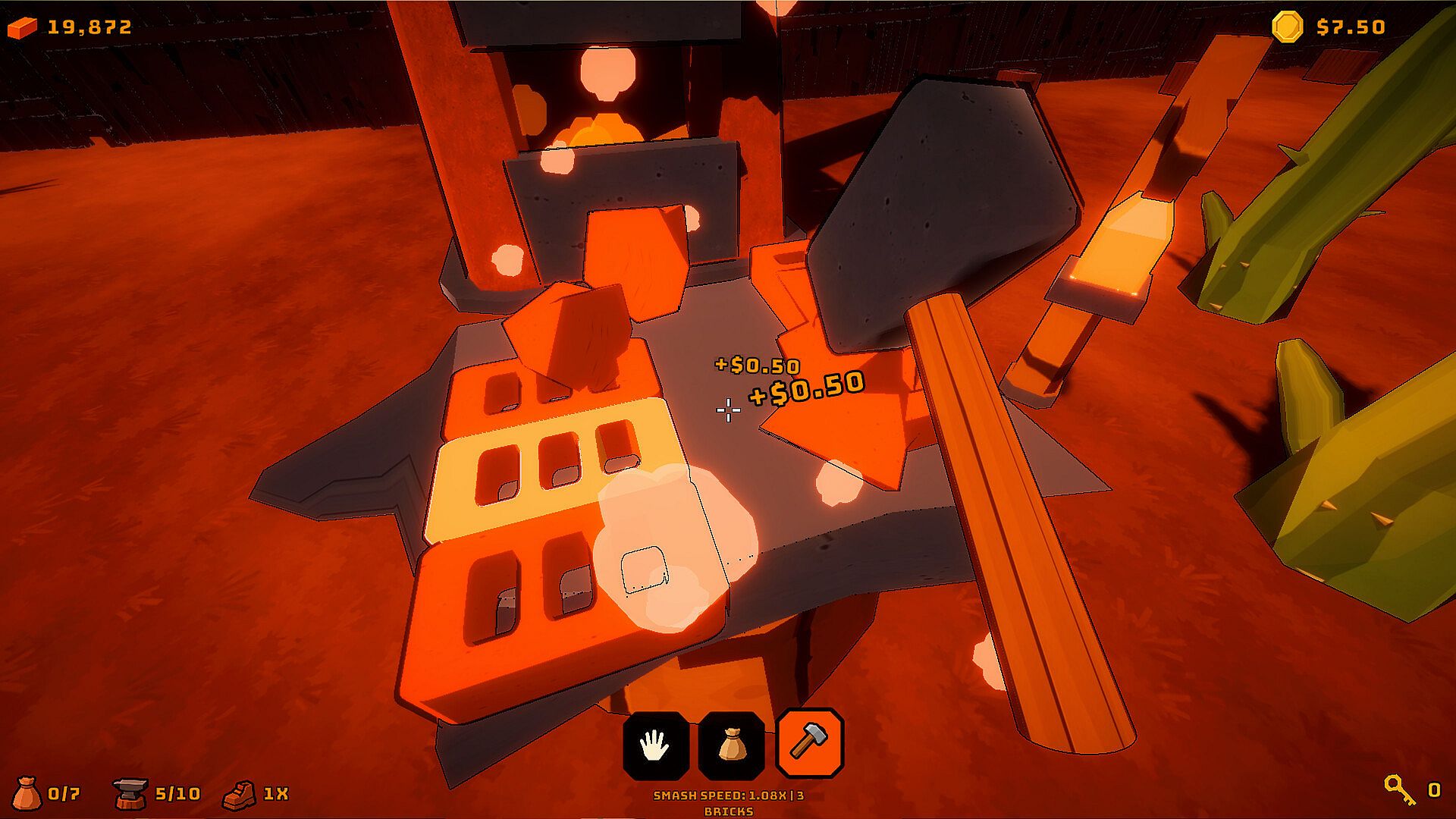
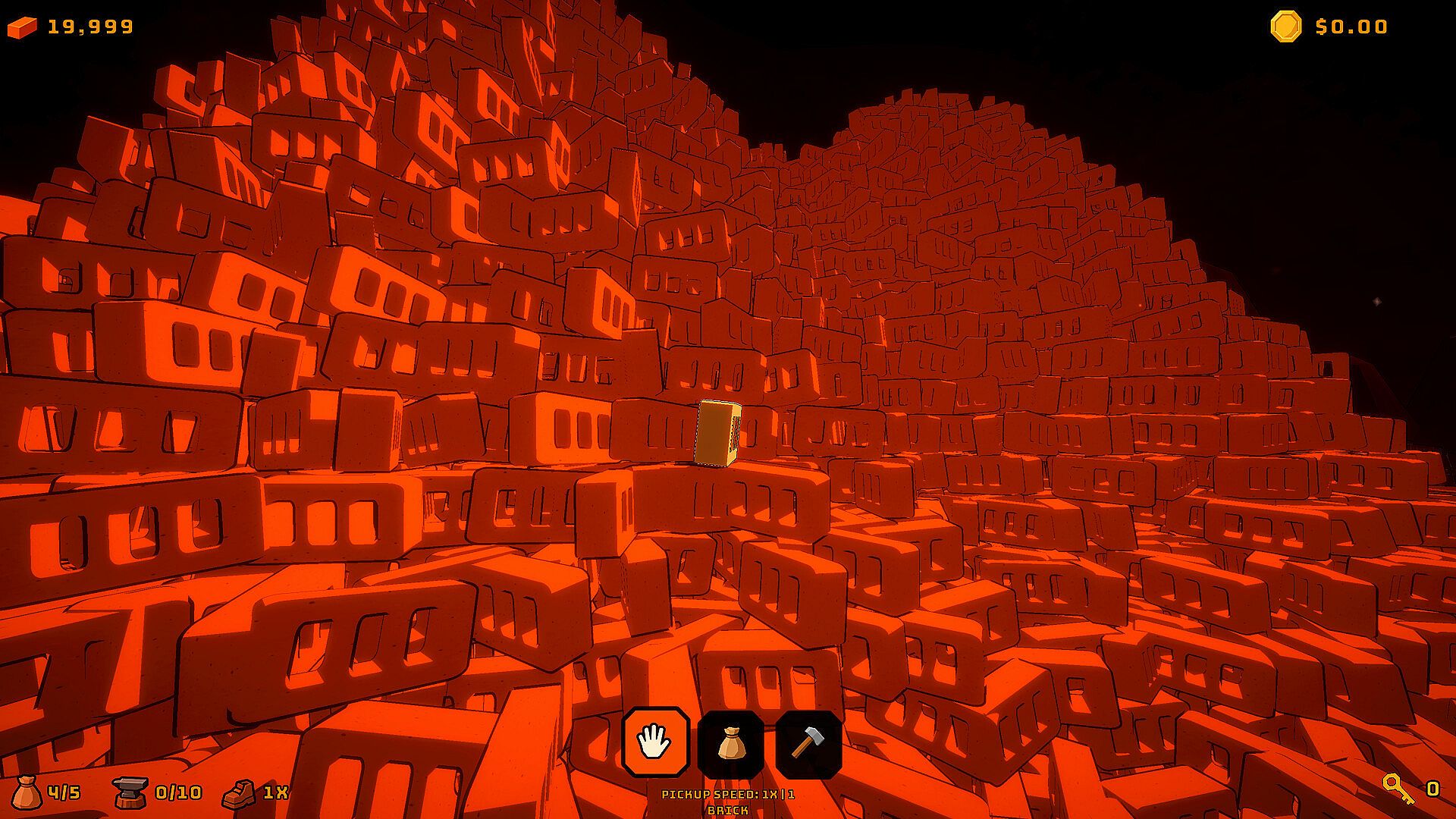
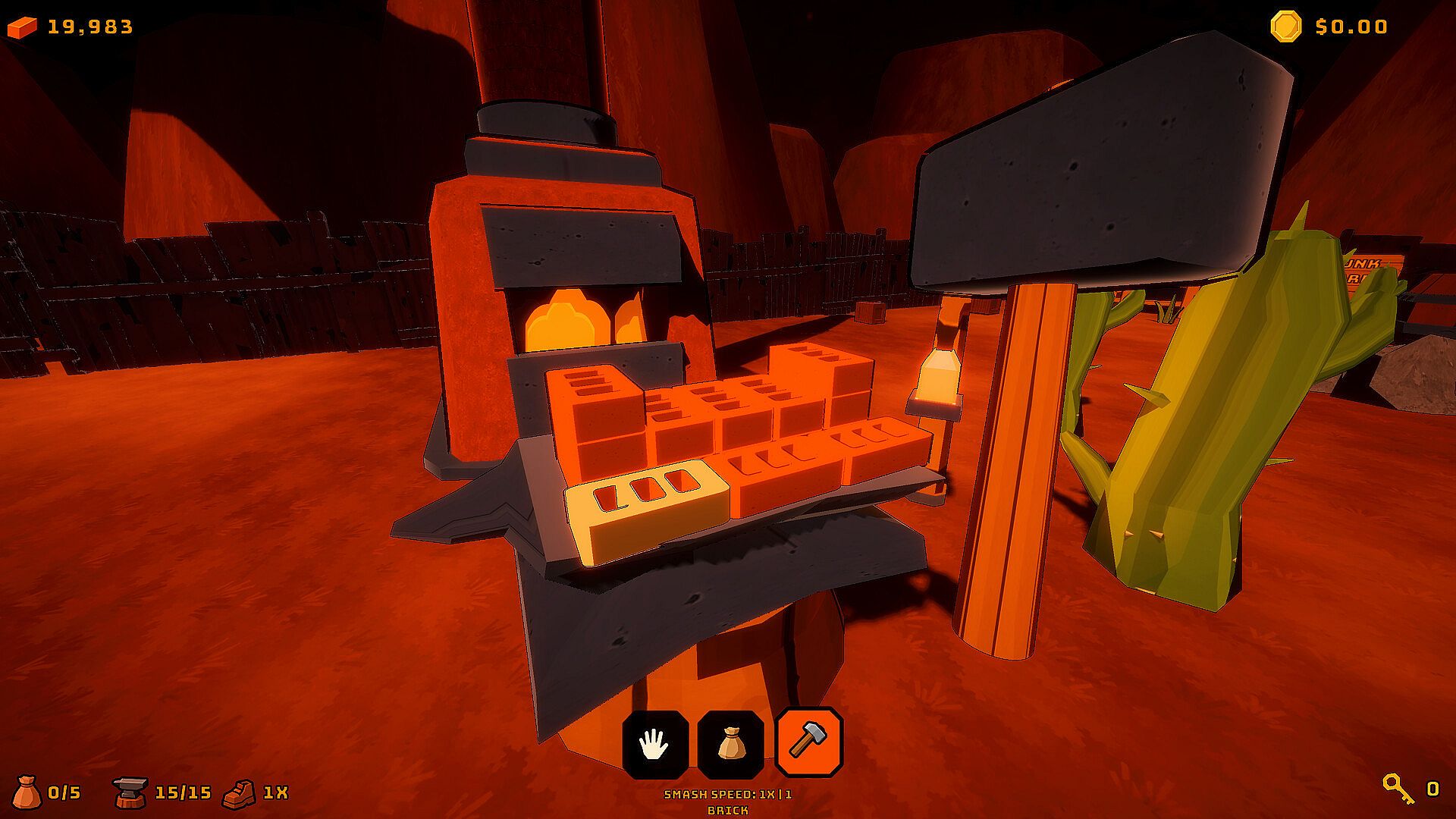
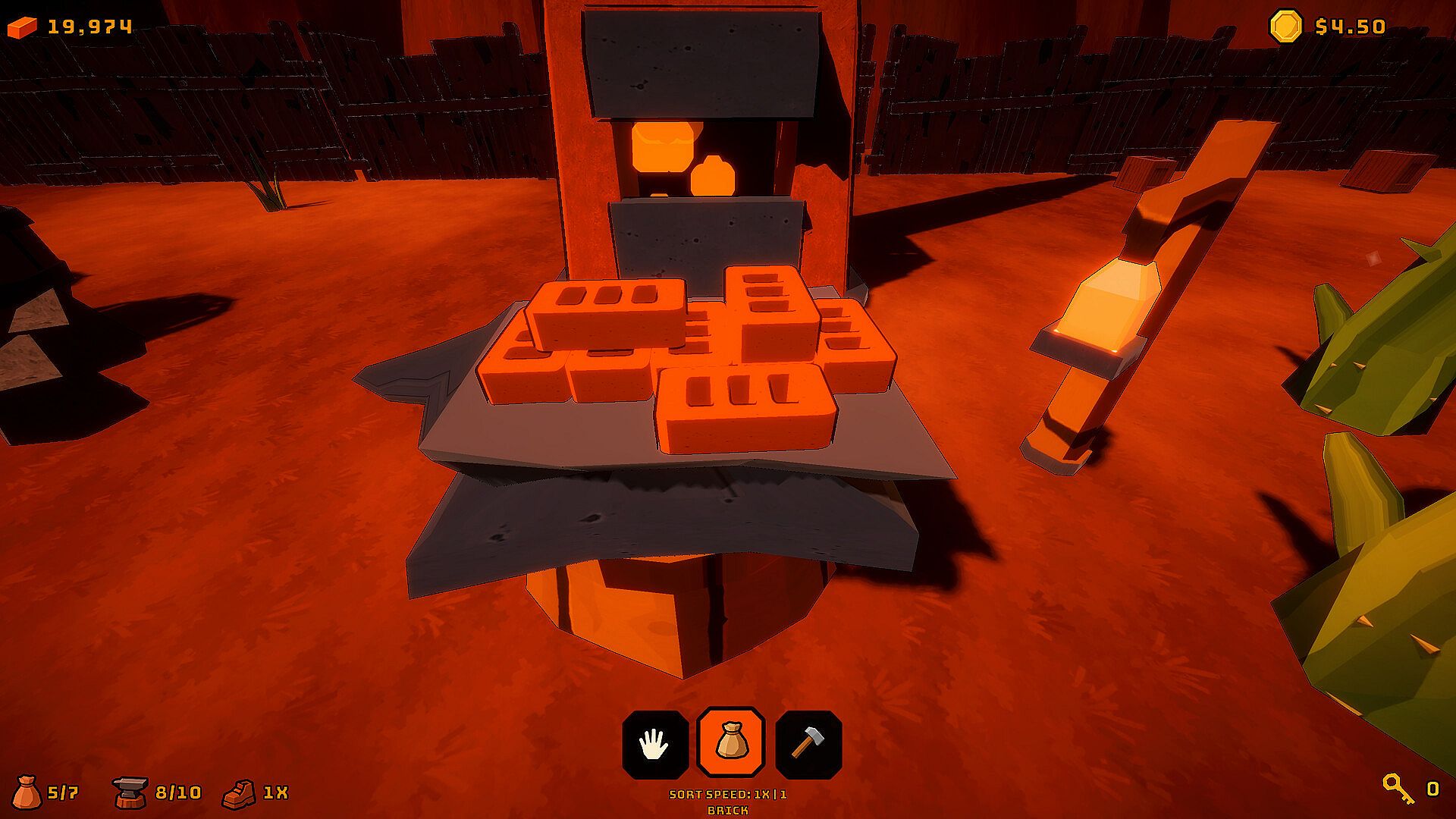
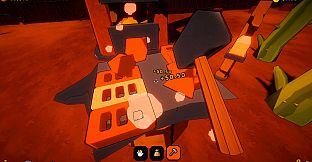
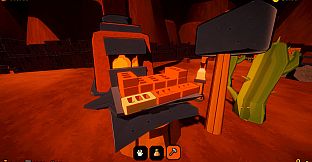
The core loop centers on manual labor in a compact yard. Players pick up individual bricks, transport them using a sack, arrange them into stacks on a workbench with options for both horizontal and vertical placement, and then smash the stacks using a hammer to earn money. This process repeats across the exact total of bricks until the yard is empty.
Progression comes through 60 upgrades spread across five distinct paths. Fifteen upgrades each improve the gloves for better handling, the sack for increased storage capacity, and the hammer for stronger or faster smashing. Ten upgrades enhance the workbench for better stacking efficiency, while five focus on movement to make navigation around the yard quicker and more effective. Earnings from smashing fund these purchases directly.
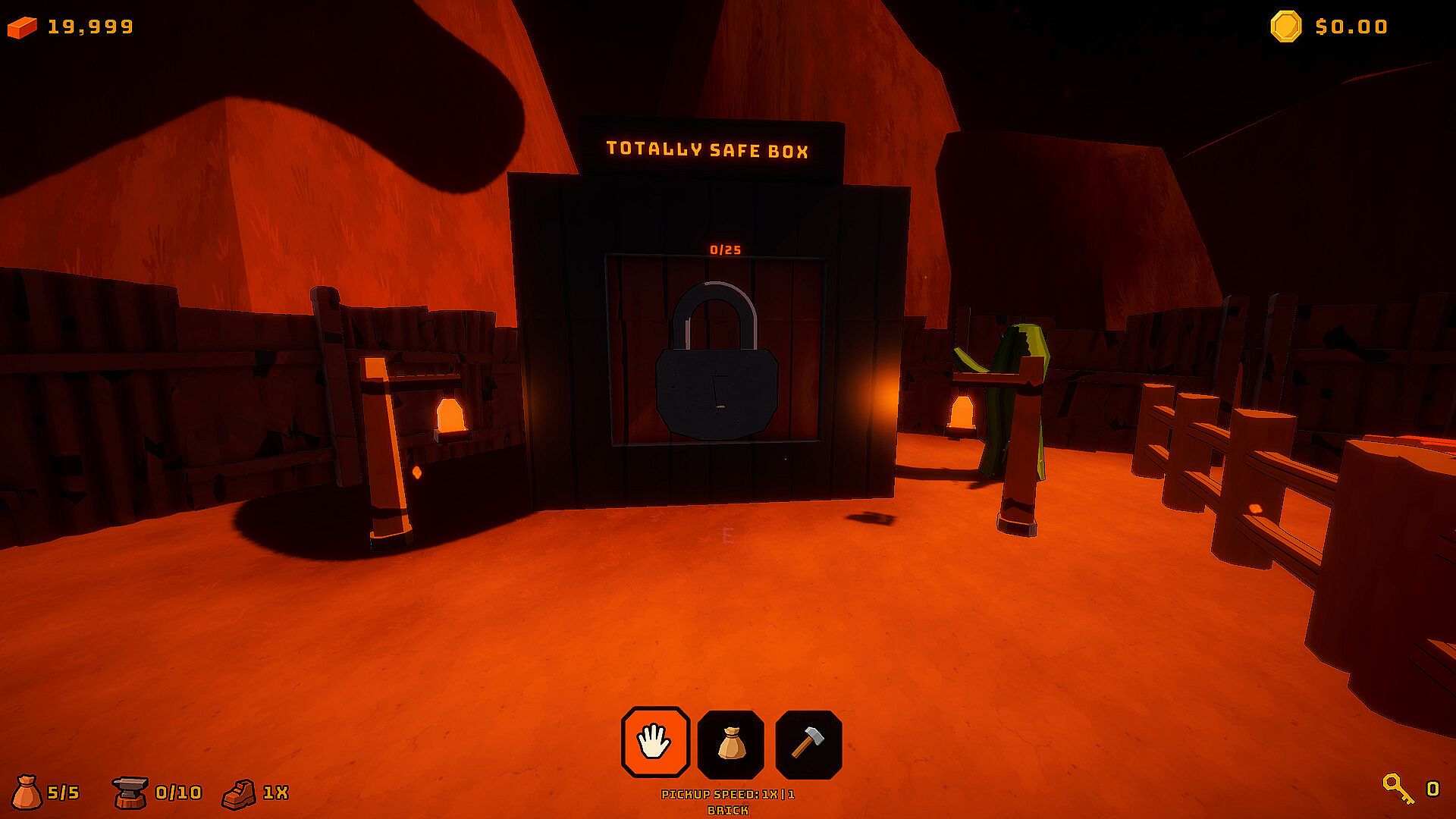
Additional tools appear as smashing continues. Ladders can be moved into position for better access, bouncing tires provide momentum for quicker travel, and a human cannon launches the player across distances. Four different hammer models become available through upgrades. Hidden money banks and a total of 25 keys add side objectives during the main task.
Game Modes
The experience runs as a single continuous session focused on clearing the full brick count. There are no separate named modes or variations confirmed beyond the core first-person workflow of collecting, sorting, and smashing. The structure remains consistent from start to finish, with upgrades and tools unlocking naturally as the brick total decreases.
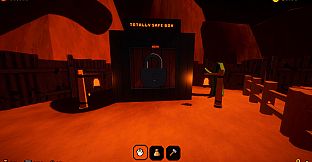
Players manage their own pace within the yard, deciding when to focus on stacking efficiency or when to pursue keys and hidden banks. The locked box in the corner serves as a persistent element that reacts with sounds and requires the collected keys to open, leading to a final encounter once the main pile is gone.
Progression and Upgrades
Each upgrade path offers targeted improvements that scale the player's capacity. Gloves reduce the effort needed to lift and carry, the sack holds more bricks per trip, and the hammer delivers greater impact per swing. Workbench upgrades allow larger or more stable stacks, while movement upgrades cut down on travel time between the pile, workbench, and smashing area.
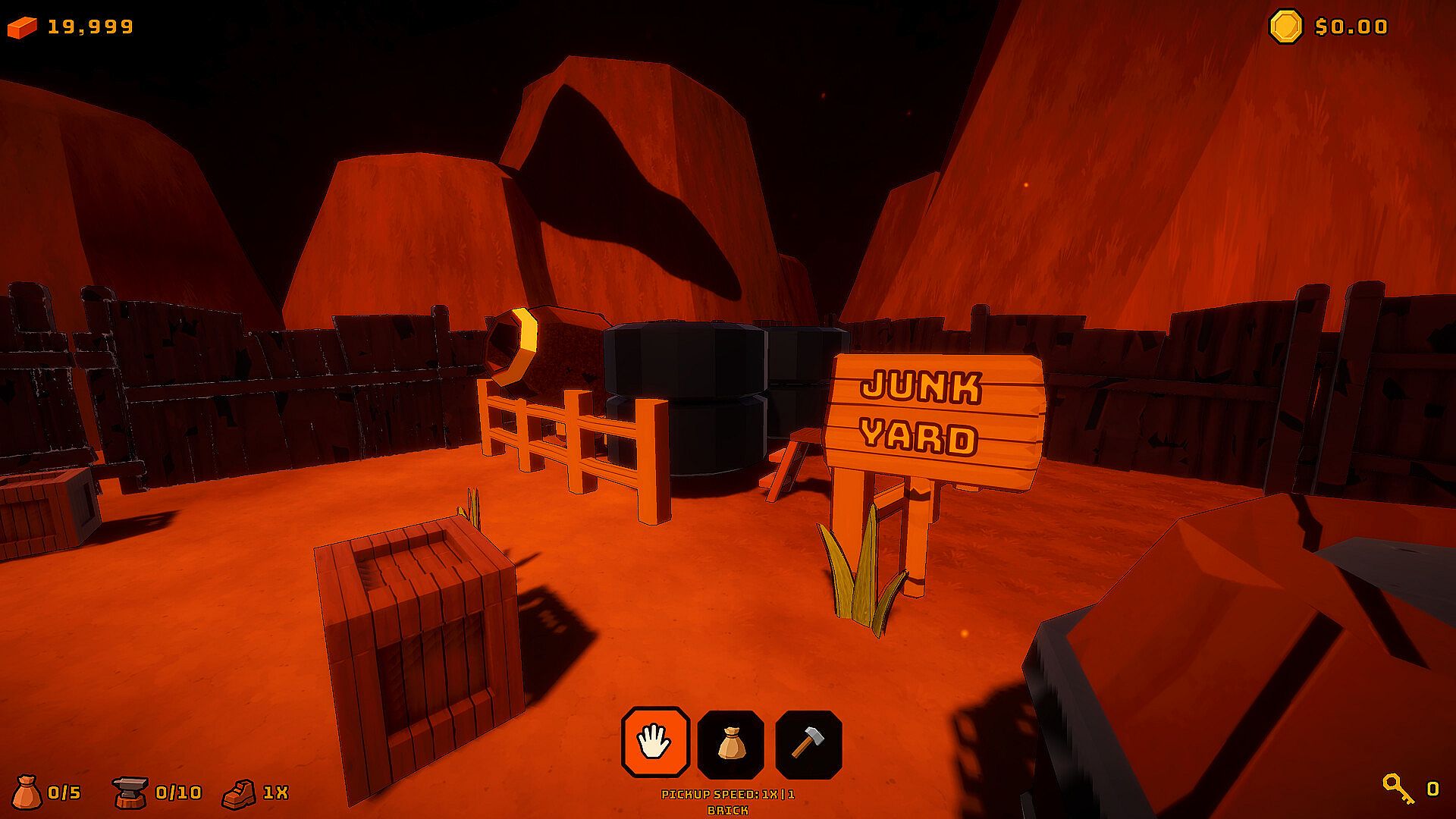
The junkyard elements integrate directly into the workflow. Ladders help reach higher sections of the remaining pile, tires create bounce points for faster repositioning, and the cannon provides a shortcut for crossing the yard. These tools become available after sufficient smashing and add variety without changing the fundamental loop.
Is It Worth Playing?
This title suits players who enjoy short, focused casual experiences built around incremental progress and repetitive but satisfying manual tasks. The exact brick count and upgrade system create a clear sense of advancement from basic tools to more efficient ones, all within a contained first-person environment.
With a planned release in December 2026 and no reviews available yet, the game appeals most to those interested in indie titles that emphasize hands-on mechanics over complex narratives or competitive elements. The combination of stacking flexibility, multiple upgrade paths, and side collectibles like keys provides enough variety for a complete playthrough without extending into long sessions.
Anyone drawn to casual PC games centered on resource management and steady improvement through upgrades will find the described systems align with that preference. The short overall length keeps the focus tight on the central brickyard activity.