

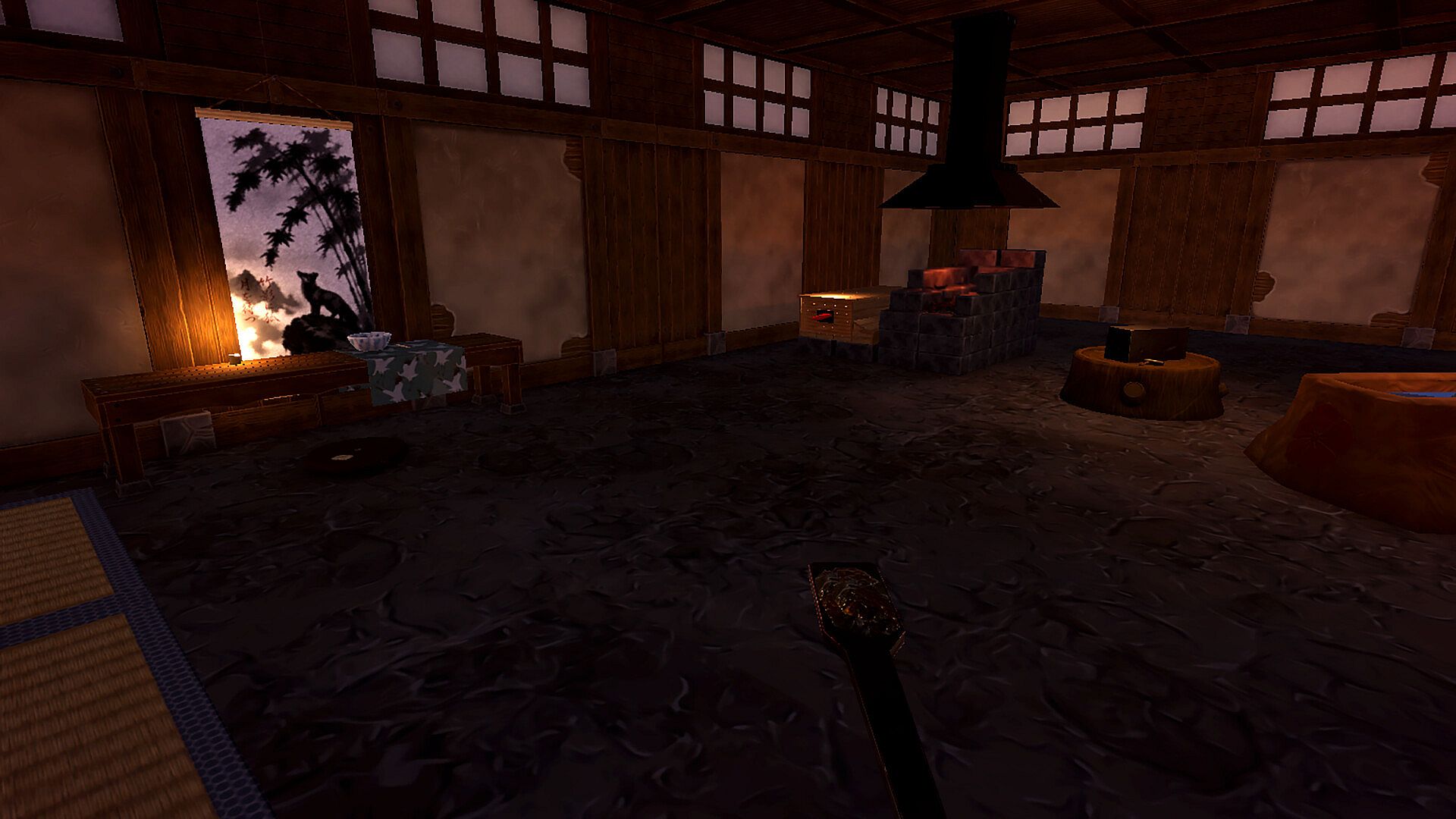
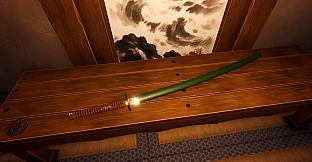
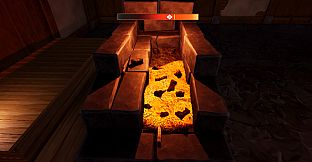
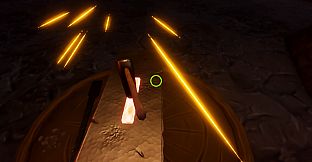


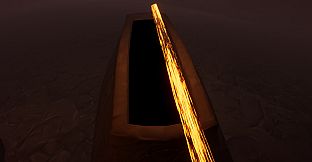
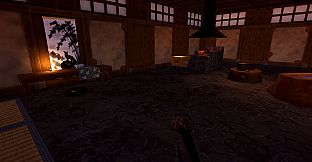
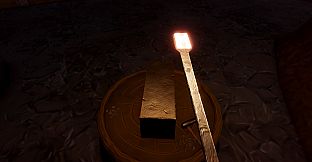
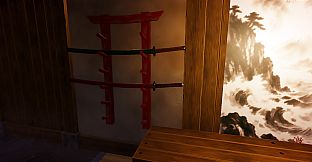
Katanakaji is an indie casual simulation game on PC that places players in the role of a swordsmith learning the craft of Japanese katana forging. The experience focuses on hands-on creation in a first-person view, where every blade starts as raw tamahagane and ends as a finished piece with its own quality, appearance, and value. Players begin as an unknown artisan and progress by completing client commissions that grow more demanding over time.
Gameplay
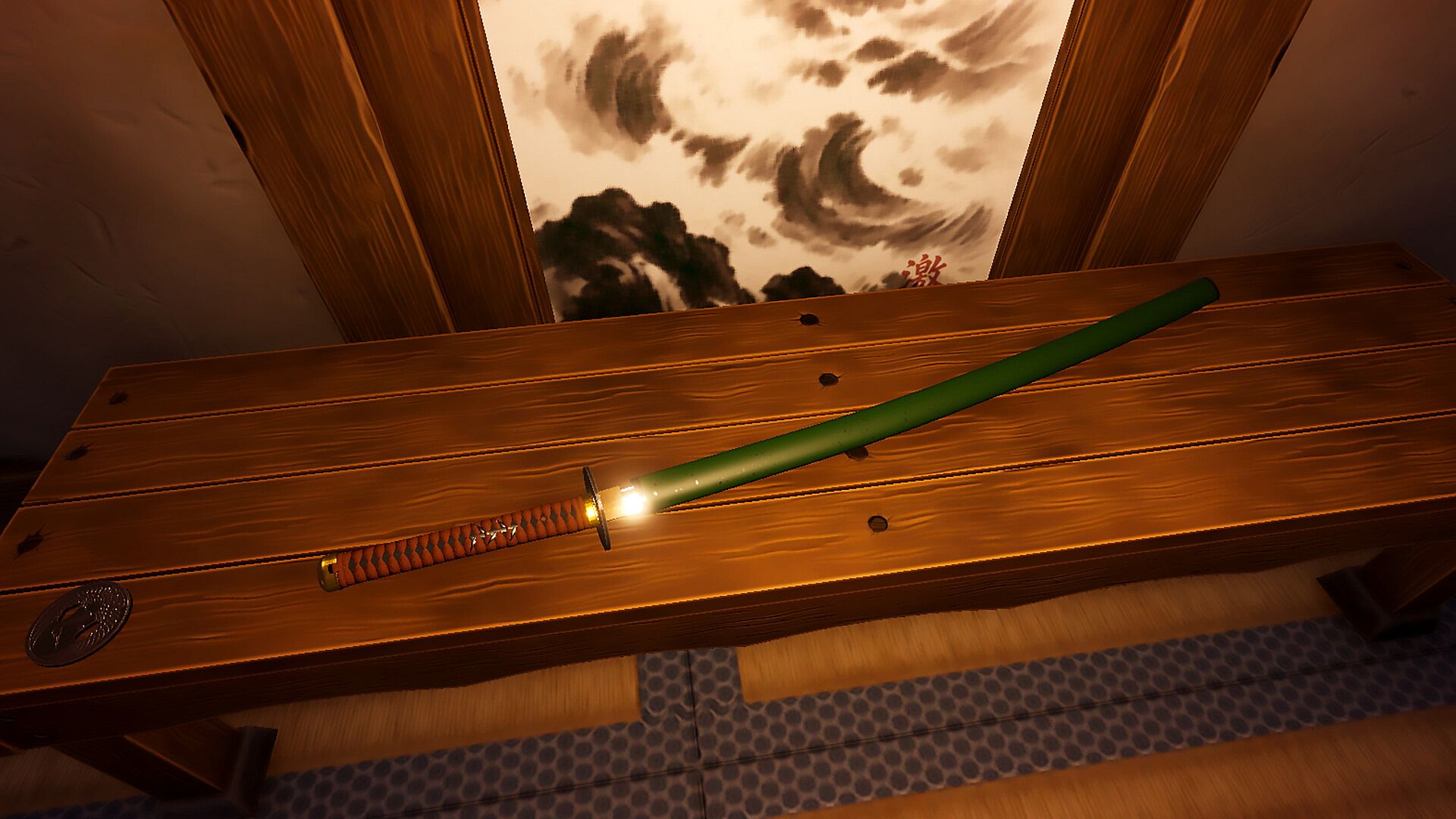
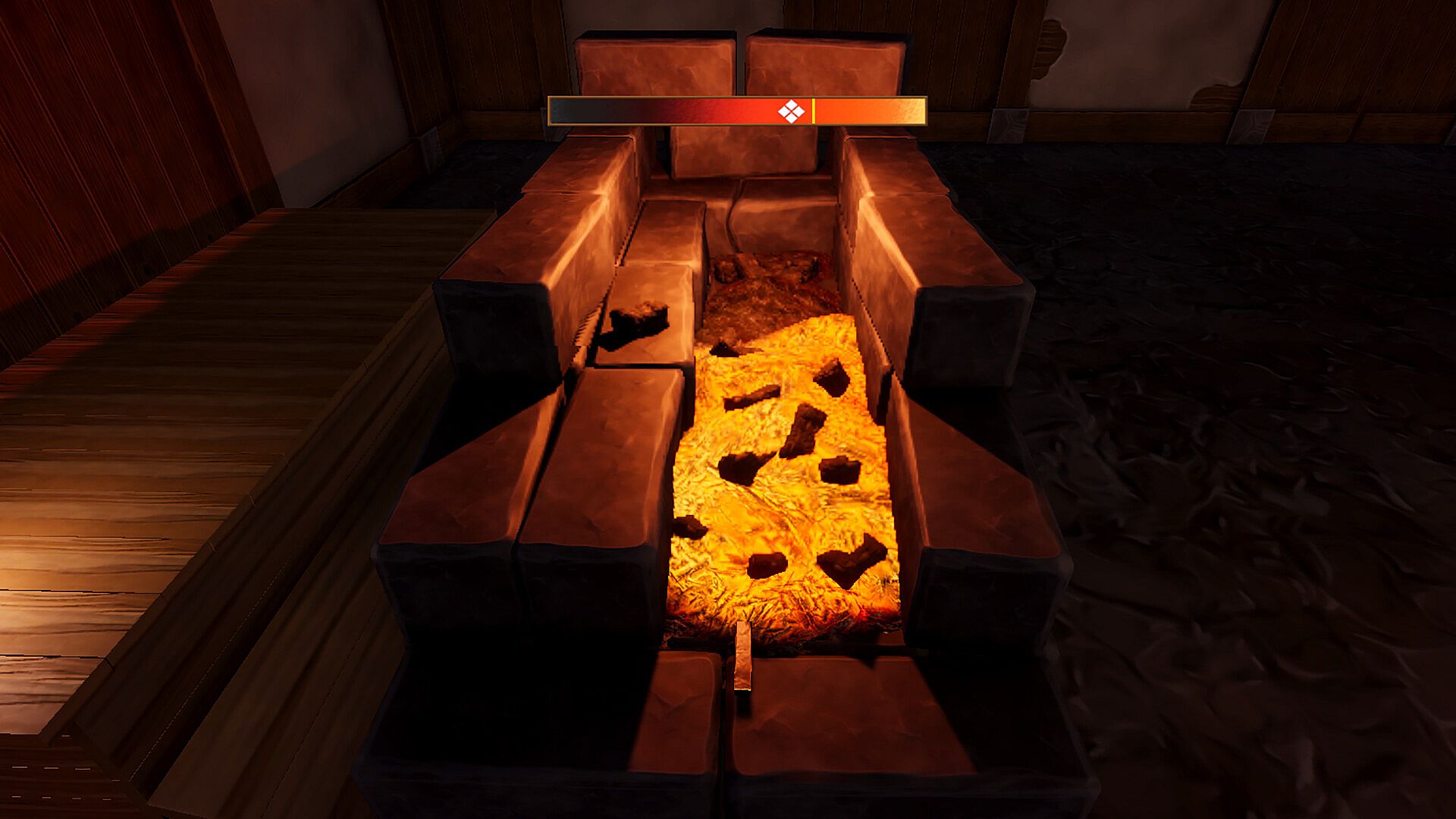
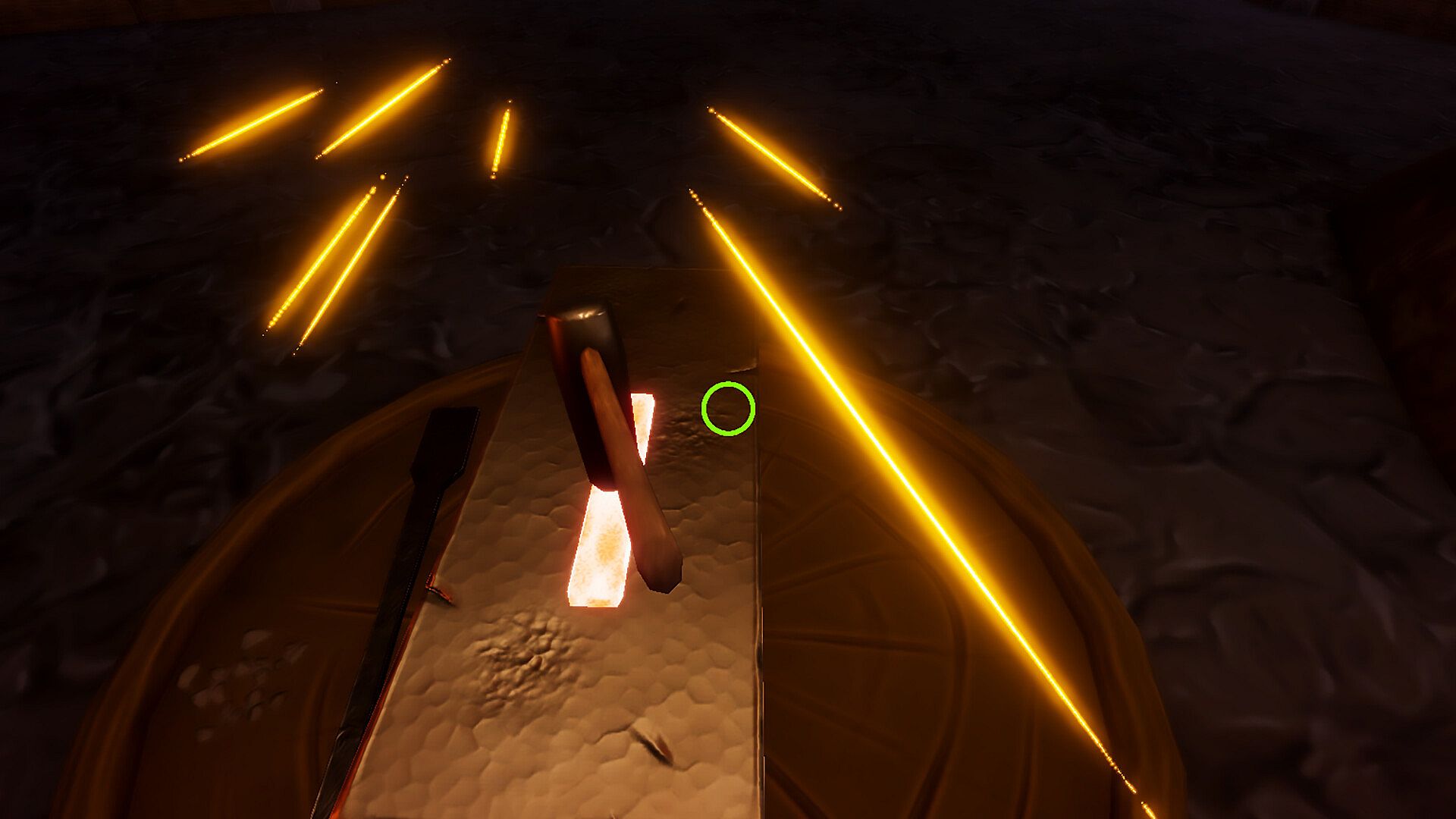
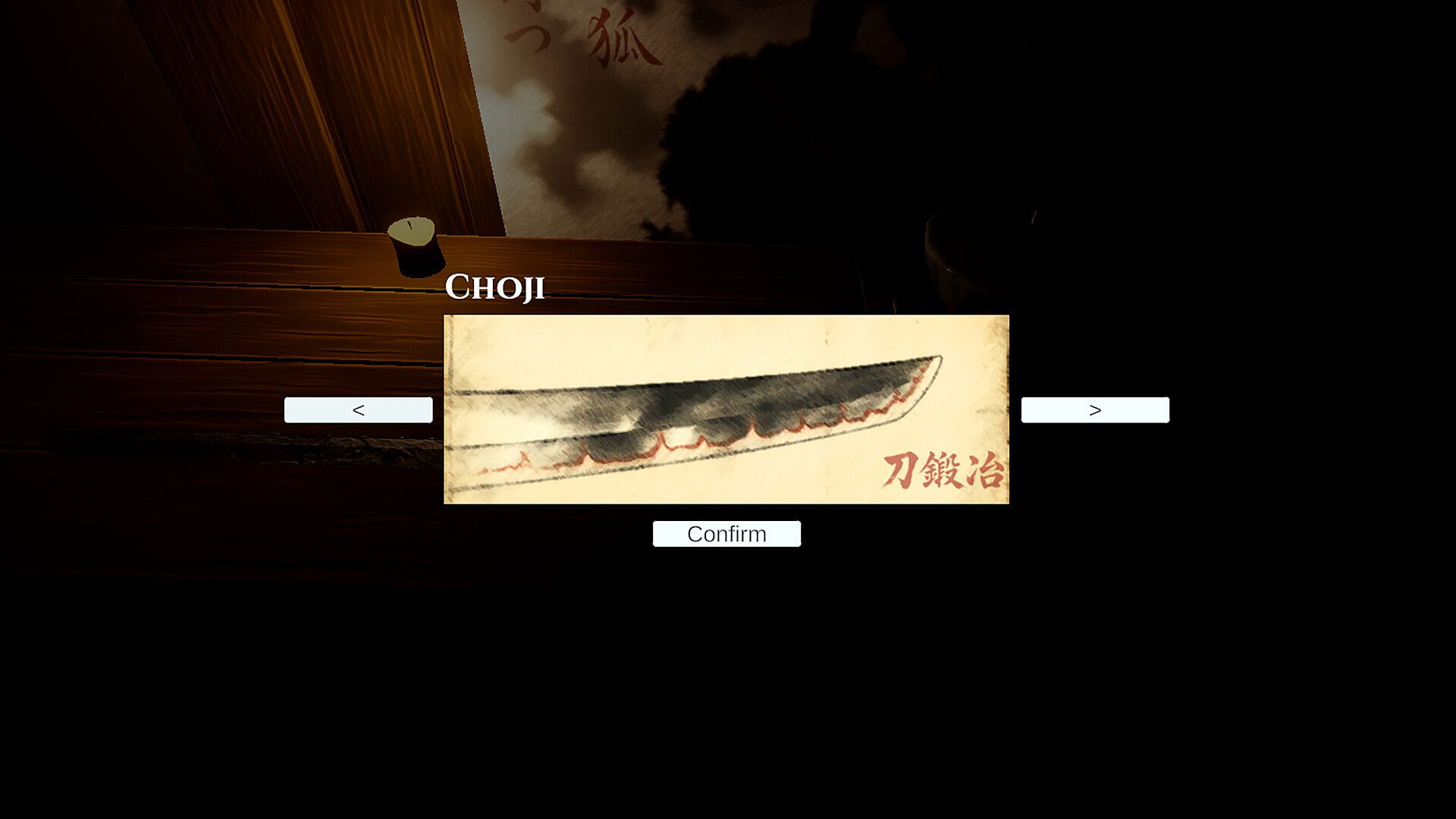
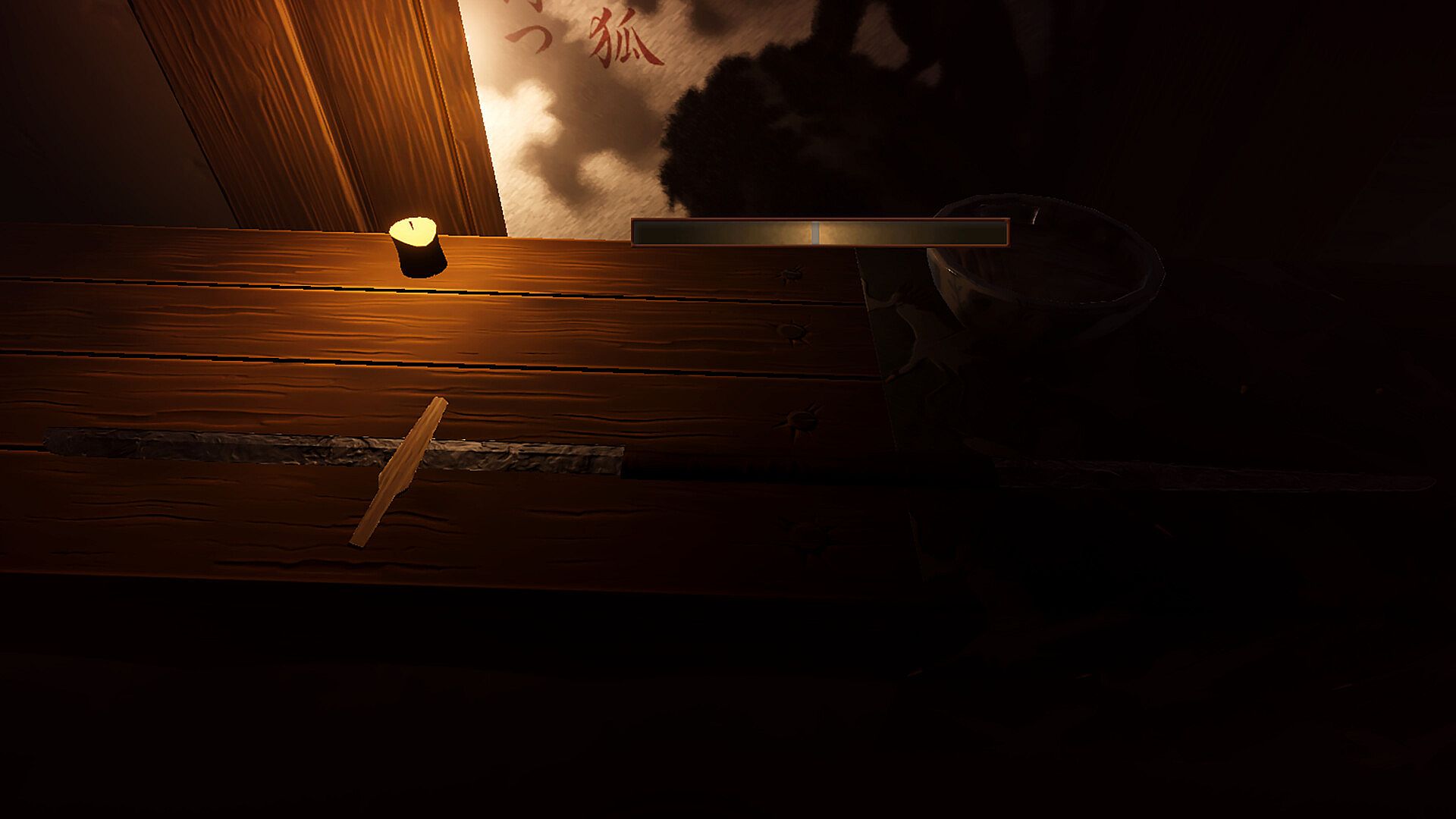
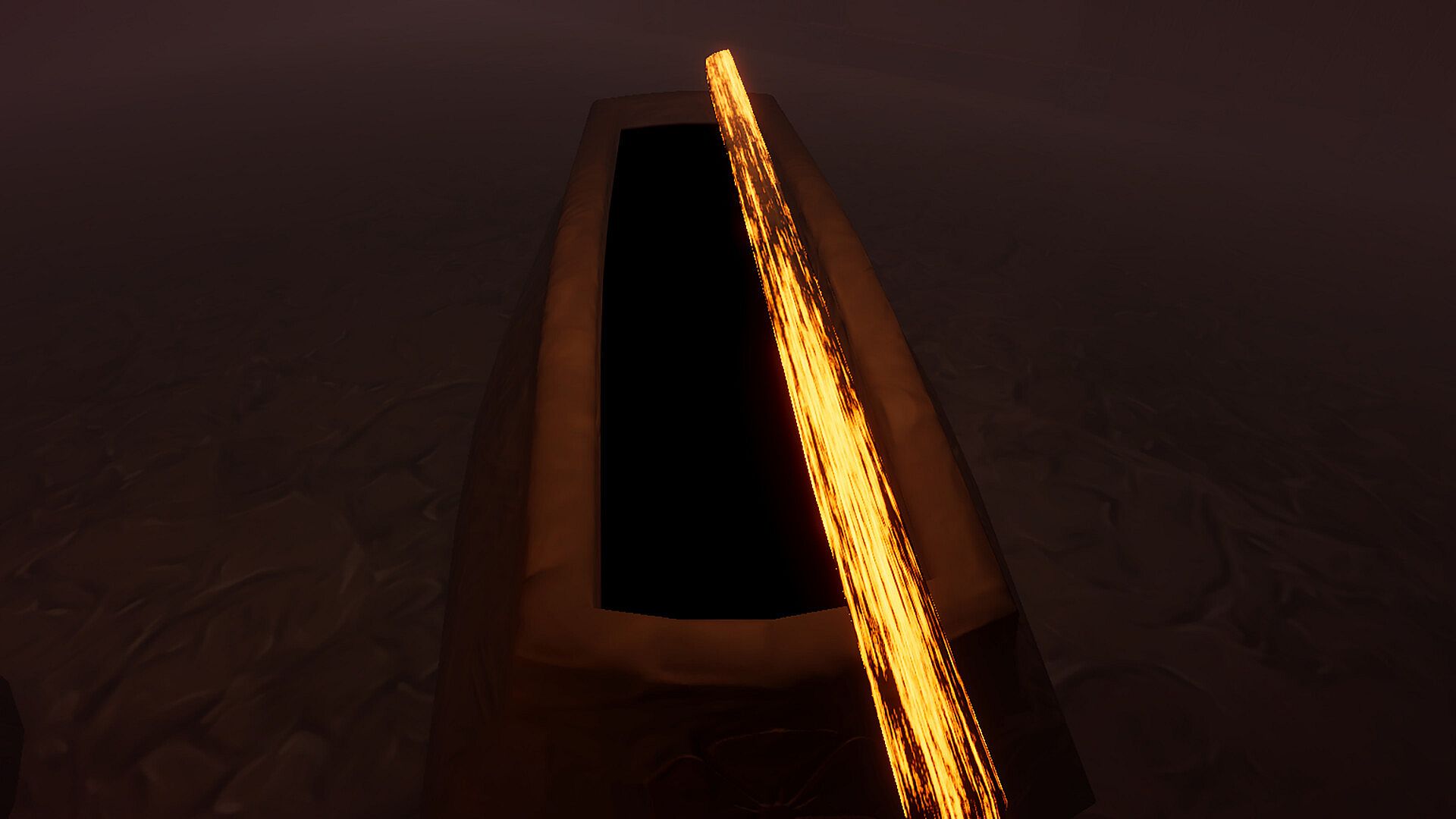
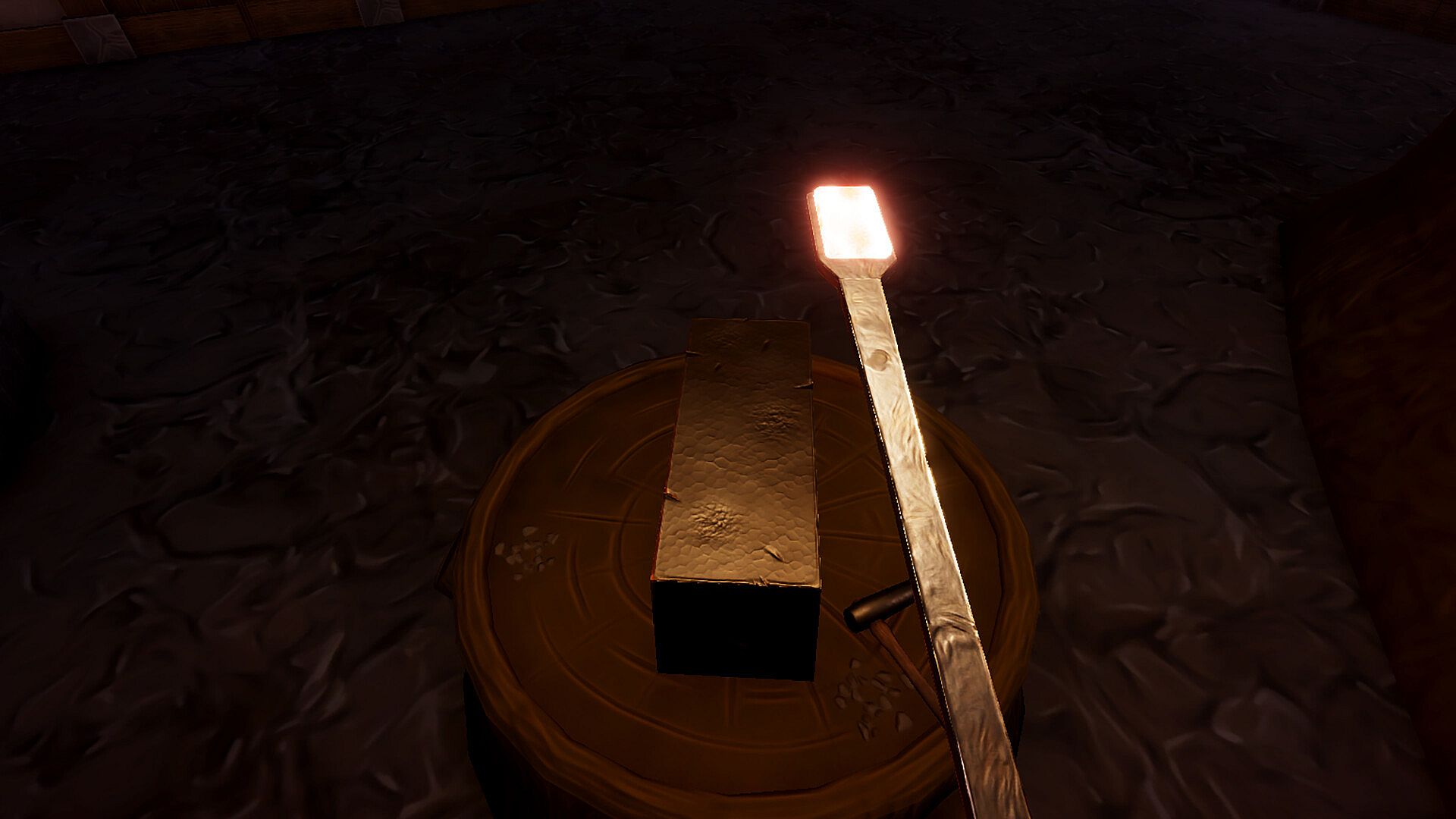
The core loop centers on a sequence of accessible minigames that guide each katana through traditional-inspired steps. Players manage the forge heat, hammer heated steel into shape, choose a hamon style, apply clay, quench the blade, polish the surface, and finish with decorative fittings. Timing, movement, and decisions at each stage affect the final sword's statistics, identity, and worth. Serious errors can damage or destroy a blade, so attention to detail matters even in this approachable system.
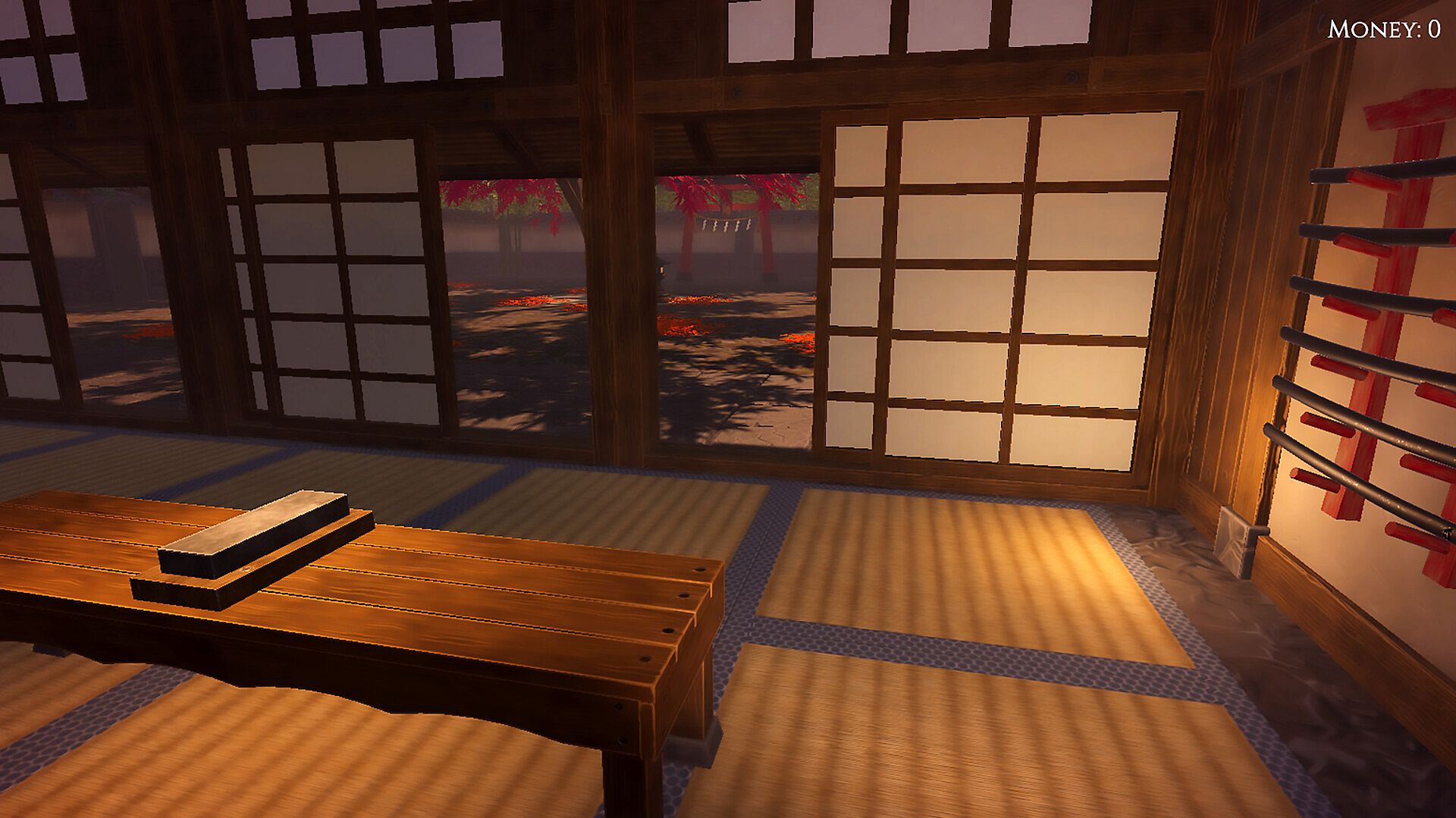
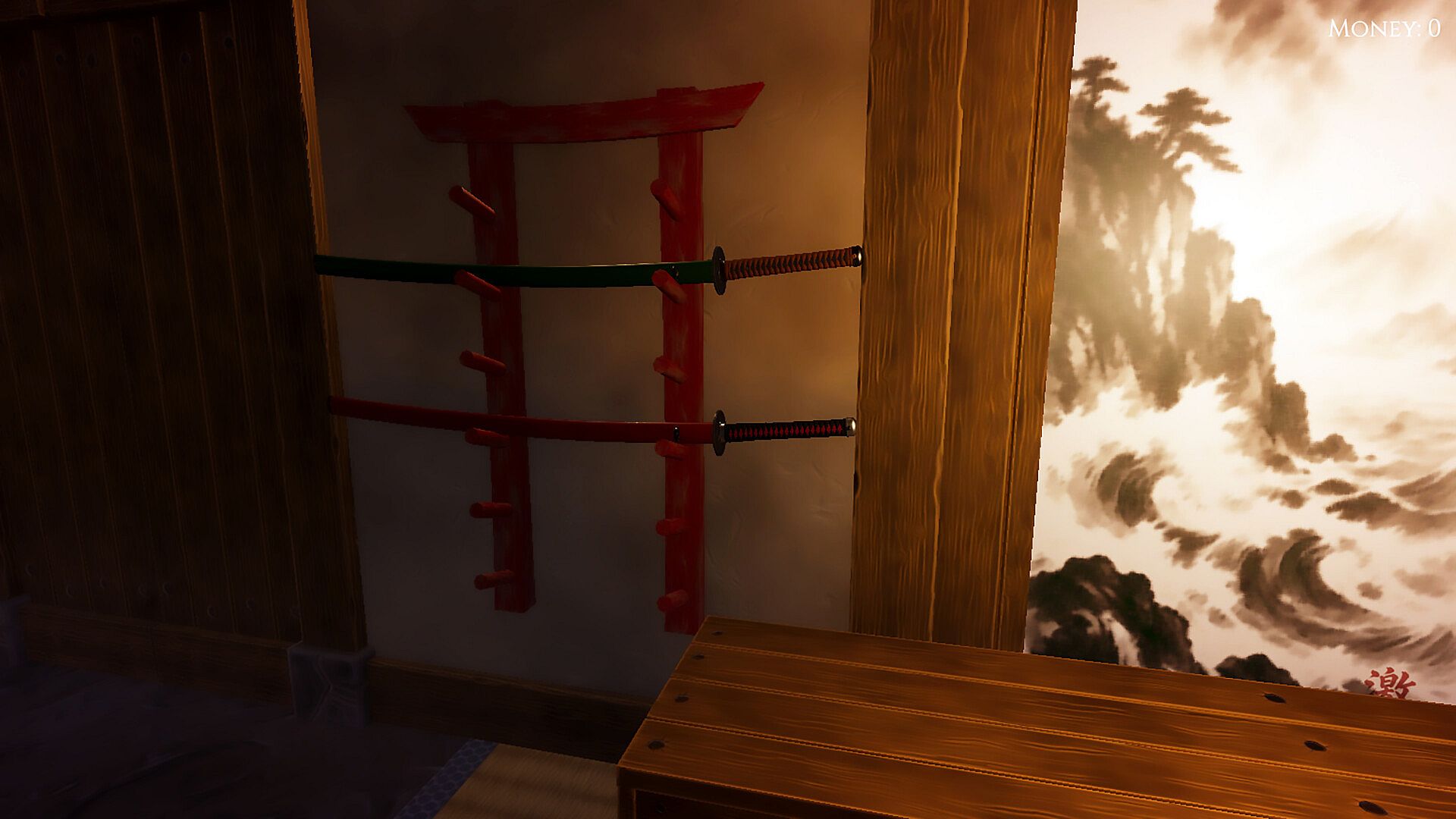
Once complete, the finished katana offers several choices. It can fulfill a contract for renown and rewards, sell for profit, store temporarily, or display in the forge. Limited physical space forces meaningful decisions about which creations to keep and which to part with. Successful commissions build reputation, unlocking more prestigious work and greater challenges within the same single-player progression.
Game Modes
Katanakaji offers a single continuous single-player experience built around contract fulfillment and personal progression. There are no separate multiplayer modes or distinct game variants. The entire journey unfolds in one forge setting where players accept commissions, craft blades to meet specific client needs, and expand their reputation through consistent quality work. All activity stays within this focused crafting and management loop.
Progression and Customization
Reputation growth serves as the main driver. Early contracts introduce basic requirements while later ones demand higher skill and more complex choices across hamon styles and fitting combinations. Each sword carries unique quality statistics that reflect performance at every forging stage. Players inspect finished pieces and decide their placement in the limited forge space, turning storage management into an ongoing strategic element.
The atmosphere stays calm and focused on the craft itself. Visual and audio details evoke the warmth of the forge and the satisfaction of completing a blade without requiring hardcore metallurgical knowledge. Performance still influences outcomes, rewarding careful play while keeping the minigames accessible through simplified timing and movement mechanics.
Is It Worth Playing?
Katanakaji suits players who enjoy relaxed simulation and crafting games with a creative focus. The first-person minigames provide tangible feedback on each decision, and the contract system gives clear goals without overwhelming complexity. Limited storage adds light management tension that encourages thoughtful choices about which swords to retain. Those seeking a calm, atmospheric single-player experience centered on Japanese swordsmithing traditions will find a steady, satisfying loop here. The game emphasizes personal progression from unknown artisan to renowned swordsmith through repeated, hands-on creation rather than high-stakes competition or large-scale systems.