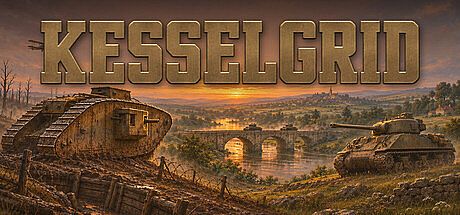


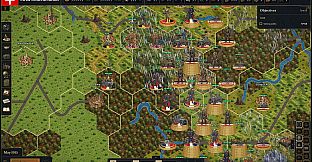
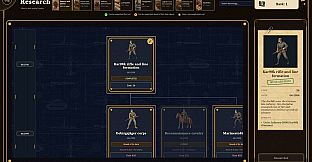
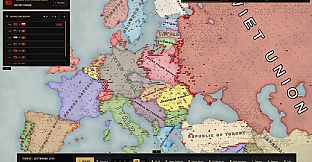
Kesselgrid is a turn-based grand strategy wargame set on a hex map during the two world wars of the twentieth century. Players lead nations through eras of conflict that begin in 1910 or 1936, managing economies, diplomacy, and armies on a detailed battlefield. The game supports both historical accuracy and alternate outcomes, with core systems centered on resource production, unit supply, and front-line combat.
Gameplay
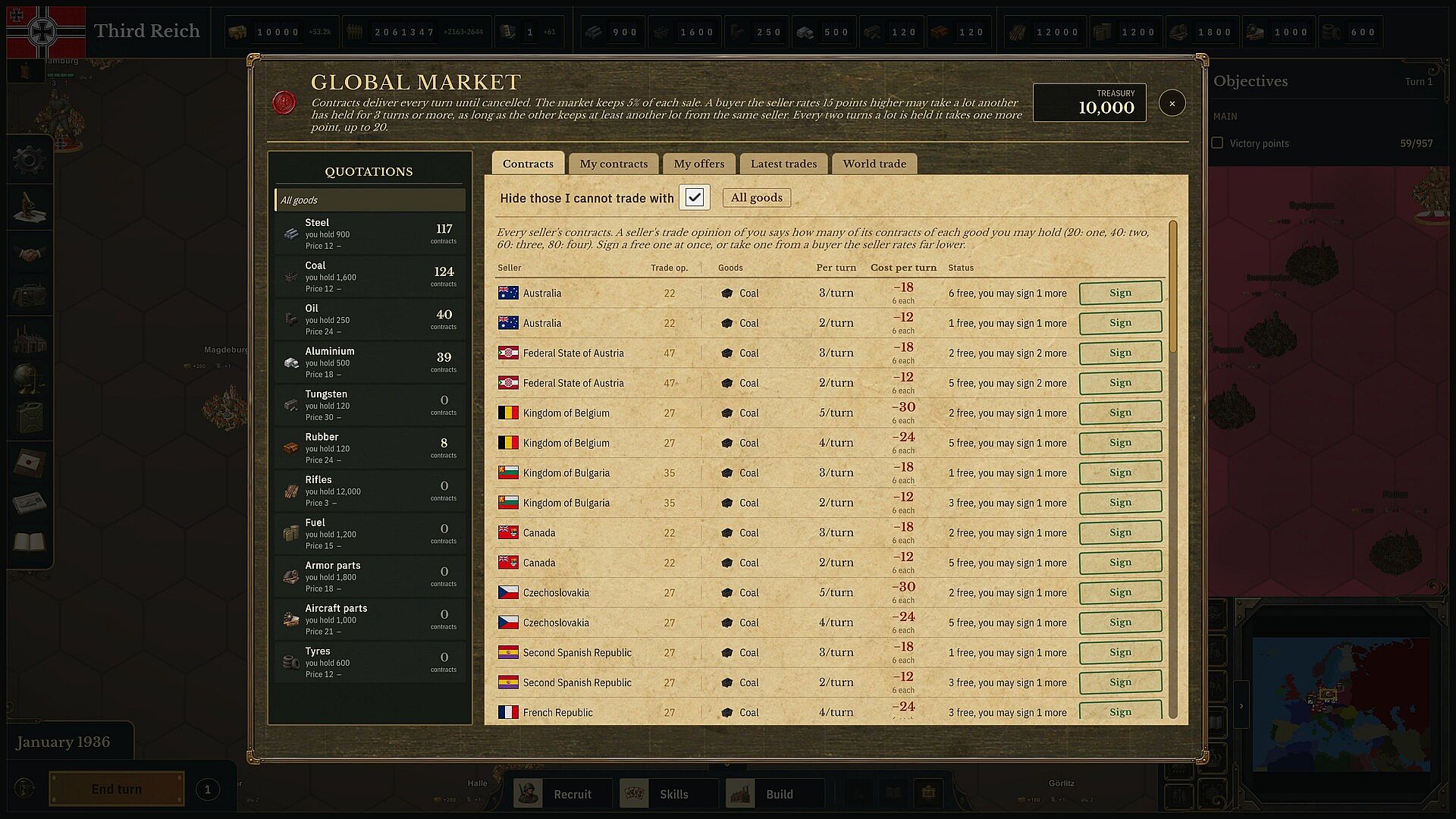
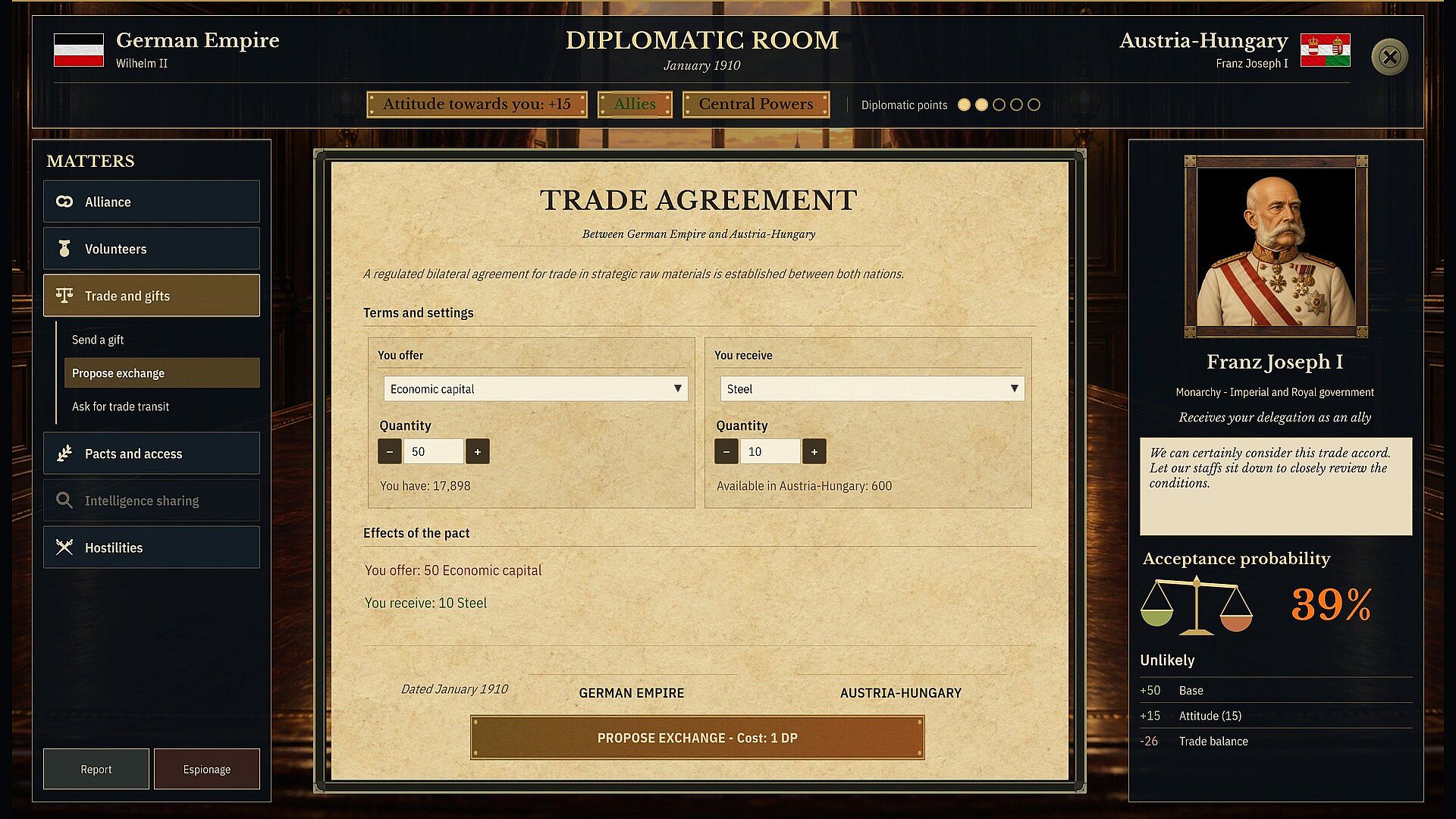
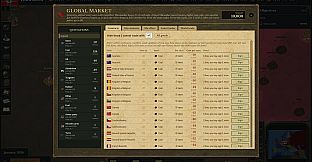
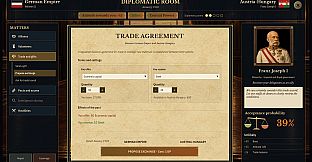
The core loop revolves around building infrastructure such as mines, factories, shipyards, and railways to produce rifles, fuel, tanks, and aircraft. Resources like steel, coal, aluminum, tungsten, oil, and rubber must be mined or traded on a world market to sustain military operations. Alliances form through negotiation, volunteers can be sent to support allies, and espionage reveals rival plans. Puppet states and peace offers allow conflicts to end on negotiated terms when both sides agree on demands.
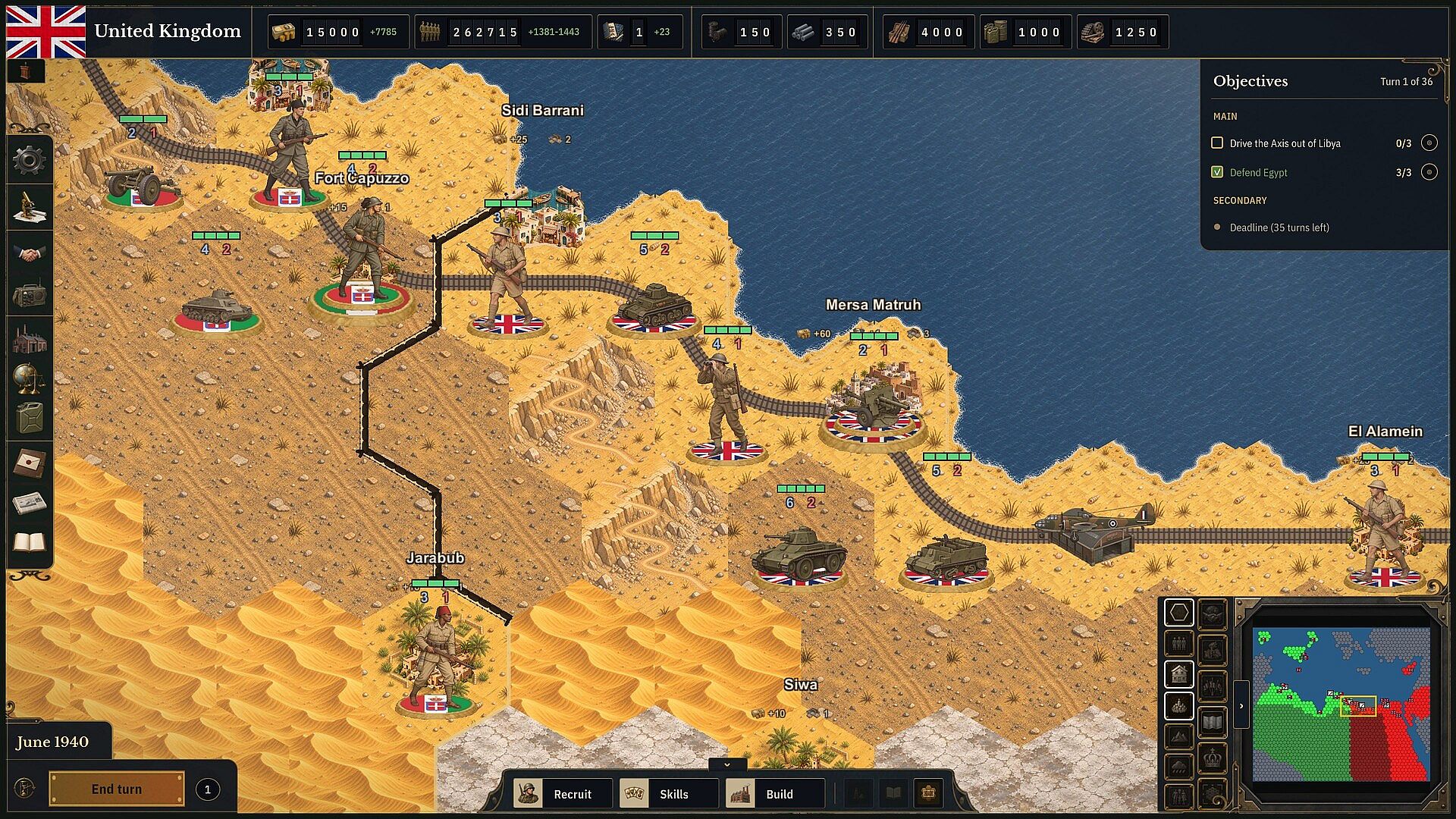
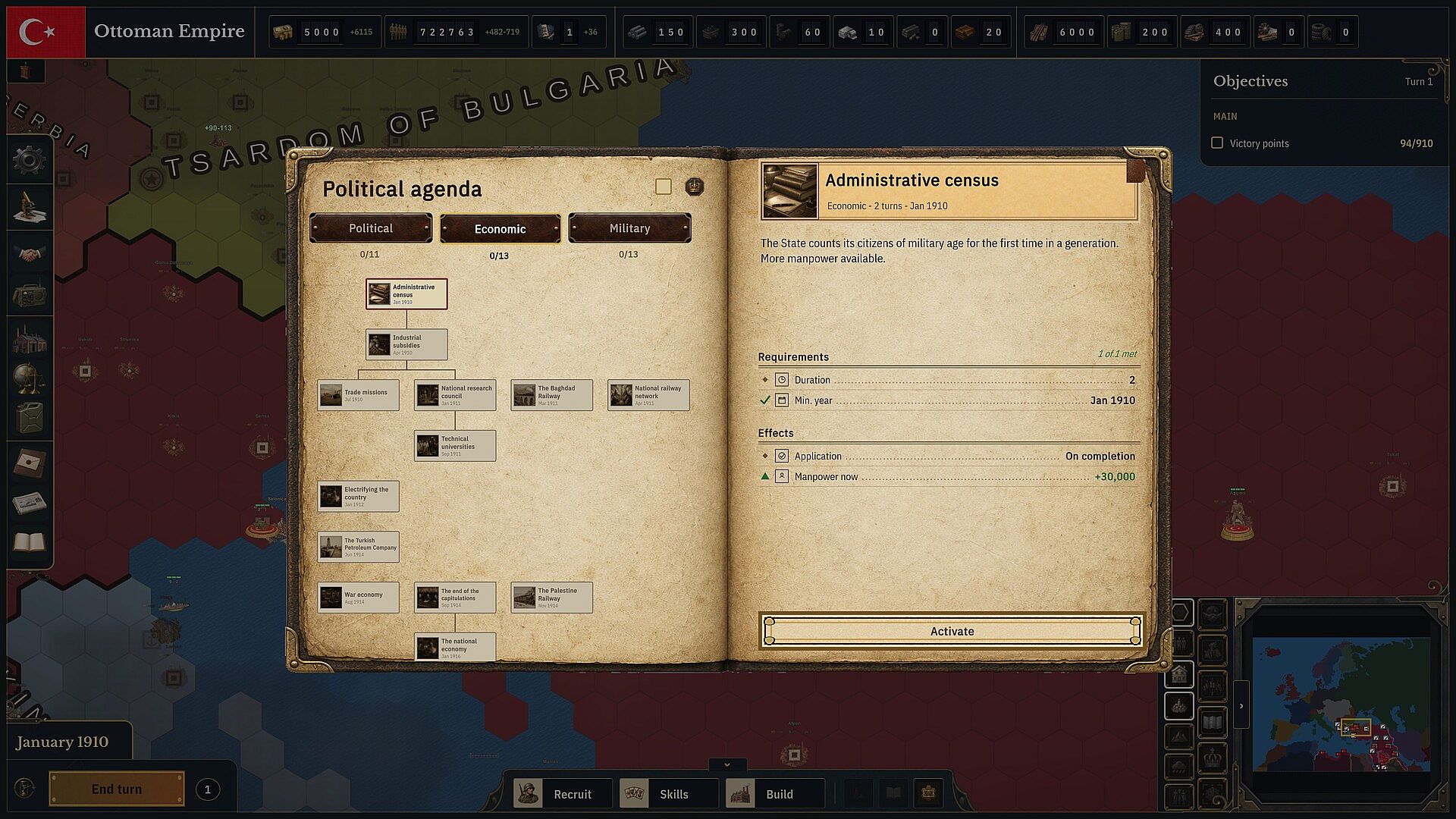
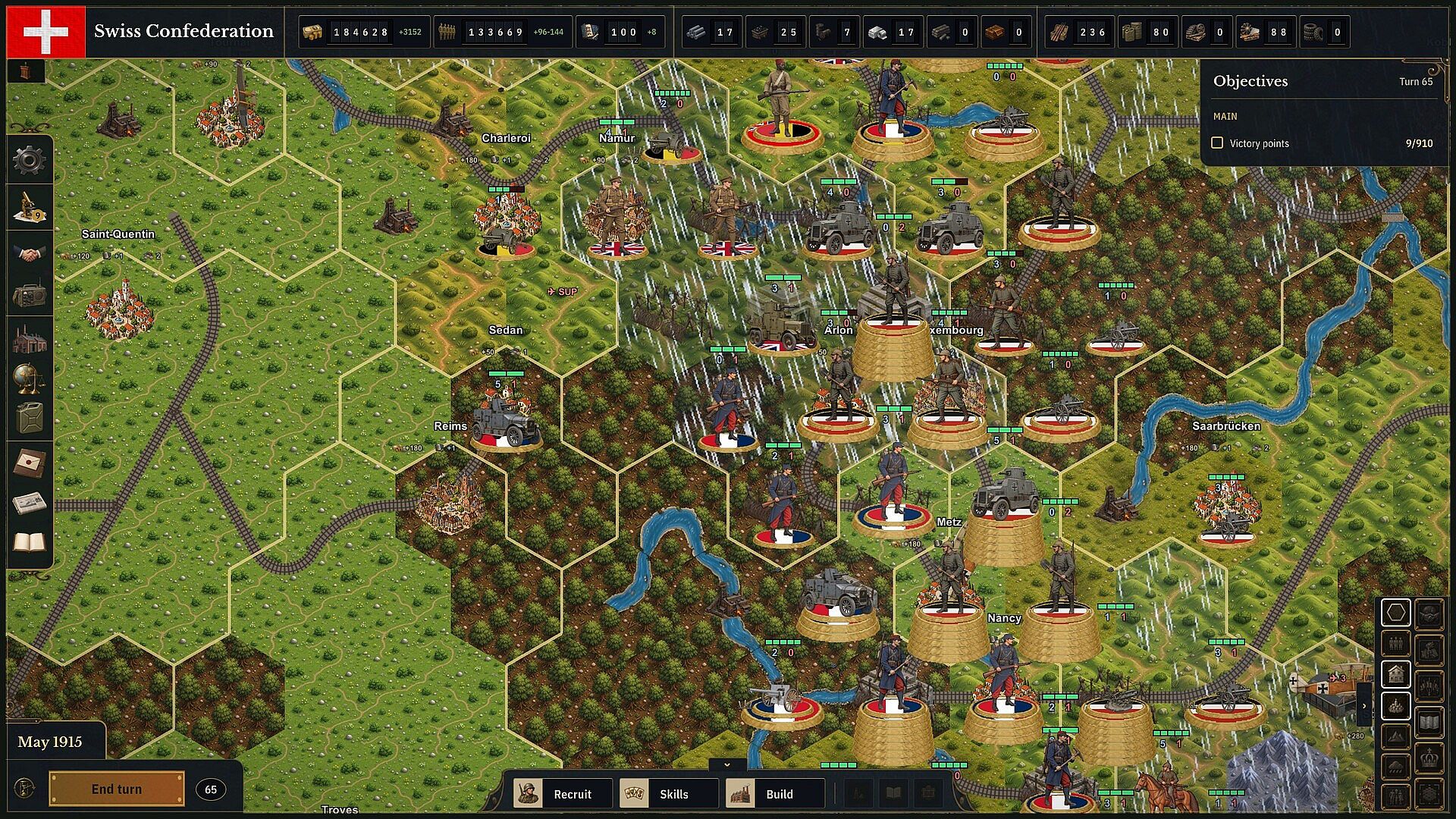
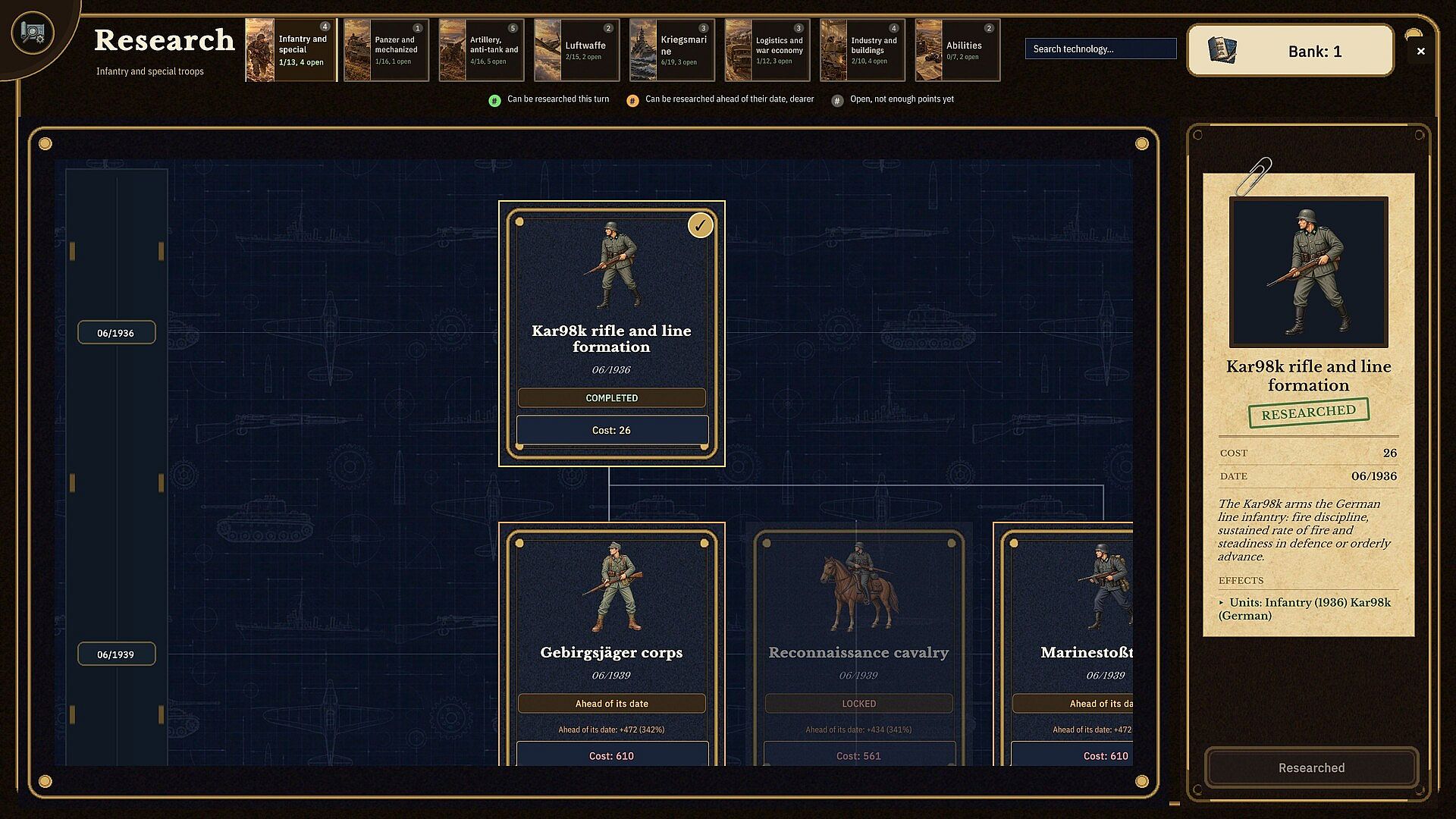
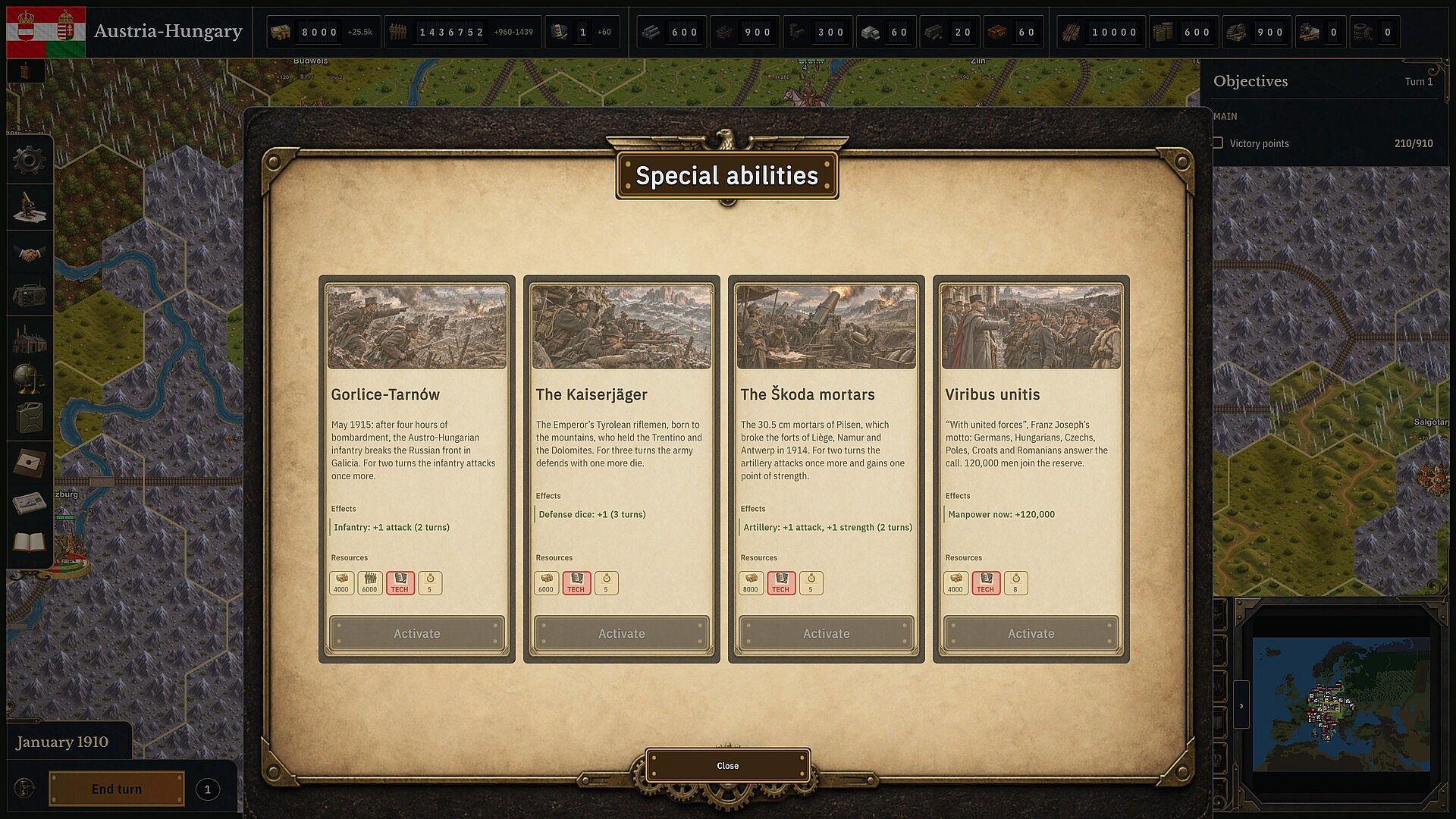
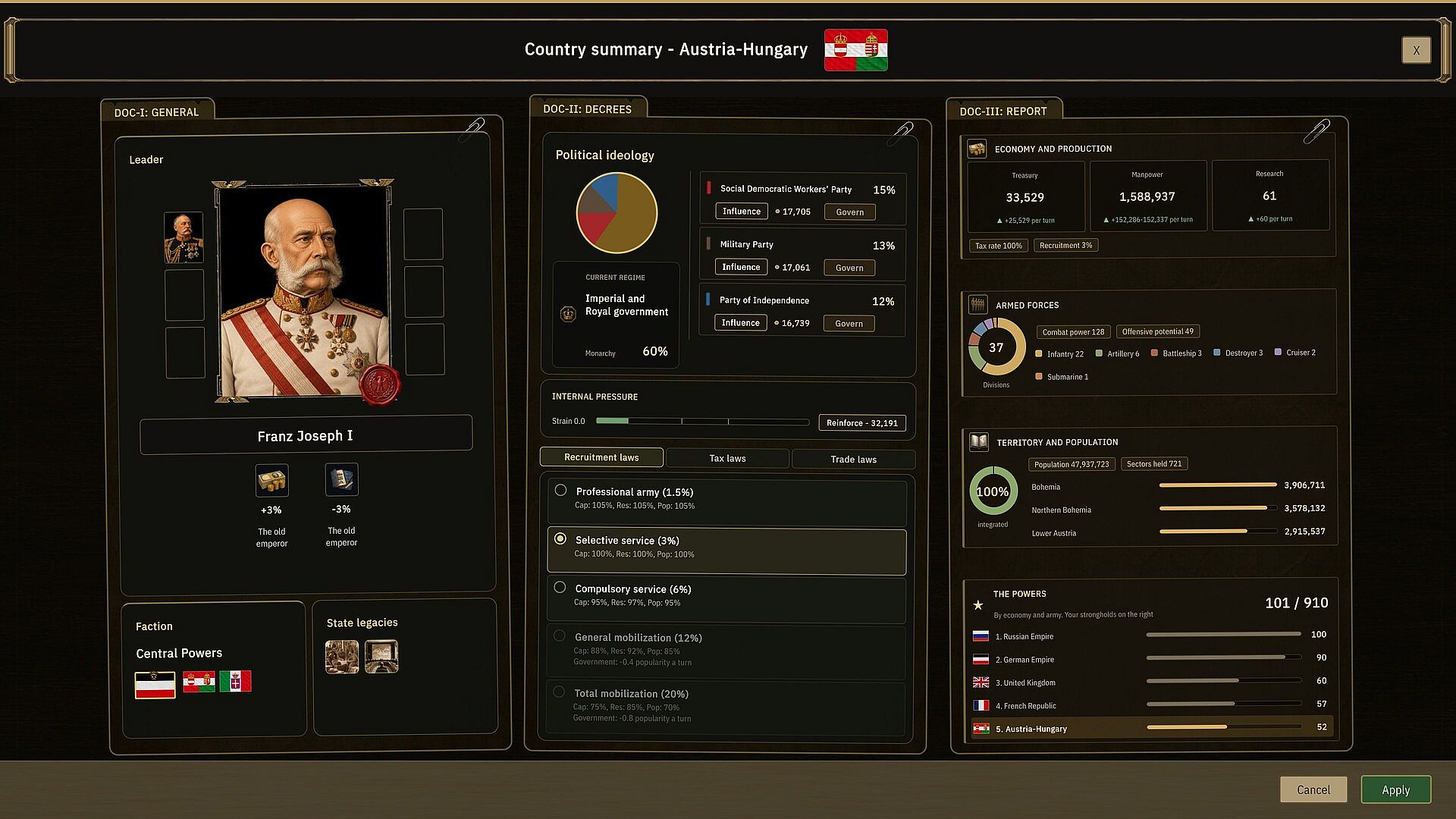
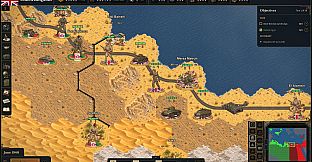
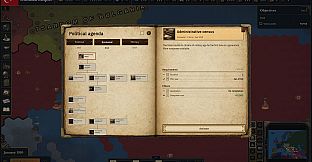
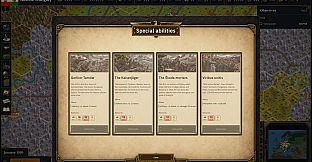
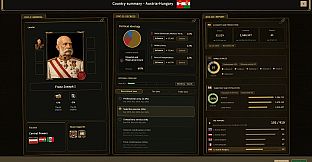
Combat unfolds hex by hex, influenced by terrain features including mountains, rivers, and marshes, along with supply lines, winter conditions, and fog of war. Fleets and air wings enable amphibious landings and new fronts. The AI organizes forces into fronts, concentrating strength where possible and launching its own operations. Each major power receives unique abilities, such as specialized artillery or rapid armored advances, while domestic politics involve leaders with traits, ministers, laws, and agendas that affect stability and public support.
Players construct fortifications, roads, barracks, airfields, and universities to support long campaigns. Shorter scenarios focus on specific conflicts like the Balkan Wars of 1912 or a British operation spanning North Africa and Sicily. A built-in editor permits creation of custom maps, scenarios, and campaigns.
Game Modes
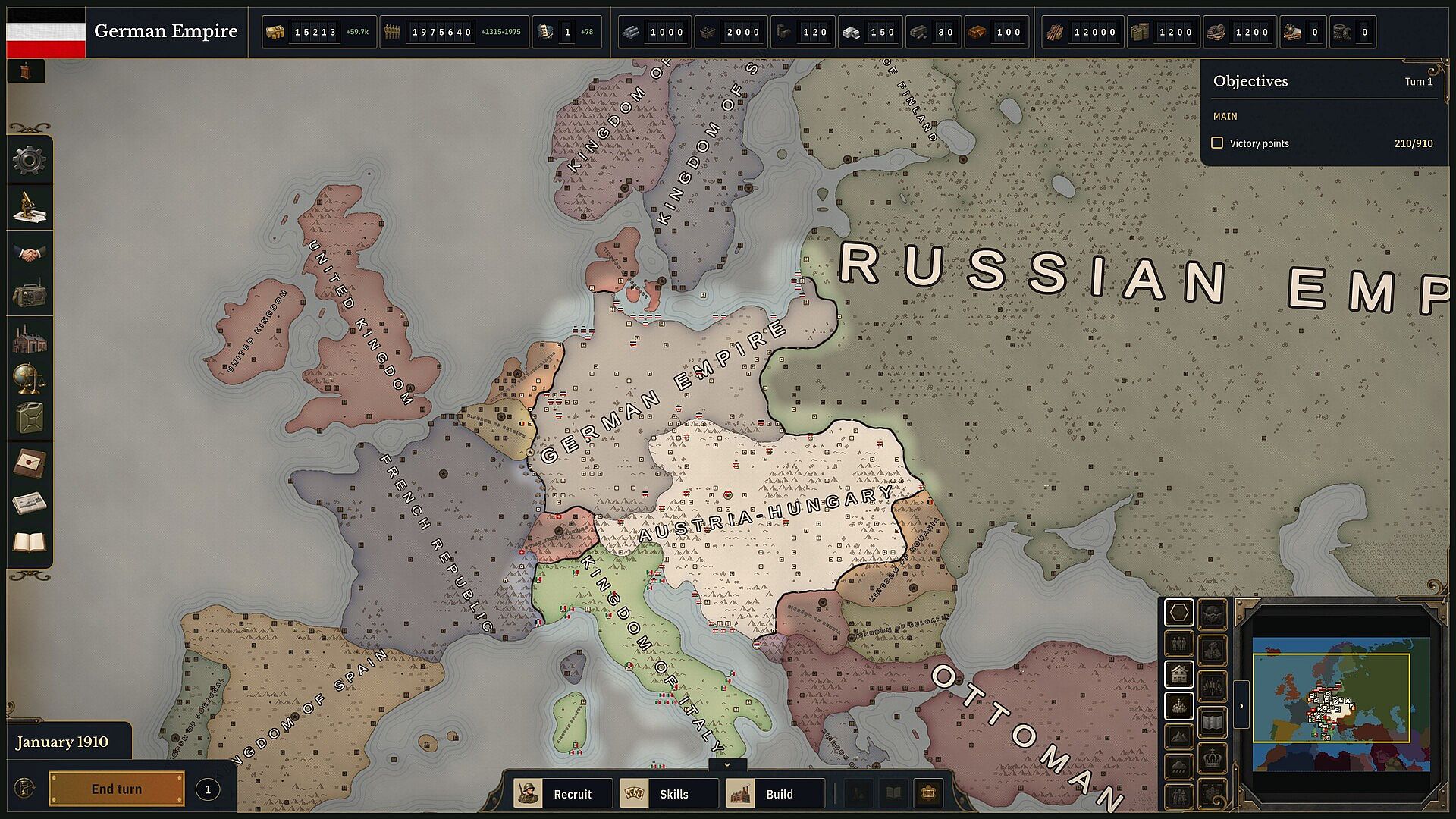
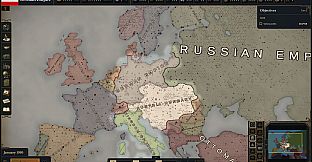
Two primary campaigns cover the Great War starting in 1910 with 35 nations or the Second World War from 1936 with 43 nations in Europe or 85 nations worldwide. Historical mode triggers fixed events such as the July Crisis, Anschluss, and Pearl Harbor on schedule, with the AI following documented paths. Free mode removes these constraints for open-ended play, though it remains experimental.
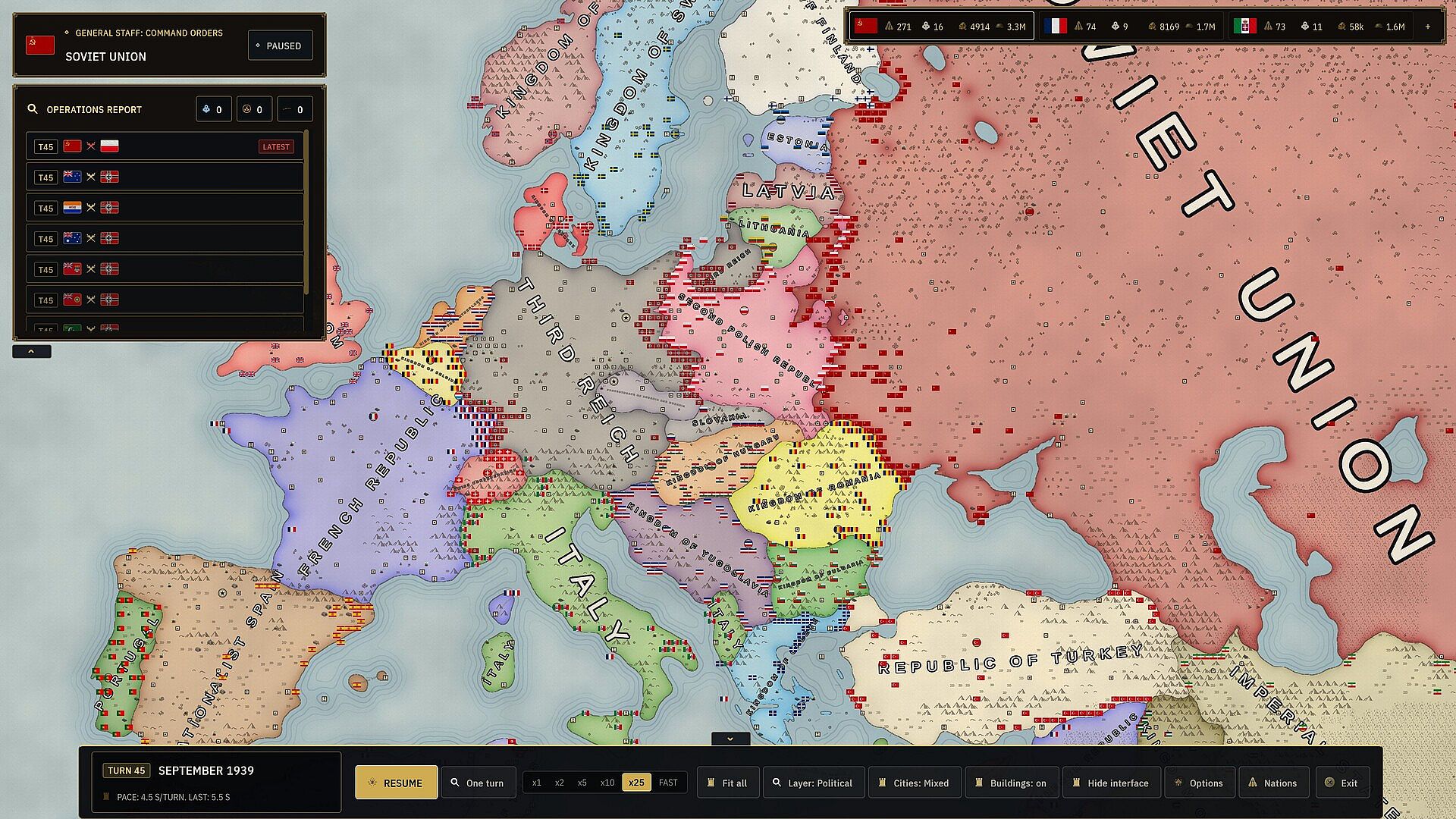
Additional options include a guided tutorial and the listed shorter scenarios. Multiplayer supports online sessions where participants each control a nation, cooperating against the AI or competing directly. Spectator mode allows observation of AI-driven wars at accelerated speeds up to 25 times normal. A printed staff map view provides an alternative perspective at any time.
Development and Features
Kesselgrid was created by a single developer at Un Tercio Studios. AI tools assisted with code, art, interface, texts, translations, and sound effects under direct design oversight. Music draws from historical public-domain recordings. The game runs on PC and supports full play in twelve languages. Every great power features distinct national abilities that shape strategy across the two eras.
Is It Worth Playing?
Kesselgrid suits players who enjoy detailed turn-based strategy with emphasis on logistics, diplomacy, and large-scale map control. The dual-era structure and nation variety provide substantial replay value through historical or free campaigns. Multiplayer and spectator options extend engagement for groups or observers, while the editor supports ongoing customization. Those seeking hex-based wargames focused on supply chains, terrain effects, and negotiated peace will find the systems align closely with that preference. The single-developer approach and experimental free mode indicate an evolving title best approached by fans of the genre who value depth over polished presentation.