






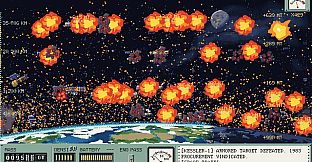
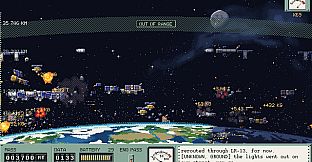
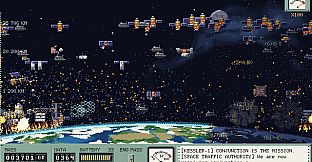
KESSLER: Orbital Incremental is a strategy indie casual simulation game for PC centered on the reactivation of a long dormant military satellite. Set across decades, the premise follows KESSLER-1, launched in 1983 for anti-satellite operations but left inactive until 2041. Its original directives remain intact, placing players in control of a single cannon amid thousands of orbital targets. The core experience revolves around initiating chain reactions that turn satellite strikes into cascading debris fields, embodying the real-world concept of Kessler syndrome through deliberate gameplay systems.
Gameplay
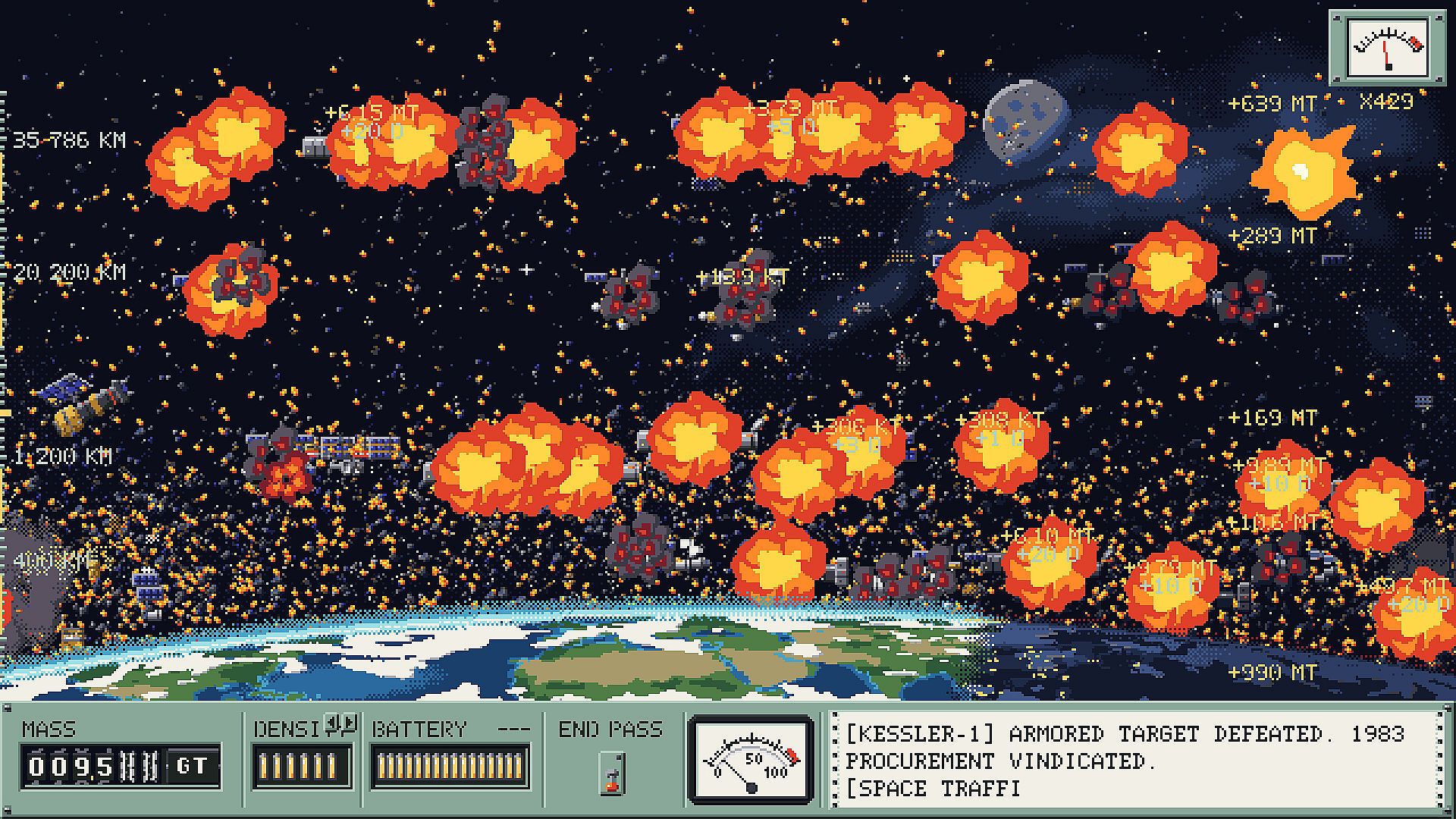
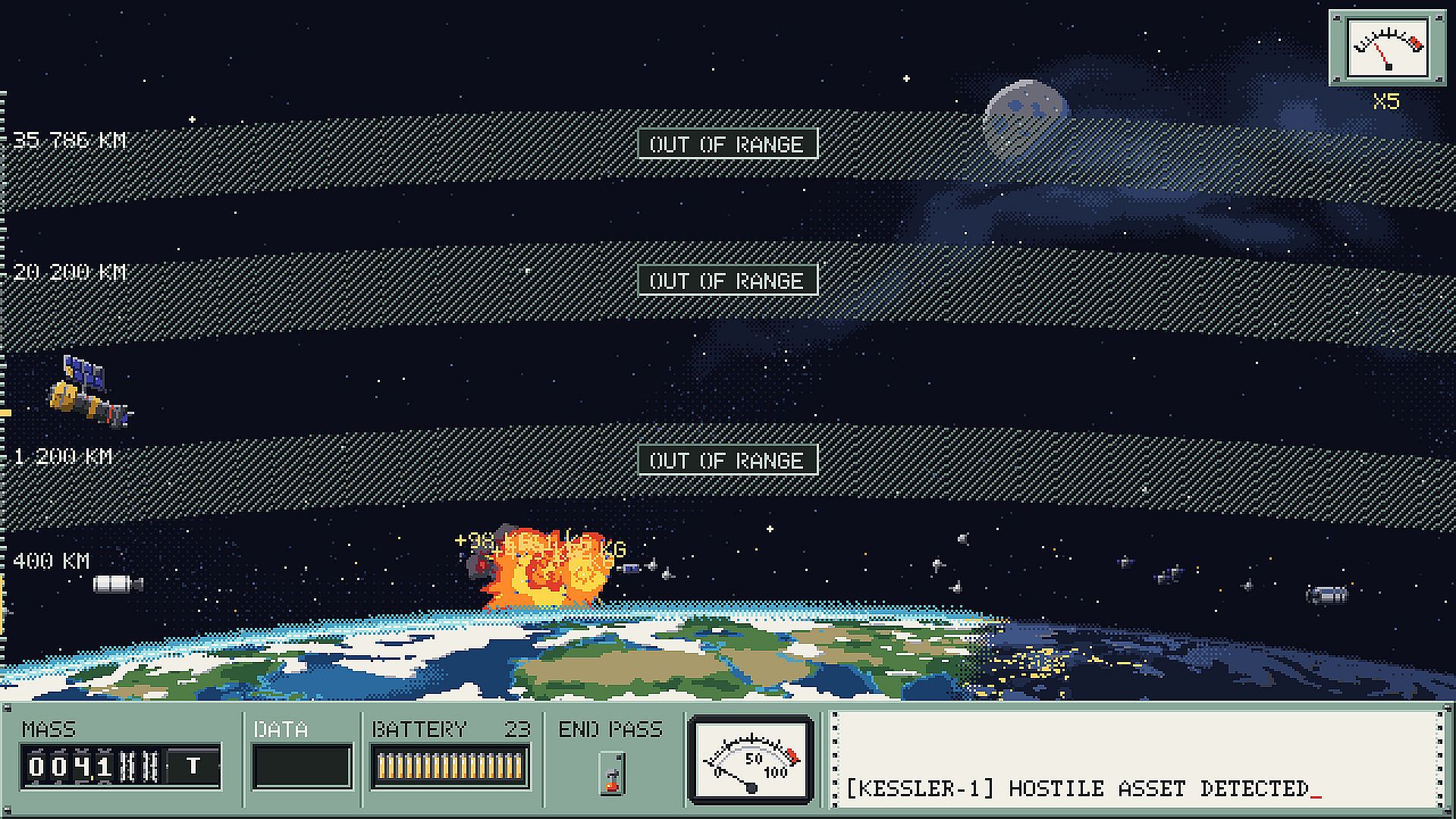
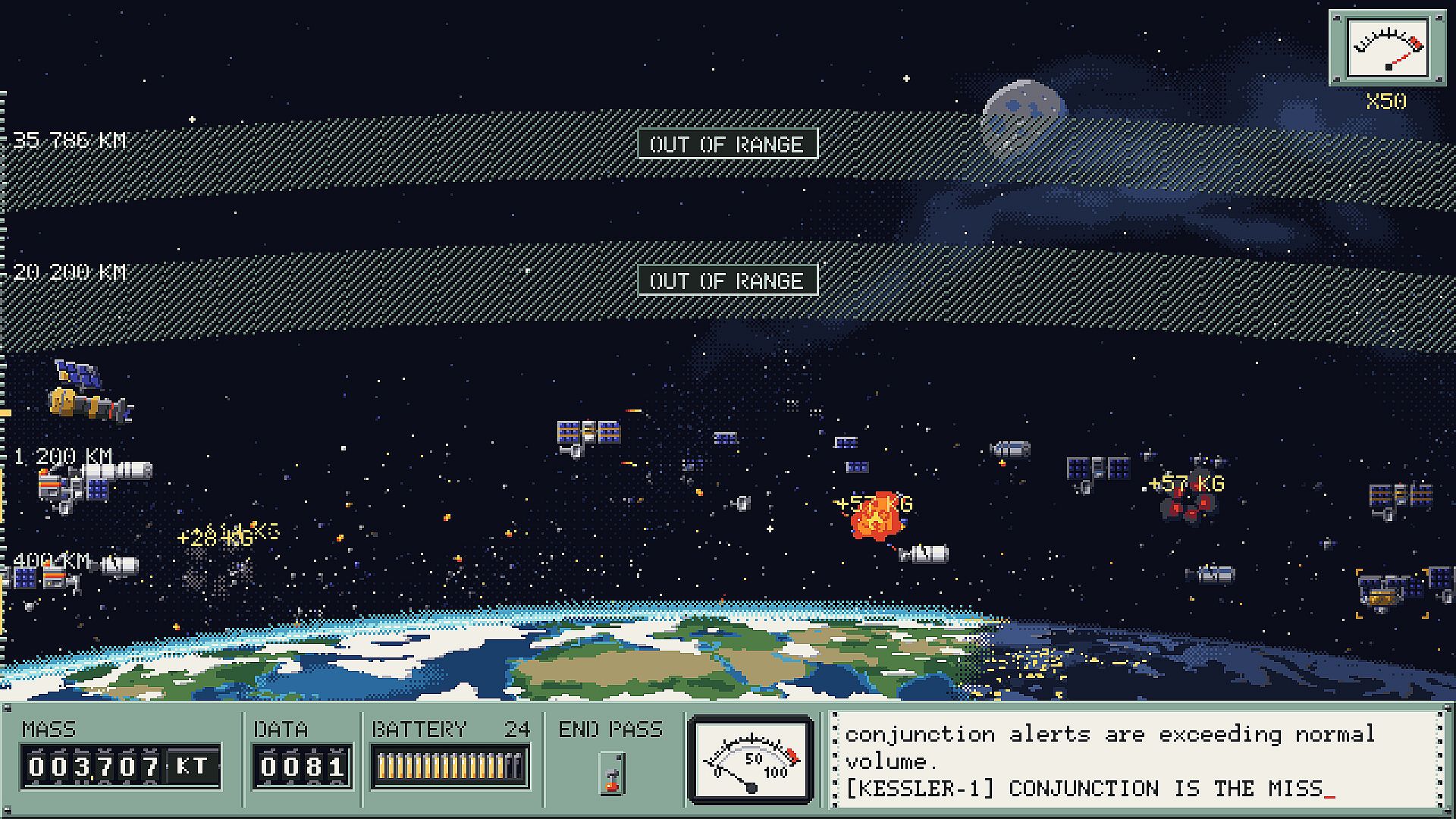
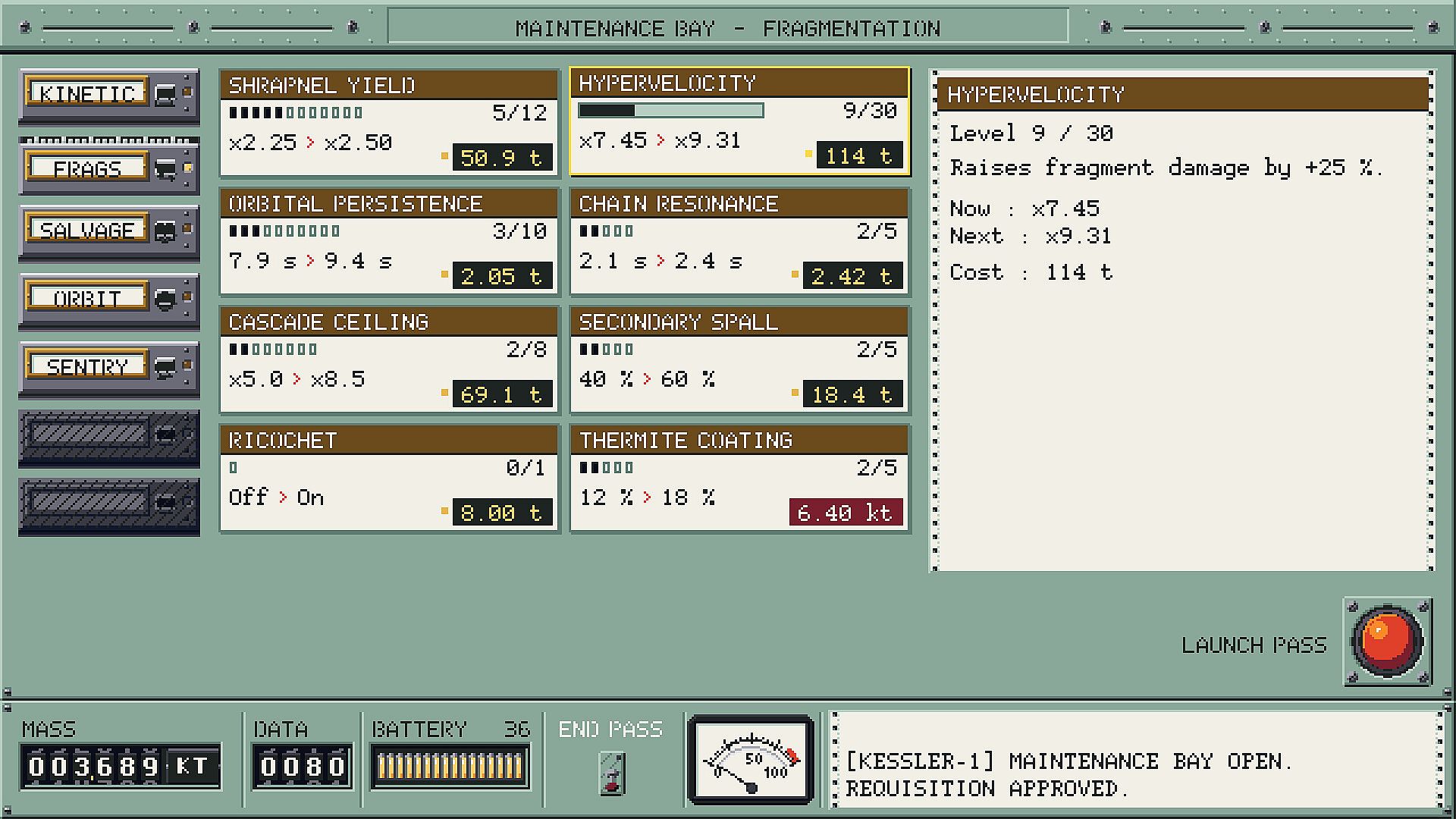
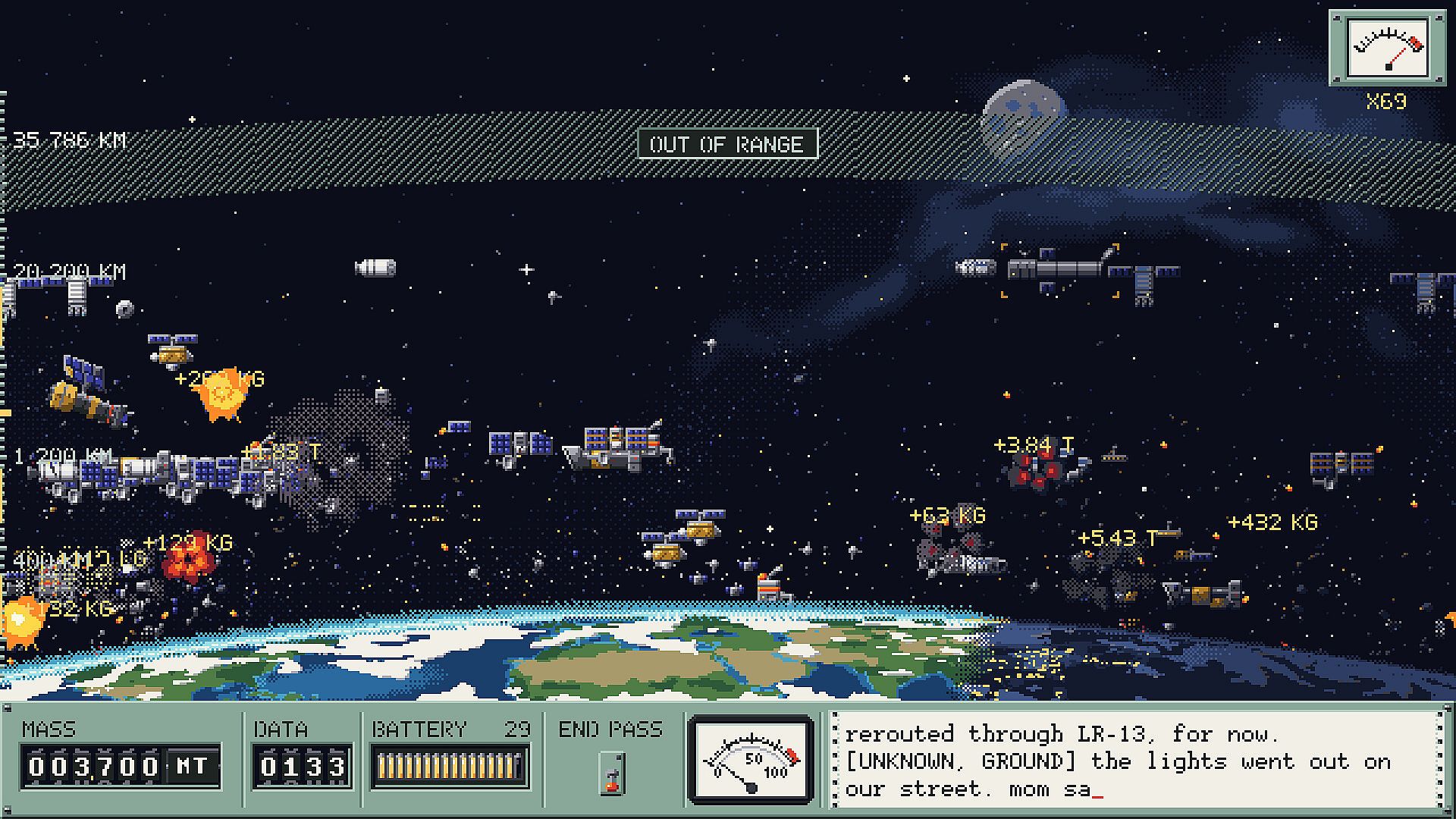
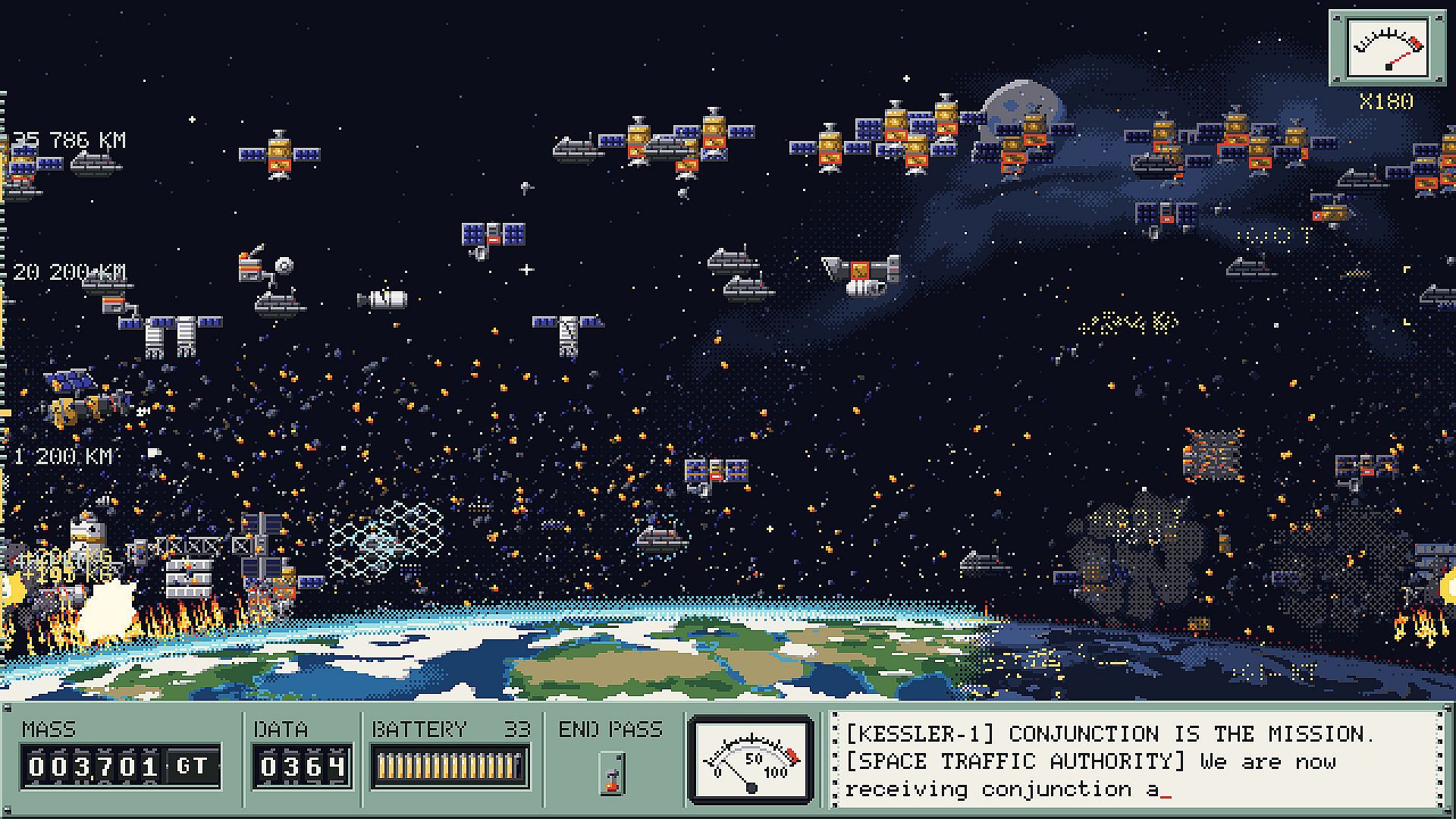
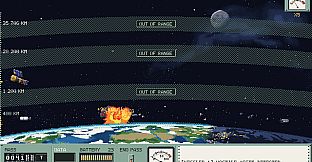
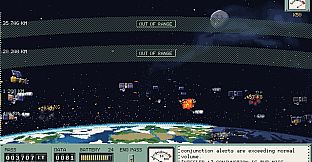
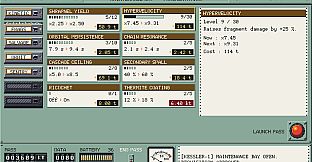
The central loop involves precise aiming and a single shot per pass, after which the simulation takes over. Fragments travel at orbital velocities and collide with other objects, creating expanding fields of debris. Head-on impacts generate the strongest effects, and extended cascades yield greater returns in the form of resources for progression. Between orbital passes the satellite returns to a maintenance bay for refits using punched card upgrades. These modifications alter projectile behavior and debris properties, such as increased mass for heavier slugs or added ignition for incendiary effects. Altitude progression unlocks new layers of targets, beginning at lower orbits around 400 km and advancing toward geostationary distances where larger structures become accessible.
Ground communications arrive via telex in the form of messages from customer support and space traffic control. These exchanges maintain the 1983 military protocol tone of the satellite itself, providing narrative texture without interrupting the incremental flow. The simulation emphasizes observation and timing over constant input, allowing players to watch the physics-driven destruction unfold while planning the next upgrade path.
Game Modes
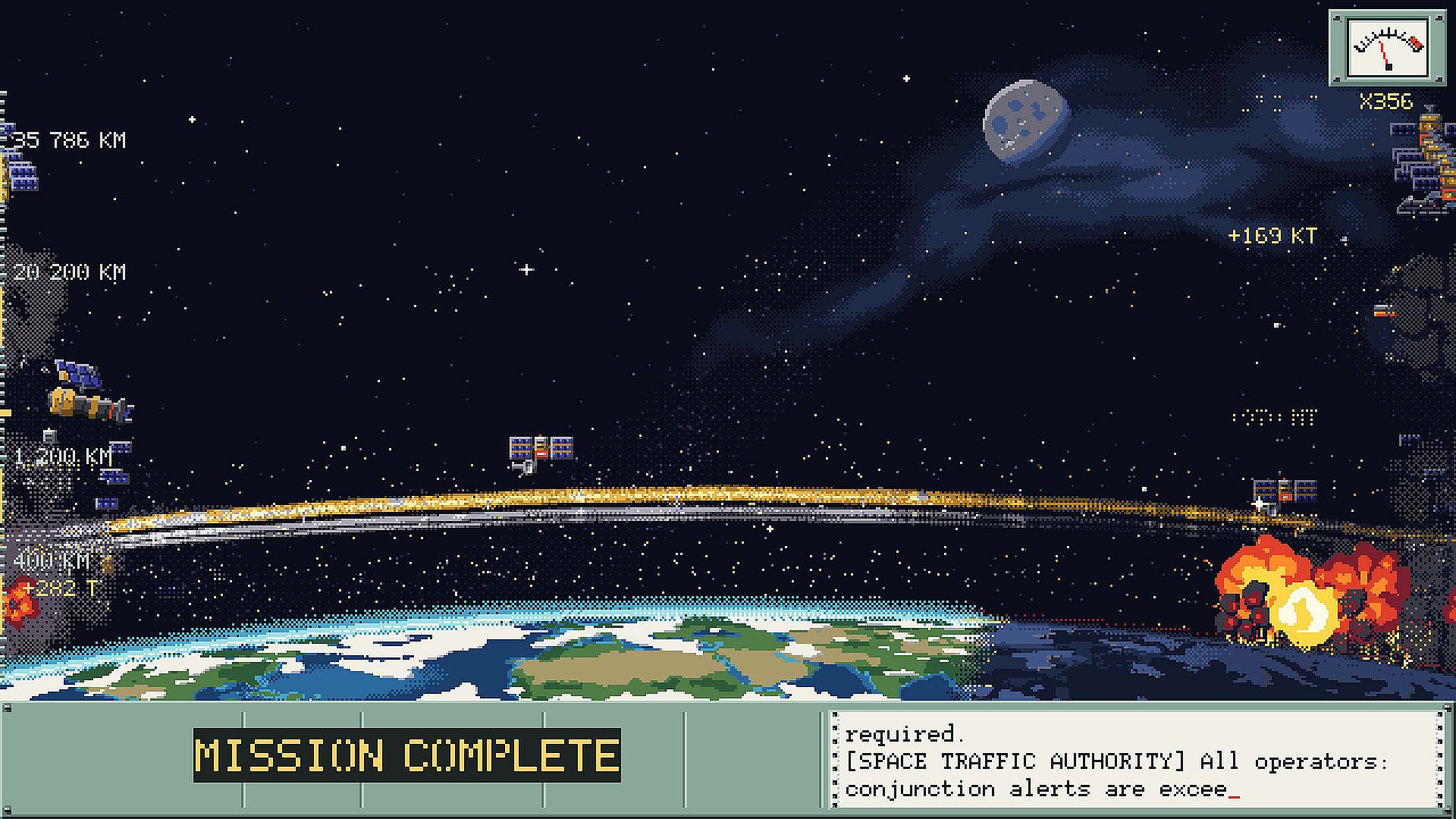
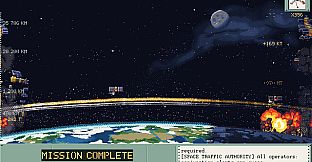
The primary experience follows a structured campaign that builds toward a defined conclusion after several hours of play. Progression tracks the destruction of specific high-value targets, including internet megaconstellations, armored spy satellites, and major scientific installations. The campaign culminates in the systematic disassembly of the Concorde space station, module by module, marking the end of the directed sequence.
Once the campaign reaches its conclusion, a separate free mode becomes available. This mode removes all limits on shots, upgrades, and target selection, enabling unrestricted experimentation with the full range of debris interactions and altitude layers. The two modes together support both a focused narrative arc and open-ended sandbox play within the same orbital mechanics framework.
Progression and Upgrades
Upgrades arrive through a series of punched card options that directly modify core systems. Examples include adjustments to slug weight for greater impact force, fragment velocity for wider spread, incendiary properties that ignite additional debris, and the ability to repurpose intact satellites as new projectiles. Each choice influences how cascades develop across different orbital bands, encouraging experimentation with combinations that maximize chain length and resource yield. Altitude unlocks serve as natural milestones, expanding the pool of available targets and introducing new collision dynamics at higher orbits.
Is It Worth Playing?
KESSLER: Orbital Incremental suits players who enjoy incremental strategy and simulation titles with a focus on physics-based chain reactions rather than constant clicking or complex management. The 3 to 4 hour campaign length delivers a complete arc with a clear ending, while the subsequent free mode extends replay value for those who want to explore unrestricted destruction. The game operates entirely in singleplayer, emphasizing observation of emergent orbital events over competitive or cooperative elements. Its indie scope and genre blend of strategy, casual pacing, and simulation make it a fit for short sessions or background play once upgrades automate larger portions of the cascade process. Those drawn to themes of orbital debris and satellite operations will find the mechanics align closely with the described systems, providing a self-contained experience without ongoing seasonal content or multiplayer requirements.











