




















Kill Me Yesterday is an indie RPG adventure game for PC that blends narrative storytelling with time manipulation and strategic card combat. Players take on the role of Tyren, a character resurrected after a fatal gunshot from his wife, sent back ten years to the eve of a technological revolution. The core experience revolves around unraveling the secrets of the Personality Displacement Experiment conducted by Lunaria Corp, involving consciousness experiments that blur the lines between human minds and artificial constructs like bioroids.
Gameplay
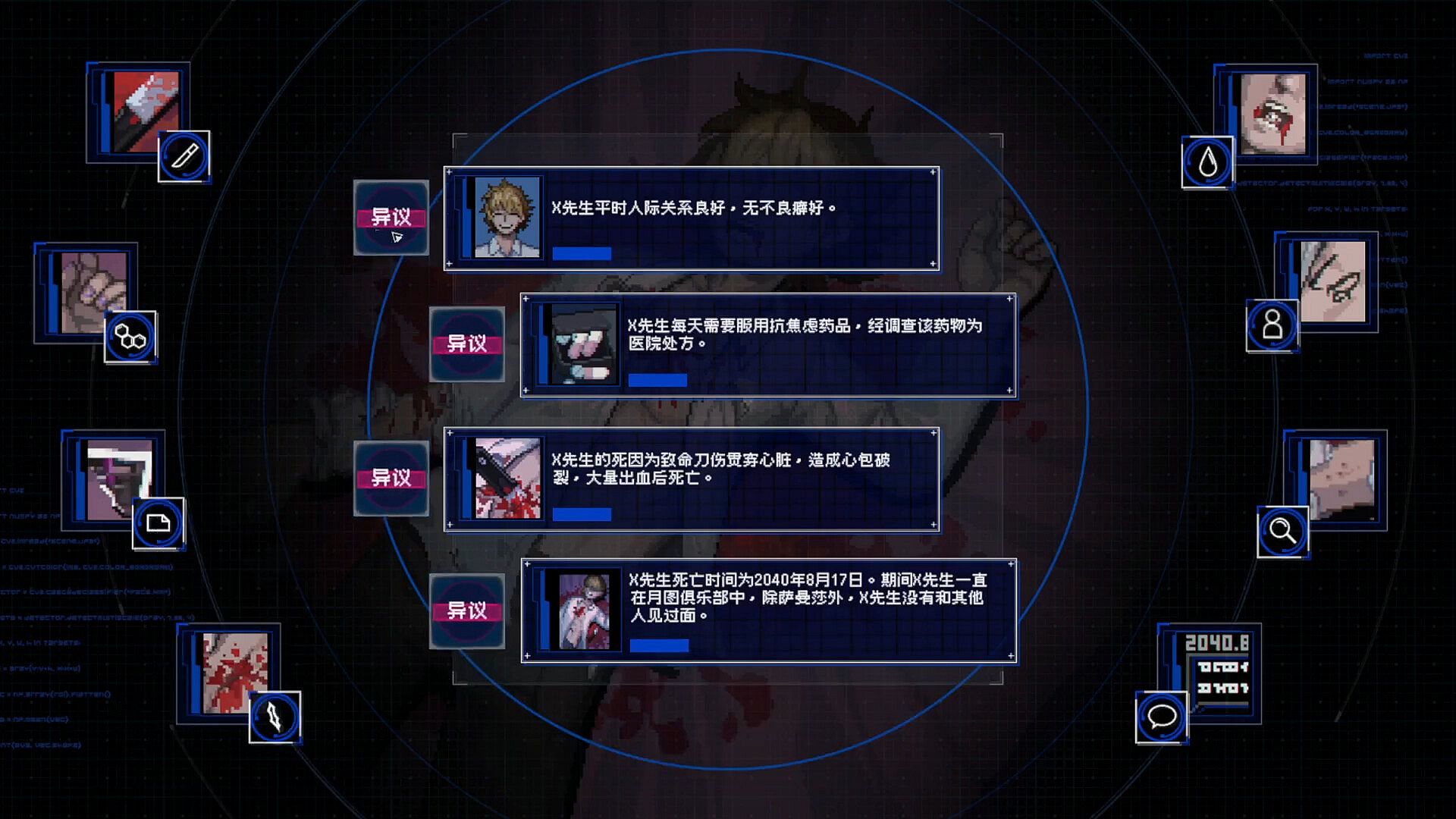
The gameplay centers on exploration and interaction within fractured timelines. Players navigate scenes, examine objects, and converse with characters to gather clues about hidden emotions and memories. Dialogue choices influence the direction of the story, allowing different paths to emerge based on decisions made during conversations. A bioroid devoted to love, an obsessive scientist, and a former wife who feels both familiar and altered all play key roles in the unfolding mystery.
Combat takes the form of light card battles arranged in a classic 3x3 grid. Players mix and match cards to build strategies suited to each encounter, keeping the system accessible while rewarding thoughtful combinations. These battles integrate into the larger investigation without overshadowing the narrative focus.
Unique mindscape sequences provide standalone experiences in each chapter. These sections place players inside the inner worlds of other characters, where environmental details and mechanics shift to reflect individual psyches. Exploration here reveals personal lore tied to consciousness chips and personality displacement, deepening the overall mystery.
Game Modes
The game structures its content around chapter-based progression that alternates between external timeline investigation and internal mindscape dives. Narrative branches arise naturally from player choices in dialogue, leading to multiple possible outcomes without requiring separate playthroughs from the start. Each mindscape operates as a self-contained segment with its own set of rules and visual style, distinct from the main exploration areas.
Card combat appears as encounters within the broader adventure, serving as a tactical layer rather than a standalone mode. The 3x3 layout encourages experimentation with card synergies across different story contexts. Lore elements such as bioroids and the Personality Displacement Experiment connect these segments, creating a cohesive single-player experience focused on discovery and consequence.
Story and Setting
Set against the backdrop of an impending technological shift, the plot follows Tyren as he contends with Lunaria Corp and a mysterious doctor. The narrative explores themes of love, humanity, and the ethics of consciousness transfer through layered revelations. Players piece together events across timelines, encountering figures whose motivations tie directly into the experiment's consequences.
Rich interconnected details about personality displacement and related technologies emerge gradually. Interactions with key characters highlight personal stakes, from sacrificial devotion to obsessive pursuits, all while the investigation advances toward altering the future.
Is It Worth Playing?
Kill Me Yesterday suits players who enjoy narrative-driven RPG adventures with choice-based storytelling and light strategic elements. The combination of timeline shifts, mind exploration, and card-based encounters creates a focused single-player loop centered on uncovering truths rather than open-world freedom. Those drawn to indie titles that emphasize emotional depth and puzzle-like investigation will find the structure rewarding.
With its emphasis on dialogue consequences and distinct chapter mechanics, the game appeals to fans of mystery adventures that integrate combat sparingly. Availability on PC makes it accessible for those seeking a contained experience without ongoing seasonal content or multiplayer components. The current state reflects a recently listed title, so prospective players can assess its fit based on the described systems of exploration, mindscapes, and strategic card play.











