


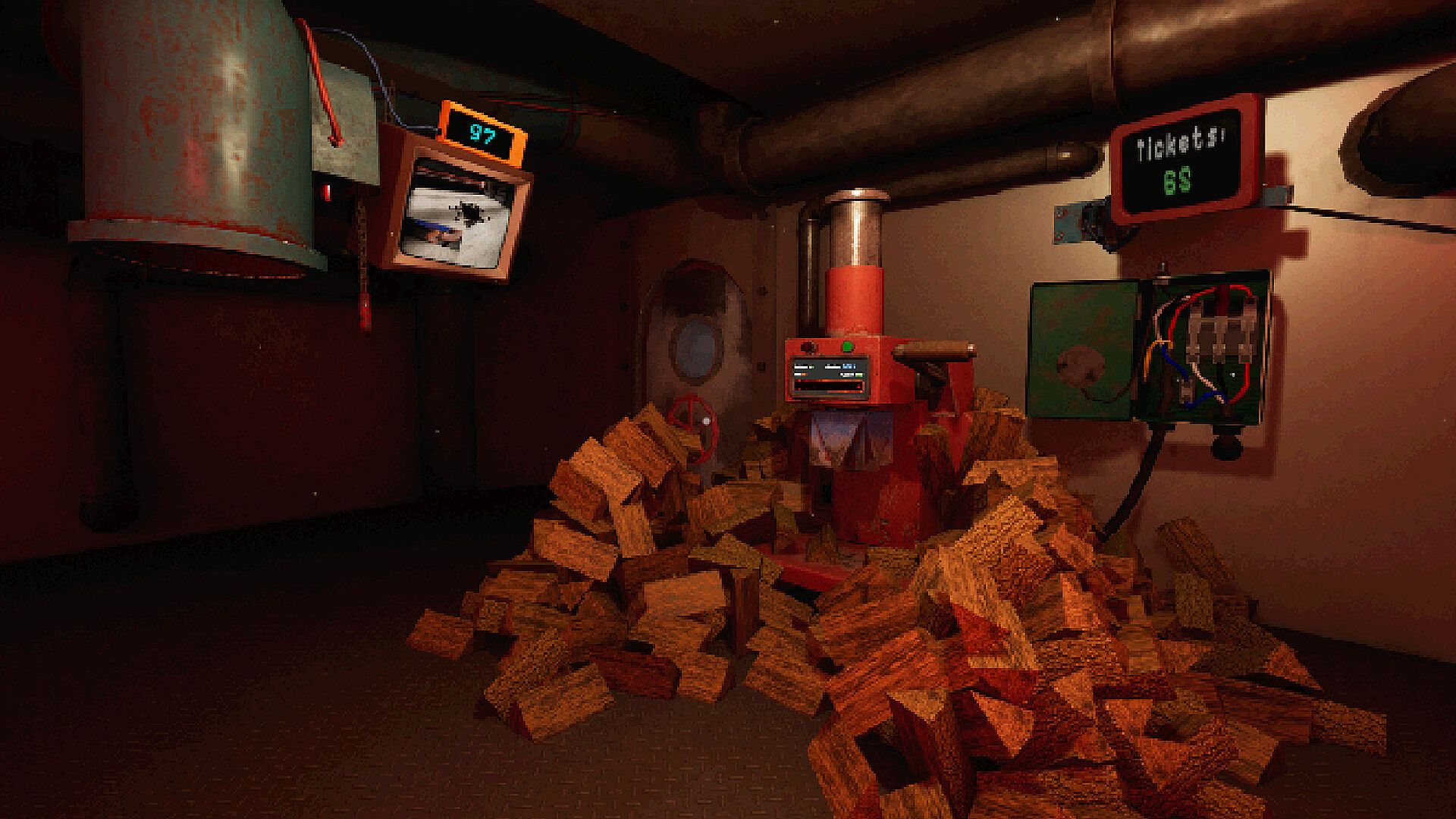
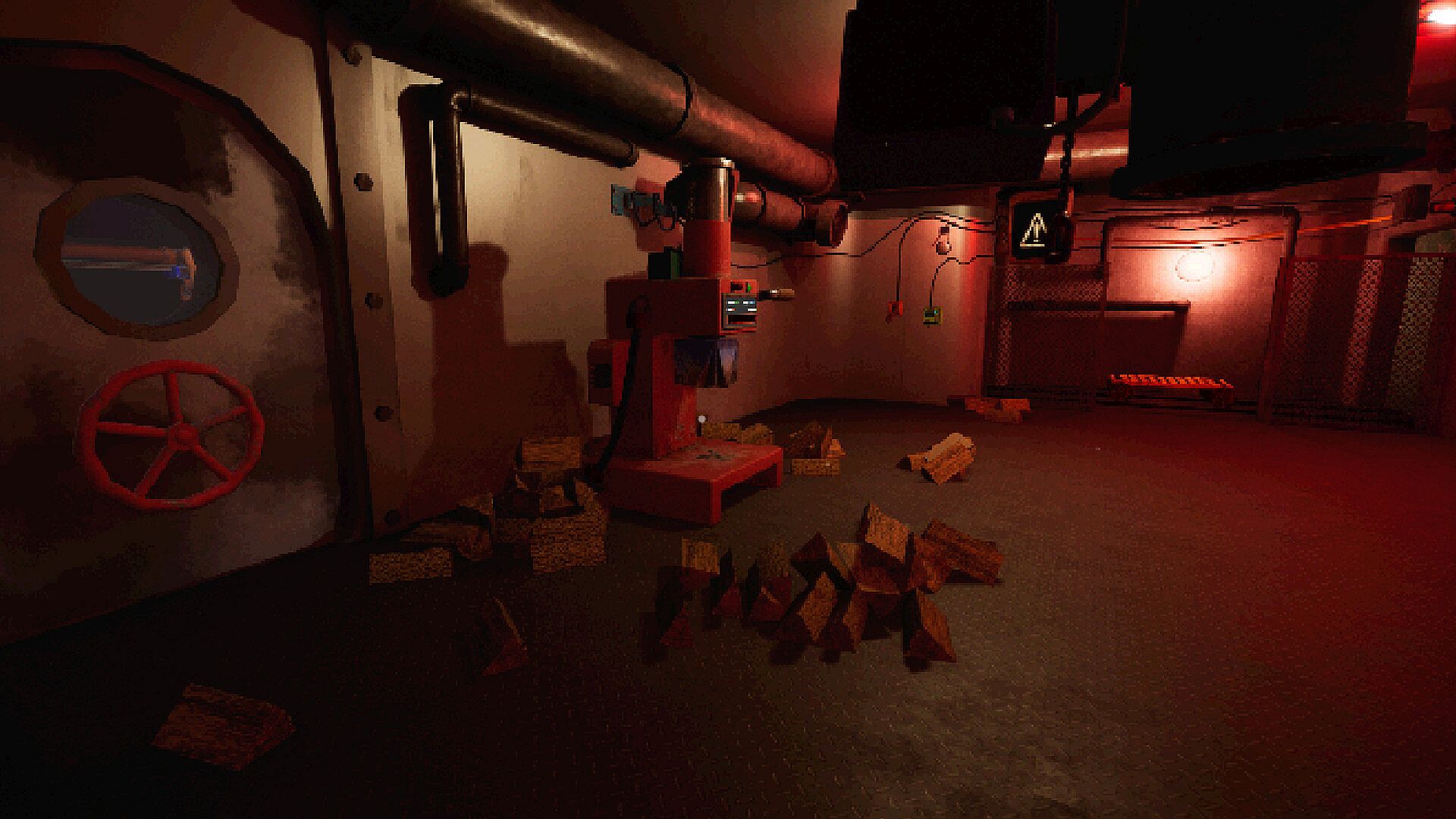
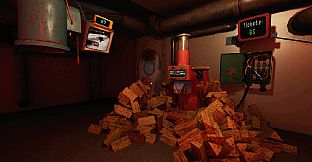
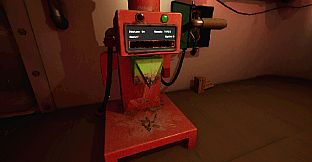
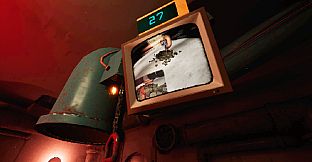
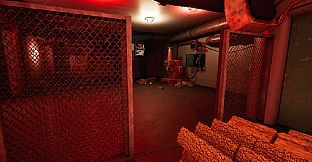
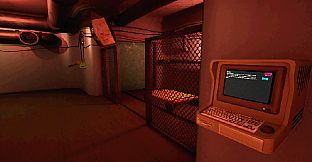
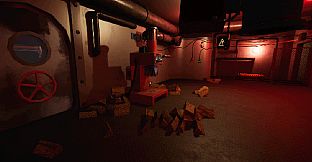
KOLUN is an indie casual simulation game for PC in which players take on the role of Worker 1331, a solitary employee tasked with processing wood in a restricted industrial setting. The experience centers on repetitive manual labor combined with incremental upgrades and limited observation of the surrounding environment through cameras and a work computer.
Gameplay
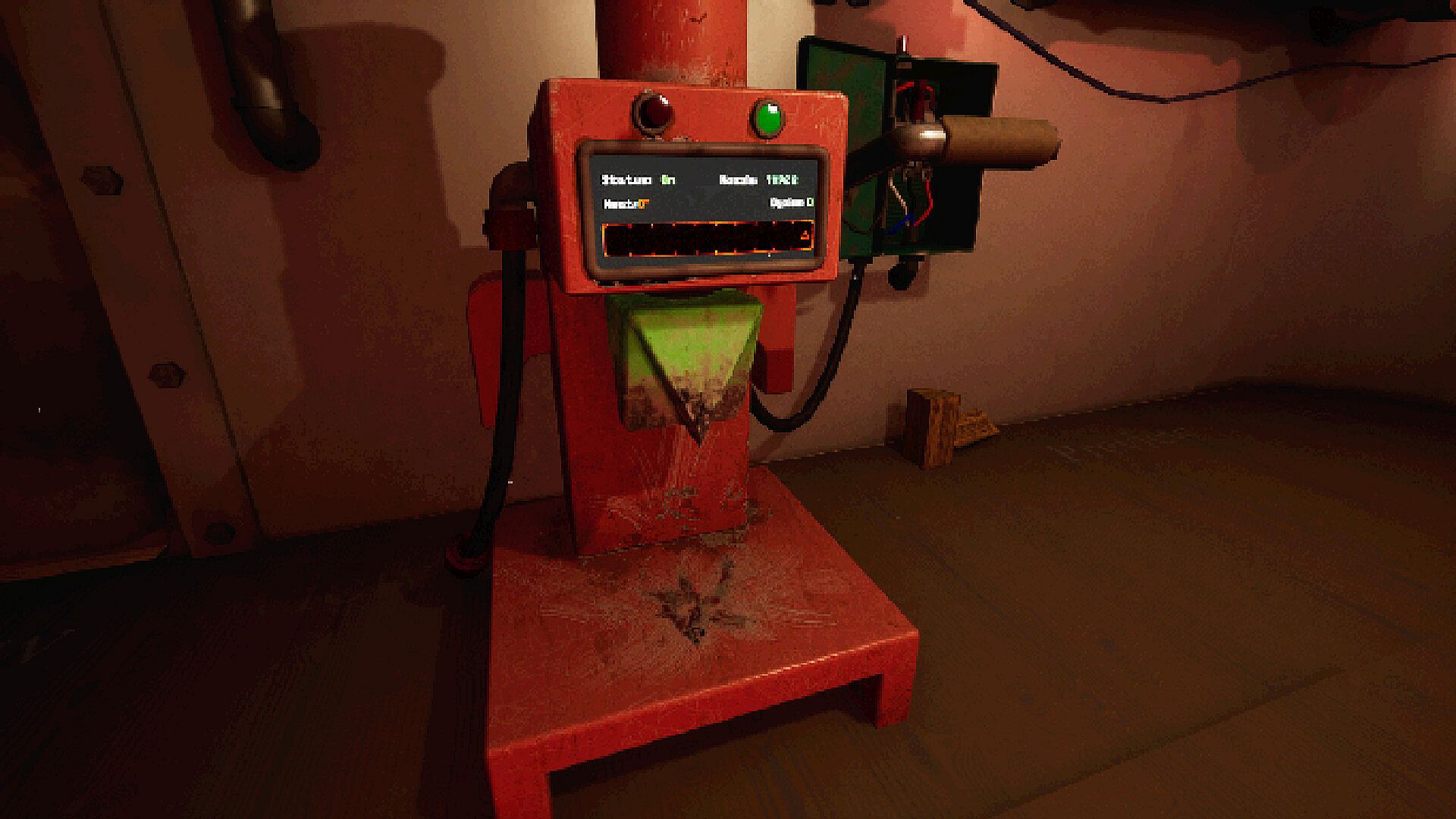
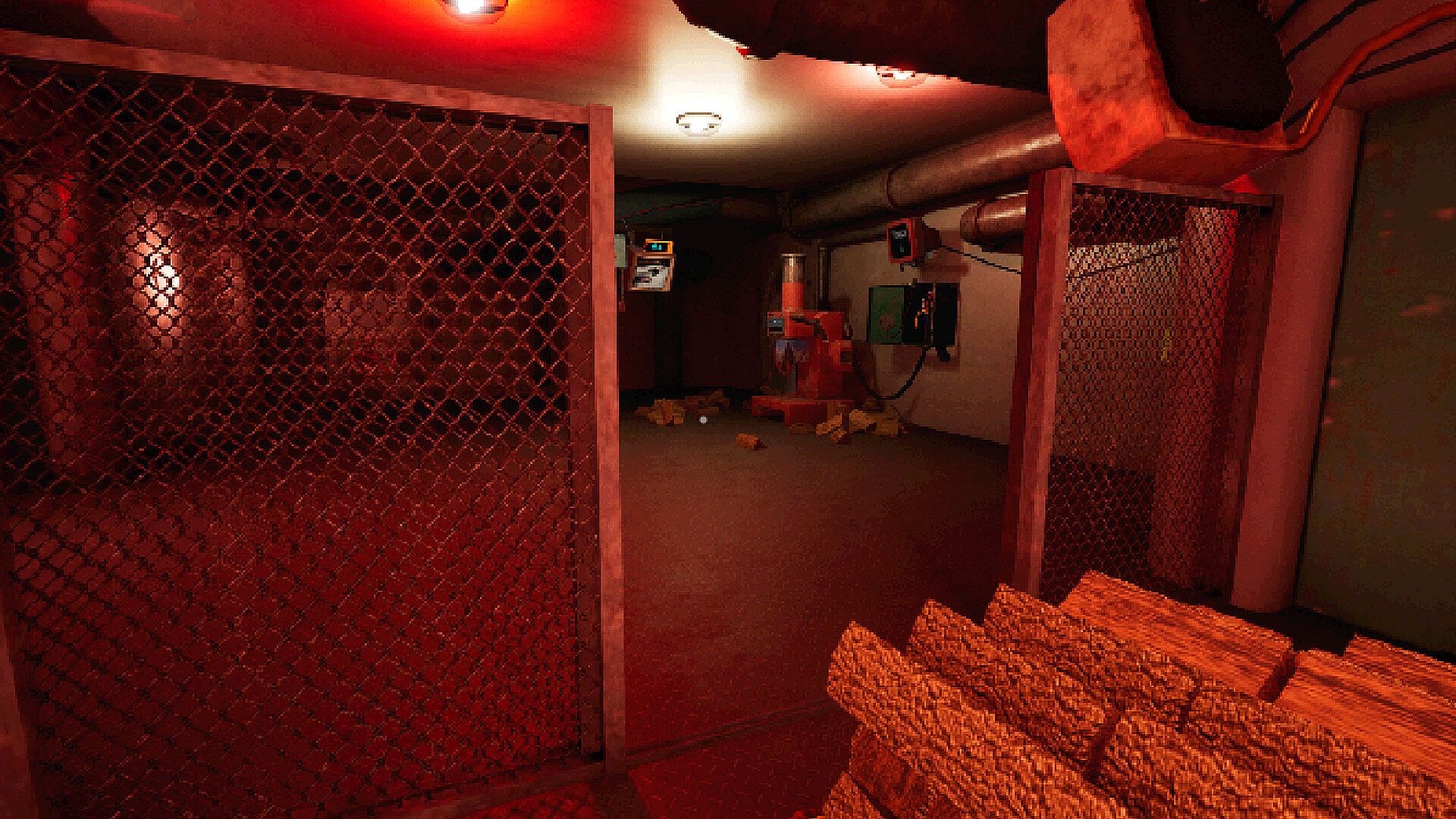
The core loop involves following strict work instructions to handle stumps delivered via a vacuum system of rigid and flexible ducts. Players grab each stump, split it into pieces using available equipment, load the resulting logs into a cart, and deliver them to complete the cycle. Every stump must be fully processed, and the growing pile of finished logs gradually diminishes as shifts progress.
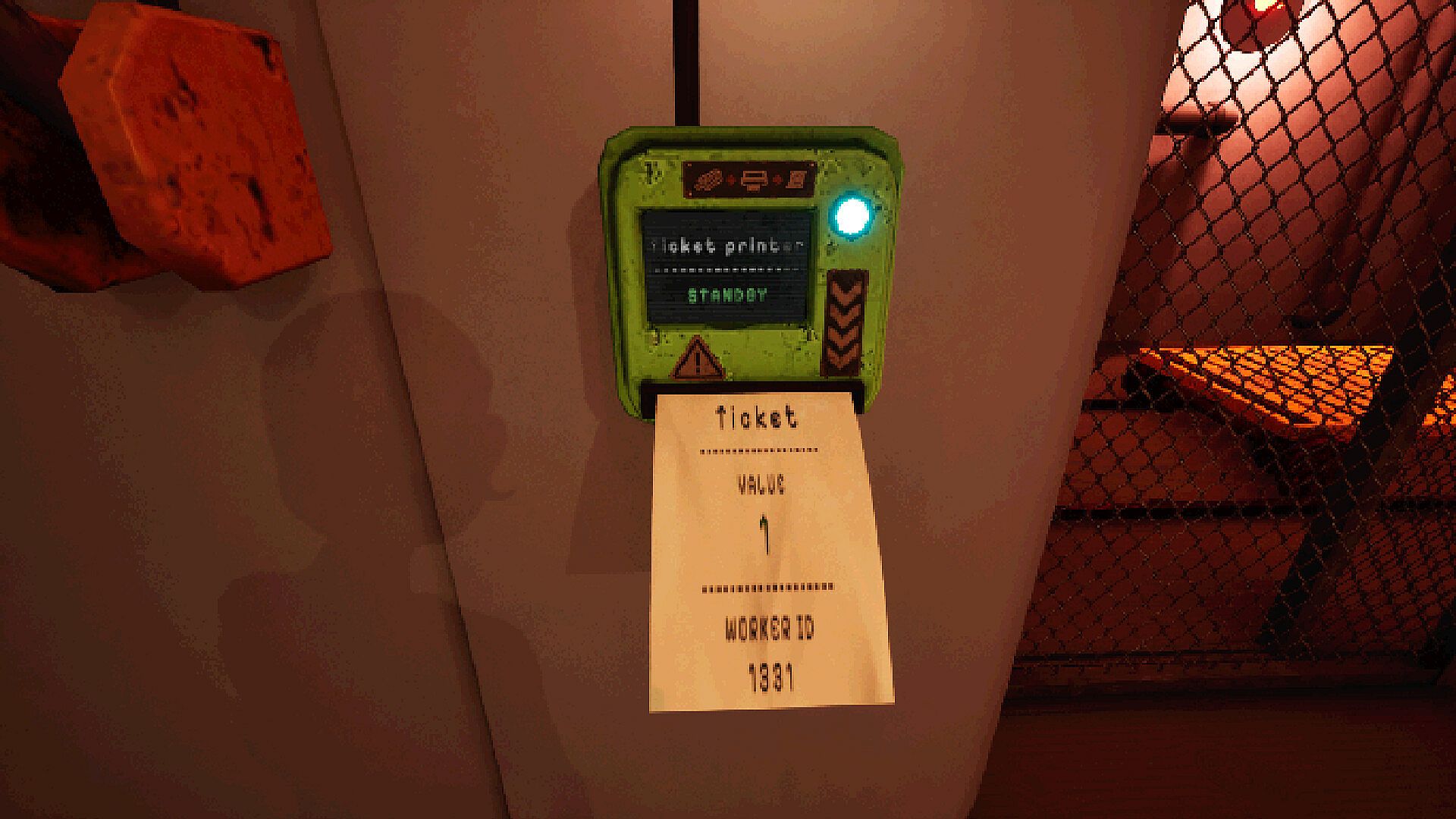
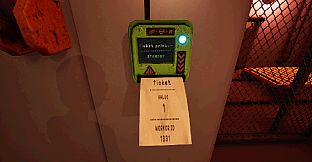
Efficiency improves through the purchase of upgrades using earned tickets. These enhancements cover splitting heads for faster cuts, cooling systems to maintain performance, increased delivery capacity for more stumps per cycle, greater log-carrying limits, and modifications that reduce the physical demands of the job. Players decide the order and focus of upgrades, balancing speed gains against simpler operation depending on personal preference.
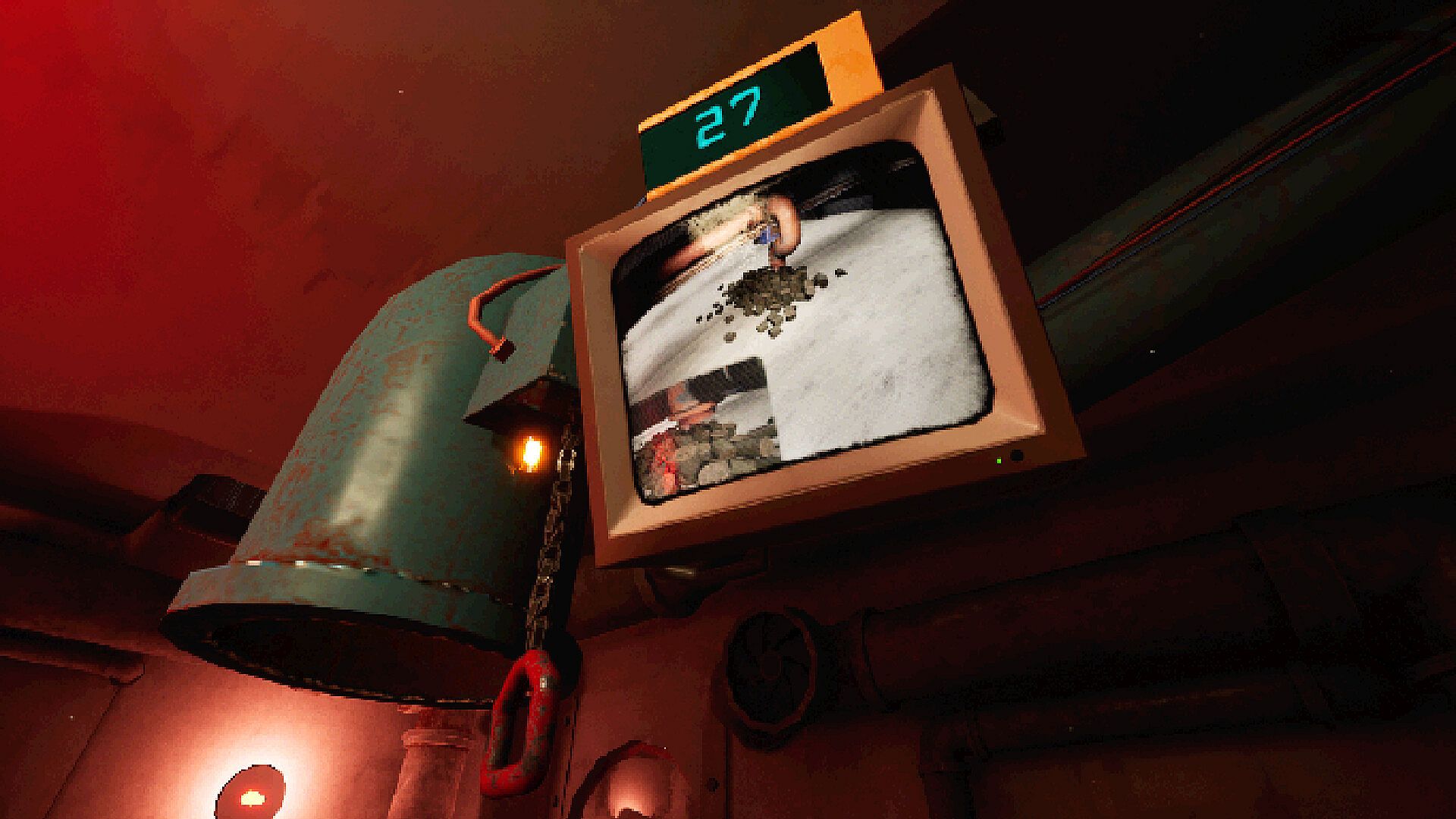
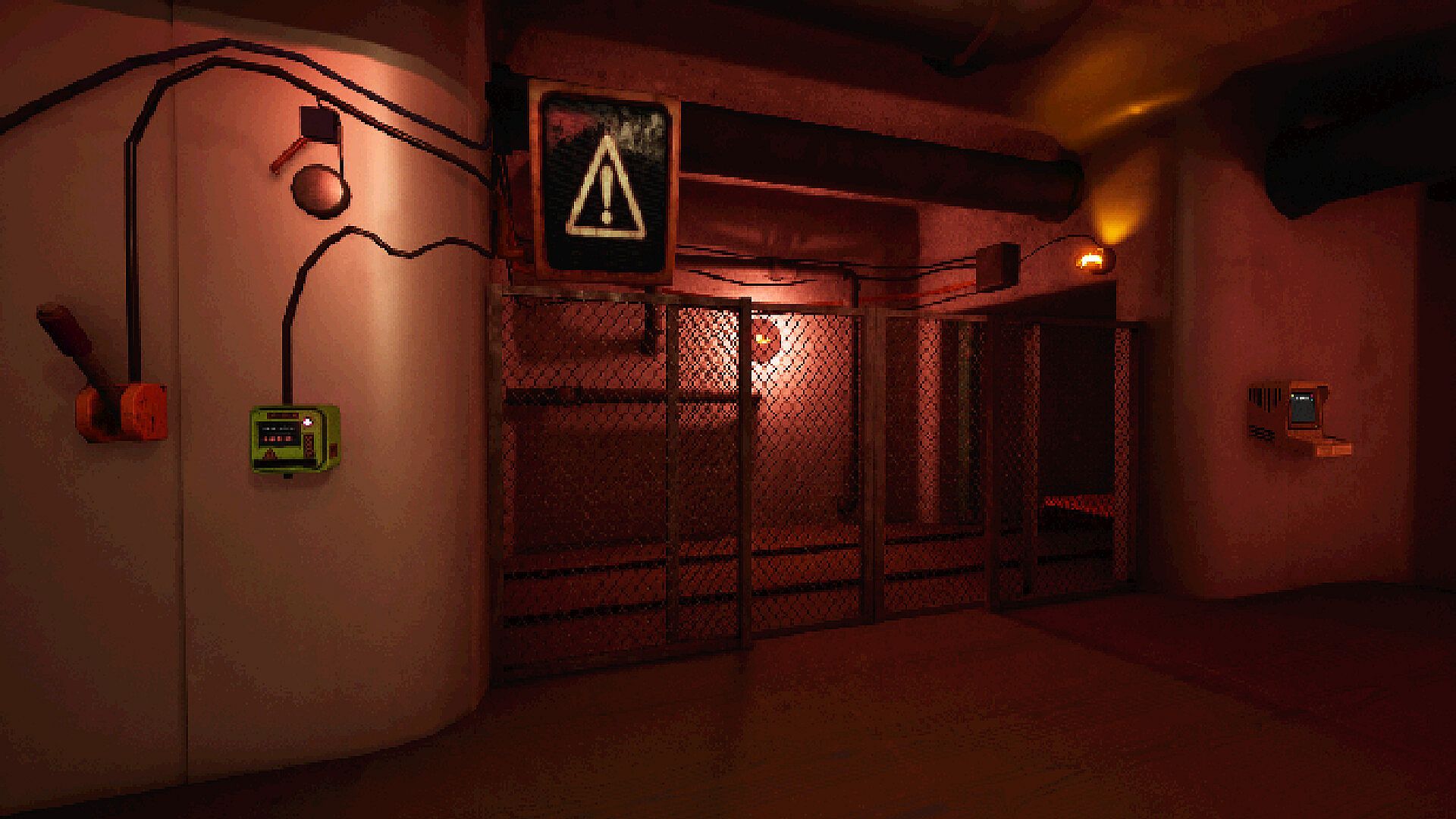
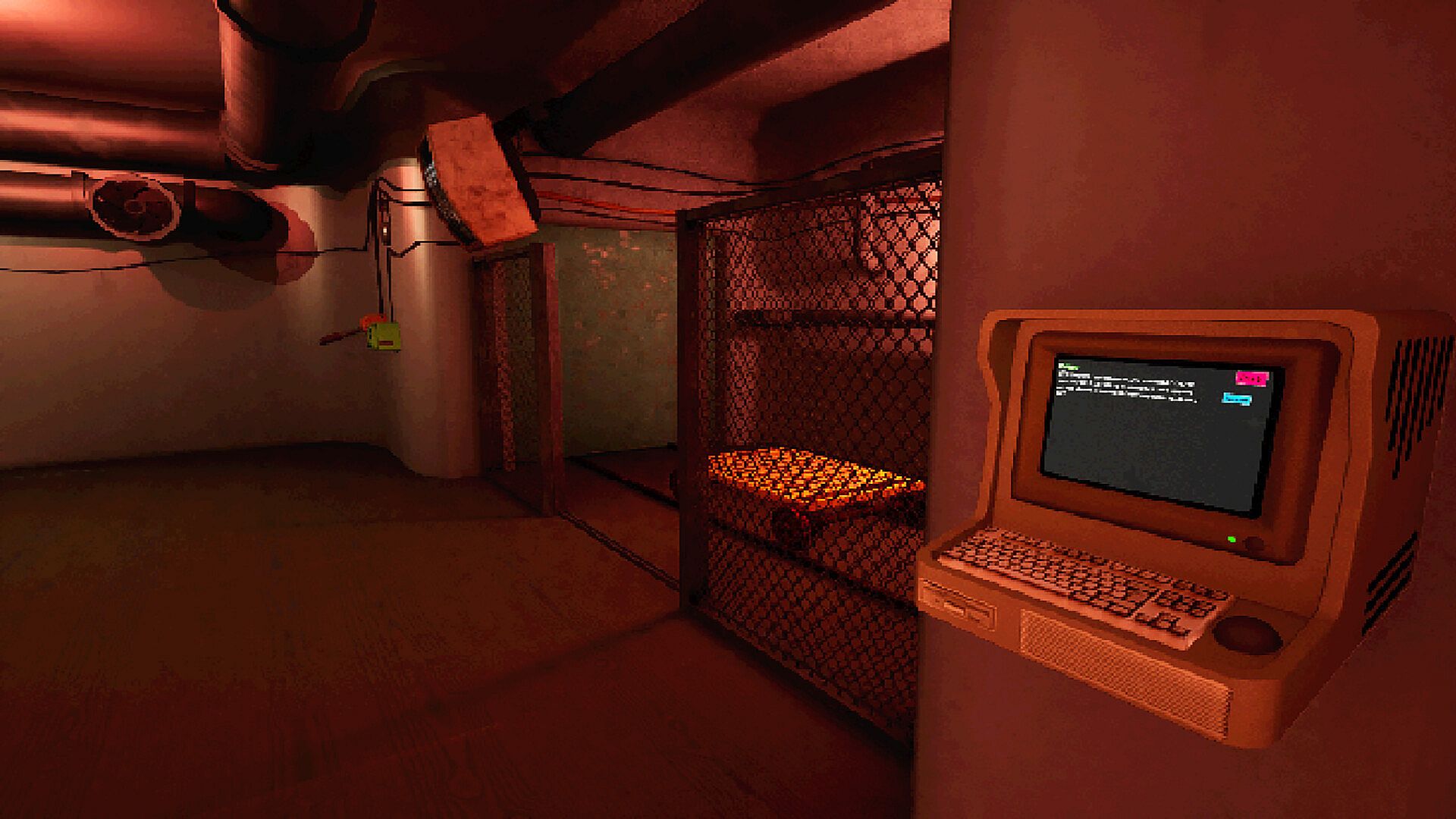
Observation forms another layer of the experience. Stumps arrive from a separate storage room that remains off-limits for fire safety reasons. A work computer provides access to instructions, occasional messages, and camera feeds that reveal activity beyond the immediate workstation. This setup encourages players to study patterns and piece together the larger context while continuing daily tasks.
Game Modes
The game operates as a single continuous work simulation without separate named modes. Progress unfolds through repeated shifts focused on stump processing, ticket collection, and equipment improvements. The central objective remains reducing the massive initial pile of logs through consistent application of the grab-split-load-deliver sequence.
Players manage their own pace and upgrade priorities within this framework. Some focus on maximizing throughput for quicker completion of daily quotas, while others emphasize comfort and reduced effort through targeted purchases. The observation tools stay available throughout, allowing ongoing study of the facility regardless of upgrade path chosen.
Upgrades and Progression
Tickets earned from completed work serve as the sole currency for advancement. Available improvements directly affect the splitting process, material handling, and overall workflow. Upgrading splitting heads increases cut speed, while cooling additions prevent overheating during extended sessions. Capacity boosts allow more stumps to arrive and more logs to move at once, and ergonomic changes ease the manual elements of the job.
Progression feels methodical rather than explosive. Each upgrade builds on the previous ones, gradually transforming the workstation from basic manual operation into a more streamlined setup. Players retain full control over which areas receive investment first, creating varied personal approaches to the same core tasks.
Atmosphere and Observation
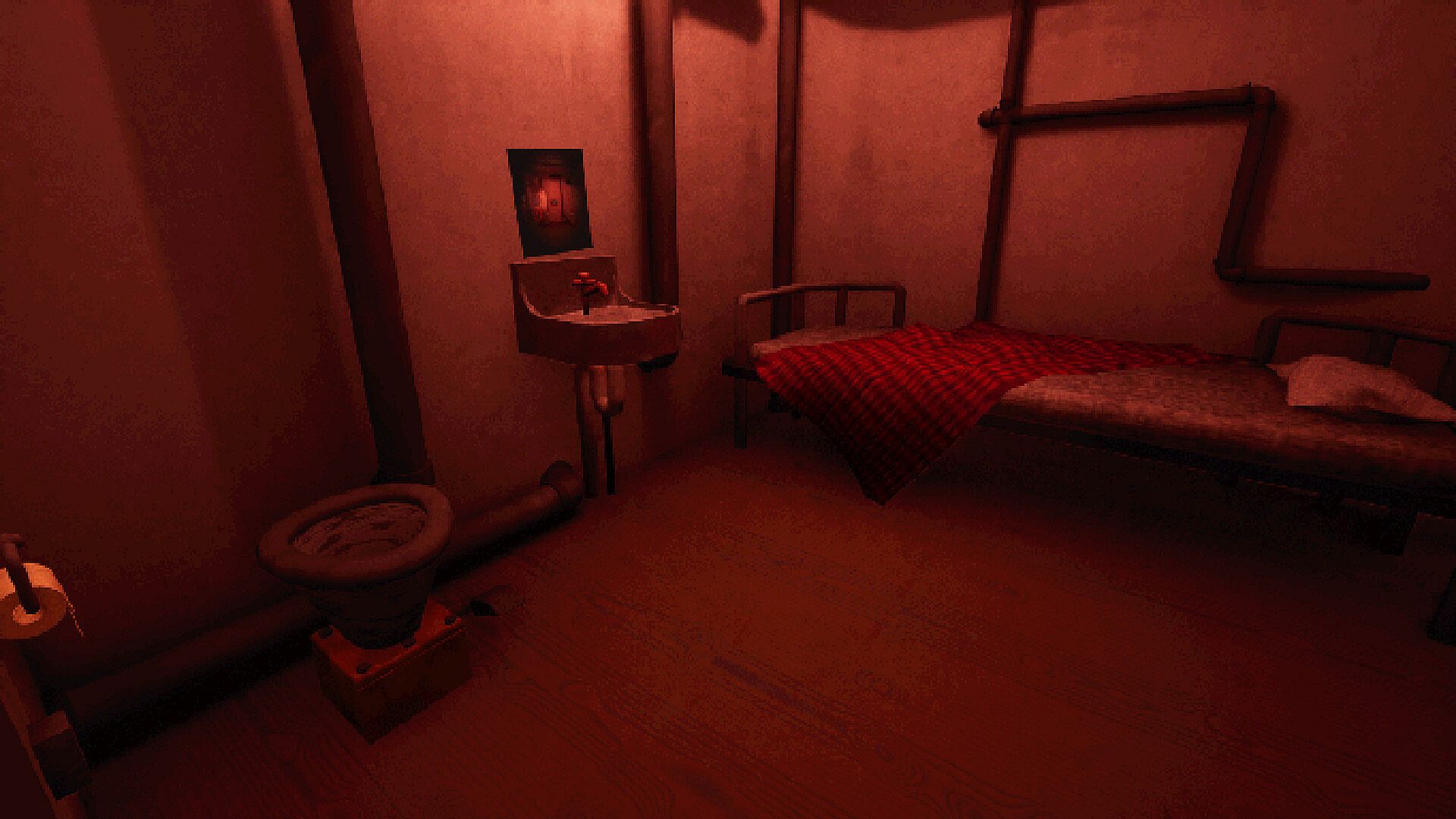
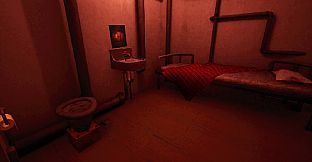
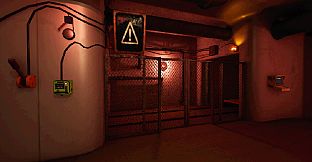
The environment emphasizes isolation and routine. The player remains confined to the workstation, relying on cameras and the computer interface for any external information. Messages and instructions appear sporadically, providing context without full explanations of the facility's purpose or the reasons behind the strict access rules.
This observational element adds subtle depth to the otherwise straightforward labor loop. Players can pause between tasks to review feeds or reread materials, building a sense of the world outside the immediate work area while the log pile continues to shrink in the background.
Is It Worth Playing?
KOLUN suits players who enjoy deliberate, task-oriented simulation experiences with clear progression through upgrades. The gameplay rewards consistent attention to the processing cycle and thoughtful allocation of resources toward efficiency or ease of use. Those drawn to casual indie titles that simulate repetitive industrial work with a layer of environmental mystery will find a focused experience here.
The game maintains a steady rhythm without additional systems or distractions. Availability on PC makes it accessible for short or extended sessions focused purely on the work loop and incremental improvements. Players seeking a straightforward simulation centered on manual labor and observation rather than combat, exploration, or narrative branching will find the mechanics align closely with that interest.