


KPOP Idol Factory is an indie casual simulation game for PC in which players take charge of a small K-pop agency and shape the careers of a fictional idol group through daily decisions and long-term planning.
Gameplay
The core loop centers on running a modest agency that begins in a rented rehearsal room. Each week players allocate time for training sessions, media appearances, rest periods, and preparation for comebacks. Balancing these elements prevents members from suffering injuries, exhaustion, or low morale that can derail progress. Song selection, concept choices, and budget decisions for every release directly influence whether a comeback succeeds or falls short, with clear feedback on the results.
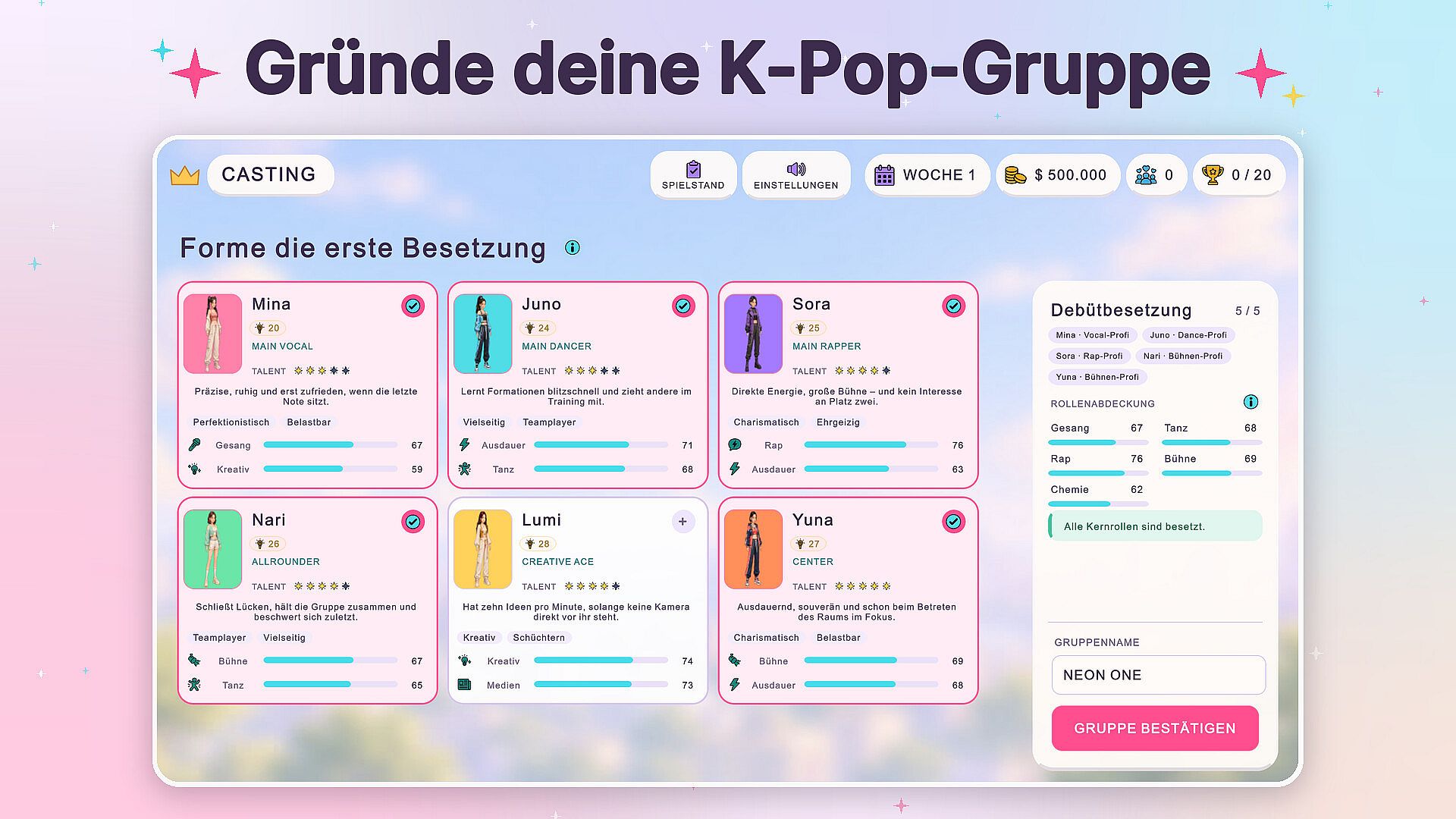
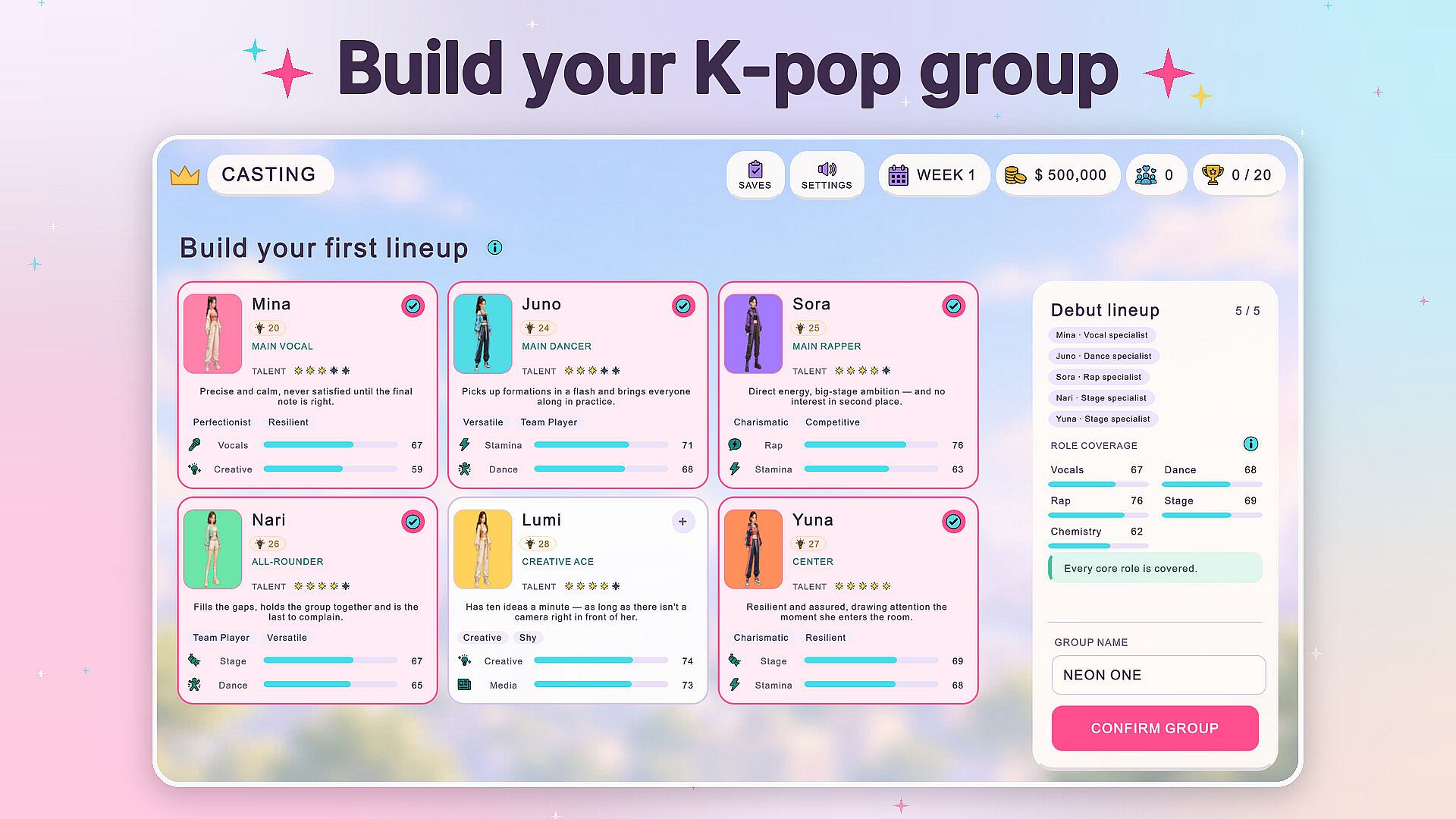
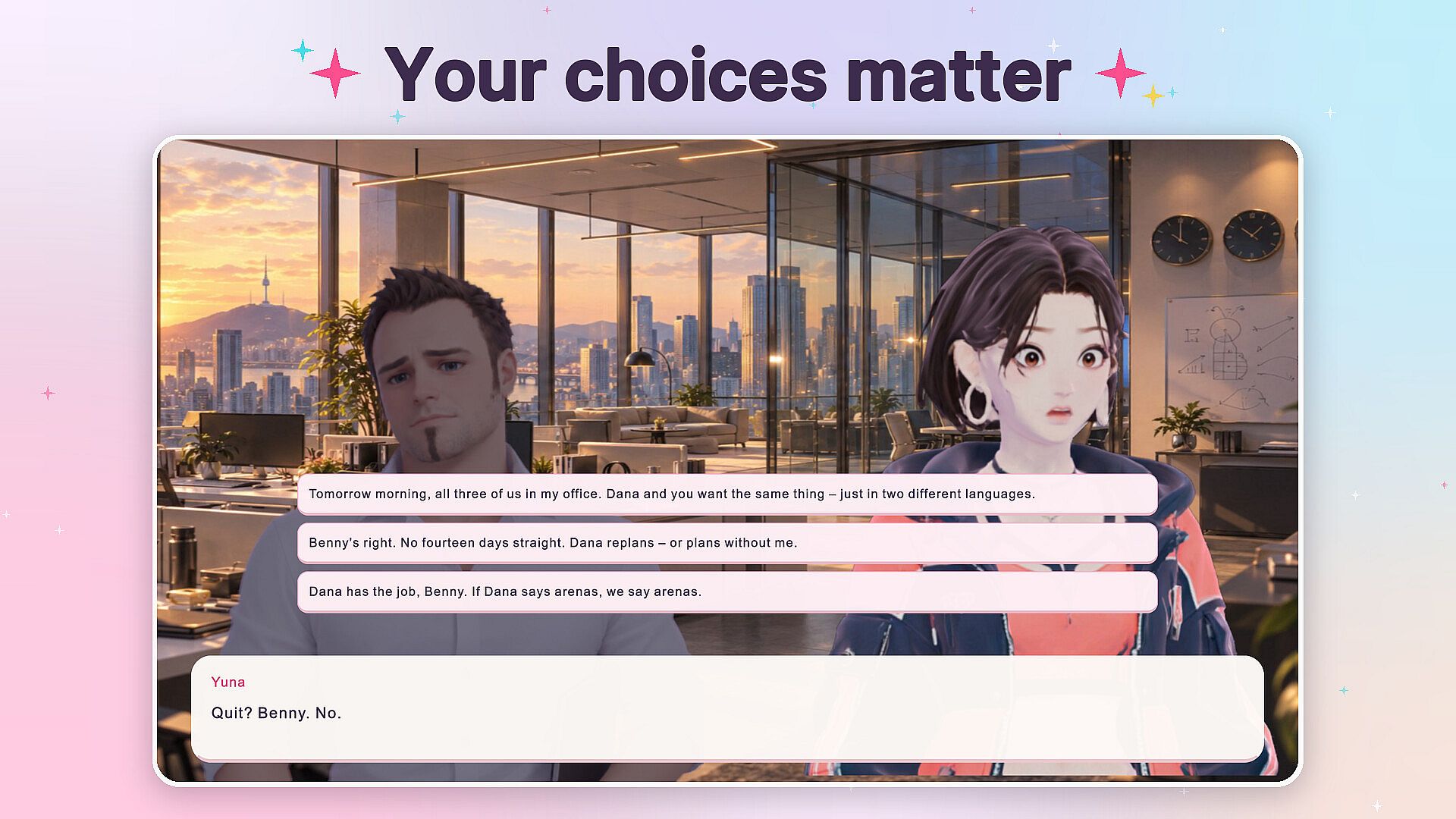
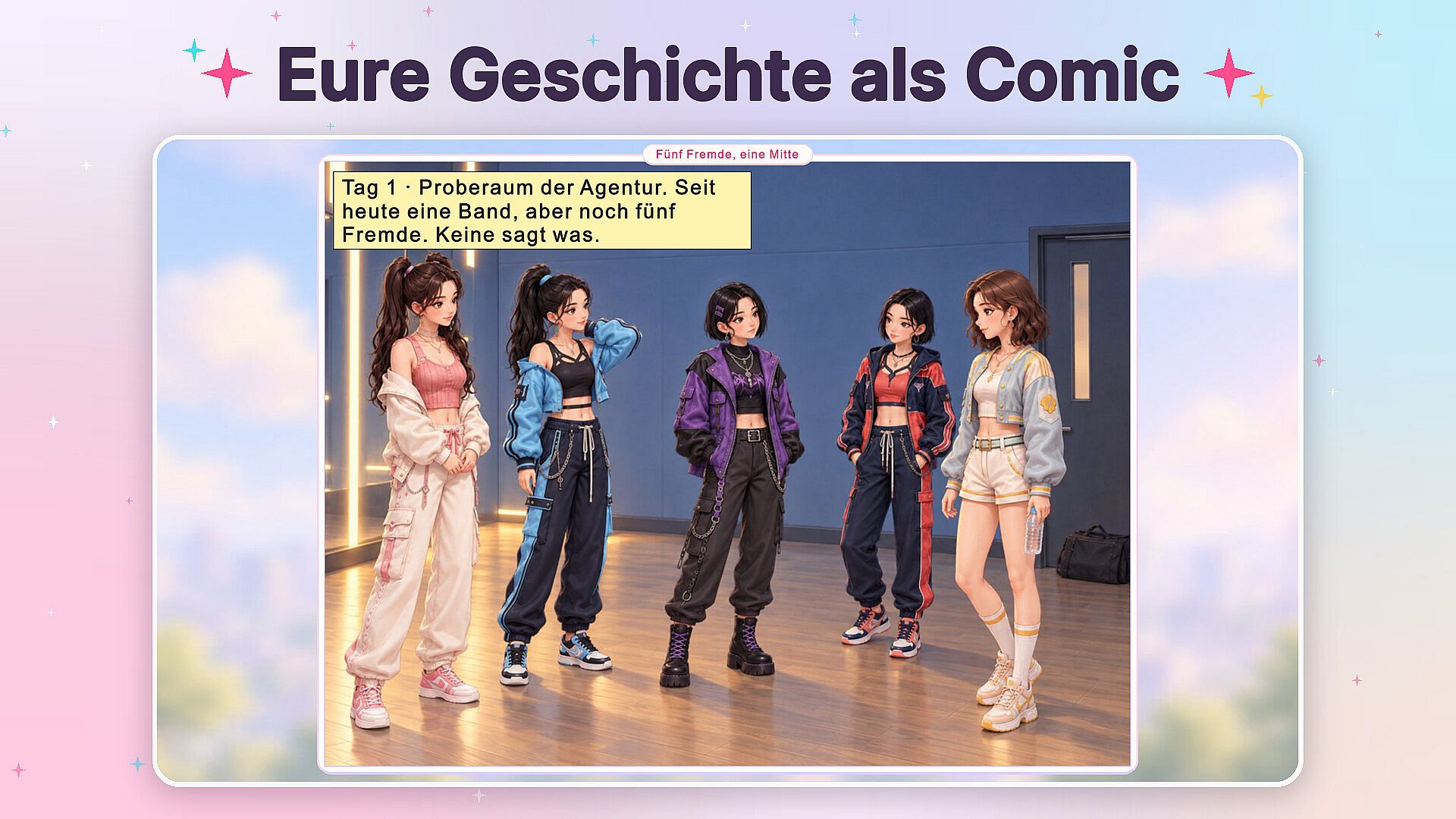
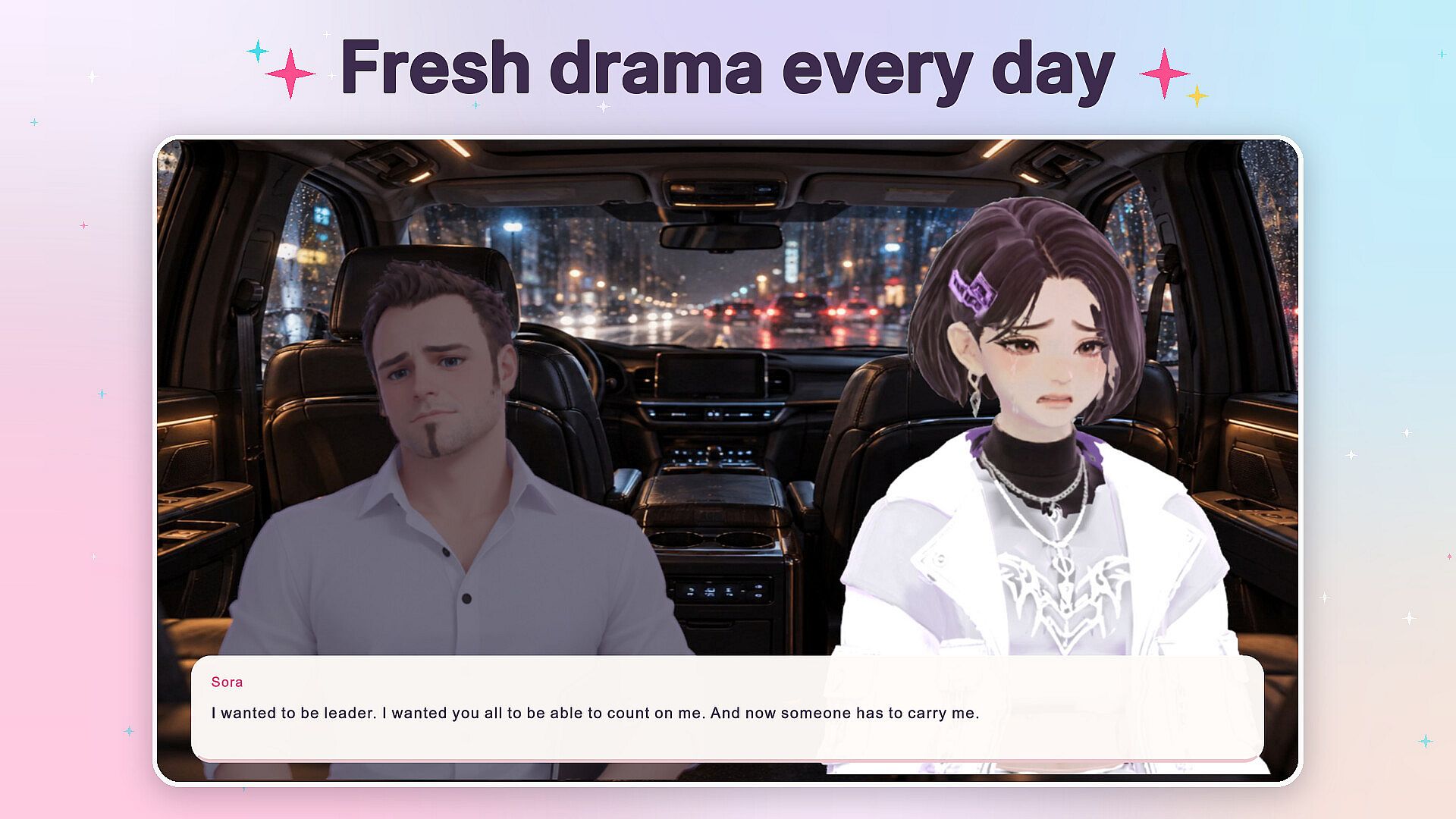
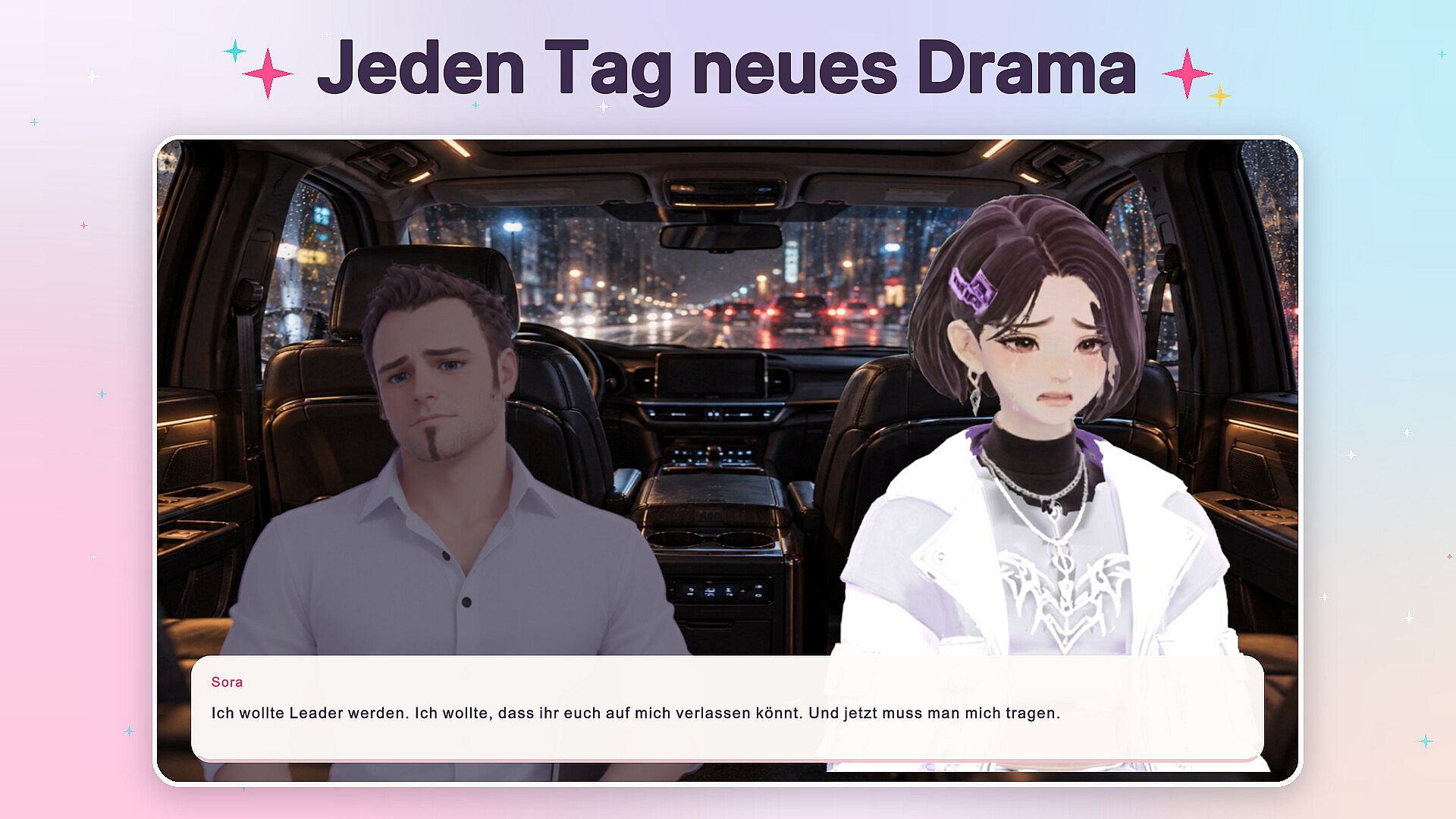
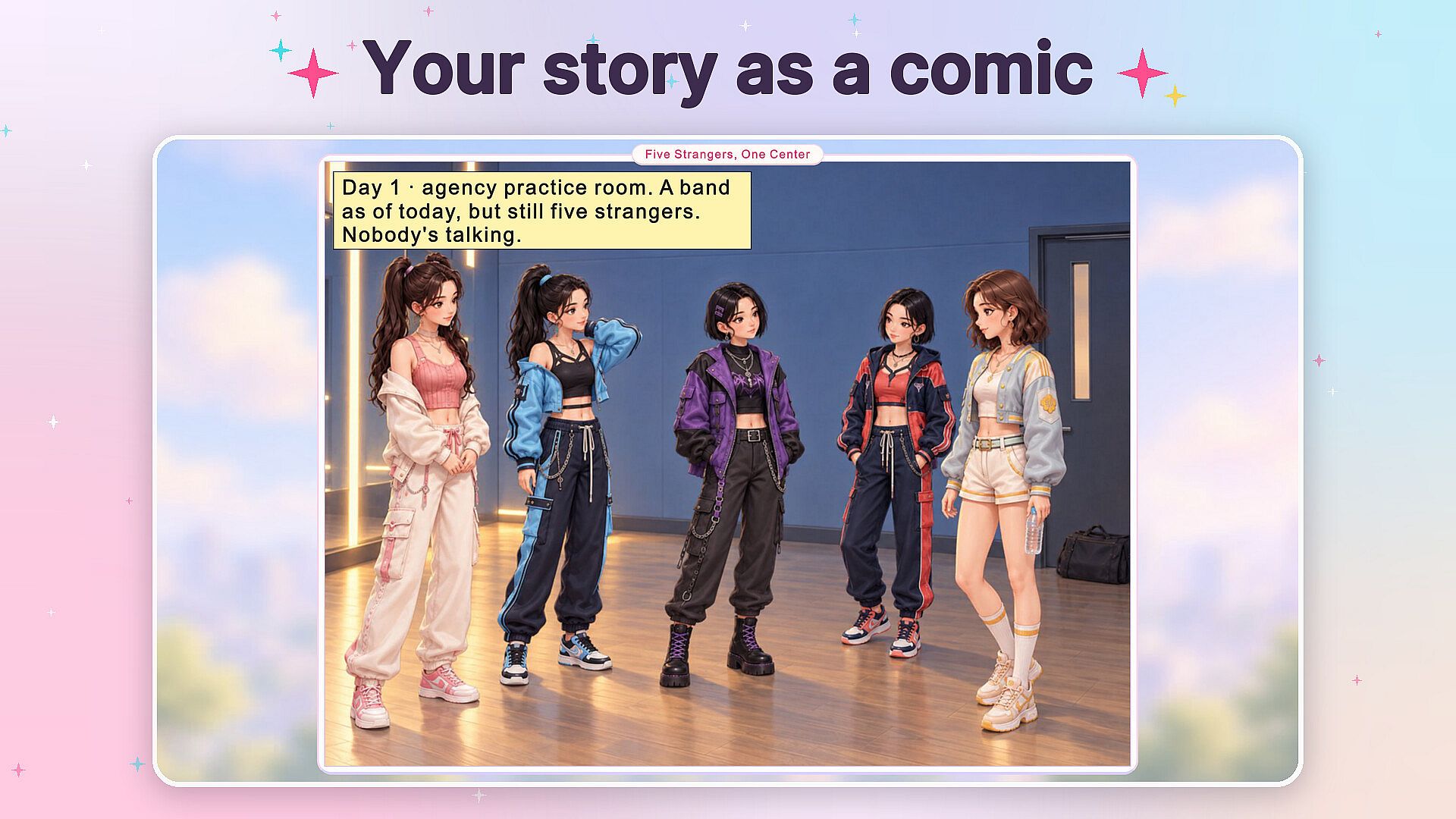
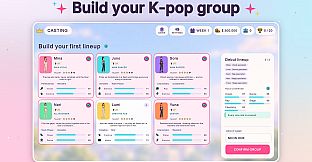
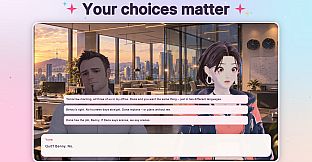
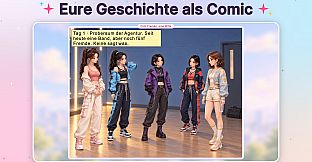
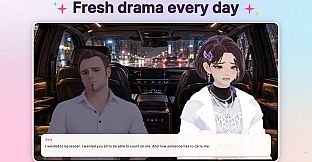
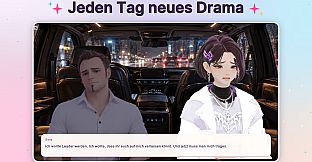
Individual idols possess distinct strengths, quirks, dreams, and concerns. Assigning roles such as Main Vocal, Main Dancer, Rapper, or Center affects group chemistry and performance outcomes. Daily events unfold through group chats, story scenes, and comics, where player responses shape trust levels, moods, and career trajectories. Live streams appear on the in-game fan network Glimr, presented in Korean with subtitles, allowing the group to react to fan posts in real time.
Story arcs span multiple weeks and cover topics including secret romances, rivalries, a stalker situation, a baby at the office, solo career questions, world tours, and farewells. These narratives incorporate humor alongside serious subjects such as performance pressure, health concerns, loneliness, and the challenges of saying goodbye. Three distinct acts guide the group from debut through national recognition to international success, after which a new generation continues the legacy.
Game Modes
The primary experience follows a structured narrative path divided into three acts that advance the band from its first performances to global stages. Story scenes and comics can be revisited at any time through the story archive, while an epilogue reveals the final outcomes for each member based on earlier choices.
After completing the main story, free play allows continued management of the same group or the start of a new generation, supported by a record book that tracks past achievements. Photo mode pauses performances so players can freely adjust the camera, select poses, and capture images in 4K resolution for later viewing.
Four difficulty settings range from Relaxed to Agency Hell, adjusting the challenge of scheduling and resource management. All content unlocks through gameplay alone, with three save slots available and full offline support.
Characters and Progression
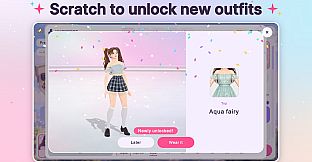
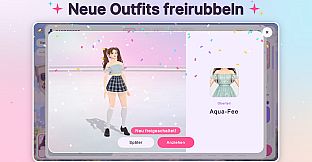
Every idol functions as a fully realized individual rather than a collection of statistics. Their personal stories, voice lines, and signature looks evolve alongside the group. The Aurora Edition expands the roster with two additional members, Kai specializing in popping and locking and Dara focused on hip-hop and waacking, each bringing unique voice work, story portraits, and both standard and holographic Aurora outfits that respond to music beats.
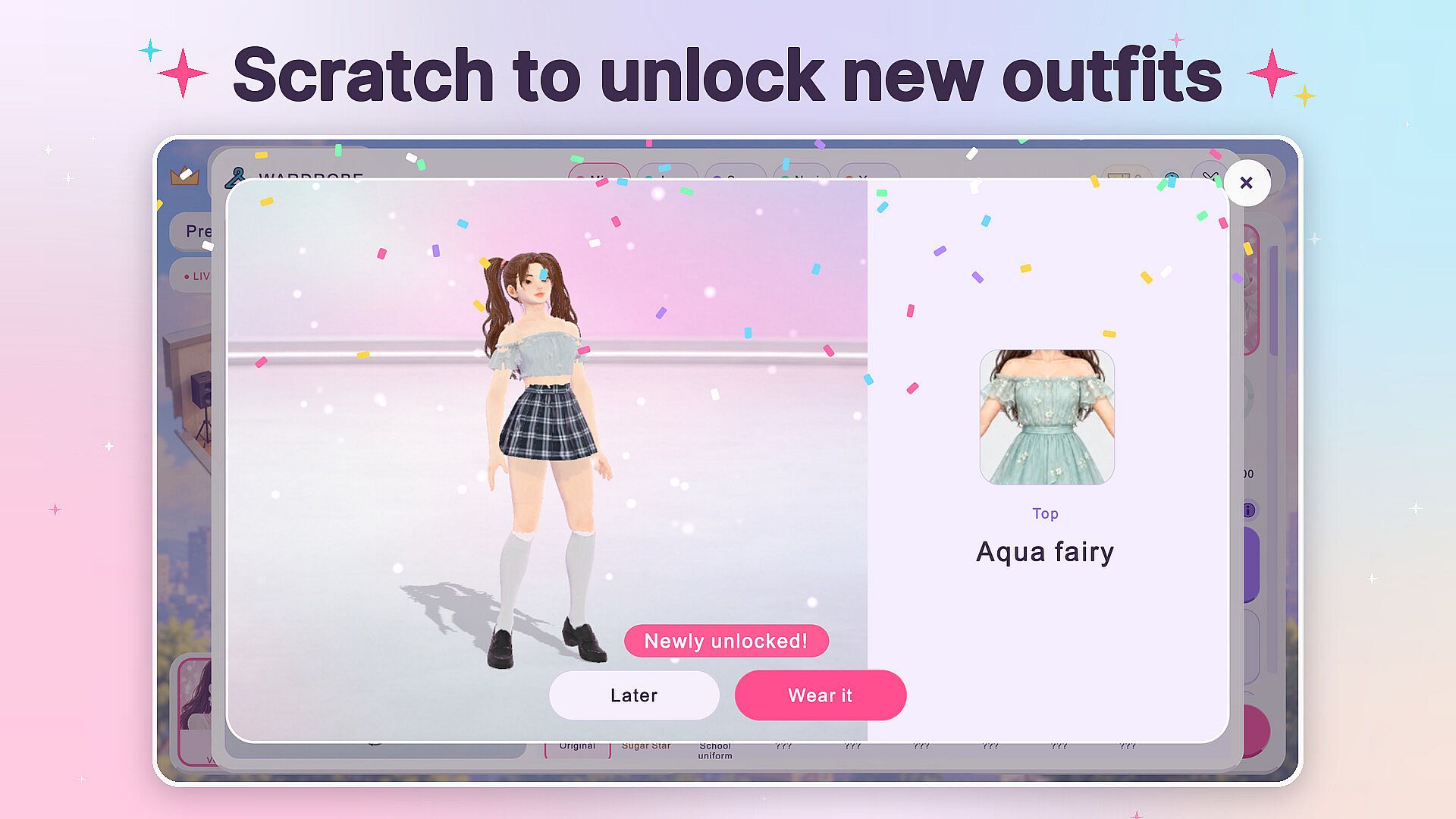
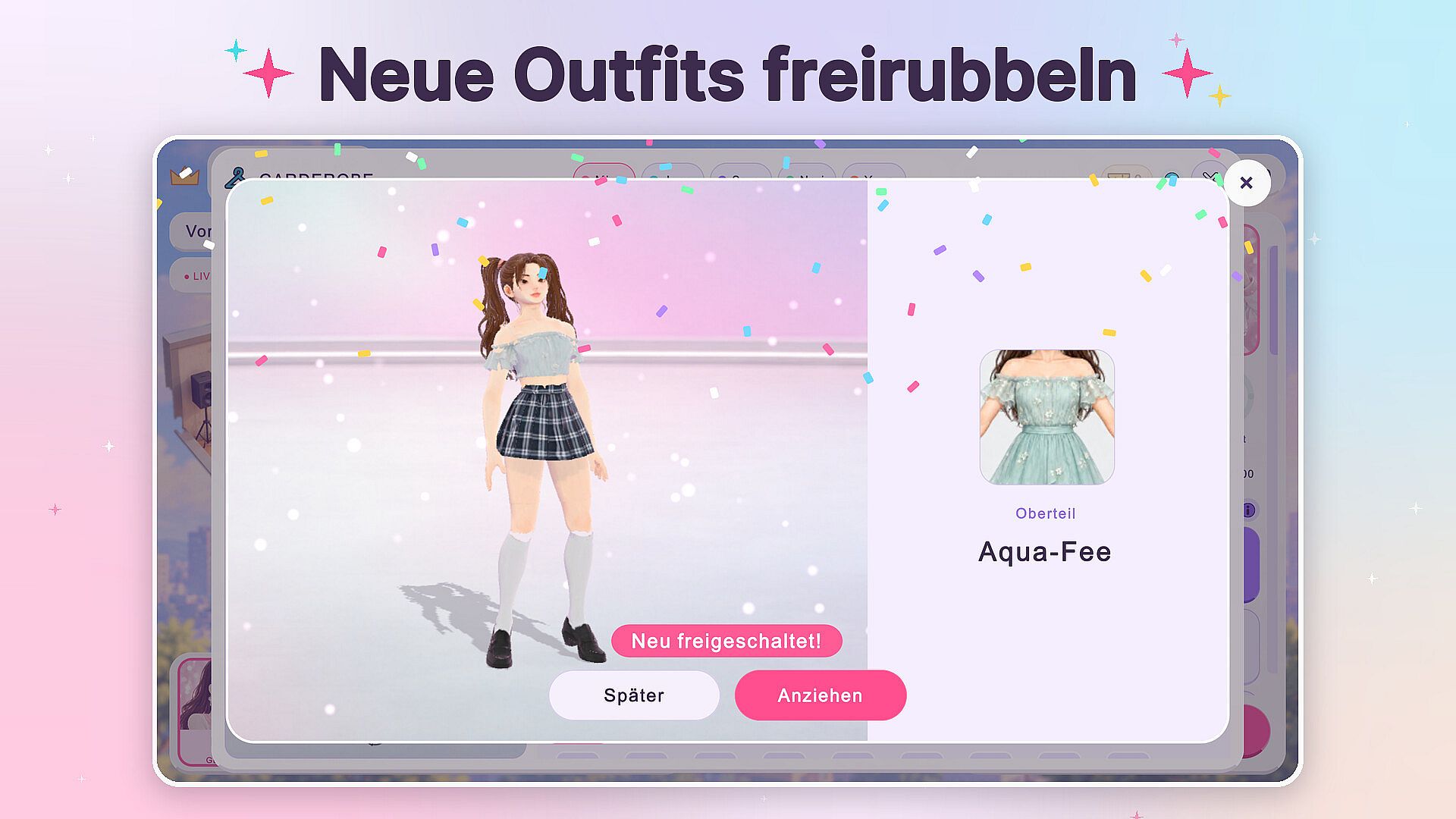
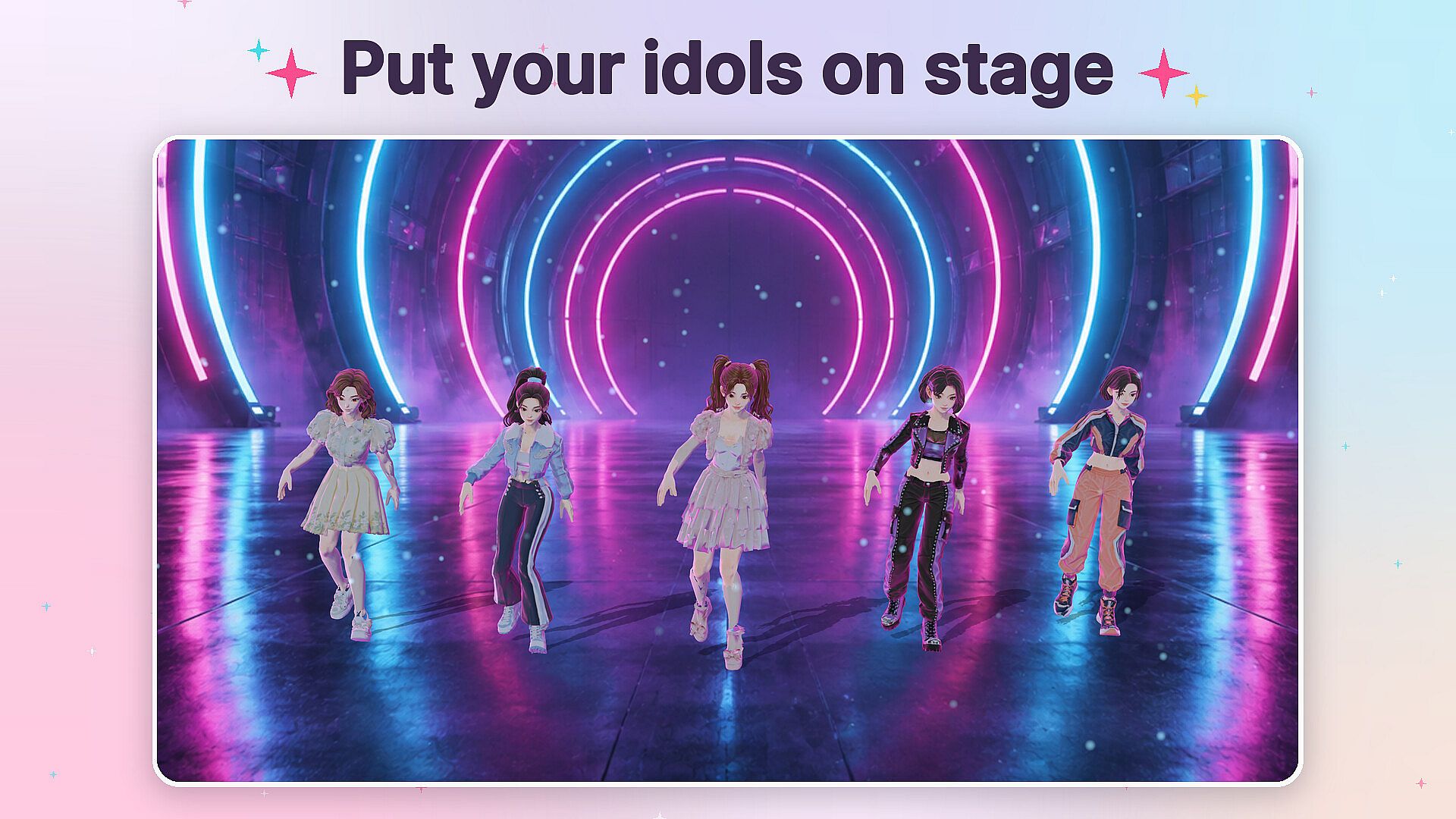
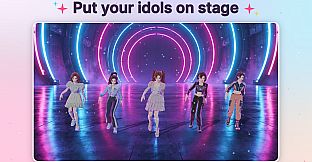
Six new songs arrive with dedicated stage sets for music shows and videos. Holographic outfits for all thirteen idols become available by reaching specific milestones. IDOL Coins and Steam achievements track progress without any purchase options.
Is It Worth Playing?
Players seeking a single-player K-pop management simulation with meaningful choice consequences and ongoing story development will find a self-contained experience that continues after the main narrative concludes. The absence of advertisements or microtransactions means the entire feature set, including the Aurora Edition additions, rewards consistent play rather than spending. Those who enjoy agency-building loops combined with character-driven drama and flexible post-story options may appreciate the depth of weekly planning and long-term group management. The game remains available as a one-time purchase on PC with offline functionality preserved across all modes.