


Loanwords: A Multilingual Library is an indie casual game on PC designed to support language learning through direct engagement with public domain literature. Players work with full novels and stories in their original languages, using built-in tools to connect words, sentences, and audio narration without relying on external references.
Gameplay
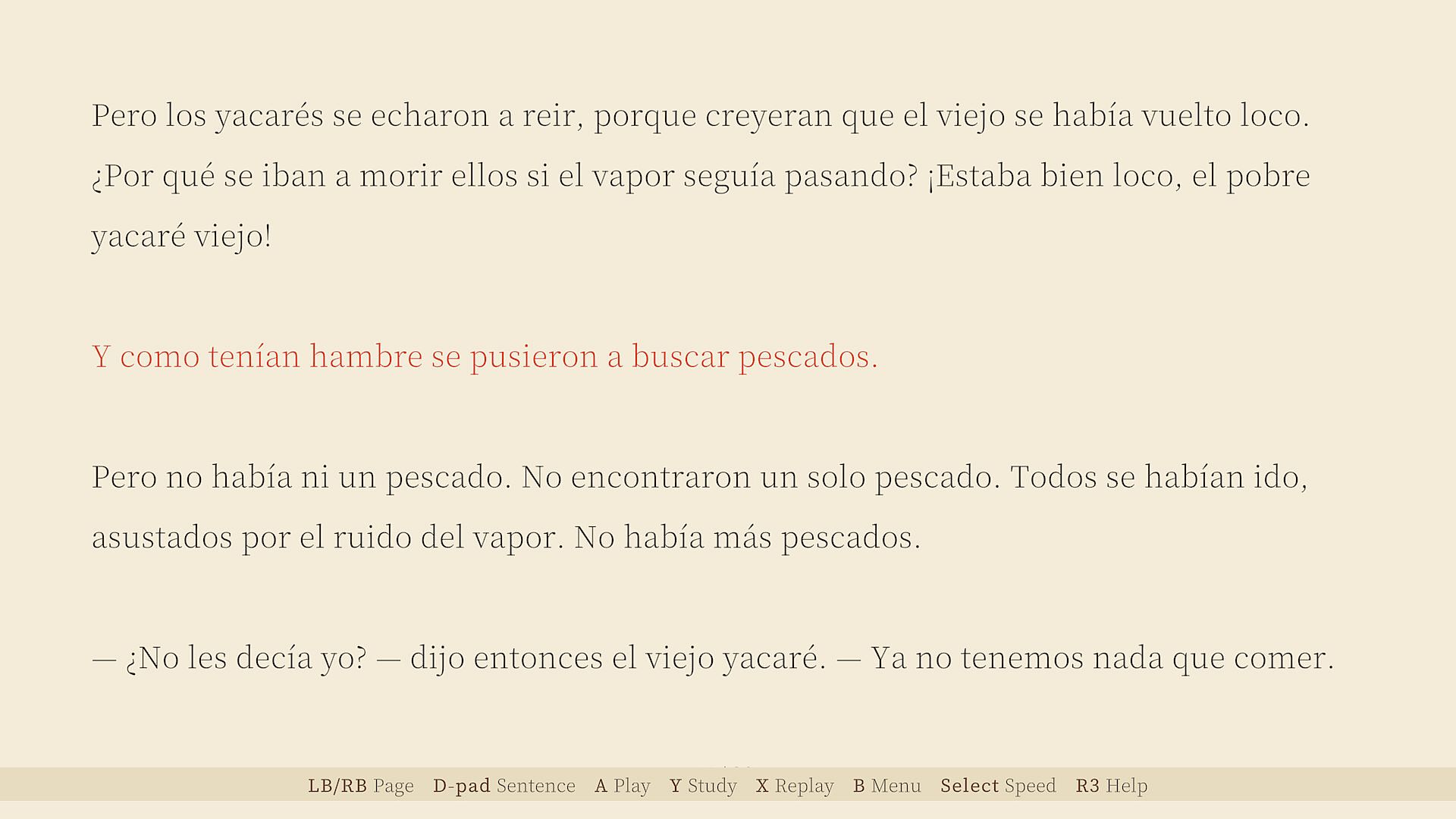
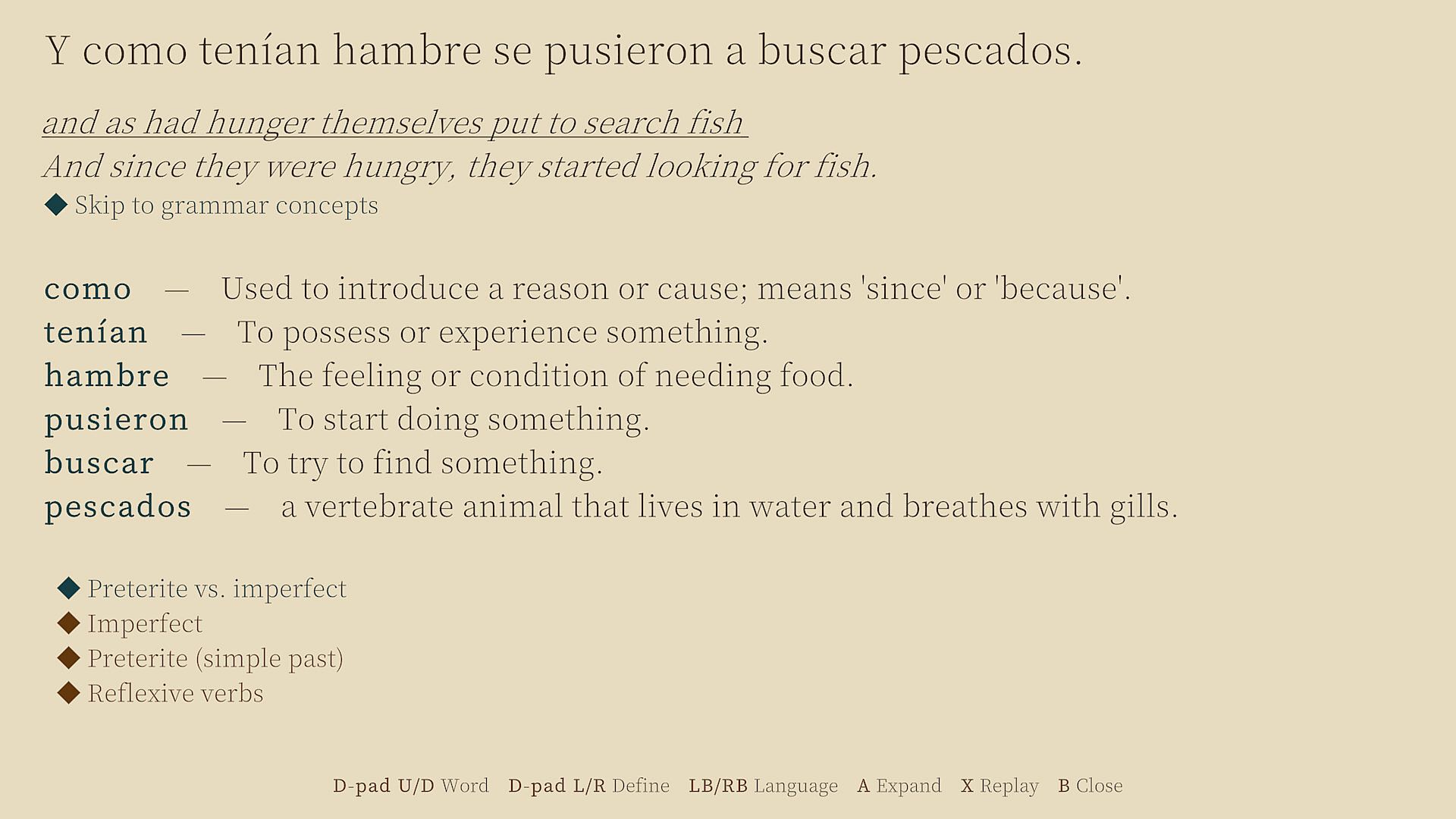
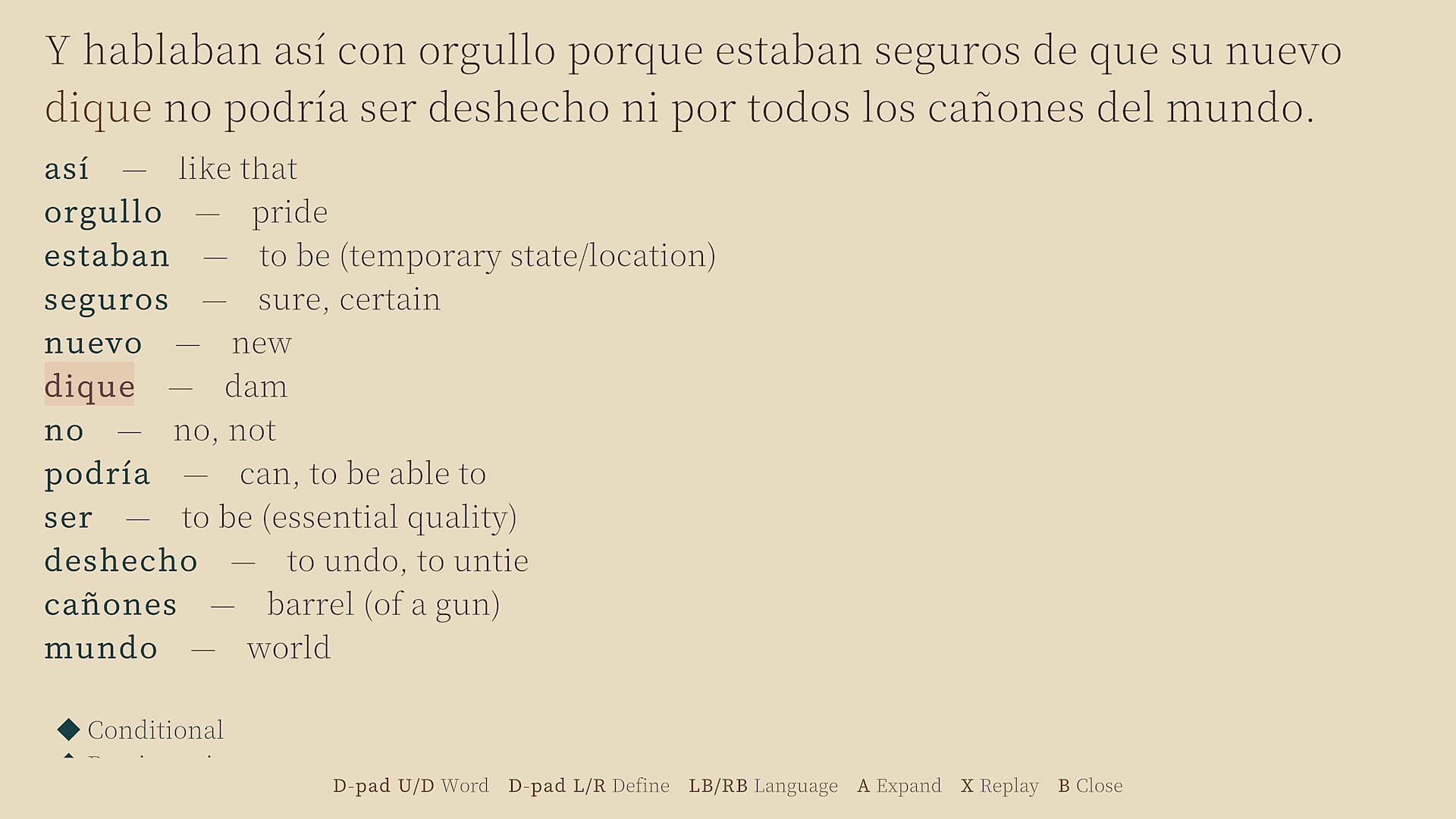
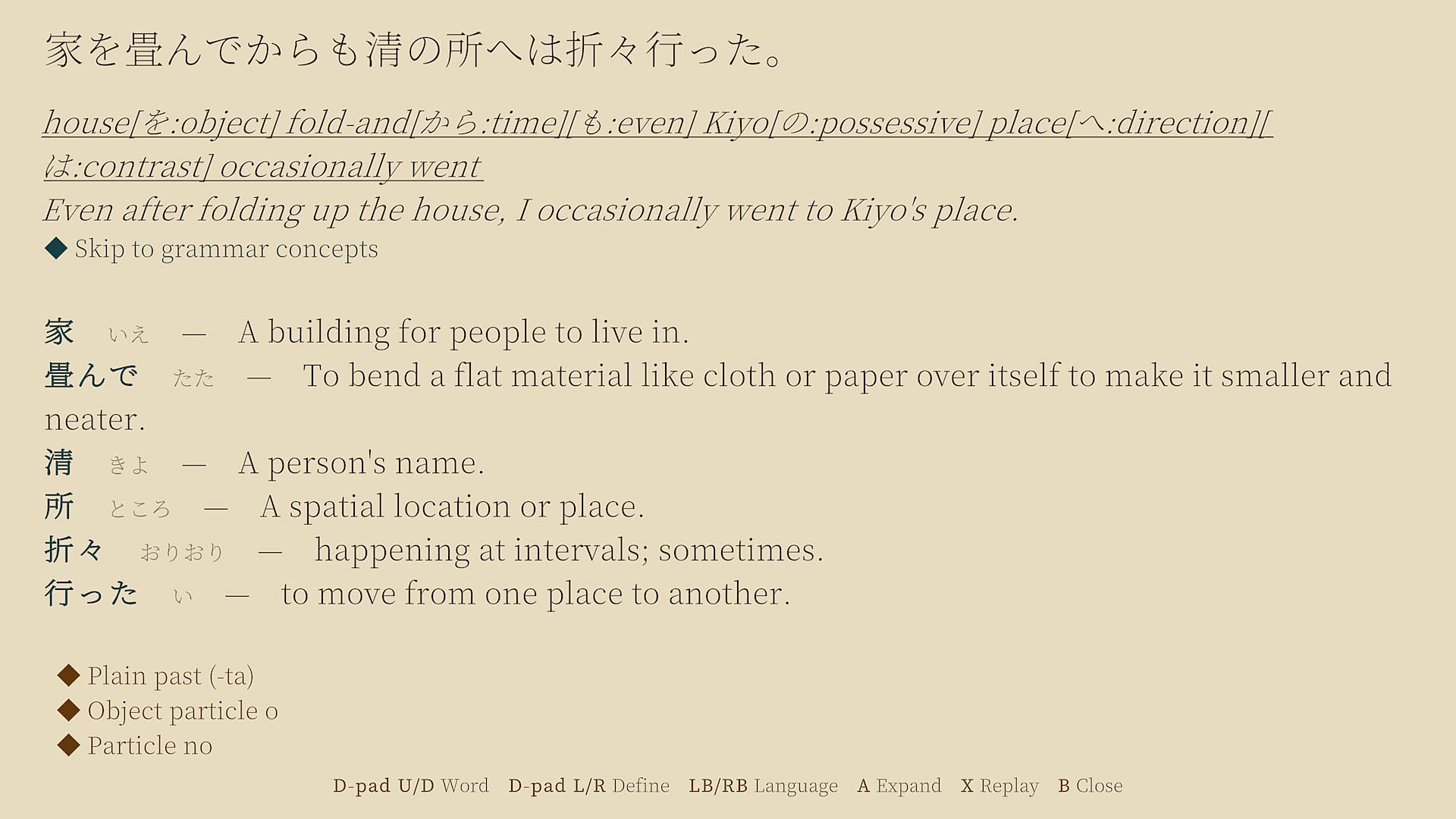
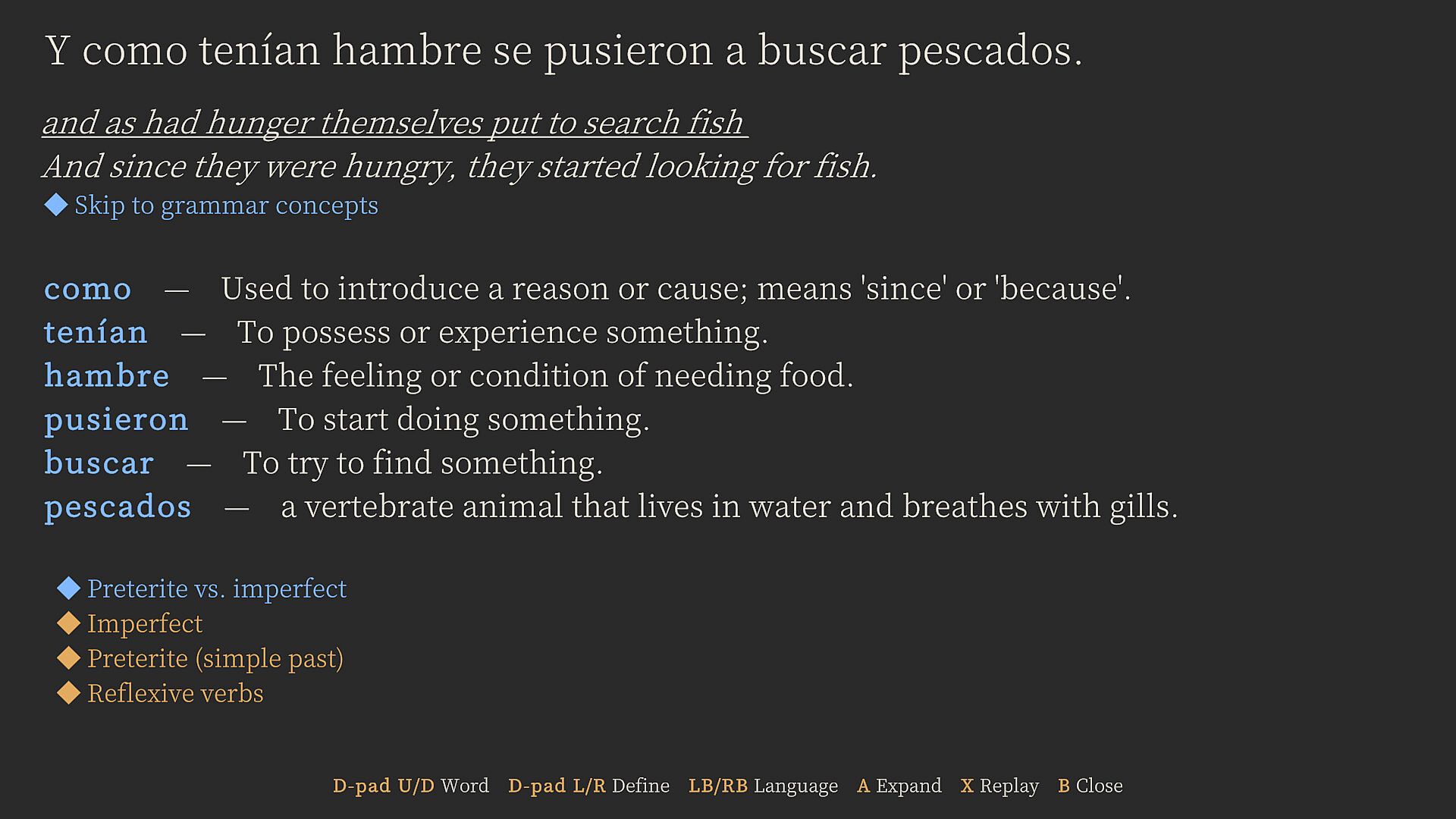
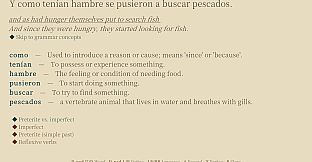
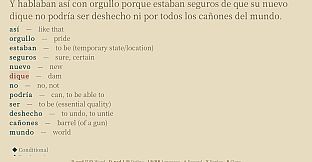
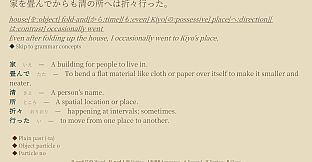
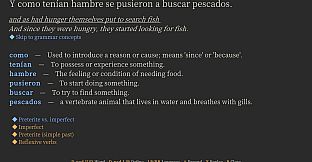
The core loop centers on selecting any sentence from the library for detailed study. Each selection opens a card showing a natural translation, a literal word-order breakdown, and definitions for every word in the sentence. Definitions can appear in English or in the target language for added immersion, and grammar patterns receive labels on the card. Audio narration plays at full speed or slowed to 0.75x, with the text highlighting in sync as the sentence is read aloud.
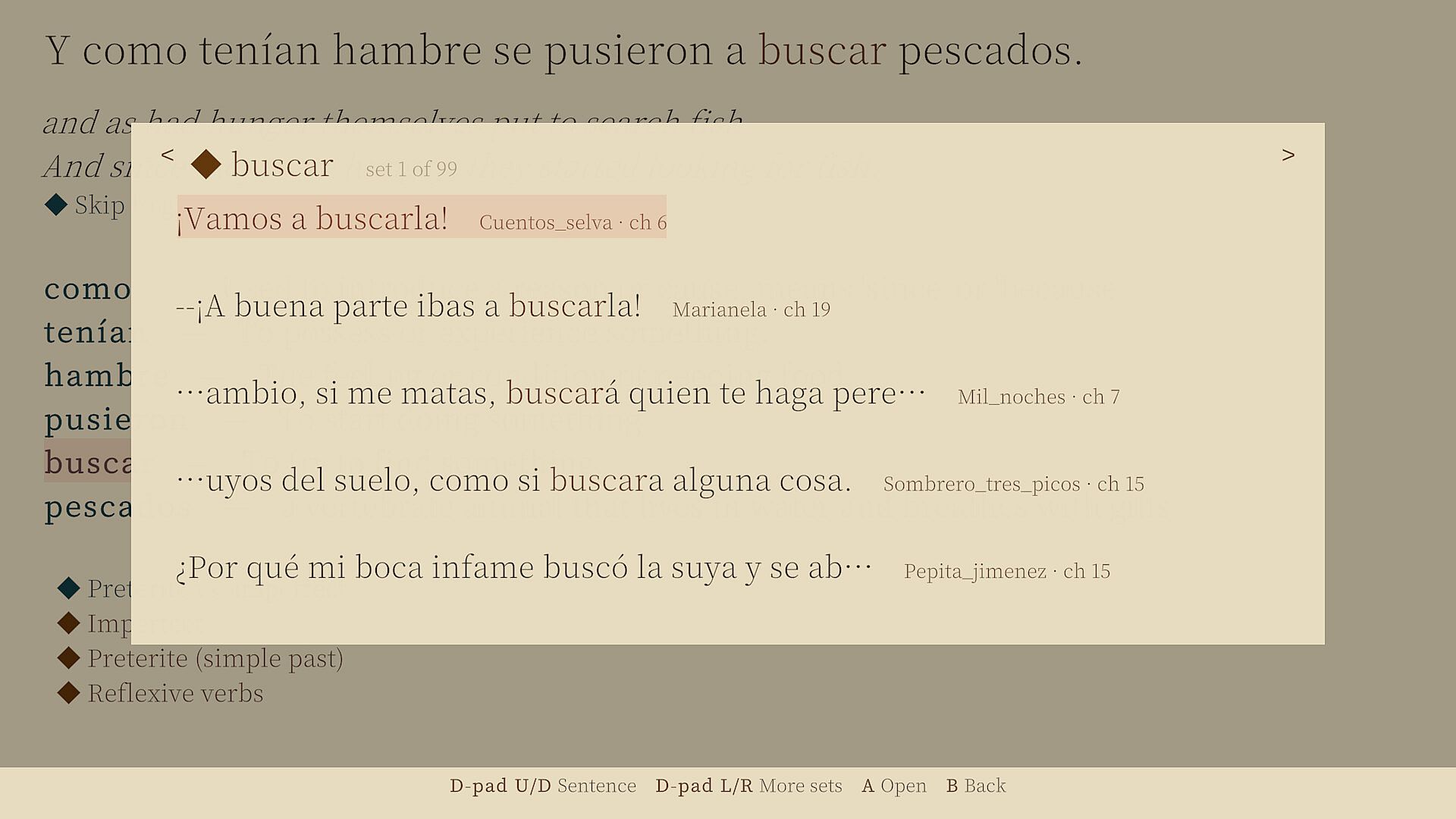
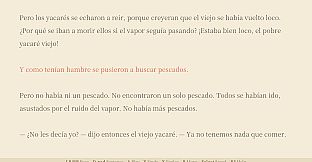
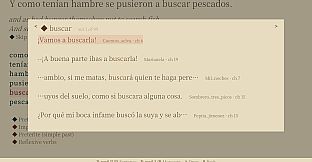
Repetition forms a key part of progress. After viewing a word or grammar pattern, players can jump to every other sentence in the library that uses it. Those examples include their own narration and breakdowns, allowing repeated exposure to common phrases and glue words in context. Text size adjusts from compact to large print, and three themes (Light, Dark, Sepia) change the reading environment to suit different preferences or lighting conditions.
A separate kana trainer supports Japanese learners who are not yet comfortable with the script. Players match hiragana and katakana characters by vowel sound while hearing each one pronounced, with the full chart available at any time. The short story Gongitsune adds an introductory layer with extra grammar notes before moving into full novels.
Game Modes
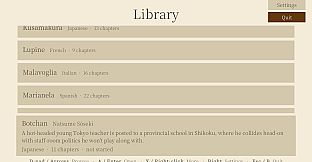
The main library contains 25 novels across five languages, presented in 533 chapters with 79,310 sentences and 131 hours of narration. French titles include Candide, Le Tour du Monde en 80 Jours, and Arsène Lupin Gentleman-Cambrioleur. Japanese selections feature Botchan, Kokoro, and Kusamakura. Spanish works cover Marianela, Cuentos de la Selva, Pepita Jiménez, and Las Mil Noches y una Noche. Italian options include Le Avventure di Pinocchio, Cuore, and Il fu Mattia Pascal. German entries feature Die Verwandlung, Die Leiden des jungen Werther, and Der Sandmann. Every sentence carries definitions, translations, and audio.
A second library offers 41 additional short stories in Japanese, Spanish, and French. These folk tales and fables are broken into individual sentences with the same translation, grammar notes, and audio support. An English vocabulary section functions as a separate experience built on etymologies and 15,000 example sentences from 102 classics. Players encounter words in the exam-prep range and see them used in context by established authors.
Is It Worth Playing?
This title suits readers who already have some footing in the target language and want access to real literature rather than textbook exercises. The combination of sentence-level study cards, cross-sentence word lookup, adjustable audio speed, and multiple reading themes removes common lookup friction while encouraging repeated exposure. The kana trainer and introductory short story provide gentler entry points for Japanese, and the English vocabulary component extends the same approach to native-language word study.
Ten percent of each purchase supports the Internet Archive and a local food bank. The experience runs well on a couch or handheld device such as the Steam Deck. Players seeking structured repetition with authentic texts in French, Japanese, Spanish, Italian, or German will find the library format matches that goal directly.