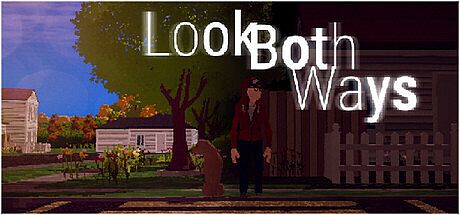



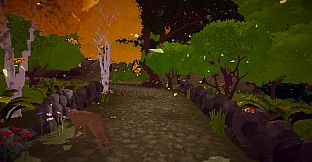
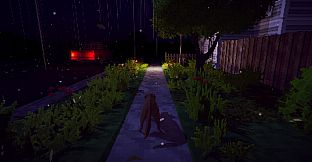
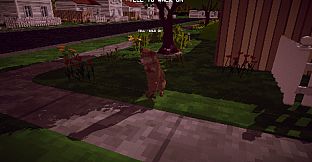
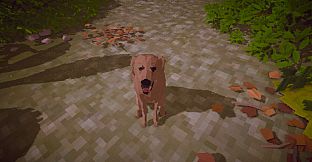
Look Both Ways is an indie psychological horror simulation game developed for PC. Players navigate a distorted memory where a simple daily routine turns into a tense exploration of guilt and unresolved trauma. The experience emphasizes deliberate actions and a persistent sense of unease through its focused design and limited scope.
Gameplay
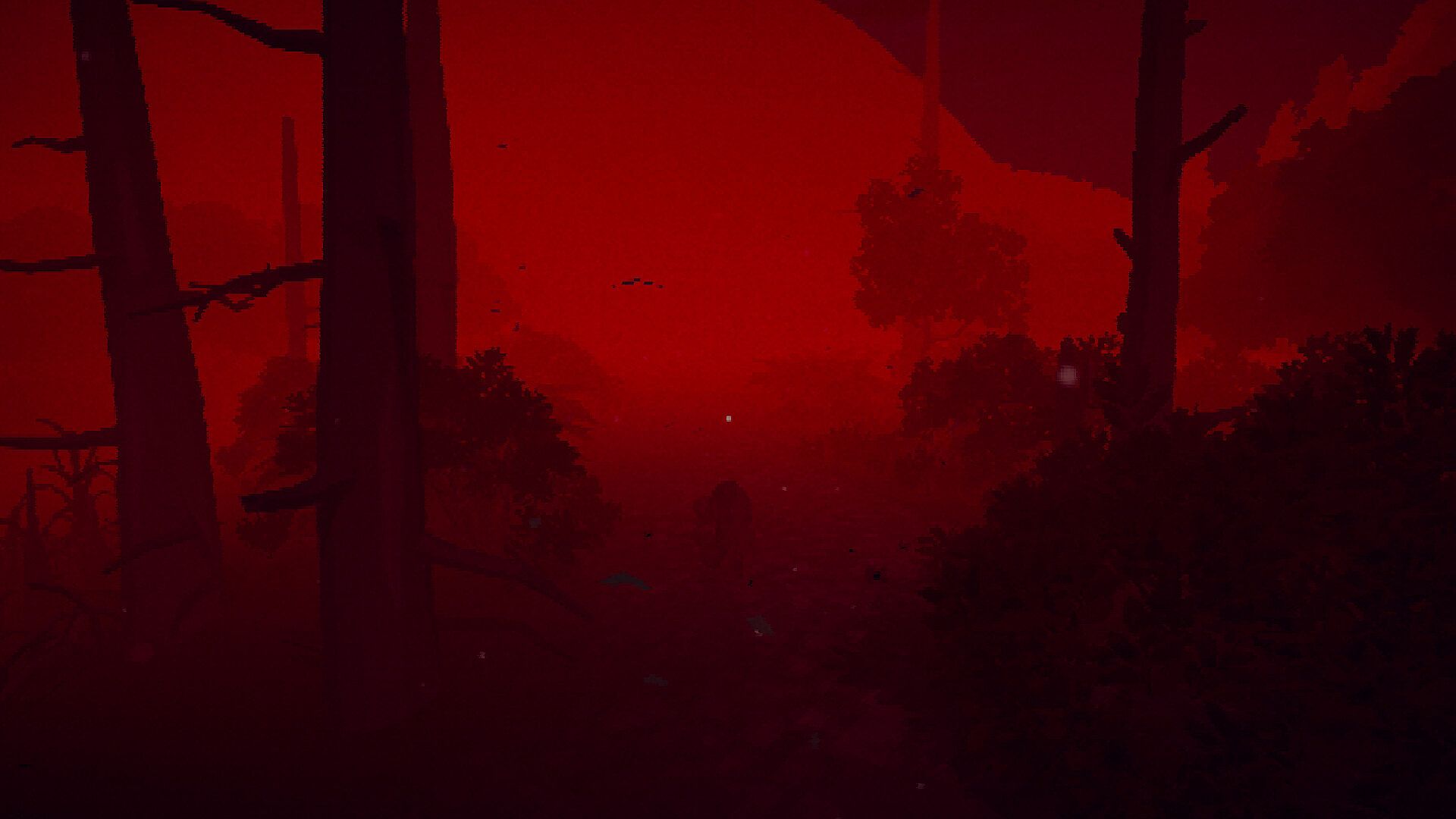
The core loop centers on repeating a familiar route while the environment gradually shifts. Crossing the street requires a specific physical action that players must perform each time to advance. This ritual grounds the player in the moment and serves as a recurring checkpoint amid the growing distortions.
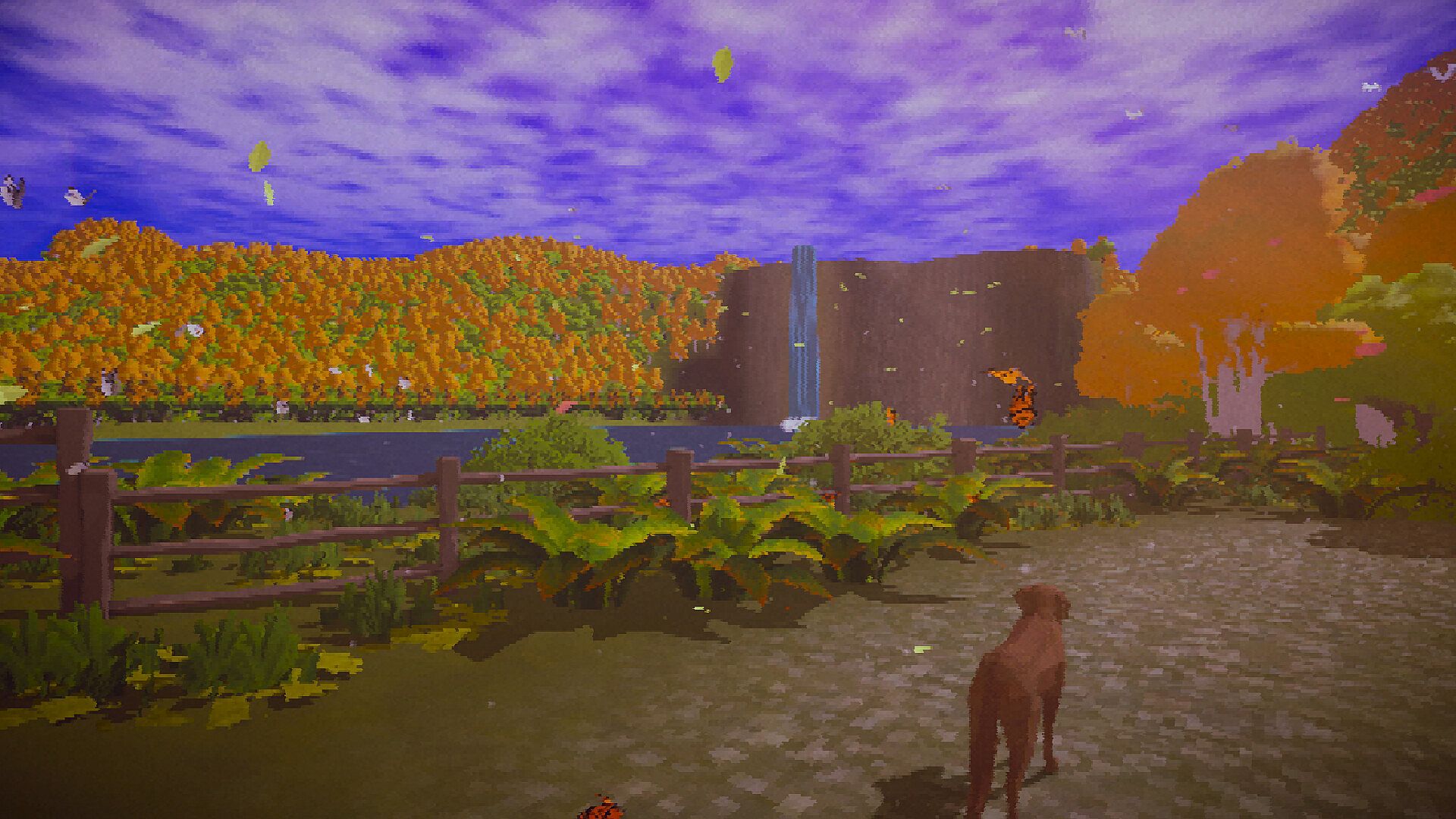
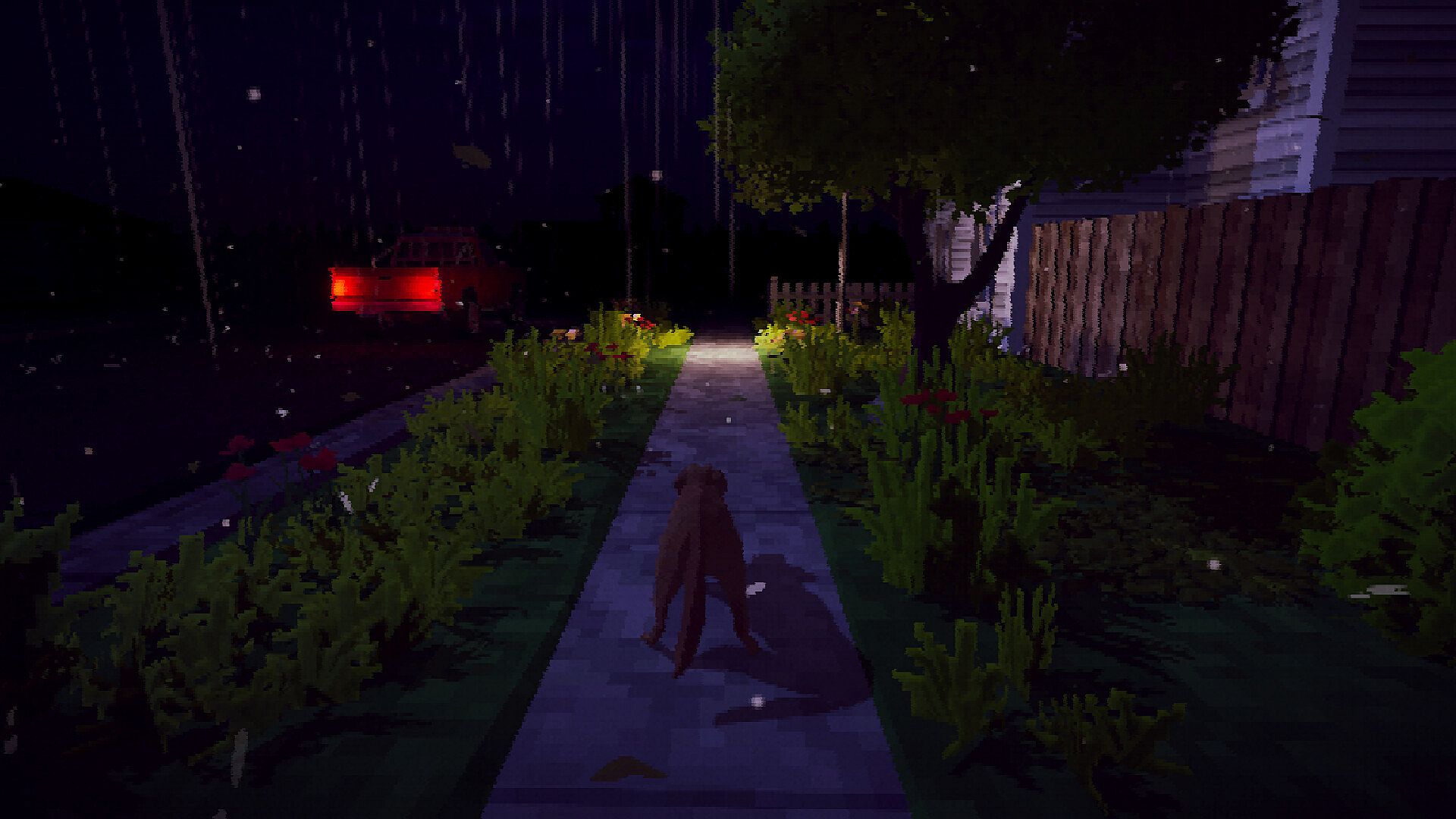
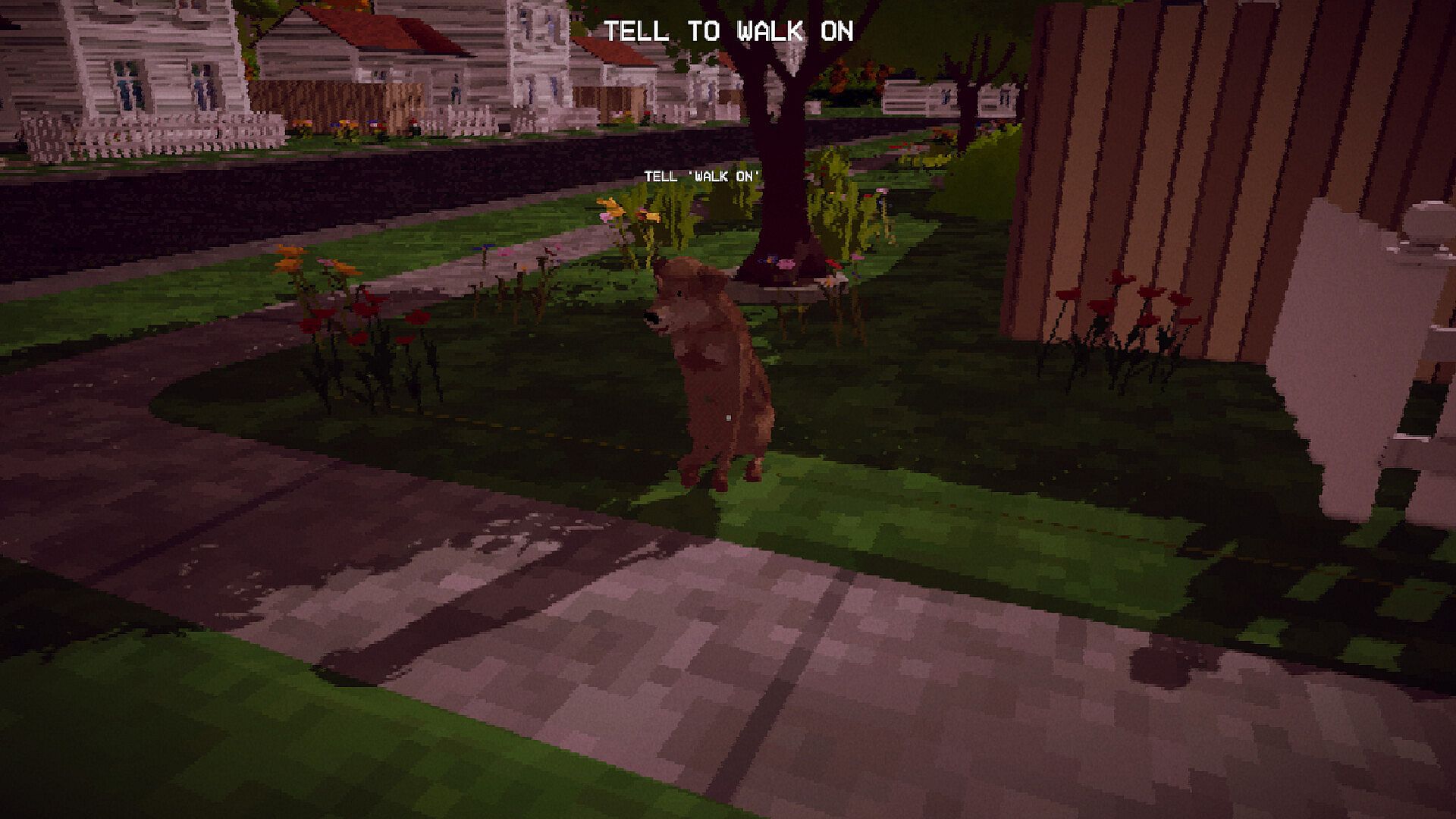
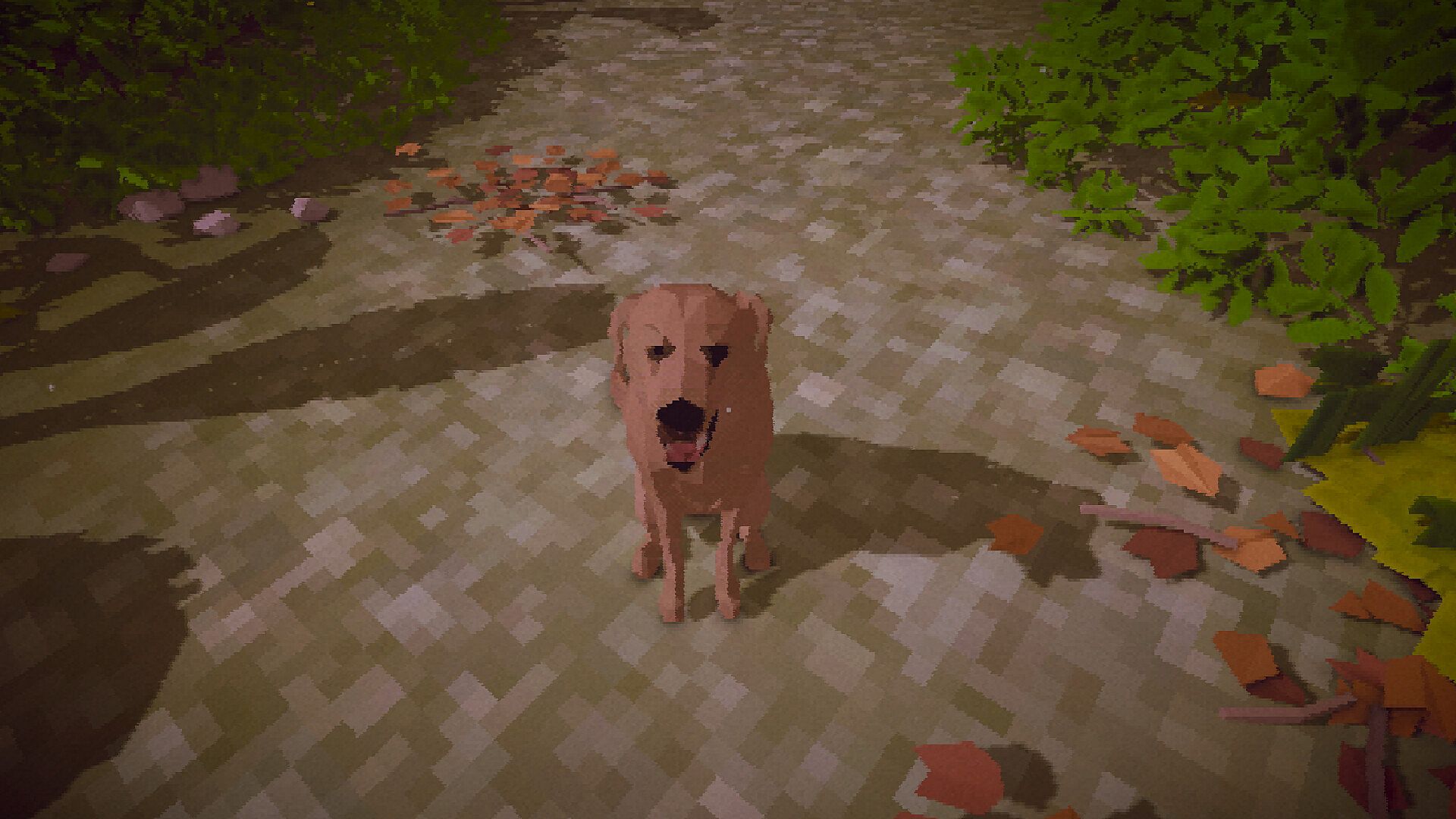
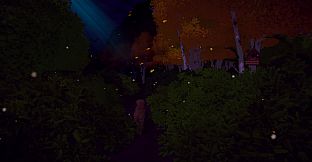
A loyal dog accompanies the player throughout and functions as a reliable point of reference when surroundings begin to warp. The companion provides a tangible connection to reality during sequences where the world bends and familiar spaces lose their stability. Movement follows a straightforward path that players trace repeatedly, with changes in lighting and atmosphere marking the passage from day into night and back again.
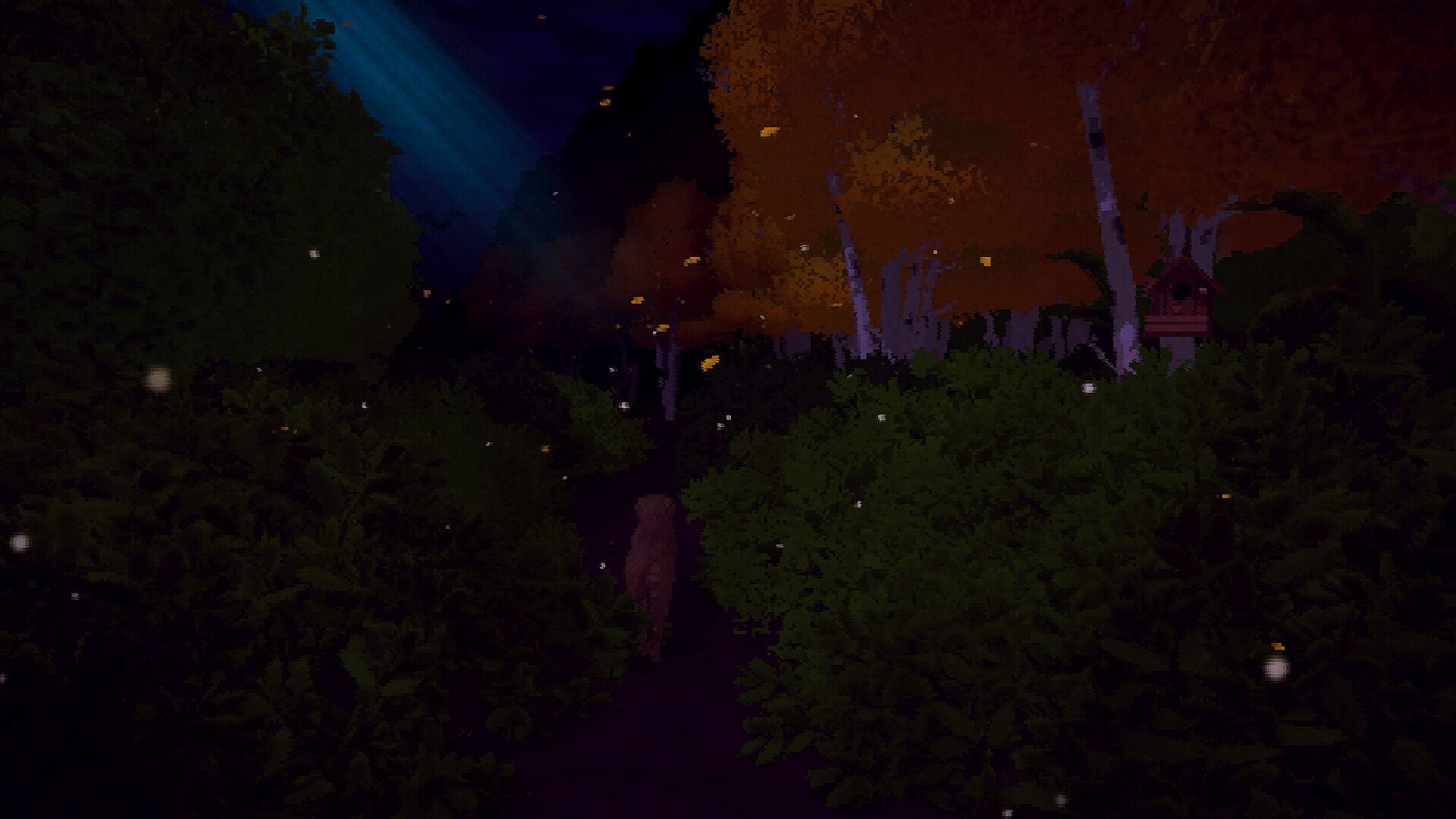
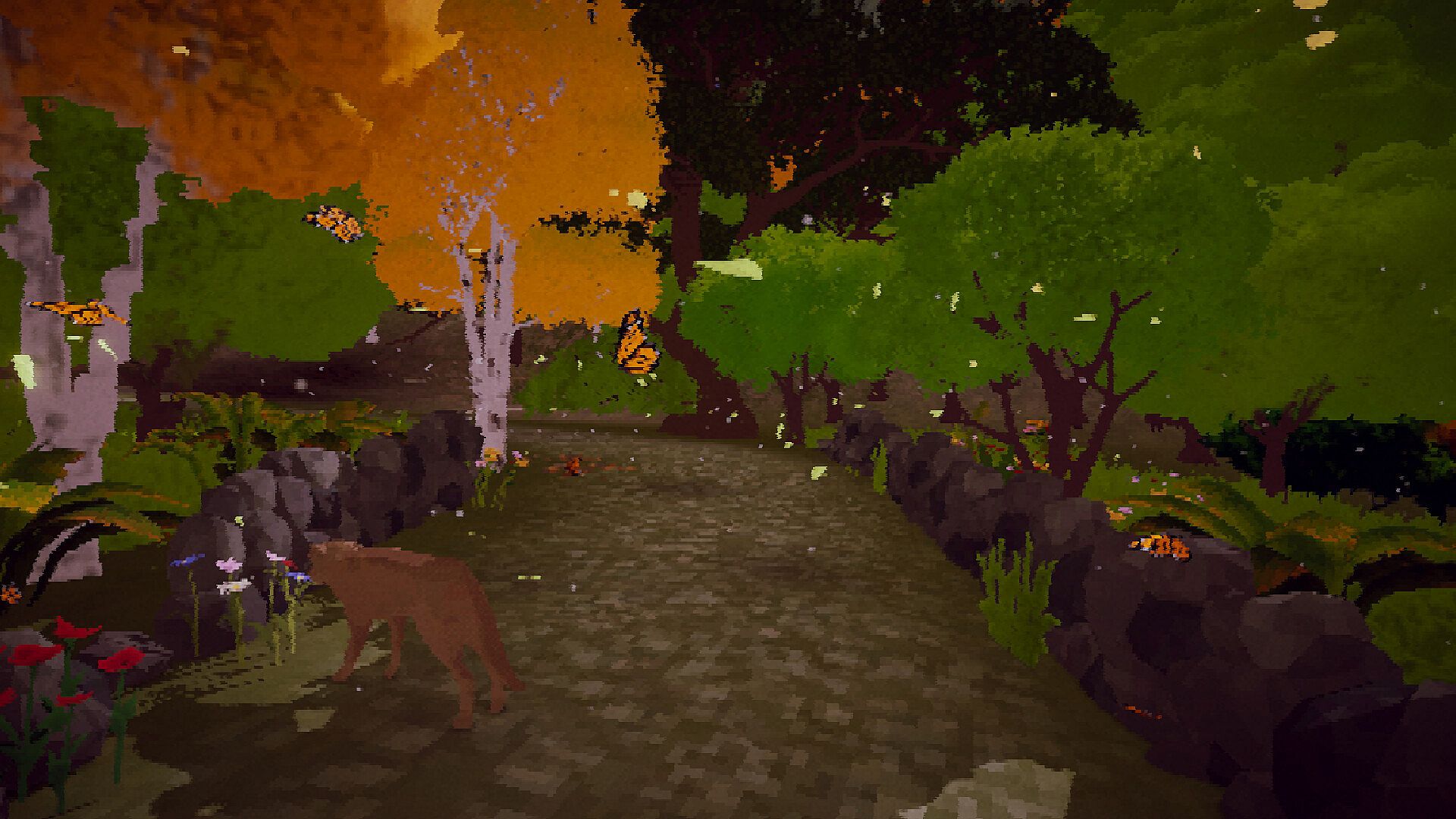
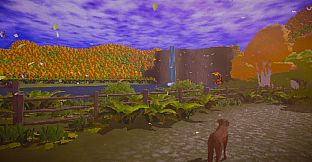
Visual presentation draws from classic PS1 and PSX styles, using low-polygon models, limited draw distances, and a muted color palette to heighten the feeling of isolation. Sound design relies heavily on silence, allowing ambient details and the absence of other life to underscore the solitary nature of the journey. The short length keeps the focus tight on escalating tension rather than extended exploration or side activities.
Game Modes
The game operates as a single continuous narrative experience without separate selectable modes or branching campaigns. Players progress through the same sequence of events under shifting conditions, with the day and night cycles serving as the primary variations in atmosphere and pacing. There are no multiplayer components or competitive elements, keeping the emphasis entirely on personal reflection and incremental discovery within the memory loop.
Progression builds through repeated traversals of the route, where each pass reveals subtle alterations that deepen the sense of unease. The structure encourages careful observation of small changes rather than rapid advancement or resource management typical of longer simulations.
Visual Style and Atmosphere
Retro aesthetics define the presentation, recreating the technical constraints of early 3D hardware to create a disorienting yet coherent world. Textures appear blocky, character models remain simple, and lighting effects stay minimal, all of which reinforce the theme of a memory that has begun to degrade. This stylistic choice avoids modern polish in favor of an intentional roughness that matches the psychological tone.
The lack of background activity or other characters amplifies the isolation. Players move through empty streets and familiar locations that slowly reveal their altered state, with the dog remaining the sole consistent presence. Functional silence replaces traditional music or constant sound cues, making every footstep and environmental shift stand out more clearly.
Is It Worth Playing?
Look Both Ways suits players who appreciate concise psychological horror experiences centered on atmosphere and repetition rather than combat or complex systems. Its short duration makes it accessible for those seeking a focused session that lingers after completion. The emphasis on deliberate movement and a steady companion offers a grounded counterpoint to the distorting environment, appealing to fans of simulation elements mixed with narrative tension.
Those drawn to retro visual styles and stories built around personal trauma will find the mechanics align closely with the themes. The game maintains a consistent loop without unnecessary additions, delivering its intended effect through restraint. Availability on PC allows straightforward access for anyone interested in this specific blend of indie horror and memory-driven simulation.