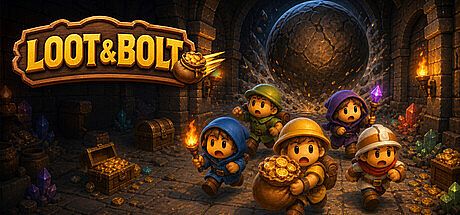


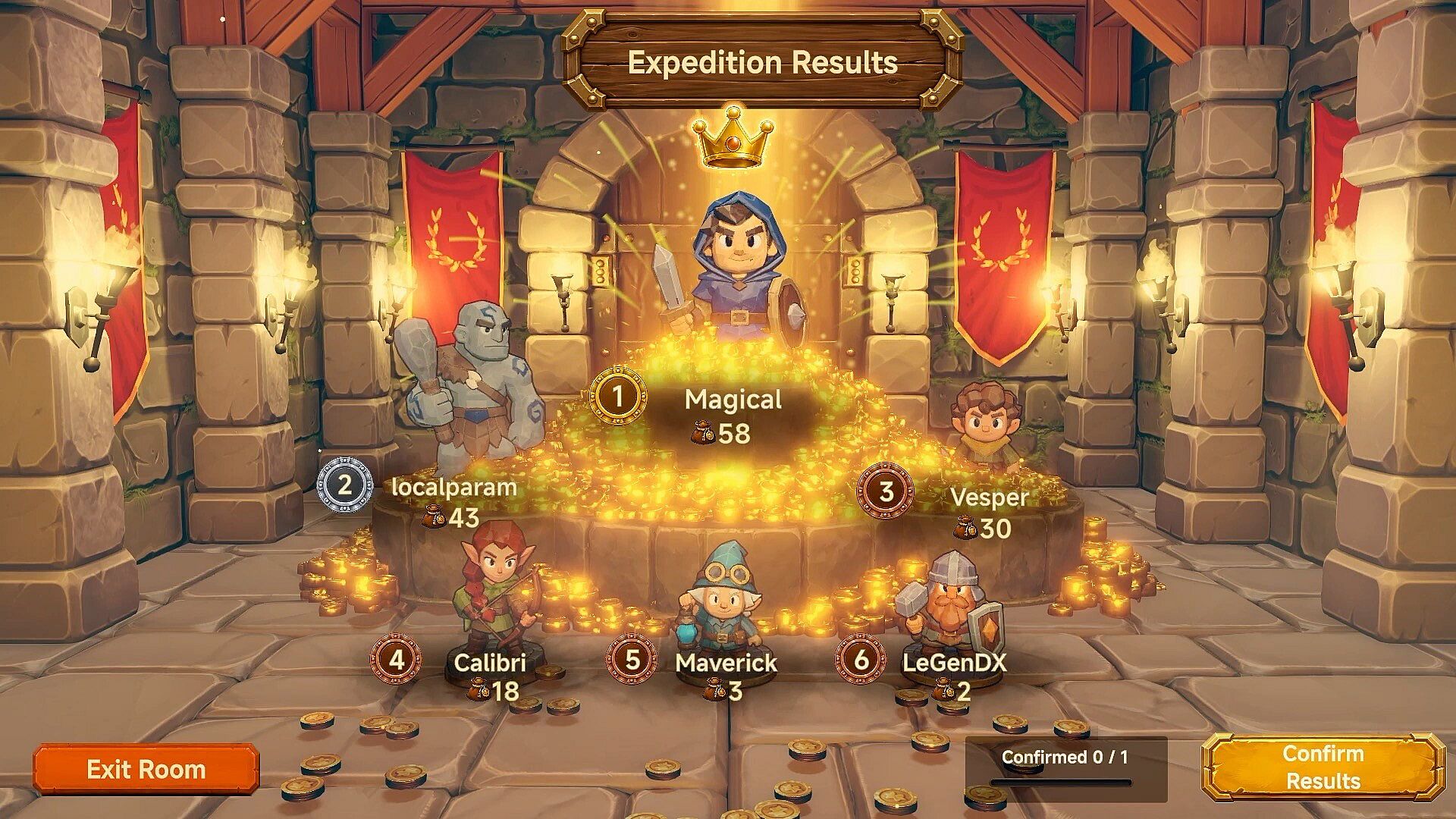
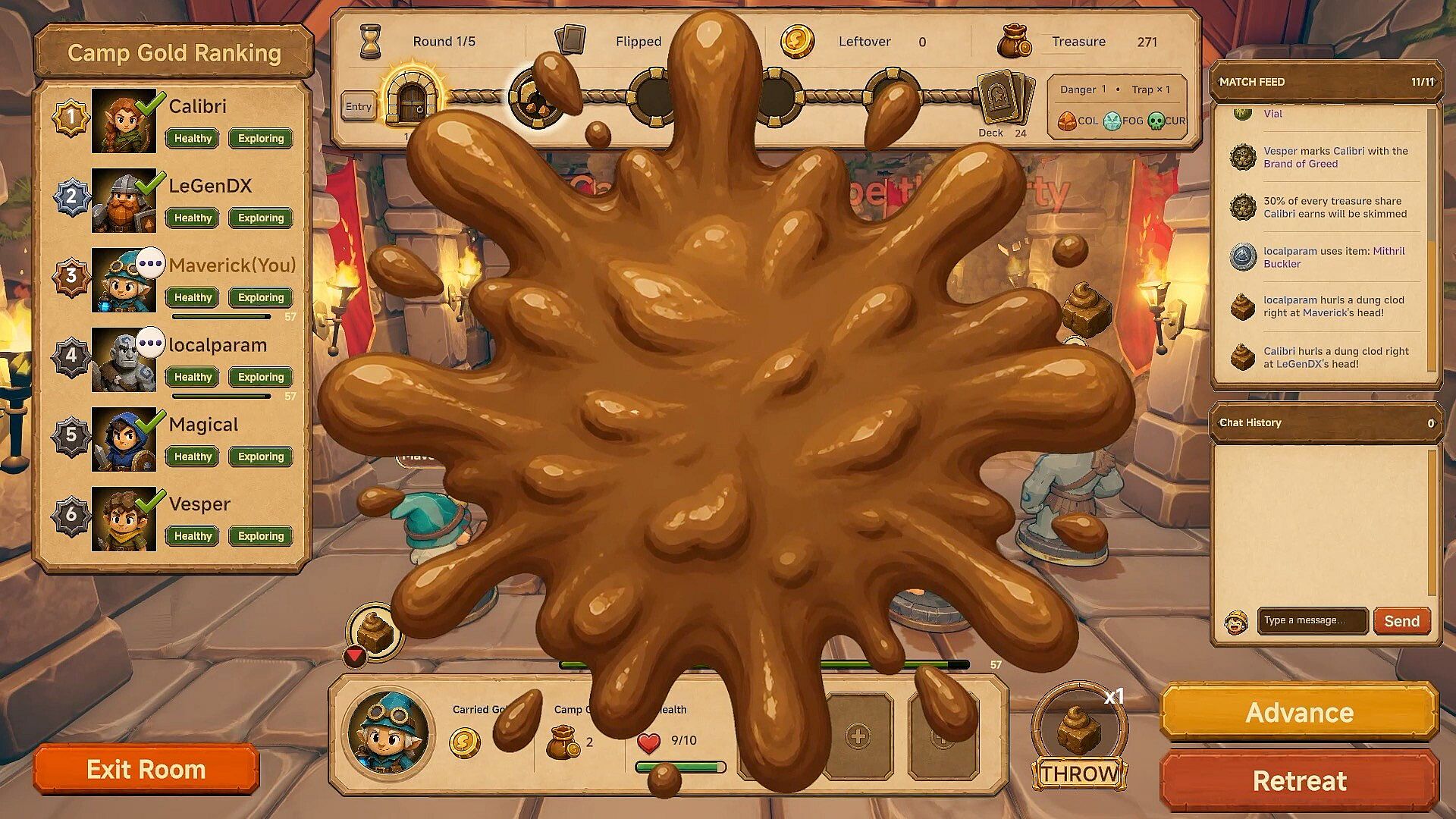
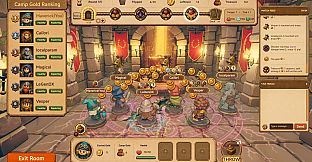
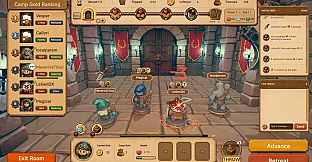
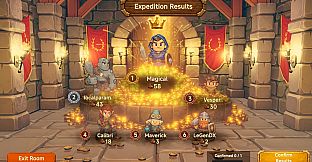
Loot & Bolt is a strategy game that blends card-driven decisions with cooperative risk management in a procedurally shifting dungeon. Players form a crew that enters the long-sealed vault of a long-dead dragon each night, aiming to extract as much gold and relics as possible before the rooms seal again. The experience mixes casual accessibility with deeper strategic layers, supporting solo play against AI or group sessions of up to eight participants on PC.
Gameplay
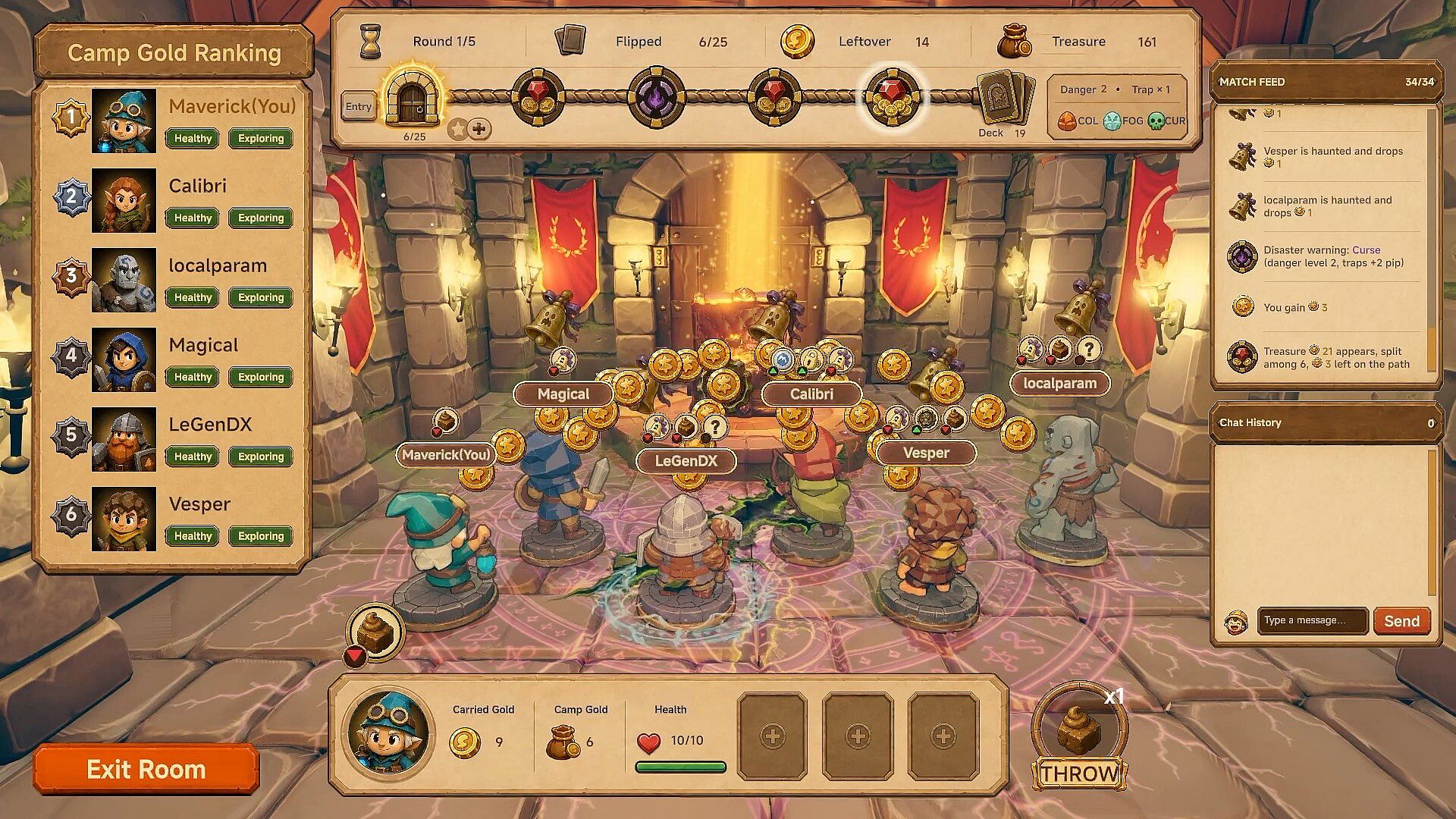
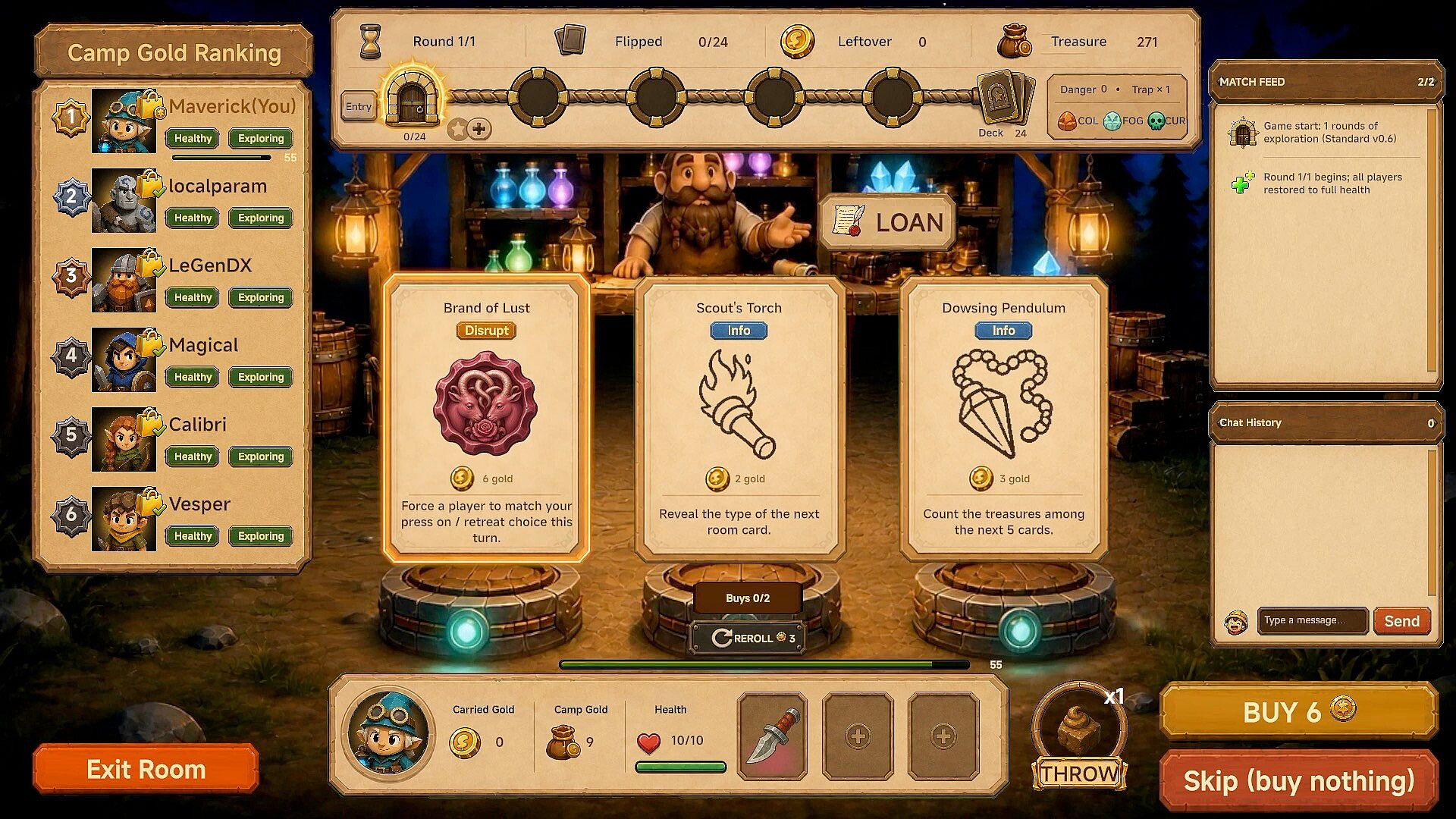
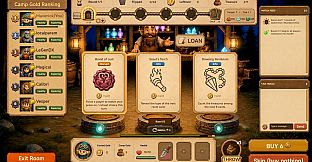
Each session begins with a private shop phase where players purchase gear from four categories. Info gear reveals upcoming room cards, greed gear amplifies potential rewards at higher risk, disruption gear interferes with other players, and defence gear improves survival odds. All participants see the quantity of items each player holds, though the specific choices remain hidden until used.
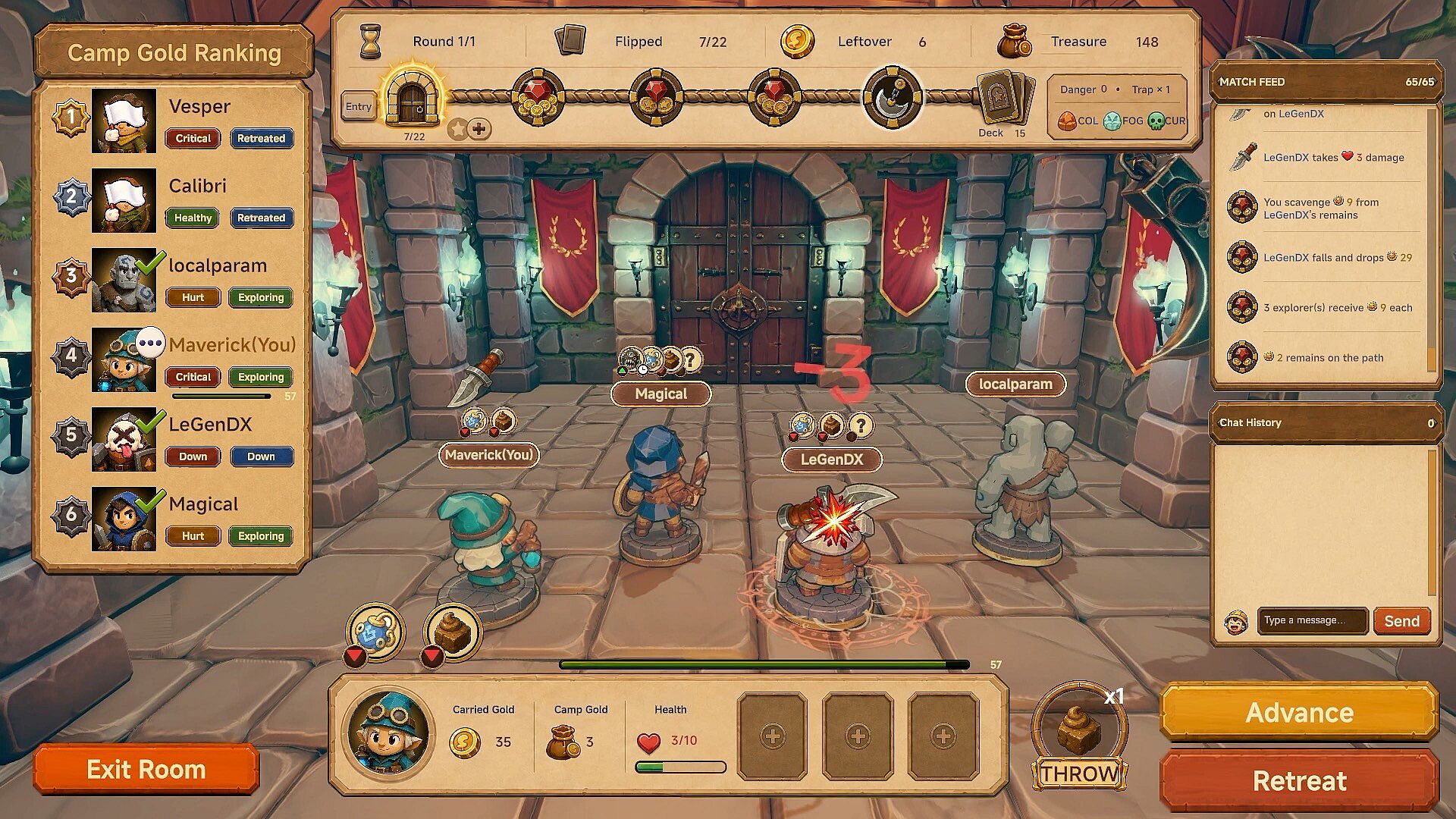
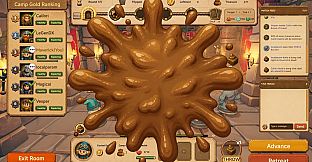
Room cards flip one at a time, prompting simultaneous choices to press forward or turn back. Turning back secures current gold in a shared camp safe from interference. Continuing splits the next haul among those who remain but exposes the group to traps such as spikes, boulders, pendulum blades, or disguised chests. A second disaster of the same type then strikes, eliminating anyone still inside and sending them home empty-handed. Health management becomes critical as players weigh how far to push each run.
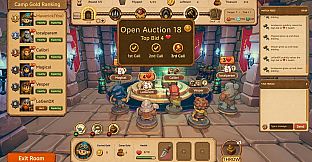
Legendary relics sit deeper in the dungeon. Only a player who turns back alone can claim one, as paired exits leave the relics untouched. Uneven gold piles also remain on the floor for later takers. Gear and relic effects create varied playstyles across rounds, with seven relics each providing a persistent aura for the following round, such as revealing health and purses or boosting hoard payouts.
Game Modes
Classic mode runs exactly five rounds, with victory going to the player who banks the largest total gold in camp. Race mode removes round limits and camp banking entirely; players seal carried gold into personal chests, and the match ends when anyone reaches five sealed chests. Both modes draw from three dungeon presets that adjust loot density and hazard frequency: rich, standard, or hard.
Multiplayer supports up to eight participants through direct invites, with AI opponents filling empty seats when needed. The four AI types each follow distinct strategies, offering practice opportunities or balanced tables for smaller groups. Solo play places one human against four AI at a full five-player table, preserving the core tension without requiring additional players.
Key Mechanics and Features
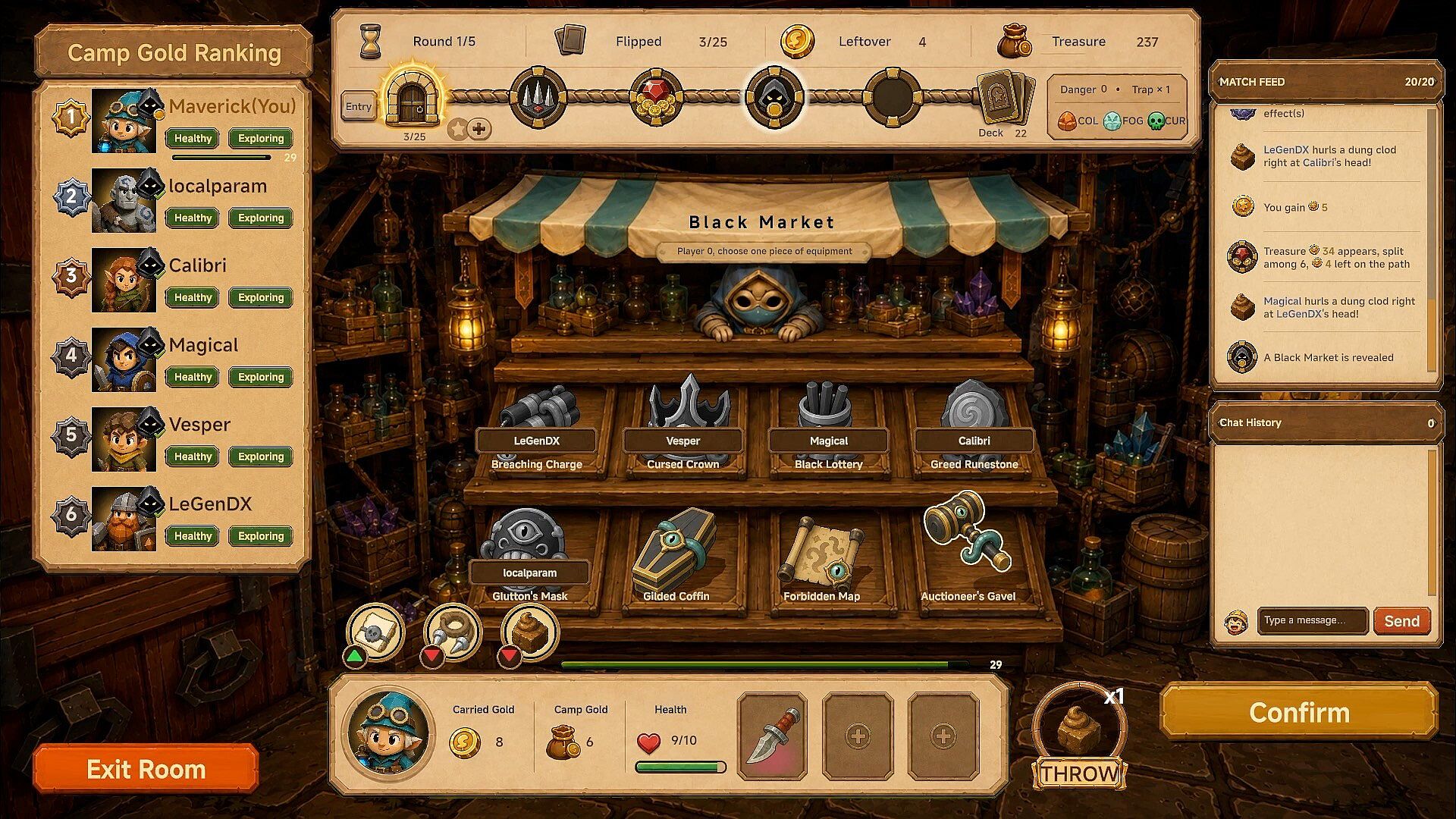
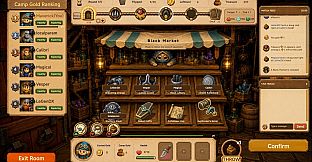
Black markets appear deeper in runs and scale stock based on the number of players still active. Relics activate automatically once claimed and influence the entire next round. The hand-painted art style uses warm lighting to emphasize the vault's shifting chambers and accumulated treasures. The game currently supports English and Simplified Chinese interfaces.
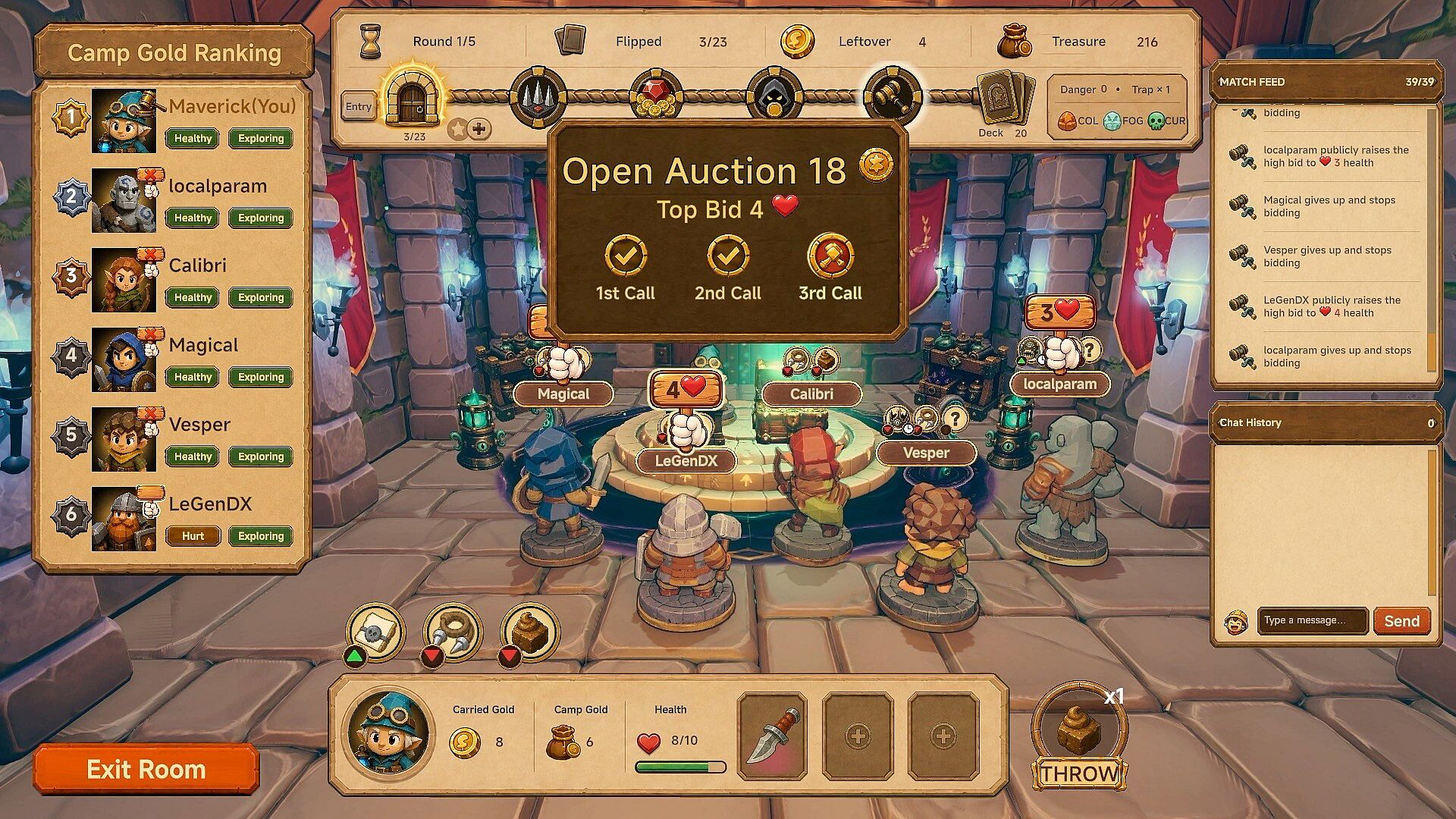
Core tension arises from simultaneous decisions and hidden information. Players must read opponents' likely holdings while managing personal health and greed thresholds. Gold that does not divide evenly accumulates for those who stay longest, rewarding calculated risk without guaranteeing success.
Current Development State
Loot & Bolt remains in active development. The listed features represent the current build, including the two formats, three dungeon presets, four gear types, seven relics, and multiplayer options up to eight players with AI support. Planned additions for full release include customizable room setups, additional modes, an expanded item pool, a seven-chapter solo story campaign, and mod support through Steam Workshop.
Is It Worth Playing?
Loot & Bolt suits players who enjoy tense, simultaneous-choice strategy where every decision carries immediate consequences for the group. The risk-reward loop around turning back versus pressing forward creates repeated moments of negotiation and second-guessing, especially in groups of four to eight. Solo and AI-supported sessions deliver the same systems for those preferring single-player practice or smaller tables. Because the game is still in development, the experience centers on the core loop of gear selection, room navigation, and relic competition rather than expanded content. Those drawn to casual strategy with multiplayer interaction and clear win conditions in Classic or Race formats will find consistent engagement in the current version.