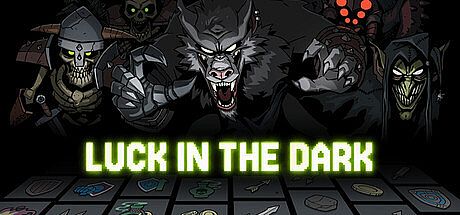


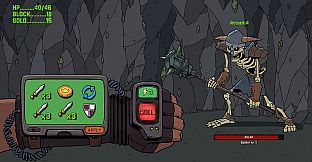
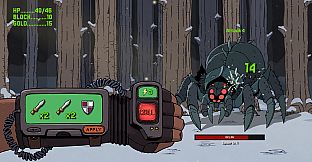
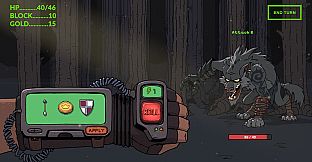
Luck in the Dark is a turn-based roguelike strategy game for PC that places a slot machine at the center of its inventory and combat systems. Players navigate a fog-shrouded map while assembling and refining a personal collection of fragments that determine every outcome during runs lasting 30 to 40 minutes. The core loop revolves around fitting shaped pieces into limited reel space, spinning to resolve encounters, and deciding whether to push toward the exit or risk side paths for stronger components.
Gameplay
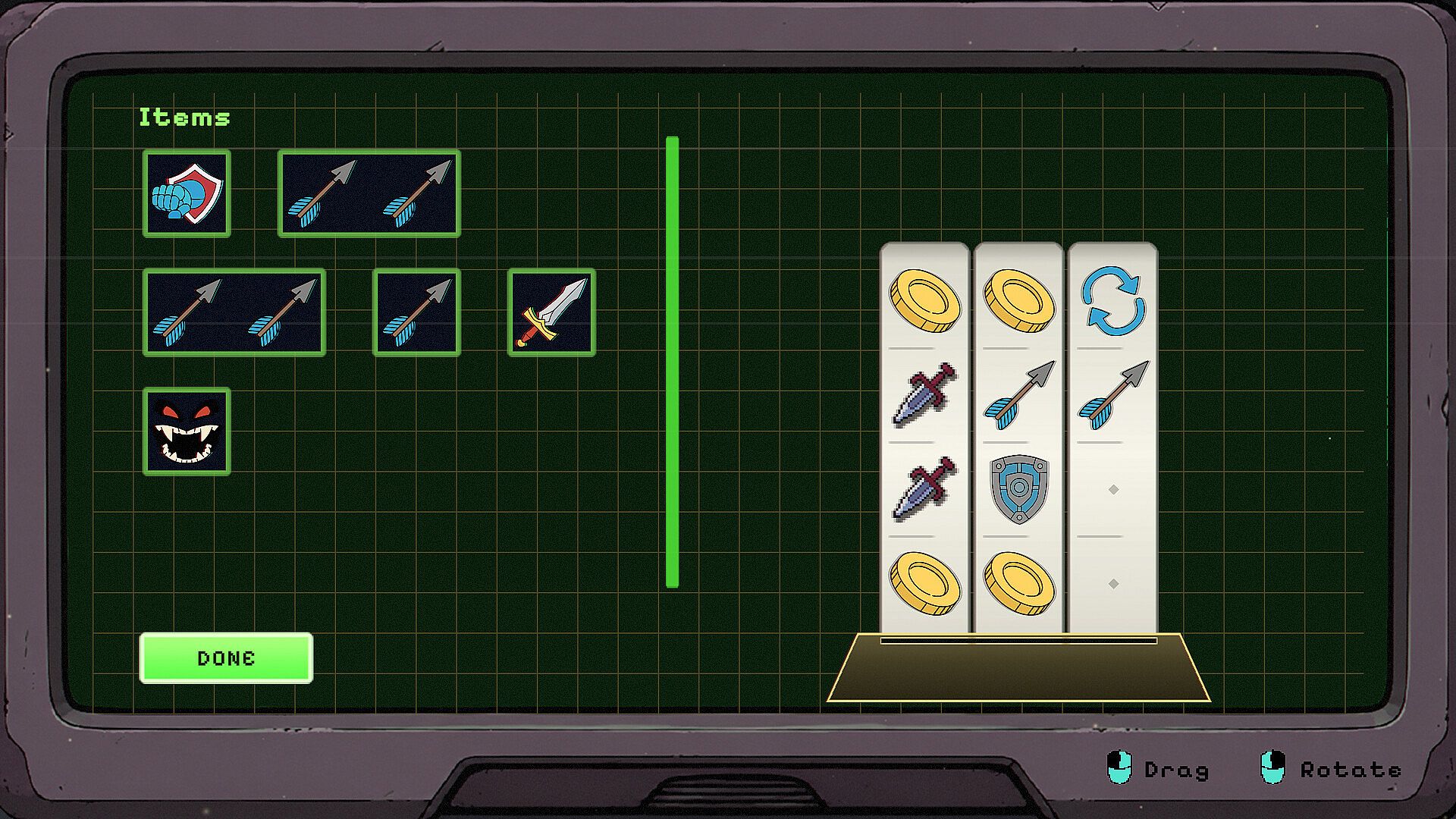
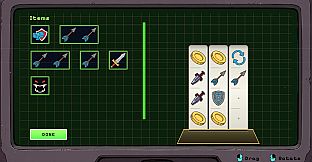
The game casts players as explorers lost in darkness with only a slot machine and scattered fragments as tools. Each fragment carries a distinct shape and size that must fit into the machine's reels without overlap. Space remains tight throughout every run, forcing constant trade-offs between powerful single pieces and clusters of smaller ones that enable combinations.
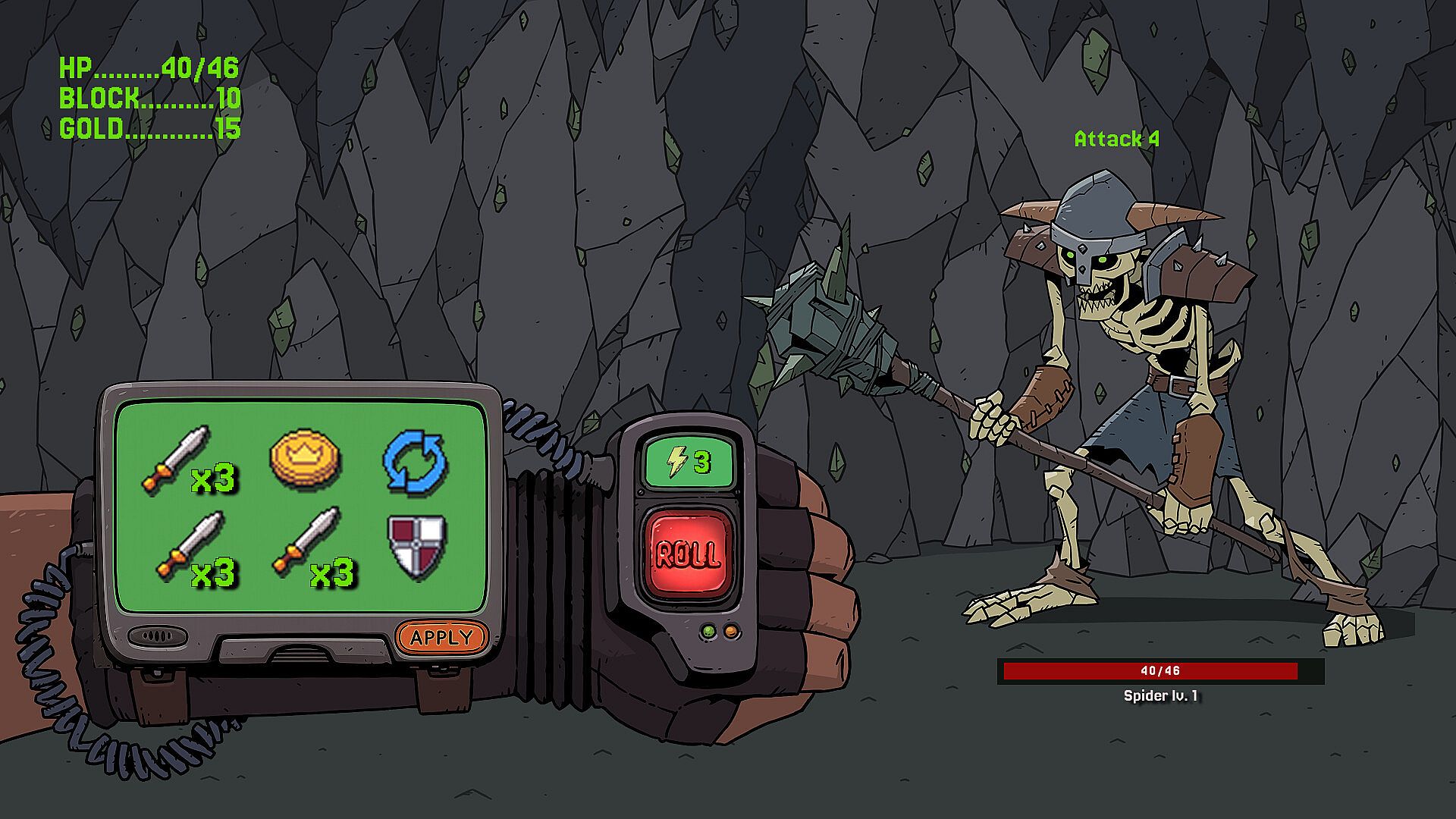
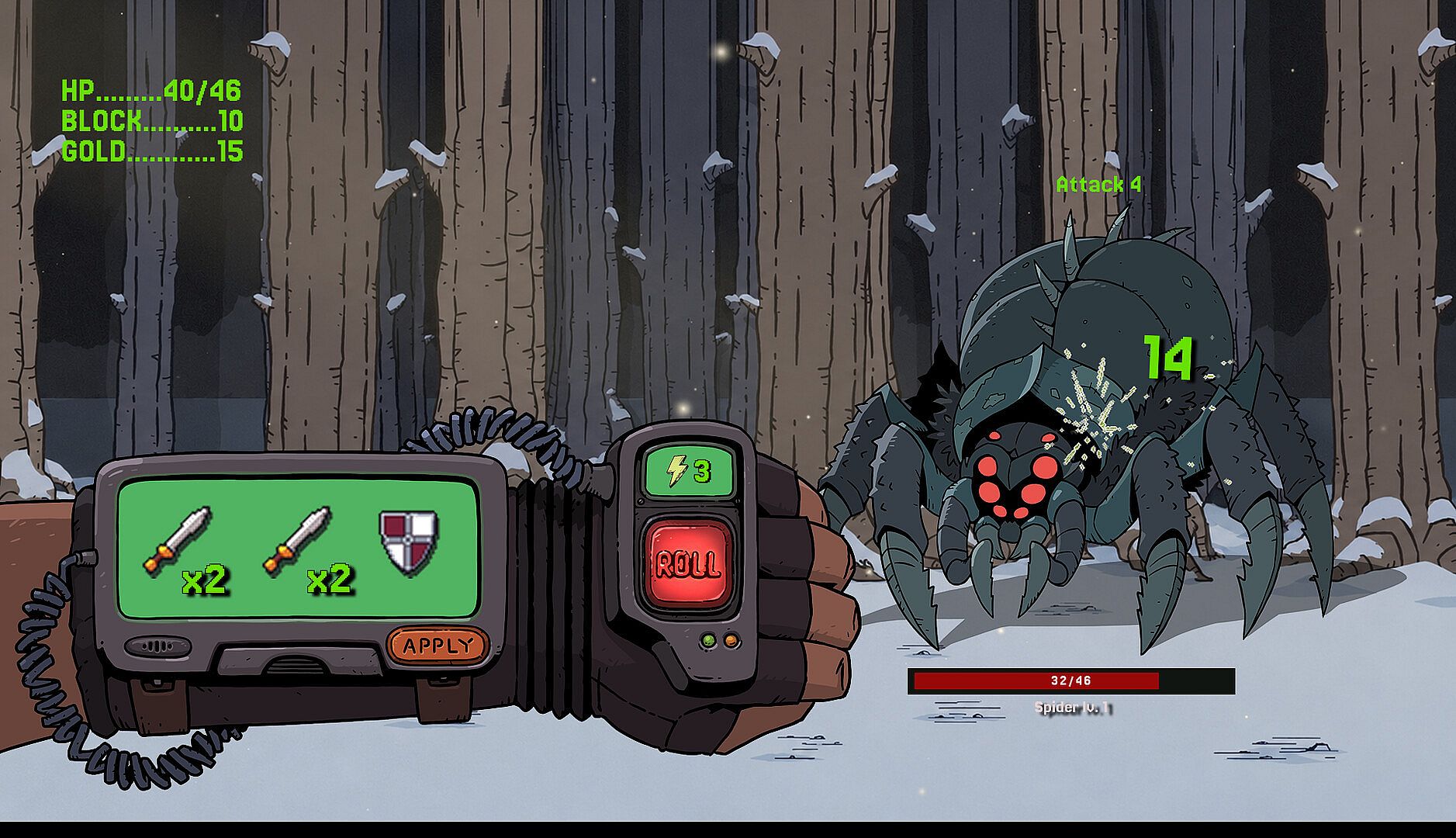
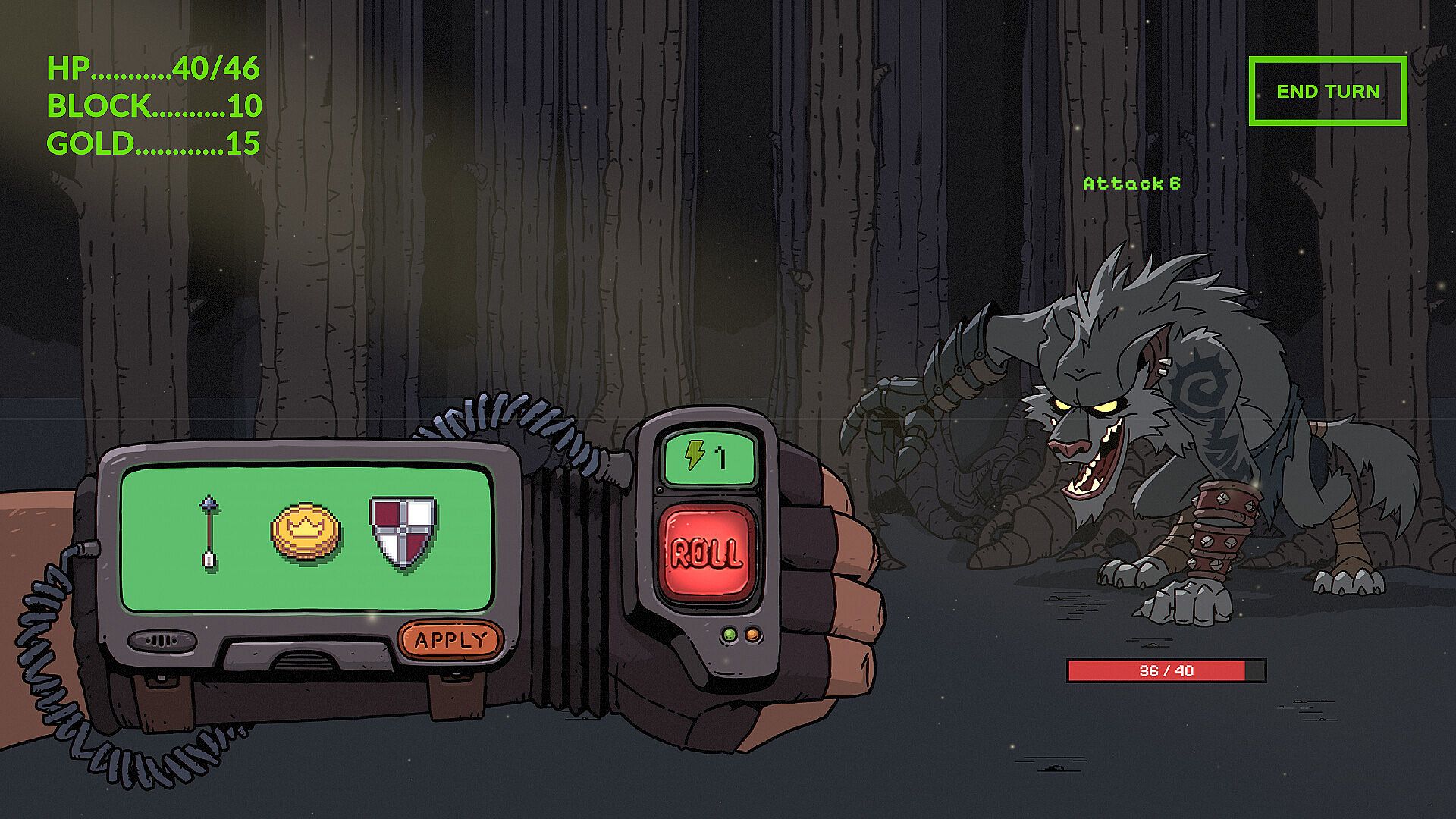
Combat occurs entirely through spins. On each turn the machine activates the elements loaded onto the reels, producing damage, resources, or other effects depending on how symbols align. A large fragment might deliver heavy impact across multiple lines yet occupy space that prevents other pieces from connecting. Smaller fragments reward careful arrangement by chaining together when positioned correctly. Every new pickup requires an immediate decision about what stays in the machine and what gets left behind.
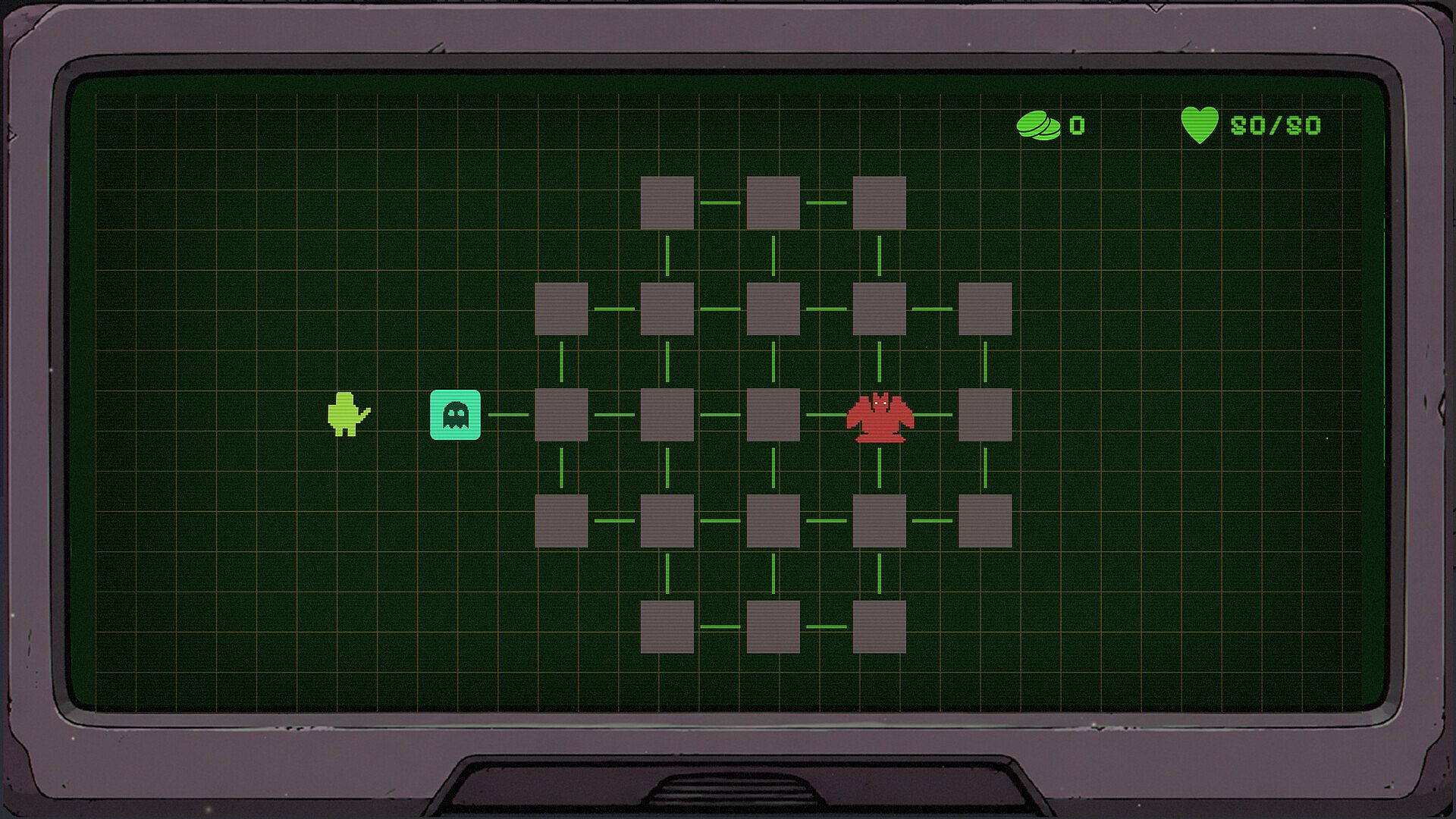
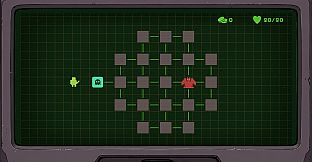
Exploration adds another layer of risk. The map reveals only tiles adjacent to the player, leaving corridors and rooms hidden until approached. One path might lead straight to the exit with the current build, while another could contain valuable fragments guarded by an enemy the machine is not yet equipped to handle. Players weigh the safety of a direct route against the potential gains of detours that could strengthen future spins.
Death ends the run and discards the current machine, yet the experience carries forward. Each attempt reveals which fragment combinations perform reliably and which layouts create dead ends, allowing the next build to start with greater insight into effective arrangements.
Game Modes
Luck in the Dark operates as a single-player roguelike experience centered on repeated runs through the same core structure. There are no separate multiplayer or competitive modes described. Every session follows the same loop of fragment collection, reel management, and map navigation, with the only variation coming from the random placement of fragments and the procedural layout of the fog-covered environment. The emphasis remains on adapting the slot machine build to whatever the current run presents rather than switching between distinct game types.
Core Mechanics and Build Decisions
Fragment management forms the strategic heart of the game. Each piece occupies specific reel positions, and the limited space means players must constantly evaluate synergies. A single oversized fragment can dominate one spin but leave gaps that waste potential on subsequent turns. In contrast, a compact arrangement of smaller pieces opens opportunities for repeated combos if the layout aligns during the spin. The machine itself never changes; only the contents of its reels evolve through player choices.
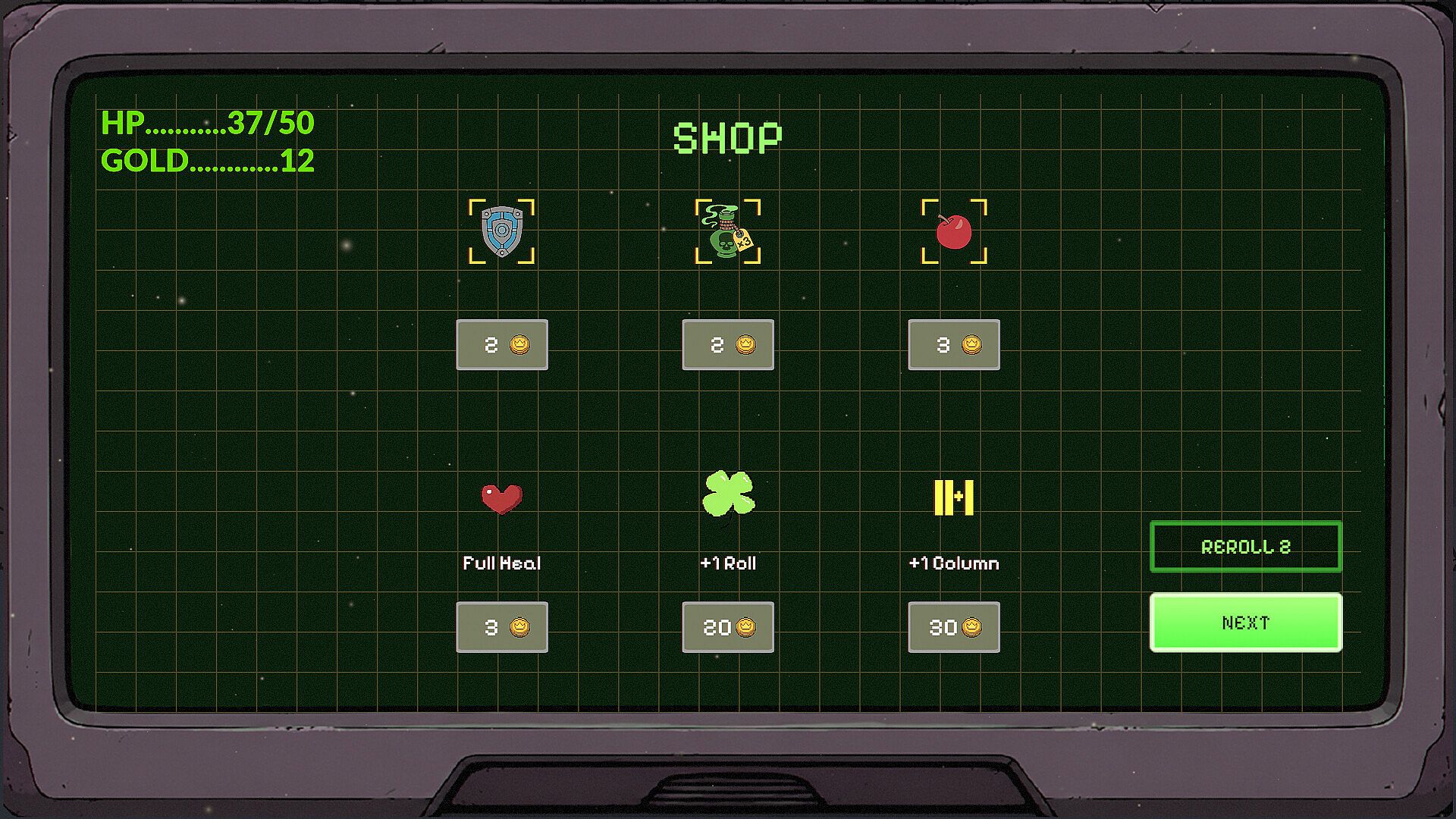
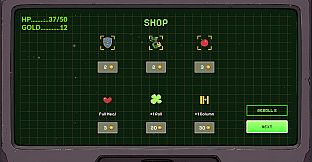
Resource management extends beyond combat. Spins can generate materials that support further exploration or upgrades to the machine's capabilities. Because every fragment added displaces another option, the inventory acts as both a strength and a constraint. Successful runs depend on recognizing when a new piece improves the overall payout potential and when it disrupts an existing rhythm that has already proven effective.
Is It Worth Playing?
Luck in the Dark suits players who enjoy deliberate, turn-based strategy within a roguelike framework where planning and adaptation matter more than reflexes. The slot machine inventory creates a distinctive puzzle each run, rewarding experimentation with fragment shapes and sizes while punishing poor spatial decisions. Runs conclude quickly enough to encourage multiple attempts in a single session, and the knowledge gained from failures directly informs stronger builds on subsequent tries. Those who appreciate games that turn inventory constraints into meaningful choices will find the mechanics engaging. Players seeking fast-paced action or extensive multiplayer options may find the focused single-player structure less appealing. The game stands on its own as a self-contained strategy experience without reliance on external progression systems or seasonal content.