

Lumentide is a tactical turn-based roguelike strategy game developed for PC. Players take on the role of a disembodied presence guiding a small group of pilots through a collapsing Lantern Route as stars fade and space itself unravels. The experience centers on careful planning mixed with unpredictable outcomes in a setting where every choice carries weight for the crew's survival.
Gameplay
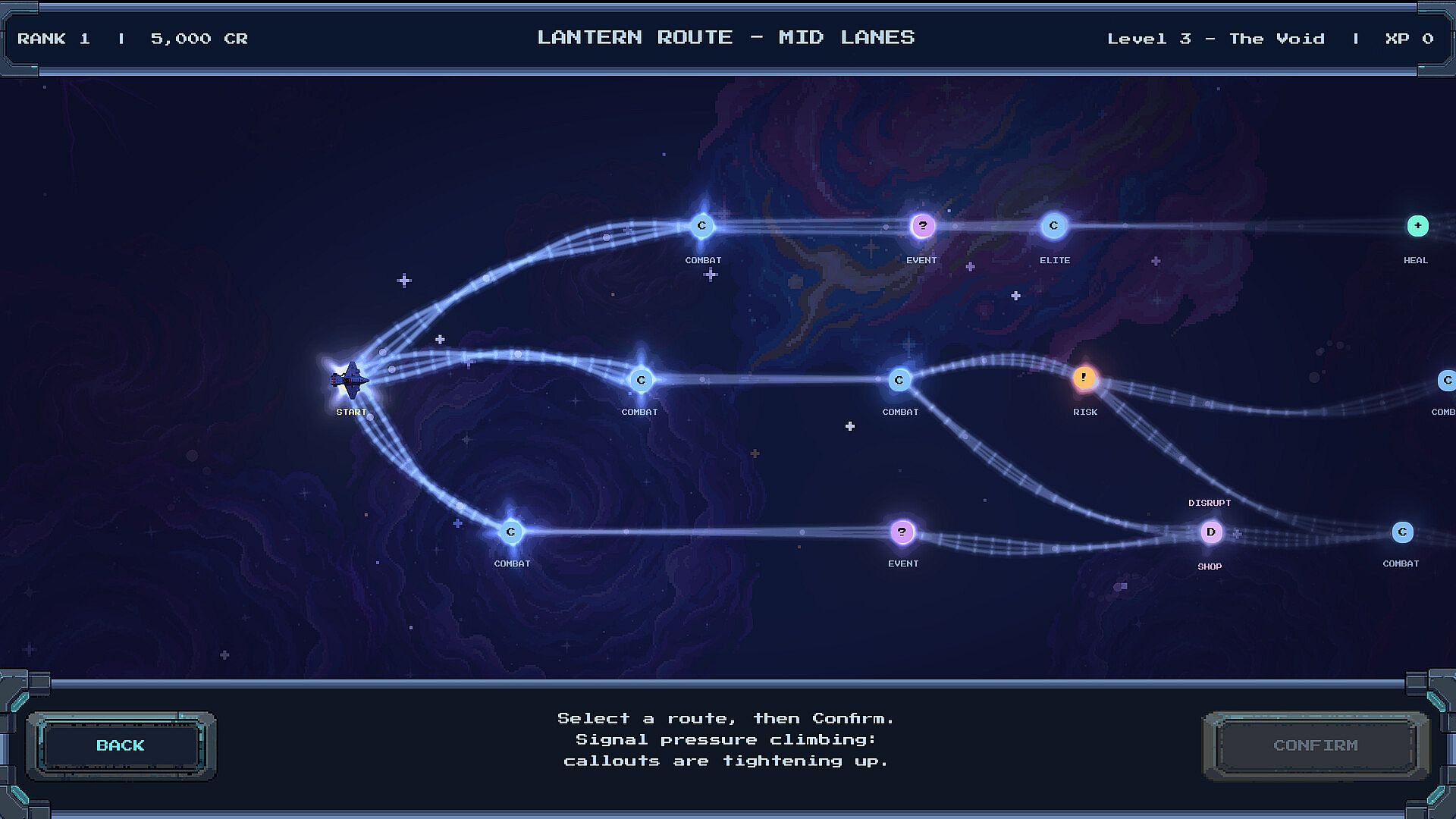
The core loop revolves around charting routes across procedurally generated star maps. Each node on the map presents a decision point that can lead to combat encounters, resource opportunities, or brief moments of respite. Navigation involves weighing risks against potential rewards while the darkening advances behind the ships.
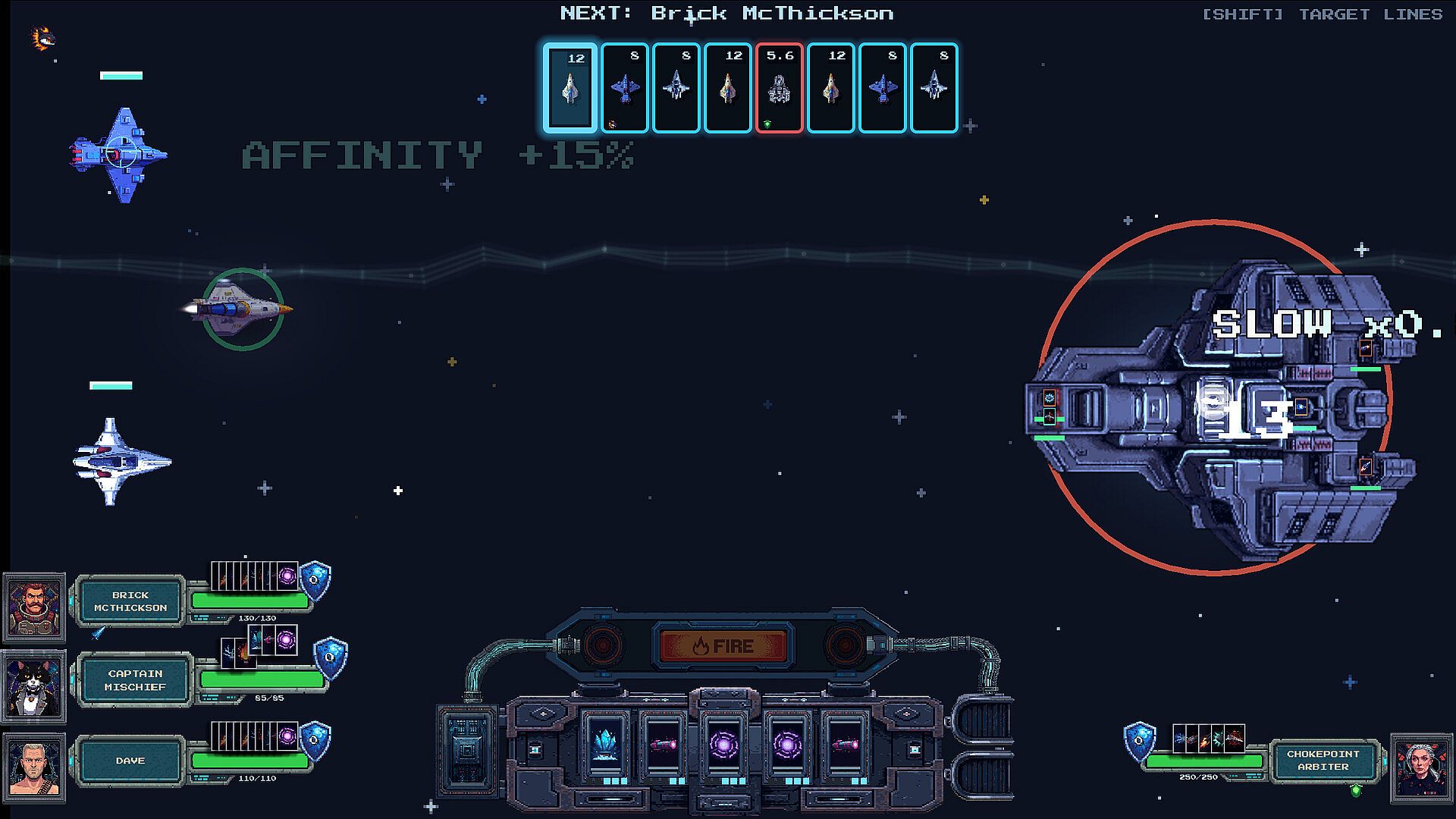
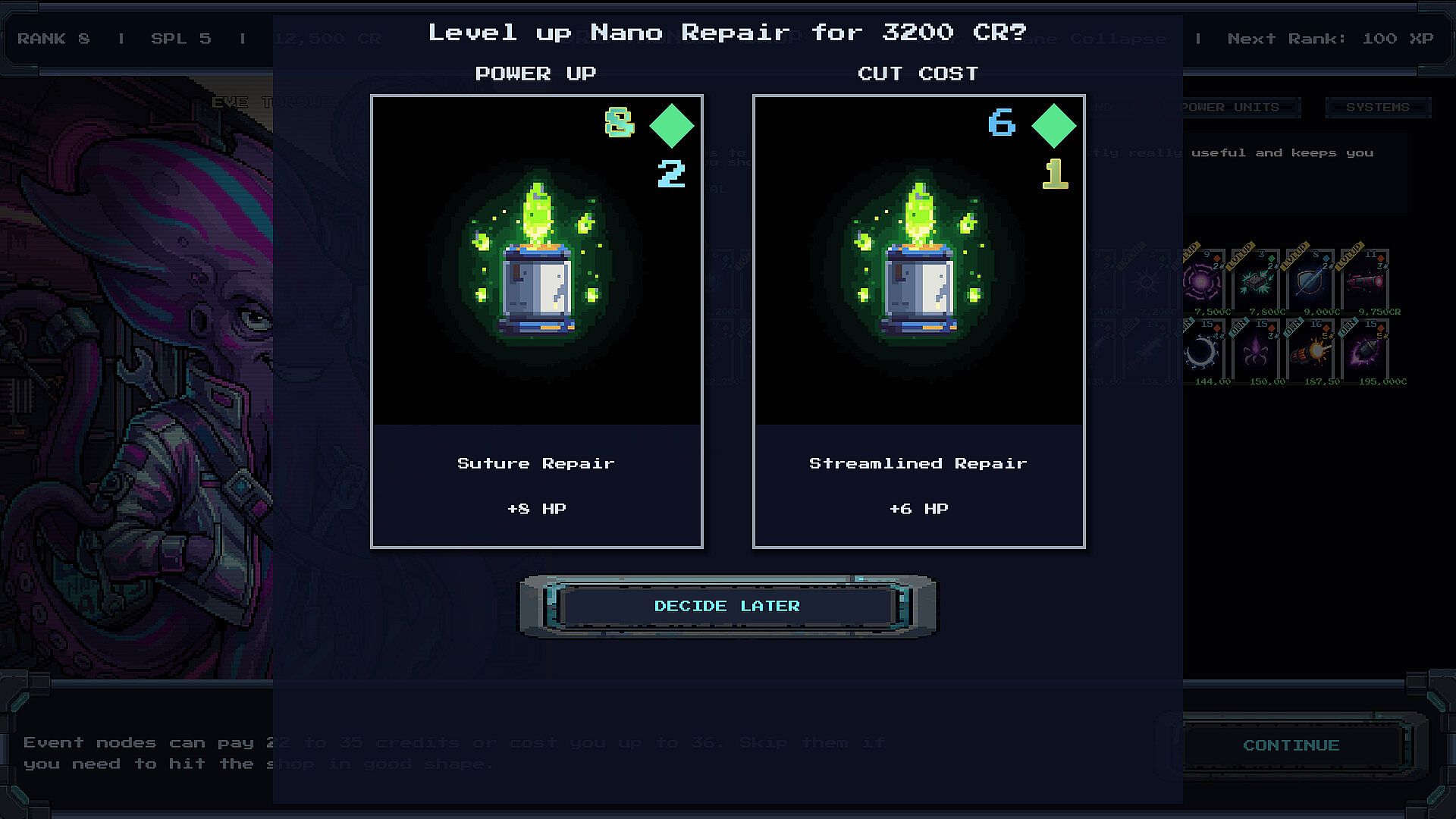
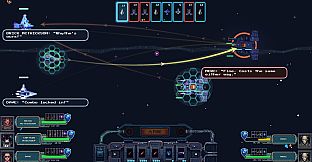
Before any confrontation, players equip individual ships with weapons, shields, and special abilities. Once the fight begins, quantum-entangled options appear in sockets each turn. Selecting and firing these creates opportunities to align two, three, four, or five matching elements for increased damage and defensive bonuses. Enemy patterns require observation and forward thinking, though the system also allows for reactive adjustments when plans shift.
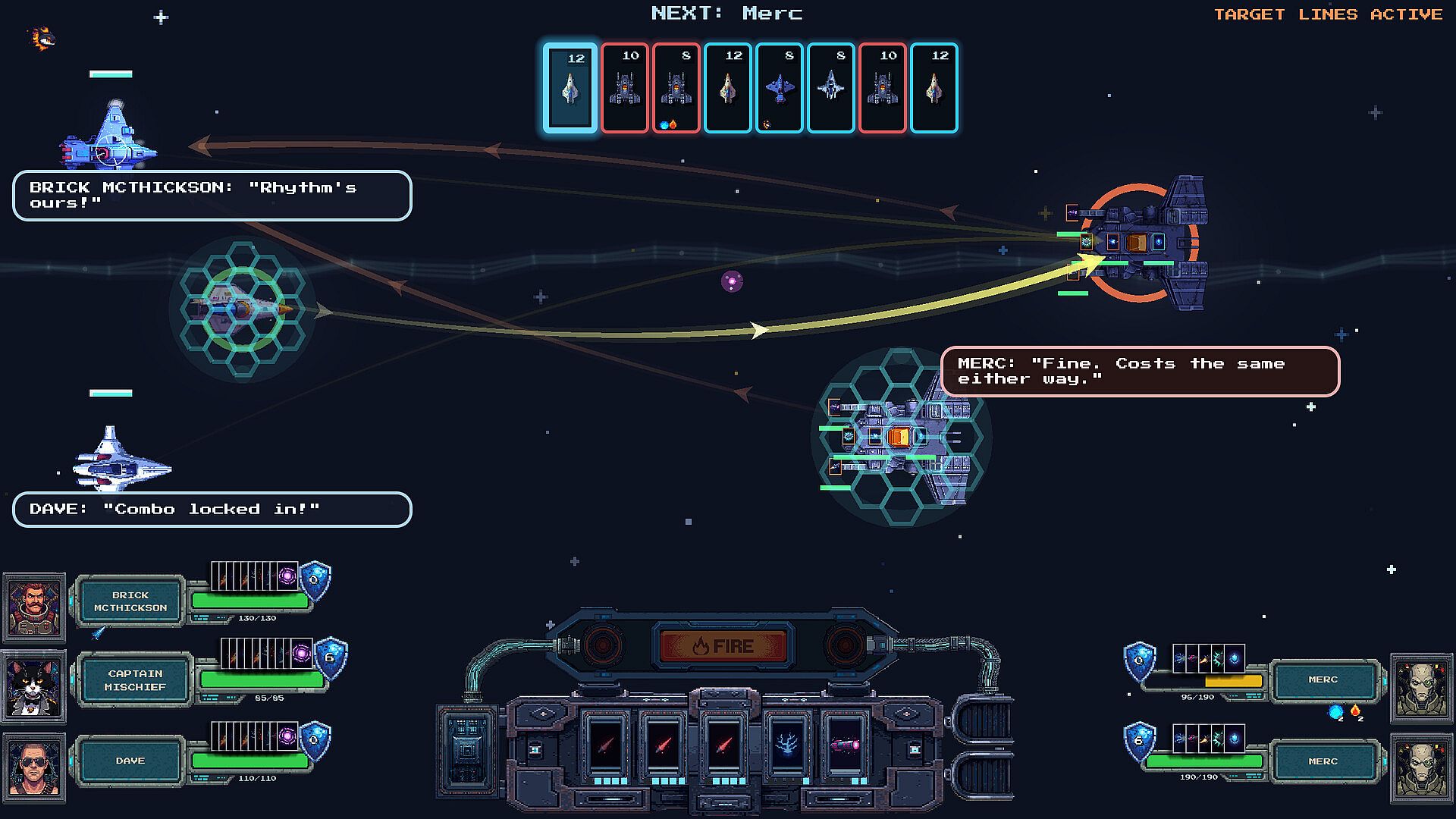
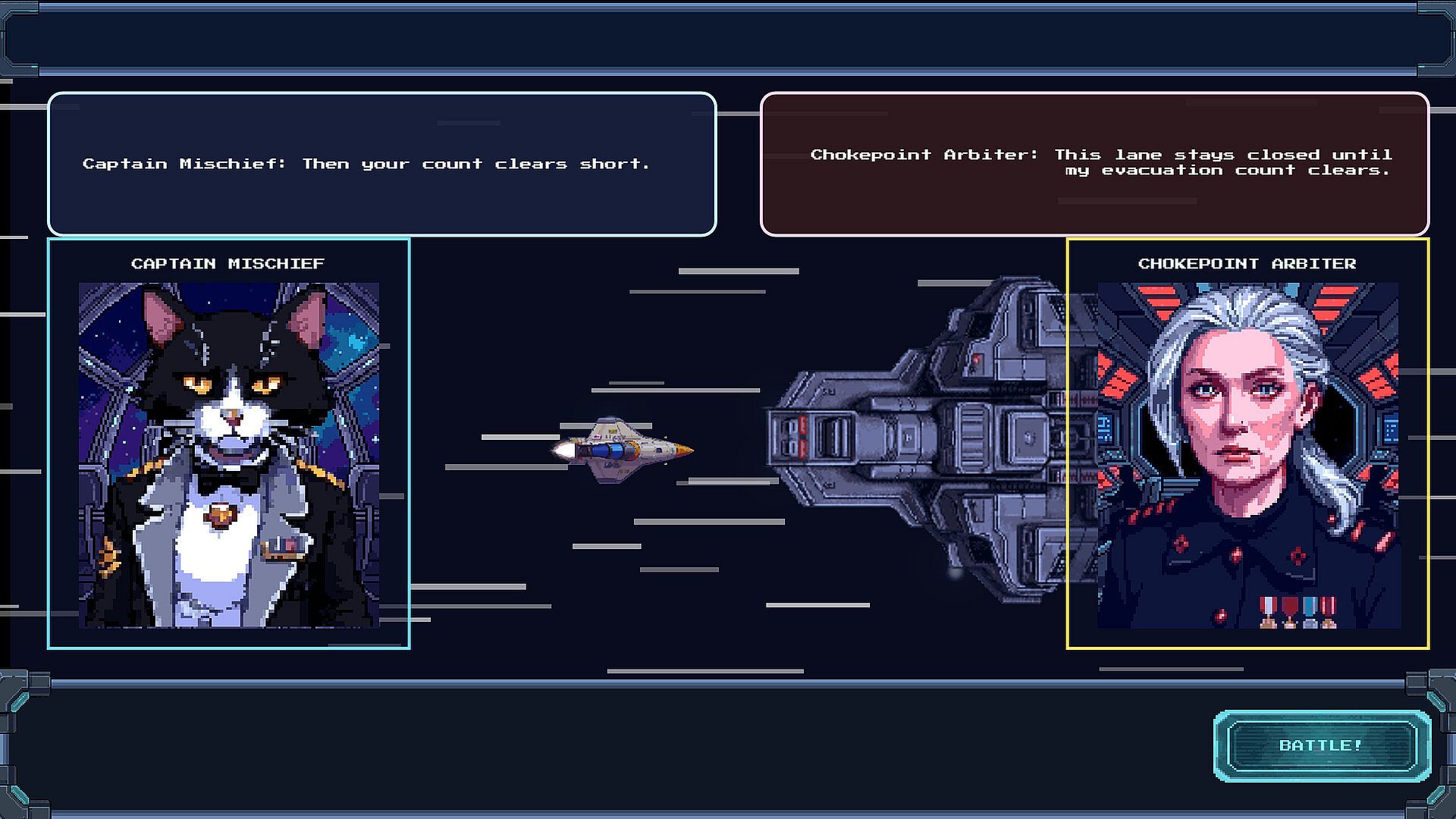
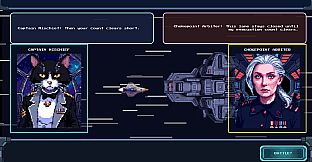
Crew management adds another layer. Pilots possess distinct personalities, bonuses, and abilities that influence both combat performance and dialogue during missions. Keeping them alive across multiple systems lets their strengths compound, while losses force adjustments to the remaining roster and loadouts.
Game Modes
Lumentide operates through repeated roguelike runs on fresh star maps. Each attempt generates a new Lantern Route layout with varying node types and challenges. Runs emphasize short-term survival tactics alongside longer-term decisions about which systems to tackle and which crew members to prioritize.
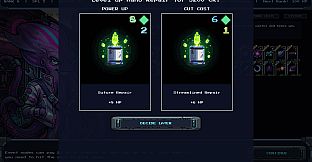
Within runs, players alternate between map navigation and ship-based combat. Map nodes can trigger direct fights against pirates or patrols, encounters with unknown signals that carry risk or reward, or stops at shops for equipment and supplies. The structure encourages experimentation with different crew compositions and ship configurations across successive attempts.
Core Mechanics and Systems
Ship loadouts form the foundation of preparation. Players assign gear ahead of time, then adapt during fights as new options fill the sockets. The matching mechanic rewards alignment of identical elements for escalating effects, blending deliberate selection with the randomness of what appears each turn.
Crew interactions extend beyond stats. Each pilot brings opinions and commentary that surface mid-fight, reflecting their individual traits. This system ties into the broader theme of managing a reluctant team thrust into an escalating crisis.
The star map itself functions as a decision tree. Nodes represent fights, gambles, or recovery points, and the overall route must stay ahead of the spreading darkness. Procedural generation ensures no two runs follow the same path, though the underlying tension of limited resources and crew vulnerability remains constant.
Is It Worth Playing?
Lumentide suits players who enjoy tactical decision-making in roguelike formats where preparation meets uncertainty. The combination of pre-fight loadouts, in-combat matching, and crew personalities creates a loop focused on risk assessment and adaptation rather than pure reflexes.
Those drawn to indie strategy titles with narrative flavor through character dialogue will find the pilot interactions add personality to the systems. The single-player structure keeps the focus on individual runs and incremental progress across attempts.
Reception centers on the distinctive combat resolution and the sense of guiding an imperfect crew through hostile space. The game remains in active development with ongoing refinements to its procedural elements and balance. Players seeking a thoughtful turn-based experience on PC may find the mechanics rewarding after initial runs clarify the systems.